Tag: Science & Technology

  • ONE PILL FOR ALL HEART PROBLEMS

    ONE PILL FOR ALL HEART PROBLEMS

    How often do you forget to pop that pill to control your shooting blood pressure? Or skip the aspirin tablet that could have prevented a stroke at night? Not anymore. For the first time, doctors and researchers have come up with a single pill for all cardiovascular diseases (CVD), including high blood pressure and vulnerability to stroke, doing away with the pain of popping multiple pills to keep your heart healthy. Trials for this new pill – called the polypill – across Europe and India have proved successful, according to a study published on Wednesday in the Journal of the American Medical Association. As many as 28 Indian institutes, including AIIMS, PGIChandigarh and George Institute for Global Health- India worked together as part of the study, planned by London’s Imperial College.

    The formulation for the drug was done by Dr Reddy’s Laboratories. “Most patients with high BP require multiple drugs to keep it under control. This raises the problem of compliance over a prolonged period as patients often forget to take some of the pills. In India, compliance to multiple pills for CVD is as low as 10%. Polypill will take care of it,” said Dr Vivekanand Jha, executive director of George Institute for Global Health-India. While studies have shown that patients with CVD do not take recommended medications in the long-term, the use of fixed-dose combinations (FDCs) like a polypill improves adherence to a large extent.

    The study showed adherence rate increasing by 20% with use of the polypill, a combination of aspirin, statin (cholesterol lowering drugs), and two blood pressurelowering agents. Funded by the European Commission’s Seventh Framework Program, the study has shown evidence, for the first time, about the risks and benefits of the single pill. As many as 2,004 people, in the mean age of 62 and with high risk of CVD, initially participated in the study in India and across Europe between July 2010 and July 2011. The trial follow-up concluded in July 2012. Previous trials have assessed short-term effects. At the end of the study on 1921 of the participants, conducted for an average 15 months, it was found that 829 (86.3%) of the 961 participants who were administered the polypill continued with it.

    In comparison, only 621 (64.7%) of the 960 participants continued with multiple pills as prescribed. But the study showed one limitation: If any of its components led to some adverse effect, the polypill had to be discontinued. The study involved the Imperial College, London’s International Centre for Circulatory Health, The George Institute for Global Health-India, Centre for Chronic Disease Control, New Delhi, Royal College of Surgeons in Ireland, Dublin; Julius Center for Health Sciences and Primary Care, Utrech; Public Health Foundation of India, New Delhi and The George Institute for Global Health, Sydney. “These new findings dispel several myths about the polypill. Despite the use of older medications and fixed doses, the polypill group improved blood pressure and cholesterol levels simply because those surevyed took recommended medications more regularly,” said Prof D Prabhakaran, executive director of the Centre for Chronic Disease Control.

  • Indian scientists conduct earthquake prediction research

    Indian scientists conduct earthquake prediction research

    HYDERABAD (TIP): A group of scientists from the National Geophysical Research Institute is one step closer to actually viewing earthquakes and find out what triggers them. A pioneering deep-earth study underway in the Koyna-Warna region of Maharashtra will lead to improved earthquake prediction, scientists said. The Koyna-Warna region is known for frequent seismic activity, attributed to changes in water levels in water reservoirs present in the region. The objective of the study is to drill holes to depths of 8km to directly visualize and measure rock changes during earthquakes.

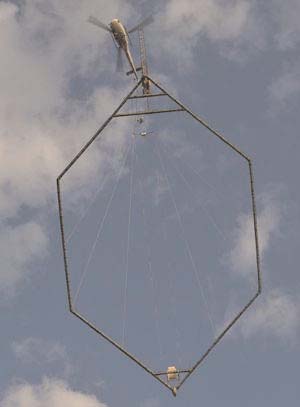
    Fifty researchers from Hyderabadbased NGRI recently concluded airborne gravity gradeometery studies to get a closer look at Earth’s interior, again a first of its kind in the country. “The airborne study across the 600 square km region has thrown immense amount of data. Post analysis, we aim to determine all details of compositional changes within the earth’s interior,” Dr Purnachandra Rao, senior principal scientist at NGRI, who is leading the research, said. The aerial study will help scientists in determining drilling locations. “By March 2014 we intend to drill 10 holes. We expect the project to take anywhere between 5 to 10 years by when we would be actually be able to see what happens inside the earth before, during and after an earthquake. In the years to come we will be able to understand how changing water levels exactly trigger earthquakes,” said Dr Rao. Earlier this year, to test their drilling test capabilities, the research team drilled two holes to depths of 1.5km and retrieved samples of deepearth rocks. Their efforts also led to an exact measure of the ‘Deccan Trap’ in the study region.

    The Deccan Traps are large volcanic deposits formed due to eruptions about 65 million years ago. Talking about reservoir-triggered seismic activity, Rao said the research project in its final phases will help explain various phenomena, including connection between water seepage into rock and seismic activity. In addition to that, drilling will also allow them to place underground earthquake detection devices which will lead to creation of highly efficient warning systems. “The existent practices in seismic studies cannot tell us precisely what is happening deep inside the earth but by drilling into earth we will be able to make direct measurements,” added Rao. Given that available drilling technology in India cannot drill beyond 2km, the project will soon see multinational involvement so as to make available to researchers international drilling and interdisciplinary expertise.

  • SCIENTISTS GROW HUMAN BRAIN TISSUE FROM STEM CELLS

    SCIENTISTS GROW HUMAN BRAIN TISSUE FROM STEM CELLS

    PARIS (TIP): Scientists said on August 28 they had used stem cells to grow primitive human brain tissue for use in studying disorders and early development of this most complex of organs. They used the cells to grow what they dubbed “cerebral organoids” — pea-sized blobs of 3D brain tissue in a Petri dish, with characteristics of early embryonic brain tissue. The feat may reduce scientists’ reliance on the mouse brain, which is a poor model for research into human diseases and treatment, the team wrote in the journal Nature. “Development of the human brain is very different from development, for example, of the mouse brain,” study coordinator Juergen Knoblich of the Austrian Academy of Sciences told a telephone press conference.

    The technology should help biologists study “human-specific” features of human brain development and disease, he said. It was also hoped the method would allow researchers to “test drugs directly in a human setting and thereby avoid animal experiments and get more informed results that are more easily transferrable to human patients,” said Knoblich. Stem cell researchers have made progress to create 3D tissue of other human organs, including the heart and liver, but the brain has remained elusive. Knoblich’s team used pluripotent stem cells, which can be prompted to develop into any kind of cell of the body, to create neural cells that “selforganized” into organoids up to four millimetres (0.15 inches) big. They survived for several months in a spinning bioreactor. “The 3D culture system… develops a variety of brain regions that are capable of influencing one another,” said a summary of the study. “The tissues form in layers and display an organisation similar to the developing human brain at early stages.” The neural cells were “active”, according to Knoblich.

    “These structures are not just peculiar lab artefacts,” said Oliver Bruestle of the University of Bonn’s Life and Brain Centre in a comment on the study. “The organoids recreate early steps in the formation of the human brain’s cerebral cortex, and so lend themselves to studies of brain development and neurodevelopmental disorders.” But despite the fascinating potential, he said the scientific dream of creating a “brain in a dish” remained out of reach. The organoids mimicking different brain regions were randomly distributed and lacked the shape and overall spatial organisation of the human brain. As they had no circulatory system, the supply of nutrients and oxygen was restricted, meaning the organoids could grow to only a few millimetres in size. “Even then, their core represents a dead zone of cells starved of oxygen and nutrients,” said Bruestle. Knoblich said the method was never meant to be used to grow replacement parts for a damaged human brain, and expressed doubt it could ever be used as such, given the organ’s structural complexity.

  • MAGMATIC WATER DETECTED ON LUNAR SURFACE

    MAGMATIC WATER DETECTED ON LUNAR SURFACE

    MUMBAI (TIP): Scientists have detected magmatic water — water that originates from deep within the Moon’s interior — on the surface of the Moon. These findings, published in the August 25 issue of Nature Geoscience, represent the first such remote detection of this type of lunar water, and were arrived at using data from Nasa’s Moon Mineralogy Mapper (M3), according to a press release issued by the Johns Hopkins University Applied Physics Laboratory on Tuesday night.

    The M3 was one of the instruments on board India’s maiden mission to the moon, Chandrayaan-1 which was launched on October 22, 2008. Though it was a two-year mission, it stopped communicating on August 29, 2009. The discovery represents an exciting contribution to the rapidly changing understanding of lunar water, said Rachel Klima, a planetary geologist at the laboratory and lead author of the paper, “Remote detection of magmatic water in Bullialdus Crater on the Moon”

  • MARS MISSION SPACECRAFT CLEARS KEY TEST

    MARS MISSION SPACECRAFT CLEARS KEY TEST

    MUMBAI (TIP): In a major boost to India’s muchawaited mars mission, the red planet-bound spacecraft cleared a crucial 15-day test at the Bangalore satellite centre. The 1,350kg spacecraft, which Isro plans to launch after October 21, cleared the thermo-vacuum test with all five payloads on August 27 night. The test was conducted to verify the spacecraft’s performance in a simulated space environment with temperatures beyond those expected in the orbit. “The test went off flawlessly. There were no problems either with the payloads or the spacecraft,” an Isro official said.

    In the next phase, the spacecraft will be subjected to an acoustic and vibration test to assess its response again in a simulated launch environment. “Once this is completed, the spacecraft will be moved to Sriharikota sometime in the middle of September,” the official said.

  • Indian scientist performs world’s first human-to-human brain interface

    Indian scientist performs world’s first human-to-human brain interface

    LONDON (TIP): An Indian scientist at the University of Washington has performed the world’s first ever noninvasive human-to-human brain interface, in which one researcher was able to send a brain signal via the internet to control the hand motions of a fellow researcher. This comes after researchers at Duke University in the US demonstrated brain-to-brain communication between two rats and Harvard scientists have demonstrated it between a human and a rat. The university announced that researcher Rajesh Rao used Electroencephalography or EEG — routinely used to record brain activity non-invasively from the scalp — to play a computer game with his mind.

    Across campus, researcher Andrea Stocco wore a magnetic stimulation coil. Stocco’s right index finger moved involuntarily to hit the “fire” button as part of the first human brain-to-brain interface demonstration — the thought that was transmitted by Rao. Rao, a professor of computer science and engineering who has been working on brain-computer interfacing for more than a decade, said, “It was both exciting and eerie to watch an imagined action from my brain get translated into actual action by another brain. This was basically a one-way flow of information from my brain to his. The next step is having a more equitable two-way conversation directly between the two brains.” “The internet was a way to connect computers, and now it can be a way to connect brains,” Stocco said. “We want to take the knowledge of a brain and transmit it directly from brain-to-brain,” Stocco added.

    On August 12, Rao sat in his lab wearing a cap with electrodes hooked up to an EEG machine, to read electrical activity in the brain. Stocco wore a purple swim cap marked with the stimulation site for the transcranial magnetic stimulation coil that was placed directly over his left motor cortex — which controls hand movement. The team had a Skype connection set up, so the two labs could coordinate though neither Rao nor Stocco could see the Skype screens. Rao looked at a computer screen and a simple video game with his mind. When he was supposed to fire a cannon at a target, he imagined moving his right hand (being careful not to actually move his hand), causing a cursor to hit the “fire” button. Almost instantaneously, Stocco who wore noisecancelling ear buds and wasn’t looking at a computer screen involuntarily moved his right index finger to push the spacebar on the keyboard in front of him, as if firing the cannon. Stocco said the feeling of his hand moving involuntarily was that of a nervous tic.

    Transcranial magnetic stimulation is a non-invasive way of delivering stimulation to the brain to elicit a response. Its effect depends on where the coil is placed; in this case, it was placed directly over the brain region that controls a person’s right hand. By activating these neurons, the stimulation convinced the brain that it needed to move the right hand, the university said. Rao cautions that this technology at present only reads certain kinds of simple brain signals, not a person’s thoughts. And it doesn’t give anyone the ability to control your actions against your will.

  • SUN UNLEASHES FLARES AT EARTH @3.3M KM/HR

    SUN UNLEASHES FLARES AT EARTH @3.3M KM/HR

    WASHINGTON (TIP): The Sun has unleashed a powerful storm, sending an enormous cloud of superheated particles rocketing towards Earth at a mind-boggling speed of 3.3 million kilometre per hour. On August 20, the Sun erupted with an Earth-directed coronal mass ejection or CME, a solar phenomenon which can send billions of tons of particles into space that can reach Earth one to three days later.

    “These particles cannot travel through the atmosphere to harm humans on Earth, but they can affect electronic systems in satellites and on the ground,” Nasa said. Experimental Nasa research models, based on observations from Nasa’s Solar Terrestrial Relations Observatory show that the CME left the Sun at speeds of around 570 miles per second or 3.3 million km/h, which is a fairly typical speed for CMEs. Earth-directed CMEs can cause a space weather phenomenon called a geomagnetic storm, which occurs when they funnel energy into Earth’s magnetic envelope , the magnetosphere, for an extended period of time. The CME’s magnetic fields peel back the outermost layers of Earth’s fields changing their very shape. “In the past, geomagnetic storms caused by CMEs of this strength have usually been mild,” Nasa said. Nasa warned the magnetic storms can degrade communication signals and cause unexpected electrical surges in power grids.

  • THIS CLOCK SHOWS MOST ACCURATE TIME

    THIS CLOCK SHOWS MOST ACCURATE TIME

    WASHINGTON (TIP): Scientists claim to have developed the world’s most precise clock made from the element ytterbium, whose ticking rate varies less than two parts in one quintillion – ten times better than any other device. A pair of experimental atomic clocks based on ytterbium atoms has set a new record for stability, researchers said. The clocks act like 21st century pendulums or metronomes that could swing back and forth with perfect timing for a period comparable to the age of the universe.

    Physicists at the National Institute of Standards and Technology said that the ytterbium clocks’ tick is more stable than any other atomic clock. Stability can be thought of as how precisely the duration of each tick matches every other tick. The ytterbium clock ticks are stable to within less than two parts in 1 quintillion (1 followed by 18 zeros), roughly 10 times better than the previous best published results for other atomic clocks, experts said.

    This has the potential for significant impacts not only on timekeeping, but also on a broad range of sensors measuring quantities that have tiny effects on ticking rate of atomic clocks, like gravity, magnetic fields, and temperature.

  • FEMALE SPERM & MALE EGGS A POSSIBILITY

    FEMALE SPERM & MALE EGGS A POSSIBILITY

    LONDON (TIP): Researchers have suggested that it may be possible in the future to create sperm from women and eggs from men – a feat, that if achieved, could revolutionize infertility treatments. Katsuhiko Hayashi of Kyoto University in Japan and his senior professor Mitinori Saitou used skin cells from mice to create primordial germ cells or PGCs.

    PGCs are the common precursor of both male and female sex cells. These cells were then developed into both sperm and eggs. Scientists used these to create live-births via invitro fertilization. The technique offers numerous possibilities for reproductive medicine. It may allow infertile women to have babies by creating eggs from their skin cells, and also make it possible for sperm and eggs cells to be created from either males or females, ‘The Independent’ reported. In the technique, pluripotent stem cells were extracted from early-stage embryos and somatic cells, and were then converted into PGCs using signalling molecules.

    These germ cells were transplanted into the ovaries and testes of living mice to develop. Once these cells were mature they were extracted and used to fertilise one another in vitro. The initial research took place in October last year, with researchers claiming that the live-births were merely a ‘side effect’ of the research to demonstrate that the creation of PGCs had been successful.

    Other researchers have replicated the production of PGCs but could not succeed in producing live births. The scientists involved also have many other hurdles to overcome including the production of ‘fragile’ and ‘misshapen’ eggs, wrote David Cyranoski in ‘Scientific American’. The Japanese team is now working on monkey embryos and believe they could repeat the mouse work in monkeys within 5-10 years, with the creation of human PGCs following shortly after.

    While making PGCs for infertility treatment will be a huge jump, many scientists are urging caution as embryonic stem cells frequently pick up chromosomal abnormalities, genetic mutations and epigenetic irregularities during culture. Hayashi has also said that a viable infertility treatment could be 10 or even 50 years in the future. “My impression is that it is very far away. I don’t want to give people unfeasible hope,” he said.

  • Blood test can tell if you are suicidal

    Blood test can tell if you are suicidal

    LONDON: A simple blood test can now identify people most prone to committing suicide. Scientists from Indiana University School of Medicine researchers have found a series of RNA biomarkers in blood that may help identify who is at risk for taking their on life.

    Researchers said the biomarkers were found at significantly higher levels in the blood of both bipolar disorder patients with thoughts of suicide as well in a group of people who had committed suicide. Researchers now believe the results provide a first “proof of principle” for a test that could provide an early warning of somebody being at higher risk for an impulsive suicide act. “Suicide is a big problem in psychiatry. It’s a big problem in the civilian realm, it’s a big problem in the military realm and there are no objective markers.

    There are people who will not reveal they are having suicidal thoughts when you ask them, who then commit it and there’s nothing you can do about it. We need better ways to identify, intervene and prevent these tragic cases,” said investigator Dr Alexander B Niculescu, director of the Laboratory of Neurophenomics at the Institute of Psychiatric Research at the IU School of Medicine. Over three years, Niculescu and his colleagues followed a large group of patients diagnosed with bipolar disorder, completing interviews and taking blood samples every three to six months.

    The researchers conducted a variety of analyses of the blood of a subset of participants who reported a dramatic shift from no suicidal thoughts to strong suicidal ideation. They identified differences in gene expression between the “low” and “high” states of suicidal thoughts and subjected those findings to a system of genetic and genomic analysis called Convergent Functional Genomics that identified and prioritized the best markers by cross-validation with other lines of evidence.

    The researchers found that the marker SAT1 and a series of other markers provided the strongest biological “signal” associated with suicidal thoughts. Next, to validate their findings, working with the local coroner’s office, they analyzed blood samples from suicide victims and found that some of same top markers were significantly elevated.

  • NASA TO CRASH COPTER TO MAKE FLIGHTS SAFER

    NASA TO CRASH COPTER TO MAKE FLIGHTS SAFER

    WASHINGTON (TIP): Nasa researchers will drop a 45-foot-long helicopter fuselage from a height of about 30 feet to test improved seat belts and seats and advance experimental techniques and crashworthiness data. The ultimate goal of the crash is to help make helicopters and other vertical take-off and landing vehicles more serviceable — able to carry more passengers and cargo — quicker, quieter, safer and greener, Nasa said.

    Improved designs might allow helicopters to be used more extensively in the airspace system. “We have instrumented a former Marine helicopter airframe with cameras and accelerometers,” said lead test engineer Martin Annett. “Almost 40 cameras inside and outside the helicopter will record how 13 crash test dummies react before , during and after impact ,” said Annet.

    During the test, onboard computers will record more than 350 channels of data as the helicopter is swung by cables , like a pendulum, into a bed of soil. Just before impact, pyrotechnic devices release the suspension cables from the helicopter to allow free flight. For the first time ever in any test, technicians installed a video game motion sensor in the helicopter. The helicopter will hit the ground at about 48.2kph. “We want to see if it is useful as an additional way to track the movements of the dummies,” said test engineer Justin Littell.

  • Universal Dengue Vaccine Closer To Reality

    Universal Dengue Vaccine Closer To Reality

    WASHINGTON (TIP): A new strategy has been developed that cripples the ability of the dengue virus to escape the host immune system. STAR’s Singapore Immunology Network (SIgN) made the breakthrough, which has opened the door of hope to what may become the world’s first universal dengue vaccine candidate that can give full protection from all four serotypes of the dreadful virus.

    This research done in collaboration with Singapore’s Novartis Institute of Tropical Diseases (NITD) and Beijing Institute of Microbiology and is also supported by Singapore STOP Dengue Translational and Clinical Research (TCR) Programme grant. Early studies have shown that a sufficiently weakened virus that is still strong enough to generate protective immune response offers the best hope for an effective vaccine.

    However, over the years of vaccine development, scientists have learnt that the path to finding a virus of appropriate strength is fraught with challenges. This hurdle is compounded by the complexity of the dengue virus. Even though there are only four different serotypes, the fairly high rates of mutation means the virus evolve constantly, and this contributes to the great diversity of the dengue viruses circulating globally.

    Furthermore, in some cases, the immune response developed following infection by one of the four dengue viruses appears to increase the risk of severe dengue when the same individual is infected with any of the remaining three viruses. The new strategy uncovered in this study overcomes the prevailing challenges of vaccine development by tackling the virus’ ability to ‘hide’ from the host immune system. Dengue virus requires the enzyme called MTase (also known as 2′-Omethyltransferase) to chemically modify its genetic material to escape detection.

    In this study, the researchers discovered that by introducing a genetic mutation to deactivate the MTase enzyme of the virus, initial cells infected by the weakened MTase mutant virus is immediately recognised as foreign. As a result, the desired outcome of a strong protective immune response is triggered yet at the same time the mutant virus hardly has a chance to spread in the host. Animal models immunised with the weakened MTase mutant virus were fully protected from a challenge with the normal dengue virus.

    The researchers went on to demonstrate that the MTase mutant dengue virus cannot infect Aedes mosquitoes. This means that the mutated virus is unable to replicate in the mosquito, and will not be able to spread through mosquitoes into our natural environment. Taken together, the results confirmed that MTase mutant dengue virus is potentially a safe vaccine approach for developing a universal dengue vaccine that protects from all four serotypes.

    The team leader, Dr Katja Fink from SIgN said that there is still no clinically approved vaccine or specific treatment available for dengue, so we are very encouraged by the positive results with this novel vaccine strategy.

  • New Stem Cell Technique May Provide Cancer Cure

    New Stem Cell Technique May Provide Cancer Cure

    LONDON (TIP): Scientists have developed a new stem cell technique which they believe could lead to a quicker treatment for cancer and reduce reliance on chemotherapy. The method would also be more effective at stopping the disease from returning by reprogramming cancerfighting cells, researchers said. The technique takes white blood cells and transforms them into stem cells before being reprogrammed to fight the patient’s cancer, the ‘Daily Express’ reported.

    “This is very specific to the cancer cells themselves. This means fewer side effects and secondly, because they stay in the body, they are ‘living drugs’ and once present move around and stop recurrences,” said lead researcher Dr Michel Sadelain, of the Memorial Sloan-Kettering Cancer Center in New York. The research has been tested on mice, but Sadelain expects it to be tested on humans and developed as a treatment only by 2020.

    “It looks pretty exciting. It’s effectively using the body’s own immune system and harnessing its power to attack the cancer cells,” Dr Emma Smith, senior science information officer at Cancer Research UK, said.

  • Get, Set And Fly: Jetpacks Ready For Manned Flights

    Get, Set And Fly: Jetpacks Ready For Manned Flights

    WELLINGTON (TIP): The New Zealand developers of a personalized jetpack said on Tuesday that aviation regulators have issued the device with a flying permit, allowing for manned test flights. Martin Aircraft chief executive Peter Coker said the certification was a significant milestone in the development of the jetpack, which the company hopes to begin selling next year.

    “For us it’s a very important step because it moves it out of what I call a dream into something which I believe we’re now in a position to commercialize and take forward very quickly,” Coker said. The jetpack is the brainchild of inventor Glenn Martin , who began working on it in his Christchurch garage more than 30 years ago. Inspired by childhood television shows such as “Thunderbirds” and “Lost in Space” , Martin set out in the early 1980s to create a jetpack suitable for everyday use by ordinary people with no specialist pilot training.

    His jetpack consists of a pair of cylinders containing propulsion fans attached to a free-standing carbon-fibre frame. The pilot backs into the frame, straps himself in and controls the wingless jetpack with two joysticks. While the jetpack’s concept is simple enough, Time magazine likened it to two enormous leaf blowers welded together, fine-tuning it into an aircraft that is safe and easy to use has been a lengthy process.

    Coker said the latest prototype, the P12, incorporated huge design improvements over earlier versions. “Changing the position of the jetpack’s ducts has resulted in a quantum leap in performance over the previous prototype,” he said.

  • Urine Could Help Regrow Lost Teeth

    Urine Could Help Regrow Lost Teeth

    LONDON (TIP): Stem cells obtained from urine could one day allow humans to regrow lost teeth, scientists claim. Chinese scientists used stem cells from urine to create tiny ‘tooth buds’ that when transplanted into mice grew into tooth-like structures. Stem cells — cells which can grow into any type of tissue — are popular among researchers looking for ways to grow new teeth to replace those lost with age and poor dental hygiene.

    The group at the Guangzhou Institutes of Biomedicine and Health used urine as the starting point, BBC News reported. Cells which are normally passed from the body, such as those from the lining of the body’s waterworks, are harvested in the laboratory. These collected cells are then coaxed into becoming stem cells. In the study, a mix of these cells and other material from a mouse was implanted into the animals. The researchers said that after three weeks the bundle of cells started to resemble a tooth: “The tooth-like structure contained dental pulp, dentin, enamel space and enamel organ.” However, the “teeth” were not as hard as natural teeth.

    The tooth is out there Scientists used stem cells from urine to create tiny ‘tooth buds’ Cells which are normally passed from the body, such as those from the lining of the body’s waterworks, were harvested in a laboratory When transplanted These collected cells However, the “teeth” into mice, they grew into were then coaxed into were not as hard as tooth-like structures becoming stem cells natural teeth

  • Moon Mission To Test Laser Spacecraft Communications

    Moon Mission To Test Laser Spacecraft Communications

    LONDON (TIP): An advanced laser system offering incredibly faster data speeds to link with spacecraft beyond the Earth has successfully passed a crucial ground test, scientists say. European Space Agency ESA’s observatory in Spain will use the laser to communicate with a Nasa Moon orbiter later this year. The laboratory testing paves the way for a live space demonstration in October, once Nasa’s Lunar Atmosphere and Dust Environment Explorer (LADEE) begins orbiting the Moon. LADEE carries a terminal that can transmit and receive pulses of laser light.

    ESA’s Optical Ground Station on Tenerife will relay data at unprecedented rates using infrared light beams at a wavelength similar to that used in fiber-optic cables on Earth. “The testing went as planned, and while we identified a number of issues, we’ll be ready for LADEE’s mid-September launch,” said Zoran Sodnik, manager for ESA’s Lunar Optical Communication Link project.

    “Our ground station will join two NASA stations communicating with the LADEE Moon mission, and we aim to demonstrate the readiness of optical communication for future missions to Mars or anywhere else in the Solar System,” Sodnik said. The testing took place in July at a Zurich, Switzerland, facility owned by ESA’s industrial partner RUAG and made use of a new detector and decoding system, a ranging system and a transmitter.

    A Nasa team brought over their laser terminal simulator, while ESA together with RUAG and Axcon of Denmark set up the European equipment to test compatibility between the two sets of hardware. “This interagency optical compatibility test was the first of its kind, and it established the uplink, downlink and the ranging measurement,” said ESA’s Klaus- Juergen Schulz, responsible for ground station systems at the European Space Operations Centre, Darmstadt.

    Laser communications at nearinfrared wavelengths may be the way of the future when it comes to downloading massive amounts of data from spacecraft orbiting Earth, Mars or even more distant planets, researchers said. These units are lighter, smaller and need less power than today’s radio systems, promising to cut mission costs and provide opportunities for new science payloads.

  • World’s Fastest Switch Created

    World’s Fastest Switch Created

    LONDON: US department of energy’s (DOE) SLAC National Accelerator Laboratory have clocked the fastest-possible electrical switching in magnetite, a naturally magnetic mineral. Their results could drive innovations in the tiny transistors that control the flow of electricity across silicon chips, enabling faster , more powerful computing devices. Scientists using SLAC’s Linac Coherent Light Source (LCLS) X-ray laser found that it takes only 1 trillionth of a second to flip the on-off electrical switch in samples of magnetite, which is thousands of times faster than in transistors being used now.

    While magnetite’s basic magnetic properties have been known for thousands of years, the experiment shows how much still can be learned about the electronic properties of magnetite. “This breakthrough research reveals for the first time the speed limit for electrical switching in this material,” said Roopali Kukreja, a materials science researcher at SLAC and Stanford University, who is a lead author of the study.The study shows how such conducting and nonconducting states can co-exist and create electrical pathways in next-generation transistors.

    Scientists first hit each sample with a visiblelight laser, which fragmented the material’s electronic structure at an atomic scale, rearranging it to form the islands. The laser blast was followed closely by an ultra bright, ultra short X-ray pulse that allowed researchers to study, for the first time, the timing and details of changes in the sample excited by the initial laser strike. By slightly adjusting the interval of the X-ray pulses, they precisely measured how long it took the material to shift from a non-conducting to an electrically conducting state, and observed the structural changes during this switch.

  • Quakes Add To Global Warming

    Quakes Add To Global Warming

    BERLIN (TIP): Earthquakes may contribute to global warming by releasing methane, a highly potent greenhouse gas, from the ocean floor, according to a new study. An international team of scientists investigated the aftermath of a magnitude 8.1 earthquake that took place in the Northern Arabian Sea in 1945. They postulated that this event caused the release of about 7.4 million cubic metres methane, into the ocean. In 2007, during a research cruise off the coast of Pakistan, the scientists obtained several sediment cores.

    One of these cores contained methane hydrates, a solid ice-like structure of methane and water, just 1.6 metres below the sea floor. Investigations of these enabled the scientists to relate the 1945 earthquake to the concomitant release of methane , researchers said. Scientists from the MARUM Institute at the University of Bremen, the Alfred Wegener Institute Helmholtz Centre for Polar and Marine Research in Bremerhaven , and the ETH Zurich investigated hydrocarbon cold seeps at the Pakistani continental margin. During their expedition with the research vessel METEOR , the researchers extracted sediment core samples , which they closely investigated in the lab.

    “Based on several indicators , we postulated that the earthquake led to a fracturing of the sediments, releasing the gas that had been trapped below the hydrates into the ocean,” said first author Dr David Fischer The conservative estimate of the methane released since the earthquake, not taking into account how much was discharged directly after the quake, is equivalent to roughly 7.4 cubic metres of methane gas at standard conditions at the earth’s surface, which equals 10 large gas tankers.

  • A Jeep-Like Amphibious Car

    A Jeep-Like Amphibious Car

    NEW YORK (TIP): Amphibious car! Two men in the US claim to have developed a hybrid vehicle that can be driven on land as well as the sea. Called the Panther, the amphibious car’s co-founders Fred Selby and Dave March have been working on amphibious vehicle projects for more than a decade. The genesis of their work came about after March purchased an Amphicar — a German-designed amphibious convertible from the 1960s. But, he desired a vehicle faster than the Amphicar’s 40-somehorsepower engine could muster.

    The duo dabbled with engines from Subaru and Chevrolet, but settled on the Honda engine because of its strength and its copious horsepower — around 250. “It’ll never be the world’s best car, and it’ll never be the world’s best boat,” Selby said. “But it sure as hell is the fastest amphibious vehicle on this globe.” The ‘WaterCar’ resembles a Jeep pickup truck, down to the flatfaced front and its signature taillights. Panther’s grille is only six slots, instead of the Jeep’s signature, trademarked seven-slot grille.

    The Panther’s body is constructed of fibreglass, rather than steel, for the sake of lightness, and is coated in anti-corrosion sprays to ward off the effects of salt water. To keep the Panther afloat, a hull is also lined with foam, ‘New York Daily News’ reported. The Panther’s spare interior bears little similarity to the Jeep’s , allowing owners room for customization and individuality .

    The hull sticks out slightly from underneath the front of the Panther in order to ensure smooth sailing as well as seamless integration into the vehicle’s design . Panther effortlessly transition from car to boat, the report said. Unlike operating a traditional boat, driver and passengers are all seated, making it somewhat difficult to see through and over the windshield when the boat is on plane, essentially with the nose pointed up and the accelerator floored.

  • Be Invisible To Mosquitoes

    Be Invisible To Mosquitoes

    WASHINGTON (TIP): Researchers, including an Indian-origin scientist, have developed the world’s first lightweight patch that can make people ‘invisible’ to pesky mosquitoes and could prove key in the battle against malaria. The affordable patch is a colourful sticker, small enough to be worn virtually without notice. Once worn, it provides the user with up to 48 hours of protection from mosquitoes.

    The technology hampers mosquitoes host-seeking behaviour , was identified at the University of California, Riverside in 2011, and has led to the development of the product that blocks mosquitoes’ ability to efficiently detect carbon dioxide, their primary method of tracking human blood meals. The initial research was performed in the laboratory of Anandasankar Ray, an associate professor of entomology , and was featured in the journal Nature. Ray’s lab identified volatile odour molecules that can impair, if not completely disrupt , mosquitoes’ carbon dioxide detection machinery. Called the KiteTM Mosquito Patch, the product marks a significant advancement in the global fight against mosquito-borne diseases such as malaria, West Nile virus and dengue fever.

    The patch delivers mosquitorepelling compounds in a simple, affordable and scalable sticker that can be used by individuals in regions impacted by malaria and other mosquito-borne diseases. Estimated to cost a fraction of existing repellents, Kite is applied to clothing and can be used by people of all ages , including infants and pregnant mothers. “I am very excited to see how Olfactor Labs has rapidly taken our initial discovery to a product that can have great value in the war against mosquitoes and disease,” Ray said.

    “I am most impressed that they have designed something affordable and convenient for use in Africa and around the world. I am rooting for this to become a game changer in lowering instance of malaria, dengue, filariasis and other dangerous diseases ,” said Ray. Kite’s technology is the culmination of years of development work on a class of odour molecules, all of which are non-toxic compounds approved for human consumption by the US Food and Drug Administration.

    “The Kite Mosquito Patch isn’t just another mosquito product, but a powerful alternative to most products on the market, enabling people to live normal lives with a new level of protection against contracting mosquito-borne diseases,” said Michelle Brown, the chief scientist and vice president of Olfactor Laboratories.

  • A Lab-Made Retina

    A Lab-Made Retina

    LONDON (TIP): British scientists have grown the lightsensitive cells of the eye in a lab with the help of an artificial retina. This may pave way for restoring eyesight of blind people using stem-cell transplants , a new study has found. University College London scientists grew a synthetic retina in a dish and then successfully implanted it in a blind mice, carrying out the first successful transplant of light-sensitive photoreceptor cells (extracted from the synthetic retina).

    When transplanted into night-blind mice these cells appeared to develop normally, integrating into the existing retina and forming the nerve connections needed to transmit visual information to the brain. Scientists may have been unable to show any improvement in the vision of the blind mice, however , they are confident that this will soon be possible in further experiments . Researchers said the development should enable them to move to the first clinical trials on patients within five years.

    The new 3D technique mimics normal development, which means doctors are able to pick out and purify the cells at precisely the right stage to ensure successful transplantation. The team grew retinal precursor cells using the new 3D culture method and compared them closely with cells developed normally, looking for different markers at different stages of development. They also carried out tests to look at the genes being expressed by the two types of cells to make sure they were biologically equivalent.

    They then transplanted around 200,000 of the labgrown cells by injecting them into the retina of night blind mice. Three weeks after transplantation the cells had moved and integrated into the recipient mouse retina and were beginning to look like normal mature rod cells. These cells were still present six weeks after transplantation.

    The researchers also saw nerve connections (synapses), suggesting that the transplanted cells were able to connect with the existing retinal circuitry. Doctors said, “Now that we have proved the proof-of-concept , the road is clear to the first set of trials on humans just to see whether it’ll work.”

  • Your Face Is The New Credit Card

    Your Face Is The New Credit Card

    MELBOURNE (TIP): No more swiping cards! A new technology that allows customers to use their facial features instead of swiping a credit card to purchase goods has been developed by a Finnish company. The technology provided by Uniqul, works by recognizing the customer’s face and then linking it to the individual’s bank account . So instead of swiping a credit card to purchase goods, the customer gazes into a camera.

    Uniqul claims its service is secured with military-grade algorithms , ‘The Australian’ reported . Uniqul’s Ruslan Pisarenko said the technology — which is due to roll out next month — has the ability for transactions to be completed instantly and can even distinguish between identical twins, ‘News Limited Network’ reported. According to Pisarenko, “the face is a PIN and it’s more like a complete way to identify a person. But in some cases where the system is not 100% accurate, it will ask a person to input their PIN as security,” he said.

    There is no payment card involved, nor is a mobile or wallet needed. Customers sign up to the technology by registering their identification and bank details. Once the items are scanned through the customers’ details will flash up on a screen and they click “OK” to confirm the transaction. The new tech is similar to facial recognition identification which is used by international travellers at airports in Australia.

    The company is getting ready for deployment of the system in Helsinki, news website goodnewsfinland .com reported. The company said its patent pending technology allows to reduce time spent on transactions close to zero seconds.

  • New Discovery Could Help Explain Earth’s Origin

    New Discovery Could Help Explain Earth’s Origin

    WASHINGTON (TIP): Scientists still have doubts over the theory that Earth arose from the collision of asteroids, as its composition doesn’t resemble that of meteoroids — the small particles that break off from asteroids. The Earth’s mantle — the layer between the planet’s crust and core — is missing an amount of lead found in meteorites whose composition has been analyzed following impact with the Earth.

    Much of the Earth is composed of rocks with a high ratio of uranium to lead (uranium naturally decays to lead over time). However, according to standard theories of planetary evolution, the Earth should harbor a reservoir of mantle somewhere in its interior that has a low ratio of uranium to lead, to match the composition of meteorites. But such a reservoir has yet to be discovered — a detail that leaves Earth’s origins hazy.

    Now, researchers in MIT’s Department of Earth, Atmospheric and Planetary Sciences have identified a “hidden flux” of material in the Earth’s mantle that would make the planet’s overall composition much more similar to that of meteorites. This reservoir likely takes the form of extremely dense, lead-laden rocks that crystallize beneath island arcs, strings of volcanoes that rise up at the boundary of tectonic plates.

    As two massive plates push against each other, one plate subducts, or slides, under the other, pushing material from the crust down into the mantle. At the same time, molten material from the mantle rises up to the crust, and is ejected via volcanoes onto the Earth’s surface. According to the MIT researchers’ observations and calculations, however, up to 70 per cent of this rising magma crystallizes into dense rock — dropping, lead-like, back into the mantle, where it remains relatively undisturbed.

    The lead-heavy flux, they say, puts the composition of the Earth’s mantle on a par with that of meteorites. “Now that we know the composition of this flux, we can calculate that there’s tons of this stuff dropping down from the base of the crust into the mantle, so it is likely an important reservoir,” Oliver Jagoutz, an assistant professor of geology at MIT, said. “This has a lot of implications for understanding how the Earth evolved through history,” he said.

  • Soon, Rocket To Space In 15 Minutes

    Soon, Rocket To Space In 15 Minutes

    LONDON (TIP): Skylon, a revolutionary spacecraft that can take adventurers to Earth’s stratosphere in just 15 minutes will soon be a reality. It will travel at a speed of 30,577.5km (19,000 miles) per hour — five times the speed of sound. It will get £60 million from the UK government for its making. Britain is developing a unique engine to extract the oxygen it needs for low atmosphere flight from the air itself, paving the way for a new generation of space planes which would be lighter, reusable and able to take off and launch from conventional airport runways.

    SABRE is a Britishdesigned rocket engine which could revolutionize the fields of propulsion and launcher technology and significantly reduce the costs of accessing space. The engine will go into Skylon — an unpiloted, reusable single stage to orbit (SSTO) space plane that will provide reliable access to space and be capable of delivering payloads of up to 15 tonnes into Low Earth Orbit at about 1/50th of the cost of traditional expendable launch vehicles, such as rockets.

    The engines will use liquid hydrogen combined with oxygen from air at altitudes up to 26km and speeds of up to Mach 5, before switching over to on-board liquid oxygen for the final stage of ascent. Minister for universities and science David Willett said, “SABRE has the potential to completelytransform how we access space. By supporting this technology we are giving the UK a leading position in a growing market of new generation launchers and removing one of the main barriers to the growth of commercial activity in space.”

    SABRE is the first engine to achieve the goal of reliable, responsive and cost effective space access and in a different configuration to allow aircraft to cruise at high speeds (by operating in two rocket modes: initially in air-breathing mode and subsequently in conventional rocket mode). In an air breathing mode, the rocket engine sucks in atmospheric air as a source of oxygen (as in a typical jet engine) to burn with its liquid hydrogen fuel in the rocket combustion chamber.

    In the conventional rocket mode, the engine is above the atmosphere and transitions to using conventional onboard liquid oxygen. The Skylon technical assessment concluded that ‘no impediments or critical items have been identified for either the Skylon vehicle or the SABRE engine that are a block to further developments’.

  • Astronomer Finds New Moon Orbiting Neptune

    Astronomer Finds New Moon Orbiting Neptune

    CAPE CANAVERAL (TIP): An astronomer studying archived images of Neptune taken by the Hubble Space Telescope has found a 14th moon orbiting the planet, NASA said. Estimated to be about 12 miles in diameter, the moon is located about 65,400 miles from Neptune. Astronomer Mark Showalter, with the SETI Institute in Mountain View, California, was searching Hubble images for moons inside faint ring fragments circling Neptune when he decided to run his analysis program on a broader part of the sky.

    “We had been processing the data for quite some time and it was on a whim that I said, ‘OK, let’s just look out further,” Showalter told Reuters. “I changed my program so that instead of stopping just outside the ring system it processed the data all the way out, walked away from my computer and waited an hour while it did all the processing for me. When I came back, I looked at the image and there was this extra dot that wasn’t supposed to be there,” Showalter said.

    Follow-up analysis of other archived Hubble images of Neptune verified the object was a moon. Showalter and colleagues are mulling over a name to propose to the International Astronomical Union, which has final say in the matter. “We haven’t really gotten far with that. What I can say is that the name will be out of Roman and Greek mythology and it will have to do with characters who are related to Neptune, the god of the oceans,” Showalter said. Neptune’s largest moon, Triton, was discovered in 1846, just days after the planet itself was found.

    Nereid, Neptune’s third largest moon was found in 1949. Images taken by NASA’s Voyager 2 spacecraft unveiled the second largest moon, Proteus, and five smaller moons, Naiad, Thalassa, Despina, Galatea and Larissa. Ground-based telescopes found Halimede, Laomedeia, Sao and Nestor in 2002. Sister moon Psamathe turned up a year later. The newly found moon, designated S/2004 N 1, is located between Larissa and Proteus. It orbits Neptune in 23 hours.