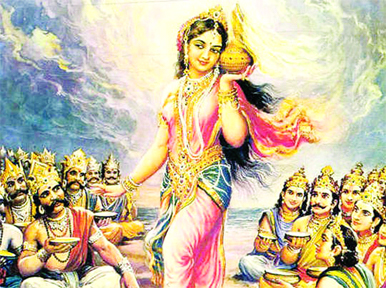
Mohini Ekadashi is a Hindu holy day, which falls on the Shukla Paksha of Vaishakh month or it can be said that Ekadashi of Shukla Paksha of Vaishakh month is called Mohini Ekadashi. It is said that this day is the best day to destroy all sins.
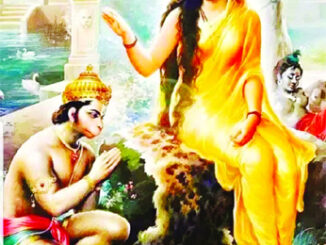
Dharmaraja Yudhishthira had asked Lord Krishna, what is the name of Ekadashi of Shukla Paksha of Vaishakh month? Shri Krishna said, O Rajeshwar! The name of this Ekadashi is Mohini. I tell you a story that Guru Vashist had told to Shri Ramchandraji. Once Shri Ram said, O Gurudev! Describe a vow that will destroy all sin and misery. I have spent a lot of time in disconnection of Sitaji.
Maharishi Vasistha said – O Ram! The name of Ekadashi that falls in Vaishakh month is Mohini Ekadashi. By observing this, a person is freed from all sins and evil, and is also freed from attachment. Love is anything, it makes a person weak. Therefore, the fast of Mohini Ekadashi is very good for a person who wishes to get rid of attachment.
The story of Mohini Ekadashi Vrat
A king had five sons. Sumna, Dutiman, Medhavi, Sukrit and Dhrshtbuddhi. Dhrishtbuddhi was the fifth son, he was a very adulterant, a misogynist, an insult to the elders. He had great attachment in gambling and other miseries. He would be eager to meet prostitutes and wasting the father’s money on the path of injustice. The king got fed up and drove him out of his kingdom. He lived in the jungles and wandered. One day, under the sanskars of a previous birth, he wandered away, hungry and thirsty, he reached the ashram of Maharishi Koundinya. The sage explained to him the importance of satsangati. This changed the heart of that Dhrshtbuddhi. He repented of his sinful deeds. Then Maharishi Koundinya advised him to observe Vaishak Shukla Mohini Ekadashi fast. With the effect of fasting, the intellect of Drishtibuddhi became clean. Thus he was freed from his sins and sorrows. Even today, this fast is performed with reverence.
What are The Rituals of Mohini Ekadashi?
The devotees observe a silent vow or a strict Mohini Ekadashi fast on this particular day. The observers are required to wake up early in the morning and get dressed up in clean attire after taking a shower.
All the rituals of Mohini Ekadashi Fast initiate on the eve of Dashami (tenth day). On this particular day, observers are required to consume a single satvik meal and that too before the period of sunset.
The Vrat continues till the time when Ekadashi tithi ends. During the observance of Mohini Ekadashi Vrat, the observers are restricted to perform any kind of sinful or evil deed and are also restricted to speak lies. The fast concludes on the eve of Dwadashi which is the twelfth day. All the observers are required to make some donations and offer food to the Brahmins before concluding their fast.
The observers are not allowed to sleep during the night. They must spend their entire time reciting Mantras in order to please Lord Vishnu.
Reciting of ‘Vishnu Sahasranama’ is considered as highly auspicious.
On this particular day, devotees worship Lord Vishnu with great zeal and immense devotion.
Once all the rituals are finished, devotees perform aarti.
Performing charity on the eve of Mohini Ekadashi is regarded as highly rewarding. The observer should donate food, clothes, and money to the Brahmins.
Devotees also organize a ‘Brahman Bhoj’ as a part of the donation as it is believed the individuals who perform charity and donations on the eve of this festival never go to hell after their death.
Tag: Shukla Paksha
-

Mohini Ekadashi
-

Janki or Sita Navami
Sita Navami is an important day of Hindu religion. This day is celebrated as the birth anniversary of Goddess Sita. Married women observe a fast on the day of Sita Navami and pray for the long life of their husbands. Sita Navami is also known as Sita Jayanti and Janaki Navami. Sita Jayanti is celebrated on the ninth day of Shukla Paksha of Vaishakh month. It is believed that Mother Sita was born on Tuesday in Pushya Nakshatra. Goddess Sita was married to Lord Rama. Lord Rama was also born on Navami Tithi during Shukla Paksha of Chaitra month. In the Hindu calendar, Sita Jayanti comes one month after Ram Navami.
Goddess Sita was the adopted daughter of King Janak of Mithila. Hence this day is also known as Janaki Navami. According to Hindu mythology, when King Janaka was plowing the land to perform a yajna, he found a baby girl in a gold coffin. A plowed land was called ‘Sita’ so King Janak named the girl Sita.
On the day of Sita Navami, special worship and rituals are performed in Lord Rama and Janaki temples across the country. Temples are decorated with flowers and lights. Bhajan programs are also organized at various places after the recitation of Ramayana. Some take out Ram Rath Yatra through the temple and chant ‘Jai Siya Ram’ and sing devotional songs all the way.
Sita Navami Worship
Goddess Sita is worshiped on the day of Sita Navami. Married women observe a fast on this day and pray for the long life of their husbands. It is believed that observing Sita Navami fast brings virtues like modesty, motherhood, sacrifice and dedication in a person. Worshiping Sita and Lord Rama together brings happiness and peace in married life.