Tag: skin

  • Home remedies that will make you snub your cosmetics

    Home remedies that will make you snub your cosmetics

    Who says only cosmetic products can fix skin problems! Whether it’s acne, dark circles, dull skin or sun tan- your kitchen has a solution for all. Here are some easy and effective home remedies that won’t be hefty on your pocket, and are free from harsh chemicals.
    Dark circles
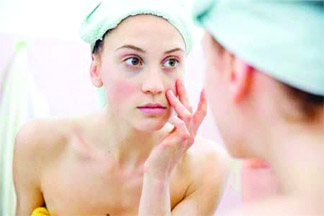
    These annoying rings around your eyes can make you look tired and dull even though you are having a blast. But instead of opting for a special cream to treat them, try looking for natural alternatives. For instance, almond oil is rich in Vitamin E and massaging your under eye area regularly with it can work wonders for you. Potato juice acts as natural bleach and is also a great option to work on this problem. Cucumber slices, and cold green tea bags are again helpful in lightening the darkness under eyes and puffiness. And if you had a super tiring day, just dab a few drops of rose water on cotton pads, and keep them on your eyes for about 15 minutes. It will help to rejuvenate and soothe your skin. Plus, it has mild astringent properties, and makes a great toner.
    Dull skin
    Pollution, stress and hectic lifestyle are one of the core reasons behind drab skin today. But you always do not need a facial or cosmetic treatment to get that glow back. Start with a DIY exfoliator. Mash two ripe bananas with a tablespoon each of brown sugar and honey. Massage this pulp on your face for about five minutes and rinse it off with cool water. This scrub will gently remove the dead cells, and hydrate your skin. Or, you can opt for orange-honey scrub. Start with mixing two tablespoons each of orange peel powder and oats. Add a tablespoon of honey to this paste and scrub it in circular motion for a couple of minutes. Let it sit on your face for three to four minutes, and wash it off. Your skin will thank you for this! Once you are done with scrubbing, it is the time to pamper your skin with a face mask. If you have an oily skin , mix an egg white with a tablespoon of honey. Apply this paste for about five minutes or until it dries. Rinse your face with lukewarm water, and get set to flaunt moisturized, supple skin. And yes, this mask helps to fight acne as well.
    Sun tan
    Even if you step out in sunlight for ten minutes, you skin is vulnerable to tan. And considering the soaring mercury levels this season, here is a simple remedy to remove the tan. Mix equal quantities of yoghurt and tomato, and put this mixture for about fifteen minutes on the affected areas. Wash it off with water, and your complexion is back to normal. Wondering how? Tomatoes are loaded with anti-oxidants that take sun tan head on, and also reduce dark spots. It also acts as natural astringent that helps to clean pores, and is also helpful in reducing acne. On the other hand, yoghurt provides you’re the protein boost and hydrates it.

  • Eating grapes may protect against sunburn, UV damage to skin

    Eating grapes may protect against sunburn, UV damage to skin

    Eating grapes can help protect against sunburn and ultraviolet (UV) skin damage and natural components found in the fruits known as polyphenols are thought to be responsible for these beneficial effects, according to a new study.

    The results published in the Journal of the American Academy of Dermatology revealed that participants in the study showed increased resistance to sunburn and a reduction in markers of UV damage at the cellular level.

    “Grapes may act as an edible sunscreen, offering an additional layer of protection in addition to topical sunscreen products,” said lead researcher Craig Elmets from University of Alabama, Birmingham in the US.

    The study investigated the impact of consuming whole grape powder — equivalent to 2.25 cups of grapes per day — for 14 days against photodamage from UV light. The participants’ skin response to UV light was measured before and after consuming grapes for two weeks by determining the threshold dose of UV radiation that induced visible reddening after 24 hours — the Minimal Erythema Dose (MED).

    The results showed that grape consumption was protective as more UV exposure was required to cause sunburn following grape consumption, with MED increasing on average by 74.8 per cent.

    Analysis of skin biopsies showed that the grape diet was associated with decreased DNA damage, fewer deaths of skin cells, and a reduction in inflammatory markers that if left unchecked, together can impair skin function and can potentially lead to skin cancer.

    “We saw a significant photoprotective effect with grape consumption and we were able to identify molecular pathways by which that benefit occurs — through repair of DNA damage and down regulation of pro-inflammatory pathways,” said Elmets.

    Most skin cancer cases are associated with exposure to UV radiation from the Sun — about 90 per cent of non-melanoma skin cancers and 86 per cent of melanomas, respectively.

    Additionally, an estimated 90 per cent of skin ageing is caused by the sun.