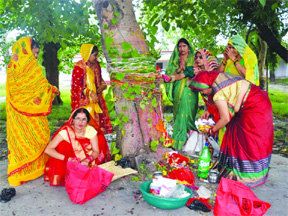
Tag: Somvati Amavasya

  • Somvati Amavasya

    Somvati Amavasya

    Somvati Amavasya, a unique and significant day in Hinduism, occurs when Amavasya (the new moon) falls on a Monday. This day holds immense spiritual and cultural importance. Observing fasts, performing rituals, and offering donations are key activities. Worshipping ancestors on this day is believed to bring blessings and alleviate planetary and ancestral afflictions. Lighting lamps at specific locations also pleases ancestors and invites Goddess Lakshmi’s grace.
    Somvati Amavasya falls only once or twice in a year. This fast is observed by married women. Somvati Amavasya fast is observed by married women for the long life of their husbands.
    The last Somvati Amavasya of the year 2024 falls on December 30. The Paush Amavasya starts on December 30 at 4:01 AM and ends on December 31 at 3:56 AM. Mark this date to plan your observances and rituals effectively.
    Somvati Amavasya Vrat is also known as ‘Ashwath Pradakshina Vrat’ in the scriptures. ‘Ashwath’ means Peepal tree. Lord Vishnu resides on the Peepal tree. Therefore Lord Vishnu is also worshiped on the day of Somvati Amavasya. On this day, bathing and charity are considered to be the best of all. According to the words of sage Vyasa, on this day, by meditating, fasting, fasting, one gets the virtuous fruit of thousands of cows.
    It is believed that in the Mahabharata, Bhishma, explaining the importance of this day to Yudhishthira, said that a person who bathes in the holy rivers on this day will be prosperous, healthy and free from all miseries. It is also believed that taking a bath gives peace to the souls of the ancestors.
    Somvati Amavasya Worship (Puja)
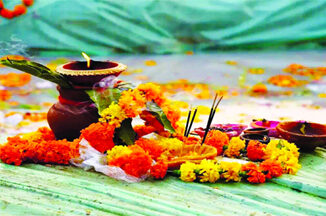
    On this day, there is a rule to worship Peepal by wrapping the thread 108 times and doing circumambulation. There is also a law to worship Lord Vishnu on this day. Paddy, betel and standing turmeric are mixed and offered ritually on the Tulsi plant. At the time of Pradakshina, 108 fruits should be kept aside and donated to Vedapathi Brahmins at the time of completion.
    Fruits and Significance of Somvati Amavasya Puja
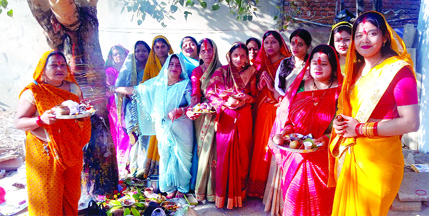
    This is the main fast of women. Women observe this fast for the longevity of their husbands. On the day of Somvati Amavasya, charity should be given according to one’s ability. Women who cannot observe fast on every new moon should observe fast on Somvati Amavasya and circumambulate the Peepal tree 108 times by wrapping it in a thread. Peepal tree should be worshiped lawfully. By observing this fast one gets eternal good fortune. Monday is the day of the moon. On this day the Sun and the Moon remain in a straight line. Therefore, this festival is considered to be of special merit.
    Somvati Amavasya Katha
    There are many stories related to Somvati Amavasya. Tradition has it that these stories are recited ritually on the day of Somvati Amavasya. There was a poor Brahmin family, which had a husband, wife and a daughter. The daughter slowly started growing up. With time, all the feminine qualities were developing in that girl. The girl was also beautiful, cultured and virtuous, but due to being poor, she could not get married. One day a monk came to the Brahmin’s house, who was very pleased with the service of the girl. Blessing the girl for a long life, the sage said that there is no marriageable line in the girl’s palm. The Brahmin couple asked the sadhu the remedy that what should the girl do in such a way that marriage becomes a yoga in her hands. After contemplating for some time, the sage meditated with his insight and told that in a village at some distance, a woman of Dhubi caste named Sona lives with her son and daughter-in-law, who is very well-mannered and well-mannered and husband. is paranoid. If this girl serves him and that woman puts vermilion on her demand in her marriage, after that this girl is married, then the Vaidya yoga of this girl can be erased. The monk also told that that woman does not go anywhere. Hearing this, Brahmani asked his daughter to serve the washerman.
    The girl would wake up early in the morning and go back to her home after going to the washerman’s house, cleaning and doing everything else. Sona Dhobin asks her daughter-in-law that you wake up early and do all the work and do not even know. The daughter-in-law said that mother, I thought that you wake up in the morning and finish all the work yourself. I get up late. On this, both the mother-in-law and daughter-in-law started monitoring who is the one who leaves early in the morning after doing all the household chores. After several days, the washerman saw that one girl came face to face in the dark house and left after doing all the work. When she started leaving, the Sona washerman fell at her feet, asking who are you and why do you hide like this in my house. Then the girl told everything that was said by the sage. Sona was a washerwoman husband, she had brilliance. She got ready. Sona Dhobin’s husband was a little unwell. He asked his daughter-in-law to stay at home till his return. As soon as Sona Dhobin applied vermilion to the girl’s demand, her husband went. He came to know about this. She had left the house without water, thinking that if she finds a peepal tree somewhere on the way, she will take water only after giving her a whirlpool and circumambulating it. That day was Somvati Amavasya. Instead of the poo-dish found at the Brahmin’s house, he circumambulated the peepal tree 108 times by giving bhavri 108 times with pieces of brick and after that took water. As soon as she did this, the dead body of her husband started vibrating.

  • Somvati Amavasya

    Somvati Amavasya

    Somvati Amavasya is a very important day in Hinduism. Amavasya which falls on Monday is called Somvati Amavasya. Somvati Amavasya falls only once or twice in a year. This fast is observed by married women. Somvati Amavasya fast is observed by married women for the long life of their husbands.
    Somvati Amavasya Vrat is also known as ‘Ashwath Pradakshina Vrat’ in the scriptures. ‘Ashwath’ means Peepal tree. Lord Vishnu resides on the Peepal tree. Therefore Lord Vishnu is also worshiped on the day of Somvati Amavasya. On this day, bathing and charity are considered to be the best of all. According to the words of sage Vyasa, on this day, by meditating, fasting, fasting, one gets the virtuous fruit of thousands of cows.
    Significance
    Somvati Amavasya is a significant day associated with the observance of Shani Jayanti and Vat Savitri Vrat. This special ritual is also known as Somvati Amavasya Vrat or Aswath Pradakshina Vrat, as described in ancient Hindu scriptures. If we break down the terminology, “Aswath” refers to the Peepal tree, and “Pradakshina” signifies the act of walking around in a holy manner. Therefore, on this day, it is believed that Bhagwan Vishnu resides under the Peepal tree. People who have Kaalsarp Dosh are often advised to perform Kaalsarp Dosh puja to mitigate any negative influences in their lives. On this day, devotees worship Bhagwan Shiva and Shri Hari Vishnu, and women, in particular, observe a fast. They take 108 rounds of parikrama around Tulsi mata and make a commitment to donate fruits, clothes or other items for the well-being of their husbands.
    During the parikrama, 108 fruits are set aside and donated to Vedapathi Brahmins. The act of fasting, worshipping, and making offerings on this day is believed to bring blessings equivalent to the virtuous act of donating to a thousand cows.
    Legend has it that in the Mahabharata, Bhishma emphasised the significance of this day to Yudhishthira. He mentioned that individuals who bathe in holy rivers on Somvati Amavasya will experience prosperity, good health, and freedom from suffering. Bathing on this day is also considered a way to bring solace to the souls of one’s ancestors.
    Somvati Amavasya coincides with Hariyali Amavasya, making it an auspicious day to worship Goddess Parvati, who symbolises the ideal married woman of Lord Shiva. In the realm of astrology, it is believed that on this day, the Moon, Mercury, Venus, Mars, Jupiter, and Saturn remain within their respective zodiac signs.
    Somwati Amavasya Katha
    In a well-known legend, there was a prosperous businessman who had seven sons and daughters. While all his sons had found suitable matches and were happily married, his daughters remained unmarried. One day, an elderly and humble Brahmin began visiting their home, seeking alms and blessing each son for a happy married life. However, when the daughters sought his blessings, he consistently wished them a lifetime of happiness with their brothers.
    Curious about this pattern, the wife of the businessman inquired why the Brahmin never mentioned marriage for their daughters. In response, the Brahmin revealed that their daughters were not destined for marriage, leaving the mother heartbroken. She then asked if there was any way to change their fate. The Brahmin advised that the girls should seek the blessings of a holy woman named Sona, who lived several miles away.
    One of the daughters embarked on the journey to meet Sona, accompanied by one of her seven brothers. During their travels, they sought shelter under a tree on the banks of a river. While resting, they noticed a snake approaching a nest with newly hatched eggs, poised to devour the helpless chicks. To protect the baby birds, the girl bravely killed the snake. When the parent birds returned, they expressed their gratitude for saving their offspring and, in return, led the girl and her brother to Sona’s dwelling.
    The girl visited Sona’s house daily, diligently performing household chores. Sona, who had two daughters-in-law, was puzzled by the absence of quarrels between the two women regarding household responsibilities. Intrigued by this newfound harmony, she decided to uncover the underlying truth.
    One day, Sona noticed the businessman’s daughter tirelessly managing all the household chores and inquired about her identity. The girl shared her story and expressed her desire for blessings to change her destiny and find a suitable match for marriage. Sona readily agreed and gave her blessings, also requesting an invitation to her forthcoming wedding ceremony. The businessman soon found a suitable groom for his daughter, and they got married.
    However, on the day of the wedding, a tragic incident occurred when the groom was bitten by a snake and lost his life. But the presence of Sona, who observed Vrat on Somvati Amavasya days, proved to be a turning point. Sona blessed the groom by making him drink some water.
    Miraculously, the groom was revived and brought back to life. Sona’s devotion and blessings had a profound impact, altering the course of events and securing a happy future for the young couple.
    Somwati Amavasya Vidhi
    – Wake up early in the morning during Brahma Muhurta and visit a temple or a sacred place.
    – Take a ritual bath in the holy Ganga or Yamuna rivers, or use Ganga Jal in regular water if you cannot access the sacred rivers.
    – Arrange for a qualified priest to perform Hawan, Yagya, Pind Daan, and Tarpan as part of the puja rituals. Show your gratitude by offering food and clothing to the priest conducting the puja on your behalf. Consider reciting the Gayatri mantra in honor of your ancestors.
    Things To Avoid On Somwati Amavasya
    – On Somwati Amavasya, keep the following things in mind:
    – Refrain from initiating new ventures, business endeavours, or journeys on this day.
    – Avoid purchasing new clothes or materials.
    – Postpone or avoid organising significant cultural events like weddings or ceremonies.
    – Abstain from consuming non-vegetarian food on this sacred day.

  • Somvati Amavasya

    Somvati Amavasya

    Somvati Amavasya is a very important day in Hinduism. Amavasya which falls on Monday is called Somvati Amavasya. Somvati Amavasya falls only once or twice in a year. This fast is observed by married women. Somvati Amavasya fast is observed by married women for the long life of their husbands.
    Somvati Amavasya Vrat is also known as ‘Ashwath Pradakshina Vrat’ in the scriptures. ‘Ashwath’ means Peepal tree. Lord Vishnu resides on the Peepal tree. Therefore Lord Vishnu is also worshiped on the day of Somvati Amavasya. On this day, bathing and charity are considered to be the best of all. According to the words of sage Vyasa, on this day, by meditating, fasting, fasting, one gets the virtuous fruit of thousands of cows.
    It is believed that in the Mahabharata, Bhishma, explaining the importance of this day to Yudhishthira, said that a person who bathes in the holy rivers on this day will be prosperous, healthy and free from all miseries. It is also believed that taking a bath gives peace to the souls of the ancestors.
    Importance
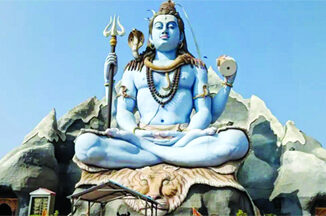
    Somvati Amavasya is considered significant due to its occurrence on a Monday, the day of Lord Shiva, and hence people observe fast on this day. People also offer prayers to their ancestors on this particular day. So, Pitra puja is performed on the auspicious day of Somvati Amavasya. Additionally, one can pray for the peace of their ancestors’ souls after taking a dip in the holy river Ganga.
    The epic Mahabharata mentions Bhishma Pitamah narrating the significance of Somvati Amas to Yudhisthira, the eldest among the Pandava brothers. When the Kurukshetra war ended, Dharmaraaj Yudhisthira was stressed about the future of the Kuru-Pandava dynasty. To seek advice, he met Bhishma Pitamah and asked how to revive the dynasty so that upcoming generations could prosper. It was Bhishma Pitamah’s suggestion that Yudhishthira should observe the Somvati Amavasya Vrat. This way, they could get the blessings of noble children.
    Benefits
    The auspicious dip in the river is said to take away all sorrows and helps bring prosperity in one’s life.
    Worshipping Lord Shiva every Monday is deemed beneficial to fulfill one’s wishes.
    If one observes fast on this day, it will bring glory, luck, and a good reputation.
    A childless couple can be blessed with a child, and the poor can become wealthy.
    It reduces any sort of fear or pain from one’s life.
    Fasting by married women is deemed beneficial for their husband’s long life.
    Moon is the deity of this day and is greatly known to represent peace. Hence, one is blessed with peace of mind and relief in the heart.
    Puja Vidhi
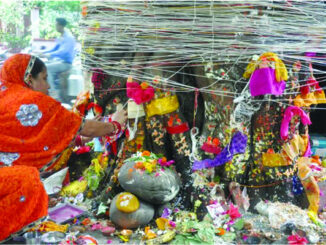
    In Indian customs and rituals, the Peepal tree is revered as a sacred tree. Women should tie a sacred thread around the tree’s trunk for 108 times. This way, a parikrama of 108 times is done around the Peepal tree.
    Then, they should offer milk, flowers, sandal paste, and vermilion or sindoor to the tree.
    Fasting is carried out for the whole day.
    It is considered auspicious to donate things of white color or white food such as rice, curd, sugar, milk, etc. to the poor.
    Vrat Katha or Story
    There was a monk who used to stop by a moneylender’s home regularly. All the seven sons of the money-lender were married but not his daughter. The monk used to take alms from them and in return, he would bless all daughters-in-law to have a great marital life. But he never blessed the daughter about tying the marital knot and this saddened the girl and her mother. The anxious mother summoned a Pandit who could see the Kundali of the girl. The Pandit informed about the unfortunate Dosha wherein the girl could become a widow. To resolve this trouble, the daughter was asked to go to the island named Singhal where a washerwoman lived.
    The girl was asked to fetch Sindoor from that woman, which needed to be applied on her forehead. Additionally, observing the Somvati Amavasya fast was also required in order to nullify the unfavorable Yoga from her horoscope. The youngest son went with her to the island, and they reached the seashore. But there was a sea to be crossed ahead.
    Wondering how to cross the sea, they rested under a tree where a vulture lived with his female vulture and their babies. One fine day, when both male and female vultures had gone out to search food, a snake came near the babies. The girl and her brother saved the babies from that snake, after which the vulture duo offered help. They showed her a way to reach the washer woman’s house. The girl served the woman for months. The lady was pleased, and in return, applied vermilion or Sindoor on the girl’s forehead. The girl without drinking water left from there, and on her way back also observed the Somvati Amavasya fast. This way, her ill-fated Dosha got neutralized.
    Significance
    This is the main fast of women. Women observe this fast for the longevity of their husbands. On the day of Somvati Amavasya, charity should be given according to one’s ability. Women who cannot observe fast on every new moon should observe fast on Somvati Amavasya and circumambulate the Peepal tree 108 times by wrapping it in a thread. Peepal tree should be worshiped lawfully. By observing this fast one gets eternal good fortune. Monday is the day of the moon. On this day the Sun and the Moon remain in a straight line. Therefore, this festival is considered to be of special merit.

  • Somvati Amavasya

    Somvati Amavasya

    Somvati Amavasya is a very important day in Hinduism. Amavasya which falls on Monday is called Somvati Amavasya. Somvati Amavasya falls only once or twice in a year. This fast is observed by married women for the long life of their husbands.
    Somvati Amavasya Vrat is also known as ‘Ashwath Pradakshina Vrat’ in the scriptures. ‘Ashwath’ means Peepal tree. Lord Vishnu resides on the Peepal tree. Therefore Lord Vishnu is also worshiped on the day of Somvati Amavasya. On this day, bathing and charity are considered to be the best of all. According to the words of sage Vyasa, on this day, by meditating, fasting, fasting, one gets the virtuous fruit of thousands of cows.
    It is believed that in the Mahabharata, Bhishma, explaining the importance of this day to Yudhishthira, said that a person who bathes in the holy rivers on this day will be prosperous, healthy and free from all miseries. It is also believed that taking a bath gives peace to the souls of the ancestors.
    Somvati Amavasya Worship
    On this day, there is a rule to worship Peepal by wrapping the thread 108 times and doing circumambulation. There is also a law to worship Lord Vishnu on this day. Paddy, betel and standing turmeric are mixed and offered ritually on the Tulsi plant. At the time of Pradakshina, 108 fruits should be kept aside and donated to Vedapathi Brahmins at the time of completion.
    Fruits and Significance of Somvati Amavasya Puja
    This is the main fast of women. Women observe this fast for the longevity of their husbands. On the day of Somvati Amavasya, charity should be given according to one’s ability. Women who cannot observe fast on every new moon should observe fast on Somvati Amavasya and circumambulate the Peepal tree 108 times by wrapping it in a thread. Peepal tree should be worshiped lawfully. By observing this fast one gets eternal good fortune. Monday is the day of the moon. On this day the Sun and the Moon remain in a straight line. Therefore, this festival is considered to be of special merit.
    Somvati Amavasya Katha
    There are many stories related to Somvati Amavasya. Tradition has it that these stories are recited ritually on the day of Somvati Amavasya. There was a poor Brahmin family, which had a husband, wife and a daughter. The daughter slowly started growing up. With time, all the feminine qualities were developing in that girl. The girl was also beautiful, cultured and virtuous, but due to being poor, she could not get married. One day a monk came to the Brahmin’s house, who was very pleased with the service of the girl. Blessing the girl for a long life, the sage said that there is no marriageable line in the girl’s palm. The Brahmin couple asked the sadhu the remedy that what should the girl do in such a way that marriage becomes a yoga in her hands. After contemplating for some time, the sage meditated with his insight and told that in a village at some distance, a woman of Dhubi caste named Sona lives with her son and daughter-in-law, who is very well-mannered and well-mannered and husband. is paranoid. If this girl serves him and that woman puts vermilion on her demand in her marriage, after that this girl is married, then the Vaidya yoga of this girl can be erased. The monk also told that that woman does not go anywhere. Hearing this, Brahmani asked his daughter to serve the washerman.
    The girl would wake up early in the morning and go back to her home after going to the washerman’s house, cleaning and doing everything else. Sona Dhobin asks her daughter-in-law that you wake up early and do all the work and do not even know. The daughter-in-law said that mother, I thought that you wake up in the morning and finish all the work yourself. I get up late. On this, both the mother-in-law and daughter-in-law started monitoring who is the one who leaves early in the morning after doing all the household chores. After several days, the washerman saw that one girl came face to face in the dark house and left after doing all the work. When she started leaving, the Sona washerman fell at her feet, asking who are you and why do you hide like this in my house. Then the girl told everything that was said by the sage. Sona was a washerwoman husband, she had brilliance. She got ready. Sona Dhobin’s husband was a little unwell. He asked his daughter-in-law to stay at home till his return. As soon as Sona Dhobin applied vermilion to the girl’s demand, her husband went. He came to know about this. She had left the house without water, thinking that if she finds a peepal tree somewhere on the way, she will take water only after giving her a whirlpool and circumambulating it. That day was Somvati Amavasya. Instead of the poo-dish found at the Brahmin’s house, he circumambulated the peepal tree 108 times by giving bhavri 108 times with pieces of brick and after that took water. As soon as she did this, the dead body of her husband started vibrating.
    Rituals of Somvati Amavasya
    Devotees must take a holy bath before sunrise and wear fresh and tidy clothes.
    The devotees must observe a fast of Somvati Amavasya and worship Peepal tree.
    After offering prayers to the Peepal tree, married women tie a red or yellow colored sacred thread around the trunk of the tree by taking 108 Parikrama (rounds) of the tree in a row.
    After that, devotees offer vermillion, sandal paste, milk, and flowers to the tree and sit under it and recite the sacred mantras.
    Devotees should also worship Lord Vishnu and recite Shani Mantra
    Devotees must also take a dip in sacred rivers in order to attain prosperity and pray for the salvation for the forefathers.
    Devotees must make donations and perform charities of clothes, food, money and other essentials to the needy.
    Observing a silence vow (Maun Vrat) by the devotees is also regarded as very beneficial and fruitful.

  • Somvati Amavasya

    Somvati Amavasya

    Somvati Amavasya is a very important day in Hinduism. Amavasya which falls on Monday is called Somvati Amavasya. Somvati Amavasya falls only once or twice in a year. This fast is observed by married women. Somvati Amavasya fast is observed by married women for the long life of their husbands.

    Somvati Amavasya Vrat is also known as ‘Ashwath Pradakshina Vrat’ in the scriptures. ‘Ashwath’ means Peepal tree. Lord Vishnu resides on the Peepal tree. Therefore Lord Vishnu is also worshiped on the day of Somvati Amavasya. On this day, bathing and charity are considered to be the best of all. According to the words of sage Vyasa, on this day, by meditating, fasting, fasting, one gets the virtuous fruit of thousands of cows.

    It is believed that in the Mahabharata, Bhishma, explaining the importance of this day to Yudhishthira, said that a person who bathes in the holy rivers on this day will be prosperous, healthy and free from all miseries. It is also believed that taking a bath gives peace to the souls of the ancestors.

    Significance

    As per the legend, the significance and importance of Somvati Amavasya was narrated by Lord Krishna himself to King Yudhishthira.

    It is believed that the devotees who observe a fast of Somvati Amavasya are bestowed with moral and noble children as well as with a long life.

    People who undertake a holy dip in the sacred rivers such as the Ganges on this day get rid of their past and present sins as well as can eliminate all the obstacles. In Hindu culture, the tree of Peepal holds much significance as it is believed that Peepal tree is sacred and it is an abode of the deities. Hence if devotees worship and offer prayers to the Peepal tree on the day of Somvati Amavasya then they are blessed with good fortune. Married women also keep a Somvati Amavasya Vrat for their husband’s longevity.

    It is also believed that if the unmarried women observe fast on this day then they are blessed with a good and suitable match. It is a vital day for performing Pitra tarpan which includes offerings to the deceased ancestors to get bestowed with their blessings and peace in life.

    Individuals who suffer prom Pitra Dosha can be relieved by observing the fast of Somvati Amavasya.

    By performing Homa, Yajna, donations, charities, and puja ceremonies on this day, the devotees can eliminate all sorrows and obstacles from their life.

    Rituals

    Devotees must take a holy bath before sunrise and wear fresh and tidy clothes.

    The devotees must observe a fast of Somvati Amavasya and worship Peepal tree.

    After offering prayers to the Peepal tree, married women tie a red or yellow colored sacred thread around the trunk of the tree by taking 108 Parikrama (rounds) of the tree in a row.

    After that, devotees offer vermillion, sandal paste, milk, and flowers to the tree and sit under it and recite the sacred mantras. Devotees should also worship Lord Vishnu and recite Shani Mantra

    Devotees must also take a dip in sacred rivers in order to attain prosperity and pray for the salvation for the forefathers.

    Devotees must make donations and perform charities of clothes, food, money and other essentials to the needy.

    Observing a silence vow (Maun Vrat) by the devotees is also regarded as very beneficial and fruitful.

    Somvati Amavasya Vrat Katha

    The story of Somvati Amavasya states that once there was a Brahmin family whom a monk used to visit. In that family there were seven sons and one daughter, All the sons were married but the girl was still unmarried. The monk used to ask for alms and bless all the daughters-in-law to have a blissful conjugal life. But the parents of the daughter were worried and anxious that he never offered blessings to their daughter.

    After a few days, the parents called a pandit and showed him the Kundali of their daughter. When the Pandit analyzed the horoscope of the girl, he informed the parents about an inauspicious and unfortunate yoga of her becoming a widow. They asked for remedial action. The Priest suggested the girl visiting an island named Singhal where she would find a washerwoman. If that washerwoman will apply Sindoor on her forehead along with the girl observing a strict fast of Somvati Amavasya, she can get rid of that inauspicious yoga.

    The girl left for the island with one of her brothers. When they reached the seashore they had to figure out the ways how to cross the river. Thus, to find a way they sat under a tree and started to discuss their further journey. On that particular tree, a vulture had its nest and lived with its vulture chicks. But whenever the vulture gave birth, a snake used to eat those new-born in the absence of the vulture.

    On that day also when the girl and her brother were sitting under the tree, the vultures went out and the infants were left alone in their nest. Before the snake could have killed them, the girl projected what could happen so she killed the snake in order to save the infants.

    When the vultures returned they were so happy to see their children safe and alive. Hence, they helped the girl to reach the house of that washerwoman. The girl served the washerwoman with utmost dedication. With the penance and true devotion of the girl, the washerwoman got pleased and applied vermilion on her forehead.

    After that, the girl left the place and was going back to her home. On her way, she stopped at a peepal tree, there she offered prayers, performed Parikrama around the tree and observed a Somvati Amavasya Vrat. When the fast was completed, with the effect of the fast and the Sindoor, the inauspicious yoga of the girl’s kundali was canceled.

    Thus, since that particular day, devotees and mainly the Hindu women observe a fast of Somvati Amavasya to get blessed with a happy and blissful conjugal life and long life of their husbands.