
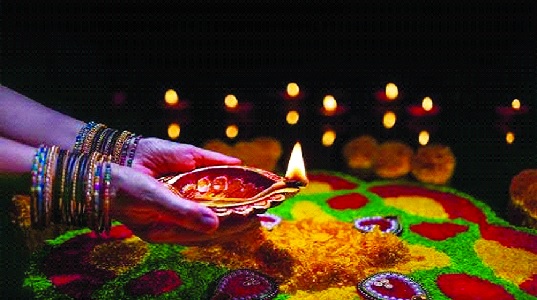

As twilight descends and the first lamps of Diwali flicker to life, India transforms into a spectacular canvas of light and color. Homes sparkle with decorative illuminations, markets glow with festive displays, and courtyards come alive with beautifully arranged diyas. Yet, the light that brightens today’s celebrations is vastly different from that of earlier generations.
Once, Diwali was defined by the gentle glow of earthen lamps filled with oil and cotton wicks. Their delicate flames symbolized devotion, purity and the triumph of good over evil. Today, traditional diyas share space with LED strips, fairy lights, illuminated installations and digital displays. The festival of lights has evolved from sacred simplicity into a modern spectacle, reflecting India’s changing lifestyles, aspirations and technological progress.
The Timeless Charm of the Earthen Diya
For centuries, the humble earthen diya has remained at the heart of Diwali celebrations. Crafted by village potters, dried in the sun and filled with oil and cotton wicks, these little lamps represent a beautiful connection between spirituality, nature and traditional craftsmanship.
Lighting a diya is more than a festive ritual. It symbolizes the awakening of inner consciousness, the removal of ignorance and the welcoming of prosperity. In Hindu philosophy, the lamp is also associated with the five elements of nature: earth, water, fire, air and space.
For generations, families gathered to light rows of diyas along doorways, windows and courtyards. Their golden glow created an atmosphere of warmth and serenity, recalling the popular tradition of illuminating Ayodhya to welcome Lord Rama, Sita and Lakshmana after fourteen years of exile.
The diya was not merely a source of illumination; it represented India’s rural heritage, handmade artistry and a spiritual tradition rooted in simplicity.
The Arrival of Electric Lights
The introduction of electricity gradually transformed the visual landscape of Diwali. During the twentieth century, electric bulbs began appearing in homes, shops and public spaces, offering a convenient alternative to traditional oil lamps. What initially seemed like a novelty soon became a popular festive choice. By the later decades of the century, colorful electric bulb strings and decorative lighting had become familiar sights in urban neighborhoods, markets and temples.
The transformation introduced a new aesthetic to Diwali. Unlike the soft, flickering glow of diyas, electric lights offered brightness, uniformity and convenience. Streets could be illuminated on a larger scale, while commercial establishments began using elaborate displays to attract festive shoppers.
The festival’s visual identity expanded, blending traditional rituals with the excitement of modern urban life.
LEDs and the Era of Digital Brilliance
The twenty-first century has taken Diwali illumination into an entirely new dimension. The widespread adoption of LED technology has made decorative lighting more accessible, versatile and energy-efficient than conventional incandescent bulbs.
Today, homes feature cascading LED curtains, colorful fairy lights, illuminated rangolis and decorative lamps. Shopping malls and markets compete to create spectacular festive displays, while temples and public buildings are transformed through elaborate lighting arrangements.
Technology has also introduced newer forms of celebration, including laser displays, projection mapping and drone light shows. Solar-powered lamps and rechargeable decorative lights are finding their way into environmentally conscious households. Diwali has increasingly become an occasion for creative expression, with lighting and decoration reflecting contemporary design trends and individual preferences.
Changing Traditions, Changing Lifestyles
The evolution of Diwali lighting reflects a broader transformation in Indian society. Traditionally, celebrations were largely intimate and family-centered, with preparations involving homemade sweets, hand-painted diyas, rangolis and prayers.
Modern celebrations retain these customs but increasingly incorporate shopping festivals, designer decorations, online gifting and social media trends. Beautifully illuminated homes and elaborate festive arrangements have become popular expressions of celebration.
Yet, the change does not necessarily signal a departure from tradition. In many households, the first diya is still lit during the evening puja before decorative electric lights are switched on. The old and the new coexist, creating a celebration that remains rooted in heritage while embracing innovation. The medium of illumination may have changed, but the symbolism of hope, positivity and renewal continues to endure.
The Green Diwali Movement
Growing environmental awareness has encouraged families to rethink their festive choices. Conventional firecrackers contribute to air and noise pollution, while excessive plastic decorations and discarded electrical accessories add to festive waste.
In response, eco-conscious celebrations are gaining popularity. Energy-efficient LEDs, solar-powered lamps, reusable decorations and biodegradable materials offer more sustainable alternatives.
Traditional clay diyas are also enjoying renewed appreciation among families seeking to support local artisans and preserve handmade crafts. Natural rangoli colors, fresh flowers and reusable decorative items further encourage responsible celebrations.
However, sustainability requires thoughtful choices. Although LEDs consume less electricity than conventional incandescent bulbs, electronic decorations should also be reused and disposed of responsibly.
The modern Diwali is gradually becoming a celebration in which technology, tradition and environmental responsibility can complement one another.
The Potters’ Plight: Keeping
Traditional Craftsmanship Alive
Behind the changing landscape of Diwali lies the story of India’s traditional potters, or kumhars, for whom the festival has historically been an important source of livelihood.
For generations, potter families have prepared thousands of earthen lamps in anticipation of Diwali. Their work involves shaping clay, drying the lamps, firing them in kilns and supplying them to local markets.
However, competition from mass-produced decorative lights, plastic lamps and inexpensive factory-made products has created challenges for many traditional artisans.
Some have adapted by introducing painted diyas, designer terracotta lamps, decorative holders and contemporary ceramic products. Others continue to depend on seasonal sales, facing uncertain demand and rising production costs.
Supporting these artisans by purchasing handmade diyas is therefore more than a festive choice. It helps preserve traditional skills, strengthens local livelihoods and keeps an important part of India’s cultural heritage alive.
Tradition Meets Modernity
Perhaps the most beautiful aspect of contemporary Diwali is the way it brings together different generations and traditions. In many homes, grandparents continue to insist on lighting traditional oil lamps, while younger family members experiment with LED decorations and innovative designs.
Clay diyas glow beneath colorful fairy lights, paper lanterns hang beside illuminated installations, and traditional puja ceremonies remain central to celebrations. This coexistence reflects India’s ability to embrace change without abandoning its cultural roots. The challenge is to ensure that modern convenience does not overshadow the values that have made Diwali meaningful for generations.

Be the first to comment