
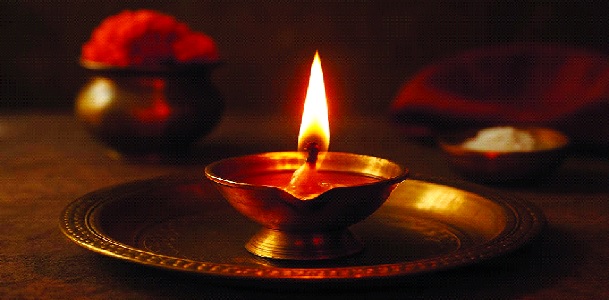

When a small clay lamp flickers to life at dusk, its flame may appear fragile against the vastness of darkness. Yet, within that delicate glow lies an ancient spiritual truth: even the smallest light can dispel the deepest darkness. Across Hindu households, temples and sacred celebrations, lighting a diya is much more than a customary act of devotion. It is a symbolic invocation of wisdom, purity, positivity and divine consciousness.
From the morning prayers performed in household shrines to the spectacular illumination of homes during Diwali, the diya occupies a special place in Hindu spiritual life. Its significance is deeply rooted in the Vedas, Upanishads and yogic traditions, where light represents knowledge, the eternal soul and the ultimate reality.
The Flame as a Symbol of the Soul
In Hindu philosophy, the flame is often associated with Atman, the eternal soul or divine consciousness that resides within every living being. The light of the lamp symbolizes Chaitanya, the pure awareness that gives life its meaning and purpose.
The Upanishadic tradition repeatedly explores the relationship between light and consciousness. The celebrated prayer from the Brihadaranyaka Upanishad, Tamaso Ma Jyotir Gamaya, meaning “Lead me from darkness to light”, expresses humanity’s eternal aspiration to move from ignorance towards knowledge and spiritual awakening.
When a devotee lights a diya, the act becomes an outward expression of this inner journey. The steady flame reminds us to nurture qualities such as clarity, compassion, discipline and devotion.
Just as a lamp requires oil or ghee to sustain its flame, spiritual growth requires knowledge, self-discipline and righteous conduct. The diya therefore becomes a reminder that the inner light must be continuously nurtured through conscious living.
Jyoti: Light as the Essence of Divinity
In Hinduism, Jyoti, meaning divine light, is closely associated with the presence of God. The sacred flame is an important element of temple worship, yajnas, aarti and household puja.
In Vedic tradition, Agni, the deity of fire, occupies a central position as the divine messenger who carries offerings from human beings to the gods. The Rig Veda opens with an invocation to Agni, recognising its sacred role in connecting the earthly and celestial realms.
Similarly, the Gayatri Mantra invokes the divine radiance of Savitur, the cosmic source of illumination, seeking the awakening of human intellect and wisdom.
The diya thus represents more than physical brightness. It symbolises the divine consciousness that illuminates the universe and guides human beings towards truth.
During aarti, devotees move a lighted lamp before the deity as an offering of reverence. The flame becomes a symbol of surrender, gratitude and the recognition that all light ultimately originates from the divine.
The Five Elements: A Diya as a
Microcosm of the Universe
One of the most fascinating interpretations of the diya comes from the Hindu concept of Panchamahabhutas, or the five fundamental elements that constitute the material universe.
Each component of the lamp can be associated symbolically with one of these elements:
n Prithvi (Earth): The clay body of the diya represents stability, grounding and our connection with Mother Earth.
n Jala (Water): The oil or ghee represents nourishment and sustenance.
n Agni (Fire): The flame symbolises transformation, energy and illumination.
n Vayu (Air): The air that sustains combustion represents the breath of life.
n Akasha (Ether): The surrounding space represents the vastness of existence and the field in which all creation unfolds.
Together, these elements create a symbolic representation of the universe in miniature. Lighting a diya therefore becomes an expression of harmony between nature, the cosmos and the human spirit.
The Science of the Flame
and the Yogic Connection
The spiritual importance of the flame also finds an interesting connection with meditation and the workings of the human mind.
In yogic practice, Trataka is a traditional concentration technique in which practitioners gaze steadily at a fixed point, often the flame of a lamp. The practice is described in Hatha Yoga traditions as a method of developing concentration and mental steadiness.
Observing a steady flame encourages the mind to withdraw from distractions and focus on a single point. With regular and appropriate practice, it may help improve attention and cultivate a sense of calm.
The flame is also symbolically associated with Manipura Chakra, the energy centre located around the solar plexus. In yogic philosophy, this chakra is connected with willpower, confidence and transformation.
From a scientific perspective, a burning diya produces visible light through the combustion of its fuel. Its gentle illumination can create a peaceful atmosphere, while the act of focusing on the flame may support relaxation and mindfulness.
Although traditional spiritual interpretations and modern scientific explanations belong to different frameworks, both offer interesting ways of understanding why the lamp has remained such a powerful symbol of contemplation.
Light Over Darkness: The
Deeper Philosophy
The central message of lighting a diya is the victory of light over darkness. In Hindu philosophy, darkness represents Avidya, or ignorance, while light signifies Vidya, or knowledge.
The flame also represents the triumph of Dharma over Adharma, truth over falsehood and wisdom over confusion.
This symbolism becomes especially meaningful during Diwali, celebrated on the darkest night of the lunar month of Kartik Amavasya. Millions of lamps illuminate homes, temples and public spaces, transforming darkness into a celebration of hope and renewal.
The tradition is popularly associated with the return of Lord Rama to Ayodhya after fourteen years of exile and his victory over Ravana. The lamps represent the restoration of righteousness and the return of divine order.
Thus, every diya lit during Diwali becomes a symbolic declaration that goodness and knowledge can overcome even the deepest darkness.
Different Diyas and Their
Symbolic Meanings
The diversity of lamps used in Hindu rituals reflects the richness of Indian devotional traditions.
n Single-wick diya: Symbolizes concentration, unity of purpose and focused devotion.
n Two-wick diya: Often interpreted as representing harmony, duality and the balance between different aspects of life.
n Four-wick diya: Commonly associated with completeness, auspiciousness and prosperity in all directions.
n Five-wick diya: Represents the five elements and is frequently used during elaborate aarti ceremonies.
The choice of fuel also carries traditional symbolism. Ghee lamps are generally considered especially auspicious in many Hindu worship practices and are associated with purity and devotion. Oil lamps symbolise perseverance, discipline and the continuity of spiritual practice.
Different communities and religious traditions follow their own customs regarding the number, placement and direction of lamps.
Lighting the Lamp of Inner Awareness
The diya also offers a powerful lesson in spiritual psychology. Its flame can be understood as the inner fire of awareness that gradually burns away ego, ignorance and negative tendencies.
A beautiful reference appears in the Bhagavad Gita (10.11), where Lord Krishna explains that he dispels the darkness born of ignorance through the luminous lamp of knowledge within the hearts of devotees.
This image of the lamp of knowledge captures the deeper purpose of spiritual practice. True illumination is not simply about lighting an external space; it is about awakening the understanding that enables individuals to recognise their true nature.
The diya therefore becomes a symbol of self-realisation, reminding us to overcome anger, greed, jealousy and arrogance through wisdom and conscious action.


Be the first to comment