Tag: USIBC

  • Maharashtra CM Devendra Fadnavis creates vision of  his State as a top destination for investments

    Maharashtra CM Devendra Fadnavis creates vision of his State as a top destination for investments

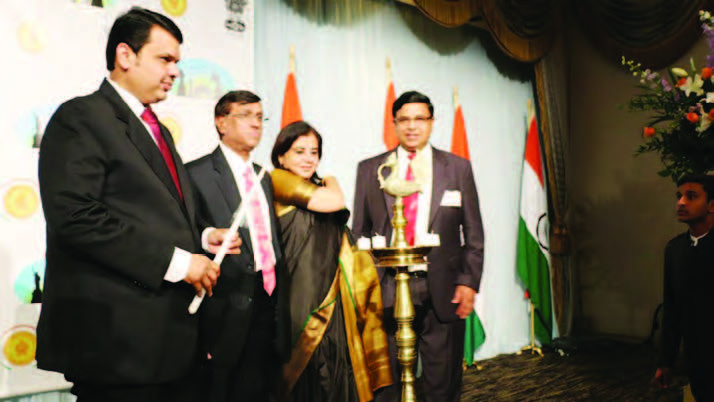
    NEW YORK (TIP): Maharashtra Chief Minister, Devendra Phadnavis was given a rousing welcome, June 29, by the Indian American community at a Community Reception, appropriately named  ‘Maharashtra meets Manhattan’. The reception in his honor was  hosted by Friends of Maharashtra and Consulate General of India at the Taj Pierre in New York City, where  Prime Minister Modi was hosted last year.

    Maharashtra Chief Minister lauded the contribution of NRI’s. He said, “The success of Indians here gives me immense pride. But now it’s time to give back.”

    Phadnavis spoke of the demographic advantage of India where 50% population is below the age of 25. He said  India was in a position to provide human resource to the entire world and the time to fulfill the dream of becoming the topmost nation of the world had arrived.

    Pitching for ‘Make in Maharashtra’, he mentioned that his government has reduced the number of permissions from 148 to 20 to make Maharashtra investor friendly. He also spoke about different upcoming projects undertaken by him like coastal road, Mumbai-New Mumbai connecting  road, and second international airport near Navi Mumbai. He said the projects of roads and bridges the government was contemplating would decongest entire Western Mumbai. He also spoke of the project to have 30 smart cities, each with a different theme and another project, an automobile hub in Aurangabad.

    “Maharashtra is full of possibilities. There are huge opportunities”, he said. He invited the gathered Indian Americans to invest in Maharashtra and assured them of his personal attention to their needs . He said he works 24/7 and is available 365 days of the year.

    Others who spoke included Consul General Dnyaneshwar Mulay who welcomed the Chief Minister and the Industries Minister Subhash Desai who outlined the opportunities for investors in the industries sector in his State.

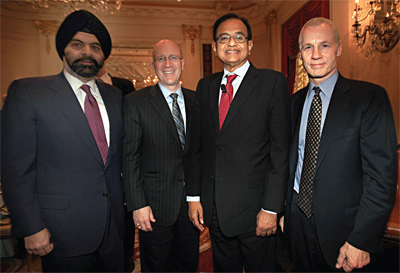
    Earlier, in the day, a group of U.S. industry executives from the U.S.-India Business Council (USIBC) met with him for a discussion about investment opportunities in the state.

    The Chief Minister engaged with senior business executives on important topics that have dominated the bilateral commercial relationship in recent months and addressed areas such as Maharashtra’s comparative edge as an investment destination, regulatory reform measures that have been undertaken by the government to promote ease of doing business in the state, and cultural dialogues that can enhance the bilateral relations between India and the United States.

    Emphasizing the investment opportunities that are available in Maharashtra, Chief Minister Fadnavis said, “The Government has taken a variety of measures to promote ease of doing business in the state and we want to be viewed as a top destination for both domestic as well as international investments. The state eagerly awaits the formation of joint ventures in critical projects such as the Delhi – Mumbai Industrial corridor, Smart Cities and in sectors such as manufacturing, agriculture, aviation, engineering and IT. Our Government is committed to providing a boost to both Make in India and Make in Maharashtra campaigns, provide business to both medium and small enterprises and create much-needed jobs. We invite investors from the United States to be a part of Maharashtra’s growth story.”

    Lauding the vision of Chief Minister Fadnavis, Mukesh Aghi, President of USIBC, said, “The Council’s member companies have been encouraged by the ease of doing business in Maharashtra. Many of the companies have significant investments in the state. Therefore, appropriate and timely policy measures are critical. USIBC and member companies look forward to participating in the state’s investment opportunities that will not only promote entrepreneurship, but also inclusive growth, positioning it as a model state both in India and globally. I have no hesitation in saying that the state has the potential to emerge as a high ranking state on the ease of doing business index.”

    Ashok Vasudevan, Chairman and CEO of Preferred Brands International, manufacturer and marketer of the natural foods brand, Tasty Bite, said, “Tasty Bite has been operating in Maharashtra since the early 90’s and has become one of India’s largest exporter of prepared foods. The state is remarkably resilient due to its diversified base of industry that includes energy, agriculture, food processing, entertainment, engineering, chemicals, pharmaceuticals and financial services. The infrastructure, a mature workforce, a series of business friendly administrations over the last few decades makes it an attractive FDI destination.”

    The event was also attended by companies and senior leaders from every major sector of business- Monsanto, Taj Hotels, HSBC, Caterpillar, Cargill, Johnson and Johnson, KPMG, Baker & McKenzie, Citi, New Silk Route and Pfizer.

  • USIBC Media Executives discuss opportunities in India’s Media and Entertainment Industry

    USIBC Media Executives discuss opportunities in India’s Media and Entertainment Industry

    WASHINGTON (TIP): The U.S.-India Business Council (USIBC) led a series of discussions and meetings between top executives of the media industry and senior Government of India officials to discuss how opportunities can support the recent initiatives of the government, including Make in India, Digital India, and improving the country’s ranking in the World Bank’s Ease of Doing Business Index.

    Led by Joe Welch, Senior Vice President for 21st Century Fox, the delegation included senior representatives from The Walt Disney Company, Time Warner, Viacom 18, and the Motion Picture Association (MPA).

    India is already home to more than 800 television channels with 140 million paid TV homes and a vibrant film industry that produces more than 1,000 movies in a year. The delegates expressed continued commitment to the market, which is expected to grow at 13.9% annually – double that of the global media and entertainment industry. Film and television are significant employment generators for the Indian economy and enhance India’s image among external audiences from a socio-cultural perspective.

    “Media and entertainment companies are celebrating over 20 years of Making in India, and as an industry we are eager to do more given the appropriate policy environment. We are encouraged by the Government of India’s willingness to see the industry as a partner for growth,” said mission leader, Joe Welch.

    Talks between industry executives and the Ministry of Information and Broadcasting, the Telecom Regulatory Authority of India (TRAI), Department of Electronics and Information Technology (DeitY), Ministry of Commerce and Industry, Ministry of Finance, Department of Telecommunications, Department of Industrial Policy and Promotion, and the Ministry of External Affairs focused on providing a further impetus to the already robust sector and taking appropriate policy measures to reach the $100bn level by 2020. Such policy measures include liberalization of foreign direct investment caps, restrictions on vertical integration, single window permitting, digitization implementation, and copyright enforcement.

    Diane Farrell, USIBC Executive Vice President said, “The two day mission was conducted with the goal to raise the profile of the media and entertainment industry as a key contributor to India’s growth. The media sector in India is promising for the Council’s member companies, but is also a real opportunity for the Government of India to create jobs and showcase itself as a global leader in content creation.”

  • India’s  Energy Minister discusses opportunities in the Power & Coal sectors with U.S. Industry

    India’s Energy Minister discusses opportunities in the Power & Coal sectors with U.S. Industry

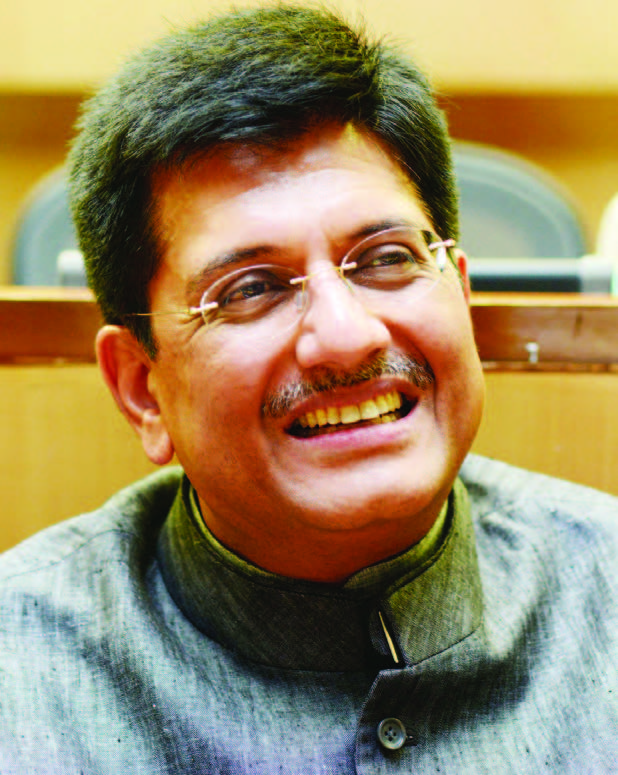
    WASHINGTON D.C. (TIP): At an industry roundtable hosted by the U.S.-India Business Council (USIBC) in Washington D.C., Piyush Goyal, Minister of State with Independent Charge for Power, Coal, New & Renewable Energy discussed the $250 billion investment opportunity in India’s growing energy sector.

    Addressing senior business executives from the energy sector, Minister Goyal said, “Since assuming office, our Government has laid a very solid foundation for the ease of doing business in the country. India’s power generation capacity has grown significantly- we have seen 8.5% growth in power generation year over year. We aim to provide electricity to all Indians by 2019. “

    USIBC Executive Vice President, Diane Farrell said, “Minister Goyal is an excellent representative for Government of India’s commitment to ease of doing business in the country. Power is the backbone of any economy and vital to the Prime Minister’s Make in India initiative. It is encouraging to see the tremendous strides being made by the sector to place India on a firm growth trajectory. USIBC member companies are responsive to the Government of India’s commitment to ease of doing business and remain optimistic about investment opportunities.”

    The event was attended by senior executives from USIBC member companies: First Solar, Oracle, GE, XCoal, Gasification Technologies Council, Vermeer, AECOM, International Paper, 3M, and Westinghouse and others.

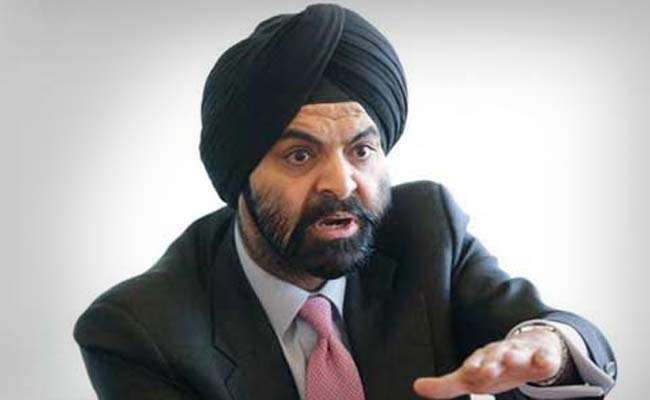
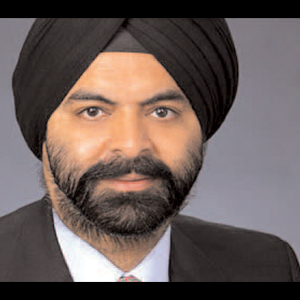
    Formed in 1975 at the request of the U.S. and Indian governments, the U.S.-India Business Council is the premier business advocacy organization, comprised of more than 300 top-tier U.S. and Indian companies advancing U.S.-India commercial ties. USIBC is the largest bilateral trade association in the United States, with liaison presence in New York, Silicon Valley, and New Delhi. Ajay Banga, President and CEO of MasterCard, is USIBC’s Chairman.

  • US-India Business Council Inducts 6 New Board Members

    US-India Business Council Inducts 6 New Board Members

    WASHINGTON:  The US-India Business Council (USIBC) comprising more than 300 top-tier US and Indian companies advancing commercial ties between the two countries has inducted six global business leaders to serve as members of the board.

    The new appointees are Anurag Bhargava, Chairman, IREO; Marc Allen, President of Boeing International; David M Cordani, President and CEO, Cigna Corporation; Patrick Dewar, Chairman, Lockheed Martin Global; Kenneth C Frazier, Chairman and CEO, Merck; and Edward Monser, President and COO, Emerson Electric.

    USIBC and the board of directors remain committed to advancing the commercial relationship between the US and India, said Ajay Banga, USIBC Chairman and MasterCard President and CEO.

    “Our members are encouraged by Government of India’s commitment to economic growth, to attracting the investment needed to achieve that growth, and improving the ease of doing business in India,” he said.

    They “look forward to contributing to India’s growth story through any number of Government of India initiatives, including Smart Cities and Make in India.”

    The new group of directors is “joining the Council at a time when India is poised for tremendous growth and will undoubtedly provide valuable leadership to USIBC and its members,” said Mukesh Aghi, President of USIBC.

    Anurag Bhargava, Chairman of IREO, the largest FDI investor in the construction development sector in India said, “IREO is committed to delivering world-class homes and supporting efforts to build smart cities and urban infrastructure that enables India’s continued economic growth and middle class expansion.”

    “Promoting an innovation-based economy supports not only the growth of the life sciences industry, but also helps to expand health care access for its people,” said Kenneth C Frazier, Chairman and CEO, Merck.

    “As Cigna works to improve both health and vitality in India, we look forward to increasing our presence in the dynamic Indian market,” said David M Cordani, President and CEO of Cigna.

    “India has a lot to offer to the world as a market and US companies have a lot to consider and gain from the opportunity,” said Edward Monser, President and COO of Emerson Electric.

    “Boeing’s relationship with India dates back several decades, and we look forward to an enduring partnership for decades to come,” said Marc Allen, President of Boeing International.

    “Lockheed Martin’s commitment to teaming with the Indian Government and enterprise aligns well with the spirit of the Council’s mission to advance the bilateral relations,” said Patrick Dewar, Chairman of Lockheed Martin.

    As board members, this dynamic group of CEOs along with existing members will help promote the USIBC policy advocacy priorities across critical areas such as health, defence, designing liveable cities, technology, manufacturing and financial services, said the trade association.

  • U.S.-India Business Council Hosts Interaction with Ambassador Arun K. Singh

    U.S.-India Business Council Hosts Interaction with Ambassador Arun K. Singh

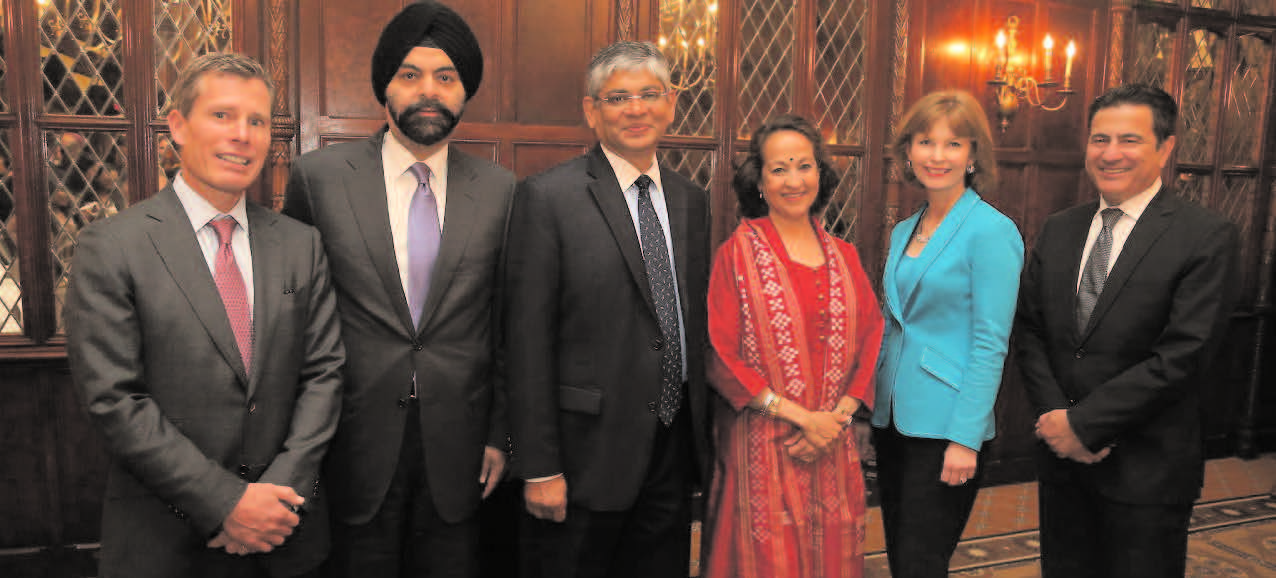
    WASHINGTON, D.C. (TIP): U.S.-India Business Council (USIBC), On May 6, 2015, hosted an exclusive interaction with Ambassador Arun K. Singh, welcoming him to Washington D.C. in his new post as India’s Ambassador to the United States. Ambassador Singh was the Deputy Chief of Mission at the Embassy of India from 2008- 2013.

    Ambassador Singh was warmly received by USIBC Chairman and President and CEO of MasterCard, Ajay Banga and USIBC President, Dr. Mukesh Aghi as well as Council members representing top American and Indian businesses.

    “Ambassador Singh returns to Washington D.C. at a time of immense opportunity in bilateral relations between the United States and India. Trade between the two countries is poised to grow from $100 billion to $500 billion in the next few years. We are excited to work with him in achieving this vision over the next few years,” said Dr. Aghi.

    “I can’t think of a more consummate diplomat to help strengthen U.S.-India Relations further than Ambassador Singh. Under Prime Minister Modi, India is focused on investment in manufacturing, infrastructure, and tourism to create jobs and improve the quality of life for its citizenry. U.S. companies have a great deal to bring to these efforts, beginning with our technology, capital, intellectual property, and a desire to be long-term players in India’s future. It’s also about how the dialogue is conducted at a time when our friendship and mutual respect continues to increase. That’s immensely important as we seek to deepen the bonds between these two great democracies. I know of no one better-suited to help do just that over the next few years than Ambassador Singh,” said Mr. Ajay Banga.

    Nancy Ziuzin Schlegel, Vice President of Lockheed Martin, pledged support for Ambassador Arun K. Singh and said, “Ambassador Singh has been an important partner and friend to U.S. business. As we near the one year anniversary of the Modi Government, I think it is safe to say that we are looking forward to more growth, increased cooperation and closer ties.”

    Ambassador Arun K. Singh remarked on the vision of the new Government for India and the actions that have been undertaken since Prime Minister Modi assumed office. He said, “Prime Minister Modi wants India to take its rightful place as a fast growing economy, tapping the potential of its huge young population. The Delhi Declaration of Friendship has been upgraded from a bilateral strategic dialogue to a strategic and commercial dialogue. Working groups such as the Trade Policy Forum, High Technology Cooperation, CEO Forum that had not met for several years have come together yet again over the past year laying the foundation for future joint activities. A U.S. – India infrastructure collaboration platform has been set up to promote deployment of cutting edge U.S. technologies to meet India’s infrastructure needs in power, urbanization, shipping and trade transportation. An inter-ministerial committee has been set up to fast track investment proposals from U.S. companies and address implementation.”

    Ambassador Singh also said, “Indian industries have increased investment in the U.S., creating jobs and generating incomes. Indian companies have invested close to $17 billion in the United States. The U.S. -India Business Council can play a proactive role by being the voice of industry on both sides.”

    In closing, Justin McCarthy, Senior VP for Global Policy and International Public Affairs at Pfizer said, “I’m encouraged by initiatives such as Make in India and the focus on innovation and research as important drivers of growth. Collaboration between the U.S. and Indian governments and with the business communities holds great promise for the future.”

    The event was also attended by Ambassador Taranjit Singh Sandhu, Charge d’Affaires of Embassy of India; Mr. Arun M. Kumar, Assistant Secretary of Commerce for Global Markets and Director General of the US and Foreign Commercial Service, U.S. Department of Commerce and International Trade Administration; Former US Ambassador to India, Timothy Roemer; and Mr. KT Rama Rao, Minister of Information Technology and Panchayat Raj, Government of Telangana, India.

  • U.S. CEOS AND CABINET OFFICIALS REINFORCE COMMITMENT TO INDIA TRADE AND INVESTMENT

    U.S. CEOS AND CABINET OFFICIALS REINFORCE COMMITMENT TO INDIA TRADE AND INVESTMENT

    USIBC Reaffirms $41 Billion Investment in India

    WASHINGTON DC (TIP): The U.S.-India Business Council (USIBC), on October 9, hosted its 39th Anniversary Leadership Summit in the wake of Prime Minster Narendra Modi’s historic visit to the United States. The summit, entitled “A New Chapter: Fast Tracking Growth,” brought together industry and government leaders from both India and the U.S. to continue the work of furthering economic ties between the two nations.

    Ambassador Dr. S. Jaishankar provided the opening address expressing gratitude to Modi for generating so much enthusiasm about U.S. and India during his recent visit. The summit’s closing keynotes came from State Bank of India Chairman Smt. Arundhati Bhattacharya and United States Trade Representative Michael Froman. Froman spoke at length about helping India become “a key part of global supply chains” in manufacturing and other arenas.

    USIBC Chairman Ajay Banga, president and CEO of MasterCard opened the evening with an affirmation of the renewed faith and hope in the future of the U.S.-India trade relationship.

    “That admiration for India is today being matched by a renewed optimism about India in the U.S. and around the world,” said Banga to a packed House in the Hall of Flags at the U.S. Chamber of Commerce.

    Banga closed his remarks by saying, “There’s never been a better nor a more vital time for the U.S. and India to work together – than right now. Let us seize a defining moment in a defining partnership.”

    The evening also featured special remarks by Under Secretary of Defense Frank Kendall on the U.S.-India Defense Trade & Technology Initiative as well as an armchair conversation between U.S. Secretary of Commerce Penny Pritzker and Mahindra CEO, Anand Mahindra. Pritzker noted, “Our leaders hope that our bilateral trade will grow five fold.”

    It will take “tough work,” Pritzker said, and a willingness to “get down to specifics, that’s how you make progress.”

    Also during the Summit, USIBC presented its prestigious Global Leadership Awards to Mr. Steven A. Kandarian, CEO – MetLife Inc. and to Mr. Kumar Mangalam Birla, Chairman Aditya Birla Group for their company’s outstanding contributions to the U.S.-India growth story.

    The events closing colloquy featured a discussion between U.S. Trade Ambassador Michael Froman and USIBC Chairman Ajay Banga. “One of the great strengths of this relationship is that you do have a very active business communities in both places” working to strengthen economic ties, Froman said.

    Summarizing the event USIBC Acting President Diane Farrell concluded, “In a few years’ time my hope is that people will say, yes, these two nations are the world’s oldest and largest democracies. They are also the world’s strongest partners in trade where they celebrate democracy.

    The USIBC now turns its attention to the U.S.-India Technology Summit in New Dehli. At the summit, the council will put together a “Smart Cities” conclave and USIBC ICT Mission. Joining USIBC will be senior executives from member companies including IBM, Cisco and others where they will have extensive discussions with the Ministry of Urban Development, Department of IT, DIPP, DOT, and other relevant government departments. And at the beginning of 2015 USIBC will lead a CEOs Mission to participate in Vibrant Gujarat.

    About USIBC
    Formed in 1975 at the request of the U.S. and Indian governments, the U.S.-India Business Council (USIBC) is the premier business advocacy organization advancing U.S.-India commercial ties. Today, USIBC is the largest bilateral trade association in the United States, with liaison presence in New York, Silicon Valley, and New Delhi, comprised of 310 of the top-tier U.S. and Indian companies. The Chairman of USIBC is Ajay Banga, President and CEO, MasterCard.

    Press Release

  • USIBC Convenes Industry to Support the Defense Trade & Technology Initiative on the Occasion of Secretary Hagel’s Visit to India

    USIBC Convenes Industry to Support the Defense Trade & Technology Initiative on the Occasion of Secretary Hagel’s Visit to India

    WASHINGTON (TIP):
    On the sidelines of U.S. Secretary of Defense Chuck Hagel’s visit to India, the U.S.-India Business Council (USIBC) convened several high-level industry meetings to clarify and implement the Defense Trade and Technology Initiative (DTTI). USIBC also met with key stakeholders in the Secretary’s delegation. The industry group hosted the Honorable Frank Kendall, Department of Defense Under Secretary for Acquisition, Technology, and Logistics, who is the U.S. co-chair of this important initiative which offers new areas for cooperation geared towards enhancing bilateral defense trade and technology transfer.

    During Secretary Hagel’s visit, Minister Arun Jaitley announced India’s Ministry of Defence counterpart to the DTTI, which will be filled by the position of Secretary, Defense Production in India’s Ministry of Defence. “Secretary Hagel’s visit marks an exciting new chapter in not only our bilateral strategic relationship, but in laying the foundation for greater defense industrial cooperation,” said Diane Farrell, USIBC Acting President.

    “The net benefit of the DTTI will be felt on both sides, with American companies eager to partner more closely with Indian industry while harnessing India’s vast manufacturing, research, engineering, and knowledge base,” Farrell said. During the Secretary’s visit, defense industrial cooperation was featured significantly on the agenda of both Governments. USIBC will continue to support both U.S. and Indian stakeholders across Government and industry alike, and congratulates Secretary Hagel, Defense Minister Jaitley, and the new co-chairs of the Defense Trade and Technology Initiative on a successful visit.

    Formed in 1975 at the request of the U.S. and Indian governments, the U.S.-India Business Council (USIBC) is the premier business advocacy organization advancing U.S.-India commercial ties. Today, USIBC is the largest bilateral trade association in the United States, with liaison presence in New York, Silicon Valley, and New Delhi, comprised of 300 of the toptier U.S. and Indian companies. Ajay Banga, President & CEO of MasterCard, is USIBC’s Chairman.

  • USIBC’s 39th Anniversary Leadership Summit postponed until October, 2014

    USIBC’s 39th Anniversary Leadership Summit postponed until October, 2014

    WASHINGTON (TIP): “Due to the recently released dates of the combined Budget and Monsoon Sessions of the Indian Parliament, the U.S.-India Business Council’s 39th Anniversary Leadership Summit has been postponed to October. Exact dates are still being finalized and a further announcement will be made once they are set”, a press release from USIBC said.

    The press release further said, “We look forward to welcoming our members, friends, honorees, and government officials in Washington, DC as we celebrate 39 years of economic partnership between our two great nations.”

  • USIBC Congratulates India on Successful Elections: Looks forward to working with new NDA Government

    USIBC Congratulates India on Successful Elections: Looks forward to working with new NDA Government

    WASHINGTON, DC (TIP): The U.S.- India Business Council (USIBC), on May 16, 2014,congratulated India on concluding the world’s largest democratic elections. The industry body looks forward to partnering with the NDA Government to usher in an energetic era of development.

    “The successful conclusion of the largest elections in history calls for recognition and celebration. On behalf of USIBC’s member companies and its Board of Directors, our heartfelt congratulations go out to the people of India and to Mr. Narendra Modi and the NDA. USIBC member companies stand ready to roll up their sleeves and get to work with the new government to advance the U.S.-India partnership and deepen bilateral economic ties,” said USIBC Chairman Ajay Banga, President and CEO, MasterCard.

    “The keys to attracting much needed investment are predictability and transparency. When these fundamentals are consistently applied, particularly to areas like tax and intellectual property, business will boom for both countries,” said Banga. “Bilateral trade currently stands at $100 billion. Increasing trade five-fold is achievable if we work together as partners and avoid protectionist tendencies.

    We must allow for the free movement of skilled professionals, and lift FDI caps in important sectors like insurance and defense.” “Both the U.S. and India have deep pools of entrepreneurial talent and energy, and both countries need to stimulate economic growth and create new jobs. This requires a forwardlooking partnership between these two great democracies,” he added.

    Formed in 1975 at the request of the U.S. and Indian governments, the U.S.- India Business Council (USIBC) is the premier business advocacy organization advancing U.S.-India commercial ties. Today, USIBC is the largest bilateral trade association in the United States, with liaison presence in New York, Silicon Valley, and New Delhi, comprised of 300 of the top-tier U.S. and Indian companies.

  • USIBC Calls for Constructive Dialogue on Issue of Intellectual Property

    USIBC Calls for Constructive Dialogue on Issue of Intellectual Property

    WASHINGTON, DC (TIP): The U.S.- India Business Council (USIBC), on April 30, called for constructive dialogue on the issue of intellectual property rights (IPR) between industry and the Governments of the United States and India.

    The call follows the release of the Office of the U.S. Trade Representative’s (USTR) 2014 Special 301 Report, an annual publication which examines the protection and enforcement of IPR worldwide. The Report announced further evaluation of India’s intellectual property regime during an “out-of-cycle” review. USIBC Acting President Diane Farrell said, “It is imperative that industry and the Governments of both countries come together to discuss this issue in a reasoned and respectful manner.

    Do we have concerns regarding IPR in India? Yes. Going forward, is acrimony the answer? Absolutely not. It is time to open up the lines of communication and address the challenges directly. USIBC looks forward to working with both the U.S. Government and the Government of India to facilitate a constructive and mutually beneficial dialogue.” While USIBC has concerns over IPR, the Council has made it clear that engagement with the Government of India to address problems is the best way forward.

    This approach that has led to a strong strategic partnership and $100 billion in two-way trade by growing bilateral investments, increasing cooperation in defense, and building a shared knowledge economy – all of which will continue to create much needed jobs in both countries for years to come. “Building an environment that rewards and protects intellectual property is in the interest of both countries. USIBC recognizes that a strong intellectual property regime, which contributes to predictability and transparency, will encourage and benefit innovators as well as attract R&D capital from within the country and abroad,” said Farrell.

    “Both sides have valid concerns on this issue but we are confident that these two great democracies have the will and the determination to find a compromise that looks beyond the short-term compulsions towards their long-term strategic objectives,” she added. Formed in 1975 at the request of the U.S. and Indian governments, the U.S.- India Business Council (USIBC) is the premier business advocacy organization advancing U.S.-India commercial ties. Today, USIBC is the largest bilateral trade association in the United States, with liaison presence in New York, Silicon Valley, and New Delhi, comprised of 300 of the top-tier U.S. and Indian companies. Ajay Bang, President & CEO of MasterCard, is USIBC’s Chairman.

  • Global Tax Heads Convene for Dialogue on Multilateral Issues

    Global Tax Heads Convene for Dialogue on Multilateral Issues

    NEW DELHI (TIP): The U.S.-India Business Council concluded a highprofile mission comprised of top tax executives from global multinationals who engaged in a dialogue with senior officials from the Government of India as well as private sector counterparts to improve India’s tax climate for foreign investment.

    The prestigious group featured the Organization for Economic Cooperation and Development (OECD)’s Business and Industry Advisory Committee (BIAC) official Taxation Bureau. BIAC, the voice of business of the OECD, serves as an industry conduit for the international government body of developing countries which sets global norms for tax and transfer pricing.

    The USIBC executives met on behalf of global industry with top officials in the Ministry of Finance, including Central Board of Direct Taxes member RK Tewari, Competent Authority Joint Secretary Akhilesh Ranjan, and Chairman of India’s Tax Administration Reform Commission Dr. Parthasarathi Shome. In addition, they met with the International Monetary Fund (IMF) to discuss macroeconomic issues, as well as with senior representatives of the Federation of Indian Chambers of Commerce and Industry (FICCI) and Confederation of Indian Industry (CII).

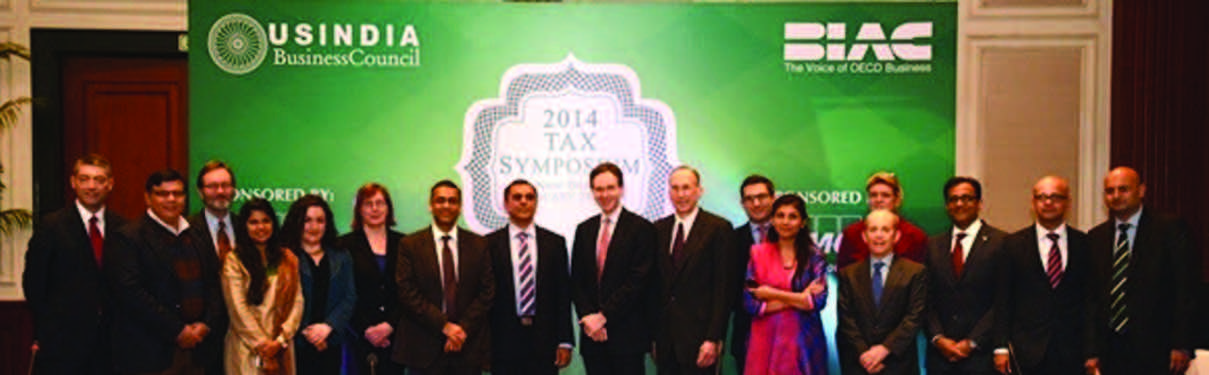
    The discussions on the OECD Base Erosion and Profit Shifting (BEPS) proposal were especially timely given the concurrent G20 discussions in Australia in which Finance Minister Chidambaram participated. The program’s capstone was the inaugural USIBC International Tax Symposium, where CFOs and tax leaders from domestic and global business in India met with the delegation to share insights and develop a constructive strategy of collaboration.

    The event, hosted by KPMG LLP’s Rishi Chugh, Partner in-charge of the U.S.- India Practice, covered domestic tax, advance pricing agreements (APAs), transfer pricing, and dispute resolution issues. The global delegation, which included the tax heads of General Electric, Genpact, Goldman Sachs, JP Morgan Chase, Microsoft, Shell, Siemens, and Unilever, among others, is part of a continued strategy of engagement by USIBC to increase constructive dialogue on multilateral tax issues facing foreign investors in India.

    The head of the delegation, Will Morris, Chair of the BIAC Committee on Taxation and Fiscal Policy, and Director of Global Tax Policy at General Electric (GE), said, “India is by far one of the most important investment destinations for all of our companies. Our experience is that an open and constructive dialogue between the global investment community, Government of India, and Indian industry partners will be the only way forward in alleviating current tax challenges.

    We think it a positive development that India, as a key player in the G20, is fully engaged in the G20/OECD BEPS project which holds the prospect of more uniform international tax rules.” He continued, “As a major global economic power, it is imperative to the global tax system that India’s tax laws and administration are in harmony with international norms. These discussions have been a very productive first step for BIAC to engage with India on OECD tax issues and we’re grateful to our Ministry of Finance hosts.”

    Formed in 1975 at the request of the U.S. and Indian governments, the U.S.- India Business Council (USIBC) is the premier business advocacy organization advancing U.S.-India commercial ties. Today, USIBC is the largest bilateral trade association in the United States, headquartered in Washington, DC, with liaison presence in New York, Silicon Valley, and New Delhi, comprised of more than 350 of the top-tier U.S. and Indian companies. Ajay Banga, President & CEO of MasterCard, is USIBC’s chairman.

  • Immigration reform tops Obama menu

    Immigration reform tops Obama menu

    WASHINGTON (TIP): US President Obama on October 24 asked the Republican-majority House of Representatives to pass by the year end a stalled immigration bill over which India has expressed concern. “Let’s see if we can get it done this year. Let’s not wait. It doesn’t get easier to just put it off. Let’s do it now. Let’s not delay. Now it’s up to Republicans in the House to decide whether reform becomes a reality or not,” Obama said in a White House speech.If enacted into law the bill will pave the way for citizenship of 11 million undocumented people and accelerate immigration of science and technology professionals from India and China. Prime Minister Manmohan Singh has expressed India’s concern over the comprehensive immigration bill, already passed by the Senate. Certain provisions of the bill, in particular those related to H-1B and L1 visas, will adversely impact top Indian IT companies doing business in the US. Obama said the current immigration system is broken. “It’s not smart; it’s not fair; it doesn’t make sense. We have kicked this particular can down the road for too long,” he said.

    “It’s not smart to invite some of the brightest minds from around the world to study here and then not let them start businesses here. We’ve sent them back to their home countries to start businesses and create jobs and invent new products someplace else,” he said. The Senate passed the bill in June. The plan, crafted and approved with Senate Republican support, would strengthen the border with Mexico and reorganise the visa system to give priority to high-demand fields, including engineers and farm workers.Meanwhile, the US-India Business Council (USIBC) is keeping a close eye on the bill on the House version of the bill to protect the interest of the Indian companies. PTIand US businesses with ties with India. “USIBC plans on being absolutely vigilant in the coming weeks and months with its Coalition for Jobs and Growth, with Patton Boggs leading the lobby effort, to ensure that when the Immigration Reform Bill reawakens and begins to gain traction that we are in front of it and doing our best to educate lawmakers to make certain the discriminatory provisions are excised from any final Bill,” USIBC president Ron Somers said. “We will continue to sensitise the Senate as to these harmful provisions, while working with the House to ensure a clean bill, so that when legislation goes to conference we will have champions in both chambers to ensure a clean outcome,” Somers said.

  • OUTGOING RBI GOVERNOR SUBBARAO BLAMES GOVT FOR SINKING RUPEE

    OUTGOING RBI GOVERNOR SUBBARAO BLAMES GOVT FOR SINKING RUPEE

    MUMBAI (TIP): On a day when the Reserve Bank of India engineered a 223-paise pullback of the rupee to 66.60, outgoing governor D Subbarao squarely blamed the government for the domestic currency’s travails which he attributed to domestic structural factors. He also said the loose fiscal policy adopted by the government between 2009-2012 had constrained the RBI’s monetary policy. Subbarao chose his address under the 10th Nani Palkhivala memorial lecture — his last public address — to tear into the government for misreading the economy. He lambasted the finance ministry’s attempts to impinge on the RBI’s autonomy through the Financial Stability and Development Council.

    The governor came down strongly on the attempt by certain sectors to attribute volatility to ‘misbehaving markets’ and which he compared with God. Subbarao said that if the RBI had erred at all, it was in not adopting a hawkish stance earlier. “I must admit in all honesty that the economy would have been better served if our monetary tightening had started sooner and had been faster and stronger,” said Subbarao. But even here he indicated that the RBI was hamstrung by the absence of reliable data. “Just as an aside this episode highlights the importance of faster and more reliable economic data for effective monetary policy calibration,” he added. Another regret expressed by the governor was that he chose ‘baby steps’ to hike rates in 2009. “I will probably be remembered as baby-steps Subbarao, but if the RBI had acted more decisively, inflation could have been brought under control much sooner.” Subbarao attacked proponents of the theory that the RBI had no role to play in inflation caused by supply side shocks.

    “In a $1500 per capita economy—where food is a large fraction of the expenditure basket— food inflation quickly spills into wage inflation and therefore into core inflation. In rural areas where MGNREGA wages are indexed to inflation such transmission is institutionalized,” he said, adding that MGNREGA had pushed up rural incomes without commensurate increase in productivity. “In 2008 there was enormous pressure on the RBI to emulate central banks in America and the UK, which resorted to quantitative easing to loosen monetary conditions, raise inflation expectations and lower real interest rates. We realize that the strategy was effective in the short term, but the excess liquidity has raised inflation pressures,” said Subbarao. On the attempt to clip the RBI’s wings by restricting its mandate to only monetary policy, he said, “We must ask repeatedly if reducing the mandate of central banks, when everywhere else their mandate is being expanded, is the right way to go.” The governor also said that the government cannot use financial stability as an excuse to override the authority of financial regulators. “The governor must normally leave the responsibility to the regulators, assuming an activist role only in time of crisis.”

    FALLING RUPEE POSES CHALLENGES, OPPORTUNITIES FOR INDIA: IMF
    The unprecedented slide of rupees poses both challenges and opportunities for India, the International Monetary Fund (IMF) has said. “The current situation presents a challenge, obviously, to the government of India, but also an opportunity for the government to continue in its policy efforts on a variety of fronts,” IMF spokesman Gerry Rice said. “I wouldn’t want to speculate on any support or program needs,” he said when asked on the speculation about India coming to the IMF, possibly selling its gold reserves to the IMF to prop up its currency. “But maybe just stepping back on the situation in India, the combination of large fiscal and current account deficits, high and persistent inflation, sizable unhedged corporate foreign borrowing and reliance on portfolio inflows are longstanding vulnerabilities that have now been elevated as global liquidity conditions tighten, and this clearly has affected market confidence,” Rice said in response to a question.

    The US India Business Council (USIBC) president Ron Somers emphasised on taking steps to restore investors’ confidence. “Bold leadership that continues to open India’s economy and which advances reforms will help staunch the rupees’ slide,” Somers said. Lifting FDI caps in Insurance should be the highest priority, while resisting protectionist measures – such as forced manufacturing and backsliding on Intellectual Property protection – is crucial. Demonstrating such leadership will go a long way towards restoring investor sentiment,” Somers said

  • USIBC Chairman Ajay Banga Lays Out Agenda For Progress With India

    USIBC Chairman Ajay Banga Lays Out Agenda For Progress With India

    WASHINGTON, DC (TIP): The U.S.-India Business Council (USIBC) hosted, July 11, its 38th Anniversary Leadership Summit, Agenda for Progress , bringing together U.S. and Indian industry and government leaders to chart the way forward in the partnership between the world’s largest democracies.

    India’s Union Minister of Commerce & Industries Anand Sharma provided the inaugural address. The summit’s closing keynotes were provided by India’s Union Finance Minister P. Chidambaram and United States Trade Representative Michael Froman. U.S. Secretary of Commerce Penny Pritzker addressed the audience at one of her first public appearances in her new capacity.

    USIBC Chairman Ajay Banga, MasterCard President & CEO, energized the crowd with a speech urging deeper industry collaboration between the U.S. and India and the need for political leadership to step up and create transparent, predictable, and consistent business environments in both countries . “We want to broaden and deepen the economic and commercial ties between India and the United States.

    We want to strengthen our national security partnership as well. While we may have competing viewpoints on how to get there, there’s no disputing we have one agenda – and that’s helping India-U.S. relations fulfill their promise,” said Banga to a crowd of 350 of the most senior industry and government officials in the U.S.-India commercial space. Banga recognized recent challenges in the relationship, citing issues which have caused great concern to investors including India’s tax policy, local manufacturing restrictions, and challenges to innovation and intellectual property.

    “India has an opportunity to grow its pharmaceutical industry, foster innovation, and create competition. It’s in everyone’s interest to find solutions with the private sector. But that prospect is jeopardized when IP is jeopardized.” Banga also drew attention to the problematic provisions in the proposed U.S. immigration bill which discriminate against global technology providers and harms job creation in both countries.

    “We believe it’s in our interest not only to open doors to more skilled workers, but also to ensure immigration reform doesn’t discriminate against our partners nor limit U.S. companies from choosing where they source the IT support they need,” he said. “India-U.S. business relations have always been at the heart of the U.S-India partnership. The fact that the U.S-India relationship is under attack by the pain points I’ve just mentioned on both sides makes the search for common ground more timely and crucial,” continued Banga.

    “The U.S. is better…India is better…the world is better…when we deepen the commercial and national security ties between the largest and longest-running modern democracies. This is what we have to do.” Also during the leadership summit, USIBC presented its prestigious Global Leadership Awards to industry leaders Louis Chênevert, Chairman and CEO, United Technologies Corporation (UTC), and Analjit Singh, Founder and Chairman, Max India Limited, for their outstanding contributions to the U.S.- India growth story.

    A global trailblazer in manufacturing, Mr. Chênevert has led UTC’s significant investments across India in key sectors including commercial building systems and aerospace. Through Max India, Mr. Singh has expanded healthcare across India, founding successful joint ventures with leading American companies to bring technology and innovation to those who need it most.

    Max India is a multibusiness corporate, driven by the spirit of enterprise and focused on people and service oriented businesses. These USIBC Global Leadership Awards recognize the role exemplary industry leadership plays in shaping U.S.-India ties. The summit was generously sponsored by members of USIBC, led by Diamond Sponsor Cognizant, a global leader in business and technology services.

  • Top American Technology Companies hail passage of US Immigration Bill

    Top American Technology Companies hail passage of US Immigration Bill

    WASHINGTON (TIP): CEOs representing top American technology companies including Google, Yahoo, Microsoft and Cisco have hailed the passage of the comprehensive immigration reform bill by US Senate, arguing that this would give a big boost to the economic growth and attract high skilled workers. “In passing this legislation on a strong bipartisan basis, the Senate broke the logjam on immigration and high-skilled worker reforms,” said John Chambers, chairman and CEO of Cisco and co-chair of TechNet, the coalition of CEOs of US tech companies.

    “America’s economic success stems from our culture of innovation and the constant infusion of new ideas from a skilled and talented workforce. Now – as the House of Representatives takes up the issue – Cisco will continue to work with our legislative leaders to ensure that the reforms help attract the best, the brightest and the most ambitious minds from around the world to our shores,” he said. Steve Ballmer, CEO of Microsoft said by passing the comprehensive immigration reform, US Senate took a significant step toward reforming the nation’s outdated immigration policies. “If enacted, these changes will strengthen our economic security, foster innovation and enable continued job growth in the US.

    Equally important, the legislation makes critical investments in our workforce by strengthening STEM education in the United States, including instruction focused on computer science,” Ballmer said. “Microsoft applauds the Senate’s bipartisan collaboration and leadership in addressing this issue. As the House of Representatives moves forward, we will continue working on a bipartisan basis to enact much-needed reforms to immigration and education policies that will promote American competitiveness and opportunity,” the Microsoft CEO said. But according to USIBC the bill will really affect developing nations like India. “The Bill unfairly targets American companies trying to remain globally competitive by reducing their ability to contract with global IT service providers and restricting their access to the international expertise they need,” USIBC president Ron Somers said.

    “Comprehensive changes to our outdated immigration system are important for the US economy to remain the global leader in innovation,” said Safra Catz, co-president & CFO, Oracle and a member of TechNet’s executive council. “With approval of this bill, the Senate is sending a powerful signal that America is open for business, strengthening our economy and providing new opportunities for our workers,” he said. “The passage of this monumental, bipartisan legislation is a terrific victory for our country,” said John Doerr, general partner at Kleiner Perkins Caufield & Byers and co-chair of TechNet. “America’s economic success has always been based upon its ability to attract the best talent, no matter where they were born. We applaud the broad, bipartisan support for this measure in the Senate,” Doerr said. (Source: SiliconIndia News)

  • USIBC brings CEOs of Fortune 100 to meet with P. Chidambaram

    USIBC brings CEOs of Fortune 100 to meet with P. Chidambaram

    Blankfein, Nooyi, Kravis, McGraw, Kaye, Fishman, and Banga reconfirm U.S. industry’s commitment to India’s growth

    NEW YORK (TIP): India’s Finance Minister, P. Chidambaram, met with investors, April 17, at a private interaction hosted by the U.S.-India Business Council (USIBC) as part of the Minister’s week-long North America investor “road show,” aimed at attracting foreign direct investment (FDI) at a time when the country needs it most. India currently holds a record high current account deficit and FDI could be the key to closing that gap. The off-the-record lunch meeting convened top
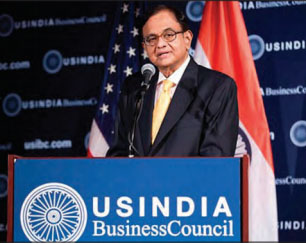
    global industry leaders to discuss with the Finance Minister the opportunities that exist in India and candidly addressed some of the challenges companies face in the market which affects investor sentiment. Topics of conversation included infrastructure, retail, agriculture, life sciences, financial services, legal services, and real estate. “Global industry wants India to succeed. India will succeed. I know this past year has caused a lot of concern, but this year is over and by elections we will achieve our ambitious economic agenda,” said Finance Minister Chidambaram. “We commend Minister Chidambaram for his leadership during these complex times.

    The American business community continues to look to India as a partner in the global economy ripe with investment opportunities. My colleagues and I remain committed to working collaboratively with Government of India and Indian industry to identify innovative solutions to India’s challenges,” said USIBC Chairman Ajay Banga, President & CEO, MasterCard. The intimate gathering reflected combined assets of more than $2 trillion.

    Participants included former USIBC Board Chairpersons: Indra Nooyi, CEO, PepsiCo Inc; Frank Wisner, Foreign Affairs Advisor, Patton Boggs, and former U.S. Ambassador to India; Chip Kaye, Co- President, Warburg Pincus; and Harold McGraw III, Chairman, President, and CEO, The McGraw Hill Companies. Also in attendance were Lloyd Blankfein, CEO, Goldman Sachs; Jay Fishman, CEO, The Travelers Companies; Doug DeVos, President, Amway; Olivier Brandicourt, President of Emerging Markets, Pfizer; John Hele, CFO, MetLife; Jacques Tapiero, President of Emerging Markets, Eli Lily; Peter Kellogg, CFO, Merck; and Henri Courpron, CEO, ILFC, among others.

    The U.S.-India Business Council was formed in 1975 at the request of the United States and Indian governments to advance two-way trade and deepen commercial ties. Today, USIBC is the premier business advocacy association comprised of nearly 400 of America’s and India’s top companies dedicated to enhancing the U.S.-India commercial relationship.

  • Indo-US Relations: Economic Respite?

    Indo-US Relations: Economic Respite?

    Amid domestic political opposition by various states and political parties, the Indian government issued a notification clearing the way for the implementation of economic reforms. New Delhi announced massive set of reforms viz. 100 percent Foreign Direct Investment (FDI) in single-brand sector (earlier it was 51 per cent), 51 per cent FDI in multi-brand retail (prohibited so far), 49 per cent in aviation and 74 per cent in broadcast sector (except the TV news channels and FM Radio). The move is not surprising as the proposal regarding the reforms was approved by the cabinet in November 2011. But the implementation of the proposals had been deferred because of lack of a broader consensus among the various states.

    Some states and union territories extended their support in written and asked for its implementation, while other states expressed their reservations on the proposed reforms. Following the announcement, there has been widespread criticism amongst various political parties. They argue that through this step the government is trying to divert the people’s attention from corruption issues faced by the government

    According to them, the small industry sector will be adversely affected by these reforms. However, the government justified these reforms in terms of capital infusion and employment opportunities.

    These economic reforms are being seen as a second wave of reforms after 1991, when reforms were introduced to save India from the severe balance of payment crisis. India integrated its economy with the world economy by adopting the policy of liberalization.

    However, despite the opposition, this move will strengthen the bilateral relations of India with other countries as the foreign companies would get a chance to invest more in many sectors.

    The US media and corporations have hailed the Indian reforms as the biggest positive development in the last decade. US-India Business Council (USIBC) President Ron Somers said that these big bang reforms send a crystal clear signal that India is open for business.

    In fact, the leadership in the US had been pushing India for economic reforms for a long time. Earlier, US President Barak Obama had expressed concerns over deteriorating investment climate and stated that India has delayed decisions on FDI proposals in many sectors. However, corporate minister Veerappa Moily had countered such statements by stating that the US President was not properly informed about the country’s strong economic fundamentals. Thereafter, US Secretary of State Hillary Clinton during her Indian visit in May this year expressed her expectations from India regarding economic reforms.

    This visit was significant because she visited China just before arriving in India. During this visit she met with her Indian counterparts and the Chief Minister of West Bengal.

    There were media reports that during her meeting with Indian officials, Secretary Clinton discussed the investment issue that indicated the US desire of the economic reforms as its business corporation can get benefits from the large Indian market.

    So, one of the motives of Hillary Clinton’s visit to India was to push India for further reforms particularly in the multi-brand retail sector. While in 1991 Indian policy of liberalization was one of the major factors that led to the gradual improvement in Indo- US relations, India’s hesitance of late was now being deemed by analysts in both the countries as an area of discord in Indo-US economic relations.

    The recent reforms in India can be deemed as bonhomie in the Indo-US relations. Despite this, US investors may be hesitant on the absence of Bilateral Investment Treaty (BIT) between India and the US. According to this treaty, the government commits to protect investment in their territory by other countries (82 of them currently). At the instance of lack of security assurance the US investors will find themselves in a disadvantageous condition as compared to other foreign competitors. There is no doubt that these reforms will make way for better Indo-US relations and especially in the economic realm.

    But signing the Bilateral Investment Treaty is a must if both the nations want to gain full advantage from each other’s markets. At the same time, the Indian decision to put on hold its complaint against the US over the visa fee hike in the World Trade Organization (WTO) is also a welcome move from New Delhi as it will strengthen the bilateral relations further