
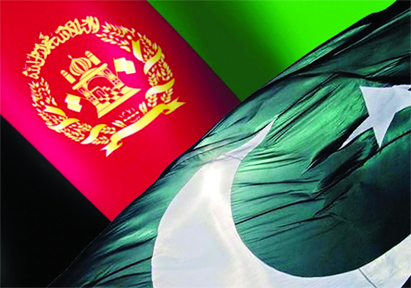

ISLAMABAD (TIP)- In a significant shift, Pakistan appears to have finally recalibrated its Afghan policy, moving away from any notion of appeasing the Afghan Taliban and, instead, follow a “waiting game” to unravel things there.
The Express Tribune said, quoting senior officials familiar with the development, that Islamabad is now “comfortable waiting” for political and security conditions in Afghanistan to evolve on their own, a marked departure from the past when Pakistan often felt compelled to intervene or mediate.
The shift is rooted not just in changing regional dynamics but also in Pakistan’s mounting frustration over the Afghan Taliban’s lack of action against the outlawed Tehreek-e-Taliban Pakistan (TTP).
Despite repeated engagements and high-level delegations, officials say Kabul has shown little inclination to rein in the TTP responsible for some of Pakistan’s deadliest recent attacks. That lack of progress hardened attitudes in Islamabad, the newspaper said.
“We realised we were investing energy without any meaningful outcome,” a senior official said. “If the Afghan authorities are unwilling or unable to address our core concern, then there is no reason for us to carry the burden of expectations on their behalf.”
For years, Pakistan was viewed as the country with unique leverage over the Afghan Taliban. Western governments routinely pressed Islamabad to “deliver” Kabul on issues ranging from counterterrorism to women’s rights to inclusive governance.
Officials say that expectations placed Pakistan at the centre of global frustration in Afghanistan, despite Islamabad’s own security concerns and limited influence.
“Earlier, the world kept asking us to persuade the Taliban on different issues,” said one official, explaining the exhaustion in Islamabad over repeated international pressure. “Now they finally understand where we stand and what our limitations are.”
Despite repeated engagements and high-level delegations, officials say Kabul has shown little inclination to rein in the TTP responsible for some of Pakistan’s deadliest recent attacks.
That lack of progress hardened attitudes in Islamabad, the newspaper said. “We realised we were investing energy without any meaningful outcome,” a senior official said. “If the Afghan authorities are unwilling or unable to address our core concern, then there is no reason for us to carry the burden of expectations on their behalf.”
For years, Pakistan was viewed as the country with unique leverage over the Afghan Taliban. Western governments routinely pressed Islamabad to “deliver” Kabul on issues ranging from counterterrorism to women’s rights to inclusive governance.
Officials say that expectations placed Pakistan at the centre of global frustration in Afghanistan, despite Islamabad’s own security concerns and limited influence.
“Earlier, the world kept asking us to persuade the Taliban on different issues,” said one official, explaining the exhaustion in Islamabad over repeated international pressure. “Now they finally understand where we stand and what our limitations are.”

Be the first to comment