Tag: Yemen

  • Obama nominates Indian- American to key post

    Obama nominates Indian- American to key post

    WASHINGTON (TIP): US President Barack Obama has nominated Indian-American businesswoman Shamina Singh to a key administration post. Singh has been nominated as the member of the board of directors of the Corporation for National and Community Service. Obama made the announcement on Thursday along with several other key posts including Matthew H Tueller, who has been nominated as the US ambassador to Yemen. “I am honoured that these talented individuals have decided to join this Administration and serve our country. I look forward to working with them in the months and years to come,” Obama said.

    A founding board member for Indian American Leadership Incubator (IALI), Singh currently is executive director of the MasterCard Center for Inclusive Growth, a position she has held since December 2013. Singh is also the global director of Government Social Programs in MasterCard’s Public Private Partnerships group, a position she has held since February 2013. From 2011 to 2013, she was Senior Advisor to MSLGROUP. Previously, she served as vicepresident of Government and Public Affairs at Nike, Inc from 2010 to 2011. Prior to that, Singh served as COO for Global Community Development at Citigroup, Inc. from 2005 to 2010. From 2004 to 2005, she was a deputy director for America Votes while in 2003, she served as a senior adviser to US house democratic leader Nancy Pelosi and in 2002 was the deputy campaign manager for the Ron Kirk for US Senate campaign. Singh was executive director for the President’s Advisory Commission on Asian Americans and Pacific Islanders and the White House Initiative on Asian Americans and Pacific Islanders from 1999 to 2001.

    She was Congressional Liaison for the Office of Congressional Affairs at the Department of Labour from 1998 to 1999, Senior Legislative Advocate for the Service Employees International Union from 1995 to 1998, and Campaign Associate for the Ann Richards for Governor Committee from 1993 to 1994. She is a young global leader with the World Economic Forum and a Henry Crown Fellow with the Aspen Institute. She received her Bachelor of Science from Old Dominion University and a Master of Public Administration from the Lyndon B Johnson School of Public Affairs at the University of Texas at Austin.

  • Yemen wedding party hit by US drone strike, 13 killed

    Yemen wedding party hit by US drone strike, 13 killed

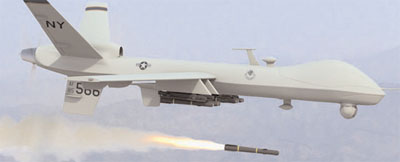
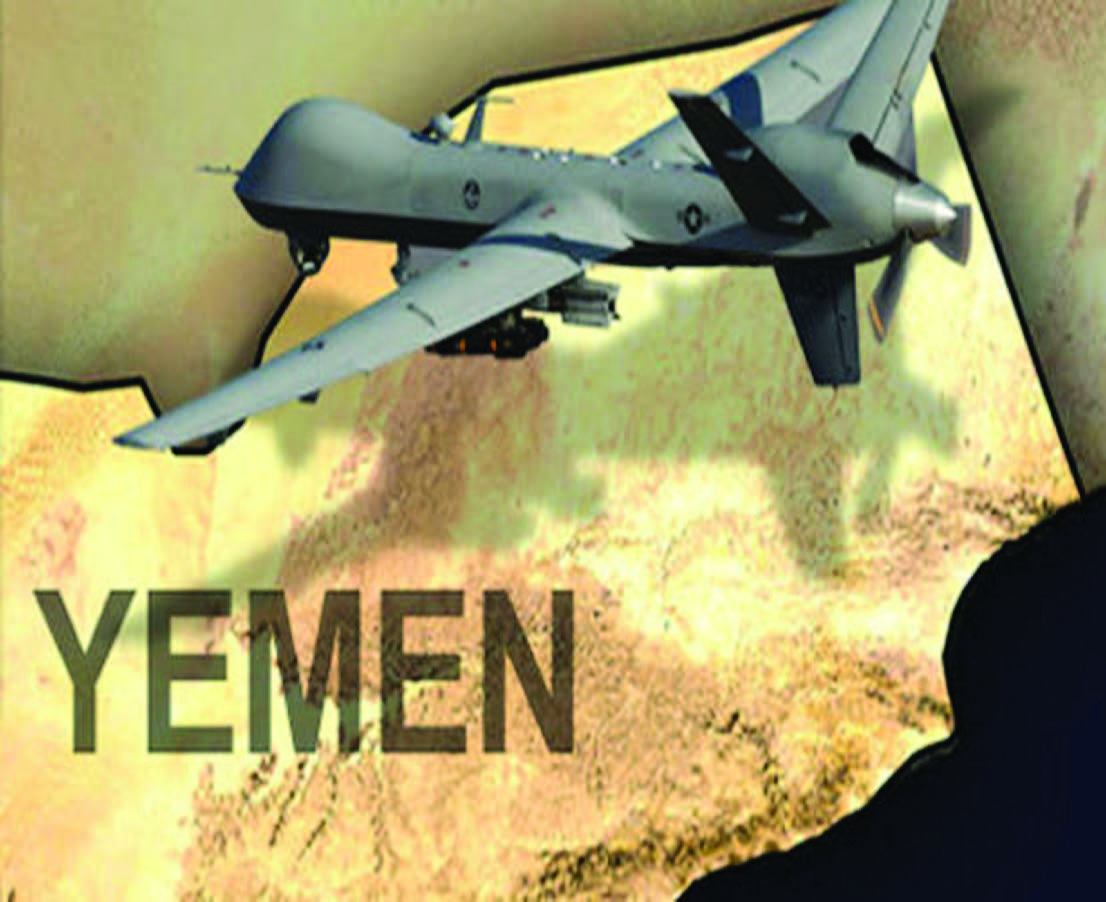
    SANAA, YEMEN (TIP): Missiles fired by a US drone slammed into a convoy of vehicles travelling to a wedding party in central Yemen on December 12, killing at least 13 people, Yemeni security officials said. The officials said the attack took place in the city of Radda, the capital of Bayda province, and left charred bodies and burnt out cars on the road. The city, a stronghold of al-Qaida militants, witnessed deadly clashes early last year between armed tribesmen backed by the military and al-Qaida gunmen in an attempt to drive them out of the city.

    There were no immediate details on who was killed in the strike, and there were conflicting reports about whether there were militants travelling with the wedding convoy. A military official said initial information indicated the drone mistook the wedding party for an al-Qaida convoy. He said tribesmen known to the villagers were among the dead. One of the three security officials, however, said al-Qaida militants were suspected to have been travelling with the wedding convoy. While the US acknowledges its drone program in Yemen, it does not usually talk about individual strikes. If further investigations determine that the victims were all civilians, the attack could fuel an outburst of anger against the United States and the government in Sanaa among a Yemeni public already opposed to the US drone strikes. Civilian deaths have bred resentments on a local level, sometimes undermining US efforts to turn the public against the militants.

    The backlash in Yemen is still not as large as in Pakistan, where there is heavy pressure on the government to force limits on strikes — but public calls for a halt to strikes are starting to emerge. In October, two UN human rights investigators called for more transparency from the United States and other countries about their drone programs, saying their secrecy is the biggest obstacle to determining the civilian toll of such strikes. The missile attacks in Yemen are part of a joint US-Yemeni campaign against al-Qaida in the Arabian Peninsula, which Washington has called the most dangerous branch of the global terrorist network. Thursday’s drone strike is the second since a massive car bombing and coordinated assault on Yemen’s military headquarters killed 56 people, including foreigners. Al-Qaida claimed responsibility for the attack, saying it was retaliation for US drone strikes that have killed dozens of the group’s leaders.

    Security forces in the Yemeni capital boosted their presence on Thursday, setting up checkpoints across the city and sealing off the road to the president’s residence, in response to what the interior ministry called threats of “terrorist plots” targeting vital institutions and government buildings. Meanwhile, in the Yemen’s restive northern, ultraconservative Sunni Muslim militants and rebels belonging to a branch of Shiite Islam battled each other with artillery and machine guns in clashes that killed more than 40 people, security officials said. The violence between Islamic Salafi fighters and Hawthi rebels has raged for weeks in Yemen’s northern province of Saada, but the latest sectarian clashes marked an expansion of the fighting to the neighboring province of Hagga. The government brokered a cease-fire last month to try to end the violence, but both sides have repeatedly broken the truce. Officials said clashes began when ultraconservative Salafis took over a Hawthi stronghold in a mountainous area near the border with Saudi Arabia.

    The officials say that most of the casualties were on the Hawthi side. The officials said that Salafis, however, accused Hawthis of trying to infiltrate their strongholds in the town of Fagga. The officials spoke on condition of anonymity because they weren’t authorized to discuss the fighting publicly. Hawthi launched in insurgency in 2004 against autocratic President Ali Abdullah Saleh, who stepped down in 2012 after a popular uprising against his rule. Over the course of the Hawthi rebellion, hundreds of people were killed and an estimated 125,000 people uprooted until the rebels and the government struck a fragile cease-fire in 2010. But the north remained restive despite the truce, and fighting flared along another fault line in November after Hawthis accused the Salafis of trying to gain a foothold in their territory by spreading their brand of Islam. The rebels say their community of Shiite Muslims suffers discrimination and neglect and that the government has allowed ultraconservative Sunni extremists too strong a voice in the country. Hardline Sunnis consider Shiites heretics.

  • India gets 101st rank on global gender gap index

    India gets 101st rank on global gender gap index

    NEW DELHI/GENEVA (TIP): Indicating a poor state of affairs on gender parity front, India was today ranked at a low 101st position on a global Gender Gap Index despite an improvement by four places since last year. The index, compiled by Geneva-based World Economic Forum (WEF), has ranked 136 countries on how well resources and opportunities are divided between men and women in four broad areas of economy, education, politics, education and health. While India has been ranked very high at 9th place globally for political empowerment, it has got second-lowest position (135th) for health and survival. Its rankings for economic participation and opportunity are also low at 124th and for educational attainment at 120th. The high rank for political empowerment is mostly because of India getting the top-most score in terms of number of years with a female head of state (President), as its political scores is not very good for factors like number of women in Parliament and women in ministerial positions. While India has moved up four positions from its 105th position in 2012, it still remains lowest-ranked among the five BRICS nations.

    Top-four positions on the global have been retained by Iceland, Finland, Norway and Sweden. Philippines has moved up to 5th place, while Ireland has slipped one position to sixth rank. They are followed by New Zealand, Denmark, Switzerland and Nicaragua in the top ten. Other major countries on the list include Germany at 14th, South Africa at 17th, UK at 23rd, Russia at 61st, Brazil at 62nd and China at 69th. Those ranked lowest include Pakistan at 135th and Yemen at 136th. The countries that are ranked below India also include Japan (105th), UAE (109th), Republic of Korea (111th), Bahrain (112th) and Qatar (115th). About India, WEF said that India continues to struggle to demonstrate solid progress towards gender parity. Its economic participation and opportunity score has actually gone down in the past twelve months, although it has done well on political empowerment front. “This is largely down to the number of years it has had a female head of state and for the other two indicators — women in parliament and women in ministerial positions — it ranks 106 and 100 respectively,” it said. While no country has reached parity in terms of years with a female head of state, India has managed to get top rank for this indicator, whereas 65 per cent of countries have never had a female head of state over the past 50 years.

    India’s ninth position on political empowerment front is also its best-ever rank for this sub-index, where it was ranked 17th in 2012 and its lowest score was 25th in 2008. The overall ranking of 101st is also its highest in the past seven years. India had ranked better at 98th position in the WEF’s inaugural Gender Gap Index in 2006. WEF said that increased political participation has helped narrow the global gender gap across the world. A total of 86 countries have improved their rankings since last year, while Iceland has maintained narrowest gender gap for fifth year running. Globally, progress is being made in narrowing the gender gap for economic equality, but women’s presence is economic leadership positions is still limited in both developing and developed countries alike. “Countries will need to start thinking of human capital very differently ? including how they integrate women into leadership roles. This shift in mindset and practice is not a goal for the future, it is an imperative today,” WEF founder and executive chairman Klaus Schwab said. “Both within countries and between countries are two distinct tracks to economic gender equality, with education serving as the accelerator,” said Saadia Zahidi, co-author of the Report and Head of the Women Leaders and Gender Parity Programme at WEF. “For countries that provide this basic investment, women’s integration in the workforce is the next frontier of change. For those that have not invested in women’s education, addressing this obstacle is critical to women’s lives as well as the strength of economies,” Zahidi added.

  • So-Called Spring; Su-Shi Strife and The South-West Asia

    So-Called Spring; Su-Shi Strife and The South-West Asia

    “The author foresees tremendous tectonic changes in the wake of Arab Spring et al. He says, “There will be following major discernible evolutionary geo-political trends underlying the so-called Arab spring. The despotic regimes headed by dictators, monarchs, military strongmen, presidents-for-life and supreme leaders-for-life would eventually be overthrown by the popular revolt. The middle-east is surely due for a major cartographic make-over in the next few decades. The fault-lines would be sectarian, ethnic and linguistic. The glue of Political Islam supported by embedded Jihadi elements would be torn asunder while facing the sectarian, ethnic and linguistic divide.”

    Arab Spring, Arab Winter, Arab Summer, Arab Renaissance, Arab Awakening, Islamic Awakening and Islamic Rise are just few of the epithets used to describe the complex and multidimensional geopolitical changes in the middle-east region that comprises of West Asia and Northern Africa. Depending upon one’s perspective, each of these adjectives is inadequate to describe the complex geopolitical phenomena that have engulfed the region. It is important to recapitulate that barring three nations, viz. Iran, Turkey an Israel all other countries in this region are Arab. Despite Francis Fukuyama’s puerile musings about the “end of history”, we are now witnessing tectonic changes of historic proportions.

    However, it will be a very slow and bloody change that would be unstoppable despite numerous western interventions. The genie of historic change had been unleashed much earlier in 2003 when the Baathist regime was toppled in Iraq ostensibly to chase the now non-existent “weapons of mass destruction”. The ten year anniversary of the US invasion of Iraq and “the ensuing mother of all battles” does not witness peace and tranquility in that nation, divided de facto, on sectarian and ethnic fault-lines. The Iraqi Kurdistan, nominally under the central government of Iraq is on a rapid trajectory to peace, prosperity and development while Baghdad continues to witness sectarian violence and bomb attacks. The Prime Minister Nouri al- Maliki is grabbing executive powers and has inadvertently encouraged sectarian divide and Shia identity politics. Besides the Iraqi Kurds, the real beneficiary of the US invasion worth $ 870 billion has been the Islamic Republic of Iran.

    If one chooses to be historically correct, the Islamic revolution of 1979 in Iran is the real harbinger of the so-called Arab spring. A US supported dictator was overthrown by popular revolt in Iran. The popular revolution was usurped and captured by Islamist Ayatollah Khomeini leading to a lot of blood-shed and massacre of democratic and liberal sections of the Iranian society in a targeted manner. A mini-version of this so-called (“Persian”) spring was again manifest in Iran, a non-Arab Shia theocracy in 2009 under the name of “green revolution”. However, the US administration led by Barak Hussain Obama “rightly” failed to capitalize on the situation leading to brutal suppression of young Iranians by the theocratic regime and its revolutionary guards. For the first time the US and its cronies missed an opportunity for externally driven regime change in Iran. Starting with Tunisia, the Arab Spring phenomena later on engulfed Egypt and Yemen. In Yemen, an extended “managed” political change was indeed brought in grudgingly under the patronage of Western imperialistic powers. Both Tunisia and Egypt saw subsequent takeover by Islamists in democratic elections. After over-throwing of Ben-Ali, the fundamentalist An-Nahda Islamists were the victors of the Tunisian democratic elections in October 2011.

    The Jihadists and the Salafists are now working in tandem with the conservative An-Nahda Islamists to infiltrate the previously secular Tunisian state from within. The story in Egypt is not very much different where the popular revolution against Hosni Mubarak and the Armed Forces has already been annexed by the Muslim Brotherhood (MB) and Mohammad Morsey. The Egyptian judiciary, especially the Supreme Court has resisted the Muslim Brotherhood and its attempts to foist an Islamist constitution. Furthermore, the Egyptian Supreme court has postponed yet again the parliamentary elections denying the MB an opportunity to control the entire state. Parts of the civil police force have already stopped obeying orders of the Islamist government to fight against fellow citizens forcing the MB to spare its cadre for law enforcement duties. Using the fig-leaf of so-called Arab Spring, the opportunistic Western powers militarily intervened in Libya, another socialist Baathist party ruled Arab dictatorship and brought out a regime change they had craved for long.

    The subsequent Islamist take-over of Libya, the barbaric treatment (victor’s justice) given to the quixotic dictator Col Mommar Gadaffi and killings of the US ambassador and other personnel by Al Qaeda in Ben Ghazi is illustrative of the nature of the beast. Interestingly, the Shah of Iran, Saddam Hussain and Col Mommar Gadaffi, all three had indeed served with great distinction as the “useful idiots” of the Western imperialism. The ideological hollowness of the West and the cheer-leaders of the socalled Arab Spring was noted again in Bahrain where popular and public demands for political change were exterminated brutally by foreign military intervention undertaken by the Kingdom of Saudi Arabia (KSA) and Pakistan in order to prevent take-over of the Sunni ruled nation by a Shia majority population. Syrian example shows the true colors of the cheer-leaders of the so-called Arab spring.

    Another socialist and secular Arab country ruled by the Baath party is being systematically destabilized from outsideintervention for the last two years and sacrificed at the altar of Sunni-Salafi- Jihadi-Wahabi (SSJW) geopolitical interests. Foreign Sunni fighters are leading the war against the Assad regime, fully supported by the regional Sunni monarchies. What we see now is essentially a Sunni-Shia (SU-SHI) sectarian power struggle in the Islamic nations of the West Asian region with Western imperialistic intervention in a systematic manner to defeat the secular and socialist Baath party regimes and of course to safeguard the interests of the Sunni-Salafi-Jihadi-Wahabi (SSJW) alliance. This bloody sectarian conflict will not be resolved in next few months or years.

    As the geopolitical events unfold, we will witness a quasi-permanent fratricidal intra-Islamic sectarian war for decades in the west Asian region culminating in major cartographic changes. There will be multiple incarnations of Arab & Islamist “Tianamen Squares” during which the despotic rulers will brutally suppress the revolting citizens. The US strategic retreat from the middle- east and pivot to Asia will finally allow the history to emerge in the middle-east uncontaminated by the hegemonic order imposed by the US hyper-power. Right now all the Arab monarchies have tried to buy out the demands for freedom and socio-political change by bribing their respective populations with yet more goodies financed by petro-dollars. This monetary intervention would at best delay the clamor for freedom and political change only by a few years in the oil-rich nations. There will be Islamist take-over of one-kind or other in all these countries. But political Islam would not be able to provide stability and strategic security to these nations.

    Just like in the communist countries as they vied with one another for title of the adherents of the true nature of communism practiced in the former communist countries, one would witness competitive claims of “true or genuine Islamism” by various ruling dispensations in this region. Fundamentalist competitive “political Islam” in alliance with Jihadis would hijack liberal and democratic popular uprisings. Indeed, there will be immense loss of human life and Jihadi terrorism will rule the roost. Transfer of power and change of regimes will be an inherently bloody process. There will be serious human rights violations and genocide by all the sides in the name of “true Islam”. Western apologists and backers for these despotic countries under severe financial crunch would no longer be interested in maintaining the geo-political status quo ante. geopolitical tectonic changes are likely to result in emergence of new nation states. Syria might be balkanized into multiple small entities or state-lets analogous to the former Republic of Yugoslavia.

    One would not be surprised if an Independent Kurdistan finally emerges as the 4th non- Arab country in the middle-east. Iraq, Iran, Syria and Turkey may lose their respective Kurdish populations to a newly independent and democratic Kurdistan. Since the fall of the Ottoman empire, the Western imperialistic powers while arbitrarily carving out state-lets to safeguard their own economic and hydrocarbon interests, chose to sacrifice the Kurdish national interests and denied them right to a state. West Asia has app 35 million Kurdish (non-Arab) people with app half (18 million) in Turkey, 8 million in Iran, 7 million in Iraq and 2 million in Syria. Unraveling of Syria will serve as a catalyst for Turkish Kurds to revolt against the increasingly Islamist Sunni dispensation of Turkish Prime Minister Recep Tayyip Erdogan in Ankara that has systematically deviated from the secular ideology of Kemal Ata-Turk, the founding father of modern Turkey.

    Both the PKK (Kurdistan Workers Party) and its imprisoned leader Abdullah Ocalan have successfully orchestrated staggered, coordinated hunger strikes for more than two months by thousands of Kurdish prisoners in Turkish jails. Turkey is going through a schizophrenic struggle between its European aspirations and Islamic moorings. However, political Islam will not be able to hold the Turks and the Kurds together. With increasing Sunniazation of the Turkish polity, this large ethnic and linguistic Kurdish minority will eventually assert itself in this chaotic geopolitical transition. Islamic glue will not be able to hold together Turkish and Kurdish ethnic identities and a volcanic eruption of nationalist fervor will unravel Turkey as we know it. If Turkish and Syrian Kurds turn more nationalistic and declare an independent Kurdistan, Iraqi and Iranian Kurds will be forced to follow suit. As a result of this, a truncated Iraq would eventually come out as a Shia-Arab theocracy with a Sunni minority supported by the neighboring Shia-Persian theocracy, Iran. Iran would not be insulated from demands of political freedom and change if there is no external intervention.

    Young, educated and emancipated Iranians will eventually overthrow the conservative Ayatollah-cracy leading to a more democratic and liberal regime change. A non-theocratic and more democratic and liberal Iran will re-emerge as a major regional power with friendly Shia majority governments in Iraq, Azerbaijan, Bahrain and elsewhere including in Lebanon. Iran will be a longterm winner in the despite losing some territory to Kurdistan and Baluchistan. A loose federation of Shia states may become a power grouping in the region. In such a geopolitical scenario, the territorial integrity and sovereignty of the Kingdom of Saudi Arabia (KSA) would no longer be safeguarded by a strategically retreating USA. By 2017, the USA will surpass the Saudis as the largest petroleum producing nation that will become a net exporter of hydro-carbons in 2020. Future US administrations will be forced by domestic isolationists to give up the stability mantra leaving the middle-east region to its own devices.

    The ultrageriatric conservative clan of Saudi princelings with all their extremities in the grave will not be able to hold the country together especially in the face of increasingly restive and un-employed young men. Increasing modernization and “secularization” of this tribal society will be resisted violently by the ruling political establishment. There have already been small demonstrations by Sunni Muslims calling for the release of people held on security charges. Saudi women will demand equal rights and driving privileges. The Saudi women would like to emulate their more emancipated Iranian counter-parts in public discourse. If Al Qaeda or its various mutants take-over the Saudi Arabia, the House of Saud will be brutally slaughtered in the name of “liberating Islam”. The internal strife in Saudi Arabia will manifest openly in an explosive manner when the oilfields dry up in few decades. The only unrest to hit Saudi Arabia during the so-called Arab Spring wave of popular uprisings was among its Shi’ite Muslim minority. The Shia populations in the Eastern region of Saudi Arabia will eventually revolt against a Sunni-Salafi- Jihadi-Wahabi (SSJW) complex leading to emergence of another Shia state-let.

    Bahraini Shia population is likely to overthrow the ruling Sunni dynasty, leading to emergence of another Shia nation. A Palestinian state-let may eventually be established as a joint protectorate of Egypt and Jordan. Egypt and Turkey will have much diminished geo-political influence. Egypt will have to deal with the issue of human rights of an increasingly vocal Coptic Christian minority. Some countries might eventually disappear by 2030. The most putative candidates are Lebanon, Kuwait and the Palestine. The impact of these geo-political changes will without doubt creep eastwards towards the Af-Pak region of the South-Asia leading to cartographic changes in national boundaries. Pakistanoccupied Baluch principalities, exploited by the Punjabi-dominated Pakistani army will successfully revolt for an independent Baluchistan as the Chinese footprint increases in the Gwadar port. After taking over the Gwadar port, China will seriously attempt to exploit the mineral and hydrocarbon wealth of Pakistan-occupied Baluch areas, thereby, increasing the sense of alienation and marginalization amongst the Baluch tribes.

    The separatist Baluchistan Liberation Army will target Chinese companies and personnel in the ensuing war of independence. The Sistan- Baluchistan province of Iran will take its own time joining an Independent Baluchistan. The consequent undoing of the artificial geographic boundaries arbitrarily determined by the British colonialists will lead to emergence of newer states carved out of the Af-Pak region. Another fall-out of these changes would be emergence of an independent and greater Pakhtoonistan comprising of the Khyber-Pakhtoonwah province of Pakistan and the Pakhtoon areas of the Afghanistan across the now defunct Durand line. The result would a truncated but more stable Afghanistan controlled by the northern alliance comprising of the Tajeks, Hazaras and Uzbeks. A truncated Pakistan will continue to remain as a rent-seeking failed state. It may implode eventually, leading to its fragmentation followed by multi-lateral external intervention under supervision of the UN and the IAEA to secure the nuclear weapons and the fissile materials.

    Further to north-east, a restive Uighurs’ population will force the emergence of Eastern Turkistan while throwing away the 300 years’ old occupation by the Han Chinese and subsequent annexation by the Communist China led by Comrade Mao. Will this tectonic change engulf the central Asian states or the “stans” is not clear at this time as the geopolitical dynamics are entirely different in the Central Asia in comparison to the South and West Asia. There will be following major discernible evolutionary geo-political trends underlying the so-called Arab spring. The despotic regimes headed by dictators, monarchs, military strongmen, presidents-for-life and supreme leaders-for-life would eventually be overthrown by the popular revolt. The middle-east is surely due for a major cartographic make-over in the next few decades. The fault-lines would be sectarian, ethnic and linguistic. The glue of Political Islam supported by embedded Jihadi elements would be torn asunder while facing the sectarian, ethnic and linguistic divide.

    Whether some kind of democracy will eventually prevail in this region in near future is doubtful, at best. Political Islam with its Jihadi mutant will be on the ascendance temporarily as an essential bloody interim phase in the long-term development of liberal democracy in the West Asia, North Africa and Af-Pak regions of South Asia. Increasing modernization, secularization and intellectual emancipation of the common masses will eventually defeat the Islamist counterreaction in each of these countries. Iran which is way ahead in the trajectory of civilizational change and democratic evolution will emerge as the most influential regional player while Egypt, Turkey and the KSA will eclipse relatively.

  • MOVERS & SHAKERS

    MOVERS & SHAKERS

    Famous Indian nuclear physicist Homi Jehangir Bhabha was born on 30 October 1909 in Mumbai. Bhabha played a key role in the development of the Indian atomic energy program. Widely referred to as the father of India’s nuclear weapons program, Bhabha had his education at the Elphinstone College and the Royal Institute of Science before obtaining his doctorate from the University of Cambridge in 1934.

    He was influenced greatly by the legendary Paul Dirac. Bhabha was a research scientist at the Cavendish Laboratories at Cambridge. When he was stranded in India as a result of the Second World War, he set up the Cosmic Ray Research Unit at the Indian Institute of Science, Bangalore under Nobel Laureate C. V. Raman in 1939. Dr. Bhabha is credited with establishing the Tata Institute of Fundamental Research(TIFR) with the help of eminent industrialist J. R. D. Tata.

    After India won independence from the British, Bhabha established the Atomic Energy Commission of India in 1948. He represented India in various international forums including the United Nations and his tenure represented a high in terms of the progress of India’s atomic energy programme. The climax of this programme came on May 18, 1974 when India exploded a nuclear device at Pokhran, Rajasthan joining a select club of nations.

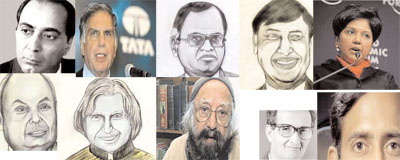
    Ratan Tata
    Ratan Tata is one of the most well-known and respected Indian businessman. He served as the Chairman of the Tata Group from 1991 till 2012. As a Mumbaibased conglomerate, he is also a member of the prominent Tata family of Indian industrialists and philanthropists. Ratan Tata was born on December 28, 1937 in Mumbai. When he was a child his parents separated and he was brought up by his grandmother Lady Navajbai.

    He went to Campion School in Bombay, Bishop Cotton School in Shimla and finished his schooling from Cathedral and John Connon School in Mumbai. He graduated with a degree in Architecture and Structural Engineering from Cornell University in 1962 and also did the Advanced Management Program from Harvard Business School in 1975. He is also a member of the Alpha Sigma Phi fraternity of Yale University, United States. In 1962, Ratan Tata began his career in the Tata group.

    At first he used to work on the shop floor of Tata Steel, shoveling limestone and handling blast furnace. In 1991, JRD Tata stepped down as the chairman of Tata Industries and named Ratan Tata as his successor. Under Ratan’s stewardship, Tata Tea attained Tetley, Tata motors attained Jaguar Land Rover and Tata Steel attained Corus. These triumphs turned Tata from a large India-centric company into a global business with 65% revenues from abroad. He also contributed in the development of Indica and Nano.

    Ratan Tata has also served in various organizations in India and abroad. He is a member of the Prime Minister’s Council on Trade and Industry and he is also on the board of governors of the East-West Center, which is the advisory board of RAND’s Center for Asia Pacific Policy. He also serves on the program board of the Bill & Melinda Gates Foundation’s India AIDS initiative. He was awarded the Padma Bhushan by the Government of India in January 2000.

    He serves on the boards of several leading organizations, both in the public as well as the private sector in India. He is a member of the International Investment Council set up by the President of South Africa and serves on the programme board of the Bill & Melinda Gates Foundation’s India AIDS initiative. Ratan Tata is credited for leading Tatas’ successful bid for Corus, an Anglo-Dutch steel and aluminum producer, which was acquired for an estimated £6.7 billion by Tata Sons.

    N.R. Narayanamurthy
    N.R. Narayana Murthy, the founder of Infosys Technologies is one of the most famous personalities in India’s I-T sector. Born on August 20, 1946, he obtained a degree in electrical engineering from the National Institute of Engineering under University of Mysore in 1967 and went on to do his Masters from IIT Kanpur in 1969. He joined Patni Computer Systems in Pune. While at Pune, he met his wife Sudha Murty.

    In 1981, he founded Infosys alongwith with six otherpeople. He served as president of the National Association of Software and Service Companies, India from 1992 to 1994. Murthy was the CEO of Infosys for twenty years, and was succeeded by Nandan Nilekani in March 2002. He functioned as the Executive Chairman of the Board and Chief Mentor from 2002 to 2006.

    Dhirubhai Ambani
    Dhirajlal Hirachand Ambani was born on 28 December 1932, at Chorwad, Junagadh in Gujarat, When he was 16 years old, he moved to Aden,Yemen. Initially, Dhirubhai worked as a dispatch clerk with A. Besse & Co. Married to Kokilaben. Dhirubhai also worked in Dubai for sometime. He returned to India and founded the Reliance Commercial Corporation with an initial capital of Rs 15000.

    Dhirubhai set up the business in partnership with Champaklal Damani from whom he parted ways in 1965. Dhirubhai started his first textile mill at Naroda, near Ahmedabad in 1966 and started the brand “Vimal”. Dhirubhai Ambani is credited with having started the equity cult in India.With the passage of time, Dhirubhai diversified into petrochemicals and sectors like telecommunications, information technology, energy, power, retail, textiles, infrastructure services, capital markets, and logistics.

    Lakshmi Nivas Mittal
    Lakshmi Nivas Mittal was born on June 15, 1950 in Sadulpur, Rajasthan, India and is presently the CEO & Chairman of Arcelor Mittal. Lakshmi Nivas Mittal was listed in the Forbes List of Billionaires in 2006 as the the richest Indian and the fifth richest man in the world with an estimated wealth around of $25.0 billion and is the richest man in the United Kingdom. Young Lakshmi Nivas Mittal spent his first years in Sadulpur, before his father moved to Kolkata. Lakshmi graduated from St. Xavier’s College, Calcutta. He founded Mittal Steel in 1976, which soon became a global steel producer with operations on 14 countries. His success mantra lies in the identification, acquisition and turnaround of many loss making steel companies all across the world.

    Dr. A.P.J. Abdul Kalam
    Dr. A.P.J. Abdul Kalam, former President of India, graduated in aeronautical engineering from the Madras Institute of Technology in 1958 and joined the Defense Research and Development Organization (DRDO). In 1962, Kalam joined the Indian Space Research Organization (ISRO). In 1982, he rejoined DRDO as the Chief Executive of Integrated Guided Missile Development Programme (IGMDP). Dr. Kalam is credited with the development and operationalization of India’s Agni and Prithvi missiles.

    He worked as the Scientific Adviser to the Defence Minister and Secretary, Department of Defence Research & Development from 1992 to 1999. During this period, the Pokhran-II nuclear tests were conducted. Dr. Kalam held the office of the Principal Scientific Advisor to the Government of India from November 1999 to November 2001. Dr. Kalam has received a host of awards both in India and abroad. He was awarded the Padma Bhushan in 1981, Padma Vibhushan 1990 and the Bharat Ratna in 1997.

    He is of the view that we should work wholeheartedly to make India a developed nation by 2020. Besides being a bachelor, Kalam is a strict disciplinarian, a complete vegetarian and teetotaler. Among the many firsts to his credit, he became India’s first President to undertake an undersea journey when he boarded the INS Sindhurakshak, a submarine, from Visakhapatnam. He also became the first president to undertake a sortie in a fighter aircraft, a Sukhoi-30 MKI.

    Khushwant Singh
    One of the most prominent novelists and journalists of India, Khushwant Singh was born on 2 February 1915 in Hadali, presently in Pakistan. He writes a weekly column, “With Malice towards One and All”, published in several leading newspapers all over the country. He graduated from Government College, Lahore before studying law at King’s College, London. He has been the editor of Yojana, The Illustrated Weekly of India, The National Herald and the Hindustan Times.

    He also served as a member of the Rajya Sabha. Though he was awarded the Padma Bhushan in 1974, he returned it in 1984 to protest the siege of the Golden Temple by the Indian Army. He was awarded the Padma Vibhushan in 2007. Some of his notable works include: The Sikhs; Train to Pakistan; The Sikhs Today; Ranjit Singh: The Maharajah of the Punjab; Delhi: A Novel; Sex, Scotch and Scholarship: Selected Writings; Not a Nice Man to Know: The Best of Khushwant Singh; Paradise and Other Stories; Death at My Doorstep; The Illustrated History of the Sikhs etc.

    Amartya Sen
    Nobel Prize winner Amartya Sen was born on 3 November 1933 in Santiniketan, West Bengal. Besides being a worldrenowned economist, Amartya Sen is also a philosopher. He served as a Master at the Trinity College at Cambridge University, the first Asian academic to head an Oxbridge college. Currently the Lamont University Professor at Harvard University, Amartya Sen traces his roots to an illustrious lineage. His father, Ashutosh Sen, taught chemistry at the Dhaka University.

    Amartya completed his high-school education from Dhaka in Bangladesh in 1941. After his family migrated to India in 1947, Sen studied at the Presidency College, Kolkata and at the Delhi School of Economics before moving over to the United Kingdom to complete his higher studies. He earned his doctorate from the Trinity College, Cambridge in 1959. He has taught at various reputed Universities including the University of Calcutta, Jadavpur University, Oxford, London School of Economics, Harvard and many others. His works helped to develop the theory of social choice.

    In 1981, he published his famous work Poverty and Famines: An Essay on Entitlement and Deprivation, where he showed that famine occurs not only due to shortage of food, but from inequalities in the mechanisms for distributing food. He had personally witnessed the Bengal famine of 1943. He has done valuable work in the field of development economics, which has had a tremendous influence on the formulation of the United Nations Development Programme’s Human Development Report.

    Sabeer Bhatia
    Sabeer Bhatia-co-founder of Hotmail, is one among select group of people who have made it big in America’s Silicon Valley. Born in Chandigarh, Sabeer Bhatia did his schooling from St. Joseph’s Boys’ High School, Bangalore. He graduated from Caltech and went to Stanford to pursue his MS in Electrical Engineering. Sabeer attended many lectures by famous like Steve Jobs and was determined to make it big. After completing his Masters, he joined Apple computers. He left Apple soon after.

    He teamed up with his partner to create a web-based e-mail system Microsoft bought Hotmail on December 30th, 1997, for a reported sum of $400M. After the success of Hotmail, Bhatia in April 1999, he started another venture, Arzoo Inc, which however had to be shut down. In 2006, Arzoo was relaunched. Bhatia has won many awards. Among the notable ones include the “Entrepreneur of the Year” awarded by the venture capital firm Draper Fisher Jurvetson in 1997, the “TR100” award, presented by MIT to 100 young innovators expected to have the greatest impact on technology in the next few years. Besides, he was named by TIME magazine as one of the “People to Watch” in International Business in 2002.

    Indra Nooyi
    Indra Nooyi is the president and chief executive officer of PepsiCo and is the highest-ranking Indian-born woman in corporate America. She helped to start PepsiCo’s fast-food chains in 1997. After a Bachelor’s degree from Madras Christian College and a Post Graduate Diploma in Management from the Indian Institute of Management Kolkata, she moved on to the Yale School of Management.

    She started her career with The Boston Consulting Group (BCG), moving on to companies like Motorola and Asea Brown Boveri.She serves on the board of directors of several organizations. In August 2006, she succeeded Steve Reinemund as chief executive officer of PepsiCo. She has been named the Most Powerful Woman in Business in 2006 by Fortune Magazine. Her name was included in the Wall Street Journal’s list of 50 women to watch in 2005.

    Kiran Bedi
    The first woman to join the coveted Indian Police Service (IPS) in 1972, Kiran Bedi was born on 9 June 1949 in Amritsar, Punjab. Recently appointed as Director General of India’s Bureau of Police Research and Development, Kiran Bedi has had an illustrious career, earning widespread adulation for her no-nonsense attitude and devotion to work. She served as Police Advisor in the United Nations peacekeeping department and was honored with the UN medal for outstanding service. She earned the nickname ‘Crane Bedi’ for towing away the then Indian PM Indira Gandhi’s car for parking violation.

    Kiran Bedi graduated in English before securing a Master’s degree in Political Science from Punjab University, Chandigarh. This gutsy police officer went on to secure an LL.B degree in 1988 from Delhi University and a Ph.D. from the Indian Institute of Technology, New Delhi, even while she was in service. She was good at sports too, having been an all- India and all-Asian tennis champion.

    She has served creditably in a host of appointments ranging from Deputy Inspector General of Police, Mizoram, Advisor to the Lieutanent Governor of Chandigarh, Director General of Narcotics Control Bureau and many others.

    Rakesh Sharma
    The first Indian to fly into space, Rakesh Sharma was born on January 13, 1949 in Patiala, Punjab. He was a squadron leader with the Indian Air Force, when he flew into space in 1984 as part of a joint programme between the Indian Space Research Organisation (ISRO) and the Soviet Intercosmos space program.

    He spent eight days in space on board the Salyut 7 space station. He joined two other Soviet cosmonauts aboard the Soyuz T- 11 spacecraft which blasted off on April 2, 1984. He was awarded the Hero of Soviet Union award on his return from space. The Government of India honoured him with the Ashok Chakra. He retired with the rank of Wing Commander. He joined the Hindustan Aeronautics Limited in 1987 and served as Chief Test Pilot in the HAL Nashik Division until 1992, before moving on to Bangalore to work as the Chief Test Pilot of HAL. He retired from test flying in 2001.

    Dr. Verghese Kurien
    The “father of the white revolution” in India, Dr. Verghese Kurien is acknowledged worldwide as the brain behind the success of the largest dairy development programme in the world by the name of Operation Flood. Also known as the “Milkman of India”, he was the chairman of the Gujarat Co-operative Milk Marketing Federation Ltd. (GCMMF) and his name became synonymous with the Amul brand. Born on November 26, 1921 in Kozhikode, Kerala, he graduated in Physics from Loyola College, Madras in 1940 and pursued a B.E.(Mechanical) course from the Madras University. He was instrumental in the success story of AMUL.

  • 5 Myths Used To Justify Death By Drone And America’s Assassination Policy

    5 Myths Used To Justify Death By Drone And America’s Assassination Policy

    America’s never-ending war on terrorism is almost always depicted in the mainstream media as a military and intelligence agency fight on a global battlefield. But it is also a propaganda war where the public is fed inaccuracies from Washington, especially when it comes to overseas killings by U.S. military drones. Here are five myths perpetuated by the military and its weapons makers that seek to make Americans feel good about drones and the White House’s policy of targeted assassinations.

    Myth #1: They Target High Level Terrorists
    Only two percent of drone strikes have killed “high value targets,” former counter-terror advisor to David Petraeus, David Kilcullen, notoriously remarked in a New York Times column early in the Obama presidency,where he said that 50 civilians were killed for every “high-value target” assassinated. That means that 98 percent of drone-caused deaths have been a mix of low-level militants, civilians, or another dubious Pentagon classification called “unknown militants.

    ” This spring McClatchy and later NBC reported that 25 percent of those killed in drone strikes in Pakistan have been classified as “unknown militants.” So by its own admission, the CIA has no idea whom they are killing about a quarter of the time. Keep in mind that if a militaryaged male is killed in a strike they are automatically presumed to be militants. The implication being, there is a huge room for error, and many of these “unknown militants” are likely civilians. In one case, the CIA classified 20-22 “unknown militants” killed. This strike actually killed around 40 civilians.

    Myth#2: Drones Are Accurate
    The Pentagon rhetoric touting “pin point” and “laser” accuracy of drones is baseless. Dr. Larry Lewis, a principal research scientist at the Center for Naval Analyses, a research group with close ties to the US military, studied the record in Afghanistan and found that drone strikes were no more accurate than traditional air power.

    So, after all this talk about the ability to discern enemies through surveillance, they are no more accurate traditional fly-bys. This rhetoric has allowed us to kill innocent children. Notably, this study was done in Afghanistan,where there is ample ground and human intelligence for selecting and assessing targets, as well as people who investigate the aftermath of the strikes. But that is not the case in Pakistan and Yemen,which means that the strikes have been more deadly for civilians.

    The implications from this reality are cynical and cavalier: Either the information on the ground is faulty, or drone operators are okay with certain levels of civilian casualties. Regardless, drones fall far short of the hyped rhetoric coming from the Obama administration.

    Myth #3: Drone Targets Imminently Threaten America
    The mainstream media have played into the CIA/Administration’s selective leaks about drones, especially the concept of a “kill list.” This military branding conjures up a process of carefully selected enemies who pose imminent threats to the U.S. However, the reality of “signature strikes” undercuts this P.R. construction.

    Never officially acknowledged by the administration, signature strikes target unknown suspected militants who display “pattern of live” behavior associated with Al Qaeda and the Taliban. What the “patterns” consist of is officially a secret. What we do know is that as soon as signature strikes were implemented there was a spike in number of drone strikes and the number people killed in strikes. Furthermore, reporting has recently revealed that the original authorization for drone strikes in Pakistan came from now deposed President Musharraf.

    The only way he would approve of the strikes was if the CIA killed his enemies. These “side-payments” became a characteristic of the CIA program. Instead of focusing on enemies of the U.S., the CIA played along with Pakistan’s intelligence agency, ISI, and its military to hit targets who posed no threat to the U.S.

    Myth #4 Drones Are Cheap
    Setting aside the moral, legal, and efficacy arguments about drones, the mantra from the administration, lobbyists and their lackeys in Congress has been drone’s low per-unit cost of $4 million to $5 million.

    According to Winslow Wheeler of the Project on Government Oversight, “This is quite incorrect.” He states, “The actual cost for a Reaper unit is $120.8 million in 2012 dollars.” This is far above the $27.2 million dollar F-16C or the $18.8 million A-10. Seemingly, this “aura of inevitability” about investing in this new revolutionizing weapon is the militaryindustrial- complex at its self-serving worst.

    Myth #5: Drones Are Making Americans Safer
    They are not, in fact.Not only are drones effectible destabilizing a nuclear power, Pakistan, in one of the most conflict-ridden regions of the world, they are inciting waves of suicide bombers to attack Pakistan. They are also directly threatening the U.S. In a global age connectivity there is a new phenomenon of self- radicalization. People who identify with the Muslim Diaspora are seeing their kinsmen being murdered by America in a most brutal way.

    The Boston Marathon bombers are only the latest example of this phenomenon. The most notorious selfradicalized terrorist was Faisal Shahzad, who, in 2010, tried to blow up New York’s Times-Square. When asked about his motive, he directly cited drones. These rebels with a cause will sadly become the norm as we push and provoke more of the world’s 1.3-1.4 billion Muslims into the political fringes where American violence begets more violence.

    Last fall I traveled to Pakistan where I witnessed first-hand the horror and challenges people of Pakistan face while living under drones. I went to Pakistan to investigate the civilian casualties caused by U.S. drone strikes and to speak with Pakistani people about how drone strikes impact their families, their communities, and their lives.

    During my travels I met Rafiq ur Rehman and his son and two young daughters whose mother was killed in a drone strike. Rafiq’s daughters reminded me of my daughters at a very young age and speaking with them left a significant impression on me. It helped drive my desire to create our upcoming film on drones.

  • Drone strikes in Yemen kill 12 alleged Al Qaeda militants; 2 arrested in Saudi Arabia

    Drone strikes in Yemen kill 12 alleged Al Qaeda militants; 2 arrested in Saudi Arabia

    NEW YORK (TIP): As a security alert kept millions on edge throughout the Muslim world, suspected U.S. drone attacks in Yemen killed 12 alleged militants Thursday, August 8, and Saudi security forces arrested two foreign men they say were plotting suicide attacks in the region, a Los Angeles Times report says.

    The drone strikes and the arrests in Saudi Arabia of a Yemeni and a Chadian — reported to have issued “messages of incitement and hatred” through social media — reflected the intense vigilance pervading police and military forces across the Middle East, Africa and South Asia at the end of the Muslim holy month of Ramadan. The three drone strikes in Yemen brought the total since July 27 to eight and the death toll to 34.

    The stepped-up pace of targeted killings may be thinning the ranks of Al Qaeda-aligned extremists, but it has also intensified anger among Yemeni citizens who consider the aerial bombardments a violation of their sovereignty and a reckless practice that at times kills innocents. The latest drone strikes were reported by the Yemen Post, among other media, which took note of the growing public alarm over the rockets fired from unmanned aircraft. Yemeni authorities tolerate the strikes as they work with U.S.

    special forces to drive out Al Qaeda-affiliated militants who took refuge in the mountainous hinterlands two years ago, when the country was racked by widespread protests against then-President Ali Abdullah Saleh. The autocrat who ruled for more than 30 years was forced out early last year and replaced by Abed Rabbo Mansour Hadi, who has collaborated with U.S. forces in a campaign to eradicate the strongholds where terrorists train and plot attacks on Western targets.

    Counter-terrorism efforts have been directed at Yemen in recent days because of intercepted militant “chatter” that suggested terrorist attacks were being plotted between the head of the global Al Qaeda network, Ayman Zawahiri, who is believed to be in Pakistan, and its Yemeni affiliate, Al Qaeda in the Arabian Peninsula. Intelligence sources have said that Zawahiri has deputized AQAP leader Nasser Wuhayshi to carry out plots against U.S. and Western citizens and interests in connection with Wednesday’s end of the Muslim holy month of Ramadan and the Eid al-Fitr holiday.

    The U.S. State Department issued a worldwide terror alert Friday and closed more than 20 embassies and consulates in the Muslim world to protect its staff in the event of an attack. American diplomats based in Yemen’s capital, Sana, were evacuated from the country Monday, as were British and French nationals. Yemeni security officials reported Wednesday that they had foiled an Al Qaeda plot to seize two port cities on the Gulf of Aden and blow up pipelines and other vital oil infrastructure.

    Few details were disclosed by authorities, and the claimed thwarting of the attack did little to ease fears of impending violence in the region. On Thursday, the Saudi Press Agency reported the arrest of two men it said had “recruited themselves” and discussed via social media plans to launch suicide operations. Neither the nature nor the targets of the alleged plot were disclosed.

    In addition to the religious holiday, this week marks the 15th anniversary of the Aug. 7, 1998, synchronized bombings of U.S. embassies in Kenya and Tanzania, which killed 223 people and wounded more than 4,000. The attacks were the first major demonstration of Al Qaeda’s ability to carry out coordinated operations on multiple targets, a hallmark of its strategy that was seen again three years later on Sept. 11, 2001.

  • US To Close Some Embassies On Sunday Over Threat

    US To Close Some Embassies On Sunday Over Threat

    WASHINGTON (TIP): US embassies that would normally be open this Sunday – including those in Abu Dhabi, Baghdad and Cairo – will be closed that day because of unspecified security concerns, the US State Department said on August 1. CBS News reported that the embassy closings were tied to US intelligence about an al-Qaida plot against US diplomatic posts in the Middle East and other Muslim countries.

    CBS said the intelligence did not mention a specific location. “The Department of State has instructed certain US embassies and consulates to remain closed or to suspend operations on Sunday, August 4th,” State Department spokeswoman Marie Harf told reporters at her daily briefing. “Security considerations have led us to take this precautionary step.” Harf declined to detail the “security considerations” or name the embassies and consulates that would be closed, but a senior State Department official told reporters later they were those that would normally have been open on Sunday.

    A quick search of the State Department website showed that those included several US missions in the Muslim world, including the embassies in Abu Dhabi, Baghdad and Cairo. CBS News said US embassies would also be closed in Bahrain, Israel, Jordan, Kuwait, Libya, Oman, Qatar, Saudi Arabia, Yemen, Afghanistan and Bangladesh. “The department has been apprised of information that, out of an abundance of caution and care for our employees and others who may be visiting our installations … indicates we should institute these precautionary steps,” Harf said. “The department, when conditions warrant, takes steps like this to balance our continued operations with security and safety.”

  • Lawyer Says Teenage US Terror Suspect Autistic

    Lawyer Says Teenage US Terror Suspect Autistic

    BAY SHORE (TIP): A young New York man caught boarding a plane on his way to Yemen to fight with an al- Qaida affiliate is a teenager who was diagnosed with autism and didn’t understand the gravity of what he was doing, his attorney told The Associated Press. Justin Kaliebe, 18, pleaded guilty in a secret federal court proceeding in February to a charge of attempting to provide material support to a terrorist organization. He was ordered to undergo a psychiatric evaluation before he is sentenced Sept. 27.

    His condition could be considered in determining his sentence. He faces up to 30 years in prison. “Justin Kaliebe is a gentle, misguided, autistic teenager who does not have the ability to fully understand the magnitude and consequences of his actions,” defense attorney Anthony La Pinta said in a statement to the AP. La Pinta, who joined the defense team after the guilty plea was entered, said he has medical documents showing that Kaliebe was diagnosed with autism as a young child, but he would not release them.

    Authorities have declined to say why the plea was entered in secret, though the move could mean Kaliebe was cooperating in the investigation when it was at a sensitive stage. Kaliebe, who converted to Islam about three years ago, apparently was swept up in the New York Police department’s ongoing investigation into the activities of Muslims throughout the region. Counterterrorism agents and NYPD officers intercepted him Jan. 21 as he tried to board a flight to Oman on his way to Yemen.

    Acquaintances, including the imam at a Long Island mosque he frequently attended, have described him as emotionally immature and a child of divorce who seemed in need of psychiatric counseling. According to court papers, Kaliebe told an undercover operative pretending to be a confidant, “There is no way out for me. … The only way out is martyrdom.” The NYPD has long had an interest in converts to Islam as part of its efforts to prevent terrorist attacks, saying in a 2007 report that they are “particularly vulnerable” to radicalization.

    Prosecutors allege Kaliebe began plotting to join al-Qaida on the Arabian Peninsula in 2011 while he was in contact with an undercover operative, who recorded their conversations. “Kaliebe indicated that he wanted to join a group `for the sake of Allah,”‘ documents show. A 20-year-old friend, Ahmad Deib, said he doesn’t believe Kaliebe was capable of terrorism. “This is a case of entrapment. This kid, he couldn’t hurt a fly. He is one of the most kindhearted kids you would ever know.” Friends said Kaliebe’s home life was not ideal.

    His parents were divorced in 1998 when he was a toddler, said Bilal Hito. “There was something about Justin that made you feel you were around a little boy,” Hito said. Deib said Kaliebe once confided that he had stopped taking antidepressants because he didn’t like the way they made him feel. Imam Abdul Jabbar said in an interview that Kaliebe even asked if he could live in the mosque. La Pinta disputed reports that his client had a lousy home life.

  • Al-Qaida in Yemen offers bounty for US ambassador

    Al-Qaida in Yemen offers bounty for US ambassador

    DUBAI (TIP): The Yemen-based branch of al-Qaida has offered a bounty for anyone who kills the US ambassador to Yemen or an American soldier in the impoverished Arab state, a group that monitors Islamist websites said. Al-Qaida in the Arabian Peninsula (AQAP) said it was offering three kilograms of gold for the killing of the US ambassador in Sanaa, Gerald Feierstein, the USbased SITE Intelligence Group said, citing an audio released by militants. AQAP will also pay 5 million rials ($23,350) to whoever kills any American soldier in Yemen, it said.

    The offer, valid for six months, was made “to encourage our Muslim Ummah (nation), and to expand the circle of the jihad (holy war) by the masses,” SITE said, citing the audio. AQAP, mostly militants from Yemen and Saudi Arabia, is regarded by the United States as the most dangerous branch of the network founded by Osama bin Laden.

    In September, AQAP urged Muslims to step up protests and kill US diplomats in Muslim countries over a film denigrating the Prophet Mohammad, which it said was another chapter in the “crusader wars” against Islam. The film provoked an outcry among Muslims, who deem any depiction of the Prophet as blasphemous and triggered violent attacks on embassies in countries in Asia and the Middle East.

    Four US officials including the ambassador to Libya were killed in the aftermath. The Pentagon said it had sent a platoon of Marines to Yemen after demonstrators stormed the US Embassy in Sanaa.

    A US ally, Yemen is struggling against challenges on many fronts since mass protests forced veteran leader Ali Abdullah Saleh to step down in February after decades in power. President Abd-Rabbu Mansour Hadi’s government is trying to re-establish order and unify the army. Washington, which has pursued a campaign of assassination by drone and missile against suspected al- Qaida members, backed a military offensive in May to recapture areas of Abyan province. But militants have struck back with a series of bombings and killings

  • An Overview of the  67th UN General Assembly

    An Overview of the 67th UN General Assembly

    What did we learn from the 67th UNGA?

    Every year, United Nations General Assembly brings world leaders from across the world to New York under a single roof, to address the global issues that stare us in the face. The 67th United Nations General Assembly (UNGA) was no different, with more than 120 world leaders sharing a single podium to make statements.

    The General Assembly convened on 18th September 2012 with the theme “Bringing About Adjustment or Settlement of International Disputes or Situations by Peaceful Means.” The session officially ended on 1st October 2012.

    The UNGA is usually a dramatic affair where we see several debate boycotts and menacing threats that are openly made. And this year’s General Assembly did not fail to meet such standards. This year, the GA’s line up had an impressive transition. Mohammed Morsi, Egypt’s first democratically elected President addressed the world leaders for the first time while Iran’s Mahmoud Ahmadinejad spoke for the last time as Iranian President from the same podium.

    As the GA sessions started soon after the Benghazi attacks, the topic of Freedom of Speech was debated heavily. However, Syrian crisis remained the main issue at the UNGA. Almost all countries condemned the spiraling civil war in the region but they could not agree on a solution. Although there was no Muammar Gaddafi to tear up the UN charter this year, the debate was ‘action-packed’ nonetheless.

    Syrian crisis

    Once again, the world leaders who met at the UNGA failed to reach an amicable approach to solve the Syrian crisis. In his opening speech during the General Debate, UN Secretary-General Ban Ki-moon urged all the assembled nations to extend efforts to end the Syrian crisis and to immediately stop all arms flow into Syria. According to UN reports, approximately 28,000 have been killed in the crisis ridden Syria so far and thousands have been forced to take refuge in neighboring countries. Syrian civil war is slowly spilling across its borders, causing tensions in the region.

    Neither the nations supporting the opposition nor the nations supporting the Assad regime could eventually come to a unanimous decision on the appropriate steps that need to be taken in Syria. The Syrian Foreign Minister Walid Moellem accused several ‘well known countries’ of using the Syrian crisis as a pretence to pursuing their ‘colonial interests’ in the region. He also said that calling for Bashar Assad to step down is a ‘blatant interference in the domestic affairs of Syria.’

    Anti-Islam film

    US President Barack Obama delivered a speech that highlighted and honored the importance and preservation of freedom of speech. Violence erupted in the Islamic nations after a controversial movie made in the United States about the Islamic Prophet was televised in Egypt. The violence led to attacks on the US consulates and resulted in the murder of Christopher Stevens, US Ambassador to Libya. President Obama’s powerful speech contained the message meant for new Islamic leaders to “speak out forcefully against violence and extremism”. He also termed the video as ‘disgusting’ but maintained that no amount of controversies in video justifies the violence that surfaced in the Middle East. “There is no video that justifies an attack on an embassy. There is no slander that provides an excuse for people to burn a restaurant in Lebanon, or destroy a school in Tunis, or cause death and destruction in Pakistan. Like me, the majority of Americans are Christian, and yet we do not ban blasphemy against our most sacred beliefs,” he added.

    However, Islamic leaders assembled in the UN strongly disagreed with the President Obama’s opinion. Egyptian President Morsy said the contents of the film are ‘unacceptable’. Yemen’s President Abed Rabbo Mansour Hadi also agreed saying, “There are limits to the freedom of expression especially if such freedom blasphemes the beliefs of nations and defames their figures.”

    Iran and Israel

    Iranian President Ahmadinejad did not deter from his usual zealous attacks against Israel. He condemned “uncivilized Zionist military threats against Tehran”. He also accused the West for its “oppressive international order” and termed them as “handmaidens of the devil”. Tension has been mounting between Israel and Iran after Israel warned that Tehran is close to achieving nuclear weaponry and Iran maintaining that its nuclear program is peaceful. Israeli Prime Minister Netanyahu pushed President Obama to clearly set ‘red lines’ for Iran that would initiate military action against Iran’s nuclear developments. Obama took a clear stand against Iran at the UNGA by saying that US will “do what it must do” on Iran. He assured that the consequences of a nuclear armed Iran will be immense.

    Meanwhile Netanyahu literally drew the ‘red lines’ for the assembled world leaders to make Israel’s stand on Iran extremely clear. In his speech at the UNGA backed with a chart with a bomb drawn on it, Netanyahu suggested that threshold for a military strike should be set at the point Iran produces enough highly enriched uranium to produce a nuclear weapon. “Red lines don’t lead to a war, red lines prevent war”, said Netanyahu in his speech before the UNGA.
    Palestine

    Palestinian President Mahmoud Abbas stood before the General Assembly once again to bid for a full membership of Palestine in the UN. In his speech he condemned numerous attacks on Palestinians by Jewish settlers and claimed that the Israeli polices undermined the functioning of the Palestinian National authority and warned of a possible collapse of the nation. His speech was very well received by the UN leaders who gave him a standing ovation. Israel’s Netanyahu responded by saying that ‘libelous speeches’ at the UN could hardly further the cause of peace.
    India

    On the sidelines of the UN General Assembly, India participated in several meetings related to the international and regional stakeholders in Afghanistan after the proposed 2014 withdrawal of foreign forces is completed. Meanwhile, Kashmir once again made it to the General debate in the UN after a remark by Pakistani President Asif Ali Zardari triggered the issue. Zardari said in his speech that the ‘people of Kashmir have chosen their destinies’ and it was followed up by Pakistan’s Deputy Permanent representative at the UN, Raza Bashir Tarar’s remark that Jammu and Kashmir was never an integral part of India.

    India’s External Affairs Miniter S.M. Krishna spoke before the UN members and made it ‘abundantly clear’ that Jammu and Kashmir ‘has always been a part of India’. It must be noted that India always maintained that the issue of Kashmir should never be discussed on the UN podium and even President Obama conceded that Kashmir is an ‘internal issue’ for both India and Pakistan.

    Other issues

    Most of the UN member countries asked for strengthening of the nuclear Non-Proliferation Treaty (NPT). The nations asked for disarmament of nuclear weaponry and destruction of chemical weapons. Egyptian President Morsy accused Israel of disrupting peace in the Middle East region by saying, “Middle East no longer tolerates any country’s refusal to join the nuclear Non-Proliferation Treaty (NPT), especially if this is coupled with irresponsible policies or arbitrary threats”. Meanwhile most countries asked for Iran’s complete cooperation with UN’s nuclear wing, International Atomic Energy Agency.

    India took a strong stand at the UNGA and asked all the member states to ensure a “zero tolerance” approach towards terrorism. Countering Terrorism was also discussed extensively at the United Nations and many member states pledged support for India’s stance on terrorism.

    Cuban Foreign Minister Bruno Rodriguez denounced the embargo that was put in place in 1960 by the United States. He also added that the embargo has caused several downturns for its economy and that it has caused “invaluable human and economic damage.”

    North Korea’s Vice Foreign Minister Pak Kil-yon criticized the United States claiming that it wants to conquer the Korean Peninsula and use it as a stepping stone to achieving complete Asian domination.

    South Sudan’s President Riek Machar vowed to fight poverty in the region through diversifying its economy by utilizing its oil revenue.

    Middle East was the center of focus at this year’s General Assembly. This eventually led to many other global issues that were either almost sidelined or merely mentioned callously. The high-level meetings conducted on the Rule of Law at both International and National level only called for the reformation of the UN. Most of the member states called for a structural change in the working of the UN, including extending veto powers to members beyond the Permanent Council. However, issues such as the realization of the Millennium Development Goals found strong supporters among the participating countries. Yet, the session saw a mere reiteration of the importance of completing the goals before the deadline that seems to be closing in very soon. But discussion on efforts that are to be made and solutions to problems that surfaced were limited.

    Global warming and other environmental issues also found very few mentions, which could be attributed to the recent completion of the Rio-20 meetings. But considering the fact that the Rio meetings were less than successful, superficial discussion on global climate changes were rather surprising.

    Global health issues also found a backseat at the UN this year. At the event “New Alliance: Progress and the Way Forward”, USAID Administrator Rajiv Shah discussed U.S. efforts to address global hunger and food security through the Feed the Future Initiative and the New Alliance for Food Security and Nutrition. US Secretary of State Hilary Clinton also engaged in the meetings on health and water security pledging US support and efforts that are to be taken to achieve an AIDS free world and dispel wars for water.

    Education also did not receive complete focus this year at the UNGA and was only discussed with the Middle East crisis. Governments of several countries addressed the pressing concerns of lack of education in countries that are facing ongoing crisis. In a statement that was circulated on the sidelines of the UNGA, many member states ensured participation to eradicate lack of education in these regions. “Few Education Sector Plans and budgets address disaster risk reduction and emergency preparedness, response and recovery. This lack of plans, capacity and resources makes it harder for schools to keep children and youth safe and continue to hold classes when a crisis strikes, to inform communities of risks and actions to take, and for education systems to recover after a crisis,” the statement read.

    The 67th United Nations General Assembly focused heavily on the ongoing Middle East crisis. However, the participating nations remained ‘disunited’ on the appropriate solutions that need to be taken to resolve these issues. Such major differences led to an expected silence and complete inaction on other globally significant issues such as health, poverty, education, etc

  • US ignored Israel’s warnings of  radicalizing trends

    US ignored Israel’s warnings of radicalizing trends

    JERUSALEM (TIP): “In spite of Israel’s repeated warnings to the United States about “radicalizing trends” in post-revolution Arab states the US “preferred to find excuses” and did not pay heed to the problem, top Israeli diplomatic sources told a local daily.

    The United States was “burying its head in the sand” for months before the recent attacks on American embassies in North African states, one of the sources said.

    Senior Israeli Foreign Ministry officials told daily ‘Ha’aretz’ that during their conversations with their American counterparts they have focused on what Jerusalem terms “radicalizing trends against not only Israel but also against the United States and the West in general.”

    One of the most recent such meetings took place a week ago, during a visit to Jerusalem by the acting Assistant Secretary of State for Near East Affairs, A Elizabeth Jones, the daily reported.

    “The Americans were constantly trying to supply explanations and excuses for events in the post-revolution Arab states, and simply ignored the problems,” a senior Israeli official was quoted as saying.

    “In practice the administration’s ability to affect events in the Arab world has decreased immensely,” he added.
    The Barack Obama administration, which since the beginning of the Arab Spring has aided, directly or indirectly, the forces that brought down the dictatorial regimes in Egypt, Tunisia, Yemen and Lybia, now finds itself in a position of “helplessness”, the daily reported.

    The attack on the consulate in Benghazi, in which the US ambassador to Libya, Christopher Stevens, was killed, and the storming of the US embassies in Tunis, Sanaa and Cairo, proved the great hostility towards the United States and the unwillingness of these countries’ new leaders to challenge domestic public opinion, it stressed.

    The Foreign Ministry official presented the example of Tunisia, which was expected to be moderate despite the rise to power of the Muslim Brotherhood, to drive home his point.

    Several weeks ago Israel’s ambassador to Poland, Zvi Rav-Ner, reported that the Tunisian ambassador to Poland had been called back to Tunisia unexpectedly, ending her posting there.

    Rav-Ner in his report added that all five women serving as ambassadors of Tunisia in various countries had been recalled at around the same time.

    The Israel embassy in Washington was reportedly instructed to inform about the matter to the State Department and determine whether it was aware of the development.

    US officials reported several days later that the measure was a technical only, involving the replacement of all ambassadors from the previous regime, and had nothing to do with gender discrimination.

    The Israeli Foreign Ministry reportedly conducted its own examination and determined that many male ambassadors from the previous regime had not been recalled, he said.

    “We knew what was happening, but the Americans preferred to find excuses,” the senior official was quoted as saying.
    The unnamed official cited yet another example that yielded similar result when Israeli efforts to prevent a clause being added to the new Tunisian constitution outlawing normalization of contacts with Israel fell on deaf ears.
    The Foreign Ministry asked the United States to intervene, but was not satisfied by the response.

    “They told us, ‘Don’t worry, it’s going to be all right, the clause will be left out,’ but the clause is still in there,” the official said.

    Israel has also drawn American attention to the fact that for the past year Egypt has been dragging its feet over talks on reopening the Israeli embassy in Cairo.

    US appeals have failed to speed things up, the report noted.

    Senior Foreign Ministry officials said that the latest riots at the US embassy in Cairo, and the weak condemnation of President Mohammad Morsi, demonstrated that despite its massive military and economic aid to Egypt, the United States had failed to achieve any real influence over the Muslim Brotherhood.

    “Only now, after what happened to their embassies, the Americans are beginning to understand the situation,” the Israeli official emphasized.

    “To hear the President of the United States declare that Egypt isn’t an ally, but also isn’t the enemy – that’s a real earthquake,” he said.

    Meanwhile, Israel’s Prime Minister Benjamin Netanyahu has launched a new public relations offensive in the United States.

    (Input Agencies)

  • WORRIED GOVERNMENT MOVES TO BLOCK ANTI-ISLAM FILM

    WORRIED GOVERNMENT MOVES TO BLOCK ANTI-ISLAM FILM

    NEW DELHI (TIP): Apprehending disturbances over a controversial anti-Islam movie that sparked massive anti- US protests in Libya, Egypt and Yemen, the government on September 13 asked Google to block 11 URLs of the popular video site YouTube containing objectionable excerpts from the film.

    The US-based Google, which owns YouTube, is likely to ban these URLs soon. “A request to Google was made acting on the request of the Jammu & Kashmir government which forwarded a court order for getting those web pages removed as soon as possible,” said a home ministry official. He said the request had been sent by the department of telecommunication through the director general of Computer Emergency Response Team India (CERT-In) for immediate action.

    As reports came in of Afghanistan and Pakistan also blocking access to these sites, Google in a statement said, “We work hard to create a community everyone can enjoy and which also enables people to express different opinions. This can be a challenge because what’s OK in one country can be offensive elsewhere. This video — which is widely available on the Web — is clearly within our guidelines and so will stay on YouTube. However, given the very difficult situation in Libya and Egypt we have temporarily restricted access in both countries.” Government has already beefed up security at the US embassy and four of its consulates — Mumbai, Kolkata, Chennai and Hyderabad. The five US diplomatic missions are being provided round-the-clock security

  • Anti-Islam Film ‘Innocence of Muslims’ Film Maker’s Real Identity Found

    Anti-Islam Film ‘Innocence of Muslims’ Film Maker’s Real Identity Found

    NEW YORK (TIP): An AP report says that Federal authorities have identified a southern California man once convicted of financial crimes as the key figure behind the anti-Muslim film that ignited mob violence against U.S. embassies across the Middle East, a U.S. law enforcement official said Thursday, September 13.

    Attorney General Eric Holder said that Justice Department officials had opened a criminal investigation into the deaths of the U.S. ambassador to Libya and three other diplomats killed during an attack on the American mission in Benghazi. It was not immediately clear whether authorities were focusing on the California filmmaker as part of that probe.

    A federal law enforcement official said Thursday that Nakoula Basseley Nakoula, 55, was the man behind “Innocence of Muslims,” a film denigrating Islam and the Prophet Muhammad that sparked protests earlier in the week in Egypt and Libya and now in Yemen. U.S. authorities are investigating whether the deaths of U.S. Ambassador Chris Stevens and three other Americans in Libya came during a terrorist attack.

    The official, who spoke on condition of anonymity because he was not authorized to discuss an ongoing investigation, said Nakoula was connected to the persona of Sam Bacile, a figure who initially claimed to be the writer and director of the film. But Bacile quickly turned out to be a false identity and the Associated Press traced a cellphone number used by Bacile to a southern California house where Nakoula was found.

    Bacile initially claimed a Jewish and Israeli background. But others involved in the film said his statements were contrived as evidence mounted that the film’s key player was a southern Californian Coptic Christian with a checkered past.

    Nakoula told The Associated Press in an interview outside Los Angeles Wednesday that he managed logistics for the company that produced “Innocence of Muslims,” which mocked Muslims and the prophet Muhammad.

    Nakoula denied that he was Bacile and insisted he did not direct the film, though he said he knew Bacile. But federal court papers filed against Nakoula in a 2010 criminal prosecution said that he had used numerous aliases in the past. Among the fake names, the documents said, were Nicola Bacily, Robert Bacily and Erwin Salameh, all similar to the Sam Bacile persona. Other aliases described in the documents included Ahmad Hamdy, Kritbag Difrat and PJ Tobacco.
    During a conversation outside his home, Nakoula offered his driver’s license to show his identity but kept his thumb over his middle name, Basseley. Records checks by the AP subsequently found that middle name as well as other connections to the Bacile persona.

    The AP located Bacile after obtaining his cellphone number from Morris Sadek, a conservative Coptic Christian in the U.S. who had promoted the anti-Muslim film in recent days on his website. Egypt’s Christian Coptic populace has long decried what they describe as a history of discrimination and occasional violence from the country’s Arab majority.
    Pastor Terry Jones, of Gainesville, Fla., who sparked outrage in the Arab world when he burned Qurans on the ninth anniversary of 9/11, said he spoke with the movie’s director on the phone Wednesday and prayed for him. Jones said he has not met the filmmaker in person but added that the man contacted him a few weeks ago about promoting the movie. Jones and others who have dealt with the filmmaker said Wednesday that Bacile was hiding his real identity.

    “I have not met him. Sam Bacile, that is not his real name,” Jones said. “I just talked to him on the phone. He is definitely in hiding and does not reveal his identity. He was quite honestly fairly shook up concerning the events and what is happening. A lot of people are not supporting him. He was generally a little shook up concerning this situation.”

    The YouTube account under the username “Sam Bacile,” which was used to publish excerpts of the provocative movie in July, was used to post comments online as recently as Tuesday, including this defense of the film written in Arabic: “It is a 100 percent American movie, you cows.”

    Nakoula, who talked guardedly about his role, pleaded no contest in 2010 to federal bank fraud charges in California and was ordered to pay more than $790,000 in restitution. He was also sentenced to 21 months in federal prison and ordered not to use computers or the Internet for five years without approval from his probation officer.
    Assistant U.S. Attorney Jennifer Leigh Williams said Nakoula set up fraudulent bank accounts using stolen identities and Social Security numbers; then, checks from those accounts would be deposited into other bogus accounts from which Nakoula would withdraw money at ATM machines.

    It was “basically a check-kiting scheme,” the prosecutor told the AP. “You try to get the money out of the bank before the bank realizes they are drawn from a fraudulent account. There basically is no money.”

    Prior to his bank fraud conviction, Nakoula struggled with a series of financial problems in recent years, according to California state tax and bankruptcy records. In June 2006, a $191,000 tax lien was filed against him in the Los Angeles County Recorder of Deeds office. In 1997, a $106,000 lien was filed against him in Orange County.

    American actors and actresses who appeared in “Innocence of Muslims” issued a joint statement Wednesday saying they were misled about the project and alleged that some of their dialogue was crudely dubbed during post-production.
    In the English-language version of the trailer, direct references to Muhammad appear to be the result of post-production changes to the movie. Either actors aren’t seen when the name “Muhammad” is spoken in the overdubbed sound, or they appear to be mouthing something else as the name of the prophet is spoken.

    “The entire cast and crew are extremely upset and feel taken advantage of by the producer,” said the statement, obtained by the Los Angeles Times. “We are 100 percent not behind this film and were grossly misled about its intent and purpose. We are shocked by the drastic rewrites of the script and lies that were told to all involved. We are deeply saddened by the tragedies that have occurred.”

    One of the actresses, Cindy Lee Garcia, told KERO-TV in Bakersfield that the film was originally titled “Desert Warriors” and that the script did not contain offensive references to Islam.

    She wants her name cleared.

    “When I found out this movie had caused all this havoc, I called Sam and asked him why, what happened, why did he do this? I said, ‘Why did you do this to us, to me and to us?’ And he said, ‘Tell the world that it wasn’t you that did it, it was me, the one who wrote the script, because I’m tired of the radical Muslims running around killing everyone,’” she said.

    Garcia said the director, who identified himself as Bacile, told her then that he was Egyptian.
    The person who identified himself as Bacile and described himself as the film’s writer and director told the AP on Tuesday that he had gone into hiding. But doubts rose about the man’s identity amid a flurry of false claims about his background and role in the purported film.

    Bacile told the AP he was an Israeli-born, 56-year-old Jewish writer and director. But a Christian activist involved in the film project, Steve Klein, told the AP on Wednesday that Bacile was a pseudonym and that he was Christian.
    Klein had told the AP on Tuesday that the filmmaker was an Israeli Jew who was concerned for family members who live in Egypt.

    Officials in Israel said there was no record of Bacile as an Israeli citizen.

    When the AP initially left a message for Bacile, Klein contacted the AP from another number to confirm the interview request was legitimate; then Bacile called back from his own cellphone.

    Klein said he didn’t know the real name of the man he called “Sam,” who came to him for advice on First Amendment issues.

    About 15 key players from the Middle East – people from Syria, Iraq, Turkey, Pakistan and Iran, and a couple of Coptic Christians from Egypt – worked on the film, Klein said.

    “Most of them won’t tell me their real names because they’re terrified,” Klein said. “He was really scared and now he’s so nervous. He’s turned off his phone.”

    An official of the Coptic Orthodox Church in Los Angeles said in a statement Thursday that the church’s adherents had no involvement in the “inflammatory movie about the prophet of Islam.” An official identified as HG Bishop Serapion, of the Coptic Orthodox of Los Angeles, said that “the producers of this movie should be responsible for their actions. The name of our blessed parishioners should not be associated with the efforts of individuals who have ulterior motives.”

    The Southern Poverty Law Center, which monitors hate groups, said Klein is a former Marine and longtime religious-right activist who has helped train paramilitary militias at a California church. It described Klein as founder of Courageous Christians United, which conducts protests outside abortion clinics, Mormon temples and mosques.
    It quoted Klein as saying he believes that California is riddled with Muslim Brotherhood sleeper cells “who are awaiting the trigger date and will begin randomly killing as many of us as they can.”

    In his brief interview with the AP, the man identifying himself as Bacile called Islam a cancer and said he intended the film to be a provocative political statement condemning the religion.

    But several key facts Bacile provided proved false or questionable. Bacile told the AP he was 56 but identified himself on his YouTube profile as 74. Bacile said he is a real estate developer, but Bacile does not appear in searches of California state licenses, including the Department of Real Estate.

    Hollywood and California film industry groups and permit agencies said they had no records of the project under the name “Innocence of Muslims,” but a Los Angeles film permit agency later found a record of a movie filmed in Los Angeles last year under the working title “Desert Warriors.”

    A man who answered a phone listed for the Vine Theater, a faded Hollywood movie house, confirmed that the film had run for a least a day, and possibly longer, several months ago, arranged by a customer known as “Sam.”
    Google Inc., which owns YouTube, pulled down the video Wednesday in Egypt, citing a legal complaint. It was still accessible in the U.S. and other countries.

    Klein told the AP he vowed to help make the movie but warned the filmmaker that “you’re going to be the next Theo van Gogh.” Van Gogh was a Dutch filmmaker killed by a Muslim extremist in 2004 after making a film that was perceived as insulting to Islam.

    “We went into this knowing this was probably going to happen,” Klein said