Tag: Zanskar

  • Leh & Ladakh: The land of high passes

    Leh & Ladakh: The land of high passes

    The Land of High Passes, Ladakh, the newly created Union Territory in India (previously a part of Jammu & Kashmir), boasts a landscape that can leave you with your jaws dropped. It is a place where the landscape changes dramatically; it is truly astonishing to see the mountains, snow, cold desert, alpine meadows and lakes at a short distance from each other. Tourism in Ladakh is an absolute delight for nature lovers as well as adventurers.
    Adorned with the lofty barren mountains, Ladakh is home to some of the highest motorable passes like Khardung La (5359 m), Marsimik La (5582 m), and Chang La (5360 m), and alpine lakes like Pangong Tso (4350 m) and Tso Moriri (4522 m). Ladakh is further divided into three regions – Leh, Nubra, and Zanskar, and each region has several places to see.
    Ladakh is majorly popular amongst the adventurers who feel welcomed by the number of adrenaline rushing activities offered here. The union territory is amongst the top trekking destinations in India with amazing and unmatched treks like the popular Frozen River Trek/Chadar Trek. Ladakh also has opportunities for mountaineering, motor biking, mountain biking, white water rafting and more.
    A lot of volunteering options are also available for those who have the leisure of time and would like to contribute to the cause of not just conservation but also social upliftment by contributing to the development efforts in the region. Camel safari in the sand dunes of Hunder is another surreal experience, perfect for a family trip. All this if you can take a break from gaping at the larger than life landscapes here!
    STOK KANGRI
    Stok Kangri is the highest mountain peak in the Stok range of the Himalayas. At 20,500 ft, it is also the highest trekkable summit in India. It has always been a great lure for trekkers from all over the world and is quite popular since it requires relatively less trekking skills. Ideally done between 6-10 days, it is one of the must have Ladakh experiences.
    You need to be properly acclimatised to the high altitude conditions before attempting this one. It is advisable to make a summit attempt if you have prior experience of scaling some 14,000 ft peaks. A lot of mental fitness also goes into this one, for weather can take sudden turns on the trek to Stok Kangri. Still, it is a must do if adventure is your calling and you harbour a secret wish to scale a world-famous Indian peak.
    BIKING
    This one is for the more ardent adventurers. Leh Ladakh offer one of the toughest terrains and the most alluring landscapes in the world, making the region perfect for biking expeditions. You can rent a bicycle (at INR 300-500 per cycle per day) or a motorbike (at INR 800-1600 per bike per day) from one of the rental points in Leh and explore the region at your pace. Though Khardung (17,582 ft), one of the highest motorable passes in the world, is right at the top of bikers’ favourite list, there is a lot more. You can join an expedition or go solo on some of the most awe-inducing stretches that include Leh-Pangong Tso, Leh-Nubra Valley, Leh-Alchi, Leh-Tso Moriri and Leh-Hunder. Time to set some new records.
    PHOTOGRAPHY
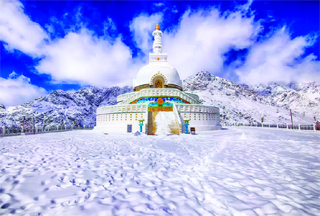
    Leh and Ladakh are such great loves of photographers that you will see hordes of them, trekking in high-altitude zones, lugging their bulky camera equipment with them. If you, too, share their love or harbour a wish to shoot some fascinating photos or time-lapse videos, get ready to be enthralled. Some of the best vantage points for photography in Leh and Ladakh are the Shanti Stupa, Leh Palace, the sand dunes of Hunder, Stakna Monastery, Diskit Monastery, Chang La, Khardung La, Pangong Tso and Tso Moriri, which offers some fascinating views of the Changthang region. Changpas and Ladakhis of course make for some of the best portraits that you can capture. Their bright smiles might just be too hard to catch with a camera though.
    CAMEL SAFARI AT HUNDER
    Hopping on for a ride on the Bactrian camels and exploring the sand dunes at Hunder is another must do in Ladakh. These camels are one of the few reminders of the Silk Route days, when Hunder was a major business port. With most of the camels domesticated now, you can approach the village people to arrange a ride for you. These safaris can extend from hours to days, depending on your choice. Sunsets are the best time to go on the safari, for the dunes turn golden under the setting Sun.
    Must see
    The Leh Palace, which is situated behind the main market has eight stories and is similar to the Potala Palace of Lhasa and still belongs to the royal family of Ladakh. Just ahead of the palace is the famous Chamba Temple, which is a oneroomed shrine that has a huge icon of Maitreya, the Buddha to come. Since this temple cannot be found easily, it is essential to enquire about it in the second row of shops. Also in the bazaar, at the top of the street, one can see the Jama Masjid. This has been painted in green and white colour. Another place that you must visit is the Sankar Gompa, which is situated within the city and is one of the oldest structures here. At one time, this monastery only welcomes maximum twenty monks and is a fairly active one. Also the monks here are extremely hospitable and always offer yak butter tea to those visiting the monastery.
    Also a visit to the famous Thikse Monastery is a must. This monastery is the largest such structure in central Ladakh and is primarily known for its magnanimous statue of Maitreya (future Buddha) in its Maitreya Temple. This statue is 15 meters (49 ft) high and the largest such statue in Ladakh. The Buddha here is unusually portrayed as seated in the lotus position rather than his usual representations as standing or in a sitting posture on a high throne.

  • Gasping for air, gasping for answers

    Gasping for air, gasping for answers

    By Vikram Patel

    The people of India are entitled to a full and honest account of what led more than a billion people into a catastrophe

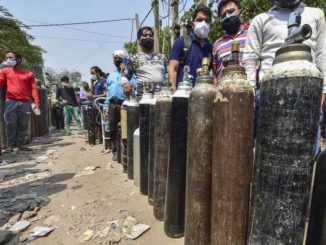
    The struggle to breathe, or asphyxia, is the most terrifying human experience. Something one takes for granted, which we do more than a dozen times every minute, suddenly becomes an ordeal. I know how this feel having lived through tormenting bouts of asthma in my younger years and, more recently, when I found myself trapped under a raft in the freezing, raging, Zanskar river in Ladakh. The memories of gasping for air and the fear of dying are seared into my brain. Death typically comes as a relief from the terror, as multiple organ systems collapse due to the lack of oxygen, a colorless, odorless, tasteless gas which we are not even aware of until we cannot get enough of it. Oxygen. A word which should signify vitality and exuberance, but which in recent weeks has become synonymous with death and suffering. Who would have ever imagined that the India of 2021 which boasts sending rockets to the stars and manufactures oxygen on an industrial scale, would one day be unable to supply oxygen to save her own people?

    The trauma of asphyxia

    The word ‘trauma’ typically evokes extreme events such as rape, sexual abuse and war-related violence. This is not surprising given that the word gained currency as a medical condition in the aftermath of the Vietnam war when tens of thousands of soldiers from the United States returning from the brutal conflict exhibited a range of distressing symptoms, giving birth to the diagnosis of Post-traumatic Stress Disorder (PTSD). But the truth is that trauma can occur in many more diverse ways, and it is only now, with COVID-19 sweeping the world, that gasping for air has been recognized as a traumatic event. What ties these seemingly unconnected experiences together is that they all evoke the same intense emotions: a toxic brew of extreme fear and utter helplessness. These experiences, especially when sustained over hours or days, literally leave an imprint in the brain so that the hallmark features of PTSD symptoms such as nightmares, flashbacks and feeling on edge, recur at any time, sometimes triggered by a totally unrelated event which bear similarity to the trauma.

    A recent study from the United Kingdom of over 13,000 survivors of COVID-19 reported a strong correlation between the severity of the infection and subsequent PTSD. While just over 1% of the patients reported breathing problems or hospital admission, the prevalence of PTSD in the months which followed were staggering: 35% of the sickest, and 15% of even those who only needed home assistance. The most prominent symptoms were frightening intrusive images of being breathless or ventilated. Thus, for those who do survive these nightmarish moments on the edge of life, the ordeal is far from over. Even as we struggle to keep those gasping for air alive, we must simultaneously attend to the long-term mental health consequences of survivors, a task even more daunting in a country where trauma-related mental health problems are barely even acknowledged.

    A traumatized country

    But there is also another kind of trauma which is sweeping across India, as millions of stories of suffering, despair and death percolate into the consciousness of every person. There has been a feverish rise of anxiety and fear across the population, twinned with helplessness as the comfort of knowing that there is a government which they can rely on has evaporated. India has been engulfed, in a matter of a few weeks, into the world’s most serious humanitarian crisis, fueled not just by a more infectious strain of the virus, but also a stunning level of arrogance, greed, incompetence and complacency. The terror reminds me of the weeks that followed the brutal lock-down imposed on the same population a year ago, without any warning or preparation. A year on, the horrors have returned to their lives, only this time for exactly the opposite reason: the state did nothing at all as tens of thousands, and then hundreds of thousands, of people were getting infected every day, watching millions congregate at religious festivals and election rallies, oblivious or uncaring about the inevitable cataclysm this would lead to.

    The concept of collective trauma has emerged only in recent times, in the aftermath of terrifying events which have affected entire populations, such as following the 9/11 attacks in New York or disasters such as the tsunami in 2004. These events were followed by a dramatic increase in symptoms of psychological distress, including the cardinal features of trauma, for months and years after the event itself had passed into history. And so we also must prepare the country for healing from this mass traumatic experience and we can draw upon lessons from other humanitarian crises to guide our actions. Most immediately, we must find a place to park our anger and rage, as justified as these reactions may be, and search for the compassion lurking beneath it, and support in any way we can the efforts of the thousands of civil society organizations to support those who are gasping for air, not forgetting the continuing support they will need after they can breathe again. The outpouring of community action we are witnessing is a soothing balm for the anxiety many are experiencing as they fear that the state seems to have collapsed.


    Healing through truth

    But, long-term recovery of the collective trauma will need resolution of the pent-up rage that is burning a hole in our souls. This will need the equivalent of the Truth and Reconciliation Commissions which have served to heal the collective traumas of events which affected entire populations, such as apartheid in South Africa. Such an independent Commission would document the facts behind the tragedy unfolding across India, hold individuals and institutions accountable, and offer a path towards restorative justice to heal a deeply wounded nation. Last week, when the Delhi High Court issued an order to the Central Government to ensure the supply of oxygen, I was puzzled by its statement that “As it stands, we all know this country is being run by God.” I will never know who was being referred to as God, but I am assuming it must be the spiritual being we pray to in our myriad places of worship. If so, then we must ensure that this is not the final judgment of the apocalypse that has befallen India. The people of this country are entitled to a full and honest account of what led more than a billion people into a catastrophe, if only to put at rest our troubled minds, restore the fractured trust between the people and the state, and be better prepared for the next pandemic.

    (The author is The Pershing Square Professor of Global Health at Harvard Medical School, and a member of the Lancet Citizen’s Commission on Re-imagining India’s Health System)