It’s a long haul to the general elections next year. The country grappling with multiple problems seems to be faced with the task of choosing between Narendra Modi and Rahul Gandhi. The results will not be determined by them alone, but they play a larger-than-life role as they spearhead campaigns of the two main parties. The Congress rout in the recent assembly elections shows Modi has an edge over the Congress scion.
Year: 2014
-

MIKHAIL KALASHNIKOV (DECEMBER 23)
Mikhail Kalashnikov, the designer of famed Russian AK-47 assault rifle, passed away in his home city of Izhevsk, an industrial town. Kalashnikov was the carnage of World War II, when Nazi Germany overran much of the Soviet Union, which altered his course and made his name as well-known for bloodshed as Smith, Wesson and Colt. The distinctive shape of the gun, often called “a Kalashnikov,” appeared on revolutionary flags and adorns memorabilia
-

Muzaffarnagar riots
Beginning on August 27 2013, clashes between the Hindu and Muslim communities of Muzaffarnagar district in Uttar Pradesh claimed over 60 lives. Thousands were displaced from their homes and forced to live in refugee camps; there were also reports of widespread rape. The attacks have been described as “the worst violence in UP in recent memory,” with the army, as a result, being deployed in the state for the first time in 20 years.
-

THE INDIA STORY
Eye-watering onion prices set inflation rate soaring; the rupee also slid to new low before stabilizing. Reversing its bad run, the sensex at the end of the year surged to new highs buoyed by the BJP’s performance in recent state polls. Meanwhile, the appointment of Raghuram Rajan as RBI governor led to high expectations; he, however, has warned he does not have a magic wand to curb inflationary pressure. stabilize the rupee and at the same time spark a revival in economic growth.
-

ECONOMIC GLOOM
The year did not bring much cheer for the country’s economy as the rupee continued to slide for most of 2013. The rupee dropped by nearly 4% to a new low of 68.7 to the US dollar on 28 August amid growing concerns over the health of the country’s economy. It has recovered slightly but continues to perform weakly in the international market. Newspapers and pundits mostly added to the negative sentiment throughout the year. Now one hopes that the new year will bring renewed energy into India’s struggling economy.
-

Over 240 people were killed
Over 240 people were killed after a deadly fire broke out in the Kiss nightclub in Santa Maria in Brazil on January 27. Nearly 170 people were injured.

-

‘PROUD TO BE GAY’
On 11 December, the LGBT (lesbian, gay, bisexual and transgender) community was left in despair after the Supreme Court overturned a landmark 2009 Delhi High Court ruling which had decriminalised gay sex. In what many observers said was a “redundant” move, the top court reinstated the colonial-era Section 377 of the Indian Penal Code. According to Section 377, a 153-year-old colonial-era law, a same-sex relationship is an “unnatural offence” and punishable by a 10- year jail term.
Many in the media and top gay rights activists, such as popular author Vikram Seth, publicly opposed the court’s decision, saying it will force the LGBT community to move “back into the closet”. A battered-looking Seth featured on the cover of the India Today magazine issue as a mark of protest. He is shown holding a slate-board that says “NOT A CRIMINAL”. Some papers saw the verdict as a measure to “deny basic human rights” to a section of the country’s population. The Indian Express said the ruling is “sad and shameful” because Section 377 is “mostly used to harass, humiliate and deny freedom to consenting homosexual adults”.
-

Over 1,100 people were killed
Over 1,100 people were killed after a commercial building collapsed in savar subdistrict of Bangladesh on April 24.
-

Three persons
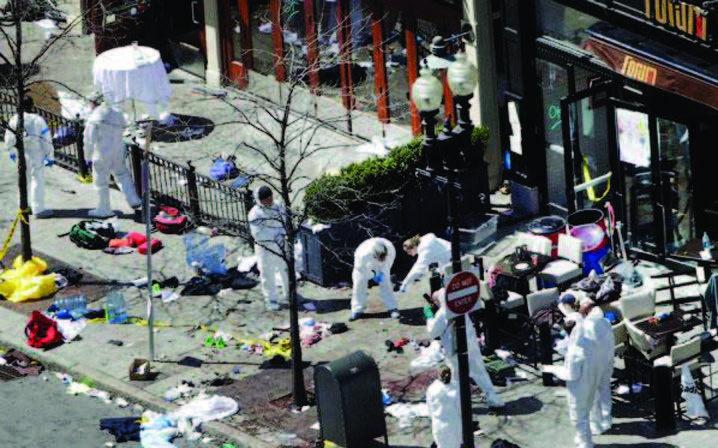
Three persons, including a boy, were killed after two pressure-cooker bombs went off during the historic Boston marathon on April 15. Over 260 people were also injured in the terror attack.

-

The American city
The American city of Detroit filed for bankruptcy on July 18. It was the largest municipal bankruptcy filing in the US history by debt, estimated to be $18-20 billion
-

Typhoon Haiyan,
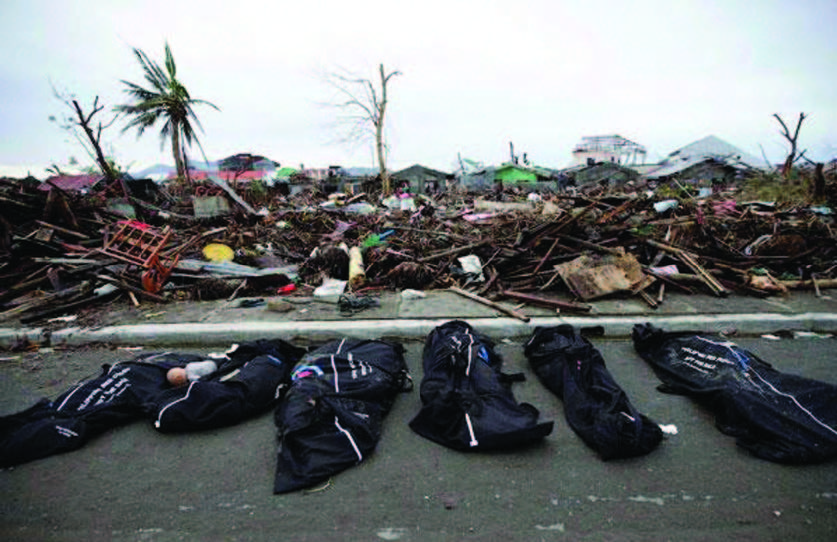
Typhoon Haiyan, an exceptionally powerful tropical cyclone, devastated the Philippines in early November. Over 6,000 people were killed in the typhoon.
-

THE KUMBH MELA AND BOLLYWOOD’S 100 YEARS
The year also witnessed a show like no other as the world’s largest gathering took place in the northern city of Allahabad on 11 February. Several million people bathed at the confluence of the Ganges and Yamuna rivers during the two-month long Kumbh Mela festival. The event, held every 12 years, is billed as the biggest gathering on Earth and attracts Nagas (naked holy men), assorted gurus and tourists from all over the world. And finally, India’s Bollywood celebrated 100 years of Indian cinema in 2013.
-

Seventy-two people
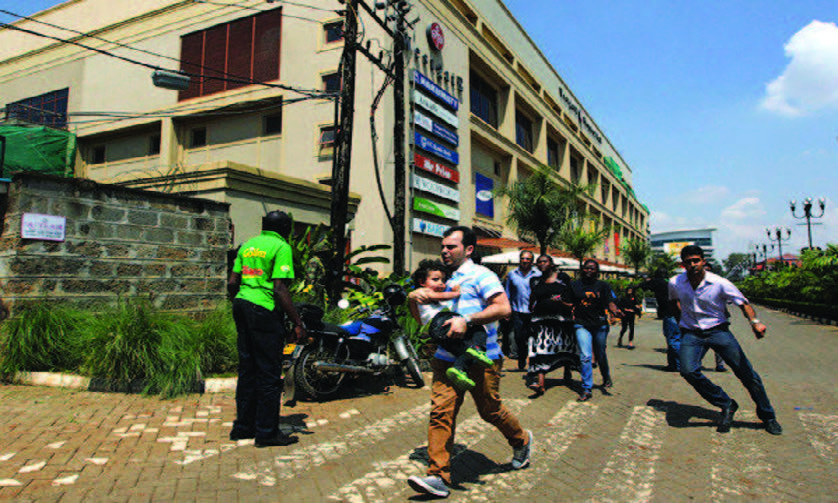
Seventy-two people were killed after the famous Westgate Shopping Mall in Nairobi in Kenya was attacked by unidentified gunmen on September 21.
-

THE ‘MODI WAVE’
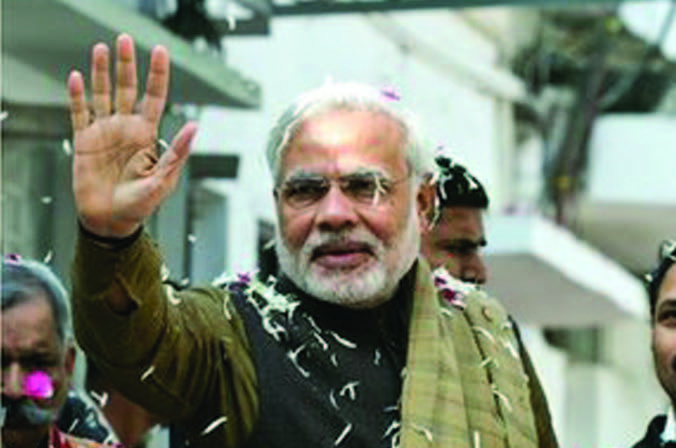
The year also marked the rise of controversial Hindu nationalist leader Narendra Modi as the main opposition Bharatiya Janata Party’s candidate for PM in next year’s general elections. The Gujarat chief minister, accused of not doing enough to protect Muslims in the 2002 riots, is a deeply polarising figure in Indian politics. He, however, has always denied these allegations. India’s ruling Congress party claims Mr Modi’s accession to the throne will divide the country on religious lines.
However, Mr Modi’s stature seems to be growing both inside and outside his party largely due to his energetic, nationalist speeches. He strongly attacks the Congress for corruption and promises to resolve the country’s economic problems. The year also marked the outstanding debut of the Aam Aadmi Party (AAP) or Common Man’s Party, born out of a strong anti-corruption movement and tapping into popular disenchantment with the major political parties. The party won 28 seats in the Delhi assembly elections and its leader Arvind Kejriwal has become the chief minister of the state. Analysts say the AAP has offered itself as a credible alternative to people fed up with corruption, unresponsive politicians and high inflation.
-

Eighty-five-year-old
Eighty-five-year-old Pope Benedict XVI resigned on February 28 on ground of health, thus becoming the first Pope to resign since 1415. Jorge Mario Bergoglio succeeded him as the Pope in March.
-

GOD OF CRICKET RETIRES
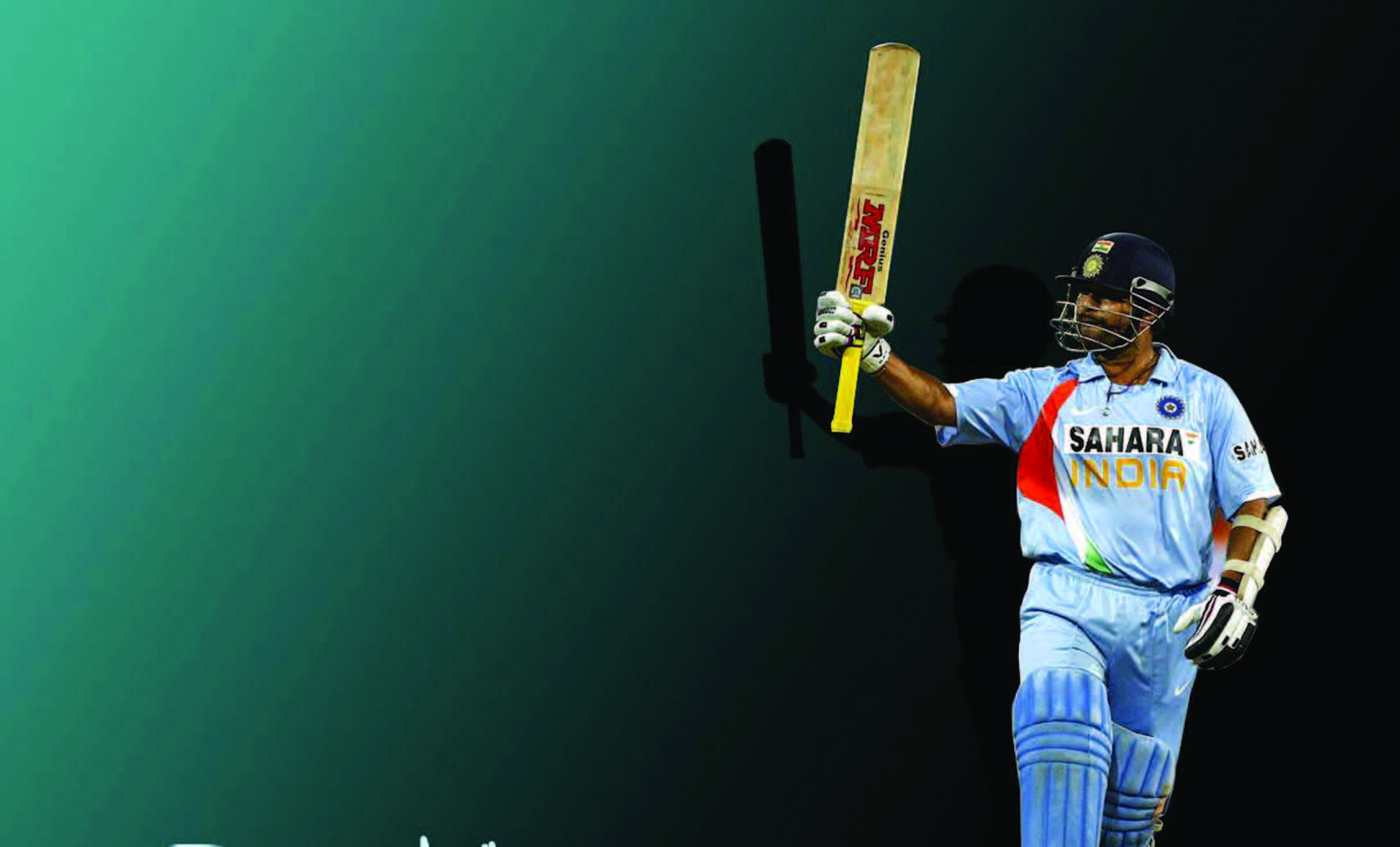
Thank you – these two words very much summed up India’s mood on 16 December when Tendulkar bowed out from all forms of cricket. The legend carried the hopes and aspirations of a billion people and it was only apt when fans stood up to salute a hero who had united India like nobody else in the past 25 years. Tendulkar’s formidable cricketing records aside, most people will remember him as a player who remained humble and grounded despite his stardom. The news about his retirement, arguably the biggest story of the year, sparked emotions of sadness, joy and pride in the media as writers filled pages with what can be best described as their love for the Little Master, as Tendulkar was fondly called.
-

TELEGRAM SERVICE ENDS
The world sent its last telegram when India’s state-owned telecom company shut its 163-year-old telegraph service on 15 July. The service had become largely irrelevant due to the advent of the mobile phone and computers, but that did not stop many from reminiscing over the rich history of the service. The closure sparked a feeling of nostalgia in newspapers as they remembered the telegram’s importance during the British rule and the role of the humble postman, who was the bearer of all kinds of news, in connecting India’s villages to its cities. The service had a deep connection with India as it was regularly shown as a mode of communication in early Bollywood films – where the news ranged from a hero sending a telegram to his father about his new job or a family receiving information about the death of their breadwinner in a battle field. Telegrams always triggered a sense of excitement and it wasn’t surprising when thousands queued up to send a final “nostalgic telegram” on 15 July.
-

Seventy-nine people
Seventy-nine people were killed while 140 were injured after a train overturned and got derailed due to over speeding. The tragedy occurred between Madrid and Ferrol on July 24.

-

The sungrazing
The sungrazing comet disintegrated after coming close to the sun on November 28. The US federal government witnessed a shutdown and halted most of its routine operations after the Congress failed to enact a legislation to appropriate funds for the 2014 fiscal. The shutdown went on from October 1- 16, causing major damage to the economy.
-

Egyptian President
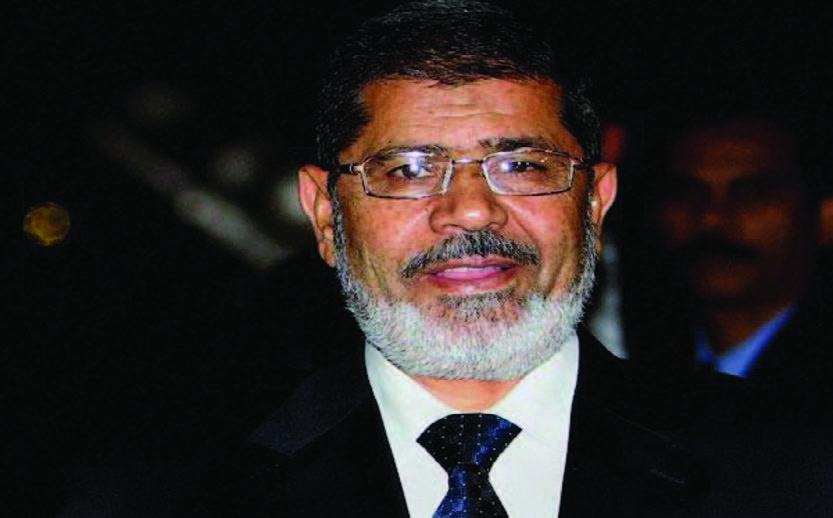
Egyptian President Mohammed Morsi, who came to power in June 2012 after the fall of a long dictatorial regime, was ousted from power by the military on July 3.
-

Twenty-four persons
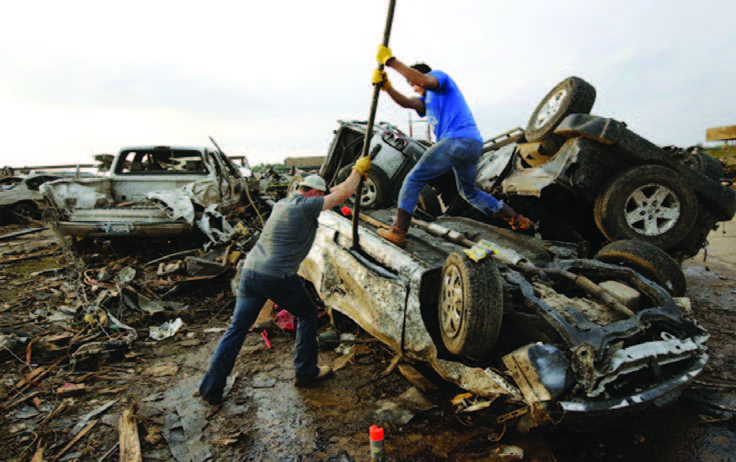
Twenty-four persons were killed while 377 were injured after a deadly tornado hit Moore, Oklahoma and other adjacent areas in the USA between on May 20.
-

Iran signed
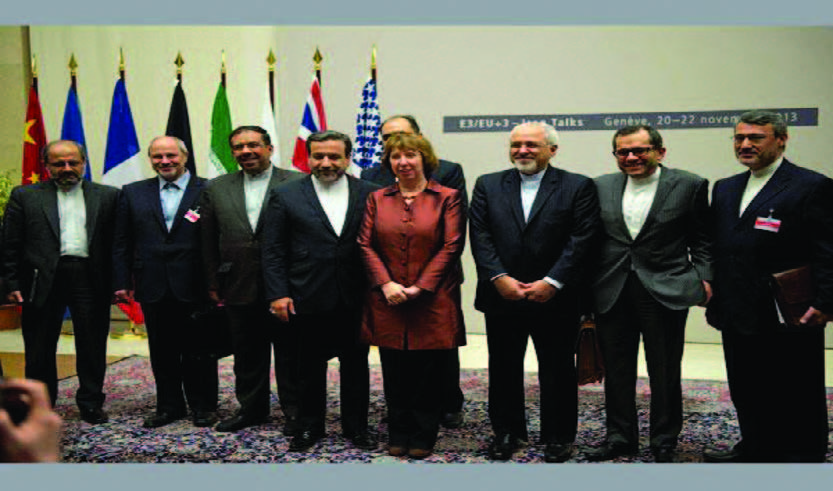
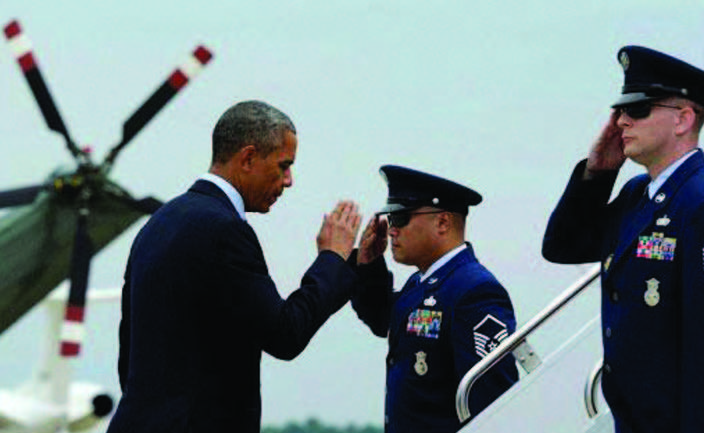
Iran signed a crucial nuclear deal with the USA and five other world powers on November 24, marking it as a significant foreign policy achievement of the Barack Obama Presidency.
-

As the world kept
As the world kept on expecting that the USA would launch a military strike against the tyrannical regime of Bashar al-Assad in Syria, President Obama did not give the final go-ahead signal to his forces despite putting them on high alert.
-

Punjabis in search of their Punjab
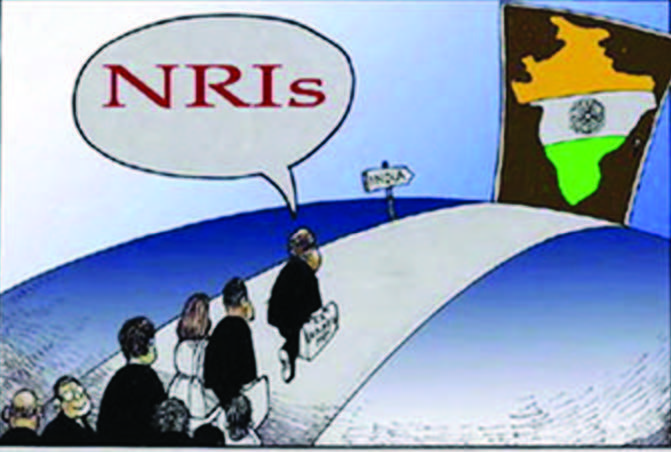
“NRIs in Punjab face peculiar problems and fear of exploitation keeps expatriate Punjabis from investing in industry in Punjab”, says the US based author
Most NRIs are very genuinely reluctant to visit Punjab. According to their perception and actual experiences, the crime as reported abroad in the newspapers and Punjabi television channels, is simply too much in the state and that scares them from visiting their villages. On paper, the police in the state and the other government machinery is very helpful, but in actuality, when need arises, the role of the officials is otherwise. The NRI visitors are viewed as prime targets for exploitation. NRIs even dread going to the exclusive NRI police stations. The record of NRI police stations so far in solving the common problems of the expatriate community appears far from satisfactory.
The NRI office in Jalandhar is a nice place to visit but it does not fare any better. The bornabroad second generation finds Punjab simply devoid of any attraction to visit. Barring a few very affluent NRIs, who visit Punjab at least once every year, on an average an NRI visits Punjab only once in three years. Some have not visited Punjab for more than a decade. The good or bad experiences of their latest Punjab visit linger for years in the psyche of the NRI visitors. Expatriate Punjabis are indeed very hardworking, at least when they earn their livelihood abroad. Finding time for a Punjab visit from their jobs and businesses is very difficult for them. So on coming to Punjab, they don’t want to face unnecessary hassles and procedural wrangles in doing their business. They are simply not used to face clumsy obstructionism in their countries of domicile.
Woes of expatriates
Common problems of the Punjabi diaspora include vacation of adverse possession of their land holdings and residential and commercial properties back home. The occupiers are generally their close relatives or politically influential people of their area. Political backing of the illegal occupants of the NRI properties makes it difficult to evict them. In spite of government’s assurances, even the court cases linger for years and the NRIs don’t have time to relentlessly pursuing their cases sitting idle in Punjab for indefinite durations. They also know that once they are airborne, the cases they initiate shall be put on the backburner. Such a scenario sounds scary for the NRIs. Such cases are too numerous to count in Punjab. Every NRI loves Punjab and he/she wants to contribute his/her bit to make things somewhat better in his/her village.Promises not kept
The Punjab Government is very generous in making promises to the NRIs. In 2007, the Punjab Government had made a commitment to match dollar for dollar if the NRI community contributes money for development projects in their villages. Subsequently they hiked the matching grant to twice the contribution of the NRIs. And now the state’s contribution against each dollar contributed by the NRI is three times. The irony is that in most cases neither dollar for dollar was matched, nor twice compared to a dollar was matched nor three dollars for each dollar is being matched these days. The common folks feel cheated in this situation. Why make a promise and then make a mockery of that. According to NRIs, their biggest priorities are improvement of school buildings, panchayat ghars, dispensaries, hospitals and janj ghars in their villages.They are more than willing to spend money on common facilities. If we look at the school buildings in the six NRIdominated districts viz Hoshiarpur, Nawanshahar, Jalandhar, Kapurthala, Ludhiana and Moga, thanks to the NRIs, most of their school buildings are relatively in good shape. But if we consider the Punjab Government’s contribution towards it, barring some villages of politically wellconnected people, the government’s role is negligible. The NRIs of Doaba are worried at the fast-depleting underground water in Punjab. The water table is going down even in some underserved canal irrigated areas of Doaba and Majha. The ever-deepening tubewells are a double edged sword.
It costs a lot to deepen the well and it costs even more to the power companies to foot the bill of free power to the deepened tubewells. The power company’s loss is recovered from industrial and urban consumers. This becomes a never-ending vicious cycle. The Bist Doab Canal primarily serves the districts of Nawanshahar (Shaheed Bhagat Singh Nagar) and Jalandhar. More than half of land owners on both sides of this canal and its distributaries have at least one person settled abroad. In the last one-and-a-half decade, this canal has not been dredged in real sense. As a result, its flow capacity has been seriously inhibited. As of today, this canal can’t carry even half the discharge it was designed to carry. Weeds and cattails are growing in its bed. In some areas, some people have dumped construction and demolition debris in it.
If the canal is not carrying full quantity of water, it is supplying much less water to the farmers. The shortfall in canal water means that the tubewells will run more. That leads to ever-deepening tubewells. The NRIs end up paying for the cost of deepening of the tubewells. If this cost can be saved, the NRIs and power companies can spend the spared money on other productive works elsewhere. As far as investing in industry in Punjab is concerned, the NRIs don’t appear to be in a serious mood to do so. The past experiences of their friends have not been very pleasant. They are once bitten, twice shy. Those involved in the IT industry are most interested in investing in Gurgaon, Pune, Bangalore and Hyderabad. Some have already done that. Punjab is not yet on their radar. I hope some positive thinking takes shape during the coming two-day NRI conclave.
Welcome Notes
An NRI web portal www.nripunjab.gov.in has been opened for expatriate Punjabis. NRIs will be able to register their complaints and grievances online on the portal. The portal also contains a photo gallery, along with information on Punjab. The Punjab Government is contemplating setting up special fast track courts for the speedy redress of complaints of NRIs pertaining to civil cases. The state Cabinet would soon allocate budget for setting up of the courts in the state.