Month: May 2020

  • Migrant crisis may help plan viable roadmap

    Migrant crisis may help plan viable roadmap

    By BL Vohra

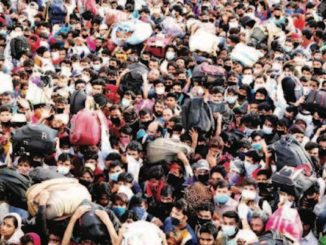
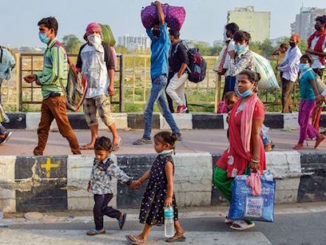
    Since the beginning of the nationwide lockdown due to the Covid-19 pandemic, India and the world have seen on TV channels disturbing pictures of thousands of migrant workers — including women and children — walking on foot or some other means of transport, to reach their home states hundreds of miles away from the places where they have been working for a livelihood. We have also seen the images of protests by those wanting to go home at railway stations at many places.

    More technocrats should head senior positions. By chance, we do have a doctor as the Health Minister but the officials working in the ministries and at the cutting-edge level are not medicos. It’s important to have technocrats in such positions because today it is a health problem, tomorrow it can be a problem in space or cyber fields.

    Since the beginning of the nationwide lockdown due to the Covid-19 pandemic, India and the world have seen on TV channels disturbing pictures of thousands of migrant workers — including women and children — walking on foot or some other means of transport, to reach their home states hundreds of miles away from the places where they have been working for a livelihood. We have also seen the images of protests by those wanting to go home at railway stations at many places.

    Such images continue even today. Heart-wrenching stories of their misfortune in not getting shelter or food and being stopped every now and then with some brutality at times at the hands of the police disappoint a lot. Some of them have lost their lives in accidents. Though trains and earlier buses have been used to ferry them, their number is too big. Besides, many of them don’t have money to buy tickets though most of the bill is being footed by the government. This has sullied the image of India even though they had been advised by the government against moving like this, and shelter and food is being provided to most of them by the state and Central governments, and by NGOs, corporates and well-meaning individuals.

    The Prime Minister announced a sum of Rs one thousand crore from the PM Cares Fund for these migrants recently. And the Union Finance Minister has announced free distribution of ration to them for two months; more work under MGNREGA once they are back to their villages etc. But basically, their demand now is psychological — to reach home come what may. But this problem has also given a lot of ammunition to the Opposition, who are criticizing the Centre for not looking after these people. This has also given a cause to many activists who have been approaching the Supreme Court, trying to get directions to the Central government to look after these migrant workers, financially and otherwise, helping them in reaching home, while accusing it of being insensitive to the needs of the poor folk.

    In the process, the rosy picture of India emerging as a superpower has taken a beating. It won’t be fair to lay the entire blame on the doorsteps of the Central government and its leadership for this situation. After all, it was a sudden calamity, not only for India but the whole world. Many powerful countries with less population and rich economy and much better healthcare systems have fallen by the wayside. The government had to respond quickly and rightly leading to a lockdown which has caused this hardship to millions of migrant workers.

    The way forward should be to ease their pain as much as possible and learn lessons so that we’re better prepared in the future when such situations arise. The two examples of sudden demonetization and lockdown leading to hardships are sufficient for us to learn lessons and plan a roadmap. Some of the suggested steps are as follows:

    First, there should be no sudden announcements as far as possible. Of course, in a war-like situation, such sudden action can’t be ruled out.

    Secondly, there should be careful planning to ensure that the poor don’t suffer from hardships. The Central and state governments should prepare contingency plans based on past experience in India and abroad, and about an unlikely situation like the coronavirus. It should include possible situations in areas like defense, warfare of different kinds including those in space and cyber fields, internal security, medical situations, severe natural disasters and many more. Such a planning will help. I recall today with satisfaction that as the Director General, Civil Defence, Government of India, I had formulated the proposal of raising the NDRF in 2003, considering the necessity which fructified and now we have this force doing a great service.

    Thirdly, for putting every plan in action, there should be SOPs and rehearsals as per these like it is done in disaster management situations or war exercises.

    The lost childhood

    Fourthly, where a large-scale movement of the working class is inevitable, plans should be prepared to keep the movement to the minimum and take care of their comfort. The lessons learnt during the current Covid crisis will be a good foundation to work on these plans.

    Fifthly, there should be heavy investment in education and healthcare. Had it been done earlier, migrant workers would have behaved differently, and we wouldn’t have been struggling to put up a healthcare system to match the current need. Luckily, we haven’t failed because the problem is not that big in India so far.

    Sixthly, and very importantly, the bureaucracy has to be more nimble-footed. As per the general perception, it hasn’t covered itself with glory during this recent tragedy. For these, large-scale changes are required, from recruitment to training and attitude etc. The PM must give a push to this like Margaret Thatcher, the then British PM, had done during her tenure in the UK. It is also suggested that senior bureaucrats should be hired or employed for a ten-year period and their tenure getting extended for the next ten years should depend on their performance during the first term. In all, there should be two extensions, i.e. they shouldn’t serve for more than 30 years. It should apply to all services.

    Seventhly, more technocrats should head senior positions like secretaries and joint secretaries. In the recent case, we do have a doctor by chance as the Union Health Minister but the officials working in the ministries and at the cutting-edge level are not medicos. It’s important that we have technocrats in such positions because today it is a health problem, tomorrow it can be a problem in the space or cyber field. So, those knowledgeable in such areas will do a much better job.

    Next, the wages and other facilities or service conditions of the technocrats and others like the police should be at par with the top civil service to acknowledge their contribution. Today, even though the technocrats are more qualified, they serve under non-technical persons and have a lower position in society.

    Also, departments like the police, health, space and others should be reporting directly to the ministers rather than through the senior bureaucracy.

    Lastly, political parties need to be more sensitive to the needs of the country and society. Politicking should be avoided. The good of the nation and showing unity to the world in adversity should be the aim of parties. It doesn’t mean that they shouldn’t find fault with each other for the wrongs that are being done in their assessment, but the tools used to criticize should be decent. They shouldn’t oppose always for the sake of opposing.

    India is great and so are Indians. Nobody can stop our march to being a super-power in the current century, but for that, a lot of hard work is required, and specially to acquire competency in dealing with sudden situations for which we should be well prepared.

    (The author is a former DGP, Tripura)

  • Indian American Vrinda Marwah Earns Prestigious Mellon/ACLS Fellowships

    Indian American Vrinda Marwah Earns Prestigious Mellon/ACLS Fellowships

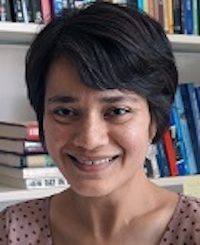
    AUSTIN, TX (TIP): Vrinda Marwa, a Doctoral Candidate of Sociology at University of Texas at Austin is among the winners of the 2020 Mellon/American Council of Learned Societies (ACLS) Dissertation Completion Fellowships. The prestigious fellowships support a year of research and writing to help advanced graduate students in the humanities and social sciences in the last year of PhD dissertation writing and are awarded to 65 students each year.

    Vrinda Marwah is a doctoral candidate in the Department of Sociology at The University of Texas at Austin. Her primary research interests are in reproductive health and women’s labor in contemporary India.

    Vrinda’s Master’s thesis focused on hijras in India, and examined debates around sexual subjectivity, identity, and terminology in the context of HIV/AIDS, queer mobilization and legal reform.  She received her MSc in Gender and Social Policy from the London School of Economics, and her BA in Political Science from the University of Delhi.

    Vrinda has worked in Delhi at the research, capacity building, and policy advocacy levels with feminist groups Sama and CREA.

    Vrinda got the fellowship for her project ‘Reproducing the State: Women Community Health Volunteers in North India.’

    Working in the heart of India’s reproductive health care system, this project explores how the contemporary state constitutes citizenship through the modality of care. It examines the working lives of women community health workers, called ASHAs, who are “volunteers” paid to motivate poor women to use public health services. ASHAs reveal the productive power of an understudied and intensely gendered role in the state: the frontline bureaucrat. Because of the deeply intimate knowledge ASHAs have of their clients, and the networks they build among public and private health care providers, they become highly sought-after actors in service delivery. Through 14 months of ethnographic fieldwork, this project uncovers how the sociality of these women exceeds, and reconstitutes, the policy they are meant to implement.


  • Indian Origin Nobel Laurate Venki Ramakrishnan Elected to American Philosophical Society

    Indian Origin Nobel Laurate Venki Ramakrishnan Elected to American Philosophical Society

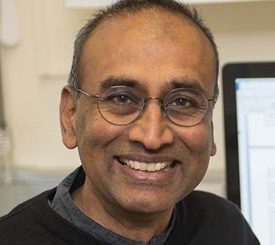
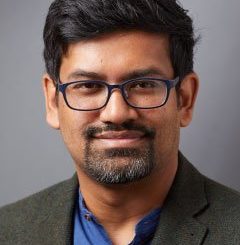
    NEW YORK (TIP): Venkatraman ‘Venki’ Ramakrishnan, a Nobel Prize-winning biologist of Indian origin,is among 34 new members recently elected to the American Philosophical Society (APS), the nation’s oldest scholarly organization. Ramakrishnan has been inducted into APS’ biological sciences class.

    Candidates for APS membership are nominated by existing members and elected for extraordinary accomplishments in their fields. Election to the American Philosophical Society honors extraordinary accomplishments in all fields. The APS is unusual among learned societies because its Membership is comprised of top scholars from a wide variety of academic disciplines.

    Venki Ramakrishnan is a Fellow of Trinity College, Cambridge and President of The Royal Society, London. In 2009, he shared the Nobel Prize in Chemistry with Thomas A. Steitz and Ada Yonath, “for studies of the structure and function of the ribosome”


  • Indian American Physician Sudheer S Chauhan Succumbs to Deadly Corona Virus

    Indian American Physician Sudheer S Chauhan Succumbs to Deadly Corona Virus

    NEW YORK (TIP): Dr. Sudheer S Chauhan, a kindhearted physician of Indian Origin, who had dedicated his life at the service of his thousands of patients in the New York region, succumbed to the deadly corona virus on May 19th.

    Dr. Chuhan, an Internal Medicine specialist in South Richmond Hill, New York, who was diagnosed with COVID-19 and battling for his life for the past few weeks, died of complications from the illness.

    “Our Father, Dr. Sudheer Singh Chauhan, Internal Medicine Physician and Associate Program Director IM Residency Program at Jamaica Hospital, New York passed away on May 19 after battling with COVID for two months. We will miss this unique, kind, gentle and caring spirit. May his soul rest in peace,” wrote his daughter, Sneh Chuhan on COVID-19 Physicians Memorial.

    Dr. Chauhan, who had attended and graduated from medical school in 1972, has had nearly half a century of diverse experience, especially in Internal Medicine. Dr. Chauhan received his graduate medical education from GSUM Medical College, University of Kanpur, India in 1972. He was chief resident in Internal Medicine at Jamaica Hospital and graduated in 1997. He is Board Certified in Internal Medicine. He also received MRCP and FRCP from Royal College of Physicians and FACP from American College of Physicians.

    Dr. Chauhan joined the Department of Medicine at Jamaica Hospital upon graduation in 1997 and is currently working as a faculty supervisor and attending physician. He is also the Associate Program Director in Internal Medicine Residency Program for the hospital.

    Dr. Priya Khanna, 43, another Indian American nephrologist died in a New Jersey Hospital last month. The deadly virus also took the life of her father Satyendra Khanna (78), a general surgeon, after being in a critical condition in the intensive care unit in the same hospital for several days.


  • Indian American Qazi Javed Appointed to Texas Pediatric Acute-Onset Neuropsychiatric Syndrome Advisory Council

    Indian American Qazi Javed Appointed to Texas Pediatric Acute-Onset Neuropsychiatric Syndrome Advisory Council

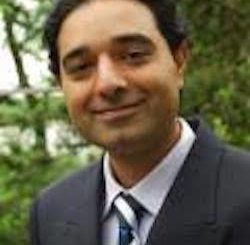
    HOUSTON (TIP): Texas Governor Greg Abbott last month has appointed Indian American psychiatrist Qazi Javed to the Pediatric Acute-Onset Neuropsychiatric Syndrome Advisory Council for terms set to expire on August 31, 2021. The council advises the commission and the legislature on research, diagnosis, treatment, and education related to pediatric acute-onset neuropsychiatric syndrome.

    Qazi Javed, M.D. of Austin is a psychiatrist at Integrated Psychiatry- Austin. He is a member of the American Psychiatric Association, Texas Society of Psychiatric Physicians, Texas Medical Association, Integrative Providers of Austin, and Austin Wellness Collaborative. Javed received a Bachelor of Medicine at King Edward Medical College and a Bachelor of Science at Panjab University.


  • Indian-origin South Africans’ ‘musical’ initiative to fight coronavirus blues becomes global hit

    Indian-origin South Africans’ ‘musical’ initiative to fight coronavirus blues becomes global hit

    JOHANNESBURG(TIP): The ‘SA Musicians against COVID-19’ project helps artists to showcase their talent in Indian music and song, sometimes accompanied by dance as well.

    The project was started by Johannesburg residents—Lexy Shunmoogam, Chitra Perumal, Kreasan Moodley and Guru Pooven Pillay—as a way to keep people entertained for a few hours in the weekend during the lockdown by bringing all singers and musicians together in a musical extravaganza via Facebook.

    The initiative has now become an international hit. The group members said they now have their hands full every day of the week with demands from artists who want a slot on their Facebook page.

    Almost every leading artist from South Africa who performs religious or cultural songs, especially in the Tamil community, has already been featured, with the organizers having to turn down many requests from performers in India and other countries.

    “Our aim was to showcase the talent that we have right here at home, including providing a platform for children who are learning the art form with local teachers. We could hardly foresee how artists who have never ever performed together would be on the same platform at some stage,” Shunmoogam said.

    “What started as a small and humble initiative has now become a unique and almost unequalled ‘Concert from Home’ event, galvanizing tens of thousands of people across the world through music,” he said.

    Last week the ‘SA Musicians against COVID-19’ Facebook page featured priests from various temples across the country performing Kavady prayers.

    “The demand for performances of light music and cover versions of Indian film songs has also been huge, so we had a special weekend from May 15-17 where artists will perform in this genre only,” Shunmoogam said.

    (Source: PTI)

  • T. S. Tirumurti Assumes Charge as India’s New Permanent Representative to UN

    T. S. Tirumurti Assumes Charge as India’s New Permanent Representative to UN

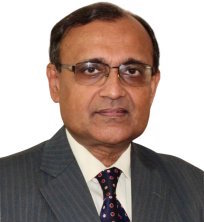
    NEW YORK (TIP): Ambassador T S Tirumurti, India’s new Permanent Representative to the UN, presented his credentials virtually May 20 as he assumed charge as the Ambassador. He succeeds Syed Akbaruddin, who is set to retire this month.

    “Privileged to take over…as Permanent Representative of India to the UN in New York. During these COVID-19 times, I was the second Ambassador/ Permanent Representative to the UN to present virtual credentials!” Tirumurti who arrived in New York on May 19 tweeted.

    Ambassador T. S. Tirumurti is a senior career Indian diplomat with extensive multilateral experience.  Since joining the Indian Foreign Service in 1985, he has represented India’s interests in various capacities, promoting friendly ties across the globe.

    Prior to his assignment as the Permanent Representative of India to the United Nations, Ambassador Tirumurti was Secretary in the Ministry of External Affairs handling Gulf, Arab world, Africa, Development Partnership and Economic Relations portfolio since February 2018.

    He previously served at the Indian Embassy in Cairo, Egypt as Third/Second Secretary, First Secretary at the Permanent Mission of India in Geneva, Switzerland, was the first Indian Representative to the Palestinian Authority in Gaza and served as Counsellor at the Indian Embassy in Washington D.C., USA. He also served as Deputy Chief of Mission at the Indian Embassy in Jakarta, Indonesia and as India’s High Commissioner in Kuala Lumpur, Malaysia.

    He served as Under Secretary (Bhutan), Director (Foreign Secretary’s Office), Joint Secretary (Bangladesh, Sri Lanka, Myanmar and Maldives) and Joint Secretary (United Nations Economic and Social) during his stints at the Ministry of External Affairs in New Delhi.

    Ambassador Tirumurti has bachelor’s degrees in Commerce and in Law. He is proficient in English, Hindi, Tamil and Arabic. He is author of three books – Kissing the Heavens: The Kailash Mansarovar Yatra (1999), Clive Avenue (2002) and Chennaivasi (2012).

    Ambassador Tirumurti is married to Mrs. Gowri Tirumurti, partner in law firm M/s Anand & Anand, which specializes in intellectual property rights. The couple has two children – daughter, Bhavani and son, Vishwajit.

    Ambassador Tirumurti has taken over as India’s PR to the United Nations at a time when UN is faced with a number of contentious issues, among them the belligerent attitude of President Trump towards the UN, particularly, towards the World Health Organization (WHO), accusing the agency of misrepresenting the facts with regard to COVID-19. Even as US president is fuming against WHO, the news is in that India is the new chairman of WHO. The country’s Health Minister Harsh Vardhan will be occupying the chair.

  • More than 43 Million file for unemployment benefits

    More than 43 Million file for unemployment benefits

    WASHINGTON (TIP): More than 4 million U.S. workers filed for jobless benefits last week, the Labor Department said Thursday, May 21. That brings the total number of people applying for aid to more than 43 million, on a seasonally adjusted basis, since the coronavirus pandemic spread across the nation.

    Put another way, 1 in 4 U.S. workers has applied for jobless aid in the last 10 weeks.

    “Unemployment claims made during the coronavirus crisis have already exceeded the 37 million claims made over the entire 18 months of the Great Recession,” Daniel Zhao, senior economist at Glassdoor, said in a note. “[T]he labor market remains in a deep hole it will have to climb out of.”

    Some 2.4 million workers applied for regular unemployment insurance in the week ending May 16, marking a slight decrease from the week before. But nearly as many — 2.2 million — applied for aid under Pandemic Unemployment Assistance, a new federal program for self-employed and gig workers.

    The self-employed were not being counted in previous weekly jobless figures until last week. The true number of jobless self-employed people is likely even higher, as not all states are currently reporting their PUA payout figures, noted economist Heidi Shierholz.

    The number of first-time applications for traditional jobless aid has steadily declined each week since peaking in late March, indicating that the waves of layoffs are slowing. However, the figures remain staggering by historical standards, demonstrating that severe economic pain is widespread even as the majority of U.S. states reopen their economies.

    “Reopening the economy does not necessarily equate with robust rehiring,” Andy Stettner, a senior fellow at the Century Foundation, wrote in a note. While 35 states reopened last week, nine of them actually saw an increase in the number of new workers claiming unemployment benefits, he pointed out.

    “The unemployment rate now stands at a staggering 14.7% — a figure I hoped that I would never see in my lifetime, and one that is sure to get worse before it gets better,” John Williams, president of the Federal Reserve Bank of New York, said Thursday morning.

    “It’s likely that the latest numbers do not reveal the full extent of the financial devastation faced by millions of American families. The data don’t capture those who had to leave their jobs, either for their own health or to take care of loved ones,” Williams said.

    A congressional budget watchdog has predicted unemployment will remain above 11% for the rest of the year — higher than its peak during the Great Recession in 2009.

    How soon the economy begins to recover, and how fast the recovery is, depends largely on both government economic-stimulus policy and the pace of medical progress against the novel coronavirus, Wall Street analysts say.

    “It’s not impossible to imagine the economy roaring back to life once a vaccine is widely available,” Pantheon Macroeconomics wrote in a note.

    The expanded unemployment benefits that have allowed many people to keep supporting themselves despite being out of work run out at the end of July. Democrats in Congress have pushed for an expansion of jobless aid, while Republican lawmakers have called for federal assistance to be phased out as shuttered employers reopen around the country.

    (With input from Agencies)

  • Trump says he won’t close the country if second wave of coronavirus hits

    Trump says he won’t close the country if second wave of coronavirus hits

    WASHINGTON (TIP): President Donald Trump said “we are not closing our country” if the U.S. is hit by a second wave of coronavirus infections.

    “People say that’s a very distinct possibility, it’s standard,” Trump said when asked about a second wave during a tour of a Ford factory in Michigan.

    “We are going to put out the fires. We’re not going to close the country,” Trump said. “We can put out the fires. Whether it is an ember or a flame, we are going to put it out. But we are not closing our country.”

    President Donald Trump on Thursday, May 21 said “we are not closing our country” if the U.S. is hit by a second wave of coronavirus infections.

    “People say that’s a very distinct possibility, it’s standard,” Trump said when asked about a second wave during a tour of a Ford factory in Michigan.

    “We are going to put out the fires. We’re not going to close the country,” Trump said. “We can put out the fires. Whether it is an ember or a flame, we are going to put it out. But we are not closing our country.”

    Trump has previously said there may be “embers” of the pandemic that persist in the U.S. past the summer, but he maintains that they will be stamped out. Health experts, including those in the Trump administration, have said that the virus will likely continue to spread through the fall and winter, and may become even more difficult to combat once flu season begins.

    Dr. Anthony Fauci, director of the National Institute of Allergy and Infectious Diseases and a member of the White House coronavirus task force, told The Washington Post this week that he has “no doubt” there will be new waves of cases.

    “The virus is not going to disappear,” he told Post. “It’s a highly transmissible virus. At any given time, it’s some place or another. As long as that’s the case, there’s a risk of resurgence.”

    State leaders, not the federal government, have imposed harsh restrictions on residents and businesses to try to slow the spread of the disease. But with the U.S. economy straining under the social distancing rules, Trump has loudly called on the country to begin the reopening process.

    All 50 states have now begun some level of reopening – including New York, the epicenter of the crisis in the U.S. – even as cases continue to rise in some parts of the country.

    Trump did not wear a mask while touring Ford Motor Co.’s Rawsonville Components Plant in Ypsilanti, despite a state law and company policy requiring facial coverings there. The plant is currently making ventilators in response to the Covid-19 pandemic in the United States.

    The outbreak, which began near the Chinese city of Wuhan, has spread around the globe, with more than 5 million cases confirmed worldwide and over 328,471 deaths, according to data from Johns Hopkins University.

    There are at least 1.5 million cases and at least 93,439 deaths from the disease in the United States, according to the latest tallies from Johns Hopkins.

    Trump is determined to revive the economy as he tries to convince voters to give him four more years in the White House. More than 38 million U.S. workers have filed unemployment claims in the past nine weeks as businesses shuttered amid the pandemic.

    But markets have experienced a booming rally this week, amid optimistic news about vaccine development and a growing sense from some public figures that the country has turned a corner in its fight against Covid-19.

    (Agencies)

  • Cuomo bars summer school in N.Y. amid spike in coronavirus-linked illness afflicting kids

    Cuomo bars summer school in N.Y. amid spike in coronavirus-linked illness afflicting kids

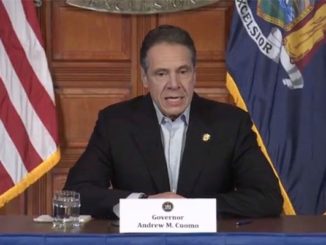
    NEW YORK (TIP): Gov. Cuomo announced Thursday, May 21 that summer school isn’t happening in New York. It is “still too early”, he said, to say if students will be allowed back into their classrooms in the fall amid an uptick in cases of children developing potentially deadly inflammatory symptoms from coronavirus.

    Speaking at a press briefing in Manhattan, Cuomo reported that the State Department of Health is now investigating 157 cases of kids developing inflammatory symptoms similar to Kawasaki disease after contracting COVID-19 — a two-fold increase since last week.

    At least five children in New York have died from the terrifying symptoms, and Cuomo said there’s too many unknowns about the coronavirus-linked illness for him to feel comfortable about allowing in-person summer school to proceed.

    New York schools have been closed since mid-March, when the pandemic first thrust its fangs into the state, depriving millions of students of traditional classroom learning.

    The governor didn’t rule out keeping schools shuttered into the fall semester.

    “It’s still too early to make that determination,” he said.

    Cuomo said the state will issue guidelines to schools and colleges in mid-June so they can start developing plans for potentially reopening in the fall with social distancing in mind. Academic institutions will in turn have to submit those plans for approval at some point in July, Cuomo said.

    Cuomo said he hasn’t made up his mind on summer camps yet, though he appeared to lean toward at least keeping day camps closed, again referencing the coronavirus-caused inflammatory symptoms.

    “Should I send my children to day camp? Is it safe? Until we have this answer on this pediatric syndrome; as a parent, until I know how widespread this is, as a parent I would not send my children to day camp,” he said. “And if I won’t send my children to day camp, I wouldn’t ask anybody to send their children to day camp. It’s that simple.”

    Cuomo did not say whether sleep away camps could be an option but promised to make a decision soon.

    Though rare, the Kawasaki disease-like syndrome can be extremely dangerous, as it attacks blood vessels throughout the body and can cause lethal toxic shock in children, according to researchers.

    Cuomo said scientists are still trying to figure out if some children are more prone to the symptoms.

    “They are still exploring this,” he said.

    The summer school announcement came as New York saw some good news on the coronavirus front.

    Cuomo reported that new cases, hospitalizations and intubations were all trending downward, confirming the state’s coronavirus curve is continuing in the right direction.

    “We got over the mountain,” he said.

    Still, another 105 New Yorkers died from coronavirus overnight, bringing the state’s total death toll above 23,000. The tragic daily count has stayed effectively flat for nearly a week.

    (With inputs from Daily News)


  • Covid-19 probe

    Covid-19 probe

    India poised to play key role in course correction

    The World Health Organisation (WHO) has been receiving more brickbats than bouquets for its handling of the Covid-19 pandemic. The UN health body finds itself caught in the crossfire between superpowers China and the US. China has called on the international community to increase political and financial support to the WHO, while the US has threatened to permanently freeze the flow of funds and pull out of the organization if it fails to demonstrate its ‘independence’ from China in a month. Even as the number of coronavirus cases has crossed 50 lakh globally and the death toll is above 3.25 lakh, about 130 countries, including India, have endorsed a resolution to probe the origin of the virus and carry out an ‘impartial, independent and comprehensive’ evaluation of the global response to the Covid outbreak. A free and fair inquiry is needed to ascertain the truth and fix accountability for the crisis that has engulfed the world.

    In a development particularly significant for India, Union Health Minister Harsh Vardhan is set to take charge as the chairman of the WHO’s 34-member Executive Board. India, which has recorded more than 1 lakh Covid cases and over 3,000 deaths so far, is poised to play a bigger role on the world stage in dealing with the disease. The promptness in extending a helping hand to other countries by supplying medicines and medical equipment has earned New Delhi diplomatic goodwill. The new responsibility will test the country’s mettle as it strives to strengthen its healthcare infrastructure.

    It will also be critical for India to hold its ground and steer clear of the US-China slanging match. Only the WHO has the wherewithal to spearhead the global fight against Covid-19. India has a chance to rise to the occasion by advising and assisting the world body in performing its operations efficiently and autonomously. The top priority should be to contain the virus unitedly, rising above geopolitical rivalries. It’s also vital to fast-track the probe so that course correction can be done, and the world becomes better prepared to handle such pandemics.

    (Tribune, India)

  • New Jersey Gradually Lifting Lockdown Restrictions for Strategic Economic Restart

    New Jersey Gradually Lifting Lockdown Restrictions for Strategic Economic Restart

    Bidisha Roy

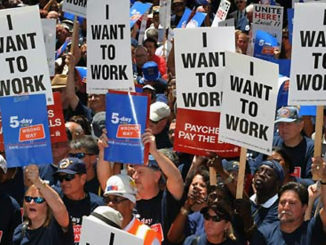
    TRENTON, NJ (TIP): New Jersey continues to rank second in the country after New York with at least 151,472 cases and 10,843 deaths attributed to COVID-19 since the outbreak began March 4. On May 21, Officials reported 98 new deaths and 1,304 new positive tests, which is, according to the Governor ‘way down from our peaks.’

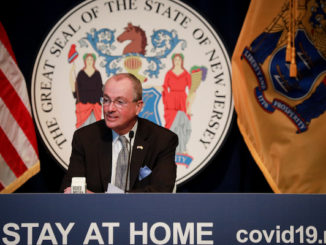
    With Garden state’s outbreak showing signs of slowing and the economy continuing to suffer, New Jersey Governor Phil Murphy has been slowly lifting restrictions. He unveiled a multi-stage approach to execute a responsible and strategic economic restart to put New Jersey on the road back to recovery from COVID-19. The multi-stage blueprint, guided by the Governor’s Restart and Recovery Commission and complementary Advisory Councils, plans for a methodical and strategic reopening of businesses and activities based on level of disease transmission risk and essential classification.

    “Through our combined efforts, we have flattened the curve of COVID-19 cases, and we are well-positioned to continue our restart and recovery process,” said Governor Murphy. “Our multi-stage approach uses science, data, and facts to determine which businesses and activities can reopen according to their risk level and challenges they face to safeguard public health. Additionally, we will be guided by our ability to protect against a new COVID-19 outbreak with expanded testing and contact tracing, and clear social distancing safeguards in place. We are currently in Stage 1, and we will aim to move through each stage quickly, but also judiciously, with the public health of our communities and all New Jerseyans in mind.”

    More indoor businesses such barbershops, salons, and gyms in the Garden State may be allowed to reopen, with restrictions, in “a matter of weeks, not months,” Murphy said during an appearance on CNBC’s “Squawk Box.” The Governor said that he’s hopeful schools will be able to physically reopen for the beginning of the next academic year in September. Schools are closed in New Jersey through the end of the year, with students learning remotely.

    Earlier on May 18, Murphy signed Executive Order No. 147, allowing certain outdoor activities at recreational businesses, including archery ranges, batting cages, golf driving ranges, horseback riding, shooting ranges, and tennis clubs as well as community gardens to open with required social distancing measures in place. The Order takes effect on Friday, May 22 at 6:00 a.m.


  • 80 reported dead as Cyclone Amphan Ravages West Bengal

    80 reported dead as Cyclone Amphan Ravages West Bengal

    PM Modi arrives in Kolkata for aerial survey of damage

    KOLKATA (TIP): Prime Minister Narendra Modi has arrived in West Bengal to take stock of the damage due to Cyclone Amphan in the state which left 80 dead and thousands homeless. This is the prime minister’s first visit outside Delhi after coronavirus lockdown was imposed on the midnight of March 24.

    After an aerial survey of affected areas in Bengal, PM Modi will visit Odisha.

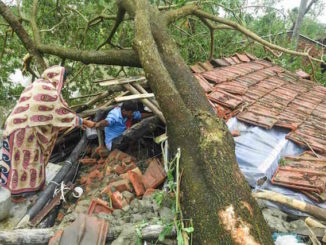
    Cyclone Amphan that tore into West Bengal killed 80 people and “completely devastated” two districts as Kolkata and several parts of the state wore a battered look on Thursday, May 21, a day after the storm left thousands of people homeless, washed away bridges and swamped low-lying areas.

    The fiercest cyclone to hit West Bengal in 100 years destroyed mud houses and crops, and uprooted trees and electricity poles. It also wreaked havoc in Odisha, damaging power and telecom infrastructure in several coastal districts. Odisha Government officials estimated it had affected around 44.8 lakh people in the state.

    “So far as per the reports we have received, 80 people have died in the state due to Cyclone Amphan. Two districts — North and South 24 Parganas — are completely devastated. We have to rebuild those districts from scratch. I would urge the Central Government to extend all help to the state,” Chief Minister Mamata Banerjee told reporters after conducting a review meeting with officials.

    “The restoration work will start soon. Large parts of North and South 24 Parganas and Kolkata are facing a massive power cut since last evening. Even telephone and mobile connections are down,” she said, announcing a compensation of Rs 2 lakh to Rs 2.5 lakh for the next of kin of each of the deceased.

    Besides North and South 24 Parganas and Kolkata, the districts of East Midnapore and Howrah were the worst hit as portions of several dilapidated buildings came crashing down in several places.

    In Kolkata, hundreds of cars were overturned by the strong winds with speed up to 125 kmph. Large parts of Kolkata and other affected districts went without power as felled trees and electricity poles were blocking key arterial roads and intersections. Mobile and Internet services were also disrupted as the fierce cyclone had damaged several communication towers.

    Residents recalled “living through hell” for six hours as the winds howled incessantly. Windows buckled from the pressure of the storm, cars floated on waterlogged roads, bumping against each other. Parts of air conditioners were flying around like missiles

    Telecom in tatters

    In Kolkata, hundreds of cars were overturned by strong winds with speeds up to 125 kmph. The fierce cyclone felled trees and electricity poles, blocking key roads. Mobile and Internet services were disrupted as 1,000 mobile towers across Bengal were destroyed.

    Shah speaks to CMs

    Union Home Minister Amit Shah on Thursday, May 21 spoke with Chief Ministers of Odisha and West Bengal — Naveen Patnaik and Mamata Banerjee — and assured them of all possible help.

  • May 22 New York & Dallas E – Edition

    [vc_row][vc_column][vc_column_text]

    E-Edition

    [/vc_column_text][/vc_column][/vc_row][vc_row][vc_column width=”2/3″][vc_custom_heading text=”” font_container=”tag:h2|text_align:center” google_fonts=”font_family:Istok%20Web%3Aregular%2Citalic%2C700%2C700italic|font_style:700%20bold%20regular%3A700%3Anormal” link=”url:https%3A%2F%2Fwww.theindianpanorama.news%2Fwp-content%2Fuploads%2F2020%2F05%2FTIP-May-22-Dual-Edition.pdf|||”][vc_single_image image=”99397″ img_size=”full” add_caption=”yes” alignment=”center” onclick=”custom_link” link=”https://www.theindianpanorama.news/wp-content/uploads/2020/05/TIP-May-22-Dual-Edition.pdf”][/vc_column][vc_column width=”1/3″][vc_single_image image=”82828″ img_size=”medium” alignment=”center” onclick=”custom_link” link=”https://www.theindianpanorama.news/advertising-media-kit-portal-indian-panorama/”][vc_single_image image=”82829″ img_size=”medium” alignment=”center” onclick=”custom_link” link=”https://www.theindianpanorama.news/advertising-media-kit-portal-indian-panorama/”][/vc_column][/vc_row][vc_row][vc_column width=”2/3″][vc_custom_heading text=”Lead Stories This Week” font_container=”tag:h2|text_align:center” google_fonts=”font_family:Istok%20Web%3Aregular%2Citalic%2C700%2C700italic|font_style:700%20bold%20regular%3A700%3Anormal” link=”url:https%3A%2F%2Fwww.theindianpanorama.news%2F%20|||”][/vc_column][vc_column width=”1/3″][vc_widget_sidebar sidebar_id=”mh-sidebar”][/vc_column][/vc_row]

  • Indian American Attorney Shot Dead in Georgia

    Indian American Attorney Shot Dead in Georgia

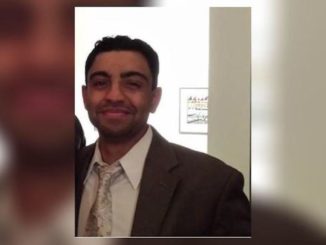
    ATLANTA (TIP): An Indian origin senior staff attorney at Cobb County Magistrate was shot and killed May 9 morning while confronting a gunman outside a home in Locust Grove, a report in Atlanta Journal Constitution reported.

    Rajesh Mehta, 45, was shot multiple times by 29-year-old Terrance Scott outside the home on Hansen Drive, said police.

    Following the fatal shooting, Scott allegedly broke into the house, held a woman hostage and sexually assaulted her before an hours long standoff with officers, Locust Grove Police Chief Jesse Patton said. Children were inside the home at the time.

    Mehta worked as the staff attorney for three separate chief magistrate judges since joining the court in 2008. Prior to that, the University of Georgia law school graduate worked under Cobb Superior Court Judge Mary Staley Clark.

  • Indian American Yale Student Builds Textbook Library for Needy Students

    Indian American Yale Student Builds Textbook Library for Needy Students

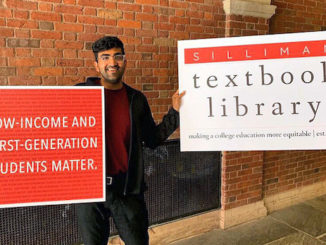
    NEW YORK (TIP): Kushal Dev, a second-year student at Yale’s Silliman College has founded the Silliman Textbook Library — a communal space housing over 1,000 textbooks that can be used by Yale students who can’t afford them. Students can use them at any time for free.

    After struggling to access an especially expensive economics textbook himself, Dev decided to do something to help fellow students who found their textbooks financially prohibitive. A friend, former Yale College Council president Peter Huang ’18, had once touted the idea of a textbook library. Dev brought the idea to fruition by soliciting donations from fellow students, alumni, and others at Yale, receiving an initial donation of some 600 books. The books, initially kept in the Acorn — Silliman College’s coffee shop — were moved this year to a dedicated space in the residential college’s library.

    A political science major, Dev is interested in the intersection of technology, pop culture, and politics, as well as in racial and queer politics.

    (Courtesy: Yale)


  • Indian Grocery Store Owner in California Faces Price Gouging Charges

    Indian Grocery Store Owner in California Faces Price Gouging Charges

    NEW YORK (TIP): On May 7, Alameda County DA O’Malley and California Attorney General Xavier Becerra announced that their offices have jointly filed a nine-count misdemeanor complaint charging Apna Bazar, a large grocery store in Pleasanton, and Rajvinder Singh, the store’s owner, with price gouging.

    This prosecution marks the first ever price gouging action in Alameda County.

    Customers began voicing complaints about the increase in prices of food items at the Pleasanton store shortly after the state of emergency was declared in California. A chorus of complaints from shoppers reached the DA’s Office through phone calls, e-mails and postings on social media platforms.

    “The law prevents businesses from profiteering when we are in a state of emergency. All businesses throughout Alameda County must be on notice that we will not sit idly by and allow consumers to fall prey to price gouging. My office will ensure that businesses adhere to the law and do not exploit consumers,” says District Attorney O’Malley.

    “We take price gouging seriously and are committed to going after those who break the law during the public health emergency,” said Attorney General Becerra. “The Department of Justice relies on all Californians to be vigilant in detecting price gouging. If you see something suspicious, or if you are a victim of price gouging, file a complaint. The more you report, the more we can stop this abuse.”

    California law prohibits charging a price that exceeds, by more than 10 percent, the price of an item before a state or local declaration of emergency. On March 4, 2020, the Governor declared a state of emergency in response to the COVID-19 pandemic, which put the price gouging law into effect.

    Today’s complaint alleges that following the emergency declaration, Mr. Singh and Apna Bazar in Pleasanton illegally raised the prices of essential food items over the 10 percent threshold. (Other Apna Bazar locations in the Bay Area are not part in this investigation.)

    Based on evidence provided by customer receipts and multiple interviews, the investigation confirmed pricing on several food items exceeded not only the 10 percent increase allowed during a state of emergency, but some prices being increased in excess of 300 percent more than what was previously charged.


  • Indian American Engineer Charged in Texas with COVID-Relief Fraud

    Indian American Engineer Charged in Texas with COVID-Relief Fraud

    HOUSTON (TIP): An Indian origin engineer has been charged in the Eastern District of Texas with allegedly filing bank loan applications fraudulently seeking more than $10 million dollars in forgivable loans guaranteed by the Small Business Administration (SBA) under the Coronavirus Aid, Relief, and Economic Security (CARES) Act.

    Shashank Rai, 30, of Beaumont, Texas, allegedly sought millions of dollars in forgivable loans guaranteed by the SBA from two different banks by claiming to have 250 employees earning wages when, in fact, no employees worked for his purported business.

    Rai is charged by way of a federal criminal complaint with violations of wire fraud, bank fraud, false statements to a financial institution, and false statements to the SBA.

    “As alleged, Rai fraudulently pursued millions of dollars in loans intended for legitimate small businesses suffering the economic hardships of the COVID-19 pandemic,” said Assistant Attorney General Brian A. Benczkowski of the Justice Department’s Criminal Division.  “The department and our law enforcement partners will remain vigilant in our efforts to protect critical CARES Act relief programs from fraud and abuse.”

    “The behavior in this case was very brazen,” said U.S. Attorney Joseph D. Brown of the Eastern District of Texas.  “Those who submit these applications for loans or other assistance need to understand that there are people checking on the representations made, and those representations are made under oath and subject to the penalties of perjury. Federal agencies are watching for fraud, and people who lie and try to cheat the system are going to be caught and prosecuted.”

    “To support small and community banks, the Federal Home Loan Banks can accept Paycheck Protection Program (PPP) loans as collateral when making loans to their members,” said Richard Parker, Acting Deputy Inspector General for Investigations for the Federal Housing Finance Agency, Office of Inspector General.  “The Office of Inspector General is proud to work with our partners in law enforcement to prevent, detect, and deter attempts to perpetrate fraud in the Federal Home Loan Bank System and steal the assistance intended for small business owners and employees under this important part of the CARES Act.”

    “Today’s charges hold the defendant responsible for his actions to swindle money out of a federal program intended to help those in need during a pandemic crisis,” said Inspector General Jay N. Lerner of the Federal Deposit Insurance Corporation Office of Inspector General (FDIC OIG).  “When an individual cheats the Paycheck Protection Program out of money, it deprives hard-working Americans and deserving small businesses.  The FDIC OIG is committed to working with our law enforcement partners to investigate financial crimes in order to preserve the integrity of the nation’s banking sector.”

    “SBA OIG and its law enforcement partners will aggressively investigate fraud in the Paycheck Protection Program,” said SBA Inspector General Hannibal “Mike” Ware.  “The nation’s small businesses are counting on this program, and we will safeguard it to maintain the public trust.  I want to thank the U.S. Attorney’s Office and our law enforcement partners for their dedication and pursuit of justice.”

    “While the government is trying to help out small businesses, scammers are out there trying to help themselves,” said Inspector in Charge Delany De Leon-Colon of the Criminal Investigations Group. “Postal Inspectors are proud to work alongside the Department of Justice and our other law enforcement partners to identify and investigate anyone who capitalizes on this pandemic to commit fraud. The U.S. Postal Inspection Service is committed to protecting small business owners, and the American public, from those who seek to do financial harm.”

    According to court documents unsealed today in U.S. District Court in Beaumont, Rai allegedly made two fraudulent claims to two different lenders for seek loans guaranteed by the SBA for COVID-19 relief through the PPP.  In the application submitted to the first lender, Rai allegedly sought $10 million in PPP loan proceeds by fraudulently claiming to have 250 employees with an average monthly payroll of $4 million.  In the second application, Rai allegedly sought approximately $3 million in PPP loan proceeds by fraudulently claiming to have 250 employees with an average monthly payroll of approximately $1.2 million.

    According to court documents, the Texas Workforce Commission provided information to investigators of having no records of employee wages having been paid in 2020 by Rai or his purported business, Rai Family LLC. In addition, the Texas Comptroller’s Office of Public Accounts reported to investigators that Rai Family LLC reported no revenues for the fourth quarter of 2019 or the first quarter of 2020.

    According to court documents, materials recovered from the trash outside of Rai’s residence included handwritten notes that appear to reflect an investment strategy for the $3 million, which is the amount of money that Rai allegedly sought from the second lender.

  • Indian American Stony Brook Sisters use GRL PWR to fight disease

    Indian American Stony Brook Sisters use GRL PWR to fight disease

    NEW YORK (TIP): Ruchi Shah was 15 years old when she noticed a long line of people outside of a tiny clinic waiting to get treatment for mosquito-transmitted diseases during a family trip to India. After returning to her Ronkonkoma, Long Island home, the driven teenager began working in her family’s garage and a high school classroom to develop an all-natural mosquito repellent.

    In March, almost a decade after her dream began, she was named one of 10 winners of Victoria’s Secret PINK’s second annual GRL PWR Project, an initiative that provides funding for young female “leaders, trendsetters and go-getters.” Ruchi’s entry was among those selected from nearly 4,000 video submissions from women across the country ages 18 to 25, winning $25,000 to put toward her business.

    Shah’s company, Mosquitoes Be Gone LLC, is a direct descendent of her high school science project, which followed her to Stony Brook, where she majored in biology. In 2015, her junior year as an undergrad, she entered a business plan competition. To her surprise, she won, and a company was born. Her younger sister Nidhi, then a high school senior, became the company’s chief operating officer. Nidhi Shah would herself come to Stony Brook the following year as a psychology major. Ruchi, after earning her BS in Biology, continued her studies at the Renaissance School of Medicine at Stony Brook.

    A champion of helping empower others, Ruchi also created an internship program shortly after founding her company that is a collaboration between Stony Brook’s Department of Biology, the College of Business and the WISE Honors program, which offers educational and professional science, technology, engineering and mathematics (STEM) opportunities for undergraduate students.

    (Courtesy: Stony Brook University)

  • Indian American Historian Rohit De Named One of 27 Carnegie Fellows

    Indian American Historian Rohit De Named One of 27 Carnegie Fellows

    NEW YORK (TIP): Rohit De, an associate professor of history at Yale University, has been named a 2020 Andrew Carnegie Fellow. He joins a class of 27 fellows, each of whom receives up to $200,000 to pursue a writing and research project.

    De is a legal historian who studies South Asia, postcolonialism, and the role of lawyers in politics. Among other topics, his research has explored the significance of political trials in Asia and Africa in the 1950s, and constitutions in South Asia.

    Professor De’s book A People’s Constitution: Law and Everyday Life in the Indian Republic(Princeton University Press) explores how the Indian constitution, despite its elite authorship and alien antecedents, came to permeate everyday life and imagination in India during its transition from a colonial state to a democratic republic. Mapping the use and appropriation of constitutional language and procedure by diverse groups such as butchers and sex workers, street vendors and petty businessmen, journalists and women social workers, it offers a constitutional history from below. He continues to write on the social and intellectual foundations of constitutionalism in South Asia.

    He is current research focuses around two major strands: the histories of political lawyering and the nature of the postcolonial state in South Asia.


  • Indian Origin Texas Man Admits Role in Nearly $5 Million Health Care Fraud Scheme

    Indian Origin Texas Man Admits Role in Nearly $5 Million Health Care Fraud Scheme

    HOUSTON (TIP): A 57-year-old Houston man has entered a guilty plea in Corpus Christi federal court for conspiring to commit health care fraud, announced U.S. Attorney Ryan Patrick.

    Ravinder Syal admitted he engaged in a scheme that resulted in the false billing of $4,878,530.92 for services never provided to patients. From Feb. 1, 2018, until March 1, 2020, he acquired physicians’ practices throughout Texas and assumed control of their billing department. He then brought in a company located in India to bill false claims to Medicare, Medicaid and various insurance providers.

    Syal would submit false claims for services that were never performed, for nutritional servicers that were never provided and even for office visits that occurred over holidays when the clinics were actually closed. He would also bill for services that could not even be performed at the clinics he acquired due to lack of equipment.

    Syal altered the billing information and added these fraudulent services without the knowledge of the physicians at the respective practices.

    As a result of his scheme, Medicare, Medicaid and various insurance providers were billed $4,878,530.92 for services never performed. Syal was overpaid $553,068.65 on the fraudulent claims.

    Sentencing has been set for Aug. 10 before U.S. District Judge David S. Morales.  At that time, Syal faces up to 10 years in federal prison and a possible $250,000 maximum fine.

    Syal was permitted to remain on bond pending that hearing.


  • Indian Origin Chintan Mehta and Munish Kumar on Wells Fargo Expanded Technology Leadership Team

    Indian Origin Chintan Mehta and Munish Kumar on Wells Fargo Expanded Technology Leadership Team

    CIOs named to support Corporate Strategy, Digital Platform & Innovation, and Wealth & Investment Management businesses

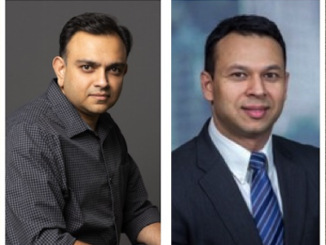
    SAN FRANCISCO (TIP): Wells Fargo & Company (NYSE: WFC) announced, May 8, two new leaders joining the Technology organization. Chintan Mehta was named chief information officer (CIO) and head of Digital Technology & Innovation, and Munish Kumar was named CIO and head of Wealth & Investment Management Technology. Both will have a joint reporting relationship to Saul Van Beurden, head of Technology, and the relevant line of business leaders. Mehta’s appointment is effective immediately, and Kumar will join the company in August.

    As CIOs, Mehta and Kumar will have responsibility for all technology underlying the company’s Corporate Strategy, Digital Platform & Innovation, and Wealth & Investment Management businesses. They will work with business leaders to deliver the tools and maintain the platforms needed to serve Wells Fargo customers, while contributing to the company’s technology transformation.

    “Chintan and Munish bring extensive technology and business knowledge, making them both uniquely positioned for these roles,” said Van Beurden. “In addition, their demonstrated leadership will be an important addition to the organization’s ongoing technology transformation. I am pleased to welcome Chintan and Munish to the Technology leadership team.”

    Most recently, Mehta was CIO of Wells Fargo’s digital ecosystem, a position he held since 2017. In this role, he was responsible for leading the delivery of all digital experiences and capabilities for Wells Fargo businesses and its 70 million customers. Previously, he was global chief technology officer at Walgreens from 2015 to 2017, where he was responsible for product management, design, engineering, and operations across retail, pharmacy, and health care businesses. He also held technology leadership positions with increasing levels of responsibility at American Express and Barclays Bank PLC in London. Mehta has an M.S. in Computer Science from the University of Hertfordshire in the United Kingdom.

    Kumar brings more than 20 years of experience and joins Wells Fargo from JPMorgan Chase, where he was managing director of digital sales, marketing and personalization, and analytics technology, a position he held since 2015. In this role, he oversaw a team of 400 technologists responsible for creating personalized experiences for customers through technology. From 2008 to 2014, Kumar held a technology leadership role in the company’s asset and wealth management business where he developed and managed the retail and institutional trading platforms, including Institutional Allocation Platform and Chase Online Trading. Previously, he held technology leadership roles at Bear Stearns and Citigroup. Kumar has a Bachelor of Technology and Computer Science from Punjabi University in India.

    About Wells Fargo

    Wells Fargo & Company (NYSE: WFC) is a diversified, community-based financial services company with $1.98 trillion in assets. Wells Fargo’s vision is to satisfy our customers’ financial needs and help them succeed financially. Founded in 1852 and headquartered in San Francisco, Wells Fargo provides banking, investment, and mortgage products and services, as well as consumer and commercial finance, through 7,400 locations, more than 13,000 ATMs, the internet (wellsfargo.com), and mobile banking, and has offices in 31 countries and territories to support customers who conduct business in the global economy. With approximately 263,000 team members, Wells Fargo serves one in three households in the United States. Wells Fargo & Company was ranked No. 29 on Fortune’s 2019 rankings of America’s largest corporations. News, insights and perspectives from Wells Fargo are also available at Wells Fargo Stories.

    Additional information may be found at www.wellsfargo.com | Twitter: @WellsFargo.

  • Three Indian American Students Win Prestigious DOE Fellowship

    Three Indian American Students Win Prestigious DOE Fellowship

    NEW YORK (TIP): Three Indian American Students are among 26 recipients nationwide of a Department of Energy Computation Science Graduate Fellowship (DOE CSGF). They are Priya Donti from Carnegie Mellon University, and Dipti Jasrasaria and Amaresh Sahu, both from University of California, Berkeley.

    The program, established in 1991, trains top leaders in computational science. As part of the program, fellows receive exceptional benefits including a yearly stipend; full payment of university tuition and required fees (during the appointment period); and an annual academic allowance.

    Donti earned her B.S. degree in Computer Science and Mathematics from Harvey Mudd College in 2015. Her work seeks to develop machine learning, optimization, and control methods for robust, emissions-minimal energy system management that are powerful enough to cope with the system’s large-scale nature.

    Jasrasaria did M.Phil. Scientific Computing from University of Cambridge in 2017and B.A. Chemistry from Harvard University in 2016.

    Sahu did his B.S. Chemical and Biological Engineering, from Princeton University in 2013. His research focuses on using a variety of techniques from statistical mechanics, continuum mechanics, and finite element methods to develop models that better explains cell membrane behavior.


  • Mega stimulus package: Self-reliance pitch timely, now for delivery

    Mega stimulus package: Self-reliance pitch timely, now for delivery

    A new slogan, ‘Be vocal about local’, has been added by the Prime Minister to his long list of aspirational-inspirational repertoire. How far it goes in infusing the much-required dynamism in the Covid-hit business and industry is the big question. For long, the low share of manufacturing in India’s GDP as compared to China has been seen as a huge weakness. So, while the country witnessed high growth numbers over the years, the job opportunities created as a result fell far short. The pandemic has only accentuated the serious problem. Hence, PM Modi’s strong pitch for use of products manufactured in the country and self-reliance could not be more timely.

    In a mega stimulus package, the Finance Minister has announced measures to restart the economy, including Rs 3 lakh crore collateral-free automatic loans for MSMEs, revising upwards the investment limit, introducing an additional criteria of turnover and no global tender for government procurement up to Rs 200 crore. Clearance of all pending payments is another big takeaway. The statutory PF contribution has been slashed by 2 per cent to increase the take-home salary. The 25 per cent cut in tax deducted at source for non-salary payments is also a huge relief. A six-month extension has been given to government contractors to finish projects.

    It is an undeniable fact that the drive to push manufacturing has met with limited success. The much-touted ‘Make in India’ has not lived up to potential. Aware of the ground reality, PM Modi has made clear his commitment to remove all domestic hurdles before manufacturing units and attract from China the global value chain. The vigor and hope reflected in the speech have to be translated into recognizable action. The first tranche of the package would soothe frayed nerves, but the road ahead is long. Forget about adding, will it bring back jobs? Is it a booster shot or a survival kit for the industry?

    (Tribune, India)


  • Pathways to a more resilient economy

    Pathways to a more resilient economy


    By Arun Maira

    The redesign of economies, of businesses, and our lives, must begin with questions about purpose. What is the purpose of economic growth? What is the purpose of businesses and other institutions? What is the purpose of our lives? What needs, and whose needs, do institutions, and each of us, fulfil by our existence?

    Machines do not have the capacity for emergence. Once built, their capabilities inevitably reduce with increasing entropy. On the other hand, living systems evolve and acquire new capabilities over time. Fritjof Capra and Pier Luigi Luisi point out in The Systems View of Life: A Unifying Vision that among all living species, humans have a special ability. Only humans consciously develop new concepts, new scientific ideas, and new language in their search for new visions. Institutions of governance are human inventions for directing human endeavors and for providing stability. Thomas S. Kuhn explained in The Structure of Scientific Revolutions why new ideas are invariably resisted by prevalent power structures in societies. The scientific establishment determines which ideas are worthy of admission. The King’s advisers do not want outsiders to dilute their influence in the court. The Establishment resists change. Therefore, fundamental reforms of ideas and institutions in human societies are always difficult, until a crisis.

    Challenging principles

    The COVID-19 catastrophe has challenged the tenets of economics that have dominated public policy for the past 50 years. Here are seven radical ideas emerging as pathways to build a more resilient economy and a more just society.

    i) “De-Growth”. The obsession with GDP as the supreme goal of progress has been challenged often, but its challengers were dismissed as a loony fringe. Now, Nobel laureates in economics (Joseph Stiglitz, Amartya Sen, Abhijit Banerjee, Esther Duflo and others) are calling upon their profession to rethink the fundamentals of economics, especially the purpose of GDP. A five-point ‘de-growth’ manifesto by 170 Dutch academics has gone viral amidst the heightened Internet buzz during the lockdown. Goals for human progress must be reset. What should we aspire for? And how will we measure if we are getting there?

    ii) Boundaries between countries are good. Boundary-lessness is a mantra for hyper-globalizers. Boundaries, they say, impede flows of trade, finance, and people. Therefore, removing boundaries is good for global growth. However, since countries are at different stages of economic development, and have different compositions of resources, they must follow different paths to progress. According to systems’ theory, sub-systems within complex systems must have boundaries around them, albeit appropriately permeable ones, so that the sub-systems can maintain their own integrity and evolve. This is the explanation from systems science for the breakdown of the World Trade Organization, in which all countries were expected to open their borders, which caused harm to countries at different stages of development. Now COVID-19 has given another reason to maintain sufficient boundaries.

    iii) Government is good. Ronald Reagan’s dictum, “Government is not the solution… Government is the problem”, has been up-ended by COVID-19. Even capitalist corporations who wanted governments out of the way to make it easy for them to do business are lining up for government bailouts.

    iv) The “market” is not the best solution. Money is a convenient currency for managing markets and for conducting transactions. Whenever goods and services are left to markets, the dice is loaded against those who do not have money to obtain what they need. Moreover, by a process of “cumulative causation”, those who have money and power can acquire even more in markets. The “marketization” of economies has contributed to the increasing inequalities in wealth over the last 50 years, which Thomas Piketty and others have documented.

    When complex systems come to catastrophes, i.e. critical points of instability, they re-emerge in distinctly new forms, according to the science of complex systems. The COVID-19 global pandemic is a catastrophe, both for human lives and for economies. Economists cannot predict in what form the economy will emerge from it.

    Justice and dignity

    v) “Citizen” welfare, not “consumer” welfare, must be the objective of progress. In economies, human beings are consumers and producers. In societies, they are citizens. Citizens have a broader set of needs than consumers. Citizens’ needs cannot be fulfilled merely by enabling them to consume more goods and services. They value justice, dignity, and societal harmony too. Economists’ evaluations of the benefits of free trade, and competition policy too, which are based on consumer welfare alone, fail to account for negative impacts on what citizens value.

    vi) Competition must be restrained: Collaboration is essential for progress. Faith in “Darwinian competition”, with the survival of only the fittest, underlies many pathologies of modern societies and economies. From school onwards, children are taught to compete. Companies must improve their competitive abilities. Nations too. Blind faith in competition misses the reality that human capabilities have advanced more than other species’ have, by evolving institutions for collective action. Further progress, to achieve the Sustainable Development Goals for example, will require collaboration among scientists in different disciplines, and among diverse stakeholders, and collaboration among sovereign countries. Improvement in abilities to share and govern common resources have become essential for human survival in the 21st century.

    vii) Intellectual property belongs to the public. The earth’s resources must be conserved. We are living in an era of knowledge. Just as those who owned more land used to have more power before, now those who own knowledge have more power and wealth than the rest. Intellectual property monopolies are producing enormous wealth for their owners, though many were developed on the back of huge public investments. Moreover, powerful technologies can be used for benign or malign purposes. It is imperative to evolve new institutions for public ownership of technologies and for the regulation of their use.

    Purpose of enterprises 

    The paradigm shift necessary after the crisis will not be easy. There will be resistance to shifts in social, economic, and political power towards those who have less from those who have more within the present paradigm.

    The financial crisis of 2008 was a crisis of liquidity in the system. Recovery was achieved by putting more fuel into the system. The system then moved on; in basically the same shape it was before. COVID-19 has revealed structural weaknesses in the global economy. Putting fuel in the tank will not be sufficient. The vehicle must be redesigned too. While global attention understandably is focused on relief and recovery, this is the time to design for resilience.

    The economic system cannot be redesigned by domain experts devising solutions within their silos. Such as, trade experts recommending new trade policies, intellectual property experts recommending reforms of intellectual property rights, and industry experts recommending industry policies. All the pieces must fit together. Most of all, they must fit into the new paradigm, which will be very different to the one in which the experts had developed their domain knowledge.

    Innovations are required at many levels to create a more resilient and just world. Innovation is essential in the overall design of the economy. Innovations will be required in business models too, not just for business survival but also to move businesses out of the 20th century paradigm that “the business of business must be only business”. Changes will also be necessary in our life patterns, our work and consumption habits, and in our personal priorities.

    The redesign of economies, of businesses, and our lives, must begin with questions about purpose. What is the purpose of economic growth? What is the purpose of businesses and other institutions? What is the purpose of our lives? What needs, and whose needs, do institutions, and each of us, fulfil by our existence?

    (The author is a Former Member, Planning Commission and the author of ‘Redesigning the Aeroplane While Flying: Reforming Institutions’)