
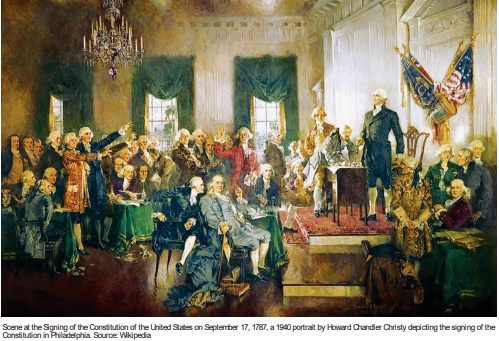

The Constitution is the world’s oldest written national constitution still in continuous operation, but continuity has required change. Twenty-seven amendments have altered elections, expanded citizenship and voting rights, abolished slavery, authorized income taxation, limited presidential tenure and addressed governmental succession. Interpretation by courts, legislation, executive practice, political parties, social movements and public custom has also shaped constitutional meaning. Its endurance rests partly upon brevity and adaptability, partly upon institutional loyalty and partly upon repeated struggle. The Constitution has preserved liberty and enabled injustice; restrained leaders and enlarged government; mediated conflict and sometimes intensified it. Its mechanisms do not operate automatically. They depend upon elections, norms, an independent judiciary, a functioning legislature, a responsible executive, a free press and citizens willing to defend constitutional government even when outcomes disappoint them. “A constitution can distribute authority. Only a constitutional people can preserve the spirit in which authority must be exercised.
A constitution can distribute authority. Only a constitutional people can preserve the spirit in which authority must be exercised.”



Be the first to comment