
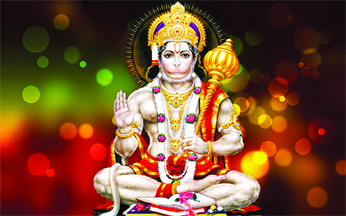

Hanuman Jayanti is one of the most revered and spiritually uplifting festivals in Hindu tradition, commemorating the birth of Lord Hanuman-the supreme devotee of Lord Rama and a symbol of unwavering faith, immense strength, humility, and selfless service. Celebrated with great devotion across India and in Hindu communities worldwide, this auspicious day honors the divine presence of Hanuman, who continues to inspire millions through his devotion (bhakti) and courage. This year, Hanuman Jayanti falls on April 2.
The birth of Lord Hanuman is rooted in ancient scriptures such as the Ramayana, the Mahabharata, and the Puranas. According to these texts, Hanuman was born to Anjana, an apsara who was cursed to be born on earth, and Kesari, a powerful vanara (monkey chief). He is also considered the spiritual son of Vayu, the god of wind, who played a pivotal role in his birth.
The most widely accepted belief is that Hanuman was born on the full moon day (Purnima) of the Chaitra month, which usually falls in March or April. However, different regions of India observe Hanuman Jayanti on varying dates according to their local traditions and calendars.
The Divine Legend
The legend of Lord Hanuman is deeply interwoven with the story of the Ramayana. As a child, Hanuman possessed extraordinary powers. One famous tale narrates how he mistook the rising sun for a fruit and leapt into the sky to grasp it. Impressed yet concerned by his immense strength, the gods blessed him but also placed a curse that he would forget his powers until reminded.
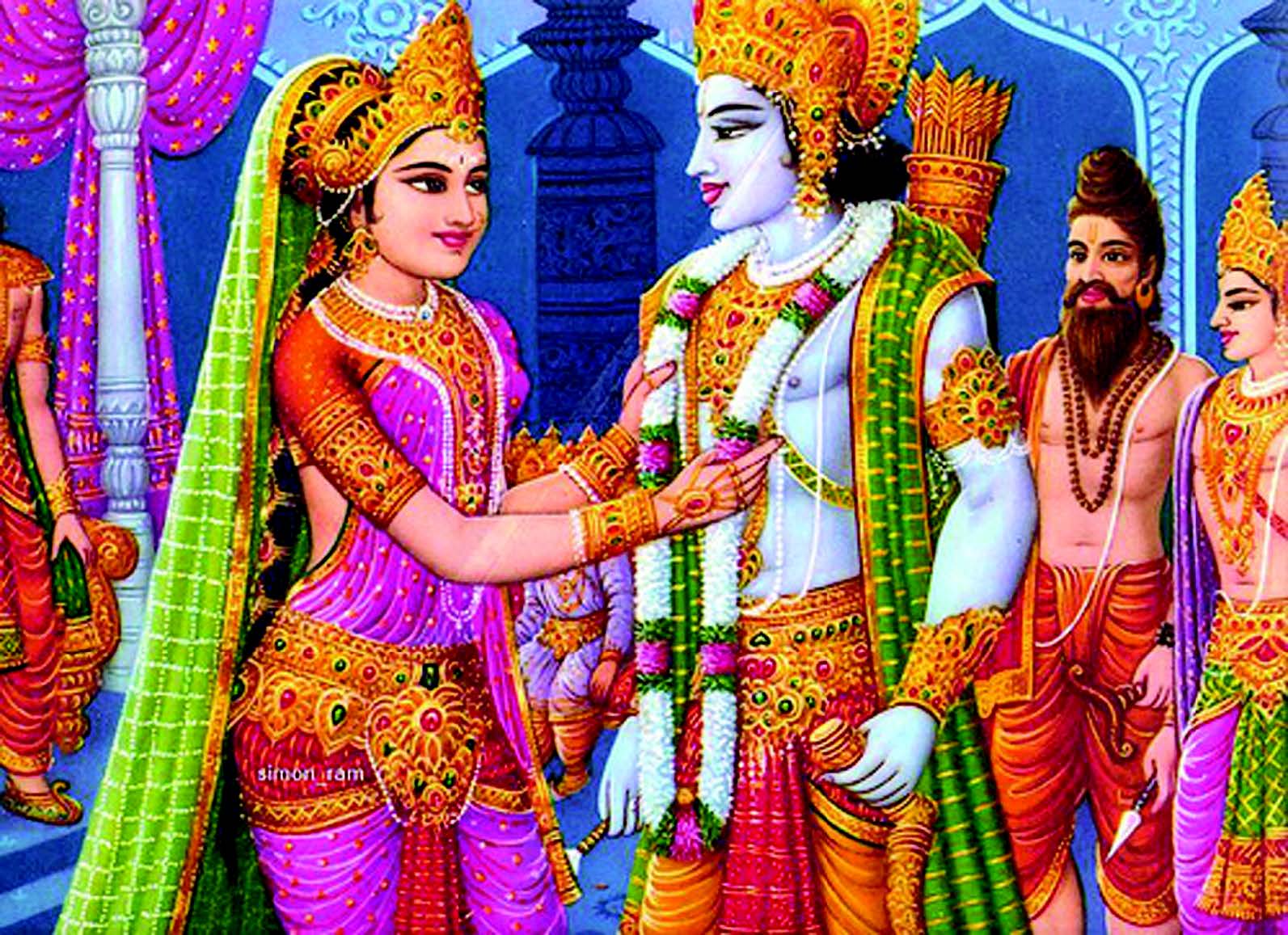
Hanuman’s true glory unfolded when he met Lord Rama. His unwavering devotion (bhakti) toward Rama became the cornerstone of his identity. He played a crucial role in the search for Sita, locating her in Lanka, delivering Rama’s message, and later assisting in the battle against Ravana.
One of the most celebrated episodes is his journey to bring the Sanjeevani herb to save Lakshmana. Unable to identify the herb, Hanuman lifted the entire mountain-demonstrating not just strength but devotion and determination.
Hanuman is considered immortal (Chiranjivi), believed to reside on earth wherever the name of Lord Rama is chanted.
Spiritual Significance
Hanuman Jayanti is not merely a celebration of birth; it is a profound spiritual reminder of the ideals that Hanuman represents:
Supreme Devotion (Bhakti)
Hanuman symbolizes complete surrender to God. His life teaches that true devotion transcends ego and personal desires.
Strength with Humility
Despite possessing unmatched power, Hanuman remains humble. His character highlights the balance between strength and humility.
Protection from Evil
Devotees believe that worshipping Hanuman protects them from negative energies, evil spirits, and obstacles. Recitation of the Hanuman Chalisa is especially popular for spiritual protection.
Symbol of Courage and Determination
Hanuman inspires courage, especially in times of adversity. His fearless actions in the Ramayana serve as guiding principles for overcoming life’s challenges.
Rituals and Observances
Hanuman Jayanti is marked by devotion, discipline, and spiritual fervor. The rituals vary regionally but share common elements:
Early Morning Worship
Devotees wake before sunrise, bathe, and visit Hanuman temples. Idols of Hanuman are adorned with sindoor (vermilion), oil, flowers, and garlands.
Recitation of Sacred Texts
Devotional hymns such as the Hanuman Chalisa, Bajrang Baan, and Sundara Kanda (a chapter from the Ramayana) are recited throughout the day.
Fasting (Vrat)
Many devotees observe a strict fast, consuming only fruits or simple sattvic food. The fast is believed to purify the body and mind.
Offering Prasad
Offerings such as jaggery, roasted gram (chana), bananas, and laddoos are made to Hanuman. These are later distributed among devotees.
Processions and Bhajans
In many regions, grand processions (shobha yatras) are organized with chanting, singing of bhajans, and enactments of scenes from the Ramayana.
Regional Variations in Celebration
Hanuman Jayanti is observed differently across India:
– In North India, it is celebrated on Chaitra Purnima with large temple gatherings.
– In Tamil Nadu and Kerala, it is observed during Margazhi or Dhanu month.
– In Maharashtra, the celebrations are particularly vibrant, with community events and continuous chanting.
In Hindu philosophy, Hanuman is more than a deity-he is a bridge between the human and the divine. He represents the ideal disciple and the perfect servant of God. His presence in yogic and spiritual traditions is also significant; he is often associated with control over the mind and senses.
Hanuman’s devotion to Lord Rama is often interpreted as the soul’s devotion to the Supreme Consciousness. His strength symbolizes inner power, while his humility represents spiritual wisdom.

Be the first to comment