
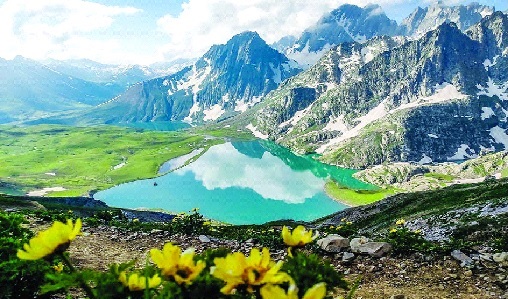

Tucked away in the enchanting landscapes of Jammu and Kashmir, the breathtaking valley of Sonamarg-literally meaning “Meadow of Gold”-is a destination that feels almost mythical. Framed by snow-draped peaks, alpine meadows, and glacial rivers, Sonamarg is not just a place; it is an experience of raw Himalayan beauty that unfolds like poetry with every turn of the road.
A Gateway to Untamed Himalayan Beauty
Located at an altitude of about 2,730 meters above sea level, Sonamarg lies along the historic route that once connected Srinagar to Leh. Today, it stands as a serene retreat and an adventure hub, drawing travelers seeking both tranquility and thrill.
The drive to Sonamarg itself is a spectacle-winding roads flanked by towering pine forests, the sparkling Sindh River, and distant glaciers shimmering under the sun. As you ascend, the air turns crisp, the skies bluer, and the world quieter.
Why It’s Called the “Meadow of Gold”
Come summer, Sonamarg transforms into a vibrant canvas of wildflowers-yellows, purples, and whites carpeting the valley floor. When sunlight touches these blooms, the entire meadow seems to glow golden, giving the region its evocative name.
In contrast, winter cloaks Sonamarg in pristine snow, turning it into a magical white wonderland-ideal for those who dream of silent landscapes and untouched beauty.
Must-Visit Places in Sonamarg Thajiwas Glacier: A Walk into Frozen Majesty
Just a short trek or pony ride from the main town, the Thajiwas Glacier is one of Sonamarg’s most iconic attractions. Even during summer, this glacier retains its icy charm. Visitors can enjoy sledding, snowball fights, and breathtaking views of cascading waterfalls nearby.
Zoji La Pass: Where Adventure Meets Awe
A short distance from Sonamarg lies the dramatic Zoji La, one of the most thrilling high-altitude passes in India. Connecting Kashmir with Ladakh, this pass offers panoramic vistas of rugged mountains and deep valleys-perfect for thrill-seekers and photographers.
Baltal Valley: The Base of
Pilgrimage and Beauty
The serene Baltal Valley serves as a base camp for the sacred Amarnath Yatra. Surrounded by towering peaks, Baltal is equally mesmerizing for nature lovers, offering tranquil riverside views and camping experiences.
Nilagrad River: A Sacred Confluence
The mystical Nilagrad River, known for its reddish hue, is believed to possess healing properties. Flowing into the Sindh River, it holds cultural and spiritual significance among locals and pilgrims alike.
Things to Do: From Serenity to Adventure Trekking and Nature Walks
Sonamarg is a trekker’s paradise, with trails leading to high-altitude lakes like Vishansar Lake and Krishansar Lake. These routes pass through lush meadows, pine forests, and glacier-fed streams.
River Rafting on the Sindh
Adventure enthusiasts can indulge in white-water rafting on the Sindh River. The icy waters and moderate rapids make for an exhilarating experience amidst stunning scenery.
Camping Under the Stars
Few experiences rival spending a night under the Himalayan sky in Sonamarg. Campsites near rivers and meadows offer a peaceful escape, with the sound of flowing water and distant winds creating a natural symphony.
Photography and Birdwatching
With its diverse landscapes and vibrant flora, Sonamarg is a dream for photographers. Rare Himalayan birds and wildlife also make it a rewarding destination for nature enthusiasts.
Best Time to Visit
– April to June: Ideal for sightseeing, trekking, and pleasant weather.
– July to September: Lush greenery and blooming flowers, though occasional rains may occur.
– October to March: Snow-covered landscapes, perfect for winter lovers, though access may be restricted due to heavy snowfall.
Local Culture and Flavors
While Sonamarg is quieter compared to bustling tourist hubs, it offers glimpses into Kashmiri culture. Visitors can savor traditional dishes like Rogan Josh, Yakhni, and Kahwa tea, often served with warm hospitality.
Handcrafted woolens, pashmina shawls, and local souvenirs reflect the region’s rich artisanal heritage.
Travel Tips
– Carry warm clothing, even in summer, as temperatures can drop unexpectedly.
– Check road conditions, especially during winter months.
– Respect local customs and preserve the pristine environment.
– Hire local guides for treks to ensure safety and deeper exploration.

Be the first to comment