
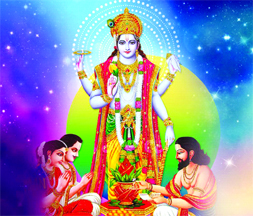

The soft glow of oil lamps, the fragrance of flowers and sandalwood, the chanting of sacred hymns and the gathering of families in prayer create an atmosphere of serenity and devotion during Shri Satyanarayan Puja. Observed in homes and temples across India and by Hindu communities around the world, this revered worship dedicated to Satyanarayan represents faith, gratitude, prosperity and the eternal importance of truth in human life.
Shri Satyanarayan Puja is performed to seek the blessings of God Narayana, a form of Lord Vishnu. In this form, Lord Vishnu is considered an embodiment of truth. While there is no specific day for Satyanarayan Puja, performing it on Purnima (full moon day) is thought to be very auspicious.
Devotees observe Shri Satyanarayan Puja with deep spiritual fervor, seeking peace, harmony, success and divine protection. The observance continues to hold a special place in Hindu tradition because of its simplicity, accessibility and profound spiritual message. More than a ritual, it is regarded as a path toward inner purity, righteous living and devotion to the Divine.
The Divine Form of Satyanarayan
Satyanarayan is considered a benevolent manifestation of Vishnu, the preserver of the universe in Hindu belief. The name “Satyanarayan” combines two Sanskrit words – “Satya,” meaning truth, and “Narayan,” another sacred name for Lord Vishnu. Together, the name signifies the Divine who embodies eternal truth and righteousness.
The worship of Satyanarayan emphasizes honesty, devotion, humility and gratitude. Devotees believe that sincere prayers offered to the Lord help remove obstacles, bring prosperity and bless families with harmony and well-being. Unlike elaborate rituals requiring strict austerities, Satyanarayan Puja is widely performed by ordinary households, making it one of the most popular devotional observances in Hindu culture.
The puja is commonly conducted during important milestones such as weddings, housewarming ceremonies, birthdays, anniversaries, success in business ventures and fulfilment of personal wishes. Many families also perform the worship regularly on full moon days as an expression of devotion and thanksgiving.
Origins in Ancient Scriptures
The significance of Shri Satyanarayan Puja is described in the Skanda Purana, one of the major sacred texts of Hindu tradition. According to the scripture, sages once asked how people living in the present age could overcome suffering and attain peace and prosperity. In response, the sacred observance of Satyanarayan worship was revealed as a powerful spiritual practice accessible to all. Another important legend recounts how the divine sage Narada approached Lord Vishnu seeking guidance for humanity. Lord Vishnu then explained the greatness of Satyanarayan worship and described how devotion combined with truthfulness could bring divine blessings into human life.
The sacred narratives associated with the puja repeatedly stress one essential teaching: sincere faith and righteous conduct lead to spiritual and material well-being.
The Spiritual Meaning of the Observance
At the heart of Satyanarayan Puja lies the concept of truth. In Hindu philosophy, truth is not limited to words alone; it represents harmony with righteousness, morality and divine order. Worship of Satyanarayan reminds devotees to live with integrity, compassion and honesty in all aspects of life. The observance also highlights gratitude as an essential spiritual value. Many devotees perform the puja after the fulfilment of wishes or successful completion of important life events. Through prayer and offerings, they express thankfulness for divine grace and protection.
The stories recited during the worship teach that pride, greed and neglect of spiritual duties can lead to suffering, while humility and devotion invite peace and prosperity. In this way, Satyanarayan Puja serves not only as a religious ceremony but also as a moral and philosophical guide for daily living.
Rituals and Sacred Preparations
Preparations for the puja begin with cleaning and decorating the home or prayer area. Flowers, lamps and colourful designs are arranged to create a sacred atmosphere. Devotees usually wear traditional attire and maintain a spirit of purity and devotion throughout the observance.
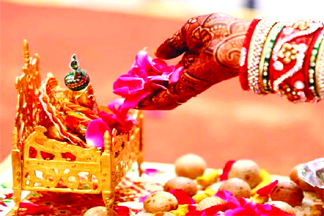
An image or idol of Lord Satyanarayan is placed on a decorated altar. Sacred offerings commonly include fruits, flowers, milk, clarified butter, betel leaves, rice grains, incense and tulsi leaves. A special sweet offering prepared from wheat flour, sugar, banana and milk is considered particularly important in many traditions.
The ceremony generally begins with prayers to Ganesha, the remover of obstacles, followed by invocation of Lord Satyanarayan. Sacred hymns and prayers dedicated to Lord Vishnu are recited while offerings are made with devotion. The central part of the observance is the narration of the Satyanarayan story, which contains several episodes illustrating the rewards of faith, humility and truthfulness. These stories describe the lives of merchants, kings, labourers and ordinary householders whose fortunes change through devotion and righteous conduct.
The ceremony concludes with devotional singing, prayer offerings and distribution of sacred food among family members, neighbours and guests. Sharing the blessed offering symbolizes unity, equality and collective blessings.
The Sacred Narratives and Their Teachings
The stories associated with Satyanarayan Puja form the spiritual core of the observance. One narrative tells of a poor Brahmin who attains prosperity after sincerely worshipping Lord Satyanarayan. Another describes a humble woodcutter whose life changes through devotion and faith.
One of the most well-known stories concerns a wealthy merchant who forgets his promise to perform the worship after receiving divine blessings. Misfortune follows until he repents sincerely and fulfils his vow. Through such narratives, the observance teaches the importance of gratitude and keeping one’s promises.
Another story speaks of a proud king who ignores the sacred worship and suffers hardships before learning humility and devotion. Together, these sacred accounts emphasize that divine grace is available to all who approach with sincerity, regardless of wealth or social status.
Regional Traditions Across India
Though the observance is widely celebrated across India, regional customs add unique cultural richness to the worship.
In Maharashtra, Satyanarayan Puja is commonly associated with family celebrations and community gatherings. In southern states such as Andhra Pradesh and Telangana, devotional singing and temple-based ceremonies are especially popular.
In Bengal and Odisha, the observance is closely linked with prayers for family welfare and prosperity, often accompanied by elaborate offerings and festive meals. In northern India, evening recitations followed by devotional music and community feasts are common. Among Hindu communities living abroad in countries such as United States, Canada, United Kingdom and Australia, Satyanarayan Puja remains an important means of preserving spiritual traditions and cultural identity.


Be the first to comment