


High in the serene Himalayas, where icy winds whisper through ancient mountains and the sound of sacred chants echoes across the valleys, lies Badrinath Temple – one of Hinduism’s most revered pilgrimage sites and a spiritual jewel of the famed Char Dham Yatra. Dedicated to Lord Vishnu, Badrinath is not merely a temple; it is a sacred realm steeped in mythology, devotion, penance, and divine mysteries. Yet, beneath the temple’s association with Vishnu lies another powerful spiritual thread – the profound connection between Vishnu and Lord Shiva.
The legend of Badrinath is one of divine transformation, cosmic purpose, and the harmonious relationship between two of Hinduism’s greatest deities. It is a story that reflects the unity of Shaivism and Vaishnavism and reveals how the Himalayas became the eternal abode of meditation, renunciation, and salvation.
The Sacred Land Before Vishnu
According to ancient Hindu legends, the region now known as Badrinath originally belonged to Lord Shiva. The majestic Himalayan terrain, filled with snow-clad peaks, caves, rivers, and silence, was considered Shiva’s realm of meditation and asceticism. Not far from Badrinath lies Kedarnath Temple, one of the holiest shrines dedicated to Shiva and part of the sacred Jyotirlingas.
The Himalayas have long been described in scriptures as the dwelling place of Shiva and Goddess Parvati. Shiva, the great yogi, preferred isolated mountains and deep meditation away from worldly distractions. Badrinath, with its divine stillness and breathtaking natural beauty, was once one of the regions where Shiva and Parvati resided peacefully.
But destiny had another purpose for this sacred land.
Vishnu’s Search for a Place of Meditation
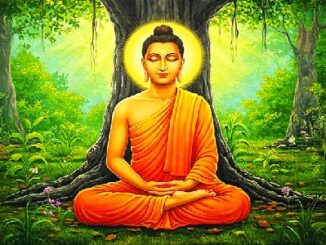
Ancient legends narrate that Lord Vishnu wished to undertake intense penance and meditation for the welfare of the universe. He searched for a place that was peaceful, spiritually powerful, and untouched by worldly disturbances. His search eventually led him to the Himalayas.
However, the area where Vishnu wished to meditate was already the abode of Shiva and Parvati. Different versions of the legend describe what happened next, but all carry deep spiritual symbolism.
One popular tale says that Vishnu arrived in the form of a crying child. When Shiva and Parvati saw the helpless child near their dwelling, Parvati’s maternal instincts awakened immediately. She insisted that the child be cared for and protected. Shiva, who is often portrayed as all-knowing, sensed that the child was no ordinary being but Lord Vishnu himself in disguise.
The divine child continued crying until Shiva and Parvati stepped away briefly to tend to him. When they returned, they found themselves unable to re-enter the abode. Vishnu had claimed the place as his own meditation site.
Understanding the deeper cosmic purpose behind this act, Shiva peacefully accepted Vishnu’s presence and moved toward Kedarnath, where he established his sacred abode. Thus, Badrinath became the seat of Vishnu, while Kedarnath remained the eternal realm of Shiva.
The story is not seen as a rivalry between the deities but as a profound symbol of divine cooperation and cosmic balance.
The Meaning Behind the Legend
The legend of Badrinath carries layers of philosophical and spiritual meaning. In Hindu thought, Shiva and Vishnu are not opposing forces but complementary manifestations of the Supreme Divine. Shiva represents renunciation, destruction of ego, and transcendental consciousness, while Vishnu symbolizes preservation, compassion, and cosmic order.
The transition of Badrinath from Shiva’s abode to Vishnu’s meditation site symbolizes the continuity of spiritual energy rather than conflict. It reflects how divine forces work together for the welfare of creation.
Pilgrims visiting both Badrinath and Kedarnath often believe that the journey is spiritually incomplete without paying homage to both Vishnu and Shiva. The two shrines, though dedicated to different deities, are deeply interconnected through mythology and devotion.
Why the Name ‘Badrinath’?
The name Badrinath comes from the Sanskrit word “Badri,” referring to wild berry trees, and “Nath,” meaning lord. According to legend, while Vishnu meditated in the harsh Himalayan climate, Goddess Lakshmi took the form of a Badri tree to protect him from snow, rain, and cold winds.
Touched by her devotion and sacrifice, Vishnu named the place Badrikashram or Badrinath – the Lord of the Badri forest.
This aspect of the legend highlights themes of love, protection, and divine companionship. Even amid extreme penance and spiritual discipline, compassion and devotion remain central to the spiritual path.
Nar and Narayan: The Eternal Sages
Badrinath is also associated with the twin sages Nar and Narayan, who are considered incarnations of Vishnu engaged in eternal meditation for the welfare of humanity. The towering mountain peaks near the temple are named after them, adding another layer of sanctity to the region.
Ancient scriptures describe Badrinath as a land where sages, saints, and seekers performed severe austerities to attain liberation. The Alaknanda River flowing beside the temple is regarded as spiritually purifying, and every stone and mountain in the region is believed to carry divine vibrations.
Adi Shankaracharya and the Revival of Badrinath
Though the temple’s origins are ancient, the shrine is believed to have been revived in the 8th century by Adi Shankaracharya. According to tradition, he discovered the black stone idol of Vishnu in the Alaknanda River and enshrined it in the temple.
Shankaracharya’s efforts helped re-establish Badrinath as a major pilgrimage centre and strengthened its role in Hindu spiritual life. Since then, millions of devotees from across India and the world have undertaken the difficult Himalayan journey to seek blessings at the sacred shrine.
The Spiritual Experience of Badrinath
Even today, pilgrims describe Badrinath not simply as a destination but as a deeply transformative spiritual experience. The towering mountains, icy rivers, and thin Himalayan air create an atmosphere where worldly concerns seem distant and insignificant.The temple’s vibrant rituals, ringing bells, sacred hymns, and flickering lamps evoke a sense of timeless devotion. Many devotees believe that prayers offered at Badrinath cleanse the soul and bring one closer to liberation.
At the same time, the nearby presence of Kedarnath reminds pilgrims of Shiva’s eternal connection to the region. Together, the two shrines symbolize harmony between devotion and detachment, preservation and transformation, Vishnu and Shiva.
A Message of Unity
One of the most beautiful aspects of the Badrinath legend is its message of unity within Hindu spirituality. Though different traditions may worship Shiva or Vishnu as supreme, the story of Badrinath shows that the divine ultimately transcends divisions.
Shiva willingly made way for Vishnu’s meditation, while Vishnu honoured the sacredness of Shiva’s Himalayan realm. Their relationship reflects mutual respect, cosmic purpose, and spiritual interconnectedness.


Be the first to comment