
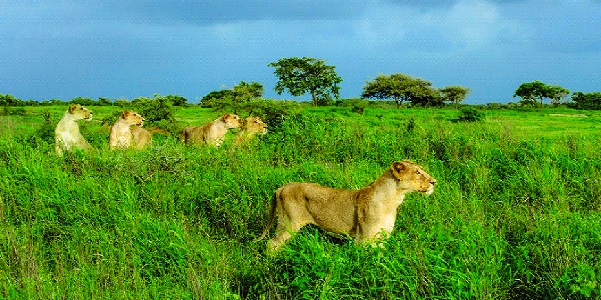

Deep in the western state of Gujarat lies a landscape where the roar of lions echoes through dry deciduous forests and ancient tribal traditions continue to thrive amid nature’s raw beauty. Gir National Park, popularly known simply as Gir, is one of India’s most extraordinary wildlife destinations. Famous as the last natural habitat of the endangered Asiatic lion, Gir is not just a sanctuary for wildlife enthusiasts but also a fascinating cultural region home to the unique Siddi community-people of African descent who have lived in India for centuries.
A journey to Gir is more than a safari experience. It is an exploration of wilderness, history, tribal culture and biodiversity woven together in one unforgettable destination.
The Last Refuge of the Asiatic Lion
Gir National Park and Wildlife Sanctuary is globally renowned as the only place on Earth where Asiatic lions roam freely in the wild. Once spread across large parts of Asia and the Middle East, these majestic big cats faced near extinction due to hunting and habitat loss. By the late 19th century, only a handful of lions survived in the Gir forests. Thanks to conservation efforts initiated by the Nawabs of Junagadh and later strengthened by the Indian government, the lion population gradually recovered. Today, Gir stands as one of India’s greatest wildlife conservation success stories.
Unlike their African cousins, Asiatic lions are slightly smaller, possess a distinctive fold of skin along their bellies and often move in smaller prides. Spotting a lion resting beneath acacia trees or walking regally through the grasslands is an experience that leaves visitors awestruck.
Apart from lions, Gir is home to leopards, striped hyenas, jackals, crocodiles, antelopes, nilgai, sambar deer and over 300 species of birds, making it a paradise for wildlife photographers and nature lovers.
A Landscape of Untamed Beauty
The landscape of Gir is dramatic and diverse. Dry teak forests, rugged hills, grasslands, rocky terrain and perennial rivers create a rich ecological environment. During sunrise, the forest awakens with birdsong and golden light filtering through the trees, while evenings bring cool breezes and the distant calls of wildlife.
The Kamleshwar Dam within the sanctuary is often referred to as the “lifeline of Gir” and attracts numerous marsh crocodiles and migratory birds. The changing colours of the forest across seasons-from dusty summer tones to lush monsoon greenery-add to Gir’s magical charm.
For travellers seeking a deeper connection with nature, Gir offers a rare opportunity to experience wilderness in its purest form.
Safari Adventures in Gir
One of the biggest attractions in Gir is the thrilling jungle safari. Conducted in designated zones, these safaris allow visitors to venture deep into lion territory accompanied by trained guides and forest officials.
The excitement of tracking pugmarks, hearing alarm calls from deer or suddenly spotting a lion emerging from the bushes creates an adrenaline-filled experience unlike any other. Early morning safaris are especially popular as wildlife sightings are more frequent during cooler hours.
Jeep safaris also provide opportunities to witness Gir’s lesser-known inhabitants including leopards lounging on rocky outcrops, peacocks dancing in the forest and crocodiles basking near water bodies.
Nature interpretation centres and eco-tourism initiatives in the region further help visitors understand the fragile ecosystem and conservation efforts that protect Gir’s biodiversity.
The Siddi Community: Africa
in the Heart of India
One of the most fascinating aspects of Gir is its connection to the Siddi tribe, often referred to as the “African tribe of India.” The Siddis are believed to be descendants of Africans brought to India centuries ago by Arab traders, Portuguese colonisers and regional rulers.
Today, many Siddis live in villages around Gir and parts of Gujarat and Karnataka. Despite centuries of integration into Indian society, they continue to preserve elements of their African heritage through music, dance and cultural traditions.
Their vibrant Dhamal dance, performed with rhythmic drums and energetic movements, reflects unmistakable African influences blended with Indian spirituality. Watching a Siddi cultural performance offers travellers a rare glimpse into a unique Indo-African identity found nowhere else in the country.
The Siddis have also become an integral part of the Gir ecosystem, with many communities involved in agriculture, labour and forest-related activities.
Maldharis: The Pastoral Guardians of Gir
Another important community associated with Gir is the Maldharis, traditional pastoralists who have coexisted with lions for generations. Living in settlements called “nesses” within the forest, the Maldharis rear cattle and buffaloes while maintaining a remarkable balance with wildlife.
Their stories of living alongside lions reveal a deep understanding of nature and mutual coexistence rarely seen elsewhere. Many travellers visiting Gir are fascinated by the simplicity and resilience of Maldhari life.
Best Time to Visit Gir
The ideal time to visit Gir is between December and March when the weather remains pleasant and wildlife sightings are more comfortable. Summers from April to June can be extremely hot, but they also offer excellent opportunities to spot lions near water sources.
The park remains closed during the monsoon season, usually from mid-June to mid-October, to allow the ecosystem to rejuvenate.
Beyond the Jungle
Gir’s surrounding region also offers several attractions worth exploring. The historic town of Junagadh is known for ancient forts, palaces and Buddhist caves. The sacred Somnath Temple, one of the twelve Jyotirlingas of Lord Shiva, lies a few hours away and attracts pilgrims from across the country.
Coastal towns nearby offer glimpses of Gujarat’s maritime beauty, while local villages provide opportunities to experience authentic Gujarati cuisine and hospitality.


Be the first to comment