
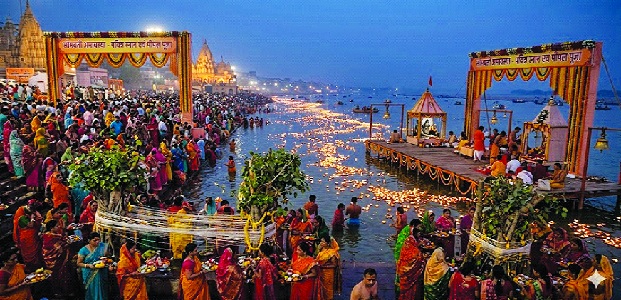

In the spiritual traditions of Hinduism, Amavasya or the new moon day holds immense religious and mystical significance. It is considered a powerful time for introspection, prayer, ancestral worship and spiritual purification. Among all Amavasyas observed during the year, Somvati Amavasya occupies a particularly revered place. When the sacred new moon day falls on a Monday—known as Somvar—it is celebrated as Somvati Amavasya, a rare and highly auspicious occasion believed to multiply the spiritual benefits of fasting, charity and worship.
Deeply rooted in ancient scriptures and traditions, Somvati Amavasya is associated with devotion to Lord Shiva, worship of ancestors, and prayers for prosperity, marital harmony and inner peace. The day is observed with fasting, holy baths, sacred rituals and acts of charity by devotees across India.
The Meaning and Significance of Somvati Amavasya
The word “Somvati” is derived from “Som,” another name for the Moon as well as Monday, the day dedicated to Lord Shiva. “Amavasya” refers to the new moon phase, symbolising darkness, silence and spiritual withdrawal. The convergence of Monday and Amavasya is believed to create spiritually charged energies that help devotees cleanse karmic burdens and receive divine blessings.
In Hindu philosophy, the moon governs the mind and emotions. The absence of the moon during Amavasya signifies detachment from worldly distractions and an opportunity for deep spiritual reflection. Since Monday is associated with Lord Shiva—the destroyer of negativity and the lord of transformation—the day becomes highly auspicious for meditation, penance and worship.
Somvati Amavasya is also regarded as an important occasion for honouring ancestors through rituals known as Pitru Tarpan and Shraddha. According to belief, prayers and offerings made on this day help departed souls attain peace while blessing descendants with prosperity and protection.
Mythological Legends Associated With Somvati Amavasya
Several ancient legends underline the sanctity of Somvati Amavasya. One of the most popular stories is connected with the devotion and determination of a pious woman who saved her husband’s life through the observance of this sacred fast.
According to legend, a learned astrologer once predicted that a young girl would become widowed shortly after marriage. Distressed by this prophecy, her family sought guidance from saints and sages. They were advised that only the blessings of a spiritually powerful woman named Sona could alter destiny.
The girl served Sona with utmost sincerity and devotion. Pleased with her humility, Sona blessed her with a long and prosperous married life. When the prediction eventually came true and the husband collapsed lifeless, Sona transferred the spiritual merit earned from observing Somvati Amavasya fasts to revive him.
The story symbolises the transformative power of faith, selflessness and spiritual discipline. It is believed that women who observe Somvati Amavasya vrat with devotion are blessed with marital happiness, longevity of their husbands and family well-being.
Another belief associates the day with Lord Shiva and Goddess Parvati. Devotees worship the divine couple seeking harmony, peace and protection from negative influences.
Rituals and Observances
Somvati Amavasya is observed with elaborate rituals beginning before sunrise. Devotees wake early, take a holy bath—often in sacred rivers—and wear clean or traditional clothes before beginning prayers.
Holy Bath and Pilgrimage
Bathing in sacred rivers such as the Triveni Sangam, the Har Ki Pauri or the Ganga River is considered especially meritorious on Somvati Amavasya. Devotees believe that taking a dip in holy waters cleanses sins and purifies the soul. Many pilgrims travel to temples dedicated to Lord Shiva and Lord Vishnu to offer prayers and seek blessings.
Fasting and Worship
Women, especially married women, observe a strict fast on Somvati Amavasya for the well-being and longevity of their husbands. Some devotees consume only fruits and milk, while others observe a complete fast until evening prayers.
Special worship is offered to Lord Shiva using sacred items such as water, milk, honey, bilva leaves, sandalwood paste and flowers. Chanting of Shiva mantras, recitation of the Maha Mrityunjaya Mantra and reading of vrat katha form important parts of the observance.
Peepal Tree Worship
One of the most unique rituals associated with Somvati Amavasya is the worship of the Peepal tree, considered sacred in Hinduism. Devotees circumambulate the tree 108 times while tying sacred threads around it and praying for prosperity and protection.
The Peepal tree is believed to symbolise the presence of Lord Vishnu, Goddess Lakshmi and ancestors. Worshipping it on Somvati Amavasya is said to remove obstacles and grant spiritual merit.
Charity and Feeding the Needy
Acts of charity hold immense importance on this day. Donating food, clothes, grains and money to the poor is believed to bring blessings and reduce karmic debts. Feeding cows, birds and needy people is also considered highly auspicious.
Spiritual Importance of Ancestor Worship
Amavasya has long been associated with ancestral energies in Hindu tradition. Somvati Amavasya is considered especially powerful for offering prayers to forefathers. Rituals such as Tarpan and Pind Daan are performed to express gratitude toward ancestors and seek their blessings.
According to Hindu belief, ancestors continue to influence the fortunes and well-being of future generations. Performing rituals with sincerity helps maintain harmony between the living and the departed while ensuring spiritual peace for the souls of ancestors.
Symbolism of Somvati Amavasya
Beyond rituals and customs, Somvati Amavasya carries profound spiritual symbolism. The darkness of the moonless night represents the inner darkness of ignorance, ego and negativity. Through fasting, prayer and self-discipline, devotees seek to illuminate the soul with wisdom and divine grace.
The observance teaches the values of patience, humility, devotion and detachment from material distractions. It encourages people to pause from worldly pursuits and reconnect with spirituality and self-awareness.
The worship of Lord Shiva on this day also symbolises destruction of negativity and transformation of consciousness. Shiva represents stillness amidst chaos, teaching devotees to remain balanced and calm even during life’s uncertainties.
Celebrations Across India
Somvati Amavasya is observed with great devotion in many parts of India including Uttar Pradesh, Bihar, Madhya Pradesh, Rajasthan, Maharashtra and Uttarakhand. Temples witness large gatherings of devotees offering prayers and participating in special rituals. Sacred towns such as Varanasi, Haridwar and Prayagraj become vibrant centres of spiritual activity. Devotees gather along riverbanks before dawn to take ritual baths and chant hymns.
In many households, women prepare traditional offerings and perform prayers collectively with family members, reinforcing the festival’s emotional and cultural significance.
Lessons From Somvati Amavasya
In today’s fast-paced world, Somvati Amavasya serves as a reminder of the importance of spiritual reflection and gratitude. The observance highlights the connection between actions, karma and inner peace. It teaches that true strength lies not merely in rituals but in sincerity, compassion and self-discipline.
The festival also underscores respect for ancestors, harmony within families and the timeless human quest for spiritual fulfilment.

Be the first to comment