
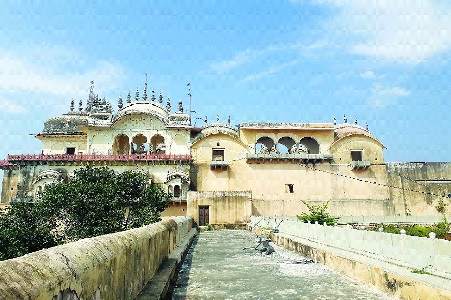

Nestled in the Aravalli hills, Alwar blends centuries-old forts, mysterious ruins, tranquil lakes, wildlife adventures and royal culinary traditions, making it an appealing getaway from Delhi and a gateway to Rajasthan’s rich cultural landscape.
Rajasthan is known for its magnificent palaces, colorful bazaars and formidable forts, but beyond the celebrated destinations of Jaipur, Udaipur and Jodhpur lies Alwar, a historic city that offers a different perspective on the state’s royal legacy. Located in northeastern Rajasthan, Alwar combines the charm of an old princely town with the natural beauty of the Aravalli hills, making it an attractive destination for history enthusiasts, wildlife lovers and weekend travelers.
Situated approximately 150-170 km from Delhi and around 150 km from Jaipur by road, Alwar is among the convenient gateways to Rajasthan for travellers from northern India. Its landscape is dotted with ancient fortifications, heritage buildings, lakes and forested hills, while nearby attractions include the renowned Sariska Tiger Reserve and the atmospheric ruins of Bhangarh Fort.
The city’s appeal extends beyond sightseeing. Alwar is known for its traditional markets, local crafts, regional cuisine and the much-loved Alwar ka mawa, a rich milk-based sweet. Its annual trade fair and cultural festivities add to its lively character, offering visitors a glimpse of the traditions that continue to shape everyday life in the region.
Whether exploring a centuries-old fort, watching wildlife in a protected forest or enjoying the quiet beauty of a lakeside palace, Alwar offers an experience that brings together Rajasthan’s natural and cultural heritage.
Sariska Tiger Reserve: Into the wilderness
One of Alwar’s most celebrated attractions is Sariska Tiger Reserve, a vast protected landscape in the Aravalli hills. Its terrain encompasses dry deciduous forests, grasslands, rocky outcrops and valleys, creating a varied habitat for wildlife.
Once a hunting ground associated with the former rulers of Alwar, the area gradually evolved into an important conservation landscape. Sariska became a wildlife sanctuary in 1955, was brought under Project Tiger in 1978 and was declared a national park in 1982.
The reserve is particularly known for its Royal Bengal tigers. Its conservation history has also drawn national attention: after the local tiger population disappeared in the early 2000s, a tiger reintroduction programme began in 2008, with animals translocated from Ranthambore Tiger Reserve. Sariska became a landmark in India’s efforts to restore a locally extinct tiger population through relocation.
Apart from tigers, the reserve supports leopards, striped hyenas, jungle cats, jackals, sambar deer, chital, nilgai and wild boar. Its birdlife includes several species of raptors and other resident and migratory birds, making it attractive to wildlife photographers and birdwatchers.
A safari through Sariska offers the chance to experience the rugged beauty of the Aravallis, where rocky hills meet stretches of woodland and open grassland. Sightings of elusive predators are never guaranteed, but the landscape itself is a major part of the experience.
The reserve also contains historical and religious attractions, including the ancient Neelkanth Mahadev Temple complex, which reflects the region’s architectural and spiritual heritage.
Travel tip: Plan a safari in advance, check the latest entry arrangements and follow the reserve’s wildlife regulations. The forest is a protected ecosystem, and sightings depend on natural conditions.
Bhangarh Fort: History wrapped in mystery
Few places in Rajasthan have acquired a reputation as intriguing as Bhangarh Fort. Located in the Alwar district, this 17th-century fortified settlement is famous for its ruined palaces, temples and legends of supernatural activity.
The fort is generally associated with Madho Singh, the son of Amber ruler Bhagwant Das. Its name is sometimes linked to his grandfather Man Singh, although accounts of the name’s origin vary. The complex includes the remains of residential buildings, temples, marketplaces and gateways that once formed part of a thriving settlement.
Visitors enter through one of the historic gates before encountering the atmospheric ruins of the old town. The Lahori Gate, Ajmeri Gate, Phulbari Gate and Delhi Gate are among the entrances traditionally associated with the complex.
Within the fortified area, temples dedicated to Hindu deities stand among crumbling structures and remnants of former palaces. The contrast between the surviving stone architecture and the surrounding hills gives Bhangarh a distinctive character.
The legend behind the haunted fort
Bhangarh is popularly described as one of India’s most haunted places. Local folklore includes stories of a curse associated with a holy man and a tale involving a princess and a sorcerer. Different versions of these legends circulate, adding to the site’s mystique.
These accounts, however, are folklore rather than established historical evidence. The fort’s abandoned condition and evocative ruins have helped sustain its reputation, but there is no verified evidence that the site is haunted.
For travellers, Bhangarh’s real fascination lies in the combination of history, architecture, landscape and storytelling. The ruins offer a glimpse into a past settlement while demonstrating how legends become embedded in the identity of a place.
Bala Quila: Mighty fort overlooking Alwar
Rising above the city, Bala Quila, also known as Alwar Fort, is one of the most striking landmarks in the region. Perched on a high ridge of the Aravalli range, it offers sweeping views of Alwar and the surrounding countryside.
The fort’s origins predate the establishment of the modern Alwar state, and its history reflects the changing powers that controlled this strategically important region. It is associated with Hasan Khan Mewati and subsequently came under different ruling houses and political powers.
In 1775, Pratap Singh, regarded as the founder of the Alwar princely state, captured the fort and established the foundations of the state. His rise marked an important chapter in the region’s political history.
The massive fortification stretches along the hilltop, with long defensive walls, watchtowers and a series of historic gates. These include Jai Pol, Suraj Pol, Laxman Pol, Chand Pol, Krishen Pol and Andheri Gate.

Be the first to comment