
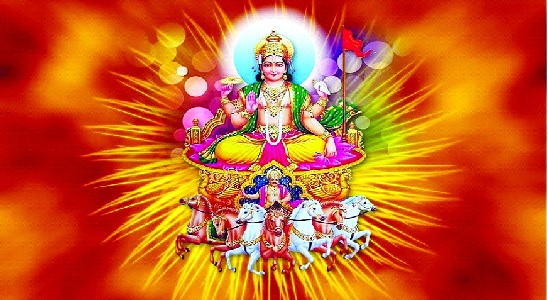

Dedicated to Lord Surya, Kamda Saptami Vrat is a sacred observance centered on devotion, self-discipline, and the fulfillment of righteous desires. Rooted in the Hindu tradition of sun worship, the vrat reminds devotees to welcome the light of wisdom, cultivate inner strength, and express gratitude for the life-giving energy of the Sun.
The Sun has occupied a place of profound reverence in Hindu spiritual tradition since ancient times. Rising each morning to illuminate the world, it is regarded as the visible source of light, warmth, vitality, and life. In Hinduism, Lord Surya is worshipped as the divine embodiment of this life-sustaining energy, a celestial deity who illuminates the universe and symbolically dispels the darkness of ignorance.
Among the observances dedicated to the Sun God is Kamda Saptami Vrat, a religious fast associated with the seventh lunar day, known as Saptami, in the Hindu lunar calendar. The observance is described in some contemporary vrat traditions as a means of seeking Surya’s blessings for prosperity, good health, family well-being, and the fulfillment of sincere wishes.
The vrat forms part of the wider Hindu tradition of Saptami observances, in which devotees worship the Sun God through prayers, offerings, fasting, and acts of charity. Its spiritual emphasis lies not only in seeking divine blessings but also in cultivating gratitude, restraint, and a disciplined approach to life.
The origin of Kamda Saptami Vrat
The roots of Kamda Saptami lie in the ancient Hindu tradition of Surya worship. The Sun is revered in Vedic literature, including the Rigveda, where hymns invoke solar deities and celebrate the Sun’s illuminating and life-sustaining power.
Over time, sun worship developed into a variety of devotional practices, temple traditions, and religious vows. Several Puranic texts describe observances associated with Saptami, assigning particular importance to the seventh lunar day for worshipping Surya.
A related observance, Kamala Saptami, appears in discussions of Puranic sun-worship traditions, with references to the Matsya Purana, Padma Purana, and Bhavishyottara Purana. Its rituals include worshipping the Sun God with a lotus symbol, making offerings, praying, and performing charitable acts.
Kamda Saptami is described in some contemporary religious traditions as a vrata devoted to Surya, observed on Saptami in the bright lunar fortnight. The exact name, ritual details, and duration can differ across regional traditions.
It is important to distinguish Kamda Saptami from Kamada Ekadashi, a separate observance dedicated to Lord Vishnu and associated with the eleventh lunar day. Although their names are similar, the two observances have different traditional associations.
The spiritual significance of Lord Surya
In Hindu tradition, Lord Surya is revered as the source of light, energy, and vitality. He is also associated with clarity, knowledge, discipline, authority, and the power to overcome darkness.
Unlike deities whose presence is approached primarily through sacred images or temple rituals, Surya is visible to everyone. His daily appearance in the sky has made him a powerful symbol of divine presence and the continuity of life. Surya is traditionally depicted riding a chariot drawn by seven horses. This imagery is interpreted in different ways, including as a representation of the seven colors of sunlight or the seven days of the week. The chariot symbolizes movement and the passage of time, while the Sun’s regular journey across the sky represents cosmic order.
For devotees observing Kamda Saptami, worshipping Surya is an expression of gratitude for the natural forces that sustain existence. The morning prayer acknowledges that human life depends on a larger order that extends beyond individual desires and achievements.
The Sun also serves as a spiritual metaphor. Just as sunlight reveals what lies in darkness, divine wisdom is believed to help individuals recognize their shortcomings, make better decisions, and move toward a more purposeful life.
The legend and traditional beliefs associated with the vrat
The devotional traditions surrounding Kamda Saptami emphasize the power of sincere worship, self-restraint, and charity. According to accounts of the vrat circulated in contemporary Hindu religious literature, its observance is associated with the blessings of Lord Surya and the fulfillment of righteous wishes.
One account describes Brahma explaining the glory of Kamda Vrat to Lord Vishnu. The observance is presented as a means of seeking prosperity, health, family well-being, and recognition through devotion to the Sun God. Unlike some popular fasts that have a single widely circulated narrative involving a king, queen, or devotee, Kamda Saptami does not appear to have one universally established vrat katha across all regions. Its spiritual significance is more consistently linked to Surya worship and the belief that devotion, discipline, and charitable conduct generate religious merit. A related Puranic tradition, Kamala Saptami, prescribes the worship of Surya through a lotus offering and a series of monthly observances. The lotus is a powerful symbol in Hindu spirituality: it grows in muddy water yet rises above it, unfolding its petals toward the light. In this sense, it represents the possibility of spiritual purity even amid the difficulties of worldly life. The lotus offering can therefore be understood as an expression of the devotee’s aspiration to rise above ignorance, selfishness, and negative tendencies. The vrat’s wider devotional message is that sincere prayer should be accompanied by good conduct. Seeking prosperity becomes meaningful when it is balanced with generosity; seeking health is accompanied by care for the body; and seeking success is strengthened by honesty and perseverance.
Rituals and observances
The precise procedure for observing Kamda Saptami may vary according to family tradition, regional calendars, and the guidance followed by devotees. The following is a general outline based on common Surya Saptami worship practices.
Preparing for the vrat
Devotees may begin their observance on the preceding sixth lunar day, known as Shashthi, by eating a simple meal and preparing for the fast. Those following a particular family or temple tradition should consult its prescribed rules regarding food, prayer, and the duration of the observance.
The emphasis is on entering the vrat with a calm mind and a sincere intention. Devotees may resolve to practice truthfulness, patience, compassion, and self-restraint throughout the observance.
Taking an early morning bath
On Saptami, devotees traditionally rise early and bathe before sunrise or in the morning. The bath symbolizes physical cleanliness and mental preparation for worship. After bathing, they wear clean clothes and prepare a place for prayer. An image of Lord Surya or a simple arrangement for offering water may be used, depending on the family’s practice.
Some devotees also clean the prayer area and light a lamp as a sign of devotion.
Offering water to Lord Surya
One of the best-known rituals of Surya worship is the offering of water, commonly called arghya, to the rising Sun.
The devotee stands facing the Sun and slowly pours water from a clean vessel, often a copper vessel, while offering prayers. Flowers or red-colored offerings may be included according to local custom.
The ritual expresses gratitude to the deity for sustaining life. The rising Sun is also associated with new beginnings, making the morning offering a symbolic act of renewal.
Devotees may chant a simple prayer such as:
Om Suryaya Namah.
The mantra means, “Salutations to the Sun God.”
Other traditional Surya mantras or hymns may be recited according to the devotee’s practice.
Worshipping the Sun God
Following the water offering, devotees may offer flowers, incense, sandalwood paste, fruits, and other customary items. A lamp may be lit, and prayers or hymns dedicated to Surya may be recited.
Some traditions include recitation of the Aditya Hridayam, a hymn associated with the Ramayana, or other Surya stotras. The worship may be accompanied by meditation, quiet reflection, or the practice of Surya Namaskar, provided the devotee is physically comfortable.

Be the first to comment