
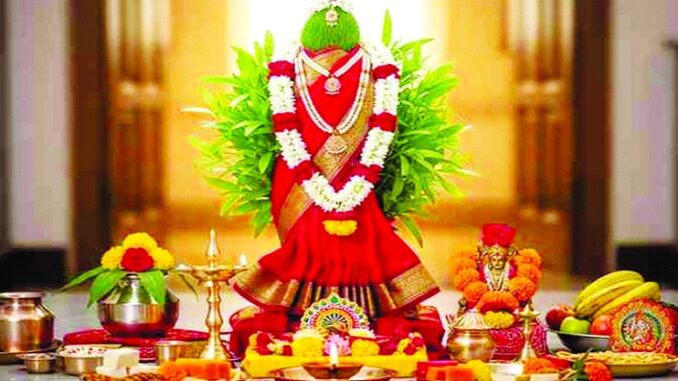

In Hinduism, nature is not merely a creation to be admired but a manifestation of the divine to be revered. Trees, rivers, mountains and plants occupy a special place in the spiritual imagination, reminding humanity of its inseparable relationship with the natural world. Among the most sacred plants is Tulsi, also known as Holy Basil, which is worshipped in Hindu households as a manifestation of divine feminine energy and an embodiment of purity, devotion and auspiciousness.
Every year, during the sacred month of Kartik, devotees celebrate Tulsi Vivah, the ceremonial wedding of Goddess Tulsi with Lord Vishnu, usually represented by the Shaligram stone or an image of Lord Krishna. The occasion is observed on Kartik Shukla Dwadashi in many traditions, although some communities celebrate it on Kartik Shukla Ekadashi or Kartik Purnima.
More than a symbolic wedding, Tulsi Vivah represents the eternal relationship between the divine masculine and feminine, the sanctity of commitment and the spiritual power of unwavering devotion. It also marks the end of Chaturmas, the four-month period traditionally associated with the cosmic slumber of Lord Vishnu, and heralds the return of auspicious ceremonies, including Hindu marriages.
The legend of Vrinda
The story of Tulsi Vivah is deeply connected with the legend of Vrinda, a woman whose extraordinary devotion and spiritual strength became central to one of Hinduism’s most enduring mythological narratives.
According to a popular Puranic account, Vrinda was a deeply religious and devoted woman married to Jalandhar, a powerful asura king. Her unwavering faithfulness and spiritual purity were believed to provide her husband with extraordinary protection. So long as Vrinda’s devotion remained unbroken, Jalandhar could not be defeated. Empowered by this divine protection, Jalandhar became increasingly arrogant and challenged the gods. His growing strength disturbed the cosmic order, and the gods eventually sought the intervention of Lord Shiva and Lord Vishnu.
Even Lord Shiva found it difficult to defeat Jalandhar because of the spiritual power protecting him through Vrinda’s devotion. Realising that the conflict could not be resolved through ordinary means, Lord Vishnu devised a plan to end Jalandhar’s tyranny.
According to the widely narrated version, Lord Vishnu assumed the appearance of Jalandhar and approached Vrinda. Believing him to be her husband, she welcomed him. This broke the spiritual protection that had made Jalandhar invincible, allowing Lord Shiva to defeat him.
When Vrinda discovered that she had been deceived, she was devastated. Overcome by grief and anger, she cursed Lord Vishnu and withdrew from worldly life. Different Puranic and regional accounts describe the curse and her transformation in varying ways.
In the popular tradition associated with Tulsi Vivah, Vrinda eventually became the sacred Tulsi plant. Lord Vishnu, moved by her devotion, blessed her with eternal reverence and promised to remain united with her in his Shaligram form. He also declared that his worship would be incomplete without Tulsi leaves.
Thus, the sacred marriage of Tulsi and Lord Vishnu came to symbolize the eternal bond between Vrinda’s devotion and divine grace. The annual celebration commemorates this union and honours the spiritual legacy of a woman whose faith became immortal.
The sacred significance of Tulsi
Tulsi occupies a unique position in Hindu religious life. Revered as Tulsi Mata, she is regarded in many Vaishnava traditions as an embodiment or manifestation of Goddess Lakshmi, the divine consort of Lord Vishnu. She is also associated with Vrinda, the devoted woman of the Puranic legend.
The plant is considered a symbol of purity, prosperity, spiritual protection and divine presence. In traditional Hindu households, Tulsi is often planted in a specially constructed pedestal called Tulsi Vrindavan, usually located in the courtyard or near the entrance of the home. Lighting a lamp beside the plant, offering water and circumambulating it are considered acts of devotion. Many families begin their mornings by offering prayers to Tulsi, seeking peace, good health and harmony.
Tulsi leaves hold special importance in the worship of Lord Vishnu, Lord Krishna and other Vaishnava deities. They are traditionally offered during prayers and placed in sacred food offerings, including prasad. The belief that Vishnu’s worship is incomplete without Tulsi reflects the plant’s central place in devotional practice.
The festival also carries a deeper message about respecting nature. By elevating a plant to the status of a goddess, Hindu tradition encourages reverence for the natural world and recognizes the spiritual significance of nurturing and protecting life.
Why is Tulsi Vivah celebrated?
Tulsi Vivah is celebrated to commemorate the divine marriage of Goddess Tulsi and Lord Vishnu. It is traditionally observed after Lord Vishnu awakens from his four-month cosmic rest, known as Chaturmas.
According to Hindu belief, Lord Vishnu enters Yog Nidra, or divine sleep, on Devshayani Ekadashi in the month of Ashadha and awakens on Prabodhini Ekadashi, also known as Devutthana Ekadashi, in Kartik. His awakening signifies the restoration of auspiciousness and the resumption of important religious and social ceremonies.
Tulsi Vivah is performed on or shortly after this occasion, depending on regional customs and the family calendar. It is regarded as an auspicious event marking the beginning of the Hindu wedding season.
The festival also represents the victory of devotion over adversity. Vrinda’s transformation into Tulsi is remembered as a reminder that sincere faith, spiritual discipline and devotion possess an enduring place in the divine order. For married women, worshipping Tulsi on this occasion is traditionally associated with prayers for the long life and well-being of their husbands, marital happiness and family prosperity. Unmarried women also observe the festival, seeking blessings for a harmonious married life.
The spiritual symbolism
The marriage of Tulsi and Vishnu is not simply a reenactment of a mythological wedding. It carries several layers of spiritual meaning.
Devotion and surrender: Vrinda’s story represents unwavering devotion and the strength of faith. Tulsi’s place beside Vishnu symbolizes the idea that sincere devotion brings the individual soul closer to the divine.
Purity and auspiciousness: Tulsi is regarded as one of the purest offerings in Hindu worship. Her association with Vishnu represents spiritual cleanliness, sacredness and the presence of divine blessings in everyday life.
The union of divine energies: The wedding symbolizes harmony between the feminine and masculine principles of creation. Tulsi represents devotion and nurturing energy, while Vishnu represents preservation, protection and cosmic balance.
Renewal and new beginnings: The festival follows the awakening of Lord Vishnu after Chaturmas. It therefore signifies the return of auspiciousness, the renewal of spiritual commitments and the beginning of a favourable period for marriages and other ceremonies.
Tulsi Vivah rituals and celebrations
Preparations begin with cleaning the courtyard and the area surrounding the Tulsi plant. The Tulsi Vrindavan is decorated with flowers, rangoli, mango leaves and colorful fabrics. Some
families adorn it with turmeric, vermilion and decorative motifs.
The plant is dressed like a bride, often with a red or yellow cloth, miniature ornaments, bangles and a decorative veil. A small mandap is constructed around it, creating the atmosphere of a traditional wedding ceremony.
Many devotees observe a fast on Tulsi Vivah. Some undertake a complete fast, while others consume fruits, milk and permitted fasting foods. The fast is observed as an expression of devotion to Lord Vishnu and Goddess Tulsi.
Devotees take a religious vow, known as Sankalp, before beginning the puja. They pray for family happiness, prosperity, marital harmony and spiritual well-being.
The ceremony begins with prayers to Lord Ganesha, seeking his blessings for the successful completion of the wedding rituals.



Be the first to comment