


As the autumn evening settles over Punjab and the first lamps begin to glow, one of the most significant celebrations in Sikh history unfolds. Known as Bandi Chhor Divas, the festival marks a defining moment of courage, compassion and spiritual leadership in the life of Guru Hargobind Sahib Ji, the sixth Sikh Guru.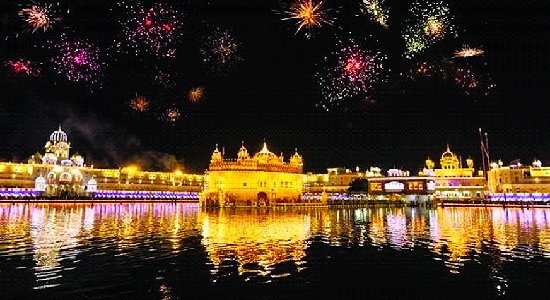
Celebrated on the same day as Diwali, Bandi Chhor Divas commemorates the Guru’s release from imprisonment at Gwalior Fort in 1619, along with 52 Hindu kings who had been held captive. Rather than accepting his freedom alone, the Guru ensured that the imprisoned rulers were also released.
The occasion is therefore much more than a festival of lights. It is a celebration of liberation, justice, selflessness and the responsibility to stand up for the freedom of others.
Guru Hargobind Sahib Ji and the 52 Kings
The origins of Bandi Chhor Divas take us back to the early seventeenth century, during the reign of Mughal Emperor Jahangir.
Guru Hargobind Sahib Ji, who became the sixth Sikh Guru in 1606 following the martyrdom of his father, Guru Arjan Dev Ji, introduced an important dimension to Sikh leadership. He emphasized the need to combine spiritual devotion with the courage to defend justice and protect the oppressed.
This philosophy found expression in the concept of Miri-Piri, represented by two swords. Piri symbolized spiritual authority, while Miri represented temporal responsibility. Together, they expressed the Sikh belief that spirituality and social responsibility must go hand in hand.
According to Sikh historical tradition, Guru Hargobind Sahib Ji was imprisoned at Gwalior Fort by Emperor Jahangir. During his imprisonment, he encountered 52 Hindu rulers who were also being held captive.
When the Guru’s release was eventually ordered, he refused to leave while the other prisoners remained behind.
According to the popular account, the Guru agreed to leave only if the imprisoned rulers could accompany him. A condition was reportedly imposed that only those who could hold on to his specially designed robe could leave with him.
The Guru arranged for a robe with 52 tassels, allowing each king to hold one. As he walked out of the fort, all 52 rulers walked alongside him, gaining their freedom.
This remarkable episode earned him the title Bandi Chhor, meaning the Liberator of Prisoners.
The story remains one of the most powerful examples of selflessness in Sikh history. The Guru did not consider personal freedom complete while others continued to suffer.
The Return to Amritsar: A
City Illuminated with Joy
The Guru’s arrival in Amritsar coincided with the Diwali celebrations of 1619. The Sikh community welcomed him with immense happiness and devotion.
The Harmandir Sahib, popularly known as the Golden Temple, was illuminated with lamps to celebrate his return. The city glowed with light, creating a moment that became deeply associated with Bandi Chhor Divas.
Over the centuries, the tradition of illuminating the Golden Temple has become one of the most recognisable features of the festival.
Today, thousands of devotees gather at Sri Harmandir Sahib to witness its breathtaking illumination. The reflection of the golden shrine in the sacred Amrit Sarovar, surrounded by countless lights, creates an atmosphere of extraordinary spiritual beauty.
The celebrations remind devotees of the historic return of the Guru and the timeless message of freedom that the occasion represents.
The Spiritual Significance:
Freedom Beyond Imprisonment
At its heart, Bandi Chhor Divas represents a much deeper understanding of freedom.
The word Bandi refers to a prisoner or captive, while Chhor means one who releases or liberates. Together, the words describe the Guru’s role as the liberator of those held in captivity.
However, Sikh philosophy also encourages people to look beyond physical imprisonment. Human beings can become prisoners of ego, greed, hatred, fear and attachment.
The teachings of the Sikh Gurus emphasise liberation through remembrance of the Divine, truthful living, humility and selfless service.
The Guru’s decision to secure the freedom of the 52 kings offers another important lesson: personal happiness should not come at the expense of others.
True leadership is demonstrated through compassion, and true freedom is incomplete when others remain oppressed.
These values make Bandi Chhor Divas relevant far beyond its historical setting.
How Bandi Chhor Divas Is Celebrated
Bandi Chhor Divas is observed with great devotion across Punjab and Sikh communities throughout the world. The celebrations combine religious observances, community participation and festive illumination.
Gurudwara Decorations and Illumination
Gurdwaras are beautifully decorated with flowers, lights and lamps. Sri Harmandir Sahib becomes the centre of celebrations, with its golden architecture illuminated against the night sky.
Devotees gather to experience the spiritual atmosphere and remember the historic liberation of Guru Hargobind Sahib Ji.
Prayers and Gurbani Kirtan
Special prayers, recitations of Gurbani and devotional kirtan are organized in gurdwaras. The hymns create an atmosphere of reflection and devotion, allowing the Sikh community to reconnect with the teachings of the Gurus.
Nagar Kirtans and Community Gatherings
In many places, Nagar Kirtans and religious processions are organized. Devotees participate in singing hymns, listening to spiritual discourses and celebrating the festival together.
Langar and Seva
One of the most meaningful aspects of the celebration is the tradition of Langar, the free community kitchen established in Sikh religious practice.
Volunteers prepare and serve meals to everyone, irrespective of religion, caste, background or economic status.
The spirit of Seva, or selfless service, is central to Sikh identity. During Bandi Chhor Divas, it becomes a living expression of the Guru’s message of equality, generosity and compassion.
Fireworks and Festive Lights
In many communities, the celebrations also include fireworks and elaborate lighting arrangements. Families visit gurdwaras, exchange greetings and share festive meals.
The illumination of religious spaces symbolizes the victory of spiritual wisdom over ignorance and the arrival of hope after hardship.
Bandi Chhor Divas and Diwali:
Shared Light, Distinct Histories
Although Bandi Chhor Divas is celebrated alongside Diwali, the two occasions have distinct religious and historical significance.
Diwali, particularly in Hindu traditions, is associated with different legends, including Lord Rama’s return to Ayodhya and the worship of Goddess Lakshmi. For Sikhs, Bandi Chhor Divas commemorates Guru Hargobind Sahib Ji’s release and his decision to secure the freedom of the 52 imprisoned rulers.
Both celebrations, however, share the symbolism of light, hope, renewal and the triumph of righteousness.
This shared festive atmosphere also reflects the cultural richness of India, where different religious traditions coexist and contribute to the country’s collective heritage.
The Global Celebration: Carrying
the Message Across Borders
With Sikh communities spread across the world, Bandi Chhor Divas is now celebrated internationally.
Gurdwaras in the United Kingdom, Canada, the United States, Australia and other countries organize special prayers, kirtan programs, community meals and illuminated celebrations.
For Sikh families living away from Punjab, the festival provides an opportunity to preserve their religious identity and pass historical traditions to younger generations.
The celebrations also introduce people from other communities to Sikh history and philosophy, particularly the principles of equality, courage, justice and service.
The Contemporary Relevance:
A Message for Humanity
In today’s world, where societies continue to struggle with inequality, discrimination, conflict and injustice, the story of Bandi Chhor Divas carries a powerful message.
Guru Hargobind Sahib Ji’s liberation of the 52 kings reminds us that freedom should never be viewed as an individual privilege alone. It carries a responsibility towards those who remain vulnerable or oppressed.
The festival encourages us to practice compassion, defend human dignity, respect differences and extend a helping hand to those in need.
Its emphasis on selfless service also reminds us that meaningful change often begins with small acts of kindness.
Whether through feeding the hungry, helping disadvantaged communities, supporting education or standing up against injustice, the spirit of Bandi Chhor Divas can find expression in everyday life.
The Eternal Light of Freedom
As thousands of lamps illuminate the Golden Temple and the sacred waters of Amritsar shimmer with golden reflections, Bandi Chhor Divas brings alive a remarkable chapter of Sikh history. It celebrates a Guru who chose collective freedom over personal comfort, compassion over indifference and justice over privilege.
More than four centuries after the historic event, the festival continues to inspire generations with its message of courage, humility and humanity.
The light of Bandi Chhor Divas is not confined to illuminated gurdwaras or festive celebrations. It shines through every act of kindness, every effort to protect human dignity and every gesture that helps someone break free from hardship.


Be the first to comment