
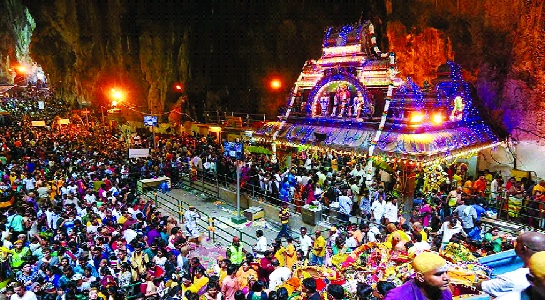

From the illuminated streets of India to the vibrant celebrations of Singapore, Nepal, Mauritius, the United Kingdom and the United States, Diwali has travelled far beyond its homeland. Today, the festival of lights is a global celebration of cultural identity, faith, family and togetherness, bringing communities across continents together through the timeless message of light over darkness and hope over despair.
As autumn evenings descend and the first lamps begin to glow, millions of people across the world prepare to celebrate Diwali, one of the most cherished festivals of Indian culture. Homes sparkle with colorful lights, doorways bloom with intricate rangolis, the fragrance of traditional sweets fills the air, and families come together to celebrate an occasion deeply rooted in faith, heritage and happiness.
Once primarily associated with the Indian subcontinent, Diwali has gradually crossed geographical boundaries to become an internationally recognised cultural celebration. Carried across oceans by generations of Indian migrants, traders and com munities, the festival has found a home in countries far removed from its birthplace.
From grand celebrations in Leicester and Singapore to spectacular illuminations in Mauritius, Nepal, Fiji and the United States, Diwali reflects the enduring influence of Indian traditions on the global cultural landscape.
Yet, despite differences in customs, languages and local practices, its central message remains universal: the triumph of good over evil, knowledge over ignorance and light over darkness.
From an Indian Festival
to a Global Celebration
The global journey of Diwali is closely connected with the movement of Indian communities across the world. During the nineteenth and twentieth centuries, Indians migrated to different parts of Asia, Africa, the Caribbean and the Pacific, taking their religious beliefs, festivals, food and cultural traditions with them.
Over generations, these communities preserved Diwali as an important link with their ancestral heritage. They established temples, cultural associations and community organisations where traditional celebrations could continue.
As Indian communities grew internationally, Diwali gradually became more visible in public life. Festivals moved beyond homes and temples into city squares, cultural centres, shopping districts and public institutions.
Today, Diwali celebrations are attended not only by Hindus, Jains, Sikhs and other communities who traditionally observe the festival but also by people from different cultural backgrounds who participate in its festivities.
This transformation has made Diwali a symbol of cultural exchange and shared humanity.
Nepal: Tihar, the Festival of
Lights and Relationships
In Nepal, Diwali is celebrated as Tihar, a five-day festival that shares many similarities with India’s Diwali but has its own distinctive traditions.
Tihar honors different relationships between humans, animals and the divine. Each day carries a special significance.
Kaag Tihar honours crows, Kukur Tihar celebrates dogs, and Gai Tihar is dedicated to cows. On Govardhan Puja or Goru Tihar, oxen are worshipped for their contribution to agricultural life. The final day, Bhai Tika, celebrates the bond between brothers and sisters.
Homes are decorated with oil lamps, colorful electric lights and marigold garlands. Beautiful rangoli-like designs known as mandalas adorn entrances, while groups of children and young people go from house to house singing traditional Deusi and Bhailo songs.
Tihar is a beautiful expression of gratitude, compassion and family affection, demonstrating how the spirit of Diwali adapts to local cultural traditions.
Singapore: A Spectacular
Festival in Little India
In Singapore, Deepavali is one of the most prominent cultural festivals, celebrated with extraordinary enthusiasm by the Indian community.
The heart of the festivities is Little India, where streets are transformed into dazzling displays of colorful arches, decorative lights and traditional motifs. Serangoon Road becomes a vibrant centre of celebration, attracting residents and visitors from across the city. The Deepavali bazaars offer everything from traditional Indian clothing and jewelery to sweets, savories, flowers and decorative items. Temples are illuminated, families exchange gifts, and special prayers are organized.
Singapore’s celebrations also highlight the multicultural character of the country. People from different ethnic and religious backgrounds visit Little India to experience the food, music, shopping and festive atmosphere.
Here, Diwali becomes more than a religious occasion; it is an important celebration of multicultural harmony and cultural identity.
Malaysia: Deepavali and
the Spirit of Togetherness
Malaysia celebrates Deepavali with great enthusiasm, particularly among its sizeable Indian-origin population.
The festival is a public holiday in most parts of the country, and preparations begin days in advance. Homes are cleaned and decorated, colorful kolams are created at entrances, and families prepare traditional delicacies.
One of the most significant customs is the early-morning oil bath, followed by prayers at home or visits to Hindu temples. New clothes are worn, relatives exchange greetings and traditional sweets are shared.
Kuala Lumpur’s Brickfields, popularly known as Little India, becomes a major attraction during the festive season. Markets brim with colorful garments, jewelery, flowers and decorative items.
The Malaysian celebration reflects the successful preservation of Indian heritage within a diverse national culture.
Mauritius: Diwali as a
Celebration of Cultural Identity
In Mauritius, Diwali holds special importance because of the island’s strong Indian cultural heritage.
Descendants of Indian indentured labourers who arrived during the nineteenth century have preserved many traditions brought from the subcontinent. Diwali is among the most cherished of these celebrations.
As the festival approaches, homes are thoroughly cleaned and decorated with rows of diyas, electric lights and colorful rangolis. Families prepare sweets such as ladoos and barfis, exchange gifts and gather for prayers.
The sight of illuminated houses across towns and villages creates a beautiful festive landscape.
Diwali in Mauritius is also a celebration of cultural continuity. It reminds younger generations of their ancestral roots while reinforcing the island’s multicultural identity.
United Kingdom: Leicester’s
Grand Diwali Celebrations
The United Kingdom is home to one of the world’s most celebrated Diwali festivals, particularly in Leicester, where the occasion attracts thousands of people every year.
Belgrave Road, popularly known as the Golden Mile, becomes the centre of the celebrations. Streets are illuminated with spectacular decorations, while cultural performances, music, dance and community gatherings create an atmosphere of extraordinary excitement.
The annual Diwali lights switch-on attracts large crowds, with families gathering to witness the illuminated streets and participate in the festivities.
Temples and community organizations arrange prayers, cultural programs and charitable activities. Indian restaurants and sweet shops become especially busy as people enjoy traditional festive delicacies.
London, Birmingham and other British cities also organize Diwali celebrations, bringing together diverse communities.
For the Indian diaspora, these celebrations represent a connection with home. For others, they offer an opportunity to discover Indian traditions and participate in a festival that celebrates hope, happiness and togetherness.
United States and Canada:
Diwali Goes Mainstream
In North America, Diwali has grown from a community-centered religious festival into a major cultural celebration.
Across the United States, Indian associations, temples, universities and cultural organisations arrange Diwali gatherings featuring classical dance, music, food festivals and traditional performances.
New York, New Jersey, California, Texas and other regions with significant Indian communities witness large-scale celebrations. Public Diwali events bring together people from different backgrounds through cultural programs and festive markets.
Schools and educational institutions increasingly organize activities that introduce students to the festival’s history and significance.
In Canada, cities such as Toronto, Brampton and Vancouver host community celebrations, while homes and temples are decorated with lamps and flowers.
The growing popularity of Diwali in North America reflects the influence of the Indian diaspora and the increasing appreciation of India’s cultural traditions.
Fiji and the Caribbean: Preserving Traditions Across Generations
In Fiji, Trinidad and Tobago, Guyana and Suriname, Diwali has deep historical connections with Indian migration.
Indian communities in these regions have preserved their cultural and religious practices across generations, making Diwali an important part of their collective identity.
In Fiji, families celebrate with prayers, sweets, lamps and colorful decorations. Cultural programs and community gatherings reinforce the importance of Indian heritage.
In Trinidad and Tobago, Diwali is celebrated on a particularly grand scale. The national Diwali Nagar celebrations feature cultural performances, traditional food, devotional music and illuminated displays. The festival is a significant part of the country’s multicultural calendar.
In Guyana and Suriname, Hindu families celebrate with traditional Lakshmi Puja, lighting rows of diyas and sharing festive meals.
These celebrations demonstrate the remarkable ability of cultural traditions to survive and flourish even after generations of geographical separation.
The Universal Message Behind the Lights
Although Diwali celebrations differ across countries, their deeper significance remains remarkably consistent.
The lighting of diyas symbolizes the victory of light over darkness. Cleaning homes represents purification and renewal, while prayers express gratitude and hope for prosperity.
The exchange of sweets and gifts strengthens relationships, and community gatherings encourage friendship and generosity.
For Hindus, Diwali is associated with different religious traditions, including Lord Rama’s return to Ayodhya and the worship of Goddess Lakshmi. For Jains, it commemorates Lord Mahavira’s attainment of Nirvana, while Sikhs observe Bandi Chhor Divas, celebrating the release of Guru Hargobind Sahib and other prisoners.
These diverse traditions enrich the festival’s global character.
In an increasingly interconnected world, Diwali also offers an opportunity to promote environmental responsibility. Eco-friendly decorations, traditional clay lamps, reduced firecracker use and charitable initiatives are encouraging more thoughtful celebrations.
One Festival, One World
Diwali’s journey across continents is a remarkable story of migration, cultural preservation and shared celebration. From the traditional courtyards of India to the illuminated streets of Singapore, Leicester and Mauritius, the festival continues to bring people together through its timeless message.
For those living far from their ancestral homeland, every diya carries memories of family, childhood and belonging. For younger generations, Diwali offers a meaningful connection with their cultural roots. And for people discovering the festival for the first time, it provides a glimpse into India’s rich spiritual and cultural heritage.
Ultimately, Diwali belongs not only to those who celebrate it through religious rituals but also to everyone who embraces its message of hope, kindness, compassion and renewal.
As millions of lamps illuminate homes and public spaces around the world, they remind us of a beautiful truth: light has no language, heritage has no boundaries, and humanity shines brightest when people come together


Be the first to comment