
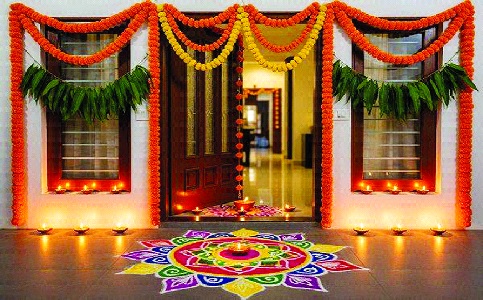

As the festive season arrives, an unmistakable transformation sweeps across India. Streets sparkle with decorative lights, homes are adorned with colorful rangolis, temples resonate with devotional hymns, and markets bustle with shoppers searching for gifts, sweets and festive essentials. The fragrance of flowers, the glow of earthen lamps and the warmth of family gatherings create an atmosphere that is unmistakably Diwali.
Known as Deepavali, meaning a row of lights, Diwali is among India’s most celebrated festivals. Yet, what makes it particularly fascinating is that the festival is not observed in exactly the same way everywhere. While the underlying message of light overcoming darkness and good triumphing over evil remains common, its stories, rituals, customs and celebrations reflect the extraordinary cultural diversity of the country.
In northern India, Diwali is closely associated with Lord Rama’s return to Ayodhya after fourteen years of exile. In parts of southern India, the festival centres on Lord Krishna’s victory over Narakasura. In Bengal, Goddess Kali is worshipped with elaborate ceremonies, while in Gujarat, the occasion is intertwined with the beginning of a new financial and business year. For Sikhs, Diwali coincides with the deeply meaningful celebration of Bandi Chhor Divas.
From one state to another, the traditions may change, but the spirit remains the same. Diwali is a celebration of faith, family, prosperity, togetherness and the enduring human desire for happiness and renewal.
North India: The Grandeur of
Lord Rama’s Homecoming
In much of northern India, Diwali is celebrated with immense enthusiasm and is traditionally associated with the return of Lord Rama, Goddess Sita and Lakshmana to Ayodhya following the completion of fourteen years of exile and Rama’s victory over Ravana.
According to the Ramayana, the people of Ayodhya welcomed their beloved prince by illuminating the kingdom with earthen lamps. This tradition is believed to have inspired the festival’s association with rows of lights.
Ayodhya: A spectacular celebration of light
Ayodhya, the birthplace of Lord Rama according to Hindu tradition, becomes one of the most prominent centres of Diwali celebrations. The city takes on a spectacular appearance as temples, ghats, streets and public spaces are decorated with lamps and colourful illumination.
The Deepotsav celebrations along the banks of the Sarayu have become particularly famous. Thousands of volunteers participate in lighting earthen diyas, transforming the riverfront into a breathtaking spectacle.
The celebrations also feature devotional performances, cultural programs, tableaux depicting episodes from the Ramayana and elaborate decorations. For devotees, visiting Ayodhya during Diwali is an opportunity to experience the spiritual atmosphere associated with Lord Rama’s homecoming.
Delhi: A festive blend of
tradition and modernity
The national capital welcomes Diwali with illuminated markets, decorated homes, colorful exhibitions and vibrant shopping destinations.
Popular markets become centers of festive activity, offering everything from traditional clothing and jewelry to sweets, decorative lights and handcrafted gifts.
Families perform Lakshmi-Ganesh Puja in the evening, exchange gifts and enjoy traditional delicacies. The city reflects a fascinating combination of age-old customs and contemporary celebrations.
Punjab: The spiritual splendor
of Bandi Chhor Divas
In Punjab, Diwali holds particular significance for the Sikh community as it coincides with Bandi Chhor Divas.
The occasion commemorates the release of Guru Hargobind Sahib Ji from imprisonment at Gwalior Fort. Sikh tradition remembers how the Guru secured the release of 52 Hindu kings along with him.
The Golden Temple in Amritsar becomes the centre of celebrations. Its magnificent architecture is illuminated with countless lights, while the sacred pool reflects the golden glow of the shrine.
Devotees gather for prayers, participate in religious ceremonies and witness the spectacular illumination. The celebrations carry a message of freedom, justice, compassion and standing up for the rights of others.
In Punjabi households, families also light diyas, prepare festive meals, exchange sweets and welcome relatives and friends. The festival is celebrated with warmth and enthusiasm across the state.
Western India: Prosperity, New
Beginnings and Business Traditions
In western India, Diwali is closely associated with prosperity, new beginnings and the worship of Goddess Lakshmi. The region’s celebrations beautifully combine religious devotion, business customs, traditional cuisine and family gatherings.
Gujarat: A festival of wealth
and a new financial year
In Gujarat, Diwali is one of the most important occasions of the year. Homes are decorated with rangolis, flowers, torans and rows of diyas, while markets come alive with festive shoppers.
One of the most distinctive traditions is Chopda Pujan, the ceremonial worship of account books and business ledgers.
Business owners, traders and shopkeepers worship their financial records and seek blessings from Goddess Lakshmi and Lord Ganesha for prosperity, success and a fruitful year ahead.
The occasion is followed by Bestu Varas, the Gujarati New Year, celebrated on the day after Diwali. Families visit relatives, exchange greetings, seek blessings from elders and begin the new year with optimism.
Traditional Gujarati delicacies, sweets and savories add to the festive atmosphere.
Maharashtra: A five-day
celebration of family and faith
In Maharashtra, Diwali is celebrated over several days, with each day having its own rituals and significance.
The festivities begin with Vasu Baras in communities that observe it, followed by Dhanteras, Naraka Chaturdashi, Lakshmi Puja, Padwa and Bhau Beej.
An important custom is the early morning Abhyanga Snan, an oil bath taken before sunrise on Naraka Chaturdashi. It symbolises purification and the removal of negativity.
Maharashtrian kitchens prepare a special assortment of Diwali delicacies, popularly known as Faral. This includes chakli, chivda, karanji, ladoos, shankarpali and anarse.
Families exchange faral with neighbours and relatives, making food an important expression of affection and hospitality.
Goa: Diwali and the burning
of Narakasura effigies
In Goa, Diwali is particularly associated with Naraka Chaturdashi and the legend of Lord Krishna’s victory over the demon Narakasura.
One of the most distinctive features of Goan celebrations is the preparation of large effigies of Narakasura. These figures, often made using paper, bamboo and other materials, are displayed in neighbourhoods and later burnt as a symbolic representation of the destruction of evil.
The celebrations often begin early in the morning, with traditional oil baths, prayers, new clothes and festive meals.
The ritual symbolizes the triumph of righteousness and the elimination of negative forces.
South India: The Victory of
Lord Krishna Over Narakasura
In several southern Indian communities, Diwali celebrations focus particularly on Naraka Chaturdashi, commemorating Lord Krishna’s victory over the demon Narakasura.
Unlike the elaborate evening celebrations commonly associated with northern India, the festivities in many southern households begin early in the morning.
Tamil Nadu: An early morning
celebration of tradition
In Tamil Nadu, Deepavali is celebrated with devotion and enthusiasm.
The day begins before sunrise with an oil bath, traditionally called Ganga Snanam. This ritual symbolizes purification and is considered an auspicious beginning to the celebrations.
Families wear new clothes, perform prayers, visit temples and exchange greetings.
The festive breakfast is an important part of the occasion. Traditional preparations include idli, dosa, vadai and a variety of sweets and savories.
The famous Deepavali legiyam, a traditional herbal preparation, is also associated with the celebrations in many households.
Sweets such as adhirasam, Mysore pak and murukku are prepared or purchased for sharing with relatives and friends.
Karnataka: Celebrating the
destruction of evil
In Karnataka, Diwali is celebrated through a series of rituals associated with purification, devotion and prosperity.
Naraka Chaturdashi is an important day, marked by an early morning oil bath, traditional prayers and the wearing of new clothes.
Homes are decorated with colorful rangolis, flowers and oil lamps. Families prepare festive dishes and sweets, while temples organise special prayers.
In different parts of the state, the celebrations also include traditions associated with Bali Padyami, which honours King Bali and symbolises prosperity and the importance of humility.
Andhra Pradesh and Telangana: A vibrant blend of rituals and festivities
In Andhra Pradesh and Telangana, Diwali is celebrated with great enthusiasm.
Families wake up early for traditional oil baths, wear new clothes and perform puja at home. Homes and courtyards are decorated with rangolis, flowers and diyas.
The festive menu includes traditional sweets such as ariselu, boorelu and other regional delicacies.
In many households, families also worship Goddess Lakshmi and Lord Ganesha, praying for prosperity, happiness and well-being.
Kerala: A more understated celebration
Although Diwali is not traditionally as prominent in Kerala as Onam and Vishu, it is celebrated by many communities across the state.
The festival is associated with Naraka Chaturdashi, and families observe prayers, light lamps, wear new clothes and prepare traditional delicacies.
The celebrations vary considerably across communities and regions, reflecting Kerala’s distinctive religious and cultural landscape.
Eastern India: The Divine
Power of Goddess Kali
In eastern India, particularly West Bengal, Diwali takes on a distinctive spiritual character through the celebration of Kali Puja.
While much of India worships Goddess Lakshmi on the main Diwali evening, Bengali households and temples offer prayers to Goddess Kali, the powerful form of the Divine Mother.
West Bengal: Kali Puja and
the grandeur of pandals
Kali Puja is among the most important religious celebrations in West Bengal.
Kolkata becomes especially vibrant as temples, neighborhoods and community pandals are decorated with elaborate lights and artistic installations.
Devotees worship Goddess Kali with flowers, incense, lamps and traditional offerings. Special prayers are performed, and many temples remain open to devotees throughout the night.
The Dakshineswar Kali Temple and Kalighat Temple are among the prominent centres of devotion.
The festival represents the triumph of divine feminine power over evil and the destruction of ignorance and negative forces.
The cultural side of the celebration is equally impressive. Elaborate pandals, artistic installations, traditional music and festive food create a memorable atmosphere across the city.
Assam: Diwali and the worship of light
In Assam, Diwali is celebrated with the lighting of earthen lamps, household prayers and festive decorations.
Families illuminate their homes and temples, worship deities and exchange sweets.
The celebrations reflect a combination of regional customs and broader Hindu traditions, with local variations in rituals and offerings.
Odisha: A unique ancestral
remembrance tradition
Odisha has a distinctive observance associated with Diwali, known as Badabadua Daka. In this tradition, families light lamps and offer prayers in remembrance of their ancestors. The ritual is connected with the belief of guiding departed family members towards peace and the spiritual realm.
Traditional practices may include lighting jute stems and reciting prayers invoking the blessings of ancestors.
This observance gives Diwali a special dimension of remembrance, gratitude and respect for family heritage.
Central India: A Blend of Tradition, Devotion and Community Celebrations
In central India, Diwali is celebrated through a combination of household rituals, temple visits, traditional food and community gatherings.
In Madhya Pradesh, cities such as Indore, Bhopal and Ujjain take on a festive appearance. Markets are decorated with lights, homes are adorned with rangolis and diyas, and families perform Lakshmi-Ganesh Puja.
Ujjain, an important centre of Hindu pilgrimage, witnesses special religious activity during the festive season.
In Chhattisgarh, Diwali celebrations blend mainstream Hindu traditions with local customs and community practices. Families light lamps, prepare traditional delicacies and celebrate with relatives and neighbors.
The festival also provides an opportunity for communities to preserve regional crafts, culinary traditions and local forms of celebration.
The Himalayan Region: Diwali
Amidst Mountain Traditions
The Himalayan states celebrate Diwali with their own distinctive cultural expressions.
In Himachal Pradesh and Uttarakhand, families light lamps, decorate homes, worship Goddess Lakshmi and prepare traditional sweets. The festival is often marked by community gatherings, temple visits and local fairs.
In parts of Uttarakhand, particularly the Kumaon region, the broader festive period includes distinctive local traditions and celebrations.
Some communities also observe ancestral customs and regional fairs that reflect the cultural heritage of the mountain communities.
In Jammu and Kashmir, Diwali is celebrated by many Hindu families with household pujas, temple visits, festive meals and the illumination of homes.
The natural beauty of the Himalayan landscape provides a distinctive setting for the festival, with traditional lamps and lights bringing warmth to homes and neighborhoods.


Be the first to comment