

Fatty liver disease, once considered a silent condition, has now become one of the most widespread metabolic disorders affecting people of all ages. What makes it especially worrying is that it often shows no obvious symptoms until the liver becomes significantly compromised. But the encouraging truth is that in most cases-especially non-alcoholic fatty liver disease (NAFLD)-the condition can be slowed, halted, and even reversed through purposeful changes in diet and lifestyle. The liver is the only organ with the remarkable power to regenerate, and when we feed it right, that healing power becomes visible.
Reversing fatty liver through diet is not about strict deprivation; it is about nourishing the liver with foods that reduce inflammation, melt visceral fat, improve insulin sensitivity, and support detoxification. As research continues to show, the food we choose daily has a direct impact on whether fat accumulates in the liver or leaves it. The first step in dietary healing is reducing the intake of foods that overwork the liver. Excess sugar, refined carbohydrates, deep-fried snacks, sweetened beverages, bakery items, and processed foods contribute to insulin resistance, which in turn triggers the storage of fat inside liver cells. When the diet is dominated by white rice, white bread, potatoes, and sugary drinks, the liver becomes flooded with glucose, forcing it to convert the surplus into fat. Cutting down on these foods is one of the most immediate ways to stop further fat buildup. Replacing them with whole grains, millets, vegetables, and fibre-rich foods stabilizes blood sugar and prevents further fat deposition.
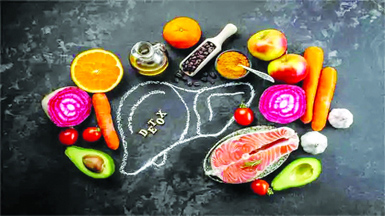
Equally important is the role of healthy fats. Contrary to old beliefs, avoiding all fats does not help fatty liver; instead, we need the right fats in the right amount. Foods rich in omega-3 fatty acids-such as salmon, sardines, flaxseeds, walnuts, and chia seeds-help reduce liver inflammation and lower triglyceride levels. Extra-virgin olive oil, nuts, seeds, and avocados provide monounsaturated fats that protect liver cells. These fats help the liver break down existing fat deposits and restore its normal functioning.
Another key element of a liver-friendly diet is increasing the intake of antioxidants. Vegetables like spinach, kale, methi, broccoli, cabbage, and beetroot contain phytonutrients that combat oxidative stress and inflammation-two major drivers of fatty liver progression. Fruits such as berries, apples, citrus fruits, and papayas support detoxification, but moderation is important because excess fructose can worsen liver fat. The idea is variety, not excess. Colourful plates, leafy greens, and natural plant foods help the liver cleanse itself naturally.
Protein plays an important role too. Adequate protein helps regulate metabolism, reduce cravings, build lean muscle, and burn liver fat more efficiently. Including lentils, beans, eggs, paneer, curd, tofu, and lean meats in daily meals creates a balanced diet that keeps the liver supported without overwhelming it. Many nutritionists now recommend that people with fatty liver follow a Mediterranean-style diet or an Indian plate adapted with whole grains, dal, sabzi, salads, nuts, seeds, and limited refined carbs.



Be the first to comment