Tag: Health

Read the latest health news, diet, fitness, medical news and healthcare tips on theindianpanorama.news/health. Get all the healthcare news, including wellness, fitness, diet and weight loss & more.

  • Best snacks for hearty health

    Best snacks for hearty health

    Snacks are often considered to be unhealthy, but this is simply a matter of selection. When unprepared, most of us tend to grab the first thing that we see.
    Usually, this is always an unhealthy snack as junk food is readily available at every nook and corner these days. Eating these junk foods leaves our hearts open to ailments and poor health, while increasing our waistlines. But what about healthy, heart-friendly snacks? Here are some snacks that will not only maintain your heart health but also help you shed extra kilos.
    Mushroom egg white omelet
    This combination of mushroom and egg white is perfect for your heart health. It is low in calories, delicious and requires not much time to prepare. Hence, it is an all time favorite snack.
    Dalia upma
    Dalia upma is a perfect snack to re-energize yourself because it provides you with valuable fibre, minerals and vitamins.
    Just make sure you use less oil and more vegetables to make it more nutritive.
    Whole wheat egg white crepes
    Made with the mixture of wheat flour, skimmed milk and egg whites, these whole wheat crepes are perfect for a health conscious person.
    This snack is blended with taste and nutrients, which makes it an ideal snack option.
    Carrot, green peas & brown bread sandwich
    This is an easy to prepare sandwich and is a great way to add protein, vitamin A and fibre to your diet. Add a dash of mayo, some ketchup, boiled carrots and peas and grill it to make it even more delicious.
    Egg white spinach omelet
    If you are watching your cholesterol level, and a big fan of eggs but can’t eat them, then this snack is just the thing for you.
    When spinach is cooked with egg whites, it makes it a perfect calorie cutter snack for the day.
    Hara dhania whole wheat roti
    Replace your regular rotis with this healthy alternative. The hara dhania or coriander, and whole wheat flour, makes it a healthy and yummy snack.
    Pudina egg white omelet
    This omelet is prepared with a mixture of pudina and egg whites, making it a healthy, low calorie snack.
    Idli sandwich
    A light twist to the popular South Indian snack we all love. For best benefits, prepare this at home with a low-oil and low-salt recipe. Slice the idli and stuff with stir fried vegetables like cabbage or sprouts to make this a healthy snack for your day.

  • January 10 New York & Dallas E – Edition

    [vc_row][vc_column][vc_custom_heading text=”E-Edition” font_container=”tag:h2|text_align:center” google_fonts=”font_family:Istok%20Web%3Aregular%2Citalic%2C700%2C700italic|font_style:700%20bold%20regular%3A700%3Anormal” css=”” link=”url:https%3A%2F%2Fwww.theindianpanorama.news%2Fwp-content%2Fuploads%2F2025%2F01%2FTIP-January-10-E-Edition.pdf”][vc_single_image image=”177477″ img_size=”full” alignment=”center” onclick=”custom_link” css=”” link=”https://www.theindianpanorama.news/wp-content/uploads/2025/01/TIP-January-10-E-Edition.pdf”][/vc_column][/vc_row][vc_row][vc_column width=”2/3″][vc_custom_heading text=”Lead Stories This Week” google_fonts=”font_family:Istok%20Web%3Aregular%2Citalic%2C700%2C700italic|font_style:700%20bold%20regular%3A700%3Anormal” css=”” link=”url:https%3A%2F%2Fwww.theindianpanorama.news%2F”][vc_wp_posts number=”5″ show_date=”1″][/vc_column][vc_column width=”1/3″][vc_single_image image=”82828″ img_size=”medium” alignment=”center” onclick=”custom_link” css=”” link=” https://www.theindianpanorama.news/advertising-media-kit-portal-indian-panorama/”][vc_single_image image=”82829″ img_size=”medium” alignment=”center” onclick=”custom_link” css=”” link=” https://www.theindianpanorama.news/advertising-media-kit-portal-indian-panorama/”][/vc_column][/vc_row]

  • Herpes virus likely to have connection with Alzheimer’s: Study

    Herpes virus likely to have connection with Alzheimer’s: Study

    The University of Pittsburgh researchers uncovered a surprising link between Alzheimer’s disease and herpes simplex virus-1 (HSV-1) which suggests that viral infections may play a role in the disease. The study has been published in Cell Reports. It revealed how tau protein, often viewed as harmful in Alzheimer’s, might initially protect the brain from the virus but contribute to brain damage later.
    “Our study challenges the conventional view of tau as solely harmful, showing that it may initially act as part of the brain’s immune defense,” said senior author Or Shemesh, PhD, assistant professor in the Department of Ophthalmology at Pitt.These findings could lead to new treatments targeting infections and the brain’s immune response.
    “These findings emphasize the complex interplay between infections, immune responses and neurodegeneration, offering a fresh perspective and potential new targets for therapeutic development,” added Shemesh.
    The scientists identified forms of HSV-1-related proteins in Alzheimer’s brain samples, with greater amounts of viral proteins co-localized with tangles of phosphorylated tau. It is one of the hallmarks of Alzheimer’s disease pathology in the brain regions which are especially vulnerable to Alzheimer’s across disease stages.
    Further studies on miniature models of human brains in a Petri dish suggested that HSV-1 infection could modulate levels of brain tau protein and regulate its function, a protective mechanism that seemed to decrease post-infection death of human neurons.
    While the precise mechanisms by which HSV-1 influences tau protein and contributes to Alzheimer’s disease are still unknown, Shemesh and his colleagues plan to explore those questions in future research.
    They aim to test potential therapeutic strategies that target viral proteins or fine-tune the brain’s immune response and will try to find its possible connections to other neurodegenerative diseases, such as Parkinson’s disease and ALS. Source: ANI

  • HMPV scare: Symptoms, risks, expert advice – your detailed guide

    HMPV scare: Symptoms, risks, expert advice – your detailed guide

    Signs and symptoms of HMPV
    HMPV typically affects the respiratory system, with common symptoms including sore throat, fever, nasal congestion, cough, and shortness of breath. In severe cases, it can lead to pneumonia or bronchiolitis, requiring hospitalisation and oxygen therapy.
    “HMPV generally affects children below one year of age to under five years. Major symptoms include fever, cough, cold, and respiratory distress. Sometimes the distress may be so severe that breathing support in PICU, like high-flow nasal cannula or CPAP, becomes necessary,” said Dr Saheli Dasgupta, Pediatric Critical Care Head at Peerless Hospital, Kolkata.
    She further emphasised that timely consultation with a pediatrician is critical to prevent complications, as HMPV mostly affects infants.
    In adults, HMPV often affects people over 65 years of age who experience flu-like symptoms such as fever, sore throat, runny nose, and shortness of breath.
    Is HMPV like any other common cold virus?
    While HMPV shares similarities with other respiratory viruses like the flu or RSV (Respiratory Syncytial Virus), it can cause more severe symptoms in vulnerable populations, such as infants, older adults, and those with weakened immune systems.
    Dr Manisha Mendiratta, Associate Director & Head of Pulmonology at Sarvodaya Hospital, stated, “HMPV usually produces mild to moderate flu-like symptoms but can become severe in people with low immunity.”
    Healthcare providers typically rely on nucleic acid amplification tests (NAAT), including RT-PCR, and immunofluorescence or ELISA tests for accurate detection.
    Is HMPV similar to Covid-19 virus?
    HMPV and SARS-CoV-2 (Covid-19 virus) are both respiratory pathogens but differ significantly in virology, transmission, and public health impact.
    Both spread through respiratory droplets and contaminated surfaces and can cause symptoms like fever, cough, and shortness of breath. However, Covid-19 has a broader range of symptoms, including loss of taste and smell, and a higher potential for systemic complications.
    Dr Srivatsa Lokeshwaran, Lead Consultant, Aster Whitefield Hospital, Bengaluru, remarked, “It’s premature to compare HMPV with Covid-19. HMPV has been in circulation for a long time and primarily affects children under five and adults over 65. While any virus can mutate and become more virulent, current data does not indicate pandemic potential for HMPV.”

  • January 3 New York & Dallas E – Edition

    [vc_row][vc_column][vc_custom_heading text=”E-Edition” font_container=”tag:h2|text_align:center” google_fonts=”font_family:Istok%20Web%3Aregular%2Citalic%2C700%2C700italic|font_style:700%20bold%20regular%3A700%3Anormal” css=”” link=”url:https%3A%2F%2Fwww.theindianpanorama.news%2Fwp-content%2Fuploads%2F2025%2F01%2FTIP-January-3-E-Edition.pdf”][vc_single_image image=”176969″ img_size=”full” alignment=”center” onclick=”custom_link” css=”” link=”https://www.theindianpanorama.news/wp-content/uploads/2025/01/TIP-January-3-E-Edition.pdf”][/vc_column][/vc_row][vc_row][vc_column width=”2/3″][vc_custom_heading text=”Lead Stories This Week” google_fonts=”font_family:Istok%20Web%3Aregular%2Citalic%2C700%2C700italic|font_style:700%20bold%20regular%3A700%3Anormal” css=”” link=”url:https%3A%2F%2Fwww.theindianpanorama.news%2F”][vc_wp_posts number=”5″ show_date=”1″][/vc_column][vc_column width=”1/3″][vc_single_image image=”82828″ img_size=”medium” alignment=”center” onclick=”custom_link” css=”” link=” https://www.theindianpanorama.news/advertising-media-kit-portal-indian-panorama/”][vc_single_image image=”82829″ img_size=”medium” alignment=”center” onclick=”custom_link” css=”” link=” https://www.theindianpanorama.news/advertising-media-kit-portal-indian-panorama/”][/vc_column][/vc_row]

  • Vitamin B12 deficiency causes tingling in hands and feet, low HB levels

    Vitamin B12 deficiency causes tingling in hands and feet, low HB levels

    A new study has shed light on the effects of vitamin B12 deficiency, highlighting its impact on both physical and neurological health. The research, published in the peer-reviewed journal Cureus, found that men were slightly more affected, making up 58.3% of the study’s participants in India.
    The two-year study was carried out at K. J. Somaiya Medical College and Hospital, Mumbai and included 180 patients aged 18 to 70 years. These patients had low haemoglobin levels (below 13 g/dL for men and 12 g/dL for women) and vitamin B12 levels below 250 pg/mL.
    Doctors collected detailed information about the patients, including their health history and blood test results. Each patient was given six vitamin B12 injections every week for six weeks. The researchers monitored blood health improvements by regularly checking key markers like haemoglobin levels and red blood cell size.
    The results were analysed to understand how well patients responded to the treatment and whether there was a clear link between the severity of anaemia and vitamin B12 levels.
    Common health issues among the participants included high blood pressure (33.3%) and diabetes (25%). However, the most frequently reported symptom was persistent fatigue, affecting 66.7% of the patients.
    Neurological problems, such as tingling and numbness in the hands and feet, were also common, reported by over half of the participants.
    Blood tests revealed a condition called macrocytic anaemia, where red blood cells are larger than normal. On average, participants had low haemoglobin levels of 9.7 g/dL and an elevated mean corpuscular volume (MCV) of 104.7 fL, both indicators of poor blood health.
    After six weeks of vitamin B12 supplementation, significant improvements were observed. Haemoglobin levels increased to 12.6 g/dL, MCV dropped to 91.3 fL, and reticulocyte count—a marker of new red blood cell production—rose to 2.1%.
    The study also found a strong link between higher haemoglobin levels and improved vitamin B12 levels in the blood.
    Vitamin B12 deficiency is known to cause a range of health problems, from tiredness and weakness to more severe nerve damage. This study confirms that proper vitamin B12 supplementation can effectively reverse these issues, improving both blood health and neurological symptoms.
    Researchers recommend routine screening for vitamin B12 deficiency, especially among older adults and vegetarians, who are at higher risk due to dietary restrictions. Early detection and supplementation can prevent long-term complications.

  • Study links coffee, tea consumption to lower risk of head, neck cancer

    Study links coffee, tea consumption to lower risk of head, neck cancer

    Recent research has suggested that drinking coffee and tea may lower the risk of developing head and neck cancer, a group of cancers that includes cancers of the mouth, throat, and larynx.
    The findings, published in the peer-reviewed journal CANCER by the American Cancer Society, offer new insights into the potential protective effects of these popular beverages.
    A new pooled analysis combining data from 14 studies has revealed promising results for coffee and tea drinkers.
    The research, conducted by the International Head and Neck Cancer Epidemiology Consortium, examined over 9,500 patients with head and neck cancer and more than 15,700 cancer-free controls.
    The findings suggest that individuals who consume coffee and tea regularly may experience a reduced risk of developing head and neck cancers.
    The study found that individuals who drank more than four cups of caffeinated coffee daily had 17 per cent lower odds of developing head and neck cancer compared to non-coffee drinkers.
    Furthermore, regular coffee drinkers showed a 30 per cent reduced risk of oral cavity cancer and a 22 per cent lower risk of throat cancer.
    Specifically, consuming 3-4 cups of caffeinated coffee daily was associated with a significant 41 per cent reduction in the risk of hypopharyngeal cancer, a type of cancer located at the bottom of the throat.
    Even decaffeinated coffee appeared to have a protective effect. Drinking decaf coffee was associated with a 25 per cent lower risk of developing oral cavity cancer.
    In addition, tea consumption was linked with a 29 per cent lower risk of hypopharyngeal cancer. The study also found that drinking one cup or fewer of tea daily was associated with a 9 per cent reduced risk of head and neck cancer overall, and a 27 per cent lower risk of hypopharyngeal cancer. Source: ANI

  • Surging oestrogen levels could drive women to ‘binge-drink’

    Surging oestrogen levels could drive women to ‘binge-drink’

    Drinking alcohol when oestrogen levels are surging could compel women to hit the bottle harder, thereby possibly driving them to ‘binge-drink’, researchers said after they found that female mice drank much more on days when the sex hormone’s levels were high.
    The study, published in the journal Nature Communications, is the first to find that a higher oestrogen level in the body promotes ‘binge-drinking’ behaviour in women by contributing to sex-specific differences, researchers said.
    Binge-drinking is said to intensify alcohol’s harmful effects, with women being more vulnerable to the negative health effects, compared to men.
    Researchers, led by those at Weill Cornell Medicine, US, previously showed that neurons in a brain region called ‘bed nucleus of the stria terminalis’, or BNST, were more excitable in female mice, compared to male ones.
    Sometimes referred to as ‘extended amygdala’, the BNST is a central hub for regulating stress-related brain activity, including mood, anxiety and depression.
    The enhanced activity in BNST correlated with the female mice’s binge drinking behaviour, the researchers said.
    “Oestrogen has such powerful effects on so many behaviours, particularly in females. So, it makes sense that it would also modulate drinking,” senior author Kristen Pleil, associate professor of pharmacology at Weill Cornell Medicine, said.
    In the latest study, the researchers monitored ‘oestrogen’ hormone levels throughout the oestrous cycle of female mice — the equivalent of menstrual cycle in women — following which, the mice were served alcohol.
    The team found that on days when a female mouse had high levels of oestrogen circulating in the body, it drank more, compared to days with low levels.
    “We found that female mice displayed greater binge alcohol drinking and reduced avoidance when oestrogen was high during the oestrous cycle than when it was low,” the authors said. Source: PTI

  • YOUTH MUSICIANS IN PEACE CONCERT PERFORM ON INSTRUMENTS  RESTORED FROM HOLOCAUST

    YOUTH MUSICIANS IN PEACE CONCERT PERFORM ON INSTRUMENTS RESTORED FROM HOLOCAUST

    By Mabel Pais

    Wharton Arts’ musicians will present A Concert for Peace with ‘Violins of Hope,’ a poignant tribute to human resilience and the power of music, on Sunday, January 12, 2025 at 3:00 p.m. at the New Jersey Performing Arts Center (NJPAC) in Newark.

    Led by Artistic Director and Principal Conductor Helen H. Cha-Pyo, this special concert showcases the extraordinary ‘Violins of Hope,’ precious stringed instruments that survived the Holocaust. These instruments, some of which were played by prisoners of ghettos and death camps, have been meticulously restored by Israeli luthiers Amnon and Avshi Weinstein. Today, they serve as symbols of survival and perseverance, bringing hope to audiences worldwide. Join us for an unforgettable performance of remembrance, reflection, and renewal as we commemorate the resilience of the human spirit and honor the legacy of those who perished in the Holocaust.

    The New Jersey Youth Symphony (NJYS) will perform works by Felix Mendelssohn, Paul Frucht, David Winkler, and Leonard Bernstein. During the rise of Hitler’s Third Reich in the twentieth century, Mendelssohn’s music was banned by the Nazis and his statue in Leipzig was destroyed (now rebuilt). Two ensembles of the New Jersey Youth Chorus, Coriste and Camerata, along with the Harmonium Choral Society, will join NJYS on stage, along with guest artists Asi Matathias and GRAMMY winner Ranaan Meyer.

    “The Concert for Peace with Violins of Hope is more than just a performance—it’s a profound tribute to the enduring stories of human resilience, carried by these precious violins,” said Helen H. Cha-Pyo, Artistic Director and Principal Conductor. “Through the voices of Wharton Arts youth musicians, a combined intergenerational chorus, and newly composed works performed alongside award-winning soloists, we bring these stories to life, ensuring their legacy inspires and uplifts generations to come.”

    Wharton Arts Trustee Courtney Pantirer said, “Each instrument comes with a history of its owner which is an incredible way to share their story, the story of European Jewry, and to keep their memories alive. Now more than ever it is important to educate and teach this new generation. We are so excited to bring this incredible concert to our communities in New Jersey and be able to educate about the Holocaust while looking to the future.”

    TICKETS & MORE INFORMATION

    For Tickets and more information, visit WhartonArts.org 

    Ticket holders are invited to a free pre-concert talk with luthier Avshi Weinstein and display of Violins of Hope at 1:30 p.m.

    A roundtable talk with a display of the instruments will take place on January 11 at 6:30 p.m. Pre-registration is required at WhartonArts.org.

    Wharton Arts

    Learn more at WhartonArts.org 

    ———————————————

    THIBAUDET PLAYS RAVEL WITH  NEW JERSEY SYMPHONY AND EDUSEI CONDUCTS

    THIBAUDET (Credit: njpac.org)
    • By Mabel Pais

    JEAN-YVES THIBAUDET is set to perform with the New Jersey Symphony this January 9-12. Kevin John Edusei will conduct the four performances. The performances will take place at New Jersey locations, January 9-12 (see program below).

    The program begins with Donghoon Shin’s ‘Of Rats and Men,’ which draws inspiration from two short stories: Franz Kafka’s ‘Josefine, die Sängerin oder Das Volk der Mäuse’ (‘Josephine the Singer, or the Mouse Folk’) and the Chilean writer Roberto Bolaño’s ‘Police Rat.’ Shin’s piece makes use of the entire orchestra’s instrumentation while maintaining a transparency that allows different layers of sound to emerge.

    The first half of the program closes with Ravel’s Piano Concerto in G, a work built upon broad musical influences. The sprightly outer movements feature jazz and blues influences, while Ravel drew inspiration from Mozart’s Clarinet Quintet for the central, beautifully simple slow movement.

    The second half of the program features Sibelius’ Symphony No. 2, which was composed between 1901 and 1902. Arguably Sibelius’ best-known work, the Second Symphony is known for its unconventional first movement form and the stirring nationalistic hymn that forms the main thrust of the finale.

     PROGRAM

    Jean-Yves Thibaudet Plays Ravel

    New Jersey Symphony Classical

    Kevin John Edusei conductor

    Jean-Yves Thibaudet piano

    New Jersey Symphony

    Newark – Thursday, January 9, 1:30 pm, New Jersey Performing Arts Center

    Princeton – Friday, January 10, 8 pm, Richardson Auditorium

    Newark – Saturday, January 11, 8 pm, New Jersey Performing Arts Center

    New Brunswick – Sunday, January 12, 3 pm, State Theatre New Jersey

    Donghoon Shin Of Rats and Men

    Maurice Ravel Piano Concerto in G

    Jean Sibelius Symphony No. 2

     For more information on concerts and tickets, visit njsymphony.org/events.

    Kevin John Edusei

    EDUSEI (Credit: kevinjohnedusei.com)

    Highlights of Kevin John Edusei’s 2024–25 season include debuts with the New York Philharmonic, Konzerthausorchester Berlin, Bournemouth Symphony Orchestra, Taiwan Philharmonic Orchestra and at the Musikverein with the Vienna Radio Symphony Orchestra.

    A strong advocate of contemporary music, Edusei’s carefully curated programs across the 2024–25 season include premieres of works by Hannah Kendall, Thomas Larcher, Samy Moussa, Brian Nabors, Derrick Skye and Gabriella Smith.

    Learn more at kevinjohnedusei.com, X: @kevinjohnedusei & Facebook: facebook.com/kevinjohnedusei.conductor

    Jean-Yves Thibaudet

    Over three decades, through elegant musicality and an insightful approach to contemporary and established repertoire, Jean-Yves Thibaudet has earned a reputation as one of the world’s finest pianists. He is especially known for his diverse interests beyond the classical world, including numerous collaborations in film, fashion and visual art. He is a devoted educator and the first-ever artist-in-residence at the Colburn School, which awards several scholarships in his name.

    A prolific recording artist, Thibaudet has appeared on more than 70 albums and six film scores; his extensive catalog has received two GRAMMY nominations, two ECHO Awards, the Preis der deutschen Schallplattenkritik, the Diapason d’Or, the CHOC du Monde de la Musique, the Edison Prize and Gramophone awards.

    Learn more at jeanyvesthibaudet.com

    The New Jersey Symphony

    New Jersey Symphony is a GRAMMY and Emmy Award-winning orchestra. Under the direction of the Music Director Xian Zhang, the Symphony performs more than 60 concerts at mainstage venues across the state, including Newark, Princeton, New Brunswick, Red Bank and Morristown as well as schools and public spaces statewide.

    Programming at the Symphony reflects an unwavering commitment to diversity, equity and inclusion while providing students across the state unparalleled opportunities to achieve musical excellence through its Youth Orchestra and other outreach programs.

    In 2024, the Symphony announced it would continue to deliver its statewide activities from a new, permanent office, rehearsal and concert space in Jersey City, set to open in 2026.

    Connect with NJ Symphony

    Follow NJ Symphony on Facebook, Instagram, TikTok, X and YouTube

    (Mabel Pais writes on The Arts and Entertainment, Business, Social Issues, Spirituality, Cuisine, Health & Wellness, and Education)

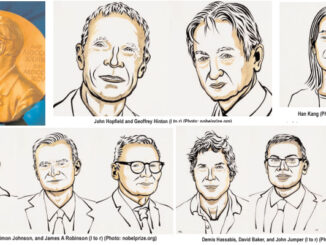
  • Nobel Prize winners of 2024

    Nobel Prize winners of 2024

    This year’s Nobel Prizes laureates include trailblazers who’ve unlocked the secrets of life with groundbreaking discoveries in medicine, while others have harnessed the power of artificial intelligence to revolutionise technology.
    Han Kang’s evocative storytelling earned her the Nobel Prize in Literature, capturing the complexities of human experience. Meanwhile, a courageous grassroots movement fighting against nuclear weapons has been recognised with the Peace Prize.
    Here is the full list of Nobel Prize 2024 winners along with how remarkable contributions are making waves across the globe:
    NOBEL PRIZE IN PHYSICS
    Winners: John Hopfield and Geoffrey Hinton
    Achievement: Foundational discoveries in machine learning with artificial neural networks.
    This year’s Physics prize went to Hopfield and Hinton for their significant contributions to artificial intelligence. Their work laid the groundwork for today’s machine-learning technologies.
    Hinton, often dubbed “the godfather of AI,” developed methods that allow computers to autonomously identify patterns in data.
    He noted the dual nature of AI’s potential: “It’s going to be wonderful in many respects… but we also have to worry about a number of possible bad consequences.”
    NOBEL PRIZE IN CHEMISTRY
    Winners: Demis Hassabis, John Jumper, and David Baker
    Achievement: Innovations in protein structure prediction.
    The Chemistry Nobel was awarded to this trio for their remarkable advancements in the understanding of proteins. Baker has successfully designed entirely new proteins that can be used as pharmaceuticals and vaccines.
    Meanwhile, Hassabis and Jumper developed AlphaFold2, an AI model that predicts protein structures—a challenge that has puzzled scientists for decades.
    Their combined efforts hold enormous potential for addressing health-related issues.
    NOBEL PRIZE IN PHYSIOLOGY OR MEDICINE
    Winners: Victor Ambros and Gary Ruvkun
    Achievement: Discovery of microRNA and its role in gene regulation.
    On October 7, 2024, Ambros and Ruvkun were awarded the Nobel Prize in Physiology or Medicine for their pioneering work on microRNAs.
    Their research began in the late 1980s with the roundworm Caenorhabditis elegans, where they uncovered how these tiny RNA molecules influence gene expression.
    This discovery has crucial implications for understanding various health challenges, including cancer and genetic disorders.
    The Nobel Assembly remarked that their work revealed “a completely new principle of gene regulation essential for multicellular organisms.”
    NOBEL PRIZE IN LITERATURE
    Winner: Han Kang
    Achievement: Intense poetic prose confronting historical traumas.
    South Korean author Han Kang received the Nobel Prize in Literature for her profound writing that explores human fragility and historical traumas.
    Her work resonates deeply with readers around the world, showcasing literature’s power to reflect on complex societal issues.
    NOBEL PEACE PRIZE
    Winner: Nihon Hidankyo (Japan Confederation of A- and H-Bomb Sufferers Organizations)
    Achievement: Advocacy against nuclear weapons.
    The 2024 Peace Prize was awarded to Nihon Hidankyo for its relentless efforts to promote a world free from nuclear weapons.
    The organisation comprises survivors of the Hiroshima and Nagasaki bombings—known as Hibakusha—who have dedicated their lives to raising awareness about the dangers of nuclear armament.
    NOBEL PRIZE IN ECONOMIC SCIENCES
    Winners: Daron Acemoglu, Simon Johnson, and James A Robinson
    Achievement: Research on economic development and institutions.
    This trio was recognised for their insightful research into how political institutions impact economic development.
    Their findings contribute significantly to understanding how governance shapes economic outcomes across nations.

  • 2024 was the year India became the talk of America

    2024 was the year India became the talk of America

    America went to polls this year, and chose its former president and Republican Donald Trump 47th President. The election was preceded by an entire year of campaigning, and a neck-and-neck competition between the Democrats and the Republicans. As Democrat nominee and US Vice-President Kamala Harris and Trump vied for the White House, India became the talk of the election.

    With 2.6 million eligible Indian-American voters — according to data from the Carnegie Endowment for International Peace — the Indian diaspora’s growing political significance was felt in key US swing states. These states, which were won by Trump, accounted for a significant number of Indian-American votes.
    Data suggested that there was a shift in the attitude of US voters of Indian origin this year. A large number of them shifted from Democratic Party to Republican Party in this election.
    Indian-Americans didn’t just leave a mark by casting their votes though. They were also seen making headlines across both popular political parties in the US. From Presidential contenders of Indian origin to several top leaders with India connection, India came in the spotlight.
    As this year comes to an end,we recap how politicians of Indian origin made waves in the US Presidential election.
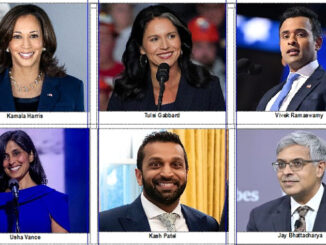
    Kamala Harris
    She is no stranger to the world. Harris made global headlines in 2020 when she was chosen by Joe Biden as his running mate during his Presidential campaign. She became the first woman in America’s history to sit on the Vice President’s chair, and also the first person of Indian descent to occupy a top position in the US. Harris’s mother, Shyamala Gopalan, was a revered Indian-American scientist who had migrated to the US from India at the age of 19. Her Jamaican-origin father, Donald Jasper Harris, is an economist and professor at Stanford University. During her Presidential campaign, Harris prominently shared her memories of her mother. Harris conceded defeat on November 4, 2024, but her Presidential bid gave prominence to India in the US.
    Tulsi Gabbard
    Born in Hawaii, Tulsi Gabbard is not of Indian origin but has a connection with India due to her Hindu religion. It was her name and identity as a Hindu that confused people the world over about her origin. Gabbard has been a Congresswoman for decades, since she won her first election in 2002. It was earlier this year that she made headlines for quitting the Democratic party to back Trump. In November, Trump chose her as Director of National Intelligence. The rise of Tulsi in the American politics also brought to light her Hindu religion.
    Vivek Ramaswamy
    Biotech entrepreneur Vivek Ramaswamy came to prominence when he challenged Trump as a Republican contender for President earlier this year. A 39-year-old politician with roots in Kerala, Ramaswamy holds a degree in Biology from Harvard University and a law degree from Yale Law School. A staunch follower of Hinduism, he is set to co-lead a new initiative aimed at reducing government bureaucracy. Alongside tech mogul Elon Musk, Ramaswamy will head the Department of Government Efficiency (DOGE).
    Usha Vance
    Usha Chilukuri Vance is set to make history as the first Indian-origin Second Lady of the United States. The wife of Vice President-elect JD Vance, Usha came to the global spotlight when she introduced her husband at the Republican National Convention in July this year. Born to Indian immigrant parents in San Diego, Usha married Vance in 2014 in a Hindu ceremony. She had built a career as a litigator before leaving her job to support her husband as he transitioned to politics from the world of practising law. When Trump chose JD Vance as his running mate, Usha’s life, beliefs and Indian connection were widely covered in the media.
    Kash Patel
    Kashyap “Kash” Patel, a former federal prosecutor and a trusted ally of Trump, has been named Director of the Federal Bureau of Investigation (FBI). Patel, born in New York to Indian-origin immigrants from Uganda, rose to prominence for his work on intelligence reform and national security during Trump’s first term. Kash as the FBI head is a very polarising choice by Trump since Kash is seen as a bold man out to reform the FBI and purge it of deep state actors. His name drills fear amiong top Republican leaders and deep state actors just as he is hugely popular among Trump fanbase due to his vow to dismantle the deep state.
    Jay Bhattacharya
    Kolkata-born Jayanta “Jay” Bhattacharya, a renowned health policy expert and Stanford University professor, has been appointed Director of the National Institutes of Health (NIH), the US ‘s leading medical research agency. Bhattacharya, known for his controversial stance against covid restrictions, has advocated for policies focusing on individual liberty in public health. The eminent epidemiologist was censored by social media platforms, allegedly at the behest of the Biden adminsitration, for his contrarian stance on the pandemic restrictions. As the new NIH Director, Bhattacharya will oversee a budget of nearly $47.3 billion.
    Harmeet Kaur Dhillon
    Republican lawyer Harmeet Kaur Dhillon has been nominated by Trump as the Assistant Attorney General for Civil Rights. She became an influential figure in the Republican Party for filing lawsuits over election integrity issues and backing Trump’s legal efforts to overturn Presidential election results in 2020. She also filed lawsuits against covid restrictions. She was a legal adviser on the Trump 2020 campaign. Born in Chandigarh, Dhillon found her own law firm in San Francisco.

  • Landmark events that made headlines in 2024

    Landmark events that made headlines in 2024

    From national politics and international affairs to environmental concerns and advances in science and technology, here are the top issues that captured everyone’s attention this year

    The year 2024 has been a whirlwind of significant events across the globe, spanning politics, science, technology, culture, and natural phenomena. From breakthroughs in artificial intelligence to groundbreaking diplomatic agreements, here’s an in-depth look at the events that shaped the world in 2024.
    Iran-Israel Conflict
    On April 14, Iran launched hundreds of drones and missiles towards Israel in retaliation for an Israeli attack on its consulate that occurred in Damascus, Syria, on April 2. This attack became the immediate cause of the escalating conflict between Iran and Israel.
    Although Iran and Israel have a long history of bitter conflict and covert military actions against each other, this was the first time Iran has launched a direct attack of this scale aimed at targets within Israel.
    Heatwaves
    Higher daily peak temperatures and longer, more intense heatwaves are becoming increasingly common worldwide. This summer, India also experienced the impact of more frequent heatwaves, which have had devastating effects on human health and the environment.
    According to the India Meteorological Department (IMD)- A heatwave is a period of abnormally high temperatures, more than the normal maximum temperature that occurs during the summer season in the North-Western parts of India. Heatwaves typically occur between March and June, and in some rare cases even extend till July. The extreme temperatures and resultant atmospheric conditions adversely affect people living in these regions as they cause physiological stress, sometimes resulting in death.
    Misuse of Deepfakes
    In the General Elections of 2024, the widespread misuse of deepfakes significantly complicated the battle against misinformation. A deepfake video featuring actors Ranveer Singh and Aamir Khan purportedly endorsing a particular political party went viral during the elections. Earlier, a video that supposedly shows actress Rashmika Mandanna entering an elevator sparked a major controversy online. What initially appeared to be genuine was, in fact, a deepfake of the actress. The original video featured a British Indian girl, whose face was morphed to replace Mandanna’s.
    Deepfakes constitute fake content — often in the form of videos but also other media formats such as pictures or audio — created using powerful artificial intelligence (AI) tools. It is an amalgamation of the words “deep learning” and “fake” and it means fabricated videos generated from existing face-swapping techniques and technology.
    They are called deepfakes because they use deep learning technology, a branch of machine learning that applies neural net simulation to massive data sets, to create fake content. It employs a branch of artificial intelligence where if a computer is fed enough data, it can generate fakes that behave much like a real person.
    Bangladesh Political Upheaval
    The political upheaval in Bangladesh in August 2024 resulted in the ouster of former Prime Minister Sheikh Hasina and the establishment of an interim government led by Nobel laureate Muhammad Yunus. This event is considered a significant turning point in Bangladesh’s history and has introduced new dynamics in regional politics.
    India and Bangladesh share a unique relationship rooted in a common cultural heritage, shared principles, and values. However, recent regime changes in Bangladesh are affecting this relationship, particularly with the rising concern over atrocities against Hindus in Bangladesh, which has become a significant challenge in their bilateral relations.
    India-Canada Diplomatic Row
    In mid-October 2024, the sharp escalation of the diplomatic row between India and Canada, a first-of-its-kind situation in India’s diplomatic relations with the West, raised concerns about potential ripple effects in a range of areas, including trade and people-to-people ties.
    Notably, the diplomatic tension between India and Canada escalated on October 14, when India ordered the expulsion of six Canadian diplomats while also announcing its decision to withdraw the Indian High Commissioner to Canada and “other targeted diplomats,” citing security concerns after Ottawa identified them as “persons of interest” in its investigation into the killing of Khalistan separatist Hardeep Singh Nijjar.
    The bilateral ties between India and Canada are long-standing and significant. Canada is home to a high percentage of Sikhs. However, the two countries’ bilateral relations have been affected by various issues, such as Khalistani separatism and Canada’s position on human rights in India. These issues have led to increased tensions and have impacted diplomatic interactions.
    Political Upheaval in Syria
    The Syrian civil war saw major developments in December this year. The government of President Bashar al-Assad, who has ruled the Middle Eastern country since 2000, faced sudden and intense attacks from the rebel group Hayat Tahrir al-Sham. On December 8, the group reached the capital, Damascus, and celebrated the fall of Assad’s regime.
    Notably, New Delhi was preparing to revive its political and economic ties with Damascus late last month. On November 29, India and Syria held Foreign Office Consultations in New Delhi. India has been a keen developmental partner for Syria and is also actively involved in the capacity-building of the Syrian youth
    The Syrian civil war began around the “Arab Spring” of 2010, dubbed so as many countries in the Middle East and North Africa saw uprisings against authoritarian governments that had been in power for decades. Foreign governments, such as the United States and Russia, also engaged with the conflict based on their respective strategic interests.
    The Arab Spring also echoed in street protests in Syria. But Assad put it down with force unleashing a harsh crackdown on those opposing the regime. This set off a civil war, with the US backing the rebels while Russia, Iran and Hezbollah backing Assad.
    One Nation, One Election Debate
    The discussion on simultaneous elections has been a prominent topic throughout the year. Recently, the Union Cabinet approved the Constitution (One Hundred and Twenty-Ninth Amendment) Bill, 2024, along with the Union Territories Laws (Amendment Bill), 2024. This has reignited the debate over “One Nation One Election” (ONOE). Some believe that simultaneous elections would benefit the citizens, while others argue that it would undermine the basic structure of the Constitution of India.
    Notably, the high-level committee headed by former President Ram Nath Kovind has recommended that the government take a “one-time transitory measure”, which would require the Union government to identify an “appointed date” immediately after a Lok Sabha election and all state assemblies that go to poll after the said date would have their terms expire with the Parliament.
    Simultaneous elections, popularly referred to as “One Nation, One Election”, means holding elections to Lok Sabha, all state Legislative Assemblies, and urban and rural local bodies (municipalities and panchayats) at the same time. Currently, all these elections are held independently of one another, following timelines dictated by the terms of every individual elected body.
    Trump comes back to power
    Donald Trump won the election in the US to become the 47th President of the United States of America. Trump got 312 electoral college votes, while his rival, Kamala Harris from the Democratic Party could manage only 226. Trump’s victory in the US is likely to ensure the revival of ‘America First’ as well as America pulling back from several international organisations, which Trump thinks drain American taxpayers’ money.
    PM Modi gets third consecutive term
    In India, Narendra Modi’s Bharatiya Janata Party (BJP) won the general elections for the third consecutive term, defeating the alliance, dubbed INDIA. The election victory of PM Modi is slated to propel India towards strategic autonomy, meaning India will be able to make decisions that are best suited to its national interests, regardless of what major powers in the world want India to do.
    South Korean President imposes emergency, impeached
    South Korean President Yoon Suk Yeol declared an “emergency martial law” on December 3, accusing the opposition of controlling the parliament; however, within some hours, it was lifted. Following this, the South Korean leader was impeached by the parliament. Notably, the president had survived the first vote after members of his ruling People Power Party boycotted the vote.
    German chancellor loses confidence vote
    German Chancellor Olaf Scholz lost a confidence vote in the Bundestag, the German federal parliament. Scholz got only 207 in the 733-seat lower house against 394 voting against him while 116 abstained. The no confidence vote followed after the chancellor fired his finance minister in a long-running dispute over how to revitalise Germany’s stagnant economy. This saw Scholz’s three-party government collapsing in Germany.
    Labour Party wins in the UK
    UK’s Labour Party won the election in the UK on July 5TH, which dramatically reshaped the political landscape in the country. Keir Starmer became the Prime Minister defeating the Conservative Party’s Rishi Sunak, ending the Tories’ 14-year continued control of the British parliament.
    India-China reach border consensus
    In October, both India and China confirmed that they reached an agreement to end the standoff between both the Asian giants. After the Galwan clash in 2020, the agreement melted the ice as relations between both countries stooped to very low. In December, China and India reached a six-point consensus to address border issues during crucial talks between National Security Advisor (NSA) Ajit Doval and Foreign Minister Wang Yi.
    Vladimir Putin gets presidency again
    In Russia, Vladimir Putin cemented his position by winning the election. Putin will leave Josef Stalin behind if he completes his current six-year term. Putin got 87 per cent of the total votes polled.
    Five nations join BRICS
    Egypt, Ethiopia, Iran, Saudi Arabia, and the United Arab Emirates joined BRICS in 2024. This will see a major portion of the world get represented in one of the most prominent non-western groups.
    Bitcoin’s meteoric rise
    Bitcoin’s meteoric rise to over $100,000 is reminiscent of previous post-election surges. Notably, the cryptocurrency had already hit $81,000 shortly after Donald Trump’s victory in the US presidential elections earlier this year. Historically, Bitcoin’s price has shown a pattern of significant gains following the US presidential elections, which often coincide with its halving cycles – events that reduce its supply and drive up prices.
    Pakistan general election
    Pakistan also went to the polling booths in 2024, in February, to elect members of the 16th National Assembly. But the election was anything but fair. Pakistan Tehreek-e-Insaf (PTI), led by Imran Khan, was not allowed to contest the elections, due to which its leaders appeared as independent candidates on the ballot.
    Despite this and alleged rigging by the military, PTI-backed independents defied the odds and emerged as the largest bloc. However, they were not allowed to form the government, and a last-minute coalition of PML-N, PPP, MQM and others was given the green light.

    Vinesh Phogat’s Olympic Disqualification
    Indian wrestler Vinesh Phogat was disqualified from the Paris 2024 Olympics after being found 100 grams overweight for the women’s 50kg category just before her gold medal bout. After defeating top contenders, including defending Olympic champion Yui Susaki, Phogat was on the cusp of gold, only to see her dreams shattered at the mandatory weigh-in.
    This disqualification ended her bid to become the first Indian woman to win an Olympic gold in wrestling. Despite an appeal to the Court of Arbitration for Sport, the decision stood, leaving India reeling from a missed Olympic medal. A dejected Phogat soon announced her retirement, marking a tragic conclusion to her career.
    India’s Triumph in the T20 World Cup
    India clinched their second T20 World Cup title after a 17-year hiatus, defeating South Africa by seven runs in a thrilling final. Captain Rohit Sharma made history by becoming the first-ever captain to win 50 T20Is, further solidifying his legacy in the sport.
    Expansion of Cricket in the United States
    The 2024 T20 World Cup featured matches in the United States, including a high-profile India vs. Pakistan game held at a pop-up stadium in Long Island. This initiative was part of the ICC’s broader strategy to globalize cricket and tap into new markets, marking a pivotal moment in the sport’s history.
    Typhoon Yagi (Enteng)
    In early September, Typhoon Yagi struck parts of East Asia, leading to approximately 844 deaths. The typhoon brought torrential rains and strong winds, causing severe flooding and landslides.
    Enga Landslide in Papua New Guinea
    On May 24, a catastrophic landslide in the Enga Province of Papua New Guinea resulted in a tragic loss of life, with estimates ranging from 670 to over 2,000 fatalities. The disaster buried entire villages, making rescue operations challenging.

  • The rise and contributions of the Indian diaspora

    The rise and contributions of the Indian diaspora

    The Indian diaspora is one of the largest and most diverse global communities, with an estimated 32 million people of Indian origin living across the world. From the shores of the Caribbean islands to the bustling cities of North America, Europe, the Middle East, Southeast Asia, and beyond, Indians have built thriving communities that are often key to the economic, social, and cultural fabric of their host nations. Over the past few centuries, the Indian diaspora has experienced remarkable growth, playing an influential role in shaping the world’s geopolitical landscape, global markets, and cultural exchanges. This article aims to explore the rise of the Indian diaspora, their historical journey, the factors contributing to their migration, and their diverse and substantial contributions to their host countries and to India itself.
    Historical Background of Indian Emigration
    Early Waves of Migration
    Indian migration has a rich history that spans centuries. The earliest recorded instances of Indian emigration occurred during the ancient and medieval periods, with Indians settling in Southeast Asia, Africa, and the Arabian Peninsula. Traders, scholars, and missionaries often traveled across the Indian Ocean, leaving behind traces of Indian culture and religion.
    During the British colonial period (18th–20th centuries), however, emigration from India significantly increased. The indentured labor system, implemented by the British after the abolition of the transatlantic slave trade, became the primary mechanism for the large-scale migration of Indians. Millions of Indians were transported to various colonies such as Mauritius, Fiji, the Caribbean islands, and South Africa to work on sugar plantations, railways, and in other industries. This wave of migration laid the foundation for the development of vibrant Indian communities in these regions, some of which still maintain strong cultural ties to their Indian roots.
    Post-Independence Migration
    After India’s independence in 1947, migration patterns began to shift. Many Indians sought better economic opportunities abroad, especially in Western countries such as the United States, the United Kingdom, Canada, and Australia. The 1960s and 1970s saw the rise of skilled Indian professionals, including doctors, engineers, and IT specialists, migrating to meet labor shortages in these nations. By the 1980s and 1990s, the expansion of India’s global footprint, coupled with economic liberalization, further accelerated the migration of professionals seeking better opportunities in growing economies.
    Factors Driving Indian Migration
    Economic Opportunities
    The most significant factor driving Indian migration has been the search for better economic prospects. As India’s population grew and its economic landscape evolved, many Indians faced limited opportunities for career advancement, education, and financial stability at home. Countries with burgeoning economies and labor shortages, such as the Gulf states, the United States, Canada, and the United Kingdom, offered higher wages, better living standards, and improved career prospects.
    In the post-1991 liberalized economy, India’s economic growth allowed many to take advantage of international opportunities. The rise of the Indian information technology (IT) sector also played a crucial role in facilitating the migration of highly skilled professionals to countries like the United States and Canada.
    Educational Pursuits
    The pursuit of education has also been a driving force for migration. Indian students have flocked to institutions abroad for higher education, particularly in fields like engineering, medicine, management, and the sciences. The United States, United Kingdom, Australia, and Canada remain top destinations for Indian students, who not only benefit from quality education but also gain exposure to international networks, knowledge, and skills.
    Political and Social Factors
    In some cases, migration was driven by political instability, persecution, or limited opportunities in India. For example, during the period of political turmoil in India during the 1970s and 1980s, large numbers of people sought refuge or better prospects abroad. In countries like Uganda, Fiji, and Kenya, political events (such as Idi Amin’s expulsion of Indians from Uganda) forced many to leave.
    Additionally, factors such as religious intolerance, caste-based discrimination, and economic inequalities led to waves of migration from certain regions within India to more developed countries, where better social mobility and opportunities were available.
    Indian Diaspora’s Contribution to Global Economies
    Economic Impact and Remittances
    One of the most important contributions of the Indian diaspora has been in the form of remittances. According to the World Bank, India has been the largest recipient of remittances globally, receiving over $87 billion in 2020 alone. Remittances sent by Indian expatriates to their families back home have been a vital source of income for millions, contributing significantly to poverty alleviation, education, healthcare, and overall economic growth.
    The economic footprint of the Indian diaspora extends beyond remittances. Indian entrepreneurs and professionals have made substantial investments in their host countries, contributing to the growth of industries ranging from technology to real estate, hospitality, and retail. The Indian diaspora has played a key role in the global technology boom, especially in sectors like software development, finance, and telecommunications.
    Business and Entrepreneurship
    Indians have been instrumental in the development of several industries worldwide. In countries like the United States, the United Kingdom, Canada, and Australia, Indian entrepreneurs have built successful businesses that employ thousands of people. In Silicon Valley, Indian-origin entrepreneurs have become some of the most prominent figures in the tech industry, with individuals like Sundar Pichai (CEO of Google), Satya Nadella (CEO of Microsoft), and Vinod Khosla (co-founder of Sun Microsystems) leading major global tech firms.
    In the United States, Indian immigrants have made their mark in the healthcare sector, particularly in the fields of medicine and biotechnology. Indian-origin doctors, researchers, and health professionals are highly respected for their expertise and have contributed to the development of cutting-edge medical technologies.
    Indian businesses have also flourished in the Gulf states, where large communities of Indians work in construction, retail, and hospitality. Moreover, successful Indian businesspeople, such as Lakshmi Mittal, who heads ArcelorMittal, the world’s largest steel producer, and Mukesh Ambani, the chairman of Reliance Industries, have become global symbols of entrepreneurship.
    Contributions to Culture and Society
    Cultural Diplomacy and Soft Power
    The Indian diaspora has been a powerful vehicle for the spread of Indian culture across the globe. Whether through Bollywood films, traditional dance forms like Bharatanatyam and Kathak, or global cuisine, the Indian diaspora has brought India’s rich cultural heritage to the forefront of global consciousness. Cultural festivals, such as Diwali and Holi, are celebrated by communities of Indian origin in many countries, fostering a greater understanding of Indian traditions and values.
    In countries like the United States, the United Kingdom, Canada, and Australia, the Indian diaspora has been at the center of intercultural dialogues, promoting diversity, tolerance, and understanding. The popularity of yoga and meditation in the West is also largely attributed to the Indian diaspora’s efforts in sharing these practices with the world.
    Philanthropy and Social Causes
    Indian diaspora communities have also made significant contributions to charitable causes and social development, both in their host countries and in India. Many members of the Indian diaspora have been involved in philanthropy, supporting causes such as education, healthcare, and disaster relief.
    The Indian diaspora has also been active in promoting educational initiatives, providing scholarships to students in need, and supporting schools and universities in India. The contributions of Indian-origin individuals to international organizations such as the United Nations and the World Health Organization further highlight the global impact of the Indian diaspora.
    Political Influence and Advocacy
    Engagement in Host Country Politics
    The Indian diaspora’s political engagement has grown significantly over the years. In countries like the United States, the United Kingdom, Canada, and Australia, Indian-origin individuals have been elected to high political offices, contributing to the political landscape of their respective nations. Notable figures include Kamala Harris, the Vice President of the United States, and Priti Patel, the Home Secretary of the United Kingdom, both of whom have Indian heritage.
    Indian-origin politicians have advocated for the interests of the diaspora, building bridges between their home country, India, and their adopted nations. In the United States, for example, Indian-Americans have emerged as a significant voting bloc, influencing political campaigns, policy decisions, and international relations.
    Strengthening India’s Global Presence
    The Indian diaspora has also played a crucial role in strengthening India’s global influence. By acting as a bridge between their host countries and India, the diaspora has contributed to enhancing India’s diplomatic, economic, and cultural ties with the world. Indian-origin politicians, business leaders, and community organizers have often acted as ambassadors for India, lobbying for greater trade and investment, fostering bilateral partnerships, and promoting India’s interests on the global stage.
    The Future of the Indian Diaspora
    As the world becomes increasingly interconnected, the role of the Indian diaspora is expected to grow even further. In the coming decades, the Indian diaspora will continue to be a critical factor in fostering India’s global standing. The rise of India as an economic powerhouse, along with its expanding influence in global politics, will provide new avenues for the diaspora to contribute to their home country’s growth.
    Moreover, as the Indian diaspora becomes more integrated into the societies in which they live, their contributions will likely become more visible and impactful. The focus will likely shift from simple remittances and labor to more complex forms of collaboration, such as joint ventures, innovation partnerships, and global research initiatives.

  • Health of blood vessels can reveal health of brain: Study

    Health of blood vessels can reveal health of brain: Study

    Brain imaging of 70-year-olds has shown that factors risking the health of blood vessels, such as inflammation and high glucose levels, are related to an older-looking brain, whereas healthy lifestyles to a younger one.
    As population around the world ages, dementia cases are projected to rise.
    However, researchers from Karolinska Institutet, Sweden, said that the speed at which one’s brain ages is affected by various risk and health factors.
    “Despite the recent introduction of new Alzheimer’s drugs, they will not work for everyone with dementia. So, we want to study what can boost the brain’s resilience against pathological ageing processes,” Anna Marseglia, a researcher at Karolinska Institutet and lead author of the study published in the Alzheimer’s & Dementia: The Journal of the Alzheimer’s Association, said.
    The researchers took 739 MRI scans of cognitively healthy individuals, 389 of whom were women, and estimated the brain age, using their own AI-based algorithm. Blood samples were taken for measuring lipids, glucose, and inflammation. Cognitive test scores, along with lifestyle, were also analysed.
    On average, the brain age for both sexes was found to be 71 years by the AI-based tool.
    The researchers also looked at the “brain age gap” by subtracting the participants’ estimated biological brain age from their chronological age.
    The team found that diabetes, stroke, cerebral small vessel disease, and inflammation were linked to brains with an older appearance, whereas a healthy lifestyle involving regular exercise could be linked to brains of a younger appearance. “A take-home from the study is that factors that adversely affect the blood vessels can also be related to older-looking brains, which shows how important it is to keep your blood vessels healthy, to protect your brain, by making sure, for instance, that your blood glucose level is kept stable,” Marseglia said. Source: PTI

  • Artificial hearts found to regenerate muscle tissue in heart failure patients

    Artificial hearts found to regenerate muscle tissue in heart failure patients

    A new study co-led by a physician-scientist at the University of Arizona’s Sarver Heart Center has unveiled that a subset of patients with artificial hearts can regenerate heart muscle tissue.
    This discovery, published in the journal Circulation, could pave the way for innovative treatments and potentially a cure for heart failure, a condition affecting nearly 7 million adults in the U.S. and responsible for 14% of annual deaths.
    Heart failure currently has no cure, with treatment options primarily limited to medications that slow its progression or advanced interventions like heart transplants and left ventricular assist devices (LVADs), which help pump blood.
    Dr. Hesham Sadek, director of the Sarver Heart Center, noted that while skeletal muscles can regenerate after injury, heart muscle has long been thought incapable of such recovery.
    The research team, funded by a grant from the Leducq Foundation Transatlantic Networks of Excellence Program, examined tissue samples from artificial heart patients provided by colleagues at the University of Utah Health.
    They collaborated with international experts who utilized innovative carbon dating techniques to identify newly generated heart cells.
    Remarkably, the findings revealed that patients with artificial hearts regenerated muscle cells at over six times the rate of healthy hearts. “This is the strongest evidence we have so far that human heart muscle cells can actually regenerate,” said Sadek.
    He emphasised that this study supports the hypothesis that the inability of heart muscle to “rest” contributes to its loss of regenerative capacity shortly after birth.
    The study suggests that artificial hearts may provide a form of “bed rest” for cardiac muscles, allowing them to heal similarly to how skeletal muscles recover after injury. Dr. Sadek aims to investigate why only about 25% of artificial heart patients exhibit this regenerative response and how to enhance this ability across all patients.

  • Snack smart: Healthy bites to fuel weight loss

    Snack smart: Healthy bites to fuel weight loss

    Love to snack but worried about staying on track with your weight-loss journey? Healthy snacking is all about choosing nutrient-dense options that are rich in vitamins, minerals, fibre, and healthy fats while being low in added sugars and unhealthy fats.

    Crisps or rice flakes (Poha)
    A light, versatile snack that can be spiced up with vegetables and seasoning for added nutrients.
    Roasted nuts and seeds
    A mix of nuts and roasted seeds offers a healthy dose of protein, fibre, and essential fats. Pair them with fresh fruits for a wholesome snack.
    Makhana or roasted chana salad
    Easily available in the market, this is a rich source of protein and fibre. “Mix it with vegetables and lemon. It will keep you full as it contains a lot of fibre that will help control hunger,” said Veena.
    Greek yoghurt with berries
    Greek yogurt with berries and vegetables offer a powerful punch that is rich in proteins and fibre along with antioxidants. It will help us keep our tummy full and control our hunger levels. The combination is also rich in probiotics which can help maintain our gut health.
    Apple slices with peanut butter
    Apple offers fibre while peanut or almond butter contains healthy fats and protein. This makes for a delicious option that helps control our cravings.
    Boiled eggs
    A source of high protein, it contains a whole lot of nutrients and is surprisingly low in calories. It helps reduce appetite.
    Chia pudding
    High in fiber and omega-3 fatty acids, chia seeds expand in the stomach to keep you hydrated and satisfied.
    Sweet potato
    Sweet potatoes are rich in complex carbs that deliver sustained energy for a longer duration. This helps prevent our energy levels from dipping, making them the perfect snack to consume before an active workout session.
    Bananas
    Rich in carbohydrates and potassium, bananas are great for energy and muscle health, reducing cramps and supporting nerve function.
    Oats
    Containing soluble fiber like beta-glucan, oats ensure steady energy release and keep you full for longer.

  • December 27 New York & Dallas E – Edition

    [vc_row][vc_column][vc_custom_heading text=”E-Edition” font_container=”tag:h2|text_align:center” google_fonts=”font_family:Istok%20Web%3Aregular%2Citalic%2C700%2C700italic|font_style:700%20bold%20regular%3A700%3Anormal” css=”” link=”url:https%3A%2F%2Fwww.theindianpanorama.news%2Fwp-content%2Fuploads%2F2024%2F12%2FTIP-December-27-E-Edition.pdf”][vc_single_image image=”176335″ img_size=”full” alignment=”center” onclick=”custom_link” css=”” link=”https://www.theindianpanorama.news/wp-content/uploads/2024/12/TIP-December-27-E-Edition.pdf”][/vc_column][/vc_row][vc_row][vc_column width=”2/3″][vc_custom_heading text=”Lead Stories This Week” google_fonts=”font_family:Istok%20Web%3Aregular%2Citalic%2C700%2C700italic|font_style:700%20bold%20regular%3A700%3Anormal” css=”” link=”url:https%3A%2F%2Fwww.theindianpanorama.news%2F”][vc_wp_posts number=”5″ show_date=”1″][/vc_column][vc_column width=”1/3″][vc_single_image image=”82828″ img_size=”medium” alignment=”center” onclick=”custom_link” css=”” link=”https://www.theindianpanorama.news/advertising-media-kit-portal-indian-panorama/ “][vc_single_image image=”82829″ img_size=”medium” alignment=”center” onclick=”custom_link” css=”” link=”https://www.theindianpanorama.news/advertising-media-kit-portal-indian-panorama/ “][/vc_column][/vc_row]

  • Superfoods to manage uric acid levels

    Superfoods to manage uric acid levels

    Lemon Water
    Lemon water helps in alkalizing the body and reducing uric acid levels. The vitamin C in lemons aids in dissolving uric acid crystals and promotes their elimination through urine. Drinking lemon water regularly can help prevent gout flare-ups and maintain healthy uric acid levels in the body.
    Green Tea
    Green tea is rich in antioxidants and has anti-inflammatory properties that can help lower uric acid levels. It supports kidney function and enhances the bodys ability to eliminate toxins. Drinking green tea regularly can provide relief from gout symptoms and promote overall wellness.
    Flaxseeds
    Flaxseeds are rich in omega-3 fatty acids and fiber, which help reduce inflammation and support healthy kidney function. They aid in the elimination of uric acid and prevent its buildup in the bloodstream. Including flaxseeds in your diet can help manage uric acid levels and improve overall health.
    Turmeric
    Turmeric contains curcumin, a powerful anti-inflammatory compound that helps reduce uric acid levels and joint inflammation. Its antioxidant properties support the body in eliminating toxins, including excess uric acid. Turmeric can be consumed as a spice in meals or taken as a supplement for best results.
    Ginger
    Ginger is known for its anti-inflammatory and antioxidant properties, which can help reduce uric acid levels and alleviate gout symptoms. It supports kidney function and promotes the elimination of toxins. Adding ginger to your diet can provide relief from pain and inflammation caused by high uric acid.
    Celery
    Celery has natural diuretic properties, which help in flushing out excess uric acid from the body. It is low in purines and contains antioxidants and anti-inflammatory compounds. Consuming celery regularly can aid in reducing joint inflammation.

  • Different fungi groups behind allergy-induced sniffles, asthma: Study

    Different fungi groups behind allergy-induced sniffles, asthma: Study

    People with allergy-induced sniffles and asthma may have different fungal colonies or mycobiomes in their noses, finds a study. The common respiratory disease, formally called allergic rhinitis, has frequently been associated with asthma. Typical symptoms of allergic rhinitis include sneezing, itching, inflamed nasal mucous membranes, and a blocked and runny nose. It’s often comorbid with asthma, which also involves inflammation and obstructed airways.
    Researchers from the University of Porto, Portugal, showed that this association may be because of different fungal colonies or mycobiomes in their noses.
    “We showed that allergic rhinitis samples displayed a significantly higher fungal diversity and a different fungal community structure compared to those of healthy controls,” said Dr. Luís Delgado of the University of Porto.
    “This may suggest that allergic rhinitis increases the diversity and changes the composition of the upper airway’s microbiome.”
    To study the nasal mycobiome, the researchers recruited 214 participants among children and young adults attending an immunology and asthma clinic in Porto. About 155 patients had both allergic rhinitis and asthma, while 47 were only diagnosed with allergic rhinitis and 12 with asthma. The team also enrolled 125 healthy controls.
    The team analysed 306 samples, taken via nasal swabs. DNA sequencing revealed Ascomycota and Basidiomycota as the most common fungi families across all samples. In these two families, 14 genera dominated the mycobiomes.
    “Among these dominant genera we detected common fungi that have been recognised in humans as allergenic or opportunistic pathogenic fungi,” said Delgado. “This suggests that the nasal cavity is a major reservoir for fungi that could be involved in allergic rhinitis and asthma.” Source: IANS

  • Back & neck pain: Protect your spine health when it gets cold outside

    Back & neck pain: Protect your spine health when it gets cold outside

    Low temperatures during winter may cause the muscles and ligaments around the spine to contract, leading to stiffness and discomfort. Reduced physical activity, combined with shorter daylight hours, impacts circulation and spinal mobility. People with conditions such as arthritis, herniated discs, and spinal stenosis are particularly vulnerable. With proper care and lifestyle adjustments, you can prevent back pain and keep your spine healthy during winter months.
    Add layers
    Cold weather stiffens muscles and the spine, increasing the risk of pain and discomfort. Wearing thermal clothing, scarves, and shawls helps retain body heat. For added relief, use heating pads or hot water bottles to keep your back warm. Pay special attention to covering your lower back.
    Proper posture
    Spending more time indoors often means extended sitting, whether working on a laptop or watching TV. Poor posture strains the spine and worsens back pain. Sit with your back straight, shoulders relaxed, and feet flat on the floor. Use ergonomic chairs for lumbar support. These habits reduce spinal stress and preserve its strength.
    Keep moving
    While winter may discourage outdoor workouts, staying active is vital for spine health. Gentle stretches and exercises boost blood circulation and keep spinal muscles flexible. Activities like yoga and brisk walking strengthen the back and prevent stiffness. Home workouts using simple props or bodyweight exercises ensure consistent movement during cold weather.
    Eat a spine-healthy diet
    Nutrition plays a key role in spine health. Include calcium, vitamin D, and omega-3-rich foods such as milk, leafy greens, nuts, and fatty fish. Stay hydrated, as water helps maintain tissue lubrication and prevents discomfort. Consider consulting a physician for a vitamin D supplement during winter when sun exposure is limited.
    Sleep well
    A comfortable sleeping setup helps prevent back pain. Use a firm mattress and sleep on your side with a pillow between your knees to reduce lower back pressure. Quality sleep rejuvenates the body, allowing natural repair processes to occur, essential during colder months.
    Manage stress
    Winter often brings stress due to reduced outdoor activities and gloomy weather. High stress levels are linked to muscle tension, which frequently impacts the back. Practice relaxation techniques such as meditation, deep breathing, or mindfulness exercises. Winter-friendly activities like indoor yoga can help reduce stress and improve flexibility.

  • First World Meditation Day in the United Nations

    First World Meditation Day in the United Nations

    Attendees at the United Nations.

    NEW YORK CITY (TIP): Permanent Mission of India to the United Nations in New York organized “Meditation for Global Peace and Harmony” to mark the First World Meditation Day at the United Nations Headquarters in New York on 20 December 2024.

    The landmark event was attended by H.E. Philemon Yang, President of the General Assembly, Under Secretary General Mr. Atul Khare and several other dignitaries. Keynote address on the occasion was delivered by Gurudev Sri Sri Ravi Shankar, who also gave a special meditation session during the event to more than 600 enthusiastic participants.

    Gurudev Sri Sri Ravi Shankar is being received by Permanent Representative of India to the United Nations, Ambassador Parvathaneni Harish

    Permanent Representative of India to the United Nations, Ambassador Parvathaneni Harish, in his welcome address, underscored the importance of the ancient Indian practice of Dhyana as an instrument for personal fulfillment and inner peace, rooted in the civilizational dictum of Vasudhaiva Kutumbakam – the whole world is one family. He added that the United Nations General Assembly resolution on World Meditation Day acknowledged the link between yoga and meditation as complementary approaches to health and wellbeing. President of General Assembly noted that meditation cultivates compassion and respect for people. Speaking on the occasion, Under Secretary General Mr. Khare outlined the inherent connect between mental health and meditation and the profound impact of meditation on United Nations Peacekeepers. Gurudev Sri Sri Ravi Shankar highlighted multiple benefits and dimensions associated with meditation in his keynote address.

    Permanent Representative of India to the United Nations, Ambassador Parvathaneni Harish at the United Nations

    It may be recalled that on 6 December 2024, the United Nations General Assembly unanimously adopted the resolution, declaring 21st December as World Meditation Day. India was instrumental in the unanimous adoption of the said resolution. Adoption of the resolution at such a time highlights the importance of promoting calm, peace and overall human wellbeing when the world is facing conflicts and suffering. It also marks a significant milestone in global recognition of meditation’s transformative potential.

    21 December marks the Winter Solstice and in the Indian tradition, Uttarayana begins with the Winter Solstice and is considered as an auspicious time of the year, especially for meditation and inner reflection. It also falls exactly six months after the International Day of Yoga on 21 June, which is the Summer Solstice.

  • December 20 New York & Dallas E – Edition

    [vc_row][vc_column][vc_custom_heading text=”E-Edition” font_container=”tag:h2|text_align:center” google_fonts=”font_family:Istok%20Web%3Aregular%2Citalic%2C700%2C700italic|font_style:700%20bold%20regular%3A700%3Anormal” css=”” link=”url:https%3A%2F%2Fwww.theindianpanorama.news%2Fwp-content%2Fuploads%2F2024%2F12%2FTIP-December-20-E-Edition.pdf”][vc_single_image image=”175828″ img_size=”full” alignment=”center” onclick=”custom_link” css=”” link=”https://www.theindianpanorama.news/wp-content/uploads/2024/12/TIP-December-20-E-Edition.pdf”][/vc_column][/vc_row][vc_row][vc_column width=”2/3″][vc_custom_heading text=”Lead Stories This Week” google_fonts=”font_family:Istok%20Web%3Aregular%2Citalic%2C700%2C700italic|font_style:700%20bold%20regular%3A700%3Anormal” css=”” link=”url:https%3A%2F%2Fwww.theindianpanorama.news%2F”][vc_wp_posts number=”5″ show_date=”1″][/vc_column][vc_column width=”1/3″][vc_single_image image=”82828″ img_size=”medium” alignment=”center” onclick=”custom_link” css=”” link=”https://www.theindianpanorama.news/advertising-media-kit-portal-indian-panorama/ “][vc_single_image image=”82829″ img_size=”medium” alignment=”center” onclick=”custom_link” css=”” link=”https://www.theindianpanorama.news/advertising-media-kit-portal-indian-panorama/ “][/vc_column][/vc_row]

  • PM Modi’s Kuwait visit to open new chapter in bilateral ties: MEA

    PM Modi’s Kuwait visit to open new chapter in bilateral ties: MEA

    New Delhi (TIP)- Prime Minister Narendra Modi is set to visit Kuwait on a two-day tour starting Saturday, December 21, marking the first visit by an Indian Prime Minister to the Gulf nation in over four decades. Modi’s visit will help in opening a new chapter in the bilateral ties, the MEA said on Friday, adding that his visit would help develop a more dynamic partnership between the two countries.
    The visit aims to bolster a more dynamic partnership between the two nations, MEA said, adding, “We are looking at bolstering ties in several areas, including defence and trade.”
    Elaborating on details of the visit in a special briefing, Secretary (CPV & OIA) Arun Kumar Chatterjee said, “This marks the first visit by an Indian PM to Kuwait in 43 years…There are excellent political relations between the two countries.”
    Upon his arrival, PM Modi will be accorded a ceremonial Guard of Honour at the Bayan Palace. This will be followed by separate meetings with the Emir of Kuwait and the Crown Prince of Kuwait, Chatterjee said.
    Additionally, the Prime Minister will address the Indian diaspora at a community event and will also visit a labour camp, that hosts Indian expat workers.
    As a special guest of the Emir of Kuwait, PM Modi will also attend the opening ceremony of the 26th Arabian Gulf Cup. “There has been a major transformation in India’s ties with the Gulf region. The honourable PM has given special emphasis to strengthening and deepening relations with the Gulf countries,” Chatterjee added.
    India and Kuwait Relations
    The Indian community is the largest expatriate community in Kuwait.
    Kuwait is also among India’s top trading partners, with bilateral trade valued at $10.47 billion in the financial year 2023-24. It ranks as India’s sixth-largest supplier of crude oil, fulfilling 3 per cent of the nation’s energy needs. Indian exports to Kuwait reached USD 2 billion for the first time, while investments from the Kuwait Investment Authority in India have exceeded USD 10 billion. Kuwait’s Emir Sheikh Sabah Al Ahmed Al Jabar Al Sabah made a private visit to India in July 2017. The last high-level visit between the two nations was in 2013, when the Prime Minister of Kuwait travelled to India.
    Bilateral mechanisms
    India and Kuwait have institutionalised their cooperation through mechanisms such as the Joint Commission for Cooperation (JCC), which was established during the visit of the Kuwaiti foreign minister to India in December 2024, which is headed at the foreign minister level. Seven new Joint Working Groups (JWGs) have been established in the areas of trade, investment, education, technology, agriculture, security, and culture. These complement the three existing JWGs in hydrocarbons, health, and consular matters, bringing the total number of JWGs to 10 following the signing of the JCC. Six rounds of Foreign Office Consultations (FOCs) have been held, with the latest taking place in July 2024. Additionally, 26 agreements and memorandums of understanding (MoUs) have been signed under this framework.
    Economic relations
    Kuwait is among India’s top trading partners, with bilateral trade valued at USD 10.47 billion in FY 2023-24.
    Kuwait is India’s 6th largest crude supplier, meeting 3% of the country’s energy needs. Indian exports to Kuwait reached USD 2 billion for the first time, while investments by the Kuwait Investment Authority in India exceed USD 10 billion.

  • December 13 New York & Dallas E – Edition

    [vc_row][vc_column][vc_custom_heading text=”E-Edition” font_container=”tag:h2|text_align:center” google_fonts=”font_family:Istok%20Web%3Aregular%2Citalic%2C700%2C700italic|font_style:700%20bold%20regular%3A700%3Anormal” css=”” link=”url:https%3A%2F%2Fwww.theindianpanorama.news%2Fwp-content%2Fuploads%2F2024%2F12%2FTIP-December-13-E-Edition.pdf”][vc_single_image image=”175538″ img_size=”full” alignment=”center” onclick=”custom_link” css=”” link=”https://www.theindianpanorama.news/wp-content/uploads/2024/12/TIP-December-13-E-Edition.pdf”][/vc_column][/vc_row][vc_row][vc_column width=”2/3″][vc_custom_heading text=”Lead Stories This Week” google_fonts=”font_family:Istok%20Web%3Aregular%2Citalic%2C700%2C700italic|font_style:700%20bold%20regular%3A700%3Anormal” css=”” link=”url:https%3A%2F%2Fwww.theindianpanorama.news%2F”][vc_wp_posts number=”5″ show_date=”1″][/vc_column][vc_column width=”1/3″][vc_single_image image=”82828″ img_size=”medium” alignment=”center” onclick=”custom_link” css=”” link=”https://www.theindianpanorama.news/advertising-media-kit-portal-indian-panorama/ “][vc_single_image image=”82829″ img_size=”medium” alignment=”center” onclick=”custom_link” css=”” link=”https://www.theindianpanorama.news/advertising-media-kit-portal-indian-panorama/ “][/vc_column][/vc_row]

  • Study claims keto diet can boost treatment for blood cancer

    Study claims keto diet can boost treatment for blood cancer

    A new study suggests that a common dietary supplement could make a type of cancer treatment called CAR-T cell therapy more effective. The research, conducted by the University of Pennsylvania and Penn Medicine’s Abramson Cancer Centre, was shared at a major medical conference, the 66th American Society of Hematology (ASH) Annual Meeting and Exposition (Abstract 4).
    CAR-T cell therapy is a cancer treatment that uses a patient’s own immune cells to fight cancer. These immune cells are taken from the patient, reprogrammed to attack cancer, and then put back into the body.
    Currently, this type of cancer treatment is being extensively used in people with specific blood cancers only. Researchers tested how different diets affected CAR-T cell therapy in mice with a type of blood cancer.
    They discovered that a ketogenic diet, popularly known as keto diet, which is very low in carbohydrates and high in fats, improved the ability of CAR-T cells to fight tumors.
    Why? The keto diet causes the body to produce a substance called beta-hydroxybutyrate (BHB). BHB is a chemical made by the liver when the body burns fat for energy instead of sugar. The researchers found that CAR-T cells use BHB as a better energy source than sugar, giving them more strength to kill cancer cells.
    The ketogenic diet, or keto diet, is a way of eating that limits carbohydrates (like bread, rice, and sugar) and focusses on fats (like ghee, butter, and nuts). Normally, the body uses glucose (sugar) from carbohydrates for energy. However, when carbs are drastically reduced, the body enters a state called ketosis, where it starts burning fat for energy instead.
    This process produces molecules called ketones, including beta-hydroxybutyrate (BHB), which act as an alternative fuel. Popular for weight loss, the keto diet typically includes foods like meats, fish, eggs, nuts, dairy, and healthy fats while avoiding bread, rice, sugar, and starchy vegetables.