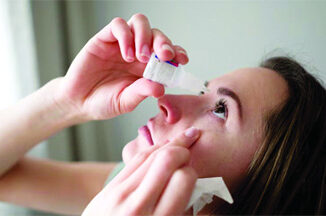
Taking serious note of Mumbai-based Entod Pharmaceuticals’ claims that it can help reduce dependency on reading glasses for those suffering from presbyopia, the Drugs Controller General of India has suspended the permission granted to manufacture and sell their new eye drops.
According to the National Eye Institute, presbyopia is a refractive error that makes it hard for middle-aged and older adults to see things up close.
The drug regulator said the company made claims for the drug product for which it had not obtained approval from the Central Licensing Authority, thereby violating provisions under the New Drugs and Clinical Trial Rules, 2019.
In an order issued on September 10, the Drugs Controller General of India (DCGI) said the Directorate had issued permission on August 20 for the manufacture and marketing of Pilocarpine Hydrochloride Ophthalmic Solution for the treatment of presbyopia in adults.
Then on September 4, the drug regulator had asked for an explanation from the company for the claims it made in the press following which the drug-maker also submitted its response.
In response to the claim “first eye drop in India designed to reduce the need for reading glasses”, the order stated that the company said there are currently no other eye drops approved for the treatment of presbyopia in India.
“In this regard, you are informed that the Pilocarpine Hydrochloride Ophthalmic Solution USP 1.25 per cent w/v has not been approved for any such claim that it is designed to reduce the need for reading glasses,” the order said.
In response to the claim that “this eye drop offers a non-invasive option that can enhance near vision without the need for reading glasses”, the company submitted that in the clinical trial conducted, subjects did not wear glasses to participate.
“In this regard, you are informed that the Pilocarpine Hydrochloride Ophthalmic Solution USP 1.25 pc w/v is approved for the treatment of Presbyopia in adults and is not approved for such claim that these eye drops can enhance near vision without the need for reading glasses,” the order said.
In response to the claim “PresVu can provide an advanced alternative that augments near vision within 15 minutes”, the firm in its response stated that one doctor had evaluated the drug product as compared to reading glasses.
“In this regard, you are informed that the Pilocarpine Hydrochloride Ophthalmic Solution USP 1.25 pc w/v is approved for the treatment of Presbyopia in adults and is not approved for such claim that PresVu can provide an advanced alternative that augments near vision within 15 minutes,” the order read.
The drug regulator stated that the company had failed to respond to the queries and tried to justify the claims for the product for which no approval was granted.
Tag: Health
Read the latest health news, diet, fitness, medical news and healthcare tips on theindianpanorama.news/health. Get all the healthcare news, including wellness, fitness, diet and weight loss & more.

-

Drug regulator suspends permission for eye drops claiming to replace reading glasses
-

Benefits of starting your day with a morning run
Running is undoubtedly a fantastic way to achieve your fitness goals, embraced by millions for its numerous benefits. It’s one of the simplest forms of exercise, accessible to people of all ages. But did you know that running first thing in the morning feels like living two lives? The mental boost it gives your day, the thrill of a magical sunrise and the tranquillity of being immersed in nature while the rest of the world sleeps—there’s truly no better feeling. We often underestimate how powerful a morning run can be, whether it’s a solo journey or a pre-work running club. Check out some of the amazing benefits of a morning run below.
Improved mental health
Running positively impacts your mental health and boosts your self-worth. A morning run, especially outdoors, lets you enjoy nature’s beauty and the calm of fewer people and cars, making it a refreshing and rewarding start to your day.
Better Sleep
If you struggle to sleep, try running in the morning. Studies show it promotes deeper sleep, and establishing a routine of early runs can help you fall asleep faster and improve your sleep quality.
Improves heart health
Morning running is an aerobic exercise with numerous health benefits, especially for heart health. It raises your heart rate, strengthens your cardiovascular system, and, with consistency, reduces the risk of heart disease and related conditions.
Better joint health
Running in the morning can help prevent joint pain and injury. Our joints are naturally stiffer in the morning, making them less prone to injury. By running early, you allow your body to warm up gradually, reducing strain on your joints and preparing for a longer, safer run.
Helps to create consistency
Starting your day with a run before work helps establish a consistent exercise routine and develop discipline. Committing to a morning run makes it easier to build the habit of regular exercise, which can boost your energy, productivity, and success in other areas of your life.
Jump-starts your metabolism
Morning runs can significantly boost your metabolism, the process that converts food into energy. Running early activates your body’s metabolic functions, increasing calorie burn throughout the day and aiding in weight loss. -

New wearable heart monitor to boost irregular heart rhythm diagnosis
US researchers have announced a new wearable, long-term continuous heart monitor that is likely to identify more cases of irregular heart rhythm—also known as atrial fibrillation linked to the risk of stroke and heart failure—compared to usual care. However, the heart monitors did not lead to a reduction in hospitalisations due to stroke, said the team at the Duke Clinical Research Institute in North Carolina, US.
“Atrial fibrillation is often undiagnosed and can increase the risk of ischemic stroke, which is largely reversible by oral anticoagulation,” said lead author Renato Lopes, Professor of Medicine at the Institute.
“We still need definitive evidence that diagnosis of atrial fibrillation through systematic screening can lead to subsequent treatment with oral anticoagulation and therefore, lower stroke risk,” Lopes said. The study, published in the Journal of the American College of Cardiology, enrolled approximately 12,000 patients in the US who were at least 70 years old with no history of atrial fibrillation.
About half the patients were randomly assigned to receive 14 days continuous monitoring device, and the other half usual care. After 15 months of follow-up, the study reported a 52 per cent increase in the number of cases of atrial fibrillation diagnosed among the device-wearers compared to those in usual care. While there was no increase in rates of hospitalisation for bleeding, no significant reduction was found in the rate of hospitalisations for all strokes compared with usual care.n Heart rate monitors are devices that come with built-in sensors to help detect and track heart or pulse rate continuously. The devices are also available in smartwatches and help in tracking heart rate during exercise, monitoring heart rate for stress, and alerting in case of an anomaly. But these cannot be substitutes for medical devices that are much more accurate. Source: IANS -

Daily pill with 3 low-dose drugs more effective in lowering BP, finds study
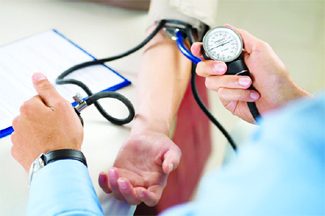
For those suffering from uncontrolled hypertension, here comes good news. New research on Saturday showed that a single pill with low doses of three anti-hypertensive drugs, once a day, significantly lowered blood pressure than other standard care methods. It is estimated that over a billion adults live with hypertension worldwide, with two-thirds living in low- and middle-income countries.
The treatment based on novel combination of low doses of three anti-hypertensive drugs in a single pill — known as ‘GMRx2’ — was found to be superior to a high-quality standard care treatment plan at lowering blood pressure in patients, according to the study published in the Journal of the American Medical Association (JAMA).
The ‘GMRx2’ treatment plan involved a once-daily pill containing telmisartan, amlodipine and indapamide at a quarter, half or standard doses.
The standard care treatment plan was recommended by the Nigerian Ministry of Health began with monotherapy, followed by dual and triple combination therapy, and was typical of hypertension guidelines for many countries.
Results of the trial was led by The George Institute for Global Health and presented at the ‘European Society of Cardiology Congress 2024’.
After six-month treatment, home systolic blood pressure was 31 mm Hg lower in the ‘GMRx2’ group compared to 26 mm Hg lower with standard care. The 5.8 mm Hg difference was highly clinically and statistically significant.
Existing evidence shows that with every 5 mm Hg reduction in systolic blood pressure there is a 10 per cent reduction in major cardiovascular events such as stroke, heart attack and heart failure, the study noted.
After just one month, 81 per cent of participants in the ‘GMRx2’ group achieved clinic-measured blood pressure control versus 55 per cent with standard care.
“The triple pill still produced clinically meaningful reductions in blood pressure compared to standard care, even when standard care closely followed current guidelines and involved more clinic visits,” said Professor Dike Ojji, head of the cardiovascular research unit at the University of Abuja, Nigeria. -

Is HPV secretly hurting men’s fertility?
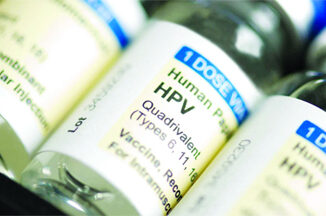
Men having the high-risk form of the cervical cancer-causing virus, or HPV, were found to possess higher amounts of dead sperm, thereby negatively affecting their fertility, according to a new study.
Human Papillomavirus (HPV), a sexually transmitted infection, comprises high-risk and low-risk viruses. While the former is known to pose a high risk for developing malignancies and the latter is known for causing largely benign warts or marks, researchers explained in the study, published in the journal Frontiers in Cellular and Infection Microbiology.
The researchers from Argentina, including those from the National University of Cordoba, looked at the quality of 205 adult men’s semen.
About a fifth of them, or 39, tested positive for HPV — 20 having the high-risk form of the virus, seven with the low-risk form and 12 in whom the team could not identify high-risk or low-risk. The 39 HPV-positive men were compared with 43 HPV-negative men.
While semen quality of men across these groups did not differ, upon looking more closely, the researchers found that the samples taken from the men infected with the high-risk virus contained a significantly lower count of immune cells known to help fight infection — CD45 white blood cells.
Senior author Virginia Rivero explained that the lower count of immune cells seen in these samples were a result of the HPV’s known ability to dodge an immune response.
This would lead to fewer white blood cells moving to the site of HPV infection, thereby impairing their ability to clear this infection, Rivero, a professor at the National University of Cordoba, said.
The researchers also found evidence that sperm of the men infected with the high-risk version of the HPV could suffer repeated damage due to oxidative stress, judging by these men’s elevated production of reactive oxygen species (ROS).
While low levels of ROS are a product of normal sperm function, elevated levels can lead to rupturing of cells’ outer covering, breaks in genetic material and cell death. Consistent with this, the researchers found more numbers of dead sperm cells in HPV-positive men having the high-risk virus.
“… higher frequencies of ROS dead spermatozoa were shown by HR-HPV infected individuals with respect to those infected with LR-HPV genotypes,” the authors wrote.
“We concluded that men infected with high risk-HPV, but not men infected with low risk-HPV, show increased sperm death due to oxidative stress and a weakened local immune response in the urogenital tract,” Rivero said. Source: PTI -

Even placebos can help reduce stress, anxiety: Study
A team of scientists has found that even placebos can help reduce stress, anxiety and depression in people remotely.
The study, published in the journal Applied Psychology: Health and Well-Being, found that the non-deceptive group showed a significant decrease in stress, anxiety and depression in just two weeks compared to the no-treatment control group. Participants also reported that the non-deceptive placebos were easy to use, not burdensome and appropriate for the situation.
For the study, researchers recruited participants experiencing prolonged stress from the pandemic for a two-week randomised controlled trial.
The participants interacted with a researcher online through four virtual sessions on Zoom.
Those in the non-deceptive placebo group received information on the placebo effect and were sent placebo pills in the mail along with and instructions on taking the pills.
Jason Moser, co-author and professor in Michigan State University’s Department of Psychology, said that exposure to long-term stress can impair a person’s ability to manage emotions and cause significant mental health problems long-term.
“We are excited to see that an intervention that takes minimal effort can still lead to significant benefits,” Moser added. “This minimal burden makes non-deceptive placebos an attractive intervention for those with significant stress, anxiety and depression.”
The researchers are hopeful in the ability to remotely administer the non-deceptive placebos by health care providers. “This ability to administer non-deceptive placebos remotely increases scalability potential dramatically,” said Darwin Guevarra, co-author of the study and postdoctoral scholar at the University of California, San Francisco. Source: IANS -

Neoadjuvant chemotherapy may boost cancer treatment outcomes: Experts
Neoadjuvant chemotherapy — used to shrink tumours before cancer surgery — can significantly improve treatment outcomes and boost survival rate, said experts. Neoadjuvant chemotherapy is a type of cancer treatment where chemotherapy drugs are administered before surgical extraction of the tumour just before primary cancer treatment. It can shrink a cancerous tumour before moving on to other treatments such as surgery. It can also allow doctors to test a chemotherapy drug to gauge how the body responds to it.
According to the American Cancer Society (ACS), the treatment shrinks cancerous tumours which then helps surgeons to remove them easily. Neoadjuvant chemotherapy may also kill cancerous tissue that is not yet visible on imaging tests. The effectiveness of neoadjuvant chemotherapy depends on many factors, including the type and stage of cancer a person has, as well as their response to different drugs. “When chemotherapy is your first treatment for cancer, it’s called ‘neoadjuvant therapy’. It’s often used for advanced breast cancer or large tumours that complicate surgery and it has other equally important benefits,” said Dr Ashish Gupta, Chief of Medical Oncology at Unique Hospital Cancer Centre in New Delhi. “Oncologists recommend neoadjuvant chemotherapy depending on various factors, including, cancer type, cancer progression, and treatment goals, such as easing symptoms or slowing growth. Neoadjuvant therapy is widely used across the world and it has the potential to improve cancer treatment outcomes and boost survival in India,” he added.
The use of neoadjuvant chemotherapy is gaining popularity in both the US and Europe, particularly for older and frail patients, because it is associated with less surgical toxicity.
A prospective randomised study of neoadjuvant chemotherapy from the European Organization for Research and Treatment of Cancer found that it has the potential to improve survival rates.
“Neoadjuvant chemotherapy can revolutionise cancer treatment in India by shrinking tumours before surgery,” said Dr Rahul Bhargava, Principal Director of Hematology and Bone Marrow Transplant at Fortis Memorial Research Institute. He added that the line of treatment also helps reduce cancer recurrence, and improves survival rates. “Scaling its use nationwide would allow more patients to access this life-saving intervention, ultimately enhancing the quality of care and outcomes in oncology,” Bhargava said. -

Healthy foods you must add to your grocery shopping list
Leafy greens
Leafy greens are nutritional powerhouses, rich in vitamins A, C, K, and folate, as well as minerals like iron and calcium. They are low in calories and high in fibre, which supports digestive health and helps maintain a healthy weight.
Berries
Berries are loaded with antioxidants, particularly vitamin C and anthocyanins, which protect cells from damage and reduce the risk of chronic diseases. Their high fibre content promotes digestive health, and their low glycemic index helps regulate blood sugar levels.
Nuts
Nuts are a great source of healthy fats, particularly monounsaturated and polyunsaturated fats, which support heart health by lowering bad cholesterol levels. They also provide protein, fibre, vitamins (like vitamin E), and minerals (such as magnesium and zinc).
Whole grains
Unlike refined grains, they retain their bran and germ, which are packed with nutrients. The fibre in whole grains supports digestive health, helps control blood sugar levels, and keeps you full longer, aiding in weight management.
Fatty fish
Fatty fish are high in omega-3 fatty acids which reduce inflammation, lower the risk of heart disease, and support brain health. Fatty fish also provide high-quality protein, vitamin D, and selenium, which are important for bone health and immune function.
Legumes
Legumes are an excellent plant-based protein source, rich in fibre, vitamins, and minerals like iron and potassium. They have a low glycemic index, which helps manage blood sugar levels, making them ideal for people with diabetes. -

Too much chicken can sneak in extra fat and sugar into your diet
Chicken breasts are most people’s go-to option for daily protein intake. For some people, chicken makes up for the most part of their diet for health reasons. However, a recent study reveals that consumption of too much chicken may not be as healthy as we think.
Chicken breast and ketchup – too much of it – might be the reason for overconsumption of fat and sugar. The surprising details were revealed in a study. Ice-cream, pizza and cheese are known for not being too healthy already. But when it comes to consuming chicken and harmless servings of ketchup, we never thought that we were, in fact, sneaking in extra fat and sugar in our diet.
In a media release, Professor Christopher Taylor, director of medical dietetics at the School of Health and Rehabilitation Sciences at The Ohio State University and lead study author said that while chicken breast is known as a lower saturated fat food, we must know that foods with lower saturated fats can also slowly add saturated food to the diet.
The study was conducted on 35,000 U.S. adults to research the unhealthy eating habits in people. The study also helps in spreading awareness about the unexpected daily sources of sugar and fat that we add to the diet. Professor Christopher Taylor further added that while chicken breast and ketchup are not poor food choices, we should know how they work.
The study noted down cheese, pizza, ice cream, and eggs as top contributors of saturated fat to the body. Cold cuts, substitutes for cream, fried potatoes, and whole milk are also high in saturated fat content. Beverages and desserts such as soft drinks, tea, fruit drinks, cakes, and pies are the sources of added sugars to the body. Tomato-based condiments, cereal bars, energy drinks, and yeast breads also contribute to added sugars in the body. -

Red meat linked with increased diabetes risk: Lancet study
Consuming red meat is related to a higher risk of type 2 diabetes, according to an analysis of more than 19 lakh adults from 20 countries across world regions, including southeast Asia, providing the “most comprehensive evidence to date.”
Published in The Lancet Diabetes and Endocrinology journal, the analysis found that a habitual consumption of three types of meat and their daily amounts – 50 grams of processed meat, 100 grams of unprocessed red meat and 100 grams of poultry – was related to 15 per cent, 10 per cent and eight per cent increases in risk of developing type 2 diabetes, respectively.
The international team of researchers from the US, UK, Brazil, Mexico, among others, said that intake of meat exceeds recommended levels in many regions of the world and has been correlated with non-communicable diseases, including type 2 diabetes.
However, all the existing evidences are largely based on studies from high-income countries, mainly in North America and Europe, they said.
For this study, the researchers included 31 cohorts from the InterConnect project, data for which was compiled from scientific studies and online registries, including unpublished information. Of the total 19,66,444 participants, more than a lakh developed type 2 diabetes during follow-up, typically lasting 10 years.
“The positive associations of unprocessed red meat and processed meat with incident type 2 diabetes were significant in the region of the Americas (13 per cent and 17 per cent, respectively), in the European region (six per cent and 13 per cent), and in the Western Pacific region and east Asia (17 per cent and 15 per cent),” the authors wrote.
They also estimated that replacing 50 grams of daily intake of processed meat with 100 grams of unprocessed red meat lowered the risk of type 2 diabetes by seven per cent on an average.
Further, diabetes risk was found to fall by 10 per cent on replacing 50 grams of processed meat daily intake with 100 grams of poultry a day.
The researchers, however, found no evidence that replacing unprocessed red meat with poultry helped in cutting down diabetes risk. Source: PTI -

Mice study finds clues to age-related memory impairment
A new mice study may have found an association between an enzyme and memory loss in elderly people, an advance that can someday pave the way for the treatment of Alzheimer’s disease and dementia. The brain’s capacity to incorporate new information gets weaker with old age. The elderly can not only remember new information but also find it hard to modify their memories when new details emerge. Researchers from the Pennsylvania State University (also called Penn State) in the US identified the enzyme histone deacetylase 3 (HDAC3) as the major reason for this.
The findings, published in the journal Frontiers in Molecular Neuroscience, showed that older mice with the blocked enzyme were better able to incorporate new information and perform similarly to their younger counterparts.
Janine Kwapis, assistant professor of biology at Penn State said that research has not focussed on whether the “mechanisms behind memory formation and memory updating are identical or if they are unique for memory updating. This is a step forward in figuring that out.” Kwapis said to take on new information, the brain has to bring the existing memory out of storage and weaken it. However, this process, called reconsolidation, becomes less effective with age, Kwapis noted.
HDAC3 has previously been shown to negatively affect memory formation and gene expression during memory consolidation but the researchers said its role in memory reconsolidation wasn’t previously studied.
The study noted that when HDAC3 was blocked during the memory reconsolidation phase, it prevented the typical age-related deficits in memory updating.
Source: IANS -

Protein-rich diet may lower mortality risk in kidney disease patients: Study
Following a diet rich in proteins may help lower the risk of death among people with chronic kidney disease (CKD), claims a study. About 850 million people worldwide are estimated to have kidney disease, and most live in low-income and lower-middle-income countries.
The study led by researchers from Karolinska Institute and Stockholm University in Sweden showed that the benefits of proteins may outweigh the downsides in older adults with mild or moderate CKD, in whom disease progression may play a more limited role in survival. For the study, the team included 8,543 community-dwelling adults 60 years and older between March 2001 and June 2017. They were followed up for mortality from December 2021 to January 2024.
The results, published in the journal JAMA Network Open, revealed “that a higher intake of total, animal, and plant protein was associated with lower mortality in adults 60 years and older with mild or moderate CKD”. Importantly, the associations were larger among participants without CKD, the team said.
The researchers explained that protein supplementation appears to reduce the risk of death in older persons, possibly by elevating branched-chain amino acid levels.
A higher protein intake can boost muscle mass and strength, slower rate of bone loss, higher bone mineral density, lower risk of frailty, and improved cardiovascular function and recovery from illness (including wound healing), said the researchers.
On the other hand, older adults with protein deficiency are at risk of “impairments of muscular, skeletal, and immune function”, they said.
Benefits of Eating Protein
Increases Muscle Mass: The importance of protein in the body can be linked to increased muscle mass. It helps you maintain your muscle mass and also encourages muscular development during strength training. Hence, bodybuilders and weightlifters are advised to take the optimum amount of protein that aids them in their muscle growth journey. Consuming sufficient amounts of protein also prevents muscle loss during weight reduction.
Recovers the Body Post-Injury: Since protein is the major building block of muscles and tissues, eating the right amount of protein can have a major effect on healing. Athletes are recommended to eat enough protein to recover from injuries.
Reduces Hunger: A high-protein diet helps us feel fuller and less hungry. Our body makes more satiety hormones such as cholecystokinin and peptide YY, which gives signals of a full belly. Protein can also help us feel less hungry in between meals, which reduces our intake of junk food and calories.
Digestion: Most of the enzymes in our body are made of proteins. Having sufficient amounts of proteins aid in producing enzymes that help in digestion.
Improves Bone Health: Our body needs the appropriate amount of nutrients to function smoothly. Consuming these essential nutrients promotes bone health which prevents age-old bone diseases like osteoporosis. Thus, one should improve their protein intake to match their body’s needs & functions. -

Pre-approved by WHO, Qdenga dengue vaccine shows 50 pc efficacy, lasting effects: Study
The dengue vaccine Qdenga, pre-approved by the World Health Organization in May, has shown more than 50 per cent efficacy in reducing the number of cases, with lasting effects and a good safety profile, according to a review of 19 studies.
The “first comprehensive global” review, covering more than 20,000 participants, found that upon receiving the two-dose vaccine, over 90 per cent of adults and children elicited an immune response against all four variants (serotypes) of the dengue-causing DENV virus. Of the 19 studies analysed, 13 contained data from Asian and South American locations where the disease is endemic. “Given the results in terms of safety, immunogenicity, and efficacy, the administration of two doses can undoubtedly be a key tool for dengue prevention,” said Maria Elena Flacco from the University of Ferrara, Italy, and the lead author of the study published in the journal Vaccines.
Developed by the Japan-based Takeda Pharmaceutical Industries Limited, the Qdenga vaccine—also called TAK-003 — is a live-attenuated vaccine, containing weakened versions of the four serotypes of the DENV virus.
“TAK-003 showed an excellent safety profile, and the immunogenicity after two doses against the four DENV serotypes was higher than 90 per cent among both adults and children/adolescents who were either seronegative or seropositive at baseline,” the authors wrote. While seropositive indicates a prior dengue infection or exposure to DENV virus, seronegative indicates none of these.
The authors also found that among those receiving a single vaccine dose, more than 70 per cent of adults and over 90 per cent of children and adolescents developed antibodies against the viral infection.
Source: PTI -

Kolkata doctor rape-murder: AIIMS-Delhi doctors to continue protest; CBI begins probe
KOLKATA (TIP): A team of senior CBI officers reached Kolkata on Wednesday, August 14 morning to investigate the alleged rape and murder of a woman doctor at a state-run hospital in West Bengal, sources at the Central agency said.
The CBI team, which comprises medical and forensic experts, will visit the RG Kar Medical College and Hospital’s seminar hall where the body of the trainee doctor was found on August 9, they said.
The Calcutta High Court on Tuesday, August 13, ordered the transfer of the probe from the Kolkata Police to the Central agency. A source in the Central Bureau of Investigation (CBI) said that the agency has filed an FIR under relevant sections of the Bharatiya Nyaya Sanhita (BNS) in New Delhi in connection with the alleged rape and murder of the doctor.
“Today, our officers will seek the call details of the deceased woman and those on duty on that day. They may submit the FIR in a local court,” another central agency source said.
The CBI may take Sanjay Roy, who was arrested by Kolkata Police in connection with the case, into its custody during the day, he said. Two CBI officers on Tuesday, August 13 evening went to the Tala Police Station here and took documents related to the Kolkata Police’s investigation. The court directed the city police to hand over the case diary to the Central probe agency by this evening, and all other documents by 10 am on Wednesday.
Meanwhile, the Federation of Resident Doctors’ Association (FORDA) called off its strike late on Tuesday as Union Health Minister JP Nadda accepted their demands.
However, the medics at the Central Government-run AIIMS, the Indira Gandhi Hospital and other resident doctors’ associations, including the Federation of All India Medical Associations (FAIMA) told PTI that their stir would continue until a Central law to curb attacks on medical personnel is implemented and a concrete solution found.
(Source: PTI) -

These foods may be disturbing your gut microbiome
The gut microbiome refers to the diverse community of trillions of microorganisms, including bacteria, viruses, fungi, and other microbes, residing in the digestive tract. These microorganisms play a crucial role in various bodily functions such as digestion, immune system regulation, and even mental health. A balanced and diverse gut microbiome is essential for overall health. However, certain foods can negatively impact the gut microbiome.
Foods that can negatively impact your gut microbiome:
Processed foods
Processed foods are high in additives, preservatives, and artificial sweeteners, processed foods can disrupt the balance of gut bacteria, leading to inflammation and reduced microbial diversity. Opt for whole, unprocessed foods. Read labels and avoid products with long lists of ingredients.
Artificial sweeteners
Substances like aspartame and sucralose can alter gut bacteria, potentially leading to glucose intolerance and metabolic issues. Use natural sweeteners like honey or maple syrup in moderation. Limit the intake of diet sodas and sugar-free products.
Red meat
High consumption of red meat is associated with increased levels of harmful bacteria and inflammation in the gut. Limit red meat intake to occasional consumption. Incorporate more plant-based proteins like beans, lentils, and tofu into your diet.
Fried foods
Fried foods are high in unhealthy fats, fried foods can promote the growth of harmful bacteria and increase inflammation. Choose healthier cooking methods like baking, grilling, or steaming. Use healthy oils like olive oil for cooking.
Refined sugars
Excessive sugar consumption can feed harmful bacteria and yeast in the gut, leading to dysbiosis and inflammation. Reduce the intake of sugary snacks, desserts, and beverages. Opt for fruits and natural sweeteners instead.
Alcohol
Alcohol can disrupt the balance of gut bacteria, increase gut permeability (leaky gut), and contribute to inflammation. Limit alcohol consumption and opt for moderate drinking. Drink plenty of water to stay hydrated.
Dairy products
For some individuals, especially those with lactose intolerance, dairy can cause gut irritation and an imbalance of gut bacteria. Choose lactose-free dairy products or dairy alternatives like almond milk or soy milk if you have lactose intolerance.
Gluten
Gluten can cause inflammation and gut barrier dysfunction in individuals with celiac disease or gluten sensitivity. Avoid gluten-containing foods if you are sensitive. Choose gluten-free grains like quinoa, rice, and millet.
Antibiotics
While not a food, the frequent use of antibiotics can significantly disrupt the gut microbiome by killing beneficial bacteria. Use antibiotics only when prescribed by a healthcare professional. Take probiotics during and after antibiotic treatment to help restore gut balance. -

Indian researchers find a new, cheaper route to manage cholesterol
Researchers from S. N. Bose National Centre for Basic Sciences, Kolkata, have explored a new way to manage conditions like elevated low-density lipoprotein (LDL), or cholesterol, levels.
Proteins are vital for our health, performing a wide range of functions. However, incorrect protein interactions can cause diseases. Traditionally, scientists have tried to develop small molecule drugs that act as competitive inhibitors to protein-protein interaction (PPI) sites. However, this has proven difficult due to the large and smooth nature of protein interaction areas. An alternative approach uses large peptides or antibodies to inhibit PPIs, though these can be costly and difficult to administer. Pharmaceutical industries thus seek small molecules that are easier to take, typically in pill form.
A promising new method involves allosteric inhibitors — drugs that bind to different parts of the protein, changing its behaviour and preventing harmful interactions.
The challenge is identifying these special target spots on proteins. The researchers propose a new computational protocol to predict and identify alternative binding pockets and hotspots on a protein surface that are allosterically coupled to the functional site using advanced computer simulation approaches.
As a test case, they examined PCSK9, a protein that controls cholesterol levels by interacting with low-density lipoprotein receptor (LDLR). Increased PCSK9-LDLR interaction can elevate LDL levels, contributing to heart disease. Current treatments targeting PCSK9 are expensive and not suitable for everyone. Finding an orally administered small-molecule drug that blocks the PCSK9-LDLR interaction could be transformative. Source: IANS -

Suffering from high blood pressure? Eating fruits and vegetables may help
Fruits and vegetables, which are an under-prescribed treatment, have become a crucial part of hypertension treatment, new research said. Diets high in these foods have been shown to lower blood pressure, reduce cardiovascular risk, and improve kidney health due to their base-producing effects. A new study in The American Journal of Medicine, presents findings from a five-year interventional randomised control trial.
Despite efforts to improve hypertension treatment with pharmacological strategies, hypertension-related chronic kidney disease and cardiovascular mortality are rising. Heart disease remains the leading cause of death for patients with chronic kidney disease.
The Dietary Approaches to Stop Hypertension diet, rich in fruits and vegetables, is recommended as the first-line treatment for primary hypertension. However, it is often under-prescribed and under-implemented, despite supporting data. Diets high in fruits and vegetables are associated with lower blood pressure, reduced chronic kidney disease progression, and decreased cardiovascular disease risk and mortality.
“Our patient studies showed that an acid-producing diet (high in animal products) is harmful to kidneys, while a base-producing diet (high in fruits and vegetables) is beneficial. We hypothesised that fruits and vegetables are both kidney and heart-healthy because they reduce dietary acid,” said Donald E Wesson from Dell Medical School, The University of Texas. The study involved hypertensive patients with macro albuminuria—a marker of chronic kidney disease and cardiovascular risk. Participants were divided into three groups: one adding 2-4 cups of fruits and vegetables to their daily diet, another taking sodium bicarbonate (NaHCO3) tablets, and a control group receiving standard medical care. Source: IANS -

New model boosts diagnosis accuracy for cardiac arrest
Japanese researchers have developed a new model that can help predict the outcomes of patients who suffer from out-of-hospital cardiac arrest (OHCA).
In cardiac arrest cases, immediate action is crucial, as it can determine the patient’s survival. Timely intervention not only improves the chances of recovery but also minimises the risk of severe complications.
Researchers from Osaka Metropolitan University developed the R-EDByUS score, a scoring model that uses prehospital resuscitation data to predict outcomes in OHCA patients.
The R-EDByUS score comprises five variables: age, duration to return of spontaneous circulation or time to hospital arrival, absence of bystander CPR, whether the arrest was witnessed, and initial heart rhythm (shockable versus non-shockable).
Cardiac arrest, which can result in death within minutes, is a critical emergency with low survival rates. Accurate early prediction models are crucial in OHCA cases, potentially saving lives and reducing unnecessary healthcare costs.
“Current prognosis prediction models require complex calculations and blood test data, making them impractical for rapid use immediately after patient transport,” explained Takenobu Shimada, a medical lecturer at the University’s Graduate School of Medicine. The model demonstrated high predictive accuracy, with C-statistics values around 0.85, indicating excellent performance. “The R-EDByUS score enables high-precision prognosis prediction immediately upon hospital arrival, and its application via smartphone or tablet makes it suitable for everyday clinical use,” Shimada noted.
This new tool is expected to be invaluable for healthcare providers, aiding in the prompt assessment and management of patients undergoing resuscitation. Source: IANS -

Cholesterol and vision problems might be secret dementia triggers: Study
A new Lancet Commission report highlights high cholesterol and untreated vision loss as major new risks for dementia, which affects memory and thinking skills. Alzheimer’s Disease, the most common type of dementia, makes up 60-70% of cases. The report shows that these issues account for nine percent of all dementia cases. Seven percent of dementia cases are linked to high levels of bad cholesterol (LDL) that often rise around age 40, while untreated vision problems contribute to two percent of cases. So, keep those cholesterol levels in check and get those eyes examined.
The report, written by 27 top dementia experts, underscores the importance of managing cholesterol and addressing vision issues to lower the risk of developing dementia. With dementia listed as the seventh leading cause of death worldwide by the World Health Organization (WHO), this new research is particularly relevant for India.
Suvarna Alladi, a professor of neurology at NIMHANS in Bengaluru and a key author of the report, points out that dementia affects 7.4% of people over 60 in India, with around 8.8 million individuals living with the condition. “Age remains the strongest risk factor for dementia, but this new evidence highlights why we need to prioritise screening and treating vision loss and managing cholesterol levels in older adults to help reduce dementia cases,” she says.
In 2020, the Lancet Commission identified 12 key risk factors for dementia, including low levels of education, hearing impairment, high blood pressure, smoking, obesity, depression, physical inactivity, diabetes, excessive alcohol consumption, traumatic brain injury (TBI), air pollution, and social isolation.
A meta-analysis of three UK studies involving over 1.1 million people under 65 found that every 1 mmol/L increase in LDL cholesterol raised dementia risk by eight percent. Another study with 1.2 million participants showed that LDL cholesterol levels over 3 mmol/L increased the risk of dementia by 33 percent. Additionally, a large UK study of 1.8 million people tracked for 7.4 years confirmed that higher LDL cholesterol levels are linked to a greater risk of dementia. Researchers say this connection arises because excess cholesterol raises stroke risk and leads to the buildup of amyloid ß and tau proteins, which disrupt brain cell function.
High levels of LDL cholesterol are linked to increased amyloid buildup in the brain. “Several factors explain the connection between high LDL cholesterol (levels above 100 mg/dL) and brain amyloid accumulation,” says Dr. Faheem Arshad, assistant professor of neurology at NIMHANS. These include heightened activity of amyloid-producing enzymes like secretases, reduced clearance of amyloid from the brain, negative impacts on neuron cells, and damage to the blood-brain barrier due to inflammatory processes.
Researchers highlight that “individual counselling on diet and exercise has limited effects on lowering LDL cholesterol. Statins, which are being studied for their potential benefits in Alzheimer’s Disease, show promise due to their anti-inflammatory and antioxidant properties. Source: HT -

Eating a vegan diet for short period can help reduce biological age: Study
Eating a vegan diet for eight weeks can help reduce biological age estimations, according to a small study. Knowing the biological age can help understand the risk of diabetes or dementia. The research, published in the journal BMC Medicine, showed that the age reduction observed was based on levels of DNA methylation—a type of chemical modification of DNA (known as an epigenetic modification) that alters gene expression but not DNA itself.
The new study, a randomised, controlled trial of 21 pairs of adult identical twins, investigated the molecular effects of a short-term vegan diet.
The team instructed one-half of each twin pair to eat an omnivorous diet for eight weeks—including between 170 and 225 grams of meat, one egg, and one-and-a-half servings of dairy each day—and the other half to eat a vegan diet for the same length of time.
The team found decreases in estimates of biological age—known as epigenetic ageing clocks—in participants who ate a vegan diet but not among those that ate an omnivorous diet.
People on a vegan diet also had decreases in the ages of the heart, hormone, liver, and inflammatory and metabolic systems. They also lost two kilograms more on average than those who ate an omnivorous diet due to differences in the calorie contents.
The findings are unclear, said the team stressing the need to investigate further the relationship between dietary composition, weight, and ageing.
Source: IANS