Tag: Health

Read the latest health news, diet, fitness, medical news and healthcare tips on theindianpanorama.news/health. Get all the healthcare news, including wellness, fitness, diet and weight loss & more.
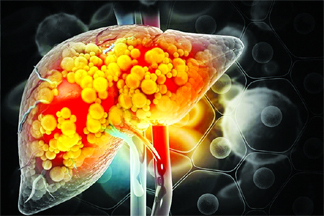
  • Liver diseases in kids up due to junk food, sugar consumption

    Liver diseases in kids up due to junk food, sugar consumption

    Medical experts have found that one in three children have non-alcoholic fatty liver disease (NAFLD), primarily caused by excess sugar consumption.
    It has become a significant concern even among children aged 5-16 years. Previously, children were thought to be safe from this liver disease.
    The number of children with NAFLD has risen alarmingly from 10-33 per cent in just a decade.
    Paediatric hepatologist at Ram Manohar Lohia Institute of Medical Sciences (RMLIMS), Piyush Upadhyay said the consumption of processed meals high in sugar and unhealthy fats is a major contributing factor to NAFLD in children.
    Warning against the dangers of sugary drinks and junk food, he explained that triglycerides, a type of fat, accumulate in liver cells when there is an imbalance between the amount of fat the body takes in or produces and the liver’s ability to process and eliminate it. The liver normally processes and removes fats from the body.
    “This imbalance can be caused by several factors, including genetics, a sedentary lifestyle, obesity, insulin resistance and an unhealthy diet. Decades ago, fatty liver disease was primarily caused by alcohol addiction,” Upadhyay added.
    “However, non-alcoholic fatty liver disease is becoming increasingly common. I see around 60-70 children with NAFLD every month, which is more than double the number I saw a decade ago,” he said.
    Another gastroenterologist, Punit Mehrotra said, “Many studies have shown that NAFLD can be reversed in children as well as adults by making lifestyle changes, such as reducing sugar and junk food intake and exercising regularly for at least 30 minutes.” Source: IANS

  • Simple tips to beat office weight gain

    Simple tips to beat office weight gain

    In the hustle and bustle of the modern workplace, maintaining a healthy weight can often be a challenge. People spend long hours sitting at office desks working and snacking on convenient but often unhealthy foods. Weight gain can become a significant concern for many individuals. However, with some mindful changes to your daily routine, it’s possible to maintain a healthy weight and avoid gaining weight while still being actively productive at work. Here are some easy and effective strategies to help you avoid gaining weight while on the job:
    Healthy Meals and Snacks
    One of the easiest ways to avoid unhealthy eating habits at work is to prepare healthy meals and snacks at home. This allows you to control portion sizes and choose nutritious options like fruits, vegetables, whole grains, and lean proteins. By avoiding the temptation of vending machines or fast food, you’ll be less likely to consume excess calories and unhealthy fats. Stock up on healthy snacks like nuts, yoghurt, hummus with veggies, or whole-grain crackers. Having these alternatives on hand will satisfy your hunger and provide lasting energy without the added calories and sugar.
    Stay Hydrated
    Drinking plenty of water throughout the day not only keeps you hydrated but can also help curb cravings for sugary beverages and snacks. Keep a refillable water bottle at your desk and aim to drink at least eight glasses of water daily. If you struggle with plain water, try infusing it with fruits or herbs for added flavor without the calories.
    Take A Small Break And Walk
    Another is walking. Combat the effects of sitting for long periods by incorporating regular movement breaks into your workday. Set reminders to stand up, stretch, and walk around for sometime. Consider taking the stairs instead of the elevator. One can also go for a short walk after the lunch break. These small bursts of activity can boost your metabolism and improve blood circulation.
    Careful Eating
    Mindful eating involves paying attention to your food choices and eating habits without distractions. When it’s time to eat, step away from your desk, and focus on enjoying your meal or snack. Chew slowly, savour the flavours, and listen to your body’s hunger cues. By being more mindful of what and how you eat, you’ll be less likely to overindulge or make impulsive food choices.
    Manage Stress Levels
    Stress can often lead to a bad mood, being distracted at work or emotional eating. Therefore, finding healthy ways to manage stress at work, such as deep breathing exercises, meditation, or taking short breaks to relax. Engaging in activities you enjoy outside of work, such as hobbies or spending time with loved ones, can also help alleviate stress.
    Prioritise Sleep
    Office going individuals often deal with the problem of lack of sleep. Lack of sleep can disrupt the body’s hunger hormones. Aim for at least eight hours of quality sleep to support healthy metabolism and weight management. This will keep you fresh and active in the office. Establish a bedtime routine, create a restful sleep environment, and prioritise sleep as an essential component of your overall health.

  • May 3 New York & Dallas E – Edition

    [vc_row][vc_column][vc_custom_heading text=”E-Edition” font_container=”tag:h2|text_align:center” google_fonts=”font_family:Istok%20Web%3Aregular%2Citalic%2C700%2C700italic|font_style:700%20bold%20regular%3A700%3Anormal” css=”” link=”url:https%3A%2F%2Fwww.theindianpanorama.news%2Fwp-content%2Fuploads%2F2024%2F05%2FTIP-May-3-E-Edition.pdf”][vc_single_image image=”163589″ img_size=”full” alignment=”center” onclick=”custom_link” css=”” link=”https://www.theindianpanorama.news/wp-content/uploads/2024/05/TIP-May-3-E-Edition.pdf”][/vc_column][/vc_row][vc_row][vc_column width=”2/3″][vc_custom_heading text=”Lead Stories This Week” google_fonts=”font_family:Istok%20Web%3Aregular%2Citalic%2C700%2C700italic|font_style:700%20bold%20regular%3A700%3Anormal” css=”” link=”url:https%3A%2F%2Fwww.theindianpanorama.news%2F”][vc_wp_posts number=”5″ show_date=”1″][/vc_column][vc_column width=”1/3″][vc_single_image image=”82828″ img_size=”medium” alignment=”center” onclick=”custom_link” css=”” link=”https://www.theindianpanorama.news/advertising-media-kit-portal-indian-panorama/ “][vc_single_image image=”82829″ img_size=”medium” alignment=”center” onclick=”custom_link” css=”” link=”https://www.theindianpanorama.news/advertising-media-kit-portal-indian-panorama/ “][/vc_column][/vc_row]

  • EMBASSY OF INDIA ORGANIZES MEDICAL CAMPS IN SANTA ROZA LIMA AND SANTA CRUZ, GUATEMALA

    EMBASSY OF INDIA ORGANIZES MEDICAL CAMPS IN SANTA ROZA LIMA AND SANTA CRUZ, GUATEMALA

    GUATEMALA CITY (TIP): The Embassy of India, in collaboration with the American Association of Physicians of Indian Origin – Charitable Foundation (AAPI-CF), COOITZA, Krishpar Healthcare S.A, the Santa Cruz Naranjo Health Center and Municipalities of Santa Cruz Naranjo and Santa Rosa Lima, jointly organized medical camps in Santa Rosa Lima on Friday, April 26, and Santa Cruz Naranjo on Saturday, April 27, 2024. These medical camps were aimed to serve the local communities by providing specialized and complimentary medical services to those in need, including consultations, diagnoses, and treatments across a range of specialties such as Ophthalmology, Otorhinolaryngology, Gastroenterology, Urology, Gynaecology, and Dermatology. Approximately1050 patients (400 at Santa Rosa Lima and 650 patients at Santa Cruz Niranjo) in visited the camp at both the locations and got free medical consultations from these specialists.

    A group of specialists from The AAPI – CF Charitable Foundation, an eminent physician organization of Indian origin in USA, visited Guatemala specifically for the medical camp. Founded by the American Association of Physicians of Indian Origin (AAPI), the AAPI – CF Charitable Foundation embodies the spirit of compassion and service, channelling resources and expertise towards meaningful projects and initiatives. The delegation of AAPI-CF physicians was comprised of Chairman Dr Ajeet Singhvi and Gaurav Singhvi gastroenterologist, Dr Kishan Agarwal internal medicine, Dr Madhu Agarwal Ob-Gyn, Dr Shashi Shah and Dr Ravi Jahagirdar urologist, Dr Raj Bhayani ENT facial plastic surgeon, Dr Shweta Singhvi radiologist, Dr Mamta Singhvi oncologist, Dr Brahma Sharma cardiologist. By leveraging the collective strengths of its members and partners, the foundation strives to make a tangible difference in the lives of underserved communities, both locally and globally. Through its steadfast commitment to philanthropy and healthcare initiatives, the foundation significantly contributes to improving the lives of individuals in Guatemala during the health camps. With a primary focus on promoting health equity and enhancing access to quality care, the foundation signed an MoU with COOITZA on 26 April 2024 in Santa Roza Lima to organize similar health camps in the future. The Foundation provided medications, ultrasound, EKG, Echo, and some laboratory tests. Northwell Health Global Division also provided medical equipment for this camp.

    The Health camp also got significant support from COOITZA and, the Santa Cruz Naranjo Health Center and Municipalities of Santa Cruz Naranjo and Santa Rosa Lima. COOITZA, established in 2019 with the objective of the social and economic improvement and focused on the development and improvement of life, through health products, was instrumental in providing invaluable logistical support to arrange the health camp. This support likely included coordinating transportation, arranging venues, managing supplies, and facilitating communication between stakeholders. By leveraging its resources and expertise, COOITZA ensured the smooth execution of the health camp, contributing significantly to its success. Their dedication to improving lives aligns seamlessly with the objectives of the health camp, making their involvement indispensable in achieving the goal of providing essential healthcare services to those in need.

    Krishpar Healthcare S.A. played a vital role in the medical camp by providing essential medical support in the form of supplying necessary medicines. Their contribution ensured that the camp had the necessary resources to deliver comprehensive healthcare services to the attendees. By supplying medicines, Krishpar Healthcare S.A. helped to enhance the quality of care provided at the camp, enabling medical professionals to diagnose and treat patients effectively.

    Embassy of India in collaboration with the AAPIUSA, COOITZA, the Santa Cruz Naranjo Health Center and Municipalities of Santa Cruz Naranjo and Santa Rosa Lima, organized the medical camp.

    The support from the municipalities of Santa Rosa Lima and Santa Cruz was invaluable in the successful execution of the medical camp. Their collaboration ensured that the necessary infrastructure and logistical arrangements were in place to facilitate the smooth functioning of the camp. The municipalities likely provided assistance with venue selection, permits, security, and other administrative tasks. Additionally, their engagement helped in mobilizing local resources and community participation, further strengthening the impact of the camp. The partnership between the medical organizers and the municipalities exemplifies the importance of community involvement in addressing healthcare needs and underscores a shared commitment to improving the well-being of residents.

    Ambassador Dr. Manoj Kumar Mohapatra while extending his gratitude to all the stakeholders emphasized India’s unwavering commitment to healthcare support in Guatemala. He underscores the significant strides made by India in extending medical assistance globally, including Guatemala, as a testament to India’s dedication to fostering health equity and access to quality care. Dr. Mohapatra highlights India’s multifaceted approach to healthcare cooperation, encompassing capacity-building initiatives, provision of medical supplies, and collaborative projects aimed at strengthening healthcare infrastructure in Guatemala. He highlights India’s recognition as the “pharmacy of the world,” symbolizing the nation’s pivotal role in supplying affordable and high-quality generic medicines to countless countries. He reaffirms India’s steadfast commitment to standing in solidarity with Guatemala in addressing healthcare challenges, thereby embodying the spirit of cooperation and goodwill between the two nations.

    The Embassy is committed to realizing the vision of our Hon’ble Prime Minister, who aims to ensure accessible and affordable healthcare not only for our citizens but for the entire world. Collaborative health camps conducted with AAPI-CF, COOIZA, and Krishpar in Guatemala have made positive changes in the lives of the Guatemalan population. These camps have provided crucial healthcare services in specialties like Ophthalmology, Otorhinolaryngology, Gastroenterology, Urology, Gynecology, and Dermatology to those lacking access to proper medical facilities. The successful execution of these camps highlights the Embassy’s dedication to making a significant impact on the lives of those in need. By organizing these camps in a carefully planned, phased manner, the Embassy has demonstrated the Government of India’s profound commitment to improving the vision and quality of life for underprivileged individuals in Santa Rosa Lima, Santa Cruz, and surrounding areas. Their proactive collaboration with local experts, hospitals, and organizations showcases their unwavering dedication to promoting community well-being and addressing eye diseases.

    The locals were provided specialized and complimentary medical services, including consultations, diagnoses, and treatments across a range of specialties.

    The Embassy of India remains steadfast in its commitment to partnering with the local community to combat health diseases and expand access to high-quality medical care. The successful completion of two eye camps in Peten, the donation of lifesaving TB medicines to the Government of Guatemala, the donation of diabetes medicines to the Municipality of Xela, and the recently concluded health camp are all testament to this commitment. These initiatives reflect the Embassy’s ongoing efforts to make a tangible difference in the lives of the Guatemalan population and underscore India’s dedication to global health equity. Furthermore, the Embassy is actively engaged in discussions with relevant government authorities to facilitate the provision of artificial limbs to individuals in the local Guatemalan community, with plans for an upcoming camp focused on this essential aspect of healthcare. It is anticipated that this initiative will be organized in the near future.


  • April 19 New York & Dallas E – Edition

    [vc_row][vc_column][vc_custom_heading text=”E-Edition” font_container=”tag:h2|text_align:center” google_fonts=”font_family:Istok%20Web%3Aregular%2Citalic%2C700%2C700italic|font_style:700%20bold%20regular%3A700%3Anormal” css=”” link=”url:https%3A%2F%2Fwww.theindianpanorama.news%2Fwp-content%2Fuploads%2F2024%2F04%2FTIP-April-19-E-Edition.pdf”][vc_single_image image=”163260″ img_size=”full” alignment=”center” onclick=”custom_link” css=”” link=”https://www.theindianpanorama.news/wp-content/uploads/2024/04/TIP-April-19-E-Edition.pdf”][/vc_column][/vc_row][vc_row][vc_column width=”1/2″][vc_custom_heading text=”Lead Stories This Week” google_fonts=”font_family:Istok%20Web%3Aregular%2Citalic%2C700%2C700italic|font_style:700%20bold%20regular%3A700%3Anormal” css=”” link=”url:https%3A%2F%2Fwww.theindianpanorama.news%2F”][vc_wp_posts number=”5″ show_date=”1″][/vc_column][vc_column width=”1/2″][vc_single_image image=”82828″ img_size=”medium” alignment=”center” onclick=”custom_link” css=”” link=”https://www.theindianpanorama.news/advertising-media-kit-portal-indian-panorama/ “][vc_single_image image=”82829″ img_size=”medium” alignment=”center” onclick=”custom_link” css=”” link=”https://www.theindianpanorama.news/advertising-media-kit-portal-indian-panorama/ “][/vc_column][/vc_row]

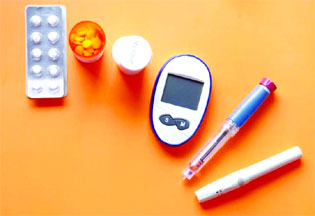
  • Eat plain yoghurt to lower diabetes risk, combat insulin resistance

    Eat plain yoghurt to lower diabetes risk, combat insulin resistance

    Regular consumption of plain yoghurt may help people to reduce their risk of diabetes and also reduce insulin resistance, say doctors. Yoghurt has long been known to curb the risk of diabetes. However, the US Food and Drug Administration in March made the first-ever qualified health claim that eating yoghurt may reduce the risk of Type-2 Diabetes (T2D).
    Based on limited scientific evidence, the regulatory body said that “at least three servings of yoghurt per week may reduce the risk of T2D incidence for the general population”, revealed a study published in the journal Diabetes & Metabolic Syndrome: Clinical Research & Reviews.
    However, “yoghurt will not cure or treat people with T2D”, said researchers from the University of Pennsylvania in the US in the paper.
    Speaking to IANS, Vandana Verma, Principal Dietitian at Sir Ganga Ram Hospital, said that the approval of yoghurt for managing blood sugar is due to its probiotic content, which promotes gut health.
    “The gut microbiome plays a vital role in regulating glucose metabolism and insulin sensitivity, essential for blood sugar management. Probiotics in yoghurt may enhance these functions, making it potentially beneficial for individuals with diabetes or at risk of it,” she said.
    However, she emphasised that all yoghurts are not equal. “Some may lack probiotics or contain added sugars, reducing their health benefits. Opting for plain yoghurt with live cultures and avoiding added sugars is preferred. Additionally, incorporating yoghurt into a balanced diet with fruits, vegetables, whole grains, and lean proteins, coupled with regular exercise, is crucial for managing and reducing diabetes risk,” the dietician said.
    Yoghurt is a product of high nutritional value and a rich source of nutrients like proteins, vitamins, and minerals as well as beneficial microbes. Source: IANS

  • Study finds 80% microplastics in blood clots behind heart attack, stroke

    Study finds 80% microplastics in blood clots behind heart attack, stroke

    A team of scientists in China detected a whopping 80 per cent of microplastics from blood clots that may have contributed to stroke, heart attack, and deep vein thrombosis.
    Microplastics—any type of plastic less than 5 mm long—have long been known as a significant environmental and health concern worldwide.
    The new study, published in the journal eBioMedicine, showed that the blood clot samples were found in the cerebral arteries in the brain, coronary arteries in the heart, and deep veins in the lower extremities of 30 patients.
    “Microplastics found in 80 per cent of clots retrieved from blood vessels after heart attack, stroke, or deep venous thrombosis. This is really bad news. Plastics are everywhere in modern life,” Tatiana Prowell, Associate Professor of Oncology at Johns Hopkins University in the US, wrote in a post on X.
    The study stressed the need to accurately investigate the impact of microplastics on human health. It showed that the presence of microplastics may increase the severity of heart attack, stroke, or deep venous thrombosis.
    “Our findings suggest that microplastics of different concentrations, polymer types, and physical properties are present in human thrombi (blood clots) and that higher levels of microplastics may be associated with disease severity,” said the researchers from the First Affiliated Hospital of Shantou University Medical College in China.
    “Future research with a larger sample size is urgently needed to identify the sources of exposure and validate the observed trends in the study,” they added.

  • Hypertensive disorders of pregnancy up cardiovascular risk of death after giving birth

    Hypertensive disorders of pregnancy up cardiovascular risk of death after giving birth

    Researchers at Rutgers Health discovered that hypertensive problems during pregnancy are substantially related to deadly cardiovascular disease up to a year after birth. All hypertensive disorders that cause dangerously high blood pressure during pregnancy–chronic hypertension, gestational hypertension, preeclampsia without severe features, preeclampsia with severe features, superimposed preeclampsia, and eclampsia–except gestational diabetes, were associated with a doubling in the risk of fatal cardiovascular disease compared to women with normal blood pressure.
    Eclampsia, a syndrome in which hypertension issues cause seizures, was linked to a roughly 58-fold increase in fatal cardiovascular disease, according to a study published in Paediatric and Perinatal Epidemiology.
    “Maternal and postpartum mortality rates in the US are higher than in other high-income countries and rising, but more than half of cardiovascular disease-related deaths are preventable,” said lead author Rachel Lee, a data analyst at Rutgers Robert Wood Johnson Medical School. “This study provides new information about how each hypertensive disorder is related to fatal cardiovascular disease, so healthcare providers can monitor patients with such complications more closely and develop strategies for keeping them healthy postpartum.”
    The researchers used the Nationwide Readmissions Database to examine pregnancy-related mortality rates for females 15 to 54 years old from 2010 to 2018. Data from more than 33 million delivery hospitalizations identified hypertensive disorders in 11 percent of patients, but that number increased with time. In 2010, 9.4 per cent of patients in the study had hypertensive disorders of pregnancy. By 2018, that figure had risen by more than half to 14.4 per cent.
    “We’ve gotten better at predicting, diagnosing, and treating preeclampsia in this country, so the risk of death is falling for any individual patient with that condition,” said Cande Ananth, chief of the Division of Epidemiology and Biostatistics in the Department of Obstetrics, Gynecology, and Reproductive Sciences at Rutgers Robert Wood Johnson Medical School and senior author of the study.
    Unfortunately, Ananth noted, the sharp increase in the number of patients who develop chronic hypertension has more than offset the improved ability to treat it.
    “Cases of chronic hypertension are rising sharply among people of childbearing age, but optimal treatment strategies remain uncertain,” he said. “While we’re treating more pregnant people with mild hypertension with antihypertensive medications, there remain many questions about the right definitions of hypertension in pregnant compared to non-pregnant individuals.” Source: ANI

  • April 12 New York & Dallas E – Edition

    [vc_row][vc_column][vc_custom_heading text=”E-Edition” font_container=”tag:h2|text_align:center” google_fonts=”font_family:Istok%20Web%3Aregular%2Citalic%2C700%2C700italic|font_style:700%20bold%20regular%3A700%3Anormal” css=”” link=”url:https%3A%2F%2Fwww.theindianpanorama.news%2Fwp-content%2Fuploads%2F2024%2F04%2FTIP-April-12-E-Edition.pdf”][vc_single_image image=”162858″ img_size=”full” alignment=”center” onclick=”custom_link” css=”” link=”https://www.theindianpanorama.news/wp-content/uploads/2024/04/TIP-April-12-E-Edition.pdf”][/vc_column][/vc_row][vc_row][vc_column width=”2/3″][vc_custom_heading text=”Lead Stories This Week” google_fonts=”font_family:Istok%20Web%3Aregular%2Citalic%2C700%2C700italic|font_style:700%20bold%20regular%3A700%3Anormal” css=”” link=”url:https%3A%2F%2Fwww.theindianpanorama.news%2F”][vc_wp_posts number=”5″ show_date=”1″][/vc_column][vc_column width=”1/3″][vc_single_image image=”82828″ img_size=”medium” alignment=”center” onclick=”custom_link” css=”” link=”https://www.theindianpanorama.news/advertising-media-kit-portal-indian-panorama/ “][vc_single_image image=”82829″ img_size=”medium” alignment=”center” onclick=”custom_link” css=”” link=”https://www.theindianpanorama.news/advertising-media-kit-portal-indian-panorama/ “][/vc_column][/vc_row]

  • EXAMINING STRUCTURAL & SOCIAL BARRIERS TO HEALTHY AGING IN LGBTQ+ COMMUNITY

    EXAMINING STRUCTURAL & SOCIAL BARRIERS TO HEALTHY AGING IN LGBTQ+ COMMUNITY

    By Mabel Pais

    Our LGBTQ+ elders were trailblazers for equal rights and now they’re forging a difficult road through aging. A lifetime of discrimination combined with a lack of legal and financial protections in their younger years push many seniors into living their golden years in isolation, poverty and poor health.

    Join NJPAC’s in its virtual ‘Standing in Solidarity’ conversation series on structural and societal barriers to healthy aging. This PSEG True Diversity Film is Gen Silent (Stu Maddux, 2010), a documentary about the difficult decisions LGBTQ+ elders are forced to make when navigating long-term care.

    PARTICIPATION

    How to participate:

    Register at njpac.org/event/aging-with-pride-challenges-for-the-lgbtq-community-pseg-true-diversity-film-series/#register.

    Watch Gen Silent  for free at home.

    Join the panel for a virtual panel discussion on Mon, Apr 15, at 7PM.

    PANELISTS

    Peter Oates

    Peter Oates has spent 52 years of his career in healthcare which has given him the opportunity to experience and serve diverse communities in the U.K., the Netherlands and the U.S. He has been a member of the Association of Nurses in AIDS Care (ANAC) for 28 years and is currently on the ANAC National Board of Directors. He also serves as a Board Commissioner for the City of Newark’s Department of Health Mary Eliza Maloney Health Center.

    Beatrice Simpkins

    Beatrice Simpkins has served as Executive Director of the Newark LGBTQ Community Center since 2019. She is a former board member of the Freedom Center for Social Justice in Charlotte, NC, and the Newark Community Health Centers in New Jersey. In 2016, Simpkins became a Rutgers 250 Fellow— receiving a medal at “A Day of Revolutionary Thinking,” the culminating event of Rutgers University’s yearlong 250th birthday celebration. Simpkins is a cisgender African American lesbian, mother of two daughters (Evita and Cicely), and Granny B to Darius, Demetrius and Vivienne. She is also a deacon in the Unity Fellowship Church Movement, serving as part of the UFC Newark congregation. 

    Jahmila Smith

    Jahmila Smith is a Project Manager and Trainer at Garden State Equality where she oversees Health & Wellness and Older Adults Initiatives. Smith has a background working with youth and young adults with adverse experiences, supporting them with their educational and vocational goals and providing emotional support so that they grow into happy, thriving adults. She was a student advocate and program coordinator at Phipps Neighborhoods in the Bronx where she focused on the daily activities and functioning of an after-school program. She also worked with young adults at Graham Windham. Smith is passionate about mental health and wellness, women empowerment, social-emotional learning, literacy, nutrition and community activism.

    Gary Paul Wright

    Gary Paul Wright is the Founder and Executive Director of the African American Office of Gay Concerns. The organization provides HIV prevention services to gay and bisexual men of color and runs T.G.I.F, the only state-funded program specifically designed to recruit and retain transgender women of color in HIV prevention. He was appointed to the Essex County Executive’s LGBTQ Advisory Board in 2011. Wright also served as a Charter Board Member of the newly established Newark LGBTQ Community Center. He is a member of the New Jersey Governor’s Advisory Council on HIV/AIDS and Other Blood-borne Pathogens and of the Board of Trustees for Broadway House for Continuing Care in Newark.

    MODERATOR

    Terri L. Wilder

    Terri L. Wilder, MSW manages the HIV/aging policy advocacy portfolio at SAGE where she implements the organization’s federal and state HIV/aging policy priorities. Wilder served on the New York governor’s “Ending the Epidemic” task force. She is currently a member of the New York State (NYS) Department of Health AIDS Advisory Council Subcommittee and The Minnesota Council for HIV/AIDS Care and Prevention. She has been recognized for her work in the POZ 100: Celebrating Women (2017) and received awards from the NYS Department of Health AIDS Institute, AIDS Survival Project and Bridging Access to Care, Inc. She is an adjunct professor at Columbia University teaching Human Sexuality, Gender and Sexuality, Queer Theory and healthcare policy.

    ——————————————–

    UNDERSTANDING NEWARK THROUGH THE GREAT DEPRESSION WITH TOM KINGDON

    Understanding Newark (Credit: njpac.org)
    Understanding Newark (Credit: njpac.org)

    By Mabel Pais

    As president of the former Dana College, Dr. Frank Kingdon was instrumental in the creation of the University of Newark, a predecessor to Rutgers University–Newark. He was active in many progressive causes in Newark and later served as the founding chair of the Emergency Rescue Committee, which saved nearly 2,000 people from their deaths during the Holocaust. Kingdon’s career provides an important window into understanding Newark during the Great Depression.

    The presenter is Tom Kingdon, Professor Emeritus of Emerson College, TV/film producer and son of Frank Kingdon.

    RSVP

    RSVP is required 

    Join NJPAC, VIRTUALLY at njpac.tfaforms.net/145?id=a2FUc0000003tb3MAA 

    Join NJPAC, IN-PERSON at njpac.tfaforms.net/145?id=a2FUc00000041iHMAQ

    (at the Newark Public Library) at 5 Washington Street, Newark, NJ 07102

    Phone: 973 773 7779

    (Mabel Pais writes on Social Issues, The Arts and Entertainment, Health & Wellness, Spirituality, Education, Cuisine, and Business)

  • Beverages for a balanced, happy liver

    Beverages for a balanced, happy liver

    Jamun Juice
    Jamun, a low-calorie fruit, effectively improves liver health. Also, it is rich in vitamin A, which promotes good eye health. No doubt our ancestors used this versatile food to cure multiple illness and Health issues.
    Lemon Juice
    Lemon has many health benefits and its usefulness for good skin is known to all. At the same time, it boosts metabolism, thus promoting weight loss. The antioxidants and vitamin C fortify liver health.
    Beetroot Juice
    Enriched with betaine, beetroot promotes liver function by facilitating fat breakdown and bile flow, thereby enhancing digestion.
    Amla Juice
    One of the richest sources of Vitamin C, amla is known for its antioxidant and anti-inflammatory properties, which help safeguard liver health.
    Barley Grass Juice
    Packed full of antioxidants, enzymes, and chlorophyll, barley grass juice supports liver detoxification and enhances liver function in general. It is a great complement to a diet that is beneficial to the liver because of its strong nutrient profile.
    Dandelion root tea
    This beverage has been traditionally to promote liver health. Dandelion root tea is a natural diuretic, which helps remove toxins through the urine. It stimulates the synthesis of bile, which helps in the digestion of fats. Daily consumption of dandelion root tea can help the liver to function well. Source: HT

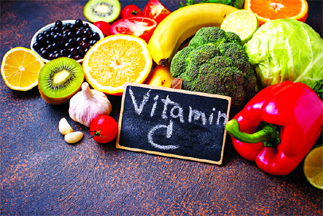
  • Benefits of vitamin C to maintain fit and healthy body

    Benefits of vitamin C to maintain fit and healthy body

    Beyond its reputation for fighting the common cold, Vitamin C provides many benefits that are vital to maintaining a fit and healthy body. Let’s look at some strong reasons why this simple vitamin deserves a prominent place in your everyday diet.
    Immune System Boost
    Vitamin C strengthens the body’s defense mechanisms. Its antioxidant capabilities improve immune function by neutralising damaging free radicals and stimulating white blood cells, which are essential for combating infections. Regular consumption of vitamin C can boost immune health.
    Improved Skin Health
    Vitamin C is needed for collagen production, which is responsible for preserving skin suppleness and firmness. Vitamin C helps to battle indications of aging, such as wrinkles and drooping skin, by increasing collagen formation. Incorporating Vitamin C-rich foods into your daily routine can improve skin health.
    Reduces Inflammation
    Since vitamin C has antioxidant properties, it can reduce free radical damage that can damage cells. Vitamin C’s antioxidant properties not only combat free radicals but also help alleviate inflammation, a common factor in various chronic diseases. By neutralizing oxidative stress, it supports immune function and tissue repair, contributing to overall health and well-being. Including Vitamin C-rich foods in daily intake can aid in reducing inflammation and promoting cellular health.
    Absorption of Iron
    Vitamin C also aids in the absorption of iron, a mineral essential for oxygen delivery and energy creation. Additionally, iron plays a crucial role in energy metabolism, supporting various physiological processes. Adequate absorption facilitated by Vitamin C ensures optimal iron levels, preventing anemia and supporting overall health. Source: News18

  • Wear prescription glasses: A care guide to see better

    Wear prescription glasses: A care guide to see better

    So, you got your eyesight tested and found out you need your first pair of glasses. Or you found out you need a stronger pair than the ones you have. You put them on and everything looks crystal clear. But after a few weeks things look blurrier without them than they did before your eye test. What’s going on?
    Some people start to wear spectacles for the first time and perceive their vision is “bad” when they take their glasses off. They incorrectly interpret this as the glasses making their vision worse. Fear of this might make them less likely to wear their glasses.
    But what they are noticing is how much better the world appears through the glasses. They become less tolerant of a blurry world when they remove them.
    Here are some other things you might notice about eyesight and wearing glasses.
    Lazy eyes?
    Some people sense an increasing reliance on glasses and wonder if their eyes have become “lazy”.
    Our eyes work in much the same way as an auto-focus camera. A flexible lens inside each eye is controlled by muscles that let us focus on objects in the distance (such as a footy scoreboard) by relaxing the muscle to flatten the lens. When the muscle contracts it makes the lens steeper and more powerful to see things that are much closer to us (such as a text message). From the age of about 40, the lens in our eye progressively hardens and loses its ability to change shape. Gradually, we lose our capacity to focus on near objects. This is called “presbyopia” and at the moment there are no treatments for this lens hardening. Optometrists correct this with prescription glasses that take the load of your natural lens. The lenses allow you to see those up-close images clearly by providing extra refractive power. Once we are used to seeing clearly, our tolerance for blurry vision will be lower and we will reach for the glasses to see well again.
    The wrong glasses?
    Wearing old glasses, the wrong prescription (or even someone else’s glasses) won’t allow you to see as well as possible for day-to-day tasks. It could also cause eyestrain and headaches.
    Incorrectly prescribed or dispensed prescription glasses can lead to vision impairment in children as their visual system is still in development.
    But it is more common for kids to develop long-term vision problems as a result of not wearing glasses when they need them.
    By the time children are about 10–12 years of age, wearing incorrect spectacles is less likely to cause their eyes to become lazy or damage vision in the long term, but it is likely to result in blurry or uncomfortable vision during daily wear.
    Registered optometrists in Australia are trained to assess refractive error (whether the eye focuses light into the retina) as well as the different aspects of ocular function (including how the eyes work together, change focus, move around to see objects). All of these help us see clearly and comfortably.
    What about dirty glasses?
    Dirty or scratched glasses can give you the impression your vision is worse than it actually is. Just like a window, the dirtier your glasses are, the more difficult it is to see clearly through them. Cleaning glasses regularly with a microfibre lens cloth will help.
    While dirty glasses are not commonly associated with eye infections, some research suggests dirty glasses can harbour bacteria with the remote but theoretical potential to cause eye infection.
    Source: PTI

  • April 5 New York & Dallas E – Edition

    [vc_row][vc_column][vc_custom_heading text=”E-Edition” font_container=”tag:h2|text_align:center” google_fonts=”font_family:Istok%20Web%3Aregular%2Citalic%2C700%2C700italic|font_style:700%20bold%20regular%3A700%3Anormal” link=”url:https%3A%2F%2Fwww.theindianpanorama.news%2Fwp-content%2Fuploads%2F2024%2F04%2FTIP-April-5-E-Edition.pdf”][vc_single_image image=”162420″ img_size=”full” alignment=”center” onclick=”custom_link” link=”https://www.theindianpanorama.news/wp-content/uploads/2024/04/TIP-April-5-E-Edition.pdf”][/vc_column][/vc_row][vc_row][vc_column width=”2/3″][vc_custom_heading text=”Lead Stories This Week” google_fonts=”font_family:Istok%20Web%3Aregular%2Citalic%2C700%2C700italic|font_style:700%20bold%20regular%3A700%3Anormal” link=”url:https%3A%2F%2Fwww.theindianpanorama.news%2F”][vc_wp_posts number=”5″ show_date=”1″][/vc_column][vc_column width=”1/3″][vc_single_image image=”82828″ img_size=”medium” alignment=”center” onclick=”custom_link” link=”https://www.theindianpanorama.news/advertising-media-kit-portal-indian-panorama/ “][vc_single_image image=”82829″ img_size=”medium” alignment=”center” onclick=”custom_link” link=”https://www.theindianpanorama.news/advertising-media-kit-portal-indian-panorama/ “][/vc_column][/vc_row]

  • Low-fat vegan diet found to lower insulin needs in Type 1 diabetics

    Low-fat vegan diet found to lower insulin needs in Type 1 diabetics

    A low-fat vegan diet rich in fruits, vegetables, grains and beans can help reduce insulin needs in people affected by Type 1 diabetes, a new research has found.
    It also found that changes in body weight, brought about by the plant-based diet, helped lower participants’ resistance to insulin by improving sensitivity. Glycemic control, or glucose levels in the blood serum, was also observed to get better. The improvements were, in turn, found to correspond to lowering the risk of heart disease in these patients.
    While Type 2 diabetes is more common, Type 1 diabetes is an autoimmune disease in which the body’s immune system attacks the healthy pancreas, affecting its ability to produce insulin and regulate blood sugar. The patients, therefore, may require regular insulin injections.
    “With the cost of insulin remaining a concern for many, our groundbreaking research shows that a low-fat vegan diet that doesn’t restrict carbs may be the prescription for reducing insulin needs, managing blood sugar levels, and improving heart health in people with Type 1 diabetes,” said Hana Kahleova, the study’s lead author and director of clinical research at the Physicians Committee for Responsible Medicine, US. The study findings have been published in the Clinical Diabetes journal.
    For the study, the researchers randomly assigned 58 adults with Type 1 diabetes to either a low-fat vegan group with no limits on calories or carbohydrates or a portion-controlled group reducing daily calorie intake for overweight participants and keeping carbohydrate intake stable over time. Source: PTI

  • Researchers find how ketogenic diet improves severe mental illness

    Researchers find how ketogenic diet improves severe mental illness

    The common antipsychotic medication used for severe mental illnesses such as schizophrenia and bipolar disorder might have unintended consequences. Although these medications aid in the regulation of brain chemistry, they frequently result in metabolic adverse effects, such as obesity and insulin resistance, which are so upsetting that many patients cease taking them.
    According to a recent pilot study conducted by doctors at Stanford Medicine, a ketogenic diet helps these individuals’ mental health in addition to restoring their metabolic health while they continue their drug regimen. The findings, which were released in Psychiatry Research, indicate that nutritional interventions can be quite effective in addressing mental health conditions.
    “It’s very promising and encouraging that you can take back control of your illness in some way, aside from the usual standard of care,” said Shebani Sethi, MD, associate professor of psychiatry and behavioural sciences and the first author of the new paper.
    The senior author of the paper is Laura Saslow, PhD, associate professor of health behaviour and biological sciences at the University of Michigan.
    Sethi, who is board certified in obesity and psychiatry, remembers when she first noticed the connection. As a medical student working in an obesity clinic, she saw a patient with treatment-resistant schizophrenia whose auditory hallucinations quieted on a ketogenic diet.
    That prompted her to dig into the medical literature. There were only a few, decades-old case reports on using the ketogenic diet to treat schizophrenia, but there was a long track record of success in using ketogenic diets to treat epileptic seizures.
    “The ketogenic diet has been proven to be effective for treatment-resistant epileptic seizures by reducing the excitability of neurons in the brain,” Sethi said. “We thought it would be worth exploring this treatment in psychiatric conditions.” A few years later, Sethi coined the term metabolic psychiatry, a new field that approaches mental health from an energy conversion perspective.
    In the four-month pilot trial, Sethi’s team followed 21 adult participants who were diagnosed with schizophrenia or bipolar disorder, taking antipsychotic medications, and had a metabolic abnormality—such as weight gain, insulin resistance, hypertriglyceridemia, dyslipidaemia or impaired glucose tolerance. The participants were instructed to follow a ketogenic diet, with approximately 10 per cent of the calories from carbohydrates, 30 per cent from protein and 60 per cent from fat. They were not told to count calories. “The focus of eating is on whole non-processed foods including protein and non-starchy vegetables, and not restricting fats,” said Sethi, who shared keto-friendly meal ideas with the participants. They were also given keto cookbooks and access to a health coach. Source: ANI

  • Heart disease in your family? Daily exercise may help you lower its risks

    Heart disease in your family? Daily exercise may help you lower its risks

    According to the findings reported in the American Heart Association’s journal Circulation, greater grip strength, more physical activity and better cardio-respiratory fitness are associated with reduced risk for heart attacks and stroke — even among people with a genetic predisposition for heart disease.
    “The main message is that being physically active is associated with a lower risk of heart disease, even if you have a high genetic risk,” said Erik Ingelsson, lead study author and Professor of Medicine at Stanford University’s School of Medicine in California.
    To reach this conclusion, researchers looked at data from roughly a half-million people in the UK Biobank database. For participants with an intermediate genetic risk for cardiovascular diseases, those with the strongest grips were 36% less likely to develop coronary heart disease and had a 46% reduction in their risk for atrial fibrillation, compared to study participants with the same genetic risk who had the weakest grips.
    Among individuals deemed at high genetic risk for cardiovascular diseases, high levels of cardiorespiratory fitness were associated with a 49% lower risk for coronary heart disease and a 60% lower risk for atrial fibrillation compared to study participants with low cardiorespiratory fitness.
    “The study is not a prescription for a specific type or amount of exercise and because the results come from an observational study, Ingelsson said, adding that “we can’t definitely claim a causal connection.” Nonetheless, the researchers said the data is robust and the results are worthy for consideration in guidelines.

  • How to stop snoring permanently? A pill might soon be your remedy

    How to stop snoring permanently? A pill might soon be your remedy

    Snoring is something that no one can really control. The moment one steps into dreamland and their body fully relaxes, they start snoring without really being aware of what that does to the person sleeping next to them. Snoring, for sure, has led to many fights and sleepless nights. But what would you say if we tell you that there might be a drug in the making that can be the remedy for snoring?
    Loud snoring is generally a result of sleep apnea. It is most common in obese people. Sleep Apnea is a disorder which results in snoring and interrupted breathing. When a person sleeps, the muscles in the airway naturally relax but in the case of a person suffering from sleep apnoea, these muscles completely collapse.
    As a result, the air is pushed out from a smaller gap in the throat which ultimately leads in snoring. This can also lead to interrupted breathing.
    WHAT WILL THE PILL DO?
    In 2018, researchers from the Brigham and Women’s Hospital in Boston, US, conducted a study with 20 snorers. They gave them two drugs which showed great improvement in the patients. One of the two medicines was atomoxetine. The drug that has been in use for 20 years is generally given to children who suffer from Attention Deficit Hyperactivity Disorder (ADHD).
    The other drug was oxybutynin. It is given to patients with urinary incontinence. It reduces the spasms in muscles that control the bladder. Both these medicines are known to control the muscles, that is why a combination was given to the people taking part in the study. It showed great improvement as well.
    This is why the new medicine which is currently code-named as AD109 is a combination of these two. A US firm is making the drug and a clinical trial is being set up.

  • Managing diabetes could help prevent dementia, reveals study

    Managing diabetes could help prevent dementia, reveals study

    An Indian-origin scientist in his research has found that reducing the risk of dementia in Alzheimer’s is possible by keeping diabetes well controlled or avoiding it in the first place.
    Narendra Kumar, an associate professor at the US-based Texas A&M University, who led the study published in the journal ‘American Society for Biochemistry and Molecular Biology’, found that diabetes and Alzheimer’s disease are strongly linked.
    “By taking preventative or amelioration measures for diabetes, we can prevent or at least significantly slow down the progression of the symptoms of dementia in Alzheimer’s disease,” he said.
    Diabetes and Alzheimer’s are two of the fastest-growing health concerns globally. Diabetes alters the body’s ability to turn food into energy and affects an estimated one in 10 US adults. Alzheimer’s is among the top 10 leading causes of death in the US, according to the study.
    The researchers investigated how diet might affect the development of Alzheimer’s in people with diabetes.
    They discovered that a high-fat diet reduces the expression of a specific protein in the gut called Jak3. Mice without this protein showed a chain of inflammation from the intestine to the liver and then to the brain. As a result, the mice displayed Alzheimer’s-like symptoms in the brain, along with cognitive impairment.
    The researchers believe that the pathway from the gut to the brain involves the liver.
    “Liver being the metaboliser for everything we eat, we think that the path from gut to the brain goes through the liver,” Kumar said.
    They have been studying the functions of Jak3 for a long time and have found that changes in the expression of Jak3 due to food can lead to leaky gut, resulting in chronic inflammation, diabetes, reduced brain ability to clear toxic substances, and dementia-like symptoms seen in Alzheimer’s disease.
    Source: IANS

  • Dairy products to eat and avoid for better heart health

    Dairy products are considered an important part of a balanced meal and are packed with essential nutrients like calcium, phosphorus, B vitamins, potassium and vitamin D, which are important at various developmental stages in kids and also as we grow old. However, when it comes to heart patients, dairy consumption must be approached carefully. Dairy products also have saturated fat which can boost LDL cholesterol levels and raise risk of heart diseases.
    Especially, in case of people who already have heart illnesses, full fat dairy products can lead to cardiovascular complications. As per studies, moderate dairy intake, up to 200 grams per day, may not pose detrimental effects on cardiovascular health.
    However, experts say dairy products should not be skipped altogether as they have a wealth of important nutrients that can benefit the body and the mind. While low fat milk, green yoghurt and cottage cheese receive thumbs up, full fat milk and cream cheese must always be consumed in moderation. In case you are looking for replacing dairy and other sources of saturated fat, unsaturated fat, such as nuts, avocados, or olive oil can be included in the diet.
    Best dairy options for heart patients
    For individuals with heart conditions, it is important to prioritize options low in saturated fat and cholesterol, as these components can exacerbate cardiovascular risk factors. Dr Priyanka Rohatgi, Chief Nutritionist, Apollo Hospital shares best and worst dairy products for people with heart conditions.
    Low fat or skimmed milk
    Optimal choices include low-fat or skim milk, offering essential nutrients with reduced saturated fat content.
    Low fat yoghurt
    Similarly, low-fat yogurt, particularly plain varieties devoid of added sugars, presents a favourable option to mitigate saturated fat and calorie intake.
    Low fat cheese
    Incorporating low-fat cheese, such as cottage cheese or part-skim mozzarella, can provide dairy benefits with moderated saturated fat content, though portion control remains pivotal due to calorie density.
    Greek yoghurt
    Greek yoghurt stands out for its elevated protein and reduced carbohydrate content compared to regular yogurt, rendering it advantageous for heart health.
    Worst dairy products for heart patients
    Full fat milk
    Full-fat milk and yoghurt variants should be avoided due to their heightened saturated fat and cholesterol content, exacerbating cardiovascular risks.
    Cream cheese or cheddar
    Cream cheese, rich in saturated fat, should be consumed sparingly, while hard cheeses like cheddar or Swiss, high in saturated fat, warrant limited intake in heart patients’ diets. Heart patients must exercise moderation and portion control when it comes to dairy products. Source: HT

  • March 29 New York & Dallas E – Edition

    [vc_row][vc_column][vc_custom_heading text=”E-Edition” font_container=”tag:h2|text_align:center” google_fonts=”font_family:Istok%20Web%3Aregular%2Citalic%2C700%2C700italic|font_style:700%20bold%20regular%3A700%3Anormal” link=”url:https%3A%2F%2Fwww.theindianpanorama.news%2Fwp-content%2Fuploads%2F2024%2F03%2FTIP-March-29-E-Edition.pdf”][vc_single_image image=”161870″ img_size=”full” alignment=”center” onclick=”custom_link” link=”https://www.theindianpanorama.news/wp-content/uploads/2024/03/TIP-March-29-E-Edition.pdf”][/vc_column][/vc_row][vc_row][vc_column width=”2/3″][vc_custom_heading text=”Lead Stories This Week” google_fonts=”font_family:Istok%20Web%3Aregular%2Citalic%2C700%2C700italic|font_style:700%20bold%20regular%3A700%3Anormal” link=”url:https%3A%2F%2Fwww.theindianpanorama.news%2F”][vc_wp_posts number=”5″ show_date=”1″][/vc_column][vc_column width=”1/3″][vc_single_image image=”82828″ img_size=”medium” alignment=”center” onclick=”custom_link” link=”https://www.theindianpanorama.news/advertising-media-kit-portal-indian-panorama/ “][vc_single_image image=”82829″ img_size=”medium” alignment=”center” onclick=”custom_link” link=”https://www.theindianpanorama.news/advertising-media-kit-portal-indian-panorama/ “][/vc_column][/vc_row]

  • Foods to beat high cholesterol levels

    Foods to beat high cholesterol levels

    Keeping cholesterol levels in check can not only prevent you from the risk of early death but also infuse more energy and happiness into your daily life. As we all know that cholesterol itself isn’t bad and the waxy substance aids in building cells and producing certain hormones. However, courtesy our modern lifestyle choices, we are accumulating too much of it in our body due to our poor eating habits and lack of an active lifestyle. High cholesterol levels in the body can wreak havoc putting us at risk of heart disease, stroke, high blood pressure all the risk factors which could affect quality of our life and even prove to be fatal.
    Modifying your diet to include healthy alternatives to fatty and sugary eatables is the first step towards overall well-being and reducing your cholesterol levels. From choosing heart-healthy fats like avocados, nuts and olive oil to staying away from processed foods and trans fats, here’s what one can do to keep the cholesterol levels in control. Nutritionist Bhakti Arora Kapoor in her latest Instagram post talks about the heroes and villains of cholesterol – HDL (high-density lipoprotein) and LDL (low-density lipoprotein) and explains how one can boost the good while keeping the bad at bay.
    Flaxseeds
    Flaxseeds contain alpha – linolenic acid, an essential omega-3 fatty acids which been shown to lower LDL cholesterol, as well as triglycerides levels. You can add flaxseeds to your breakfast cereal, sandwich, or yoghurt. If you are fond of baking, you can add them to your cookies, muffins, and other baked goods.
    Fish oil
    Fish oil is an excellent source of omega-3 fatty acids. Regular intake of these fatty acids in the form of fish like mackerel, salmon, lake trout, sardines and halibut help in lowering the cholesterol levels and the risk of developing cardiovascular disease.
    Garlic
    Garlic contains a high concentration of allicin, a sulfur containing compound which is known for reducing total and LDL cholesterol significantly. Chew a few cloves of garlic in the morning and at bedtime regularly. Raw garlic works better than cooked ones. You can also add them to your curries for added taste and nutrition.
    Dark leafy greens
    While all vegetables are good for your heart, dark leafy greens are particularly beneficial. Dark leafy greens, such as kale and spinach, contain lutein and other carotenoids, which are linked to a lower risk of heart disease.
    Legumes
    Legumes contain a lot of fibre, minerals and protein. Replacing some refined grains and processed meats in your diet with legumes can lower your risk of heart disease. Eat dal-chawal, cheela, dosa or soup to enjoy legumes. Source: HT

  • Why popping vitamin pills without doctor’s prescription may harm you

    Why popping vitamin pills without doctor’s prescription may harm you

    While it may seem fancy to take vitamin supplements daily, regular consumption without consulting a doctor may be detrimental to your health, warned health experts.
    Vitamin pills may help people with deficiencies, the elderly or pregnant women, but research has shown that overdose may result in problems like digestive issues, kidney stones and even heart disease. The pills are also not a substitute for a healthy diet.
    “Without medical supervision, using multivitamin pills or calcium on a regular basis can have negative health consequences. Taking too much of these supplements might result in overdosing, which can harm organs over time and cause symptoms like nausea, vomiting and stomach pain,” Senior Consultant Mohan Kumar Singh of Department of Internal Medicine at Marengo Asia Hospital in Gurugram, told IANS.
    “These supplements may also interfere with prescribed medicines, reducing their effectiveness or perhaps resulting in negative side effects. Taking too many multivitamins might throw off the body’s natural nutrient balance, sometimes resulting in imbalances or deficiencies. Nutritional imbalances can be made worse by specific vitamins or minerals interfering with the usage or absorption of other nutrients,” he added.
    Multivitamins typically contain about 26 different vitamins and minerals, often providing 100 per cent of the recommended daily allowance of these micronutrients.
    However, “multivitamins are not required by everyone and should not be considered a replacement of a balanced diet inclusive of fruits, vegetables, nuts, legumes, healthy fats, and proteins,” Lead Consultant Tushar Tayal at CK Birla Hospital in Gurugram, told IANS.
    He noted that multivitamins should not be consumed regularly without confirming the deficiency through blood tests. Source: IANS


  • Diet for kidney health: Foods to consume & avoid

    Diet for kidney health: Foods to consume & avoid

    Maintaining kidney health involves a balanced diet that supports overall well-being while managing specific dietary restrictions. A kidney-friendly diet typically emphasizes low-sodium, low-fat foods and includes plenty of fruits, vegetables, whole grains, and lean proteins. Limiting phosphorus, potassium, and protein intake may also be necessary, depending on individual needs.
    Dr Roshan Kore, Consulting Dietician, NHSRCC Children’s Hospital, says, “A balanced diet rich in whole grains, lean proteins, fruits, and vegetables is essential for maintaining kidney health. Limiting sodium, phosphorus, and potassium intake is crucial, as these can exacerbate kidney diseases. Incorporating foods like leafy greens, berries, fish, and low-fat dairy can provide essential nutrients while supporting kidney function.”
    One must adopt a balanced diet to prevent kidney diseases. “Emphasizing low-sodium, low-fat, and low-cholesterol foods is crucial. Opting for fresh fruits and vegetables, whole grains, lean proteins like fish and poultry, and healthy fats such as those found in nuts and olive oil can promote kidney health. Incorporating foods rich in antioxidants like berries and leafy greens helps protect against oxidative stress,” shares Dr Suparna Mukherjee, Charge, of Clinical Nutrition, Narayana Health City, Bangalore.
    Hydration is also key; adequate water intake helps flush out toxins and prevents kidney stones. “Avoiding processed foods, sugary drinks, and excessive alcohol consumption can further safeguard against kidney damage. Remember, a mindful approach to nutrition not only supports overall health but also plays a pivotal role in preventing and managing kidney diseases,” adds Dr Kore.
    Additionally, limiting processed foods, sugary beverages, and excessive protein intake can reduce the risk of kidney damage. “Remember, a wholesome diet is not only vital for overall health but also plays a pivotal role in safeguarding our kidneys for the long term,” signs off Dr Mukherjee. Source: News18

  • March 22 New York & Dallas E – Edition

    [vc_row][vc_column][vc_custom_heading text=”E-Edition” font_container=”tag:h2|text_align:center” google_fonts=”font_family:Istok%20Web%3Aregular%2Citalic%2C700%2C700italic|font_style:700%20bold%20regular%3A700%3Anormal” link=”url:https%3A%2F%2Fwww.theindianpanorama.news%2Fwp-content%2Fuploads%2F2024%2F03%2FTIP-March-22-E-Edition.pdf”][vc_single_image image=”161467″ img_size=”full” alignment=”center” onclick=”custom_link” link=”https://www.theindianpanorama.news/wp-content/uploads/2024/03/TIP-March-22-E-Edition.pdf”][/vc_column][/vc_row][vc_row][vc_column width=”2/3″][vc_custom_heading text=”Lead Stories This Week” google_fonts=”font_family:Istok%20Web%3Aregular%2Citalic%2C700%2C700italic|font_style:700%20bold%20regular%3A700%3Anormal” link=”url:https%3A%2F%2Fwww.theindianpanorama.news%2F”][vc_wp_posts number=”5″ show_date=”1″][/vc_column][vc_column width=”1/3″][vc_single_image image=”82828″ img_size=”medium” alignment=”center” onclick=”custom_link” link=”https://www.theindianpanorama.news/advertising-media-kit-portal-indian-panorama/ “][vc_single_image image=”82829″ img_size=”medium” alignment=”center” onclick=”custom_link” link=”https://www.theindianpanorama.news/advertising-media-kit-portal-indian-panorama/ “][/vc_column][/vc_row]