[vc_row][vc_column][vc_custom_heading text=”E-Edition” font_container=”tag:h2|text_align:center” google_fonts=”font_family:Istok%20Web%3Aregular%2Citalic%2C700%2C700italic|font_style:700%20bold%20regular%3A700%3Anormal” css=”” link=”url:https%3A%2F%2Fwww.theindianpanorama.news%2Fwp-content%2Fuploads%2F2025%2F11%2FTIP-November-7-E-Edition.pdf”][vc_single_image image=”237494″ img_size=”full” alignment=”center” onclick=”custom_link” css=”” link=”https://www.theindianpanorama.news/wp-content/uploads/2025/11/TIP-November-7-E-Edition.pdf”][/vc_column][/vc_row][vc_row][vc_column width=”2/3″][vc_custom_heading text=”Lead Stories This Week” google_fonts=”font_family:Istok%20Web%3Aregular%2Citalic%2C700%2C700italic|font_style:700%20bold%20regular%3A700%3Anormal” css=”” link=”url:https%3A%2F%2Fwww.theindianpanorama.news%2F”][vc_wp_posts number=”5″ show_date=”1″][/vc_column][vc_column width=”1/3″][vc_single_image image=”82828″ img_size=”medium” alignment=”center” onclick=”custom_link” css=”” link=” https://www.theindianpanorama.news/advertising-media-kit-portal-indian-panorama/”][vc_single_image image=”82829″ img_size=”medium” alignment=”center” onclick=”custom_link” css=”” link=” https://www.theindianpanorama.news/advertising-media-kit-portal-indian-panorama/”][/vc_column][/vc_row]
Tag: Health
Read the latest health news, diet, fitness, medical news and healthcare tips on theindianpanorama.news/health. Get all the healthcare news, including wellness, fitness, diet and weight loss & more.
-

AI helps infertile couple conceive after 19 years with two sperm cells
Artificial Intelligence is slowly changing the landscape of healthcare. Columbia University researchers developed an AI-powered system that can find even the rarest sperm cells in men who were previously thought to have none.
The new technology, called Sperm Tracking and Recovery (STAR), has already helped achieve its first confirmed pregnancy, marking a major step forward in treating severe cases of male infertility.
The couple, a 39-year-old man and a 37-year-old woman in the US, had undergone multiple in vitro fertilisation (IVF) cycles — procedures that involved manual search for sperm along with two surgical procedures to extract sperm.
The AI algorithm scanned 25 lakh images of the man’s semen sample for over two hours to identify two viable sperm cells, enabling the couple to conceive after 19 years. “A semen sample can appear totally normal, but when you look under the microscope you discover just a sea of cellular debris, with no sperm visible,” senior author Zev Williams, director of the Columbia University Fertility Center, said. The study was published in The Lancet.
Male infertility is responsible for up to 40% of all infertility cases. In some men, a condition called azoospermia means there are no sperm in their semen.
Others have cryptozoospermia, where sperm are so rare that even experienced embryologists may not find them after hours of searching under a microscope.
These men often go through painful and expensive treatments like testicular surgeries or repeated failed lab attempts only to be told to use donor sperm or consider adoption. The STAR system is an AI-guided, non-invasive device that can scan semen samples at an incredibly high speed, processing over a million microscopic images every hour.
As the sample flows through a specially designed chip, the AI scans it in real time, detecting and tracking potential sperm cells. When it spots one, it automatically separates that sperm safely into a small compartment, ready for use in fertility treatments such as intracytoplasmic sperm injection (ICSI) — where a single sperm is injected directly into an egg. -

The many benefits of walking: Add low Alzheimer’s risk to the list
If you ever needed another reason to lace up those sneakers and head out for a walk, science just gave you one. Walking, it turns out, doesn’t just help you burn calories or clear your mind after a long day or help with cardio health. It actually help keeps your memory sharp and your brain young, too.
A new study published in Nature Medicine by researchers at Mass General Brigham, an affiliate of Harvard Medical School, found that increasing your daily steps, even by a modest amount, could slow down the progression of Alzheimer’s disease in people at higher risk.
So if your fitness tracker has been collecting dust, consider this your gentle nudge from both science and your future self.
Researchers analysed data from nearly 300 adults aged 50 to 90 who were part of the Harvard Aging Brain Study. All participants were cognitively healthy when the study began and were followed for up to 14 years.
Using brain scans, researchers tracked two key Alzheimer’s proteins (amyloid-beta and tau) and measured participants’ daily steps using pedometers.
Here’s where things get interesting:
People who walked 3,000–5,000 steps per day experienced a delay of three years in cognitive decline. Those who managed 5,000–7,500 steps per day slowed their decline by an impressive seven years.
The couch potatoes? They had faster buildup of tau proteins and a quicker decline in memory and thinking skills.
That’s right: your brisk evening walk might just be giving your brain a much-needed tune-up.
“This sheds light on why some people who appear to be on an Alzheimer’s disease trajectory don’t decline as quickly as others,” said Dr. Jasmeer Chhatwal, senior author of the study.
Lifestyle factors appear to impact the earliest stages of Alzheimer’s disease, suggesting that lifestyle changes may slow the emergence of cognitive symptoms if we act early.
WHAT’S HAPPENING INSIDE THE BRAIN
To understand why walking helps, think of your brain like a well-tuned machine. The proteins amyloid-beta and tau are naturally present in everyone’s brain, but in Alzheimer’s disease, they start clumping together, disrupting normal brain function.
The researchers found that participants who were more physically active had a slower buildup of tau proteins, the very tangles associated with memory loss.
Essentially, walking helped keep their brains cleaner and their neurons happier.
As Dr. Reisa Sperling, a neurologist and co-principal investigator of the Harvard Aging Brain Study, put it: “These findings show us that it’s possible to build cognitive resilience and resistance to tau pathology in the setting of preclinical Alzheimer’s disease. This is particularly encouraging for our quest to ultimately prevent Alzheimer’s disease dementia.” -

Health benefits of pomegranate juice
Pomegranate is one of the healthiest fruits you should not miss. It is a bright red coloured fruit with tiny seeds. This fruit is loaded with fibre, potassium, vitamin C and much more. It is also rich in powerful plant components. Not just the fruit, pomegranate juice is also loaded with multiple health benefits. It can be a refreshing treat which is beneficial for your health as well. Packed juices often contain added sugar, salt and preservatives. Fresh pomegranate juice can be easily extracted at home from the fruits. According to studies, it can also help prevent the risk of certain cancers. In this article, here are some amazing health benefits of sipping this nutritious juice.
Loaded with antioxidants
Pomegranate juice is loaded with strong antioxidant properties. According to research, this juice contains three times more antioxidants than green tea. Antioxidants protect your cells from free radicals and reduce oxidative stress.
Offers vitamin C
This juice is also loaded with vitamin C which can offer multiple benefits to your body. Vitamin C boosts skin health, supports immune function, helps in wound healing and much more. Other than pomegranate juice, citrus fruits are loaded with vitamin C.
Lowers blood pressure
High blood pressure can significantly increase the risk of heart disease. Diet plays a significant role in controlling blood pressure. According to the findings at Phytotherapy Research, drinking 150 ml of this juice for two weeks can significantly reduce blood pressure.
Beneficial in arthritis
Living with arthritis means, inflammation in joints with pain. Anti-inflammatory properties of pomegranate juice can help combat inflammation. But more intensive research is needed to elaborate on the effect.
Improves memory
As per findings, pomegranate juice can help boost memory and may also help fight Alzheimer’s disease. This study was published in the Journal Neurobiol Dis.
It is important to seek expert advice to understand the quantity of pomegranate juice you can consume in a day especially those suffering from pre-existing conditions like high blood pressure, diabetes or others. -

When smells make you sick: How nausea leads to a hidden thyroid disorder
Most of us have turned up our noses at strong food smells, but for some, that queasy feeling can go far beyond mere dislike. A peculiar case of a 67-year-old woman who developed nausea and aversion to the smell of cooked food turned out to be something far more serious – a thyroid disorder in disguise.
Dr. Honey Savla, Consultant, Internal Medicine at Wockhardt Hospitals, Mumbai Central, recounts the case to highlight how the body can send distress signals in the most unexpected ways.
“Generally, ongoing nausea is thought to indicate a digestive health issue, acidity, or intolerance,” says Dr. Savla. “But sometimes, the body sends warning signals in locations we don’t expect. Hormonal levels, metabolic processes, and even the brain’s reaction to a mere whiff can affect our response to a stimulus.”
In this particular instance, the patient couldn’t bear the smell of food being cooked in her own kitchen. “As soon as she walked in, she experienced bouts of nausea and had to step outside to recover,” recalls Dr. Savla. “She began losing her appetite and subsequently lost a significant amount of weight, despite no major changes in her diet.”
When routine digestive tests offered no answers, further investigation revealed that her thyroid hormone levels were abnormally high—a condition known as thyrotoxicosis, where an overactive thyroid speeds up metabolism and alters various body functions.
According to Dr. Savla, the heightened hormone levels had made her overly sensitive to smells, triggering nausea and food aversion. “The excess thyroid hormones had altered her body’s metabolism and increased her smell sensitivity to the point where even simple cooking odors became an irritant,” she explains.
Once the thyroid imbalance was treated, the patient’s symptoms began to ease. “Within a few weeks, her nausea subsided and she was able to eat normally again,” says Dr. Savla. Source: India Today -

Heart disease on the rise among young adults due to unhealthy lifestyle
Coronary Artery Disease (CAD) occurs when the arteries supplying blood to the heart become narrowed or blocked due to plaque buildup, a condition called atherosclerosis. This reduces oxygen supply to the heart, especially during physical exertion, and when blockages exceed 70%, it can lead to a myocardial infarction, or heart attack.
While CAD was once considered an ailment of older adults, experts now warn that it is increasingly striking people in their 20s and 30s. Dr. Aditya Kumar Singh, Associate Director and Unit Head, Cardiothoracic and Vascular Surgery (CTVS) at Max Smart Super Speciality Hospital, New Delhi, notes that the trend is largely fuelled by modern lifestyle choices, poor diet, sedentary habits, obesity, smoking, alcohol consumption, and chronic stress. Having performed numerous complex cardiac procedures,
Dr. Singh emphasises that young individuals must recognise early warning signs and make proactive lifestyle changes to protect their heart health.
Traditionally, CAD was seen in older individuals, men above 45, and women after menopause. However, the disease is now appearing alarmingly early due to unhealthy routines and high-stress living. Common contributors include: Smoking and tobacco use, High-fat, low-nutrient diets, Sedentary work culture, Obesity, Excessive alcohol intake, Chronic stress and lack of sleep, Erratic work hours, long screen time, and poor dietary patterns have turned young professionals into high-risk candidates for heart disease.
Controllable risk factors include:
Diabetes, High blood pressure, High cholesterol, Smoking or tobacco use, Alcohol consumption, Obesity, Sedentary lifestyle, Stress
Non-modifiable risk factors include:
Age, Family history of heart disease, Genetic predisposition, Targeting controllable factors through diet, exercise, and regular health checks can significantly reduce the likelihood of CAD.
WARNING SIGNS TO WATCH FOR
Typical symptoms of CAD include:
Chest pain or tightness (angina), Pain radiating to the neck, jaw, or left arm, Shortness of breath, Fatigue or dizziness.
Dr. Singh stresses that even mild or intermittent chest discomfort should not be ignored, especially in those with risk factors like obesity, diabetes, or hypertension.
Coronary Artery Disease is no longer an “old-age” disorder. It is silently claiming younger lives, often due to preventable habits. As Dr. Singh emphasizes, “A healthy lifestyle is your first and most powerful defense against heart disease.” Early detection, timely medical intervention, and consistent self-care can keep the heart strong for decades to come. -

Pink vs white guava: Which is better for diabetics?
Guava, the tropical fruit known for its refreshing taste and impressive nutrition, is often hailed as a superfruit for diabetics. It is low in calories, rich in fiber, and packed with essential nutrients like Vitamin C, potassium, and antioxidants. However, the debate between pink and white guava continues – which one offers better benefits for those managing diabetes?
Both varieties have unique strengths. Pink guava, with its rosy flesh, gets its color from lycopene – a powerful antioxidant that helps protect the heart and pancreas from oxidative stress. It contains slightly more natural sugars and a softer, sweeter taste. While this makes it delicious, diabetics should consume it in moderation. Its antioxidant properties, however, make it valuable for preventing diabetes-related complications and promoting overall cardiovascular health.
White guava, on the other hand, is paler, firmer, and less sweet. It typically has a higher fiber content and a slightly lower glycemic load than pink guava. This means it releases sugar into the bloodstream more slowly, helping maintain stable glucose levels. Its mild sweetness and high Vitamin C levels also make it ideal for daily consumption by diabetics. The abundant fiber aids digestion, promotes satiety, and supports better weight management – all crucial for controlling blood sugar.
Both types of guava work wonders when eaten fresh and without the peel. The peel can be difficult to digest and may contain pesticide residues. It’s best to avoid guava juice, jams, or processed products that include added sugar. Eating a medium-sized guava as a mid-morning or evening snack helps regulate sugar levels and provides a nutrient boost.
So which is better? For strict blood sugar control, white guava has a slight edge due to its lower sugar and higher fiber content. But for overall antioxidant protection and heart health, pink guava is equally valuable. The healthiest approach is to enjoy both in moderation – white guava for daily intake and pink guava occasionally for its antioxidant power.
In short, guava, whether pink or white, is a diabetic-friendly fruit that supports balanced sugar levels, boosts immunity, and promotes general wellness. The key lies in portion control and regular inclusion as part of a healthy, balanced diet. -

Foods that may block your vitamin D absorption
Getting enough vitamin D is essential for bone health, immune function, and overall wellness. While sunlight exposure and supplements can help, certain everyday foods may actually interfere with your body’s absorption of this crucial nutrient. Understanding these interactions can make a real difference in maintaining adequate vitamin D levels.
When we consume foods that hinder vitamin D absorption, even a diet rich in the nutrient or proper supplementation may not be as effective. Factors like fat content, certain minerals, or compounds in some foods can reduce the bioavailability of vitamin D, leaving many unaware that their intake isn’t fully utilised by the body.
Ashlesha Joshi, fitness dietician and nutritionist at Tone 30 Pilates, tells indianexpress.com, “Certain foods can affect how efficiently the body absorbs or utilises vitamin D.”
According to her, these are:
– Top among them are foods high in phytates, such as whole grains and legumes, which can bind to vitamin D and minerals, making absorption more difficult.
– Excessive caffeine from coffee or tea may also interfere by reducing vitamin D receptor expression in the intestines.
– Alcohol, when consumed regularly, impairs liver function, which is essential for converting vitamin D into its active form.
– Processed foods rich in trans fats and hydrogenated oils can reduce the absorption of fat-soluble vitamins, including vitamin D.
– Finally, very high-fibre diets, though generally healthy, can sometimes reduce absorption efficiency because vitamin D is fat-soluble and requires dietary fats for proper uptake.
Joshi mentions, “Since vitamin D is fat-soluble, pairing it with healthy fats can significantly improve absorption. For instance, having vitamin D–rich foods like eggs, salmon, or fortified cereals along with sources of good fats such as avocado, olive oil, or nuts can enhance uptake. Including vitamin K2–rich foods like fermented soy or cheese also helps, as it supports calcium metabolism and works synergistically with vitamin D.”
Timing also plays a role, she adds, taking vitamin D supplements or having vitamin D-fortified foods during your main meal of the day, when fat intake is higher, can optimise absorption. Consistent sun exposure, even for a few minutes daily, further boosts vitamin D levels naturally. Source: The Indian Express -

No sugar after 12 pm: Simple change that can transform your health in 14 days
Ever wondered what would happen if you stopped consuming all forms of sugar after noon? Experts say making this small change can lead to noticeable improvements in energy, sleep, mood and even weight management — all within just two weeks.
According to Dr Gulnaaz Shaikh, Chief Dietitian at KIMS Hospitals, Thane, consuming sugar later in the day often leads to sharp spikes and crashes in blood sugar levels.
These fluctuations can cause fatigue, cravings and disrupted sleep.
“By avoiding late-day sugar, you support more stable energy levels and reduce the likelihood of evening sluggishness,” she explains.
Dr. Rajiv Kovil, diabetologist and co-founder of the Rang De Neela Initiative, adds that cutting sugar after noon may help improve glycemic control — particularly beneficial for those with insulin resistance or diabetes.
“High glucose levels in the evening can interfere with melatonin and circadian rhythms, making it harder to fall and stay asleep,” he says. Patients often report deeper, more restful sleep after just a couple of weeks.
As per a report by Indian Express, avoiding sugar later in the day can also aid in weight control. “Sugar consumed in the evening is less likely to be burned for energy and more likely to be stored as fat,” says Dr Kovil. In addition, more stable blood sugar can help reduce evening hunger and prevent unnecessary snacking.
Shaikh adds that this habit helps eliminate “empty calories” and reduces late-night cravings, making it easier to manage overall daily calorie intake — a key factor in gradual weight loss. Source: TNS -

Premenopausal women ignoring warning signs of bone loss
Bone health is often thought of as a concern that arises after menopause, but the reality is that bone loss can begin much earlier – sometimes quietly, during the premenopausal years. Many women in their 30s and 40s, caught up in the demands of work, family, and daily stress, tend to overlook early warning signs that their bones may be losing density. By the time symptoms become obvious, significant damage may already have occurred. Understanding the risks and recognizing the subtle indicators early can help prevent future osteoporosis and fractures.
The Silent Nature of Bone Loss
Bone tissue is constantly being broken down and rebuilt. However, when bone breakdown outpaces bone formation – often due to hormonal changes, poor nutrition, or lifestyle factors – density begins to decline. The process is gradual and painless, which is why bone loss is often called a “silent thief.”
Premenopausal women may not realize that their bone mass typically peaks by the late 20s or early 30s. If they aren’t maintaining healthy habits during these years, they may enter menopause with a lower bone reserve, significantly increasing the risk of osteoporosis later in life.
Warning Signs Often Missed
Although bone loss itself doesn’t cause obvious symptoms, certain signs and patterns can serve as red flags:
– Frequent fractures or minor injuries that result in cracks or breaks.
– Reduced height or a slight stoop in posture, which may indicate vertebral bone weakening.
– Back pain due to collapsed vertebrae or spinal stress.
– Brittle nails, receding gums, or weak grip strength, which can sometimes reflect lower bone density.
– Fatigue or general weakness, often linked to low vitamin D or calcium levels.
Many women dismiss these symptoms as effects of aging or overwork, but they could be the body’s subtle call for attention.
Why the risk
Several factors can accelerate bone loss before menopause:
– Hormonal Imbalances: Low estrogen – due to irregular periods, excessive exercise, eating disorders, or certain medical conditions – weakens bones.
– Nutritional Deficiencies: Insufficient calcium, vitamin D, and protein intake affects bone strength.
– Sedentary Lifestyle: Lack of weight-bearing activity reduces bone stimulation and density.
– Excessive Caffeine, Alcohol, or Smoking: These habits interfere with calcium absorption and bone metabolism.
– Certain Medications: Long-term use of steroids, thyroid medications, or anticonvulsants can also impact bone health.
Even stress plays a role; high cortisol levels can affect calcium balance and bone remodeling. -

What’s Brewing in Indian Startups-Fresh Insights into a Booming Ecosystem!
How often do we stop to ask what’s really happening with Indian startups today? For many of us, whether living in India or part of the diaspora abroad, these ventures are more than business, they are stories of innovation, risk, and cultural pride. With global eyes on India’s tech explosion, the pulse of Indian entrepreneurship races faster than ever. This blog explores Indian startups news through a fresh lens, weaving in vibrant threads of the food and culture of Indian diaspora to offer an engaging and relatable narrative for our community.
The Current Landscape of Indian Startups
India’s startup ecosystem has been nothing short of a revolution. According to a 2025 report by NASSCOM, India hosts over 110,000 startups, employing millions and attracting record funding worth over $50 billion. These numbers symbolize more than scale, they reflect a vibrant imagination tackling everything from fintech to health tech, edtech to sustainable innovations. For us, reading Indian startups news isn’t just about companies; it’s about tapping into the pulse of modern India, dynamic, youthful, and determined.
Amid this, we find startups led by women entrepreneurs, second-generation NRIs, and fresh graduates, highlighting a diverse range of voices and visions. Their innovations offer pathways not only for financial success but also for social impact, raising the bar for what business can be.
From Idea to Impact: Inspiring Startup Journeys
Every startup has a story, and many narratives resonate particularly with our diaspora readers. Take Byju’s, a beacon in edtech, which began in a small classroom and now educates tens of millions globally. Or Zomato, which originated as a food guide and became a global restaurant discovery platform.
Closer to home, startups founded by Indian diaspora members are making waves internationally. These stories are more than business wins; they are tales of perseverance, cultural bridges, and the spirit of “Make in India” evolving into “Innovate for All.” When we hear such success stories, it’s easy to feel inspired and part of a collective pride.
How Startups Reflect the Food and Culture of Indian Diaspora
What’s fascinating about many Indian startups is their rootedness in the food and culture of Indian diaspora. From subscription-based spice boxes that bring authentic masalas to American kitchens, to apps showcasing regional recipes and culinary traditions, these startups preserve and reinvent heritage in accessible new formats.
Fashion, wellness, and entertainment startups also amplify cultural expression by melding tradition with contemporary needs. This fusion echoes our diaspora’s own balancing act, honoring roots while adapting to new worlds. In essence, startups are not only economic engines but cultural ambassadors.
The Role of Technology and Investment Trends
Technology is the driving force behind India’s startup rise, but investment hangs tightly on its wings. Venture capital in India has grown tenfold over the past decade, with leading investors like Sequoia and Tiger Global fueling innovation. The ecosystem encourages bold ideas, rapid scaling, and international outreach.
Government initiatives like Startup India continue to provide support, simplifying processes and granting incentives. Meanwhile, increasing digital adoption, 150 million new internet users expected in 2025 alone (IAMAI report), creates fertile ground for tech-driven ventures.
These trends shape what we see reported in Indian startups news, showing a promising horizon for entrepreneurs and investors alike.
Where Indian Startups Are Heading: Predictions and Potentials
Looking forward, emerging sectors like green energy, health tech, and AI promise to fuel the next wave of startups. Global collaborations will likely deepen, leveraging diaspora networks to expand innovation hubs.
Experts speculate a rise in impact investing, with startups addressing climate change and social equality gaining prominence. The startup economy is morphing into a smarter, more inclusive ecosystem that is as much about values as valuation.
For all of us watching and participating from afar or near, this evolving landscape offers ample reasons to stay optimistic and engaged.
Indian Panorama-Your Insider to Innovation Stories
At Indian Panorama, we see ourselves as your front-row seat to the startup stage, bringing you stories that go beyond numbers to capture the spirit and grit powering Indian entrepreneurship globally. We blend business insights with cultural narratives so that every reading connects on both professional and emotional levels.
Whether you’re a budding entrepreneur, a student hungry for inspiration, or simply a proud member of the Indian diaspora, we weave these stories to keep you informed, motivated, and connected. Our shared journey is colorful, challenging, and deeply rewarding, just like the startups we celebrate.
Let’s innovate, inspire, and grow together, with Indian Panorama lighting the way.
People Also Ask
Q1: What sectors are booming in the Indian startup ecosystem?
Edtech, fintech, health tech, and sustainability are leading sectors.Q2: How do Indian diaspora startups contribute globally?
By bringing cultural insights and technological innovation to international markets.Q3: What government support exists for Indian startups?
Programs like Startup India offer funding, mentorship, and regulatory ease.Q4: How does the food culture influence Indian startups?
Many startups innovate around spices, cuisine delivery, and culinary education.Q5: Where can I stay updated on Indian startups news?
Indian Panorama offers reliable, timely news and inspiring success stories. -

How cardiovascular and cognitive health influence each other
Almonds, you can often spot these crunchy nuts in grocery stores or sprinkled on top of your desserts, but these are far more than just a garnish. Almonds are packed with prebiotics. They support gut health, aid digestion, boost overall well-being, and even support heart health, making it an underrated superfood.
WHY ALMONDS ARE GUT-FRIENDLY
Your gut health plays a crucial role in everything from digestion to immunity and even mental well-being. Necessarily, Almonds may not change the types of bacteria in your gut, but they may help your gut bacteria work better.
Feeding beneficial bacteria: Compounds in almonds help “good” bacteria like Bifidobacterium, Lactobacillus, and Roseburia flourish. These probiotics support both digestion and immune function.
Boosting SCFA production: Short-chain fatty acids (SCFAs), such as butyrate, are produced when gut bacteria feed on almond fibre and polyphenols. SCFAs strengthen the gut lining, reduce inflammation, and support metabolic health.
A HEART HEALTHY HERO
Almonds are not only gut-friendly but heart-friendly too, and they protect the heart in several ways.
Consumption of these nuts can help lower LDL cholesterol while maintaining healthy HDL levels. People with high cholesterol who included almonds in their diet also experienced reductions in belly and leg fat.
And totally living up to its status as the OG superfood, almonds can help to reduce blood pressure, ease stress on the heart and vascular system. It also helps to relax the blood vessels and reduce arterial stiffness. These effects contribute to better metabolism, lower inflammation and reduce chronic diseases.
PACKED WITH NUTRIENTS
Every ounce of almonds is filled with nutrients that help to improve gut health.
Protein: It provides around 6g of plant-based protein
Healthy Fats: Contains 13g of unsaturated fats
Micronutrients: It also includes micronutrients like magnesium (18% DV), potassium (4% DV), and vitamin E (50% DV)
These nutrients make almonds an all-in-one snack for energy, wellness and immunity.
-
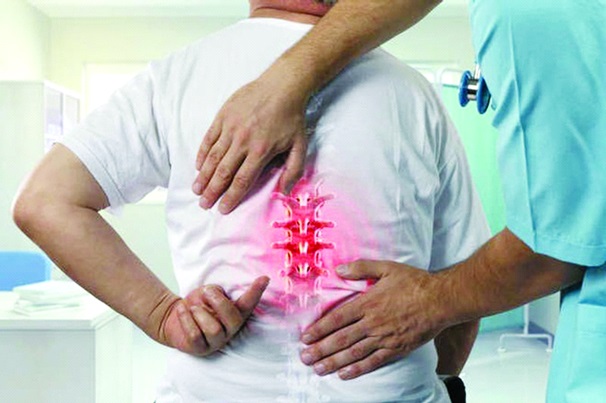
Excess screen time, poor posture fuel surge in early onset spine problems, say doctors
Sedentary lifestyles, excessive screen time, and poor posture are contributing to a surge in spine health issues among people between 25 and 45, doctors say. Spinal concerns are also pronounced in new mothers, who experience back pain, posture issues and spinal discomfort, they said.
“Sedentary lifestyles, excessive screen time, and poor posture habits are causing a surge in spine issues among adults. Apart from this, many new mothers experience back pain, posture issues, and spinal discomfort due to the changes their bodies undergo during and after pregnancy,” said Dr Vishwanathan Iyer, neurosurgeon with Zynova Shalby Hospital, Mumbai.
He said that during pregnancy, weight gain, hormonal shifts, and an altered posture put extra stress on the spine.
“After delivery, daily responsibilities such as lifting the baby, prolonged breastfeeding, and lack of adequate rest can worsen this discomfort and sometimes lead to conditions like lumbar strain, disc problems, or chronic lower back pain. Shockingly, there is a 60 per cent spike in spine problems when it comes to new mothers,” Dr Iyer said.
“Every month, we see six out of 10 women, aged 25-35, suffering from back pain after pregnancy, which interferes with their daily routine,” he said.
He said that preventive measures, such as maintaining a healthy weight, taking short breaks during childcare tasks, and ensuring adequate rest, can protect the spine.
“Timely consultation with a doctor is key because back pain should never be dismissed as ‘normal’ after pregnancy. Addressing it early helps mothers regain mobility, confidence, and a pain-free quality of life,” Dr Iyer added.
Dr Siddharth Katkade, spine surgeon from Apollo Spectra Hospital, Mumbai, said, “Spine problems are not limited to older people anymore. There is a spike in cases of postural deformities and early-onset back pain among adults aged 25-45. Factors such as sitting for long hours, poor ergonomics, and lack of regular physical activity weaken the core and back muscles.”
-

How cardiovascular and cognitive health influence each other
The human body is a marvel of interconnectivity, and nowhere is this more evident than in the relationship between the heart and the brain. Traditionally, heart health and brain health have been treated as separate realms – cardiologists for the heart, neurologists for the brain. But modern science increasingly reveals that these two vital organs are deeply intertwined, influencing each other in ways that affect overall well-being, cognition, and longevity.
The Brain Depends on the Heart
The brain, though weighing just about 2% of body mass, consumes nearly 20% of the body’s oxygen and nutrients. It relies on the heart to pump oxygen-rich blood efficiently. Even short-term drops in blood flow can affect cognition, memory, and alertness.
When cardiovascular health is compromised – such as in high blood pressure, atherosclerosis, or heart failure – blood flow to the brain can be reduced. Over time, this can lead to cognitive decline, vascular dementia, or an increased risk of stroke.
Studies suggest that people with heart disease are more likely to experience memory issues, difficulty concentrating, and slower cognitive processing. This is because plaque buildup in arteries (atherosclerosis) not only affects the heart but also limits blood supply to the brain.
The Brain Influences the Heart
The brain doesn’t just rely on the heart – it also regulates it. The autonomic nervous system, composed of the sympathetic and parasympathetic branches, controls heart rate, blood pressure, and cardiac rhythm. Stress, anxiety, or depression – brain-based conditions – can directly impact cardiovascular function.
Chronic stress, for instance, triggers elevated cortisol levels, leading to high blood pressure, inflammation, and increased risk of heart attack. Similarly, conditions like stroke or neurodegenerative diseases can affect heart function by disrupting the nerve signals that regulate cardiac output.
Shared Risk Factors
Several factors simultaneously affect both heart and brain health:
– Hypertension: High blood pressure increases the risk of stroke and cognitive decline.
– Diabetes: Poor glucose control damages blood vessels, impacting the heart and the brain.
– Obesity: Increases inflammation and contributes to cardiovascular disease and neurodegeneration.
– Smoking and alcohol: Both accelerate vascular damage, reducing blood flow to key organs.
– Sedentary lifestyle: Physical inactivity contributes to poor circulation and cognitive decline.
Addressing these shared risk factors benefits both organs, enhancing longevity and quality of life.
-

Foods that are damaging your heart
Diet Soda
Sugary sodas are fairly well-known as bad news. It’s no secret that these are on the warning list of beverages that aren’t great for your heart. Because of this, some may rightfully assume that a diet soda is a safer option.
Cold Cuts/Deli Meat
It’s normal to get excited about a delicious toasted sub with slices of ham from the local deli and all of your favorite toppings. The bad news is that deli meat (or cold cuts) has been proven to greatly increase your risk of heart disease. A 2020 study found that eating processed meats just two times a week could heighten your risk by 3-7%.
Boxed Pasta
Pulling out a box of pasta at home is one of the easiest dinner options on those busy evenings. What you might not realize, though, is that processed carbohydrates are risky when it comes to damaging your heart health. Processed carbs like pasta, white bread, and white rice are all known as high GI foods (high glycemic index). Foods like these are known to raise the glucose levels in your body to dangerous amounts.
Energy Bars
Yes, some energy bars are healthier than others. But you need to be careful—just because a company advertises themselves as “healthy,” it doesn’t always mean it’s true. If you’re going to reach for the energy bar, check out the back of the box to make sure you can read and pronounce the ingredients. Many energy bars are made with corn syrups, citric acids, and added sugars.
Red Meat
This one can be sad for all the steak lovers out there. For many years, red meat has been heavily debated on the subject of heart disease. Recently, a chemical called Trimethylamine N-oxide (TMAO for short) has been discovered as an ingredient in red meat that can cause damage to the heart and increase your risk of heart disease.
-

Poor sleep may make your brain age faster: Study
Humans spend nearly a third of our lives asleep, yet sleep is anything but wasted time. Far from being passive downtime, it is an active and essential process that helps restore the body and protect the brain. When sleep is disrupted, the brain feels the consequences – sometimes in subtle ways that accumulate over years.
In a new study, researchers examined sleep behaviour and detailed brain MRI scan data in more than 27,000 UK adults between the ages of 40 and 70. They found that people with poor sleep had brains that appeared significantly older than expected based on their actual age. While people grow chronologically older at the same pace, some people’s biological clocks can tick faster or slower than others. New advances in brain imaging and artificial intelligence allow researchers to estimate a person’s brain age based on patterns in brain MRI scans, such as loss of brain tissue, thinning of the cortex and damage to blood vessels.
In the study, brain age was estimated using over 1,000 different imaging markers from MRI scans. The experts first trained a machine learning model on the scans of the healthiest participants – people with no major diseases, whose brains should closely match their chronological age. Once the model “learned” what normal ageing looks like, they applied it to the full study population. Having a brain age higher than your actual age can be a signal of departure from healthy ageing. Previous research has linked an older-appearing brain to faster cognitive decline, greater dementia risk and even higher risk of early death. Sleep is complex, and no single measure can tell the whole story of a person’s sleep health. The study, therefore, focused on five aspects of sleep self-reported by the study participants: their chronotype (“morning” or “evening” person), how many hours they typically sleep (seven to eight hours is considered optimal), whether they experience insomnia, whether they snore and whether they feel excessively sleepy during the day.
-

Two minutes of aerobics exercise keeps your mind sharp & focused
Just two minutes of aerobic exercise a day can keep your mind sharp and focused. It may sound too simple to be true, but science now proves that even a short burst of physical movement can give your brain a remarkable boost. In a world where people are glued to screens for hours and struggle to find time for long workouts, this is great news. A couple of minutes of brisk walking, jogging in place, stair climbing, or dancing can actually improve focus, memory, and alertness while also uplifting your mood. When you move, your heart rate increases and more oxygen-rich blood flows to the brain. This stimulates the release of powerful chemicals like dopamine, serotonin, and endorphins – the “feel-good” neurotransmitters that enhance concentration and mental clarity. Research from various universities shows that even short periods of aerobic activity trigger the production of brain-derived neurotrophic factor (BDNF), a protein that supports neuron growth and communication. This helps the brain process information faster and improves memory recall. In other words, movement literally wakes up your brain.
Most people believe that only long hours of exercise can make a difference, but that’s not true. The brain responds best to regular movement, not necessarily long workouts. Two minutes of consistent, moderate aerobic activity – such as marching, jogging, or jumping jacks – is enough to increase blood flow and oxygen supply, instantly recharging your mind. It’s like pressing the “refresh” button in your brain, especially when you’re feeling mentally exhausted.
The benefits go beyond just focus and energy. Regular short bursts of aerobic movement enhance memory, improve mood, and even protect the brain from long-term cognitive decline. They also help you think creatively, make quicker decisions, and stay calm under pressure. Over time, these small movements can reduce your risk of dementia and Alzheimer’s by strengthening the neural connections that keep your brain agile.
Fitting two minutes of aerobic exercise into your day is easy. You can do it right after waking up to feel energized, during work breaks to beat fatigue, or before meetings to boost alertness. Walk briskly around your room, climb stairs, or jog in place – anything that raises your heart rate counts. Even dancing to your favorite song or doing a few jumping jacks while watching TV can make a difference.
The real magic lies in consistency. Doing two minutes of exercise every day trains your brain to stay alert, focused, and positive. It’s not about how long you move, but how regularly you do it. This small habit helps maintain good blood circulation, supports memory, and keeps your mind young. It’s perfect for everyone – students can use it to sharpen focus during study sessions, professionals can fight mid-day brain fog, and seniors can use gentle movements to stay mentally active and balanced.
-

Mangoes may actually lower diabetes risk: Study
Mangoes, often dismissed as too sugary, may hold hidden benefits for those at risk of diabetes. A George Mason University study found that individuals who ate mangoes daily showed better blood sugar control and less body fat than those who consumed a lower-sugar snack.
The results suggest that it’s not just sugar levels, but how the sugar is packaged in whole foods, that matters.
Tropical fruits contain anywhere between 10-50 grams of sugar, with mangoes on the high end of the spectrum, making them seem a poor snack choice based on that alone.
However, research by clinical nutrition researcher Raedeh Basiri suggests that mangoes, despite containing more sugar than many low-sugar snacks, may offer protective benefits for adults with prediabetes.
“It is not just the sugar content that matters, but the overall food context that matters,” said Basiri, assistant professor in George Mason’s Department of Nutrition and Food Studies.
This study is the first long-term clinical trial to demonstrate the metabolic and body composition benefits of mangoes in individuals with prediabetes.
Simply put, it’s more than the sugar in the food; it’s about the whole food. The sugars naturally found in mangoes and other fruits are complemented by fibre and other vitamins and nutrients that offer additional health benefits.
Food with added sugar, such as breakfast cereals, and even low-sugar snack options, may not have the same nutritional value and can even increase diabetes risk.
“The goal is to encourage people to include whole fruits, like mango, as part of healthy eating behaviours and practical dietary strategies for diabetes prevention,” said Basiri. -

Sitting too long can shrink your lungs: The hidden risk of sedentary lifestyle
In today’s digital age, most of us spend hours hunched over computers, glued to smartphones, or sitting in cars. While the dangers of prolonged sitting on posture, back pain, and heart health are well known, one surprising effect often goes unnoticed: extended sitting can actually reduce your lung capacity and make breathing less efficient.
The Science Behind It
Your lungs don’t literally shrink in size, but sitting for long stretches-especially with poor posture-compresses your chest cavity and prevents your lungs from expanding fully. When the diaphragm, the muscle responsible for drawing air into the lungs, is restricted, your breaths become shallow. Over time, this pattern can weaken respiratory muscles, reduce oxygen intake, and give the sensation of having “smaller lungs.”
Researchers in occupational health have observed that sedentary office workers often display lower lung capacity compared to those with more active lifestyles. The culprit is posture. When you slouch, your rib cage collapses inward, squeezing the lungs and leaving less room for air.
Why It Matters
Restricted breathing isn’t just uncomfortable-it has long-term consequences:
– Reduced Oxygen Supply: Shallow breathing decreases the amount of oxygen reaching the blood, leaving you feeling tired and mentally foggy.
– Weaker Respiratory Muscles: Just like unused leg muscles weaken, underused breathing muscles can lose strength, making physical activity harder.
– Greater Risk of Illness: Poor lung expansion means mucus and particles aren’t cleared out as efficiently, raising susceptibility to infections.
– Impact on Chronic Conditions: People with asthma, COPD, or heart disease may find their symptoms aggravated by prolonged sedentary behavior. -

Experts weigh in on viral ‘mouth taping’ sleep trend
Having your mouth taped shut is the stuff of nightmares — but some people are doing just that to themselves. And in an attempt to sleep better, no less. Doctors say don’t do it.
Some on social media say it’s a hack for getting more and better sleep and to reduce snoring. The claims — which are not backed by science — are taking off on places like TikTok, sometimes pushed by people working for companies selling related products.
“The studies behind mouth tape are small, the benefits are modest and the potential risks are there,” said Dr Kimberly Hutchison, a neurologist and sleep medicine expert at Oregon Health & Science University. Some of those risks include making sleep disorders like sleep apnea worse, or even causing suffocation.
It is better to breathe through your nose most of the time. Mouth breathing in adults is not a major health problem, but it is better to breathe through your nose, experts say. Your nose is a natural filtering system, trapping dust and other allergens before they can get to your lungs..If you’re breathing with your mouth open at night, you could wake up with a dry mouth and irritated throat, which can contribute to bad breath and oral health problems. Mouth breathing is also associated with more snoring.
Don’t rush to use mouth tape
But even though breathing through your nose is better than breathing through your mouth, taping your mouth shut isn’t the best way to fix the issue.
There’s no strong evidence that it helps improve sleep. A few studies have been conducted, most of which showed little or no impact, but they were so small that experts say conclusions should not be drawn from them.
And meanwhile, there are the potential dangers to be avoided.
Dr David Schulman, a sleep doctor at Emory University, said there are other things to try, like prescription mouth pieces that can open up your airway, or a CPAP machine. If you’re a smoker or are overweight, for example, quitting smoking and losing weight can help.
Mouth breathing could be a sign of something serious — so find out.
The safest approach is to figure out why exactly you are breathing with your mouth, because there could be something else going on.
You may be breathing through your mouth because you have obstructive sleep apnea, a sleep disorder where breathing repeatedly stops and starts during sleep because of a blocked airway. The disorder is linked to both open mouth breathing and snoring, and is typically treated with a CPAP machine. Source: AP