Tag: Health

Read the latest health news, diet, fitness, medical news and healthcare tips on theindianpanorama.news/health. Get all the healthcare news, including wellness, fitness, diet and weight loss & more.

  • New imaging technique may prevent vision loss

    New imaging technique may prevent vision loss

    WASHINGTON (TIP): Scientists have developed a new non-invasive retinal imaging technique that could help prevent the onset of vision loss in diseases like glaucoma – the second leading cause of acquired blindness worldwide.

    Researchers at the University of Rochester Medical Centre in the US hope their new technique could prevent vision loss via earlier diagnosis and treatment for these diseases.

    The method can non-invasively image the human retina, a layer of cells at the back of the eye that are essential for vision.

    The group led by David Williams from the University of Rochester was able to distinguish individual retinal ganglion cells (RGCs) which bear most of the responsibility of relaying visual information to the brain.

    There has been a longstanding interest in imaging RGCs because their death causes vision loss in glaucoma, the second leading cause of acquired blindness worldwide.

    Despite great efforts, no one has successfully captured images of individual RGCs, in part because they are nearly perfectly transparent.

    Instead of imaging RGCs directly, glaucoma is currently diagnosed by assessing the thickness of the nerve fibers projecting from the RGCs to the brain.

    However, by the time retinal nerve fibre thickness has changed detectably, a patient may have lost 100,000 RGCs or more.

    “You only have 1.2 million RGCs in the whole eye, so a loss of 100,000 is significant. The sooner we can catch the loss, the better our chances of halting disease and preventing vision loss,” said Williams.

    Ethan A Rossi, assistant professor at the University of Pittsburgh School of Medicine in the US and his colleagues were able to see RGCs by modifying an existing technology – confocal adaptive optics scanning light ophthalmoscopy (AOSLO).

    They collected multiple images, varying the size and location of the detector they used to gather light scattered out of the retina for each image and then combined those images. The technique, called multi-offset detection, was performed in animals as well as volunteers with normal vision and patients with age-related macular degeneration.

    Not only did this technique allow the group to visualise individual RGCs, but structures within the cells, like nuclei, could also be distinguished in animals.

    Source: PTI


  • REASONS YOUR ABS ARE NOT CHANGING

    REASONS YOUR ABS ARE NOT CHANGING

    You are working out in the gym for six days a week and also watching your diet, yet your abs are not shaping the way they should. Why do you think is that happening? These slipups are holding back your desired results.

    You are focusing too much on crunches

    Many people get this wrong. They feel that to get washboard abs, they need to crunch, crunch and crunch. But that’s not how it works. In fact many fitness experts feel that crunches are overrated. They are not as beneficial as they are touted to be.

    Doing isolation moves

    Heard of the transverse abdominus (TVA) muscle? If you are ignoring this muscle, it could be the reason for you to not see the desired results. TVA is a deep seated muscle group in your abdomen, which gets activated only if you do compound moves. For the uninitiated, compound moves work on two muscle groups simultaneously just like abdominal bicycle and dumbbell squats. Pelvic twists are also effective but caught in the rut of regular exercises, we often miss out on the goodness of exercises like pelvic twists.

    You are ignoring your back

    You cannot build flawless abdominal muscles if you are ignoring your back muscles. Ab exercises put a lot of pressure on your back muscles and if you are not engaging your back muscles, you are making yourself prone to injuries.

    You are not eating right

    “Perfect abs are made in kitchen!” If your diet is not supplementing your workout, the abs will not show any signs of improvement. High protein, ample fiber, lots of water, light and early dinner and low-carb diet are some of the components of a flat tummy diet. “Having detox water throughout the day is also an effective way to lose tummy fat,” recommends nutritionist Mansi Chatrath. Take these seriously and you are sure to see results.

    Same exercise routine day after day

    Celebrity fitness expert, Deepesh Bhatt explains, “When you follow the same workout routine day after day, your body eventually gets used to it and stops responding. So the trick to get faster and better results is to continue changing your workout. It could be some change in workout timing or introduction of new moves and techniques. You basically have to shock your body to get maximum output.”

    Never tried HIIT?

    Ab-specific exercises are a great way to go about building your muscles but one cannot ignore the importance of a full body workout. Skip the treadmill and try High Intensity Interval Training (HIIT). HIIT cardio workout involves high- intensity moves that help burn calories faster, thereby helping you achieve the perfectly chiseled abs.

    Not getting enough sleep

    Sleep and your weight are interlinked. If your body is not well rested, it doesn’t matter how hard you gruel yourself in the gym, it won’t respond the way it should. Less sleep also affects your hunger hormones and impacts the amount of calories you burn in a day. Sleep well and your abs will definitely thank you!

  • Indian American Physician named to Key Administration Post

    Indian American Physician named to Key Administration Post

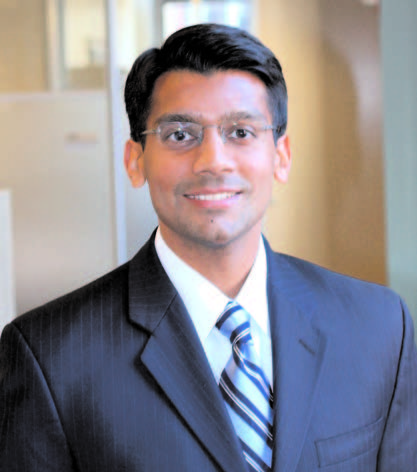
    WASHINGTON (TIP): On December 1, President Barack Obama announced appointment of Dave Ashok Chokshi as Member, Advisory Group on Prevention, Health Promotion, and Integrative and Public Health. President Obama said, “These fine public servants bring a depth of experience and tremendous dedication to their important roles. I look forward to working with them.”

    Dr. Dave Ashok Chokshi is the Chief Population Health Officer of OneCity Health and Senior Assistant Vice President at New York City Health + Hospitals – the largest municipal health care system in the U.S. He practices primary care at Bellevue Hospital and is a Clinical Assistant Professor of Population Health and Medicine at the NYU School of Medicine. In 2012, he served as a White House Fellow at the Department of Veterans Affairs, where he was the principal health advisor in the Office of the Secretary. His prior work experience spans the public, private, and nonprofit sectors, including positions with the New York City and State Departments of Health, the Louisiana Department of Health, a startup clinical software company, and a global health nonprofit dedicated to improving access to medicines in developing countries.

    Dr. Chokshi has written on medicine and public health in The New England Journal of Medicine, Journal of the American Medical Association, The Lancet, Health Affairs, and Science. He serves on the Board of Advisors for the Parkland Health & Hospital System and was elected a Fellow of the American College of Physicians this year. Dr. Chokshi received a B.A. from Duke University, an M.Sc. from Oxford University, and an M.D. from University of Pennsylvania.

  • Mental Health program for seniors launched in NYC

    Mental Health program for seniors launched in NYC

    NEW YORK (TIP): ThriveNYC’s Geriatric Mental Health Initiative, a package of mental health services that will be offered at 15 senior centers this year and at an additional ten centers in 2017, was launched on December 7 by First Lady Chirlane McCray, Deputy Mayor Richard Buery, and Department for the Aging Commissioner Donna Corrado.

    Mental health clinicians will provide on-site therapy, as well as educational workshops, mental health screening, referrals, and engagement activities that help de-stigmatize mental illness. Through ThriveNYC, the Department for the Aging will also launch friendly visiting to homebound seniors to help prevent social isolation, which increases the risk of chronic health conditions, depression, anxiety and other serious health issues.

    The service will be provided through trained volunteers working with coordinators at the case management agencies. The volunteers will seek to develop meaningful relationships with the individuals they visit and to engage them in activities like shopping, library visits, and local senior center visits. To enrich the service, volunteers and friendly visiting coordinators will be trained on mental health first-aid because social isolation can put seniors at risk for mental health problems. An important purpose of the visiting service will be to link clients identified by their visitors as needing mental health intervention to appropriate resources.

  • Indian American Seema Verma nominated to top administrative post

    Indian American Seema Verma nominated to top administrative post

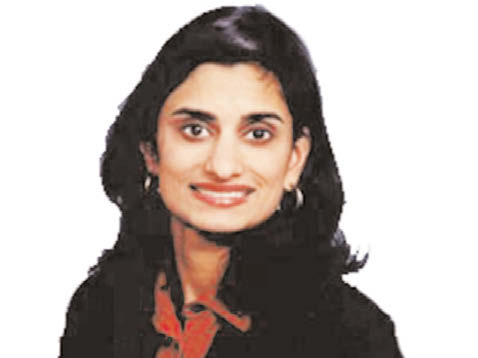
    WASHINGTON (TIP): On November 29, President-elect #DonaldTrump picked up Seema Verma, a health care consultant, to head the Centers for Medicare & Medicaid Services, putting her in charge of a federal agency within the health department as part of a “dream team” which he said would transform America’s healthcare system. Her nomination came days after

    Indian-American Nikki Haley, Governor of South Carolina, was named as US ambassador to the United Nations.

    “I am pleased to nominate (Dr) Seema Verma to serve as Administrator of the Centers for Medicare and Medicaid Services,” Trump said in a statement. “She has decades of experience advising on Medicare and Medicaid policy and helping states navigate our complicated systems. Together, Chairman Price and Seema Verma are the dream team that will transform our healthcare system for the benefit of all Americans,” Trump said.

    Verma currently is the President, CEO and founder of SVC, Inc, a national health policy consulting company.Verma worked for the Health & Hospital Corporation of Marion County as vice president of planning and at the Association of State and Territorial Health Officials in Washington, DC. She founded the health policy-consulting firm SVC Inc. in June 2001. She is President and CEO of the company, which has worked with the states of Indiana, Iowa, Kentucky, Michigan, Ohio, Maine, and Tennessee.

    Based in Indianapolis, Vermaworked with Indiana Governor Mitch Daniels on health care policy. She was the architect of the Healthy Indiana Plan. The health insurance program, designed for people with low income, requires participants to pay into a health savings account and has high deductibles.

  • Indian American among 15 appointed to NY City Community Services Board

    Indian American among 15 appointed to NY City Community Services Board

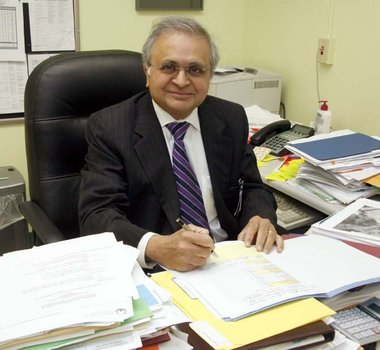
    NEW YORK CITY (TIP): Indian American Dr. Pankaj Patel, a Board Certified Psychiatrist and Chair of the Department of Psychiatry and Behavioral Health Sciences at Richmond University Medical Center is one of the 15 appointed by Mayor Bill de Blasio to New York City Community Services Board.

    Mayor de Blasio announced, November 28, the appointment of 12 new members and the reappointment of 3 members to the Community Services Board, the panel responsible for advising the Department of Health and Mental Hygiene in areas related to the City’s community mental health and substance use treatment services. In addition, the Board will advise on the advancement of a stronger public health approach to mental illness and substance use as outlined in the City’s comprehensive plan: ThriveNYC. Appointees include leaders from the non-profit, public and private sectors with a track record of serving people with mental illness and substance use issues. The Board also will be advised by Sherry Glied, Dean of the New York University’s Robert F. Wagner Graduate School of public services.

    “Today we’re taking another step forward in our efforts to destigmatizing mental illness and ensuring that best practices are put in place to help our fellow New Yorkers,” said Mayor Bill de Blasio. “The board, which now consists of professionals whose collective experience span the private, non-profit and public sectors, is well-equipped to support ThriveNYC and the Department of Health and Mental Hygiene in delivering services that will benefit our New Yorkers who are most in need. I look forward to working with the Board.”

    “The dynamic intellect and proven ability of today’s appointees to the Community Services Board will bring an additional dimension of support and vigor to changing the culture and expanding services for untreated mental illness and substance misuse. I am excited to work with them,” said First Lady Chirlane McCray, who spearheads ThriveNYC.

    “Today’s appointees bring a wealth of experience and perspective to the Community Services Board,” said Dr. Mary T. Bassett, Commissioner of the Department of Health and Mental Hygiene. “Their knowledge will not only help us identify gaps in mental health and substance misuse treatment, but they will also guide us in the development of programs that address the mental health needs of all New Yorkers.”

    The reappointed members of the Community Services Board include Gail B. Nayowith, Dr. Sarah Church and Dr. Roberto Lewis-Fernandez.

    Gail B. Nayowith, Chair of the Board, is the Principal of 1digit LLC, a management consulting and project management practice, and has worked in the health and human services sector for decades leading vital nonprofit provider, advocacy and philanthropic organizations.

    Dr. Sarah Church is a licensed clinical psychologist, with a focus in substance abuse. Dr. Church is also Executive Director for Montefiore Medical Center’s Division of Substance Abuse and Assistant Professor at the Department of Psychiatry and Behavioral Sciences at the Albert Einstein College of Medicine.

    Dr. Roberto Lewis-Fernández is a licensed psychiatrist whose work includes overcoming disparities in the care of underserved U.S. cultural groups. He is the Director of the New York State Center of Excellence for Cultural Competence and a Professor at Columbia University’s Department of Psychiatry.

    The newly appointed members of the Community Services Board are Dr. Thelma Dye, Dr. Pankaj Patel, Dr. Stepahanie Le Melle, Dr. Rosa Gill, Louis Cohen, Wanda Greene, Jun Matsuyoshi, Diane Arneth, Lynnae Brown, Denise Rosario, Ahmed Jamil and Christy Parque.

    Dr. Thelma Dye is a licensed psychologist and Executive Director and CEO of Northside Center for Child Development, one of New York’s oldest and most respected mental health agencies.

    Dr. Pankaj Patel is a Board Certified Psychiatrist and Chair of the Department of Psychiatry and Behavioral Health Sciences at Richmond University Medical Center.
    “Mental illness is a medical illness. There is a broad spectrum of problems,” said Dr. Patel. Still, the common response to almost any of them is fear. “It could be something simple, like a panic attack,” he said, but the gut reaction from most people is “Something is wrong. They’re crazy.”

    For Dr. Patel, however, mental illness is something he’s embraced, something that has shaped most of his day for the past 30 years – ever since he arrived at the former St. Vincent’s Hospital in West Brighton to begin his psychiatric training.

    He said maintaining a clean bill of mental health over the course of time is tough for anyone. “All of us have a certain degree of becoming depressed in their lifetime,” he said.

    Dr. Stephanie Le Melle MD is a licensed psychiatrist with a interest in the treatment and care of people with serious mental illnesses and complex needs. She is co-Director of Public Psychiatry Education at Columbia University’s Department of Psychiatry and New York State Psychiatric Institute.

    Dr. Rosa Gil is the Founder, President and CEO of Comunilife, Inc., whose mission is to expand access to housing, mental health and social services to increase the quality of life of underserved, diverse communities in New York City.

    Louise Cohen is the CEO of the Primary Care Development Corporation (PCDC), a non- profit Community Development Finance Institution, dedicated to expanding and strengthening the primary care safety net in the United States. She has over 25 years of experience in public health, public policy, program operations and community health needs assessment.

    Wanda Greene has over 22 years of family support under the Mental Health Association and is the Director of the Family Resource Center (Mental Association of NYC), where, among other things, she maintains partnerships with public and private entities throughout New York City to provide mental health services to high need, underserved communities.

    Jun Matsuyoshi is Director of Mental Health Services, APICHA Community Health Center, where she oversees all mental health services.

    Diane Arneth is the Executive Director of Community Health Action of Staten Island as well as a member of Brightpoint Health. Brightpoint Health is a community-based organization that provides direct services, education and advocacy to individuals, families, and communities challenged by health disparities related to poverty, discrimination, and lack of access.

    Lynnae Brown is Director of Community Access at Howie the Harp Advocacy Center, a program of Community Access Inc. Brown oversees the peer-run employment program that has trained over 800 peers to work as peer providers in human resources.

    Denise Rosario is the founding Executive Director of Coalition for Hispanic Family Services and has over 30 years of experience in mental health services to children and families of color in urban communities.

    Ahmed Jamil is the President of the Muslim Society Community Center that offers education, youth development and community outreach programs catering to low-income families.

    Christy Parque is President and CEO of the Coalition of Behavioral Health Agencies, an advocacy and training behavioral health coalition of over 140 non-profit substance use and mental health providers that serve over 450,000 residents in New York City and surrounding counties.

    Sherry Glied, a non-member, is the Special Advisor to the Community Services Board. She is the Dean of the New York University’s Robert F. Wagner Graduate School of Public Service and former Professor of Health Policy and Management at Columbia University’s Mailman School of Public Health. She was confirmed by the U.S. Senate as Assistant Secretary for Planning and Evaluation at the Department of Health and Human Services, and served in that capacity from July 2010 through August 2012. She had previously served as Senior Economist for health care and labor market policy on the President’s Council of Economic Advisers in 1992-1993, under Presidents Bush and Clinton, and participated in the Clinton Health Care Task Force.

    About the Community Services Board:
    The Community Services Board (CSB) is mandated to advise the Department of Health and Mental Hygiene in all areas related to the City’s community mental health and alcoholism facilities, services and programs. The CSB has been redesigned to advise on the advancement of a stronger public health approach to mental illness and substance use as outlined in the City’s comprehensive plan: ThriveNYC. New appointees represent a broad spectrum of communities, organizations and viewpoints to help engage people whose voices have previously gone unheard.

  • Indian Americans Sunil Amrith from Harvard and Akshay Venkatesh from Stanford to receive Infosys Prize 2016

    Indian Americans Sunil Amrith from Harvard and Akshay Venkatesh from Stanford to receive Infosys Prize 2016

    indian-americans-sunil-amrith-from-harvard-and-akshay-venkateshBENGALURU (TIP): Prof. Sunil Amrith, Mehra family professor of South-Asian studies, professor of history, Harvard University and Prof. Akshay Venkatesh, professor, department of mathematics, Stanford University are among six recipients of Infosys Prize 2016 in the categories of Humanities and Mathematical Sciences, respectively.

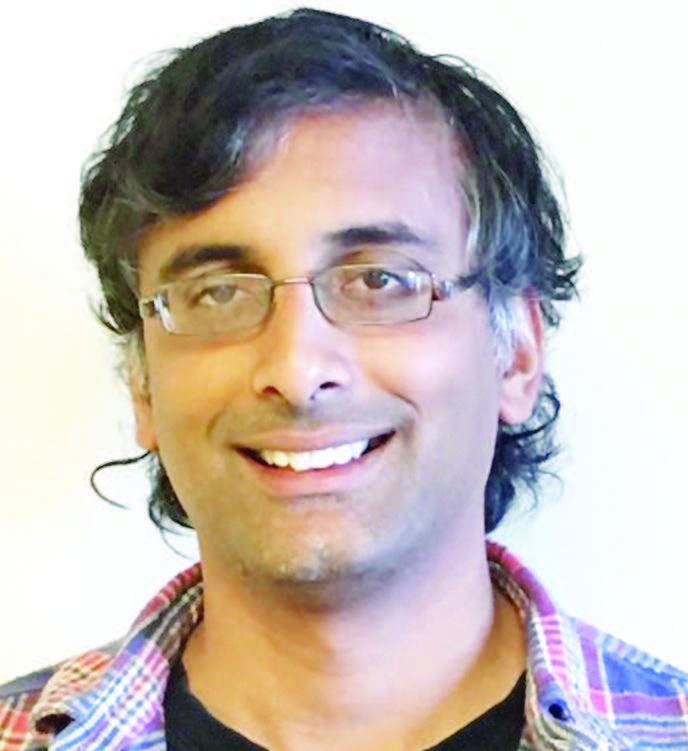
    Sunil Amrith is the Mehra Family Professor of South Asian Studies at Harvard University. His research is on the trans-regional movement of people, ideas, and institutions. Areas of interest include the history of public health and poverty, the history of migration, and environmental history. His most recent work has been on the Bay of Bengal as a region connecting South and Southeast Asia. He has a PhD in History (2005) from the University of Cambridge, where he was also a Research Fellow of Trinity College (2004-6).

    indian-americans-sunil-amrith-from-harvard-and-akshay-venkatesh1Akshay Venkatesh is an Indian Australian professor in the mathematics department at Stanford. His research interests are in the fields of counting, equidistribution problems in automorphic forms and number theory, in particular representation theory, locally symmetric spaces and ergodic theory.He is the only Australian to have won medals at both the International Physics Olympiad and International Mathematics Olympiad, which he did at the age of 12

    The Infosys Science Foundation (ISF) on November 18 announced six winners of the Infosys Prize 2016 in the categories of Engineering and Computer Science, Humanities, Life Sciences, Mathematical Sciences, Physical Sciences and Social Sciences.

    The winners for the Infosys Prize 2016 were shortlisted from over 250 nominations by a jury panel, comprising renowned scientists and professors. The awards ceremony for the Infosys Prize 2016 will be held on 7 January 2017 in Bengaluru, where Prof. Venkatraman Ramakrishnan, president of the Royal Society and Nobel Prize Laureate will felicitate the winners, the foundation said in a statement. The prize for each category consists of a purse of Rs65 lakh, a 22-carat gold medallion and a citation certificate.

    The winners of the Infosys Prize 2016 are: (1) Engineering and computer science: Prof. V. Kumaran, professor, department of chemical engineering, Indian Institute of Science (IISc), Bengaluru; (2) Humanities: Prof. Sunil Amrith, Mehra family professor of South-Asian studies, professor of history, Harvard University; (3) Life Sciences: Dr. Gagandeep Kang, executive director of Translational Health Science and Technology Institute (THSTI), Faridabad; (4) Mathematical Sciences: Prof. Akshay Venkatesh, professor, department of mathematics, Stanford University; (5) Physical Sciences: Dr. Anil Bhardwaj, director, space physics laboratory, Vikram Sarabhai Space Centre, Thiruvananthapuram, and (6) Social Sciences: Prof. Kaivan Munshi, Frank Ramsey professor of economics, faculty of economics, University of Cambridge.


  • Yoga improves memory by reducing stress levels, as per University of Illinois study

    Yoga improves memory by reducing stress levels, as per University of Illinois study

    CHICAGO (TIP): “Yoga practice improves executive function by attenuating stress levels”, according to a study conducted by researchers at University of Illinois Urbana-Champaign (UIUC) in USA.

    An abstract of the study posted online from the December 2016 edition of Biological Psychology journal, stated: An 8-week Hatha yoga intervention attenuated stress response in an older adult sample.

    It concluded: Eight weeks of regular yoga practice resulted in improved working memory performance that was mediated by an attenuated response to stress.

    According to UIUC News Bureau: Researchers found that eight weeks of hatha yoga classes moderated stress levels and led to better performance on challenging cognitive tests. This study, supported by National Institute on Aging at the National Institutes of Health, was conducted at Exercise Psychology Laboratory of UIUC directed by Professor Edward McAuley.

    Distinguished Hindu statesman Rajan Zed called the UIUC looking into the usage of multi-faceted yoga in stress levels and cognitive performance “a step in the positive direction”. Zed urged all major world universities to explore various benefits yoga offers.

    Yoga, referred as “a living fossil”, was a mental and physical discipline, for everybody to share and benefit from, whose traces went back to around 2,000 BCE to Indus Valley civilization, Zed, who is President of Universal Society of Hinduism, noted.

    Rajan Zed further said that yoga, although introduced and nourished by Hinduism, was a world heritage and liberation powerhouse to be utilized by all. According to Patanjali who codified it in Yoga Sutra, yoga was a methodical effort to attain perfection, through the control of the different elements of human nature, physical and psychical.

    According to US National Institutes of Health, yoga may help one to feel more relaxed, be more flexible, improve posture, breathe deeply, and get rid of stress. According to a “2016 Yoga in America Study”, about 37 million Americans (which included many celebrities) now practice yoga; and yoga is strongly correlated with having a positive self image. Yoga was the repository of something basic in the human soul and psyche, Zed added.

    According to Oxford Dictionary of Hinduism, hatha-yoga (yoga of force) is a form of yogic practice designed to bring about liberation and immortality in this life, through the purification and manipulation of the practitioner’s body.

    UIUC, founded in 1867, claims to be a “world-class leader in research, teaching, and public engagement” and “pioneer innovative research that tackles global problems”. Robert Jones is the Chancellor.

  • Do you feel sleepy post meals? Blame the proteins and salts in your food

    Do you feel sleepy post meals? Blame the proteins and salts in your food

    Meals high in protein and salt can promote sleep and lead to longer naps, claim researchers.

    According to researchers, based in the US, at the Scripps Research Institute in the USA, what we eat influences post-meal sleep and its duration.

    After testing the consumption of salt, sugar and protein in fruit flies — insects used for their genetic similarities with humans — the scientists found that meals with higher levels of protein and salt could promote sleep and lead to longer naps.

    They identified a certain type of neuron— called leucokinin neurons — that play a role in the post-meal sleep mechanism. “A subset of leucokinin receptor (Lkr) neurons was necessary to initiate post-meal sleep in the presence of protein specifically,” explains first author Keith Murphy.

    “While we expected that flies defective in protein sensing would experience post-meal sleep in a similar way to those fed only sucrose, we found instead that they had a waking response. Our analysis suggests that ingested protein promotes both sleep and wakefulness, and that the wakefulness is counterbalanced by Lkr neuronal activity. “

    The research provides a starting point for future work investigating the genes and circuits that link meal size, protein and salt to post-meal sleep. Source: AFP

  • WORKOUTS THAT SLOW DOWN AGEING

    WORKOUTS THAT SLOW DOWN AGEING

    Let’s admit it, we all dread ageing. Expensive creams, beauty treatments, desi hacks, we do everything in our might to cease the incoming of the devil called wrinkles. A slow metabolism, declining stamina, setting in of chronic illnesses are some more troublesome signs of ageing. While you can’t do anything about the growing numbers in your age, you can do a lot to stop it from showing. How? A steady fitness routine. Creating a regular exercise routine helps you steer clear of chronic diseases, helps build stamina and strong muscles, and keeps you physically agile and just like that hide years off your age.

    Frank Frisch, PhD, director of kinesiology at Chapman University in Orange, California says that exercise makes you feel younger than you are. Here are some workouts that will keep the real age from showing.

    YOGA

    Yoga does not work on specific body parts but on your overall well being. Yoga experts believe that yoga helps you stay younger for longer. There are specific facial yoga asanas that help keep the wrinkles away. Agrees yoga expert Dinesh Dagar, “Stress is the biggest killer today. Yoga helps reduce stress thereby not letting its after effects reflect on your face and body.”

    WEIGHT LIFTING

    Most women shy away from weight lifting but that should not be the case if you want to have good bone health. Fitness experts as well as medical experts believe that weight training helps combat the onset of osteoporosis. However, make sure that you practice weight training under proper guidance.

    SQUATS

    Squats target the biggest muscles in the human body. They not only burn calories but also keep your legs strong. Most of us squat a lot during the day without even realizing, which makes the perfect squat posture all the more important. Picking heavy grocery bags or lifting a kid, they all require you to squat. An incorrect squat posture can lead to injuries and you surely don’t want that.

    WALKING

    There have been studies that say walking reduces the risk of dementia by one third. Not only does it protect you from that evil, a recent study stated that walking also helps improve your cardiovascular health. A healthy heart is a great means for a youthful body.

    COMPOUND MOVEMENTS

    Celebrity fitness instructor Deepesh Bhatt says, “Compound moves are extremely effective as compared to isolation moves. They give you an intense workout in a shorter span. It makes you hit more muscle fibers and makes your workout more effective.”

    CARDIO TRAINING

    Cardio is recommended even by many beauty experts for a younger looking skin. Cardio workouts such as swimming, cycling and dance up your heart rates, as a result pumping more blood in your body. Better circulation helps strengthen our heart and give us a beautiful skin.

  • AAPI President Ajay Lodha asks Trump to enact medical liability reform

    AAPI President Ajay Lodha asks Trump to enact medical liability reform

    NEW YORK (TIP): Dr. Ajay Lodha, president of the largest body of Indian-American doctors has asked President-elect Donald Trump to enact medical liability reform, which it claimed is driving up the healthcare cost in its current shape through “extra testing and the practice of defensive medicine”. “AAPI (American Association of Physicians of Indian Origin) supports a healthy doctor-patient environment by curbing aggressive litigation targeting physicians,” AAPI president Ajay Lodha said in a statement in which he congratulated Trump on his victory in the presidential election.

    Lodha said, “such lawsuits have had a chilling effect and driven up the cost of healthcare, through extra testing and the practice of defensive medicine”.

    In the 112th Congress, The Help Efficient, Accessible, Low-cost, Timely Healthcare (HEALTH) Act of 2011′, limited the conditions for lawsuits and punitive damages for healthcare liability claims.

    It established a statute of limitations and limited noneconomic damages to USD 250,000, he rued. AAPI wants modification of the Affordable Care Act (ACA), he said.

    Under the ACA, hospitals and primary physicians would transform their practices financially, technologically, and clinically to drive better health outcomes, lower costs, and improve their methods of distribution and accessibility.

    “We believe that the current ACA could be improved upon greatly. To merely repeal the ACA would result in 20 million losing their health insurance coverage and that would be problematic to say the least,” he said.

    “A more reformed system with emphasis on free-market while retaining the provisions protecting consumers with pre-existing conditions would be ideal,”he said.

    AAPI represents the interests of over 60,000 physicians and 25,000 medical students and residents of Indian heritage in the US.

    In the statement, Lodha also invited Trump to address the delegates at the next AAPI Convention in Atlantic City, New Jersey next year.

  • People worldwide living longer, healthier lives: study

    People worldwide living longer, healthier lives: study

    Washington, Nov 22 – The last few generations of humans have enjoyed the biggest life expectancy boost in primate history, a new study of mortality patterns in humans, monkeys and apes suggests.

    The gains are partly due to advances in medicine and public health that have increased the odds of survival for human infants and reduced the death toll from childhood illness, researchers said.

    Yet males still lag behind females – not just in humans but across the primate family tree, they said.

    “The male disadvantage has deep evolutionary roots,” said Susan Alberts, biology professor at Duke University in the US.

    An international team from the US, Germany, Denmark, Kenya and Canada compiled records of births and deaths for more than a million people worldwide, from the 18th century to the present.

    The data included people in post-industrial societies such as Sweden and Japan, people born in pre-industrial times, and modern hunter-gatherers, who provide a baseline for how long people might have lived before supermarkets and modern medicine.

    The researchers combined these measurements with similar data for six species of wild primates that have been studied continuously for three to five decades, including Verreauxs sifaka lemurs, muriqui monkeys, capuchins, baboons, chimpanzees and gorillas.

    The data confirm a growing body of research suggesting that humans are making more rapid and dramatic gains than ever before seen in the primate family tree.

    For example, in the last 200 years life expectancy in Sweden has jumped from the mid-30s to over 80, meaning that a baby born today can hope to live more than twice as long as one born in the early 19th century.

    The data show that todays longest-lived human populations have a similar 40- to 50-year advantage over people who live traditional lifestyles, such as the Hadza hunter-gatherers of Tanzania and the Ache people of Paraguay.

    In contrast, these modern hunter-gatherers – the best lens we have into the lives of early humans – live on average just 10 to 20 years longer than wild primates such as muriquis or chimpanzees, from which human ancestors diverged millions of years ago.

    One indicator of healthcare improvement is infant mortality, which strikes fewer than three in 1000 babies born in Sweden or Japan today.

    However, it was more than 40 times higher for those born two centuries ago, and is still high among hunter-gatherers and wild primates.

    The researchers also studied lifespan equality, a measure similar to income equality that indicates whether longevity is distributed evenly across society, or only enjoyed by a few.

    They found that, for both humans and wild primates, every gain in average lifespan is accompanied by a gain in lifespan equality.

  • New fitness tracker can tell you how much muscle, fat is your body made of

    New fitness tracker can tell you how much muscle, fat is your body made of

    GPS and navigation equipment and mapping devices producer TomTom on Wednesday launched a new Rs 13,999 activity tracker, TomTom Touch, along with two other products to penetrate the Indian GPS fitness watch market.

    According to the company, the lesser-priced TomTom Touch, comes with a new body composition analysis technology which is not available on any other fitness device available in the market.

    “Obesity is considered the core of many diseases. With Body composition analysis right at your wrist, it will be a great indicator of your overall well being and knowing your body composition changes. Now with this innovation, we’re making technology more accessible to everyone. So will our focus on fitter India,” Hitesh Ahuja, country manager, TomTom India, said, adding that India has the third most obese population in the world.

    “With the push of a button, TomTom Touch fitness tracker measures the percentage of body fat and muscle mass in the body. Until now, this metric has been available with dedicated scales or expensive technology. The launch of TomTom Touch fitness tracker now makes BCA more accessible to a broader audience,” Ahuja explained.

    The TomTom Touch fitness can be worn 24-7 and includes functions like tracking steps, sleep, all day heart-rate, calories burned. It also comes equipped with a sports mode for running, cycling or hitting the gym and also shows up smartphone notifications. Source: HT

  • Marijuana could help treat drug addiction, depression

    Marijuana could help treat drug addiction, depression

    Using marijuana could help some alcoholics and people addicted to opioids kick the habit and may also help people suffering from depression, post-traumatic stress disorder (PTSD) and social anxiety, says a study.

    “Research suggests that people may be using cannabis as an exit drug to reduce the use of substances that are potentially more harmful, such as opioid pain medication,” said the study’s lead investigator Zach Walsh, Associate Professor at University of British Columbia’s Okanagan campus in Canada.

    The study published in the journal Clinical Psychology Review is based on a systematic review of research on the medical cannabis use and mental health as well as reviews on non-medical cannabis use.

    However, the review concluded that cannabis use might not be recommended for conditions such as bipolar disorder and psychosis.

    “In reviewing the limited evidence on medical cannabis, it appears that patients and others who have advocated for cannabis as a tool for harm reduction and mental health have some valid points,” Walsh said.

    It is important to identify ways to help mental health professional move beyond stigma to better understand the risk and benefits of cannabis, Walsh added.

    “There is not currently a lot of clear guidance on how mental health professionals can best work with people who are using cannabis for medical purposes,” Walsh said.

  • Cough virus helps combat liver cancer in adulthood

    Cough virus helps combat liver cancer in adulthood

    A virus that cause respiratory illnesses and stomach upsets in children could help in the fight against primary liver cancer, according to a study. Reovirus stimulates the body’s own immune system to kill off the cancerous cells and is also able to kill off the hepatitis C virus – a common cause of primary liver cancer – at the same time, the researchers at the University of Leeds discovered.

    These early stage findings are important because primary liver cancer is the third highest cause of cancer deaths worldwide and, if surgery is not an option, the prognosis is poor. Study co-leader Dr Stephen Griffin, Associate Professor of Viral Oncology at the University of Leeds, said: “Ultimately we hope that by simultaneously treating the tumor, and the hepatitis virus that is driving the growth of the tumor, we may provide a more effective therapy and improve the outcomes for patients.

    “Current treatments for liver cancer that can’t be removed by surgery are mainly palliative with chemotherapy only tending to prolong life, rather than cure and it can have significant side effects.” The University of Leeds team found that Reovirus was successful in treating both liver cancer cells grown in the laboratory and those taken directly from patients undergoing surgery.

    When introduced into the body, Reovirus stimulates an immune system factor known as interferon, which in turn causes the activation of a specific white blood cell called a Natural Killer cell. These Natural Killer cells then kill both the tumor, and cells infected with the hepatitis C virus.

    Stimulating the immune system to kill cancer cells is known as immunotherapy. It differs from chemotherapy, in which the actual drugs kill the cancer cells. The researchers are now hoping to start the first in-human clinical trials. Study co-leader Professor Alan Melcher, now Professor of Translational Immunotherapy at the Institute of Cancer Research, London, said: “Our study establishes a completely new type of viral immunotherapy for the most common primary liver cancer type, hepatocellular carcinoma, which has a very poor prognosis in its advanced form.

  • WHY SOME WOMEN ARE UNABLE TO CONCEIVE

    WHY SOME WOMEN ARE UNABLE TO CONCEIVE

    Researchers have found that endometriosis — a chronic condition affecting around 10 per cent of women — may be the reason behind their difficulty in getting pregnant.

    Endometriosis — chronic abdominal pain, irregular periods, and lowered fertility — is strongly associated with infertility and up to 50 per cent of women who require infertility treatment have it, the study said.

    In order to become pregnant, a woman must produce a mature egg, which then is released to be fertilised.

    However, the study found that eggs in women who have endometriosis are affected by a very hostile uterine environment that lowers fertility.

    In women with endometriosis, ability of the egg to mature gets blocked as it suffers serious damage by exposure to follicular fluid and the egg quality gets severely compromised, the researchers explained.

    “The study found that fluid from the follicles of patients with endometriosis was found to block egg maturation by generating free-radical chemicals called Reactive Oxygen Species (ROS) in the egg, which damage their DNA. This damage caused the egg not to mature, and hence it could not be fertilised,” added Simon Lane, doctoral student at the University of Southampton.More research is now needed to investigate whether such damage caused by endometriosis is treatable or preventable, Lane said. According to researchers, the effects of endometriosis on eggs could be prevented by antioxidants, as they can decrease ROS levels and help eggs to mature.

  • REASONS YOU’RE NOT LOSING WEIGHT

    REASONS YOU’RE NOT LOSING WEIGHT

    Losing weight is no walk in the park. A lot of it actually depends on your metabolism — while some people are blessed with burning off calories faster than you probably finish your meal, others aren’t so lucky. In fact, for a large part of the population, losing weight is an uphill task. And it often happens that you’re religiously following a diet and exercise regime but are still failing to drop those pounds. Here are some blunders you could be making that are hindering your progress…

    You don’t sleep enough

    Sleep is extremely essential and not simply a time when your body is resting. And when you don’t sleep enough, you’re lowering the benefits that come with dieting and exercise. Sleep deprivation can cause a number of health woes, not to mention a sluggish metabolism, increased appetite and lower energy levels.

    You reward yourself too often

    No matter how well you think you’re doing at the gym, rewarding yourself regularly with sweet treats for every extra hour spent at the gym will undo any good that you have done. While it is alright to motivate yourself now and then, be careful because every little treat has far more calories than you imagine.

    You have a lot of sweet drinks

    You may be following a diet but it will be of little use if you don’t watch what you drink. Smoothies, packaged fruit juices, fizzy, energy and aerated drinks are packed with sugar and calories that will cause you to gain weight. Instead, have green tea, coconut water and natural fruit juices sans any sugar.

    You barely eat

    This is another mistake that a lot of dieters make. Just because you’re on a diet doesn’t mean you have to eat tiny morsels for each meal. Eating very little makes your body store whatever you east as fat —just the opposite of what you want. It also causes your metabolism to slow down, making it more difficult for you to lose weight. Clinical nutritionist Dr Nupur Krishnan says, “The human body is programmed to send out hunger signals whenever it needs an energy boost, usually between meals. A number of studies have established that eating frequent small meals is a better weight management strategy than eating one or two large meals. One strategy is to divide your food evenly, eating smaller nutritious portions every few hours.”

    You binge eat

    Giving in to temptation and gorging on your favourite foods can wreak havoc on your diet. A cheat day where you allow yourself a small portion of your favourite snack is alright but to go on a binge eating spree will undo all the good that you’re done over the previous days. Be consistent in your diet and you’ll soon get the results you desire. Explains healing diet specialist Dhvani Shah, “Apart from weight gain, binge eating results in a stark decrease in micronutrients causing dull skin, hairfall, hormonal imbalance, acidity and constipation. Other side-effects include vitamin deficiencies, loss of muscle tone and lower bone density.”

    You don’t watch your portion size

    Eating healthy doesn’t mean you pile your plate high with salads or other low cal meals. Watching your portion size is crucial when it comes to losing weight, so be conscious of exactly how much you put on your plate. “Snacking can actually be beneficial if one makes the right choice. By choosing nutritious bites, people can not only satisfy hunger, but also get additional nutrients that they need for a healthy living. The idea is not to ban snacks but to plan them,” explains Dr Nupur.

    You stick to the same workout regime

    The trick to losing weight quickly is to ensure that you vary your workout regime regularly. When your body gets used to the same exercise routine, you’ll find it harder to lose weight. Mix up your regime — not only will you enjoy your workouts, you’ll also see results faster.

    You have underlying medical conditions

    When you’re suffering from certain medical conditions, losing weight is more difficult.

    These include hypothyroidism, PCOS and other hormonal conditions that cause weight gain. You could also be suffering from some sort of food allergy or side-effects of some medication that you’re taking that is making it tough for you to lose weight. Source: TOI

  • WINTER SKIN CARE CHECKLIST

    WINTER SKIN CARE CHECKLIST

    Befriend a moisturiser, use face oils and avoid excessive exfoliation to get a natural glow despite the chill in the air.

    Megha Shah, cosmetologist at Beauty & Curves Clinic, Surat, has shared a few skin care tips that can be followed during winter season:

    – Cool breeze may deprive your skin of the essential moisture that keeps it soft. Apply and then reapply the moisturiser. But make sure that it is not too heavy for your skin. Otherwise, it will make your skin look oily and dark. A gel-to-cream base moisturiser would be ideal for any skin type.

    – Bio oil not only offers anti-ageing properties, but also provides nourishment to the skin. These oils add a protective layer to your skin and offer that super glow.

    – Hot water takes off the natural oil from the body, it plays havoc if you already have a dry skin. A lukewarm water is ideal to suit your body temperature as it does not dilate capillaries due to excessive heat.

    – Have a nutritionally rich diet or food items rich in Omega 3 for a glowing skin. Nuts and seasonal vegetables are great for your skin. Avoid starchy and sugary foods as they may cause bloating and acne.

    * Since your skin is already dry during winter season, excessive exfoliation will wash off all the natural oils from the skin and can damage it badly causing redness. Use gentle exfoliators like oatmeal and coffee powder, and seal it with a cream.

  • BREAST CANCER CAN HAVE SYMPTOMS OTHER THAN LUMP

    BREAST CANCER CAN HAVE SYMPTOMS OTHER THAN LUMP

    About one-sixth of women (17%) diagnosed with breast cancer visit a doctor with a symptom other than a lump, which is the most commonly reported symptom, new research has found.

    Breast cancer symptoms, other than a breast lump that may be a sign of cancer— known as ‘non-lump’ symptoms —include nipple abnormalities, breast pain, skin abnormalities, ulceration, shape abnormalities and an infected or inflamed breast.

    “Our research shows around one in six women diagnosed with breast cancer have symptoms other than a breast lump. These women are more likely to delay going to the doctor compared to women with breast lump alone,” said Monica Koo from University College London (UCL).

    “It’s crucial that women are aware that a lump is not the only symptom of breast cancer. Diagnosing cancer earlier really is key in order to increase the chances of survival,” Koo suggested.

    In the study, researchers from UCL examined the data of more than 2,300 women diagnosed with breast cancer in England in 2009-2010.

    They found that, although most women with breast cancer sought help quickly, those with ‘non-lump’ symptoms were more likely to delay going to their doctor compared with women with a breast lump alone. Women with both a breast lump and ‘non-lump’ symptoms were also more likely to delay seeking help.

    “This research shows that, all too often, women are delaying going to their doctor with symptoms of breast cancer. This could be because people are simply unaware that breast cancer can present in many different ways, not just through the presence of a lump,” added Karen Kennedy, Director of the The National Cancer Research Institute (NCRI) — a UK-based research organisation.

    The study was presented at the 2016 National Cancer Research Institute (NCRI) Cancer conference in Liverpool, recently.

  • Smoking a Cigarette Pack a Day for a Year Causes 150 Mutations in Lungs

    Smoking a Cigarette Pack a Day for a Year Causes 150 Mutations in Lungs

    People who smoke a packet of cigarette a day may develop as many as 150 extra mutations in their lungs every year which can eventually lead to cancer, a new study has warned.

    Researchers at the Wellcome Trust Sanger Institute in the UK and Los Alamos National Laboratory in the US measured the catastrophic genetic damage caused by smoking in different organs of the body and identified several different mechanisms by which tobacco smoking causes mutations in DNA.

    The study provides a direct link between the number of cigarettes smoked in a lifetime and the number of mutations in the tumour DNA.

    The highest mutation rates were seen in the lung cancers but tumours in other parts of the body also contained these smoking-associated mutations, explaining how smoking causes many types of human cancer.

    Cancer is caused by mutations in the DNA of a cell. In the first comprehensive analysis of the DNA of cancers linked to smoking, researchers studied over 5,000 tumours, comparing cancers from smokers with cancers from people who had never smoked.

    They found particular molecular fingerprints of DNA damage – called mutational signatures – in the smoker’s DNA, and counted how many of these particular mutations were found in the different tumours.

    The researchers found that, on average, smoking a pack of cigarettes a day led to 150 mutations in each lung cell every year.

    These mutations represent individual potential start points for a cascade of genetic damage that can eventually lead to cancer.

    The numbers of mutations within any cancer cell will vary between individuals, but this study shows the additional mutational load caused by tobacco.

    “Before now, we had a large body of epidemiological evidence linking smoking with cancer, but now we can actually observe and quantify the molecular changes in the DNA due to cigarette smoking,” said Ludmil Alexandrov from Los Alamos.

    “With this study, we have found that people who smoke a pack a day develop an average of 150 extra mutations in their lungs every year, which explains why smokers have such a higher risk of developing lung cancer,” said Alexandrov.

  • INDIAN-ORIGIN SCIENTIST CREATES ‘REAL’ 3D HANDS IN LABORATORY

    INDIAN-ORIGIN SCIENTIST CREATES ‘REAL’ 3D HANDS IN LABORATORY

    NEW YORK (TIP): An Indian-American researcher and his team have created life-size 3D hand models, complete with fingerprints, using a high-resolution 3D printer that can produce the same ridges and valleys as a real finger.

    Like any optical device, fingerprint and hand scanners need to be calibrated, but currently there is no standard method for doing so.

    “This is the first time a whole hand 3D target has been created to calibrate fingerprint scanners,” said professor Anil Jain from Michigan State University (MSU).

    “As a byproduct of this research, we realized a fake 3D hand, essentially a spoof, with someone’s fingerprints, could potentially allow a crook to steal the person’s identity to break into a vault, contaminate a crime scene or enter the country illegally,” Jain cautioned.

    Jain and his biometrics team were studying how to test and calibrate fingerprint scanners commonly used across the globe at police departments, airport immigration counters, banks and even amusement parks.

    To test the scanners, they created life-size 3D hand models complete with all five fingerprints.

    “Another application of this technology will be to evaluate the spoof-resistance of commercial fingerprint scanners. We have highlighted a security loophole and the limitations of existing fingerprint scanning technology, now it’s up to the scanner manufacturers to design a scanner that is spoof-resistant,” Jain noted in a university statement.

    The study aims to design and develop standard models and procedures for consistent and reliable evaluation of fingerprint readers and is funded by the National Institute of Standards and Technology (NIST).

    “We are very pleased with this research and how it is showing the uncertainties in the process and what it can mean for the accuracy of the readers,” said Nicholas Paulter, Group Leader for the Security Technologies Group at NIST and a co-author of the study.

    he FBI, CIA, military and manufacturers will all be interested in this project, he added.

    Along with Jain and Paulter, the study was co-authored by Sunpreet Arora, MSU doctoral student.

  • Type 1 diabetes often comes with other autoimmune diseases

    Type 1 diabetes often comes with other autoimmune diseases

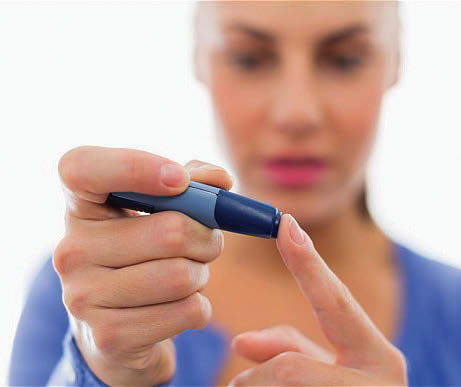
    People with type 1 diabetes often develop other autoimmune disorders, such as thyroid and gastrointestinal diseases, and a recent study yields new information about this link.

    In type 1 diabetes, the immune system attacks the pancreas and destroys its insulin-producing cells. Patients often develop other immune system diseases, too. Indeed, in the current study, 27 percent of patients had at least one other autoimmune disorder.

    But the new study also held some surprises about how early and late in life these added health problems might surface, said lead author Dr. Jing Hughes of Washington University School of Medicine in St. Louis.

    “The pattern that emerged was striking: autoimmune diseases begin early in childhood, where nearly 20 percent of those under age 6 already have additional diseases other than type 1 diabetes,” Hughes said by email.

    “Another surprise finding was that, while we had expected that autoimmune diseases may peak at a certain time of life, we found instead that the autoimmune burden continues to increase as patients age, to the extent that nearly 50 percent of those over age 65 have accumulated one or more additional autoimmune disease,” Hughes added.

    The findings are drawn from data on nearly 26,000 adults and children being treated for type 1 diabetes at 80 endocrinology practices in the U.S. between 2010 and 2016.

    Of those with other autoimmune disorders in addition to diabetes, 20 percent had one additional problem and 5 percent had at least two additional diseases, researchers report in the Journal of Clinical Endocrinology and Metabolism.

    Participants with one or more additional autoimmune disorders were more likely to be older, female and white, the study found. They also tended to have been diagnosed with type 1 diabetes at an older age, and to have lived with the condition for longer.

    Thyroid diseases were the most common autoimmune disorders, affecting about 24 percent of the participants. In most of these cases, the thyroid gland was underactive, which can lead to constipation, weakness, weight gain, depression and a slowed heart rate.

    Celiac disease was the second most common autoimmune problem, affecting about 6 percent of participants. Celiac disease damages the small intestine and interferes with the absorption of nutrients if patients consume gluten, a protein in wheat, rye and barley; it can lead to complications like malnutrition, low bone density, lactose intolerance and infertility.

    Other diseases included Graves disease (overactive thyroid), rheumatoid arthritis and vitiligo.

    One limitation of the study is that researchers lacked data on how old patients were when the autoimmune disorders developed, making it impossible to determine if participants gradually accumulated these diseases over time or if they were clustered around a certain age, the authors note.

    Even so, the findings suggest that people with type 1 diabetes should get routine screening for other autoimmune diseases – particularly celiac disease and thyroid disorders –the authors conclude.

    “The take home message is that kids with type 1 diabetes are at increased risk for developing other autoimmune diseases compared to kids who don’t have type 1 diabetes,” said Dr. Laurie Tsilianidis, an endocrinologist at Cleveland Clinic Children’s in Ohio who wasn’t involved in the study.

    “This is particularly true once they become adults, and Caucasian women carry the greatest risk,” Tsilianidis added by email.

  • Old blood as good as new for patient survival: Study

    Old blood as good as new for patient survival: Study

    Using the freshest blood for transfusion may not necessarily improve patients survival rates, Canadian researchers have found.

    The large international study has finally put an end to the contentious issue about whether stored blood could be harmful and fresher blood would be better and showed that the freshest blood did not reduce the proportion of patients who died in hospital, the researchers said.

    “Our study provides strong evidence that transfusion of fresh blood does not improve patient outcomes, and this should reassure clinicians that fresher is not better,” said lead author Nancy Heddle, Professor at McMaster University in Ontario, Canada.

    The results may also be a good news for blood suppliers worldwide as having a supply of stored blood helps to ensure that blood is available when a patient needs it, she added.

    For the study, the team analysed 31,497 adult patients at hospitals in Australia, Canada, Israel and the US.

    The findings showed that mortality rate was 9.1 per cent with people receiving the freshest blood, and 8.7 per cent among those receiving the oldest blood.

    “Advances in blood storage now allow blood to be stored up to 42 days before transfusion and the usual practice is to use up the blood that has been in storage the longest. But, because there are biochemical, structural and functional changes in the blood during storage, there had been concerns about the use of ‘older’ blood,” explained John Eikelboom, Professor at McMaster University.

  • HEARTBURN: IT MAY BE MORE THAN JUST ACIDITY

    HEARTBURN: IT MAY BE MORE THAN JUST ACIDITY

    The next quarter in medico-social terms, is going to be one of gastrono mical temptation.For the culinary delights arising from festival indulgence and then continuing through with the gourmet celebrations of the wedding season, will make the palette rule the mind.

    For the `over indulgent’, the stomach will be the centre point of both–satisfaction and consequent distress.

    I am not going to allude to the indigestion that one associates with over eating. Nor am I going to go down the often travelled, standard hyperacidity pathway . I want to draw focus to that gastric condition which is caused by a bacterium called Helicobacter Pylori, an infection which mimics the presentation of a peptic ulcer but needs a specific line of treatment.

    This helical bacterium is usually found in the stomach asymptomatically in 80% of patients where it resides silently .

    However it can burrow into the superficial lining of the stomach and produce inflammation and then ulceration. The pain in the epigastric and retrosternal area results in distress which is similar to acidity and precipitates heartburn, nausea, vomiting and belching. Whilst 20% of harborers develop stomach or duodenal ulcers, if untreated 2% can even develop stomach cancers. All sorts of standard antacids seem to provide only temporary relief and undetected, the patient becomes miserable and might even start losing weight.

    Often the diagnosis of ulcer is invoked and an aggressive anti-ulcer regime is embarked upon but fails to provide full relief. It is only when the physician asks for an endoscopy with biopsy , that the diagnosis of H Pylori infection is made.

    Today , whilst endoscopy (procedure in modern times is simple, short, painless and safe) is the gold standard, an H.Pylo.breath or blood test has also been developed. The course of treatment is specific and short (about two weeks) and ensures speedy , symptomatic and complete recovery . The prescription of antibiotics seems to melt away , what appeared to be the ulcer symptoms, swiftly and the patient is a changed person.

    The aim of highlighting this increasingly common condition is the fact that gastric symptoms are the most neglected, haphazardly and incompletely treated, with patients often using the term `gastric’ to describe all sorts of abdominal distress. From home remedies to indigenous concoctions, potions and powders, Indians abound with the supposedly `best’ cure for this.

    Importantly , what the mind knows, the eye sees and for this infection you need those specific antibiotics. If suspected early, it can be diagnosed quickly and saves the patient enormous distress and economic and social stress. So in the forthcoming months when `Peit Pooja’ will be the name of the game, remember you have one more ace in your quiver-full of therapeutic arrows, but let your doctor look for and diagnose it. The discovery of an infective cause provides a complete response in the “finalcut”, leaving behind no “mushkil in the dil”, quite unlike similar chronic dyspeptic sufferers, who have to live with their symptoms. Source: TOI

  • New Jersey Boy Battling Cancer Dies Days After Being Honored by Police with Surprise Hero-Themed Parade

    New Jersey Boy Battling Cancer Dies Days After Being Honored by Police with Surprise Hero-Themed Parade

    JERSEY CITY, New Jersey – A 9-year-old boy battling cancer succumbed to his illness Oct. 22., days after first responders in Jersey City threw him a surprise hero-themed parade, the police officer who organized the event confirmed.

    Fourth grader Parth Patel was diagnosed in 2014 with Ewing Sarcoma, a form of cancer that typically occurs in areas around the bones in children and young adults.

    Jersey City Police Officer Adrien Murrell had heard about Parth’s battle with cancer, and having lost her brother to a terminal illness, wanted to do something special for the 9-year-old.

    So, more than 100 police officers, firefighters, and EMTs surprised 9-year-old Parth Patel, who is diagnosed with cancer, with a hero-themed parade from his house on Nelson Avenue to School 27 on North Street in Jersey City on Wednesday, Oct. 19, 2016, followed by a pizza party in the auditorium.

    New Jersey Boy Battling Cancer Dies Days After Being Honored by Police with Surprise Hero-Themed Parade
    New Jersey Boy Battling Cancer Dies Days After Being Honored by Police with Surprise Hero-Themed Parade

    Parth’s classmates cheered him on during the event. The Marty Lyons Foundation held a pizza party in the school’s auditorium after the parade, where Parth was presented a key to Jersey City by Mayor Steve Fulop.

    But Parth, who suffered from Ewing Sarcoma, died three days later, leaving his family and the first responder community heartbroken.

    Funeral services were held Oct. 25 morning for Parth Patel, as family and friends gathered for the viewing and funeral today, local first responders once again turned out in full force to pay their respects. Officers from the Jersey City and Newark police departments, as well as the Hudson County Sheriff’s Office and EMTs lined up outside Riotto Funeral Home on Kennedy Boulevard, some on motorcycles, others on horseback.

    Jersey City police officers even carried the boy’s casket out of the funeral home and placed it into a hearse following the service.

    On the day of the parade, Parth got a special ride in a Batmobile-themed Chevrolet Camaro, which made another appearance outside the funeral home today. A note signed by Batman and Batgirl was placed inside the vehicle, accompanied by photos of the smiling boy.

    “To our hero, Parth, rest in peace,” the note read.

    “A beautiful life that came to an end, he died as he lived, everyone’s friend,” the boy’s sister Hileri Patel wrote on her Facebook page. “In our hearts a memory will always be kept, of one who loved and never forget. We all love this little superhero but we lost him when we weren’t ready.”

    With Inputs from NJ.com