Tag: Health

Read the latest health news, diet, fitness, medical news and healthcare tips on theindianpanorama.news/health. Get all the healthcare news, including wellness, fitness, diet and weight loss & more.

  • Sunil Gavaskar named ‘Stroke Ambassador for India’

    Sunil Gavaskar named ‘Stroke Ambassador for India’

    HYDERABAD: Former cricketer Sunil Gavaskar has been named as the ‘Stroke Ambassador for India’.

    The announcement was made at the inaugural function of 10th World Stroke Congress (WSC) on Wednesday night by Indian Stroke Association which is hosting the event along with World Stroke Organisation, a World Health Organisation-affiliated NGO dedicated to the global fight against stroke.

    In his video message played for delegates, the Little Master said, “In my cricketing career spanning for many years I was looking for strokes to score more runs. But, as I grow up and get old, there is one stroke I am afraid of, and it may disable me or finish my innings. That is the brain stroke.” He is happy to be ‘Stroke Ambassador for India’ to create awareness that strokes are treatable.

    “Stroke is a leading cause of disability and death worldwide. Stroke affects young people in India during their productive period of life. Let us conquer stroke,” said Gavaskar. World Stroke Day is observed every year on October 29. WSC, organised once in two years, is being held in India for the first time.

    According to Jeyaraj Pandian, WSC co-chair from India, 1.7 million new stroke cases occur in India every year.

    “It affects young people in India during their productive period of life. Stroke care infrastructure is developed mainly in private hospitals with most of the public hospitals being ill-equipped to treat stroke patients,” he said.

  • Indian American neuroscientist in the forefront of research in autism, addiction and Alzheimer’s disease

    Indian American neuroscientist in the forefront of research in autism, addiction and Alzheimer’s disease

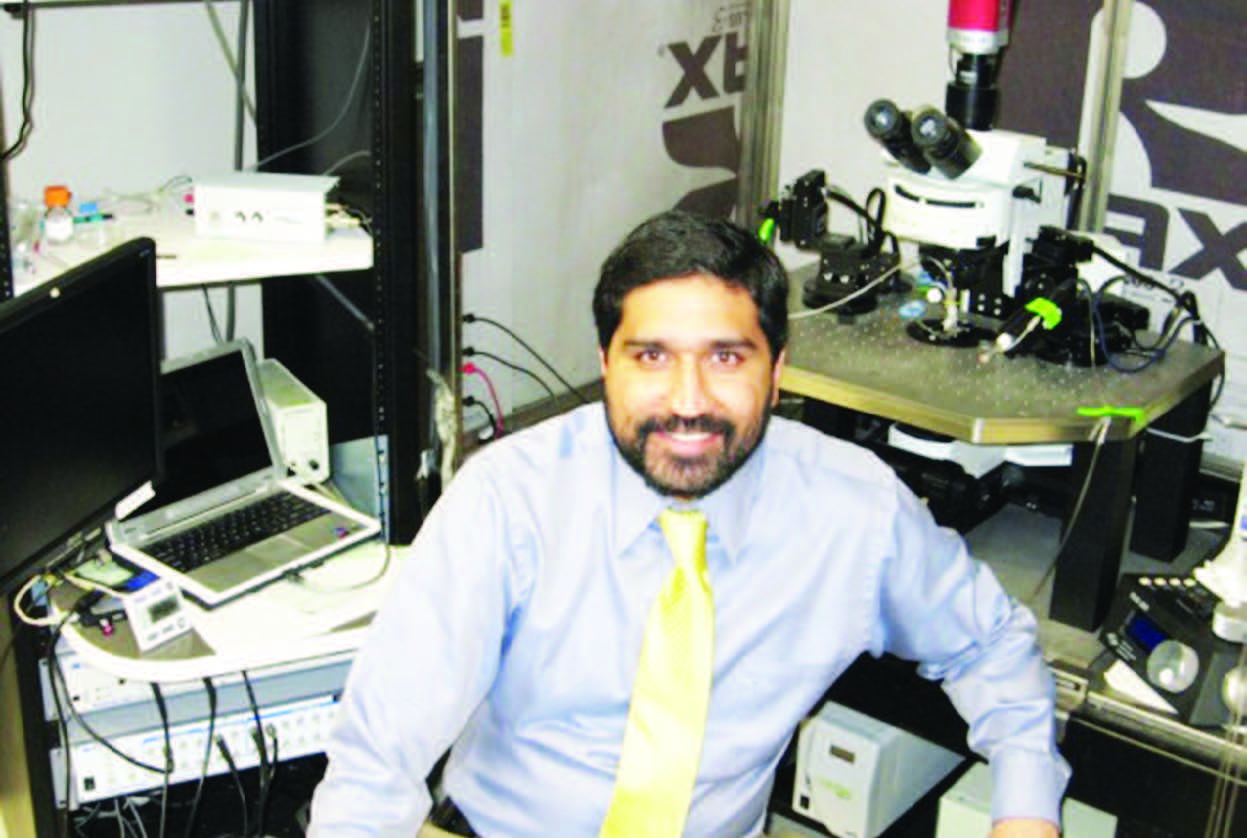
    NASHVILLE, TENNESSEEN (TIP): Three Vanderbilt University neuroscientists including an Indian American are on the forefront of research in autism, addiction and Alzheimer’s disease and will discuss their cutting-edge investigations during the next Flexner Discovery Lecture on Thursday, Nov. 3 as per media reports.

    Dr. Sachin Patel, M.D., Ph.D. is Professor of Psychiatry and director of the Division of Addiction Psychiatry who along with Laura Dugan, M.D. & Mark Wallace, Ph.D. will present their discussion titled “Translational Neuroscience Research at Vanderbilt: Mechanisms and Targets for Brain Disorders.”

    The Flexner Discovery Lecture Series were launched by Vanderbilt University Medical Center and featured some of the world’s most eminent scientists, who speak on the highest-impact research and policy issues in science and medicine.

    Patel, a 2016 recipient of a Presidential Early Career Award for Scientists and Engineers, studies the response of endocannabinoid signaling to stress, with the goal of better understanding the pathophysiology of stress-related neuropsychiatric disorders including depression, addiction and post-traumatic stress disorder.

    For a complete schedule of the Flexner Discovery Lecture series and archived video of previous lectures, go to www.mc.vanderbilt.edu/discoveryseries.

  • PARALYSED MAN FEELS THROUGH ROBOTIC FINGERS IN WORLD-FIRST BREAKTHROUGH

    PARALYSED MAN FEELS THROUGH ROBOTIC FINGERS IN WORLD-FIRST BREAKTHROUGH

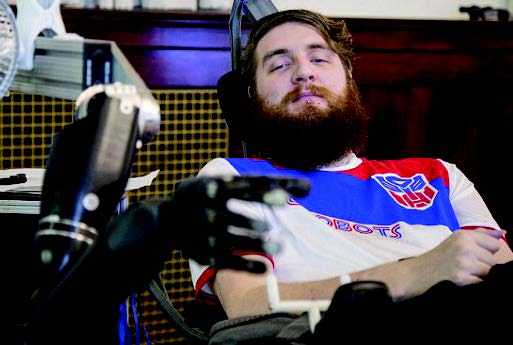
    A 28-year-old man left paralysed after a car accident has been able to feel as though he was touching something with his fingers after a robotic arm was connected directly to his brain in a world-first breakthrough.

    Nathan Copeland, who was injured after crashing his car on a rainy night in Pennsylvania when he was just 18, spoke of experiencing a “really weird sensation” as he touches things. He said it felt like “my fingers” were being touched or pushed.

    Copeland is able to feel using the robotic arm because it is connected to microelectrodes about half the size of a shirt button that were surgically implanted in his brain. Before the operation, imaging techniques were used to identify the exact places that corresponded to feelings in his fingers and palm. The discovery that people can regain some sensations using a so-called ‘computer-brain interface’ could revolutionise the treatment of paralysis.

    Earlier this year the Walk Again Project in Brazil discovered people left paralysed by severe spinal cord injuries could recover the ability to move their legs after training in an exoskeleton linked to their brain.

    That project was designed to enable people to walk by controlling the exoskeleton with their minds, but one of the subjects was able to walk again using crutches. Professor Robert Gaunt, of Pittsburgh University, who led the team that treated Mr Copeland, said they were trying to make use of the brain’s natural abilities. “The ultimate goal is to create a system which moves and feels just like a natural arm would,” he said. “We have a long way to go to get there, but this is a great start.”

    His colleague, Professor Andrew Schwatz, said the most important finding was that the system could create a “natural sensation”. But he added: “There is still a lot of research that needs to be carried out to better understand the stimulation patterns needed to help patients make better movements.” When his accident happened, Mr Copeland was in his first year of college studying for a degree in nanofabrication. He tried to continue his studies, but his health problems forced him to put them on hold.

    One of the first things he did after he was injured was to enrol on the Pitt School of Medicine’s registry of patients willing to participate in clinical trials. Ten years later, that led him to have the operation to fit the implants in his brain and rediscover what it is like to reach out and touch things. “I can feel just about every finger — it’s a really weird sensation,” he said, speaking a month after the operation. “Sometimes it feels electrical and sometimes it’s pressure, but for the most part, I can tell most of the fingers with definite precision. It feels like my fingers are getting touched or pushed.”

    In a video interview, Mr Copeland, who can move his upper arms, but has no sensation or movement in his lower arms and hands, added: “I usually feel it in the base of my fingers, in my finger pads, usually a tingle or some pressure like someone was squeezing. A couple of electrodes feel like they are on my knuckles … there are a couple of electrodes that feel like a regular touch. It’s never been painful. It’s just kind of a tingle, it’s not really pleasant or unpleasant.” While he can feel pressure through the fingers and gauge how strong it is to an extent, he is unable to tell whether something is hot or cold. In tests, Mr Copeland was able to tell which of the robotic hand’s fingers were being touched despite being blindfolded. A sense of touch is one of the key things currently missing in robotic devices. This is particularly important for picking something up —something heavy and solid like a brick requires a different approach to the delicate pressure control needed when handling a slice of cake, for example.

  • WORLD’S FIRST DENGUE VACCINE APPROVED IN OVER 10 COUNTRIES

    WORLD’S FIRST DENGUE VACCINE APPROVED IN OVER 10 COUNTRIES

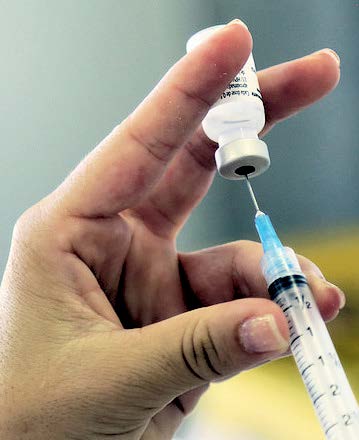
    Sanofi-Pasteur, the vaccines global business unit of Sanofi, announced today that the dengue vaccines have received approval in 14 countries.

    Recent approvals for Dengvaxia granted by health authorities are those from Indonesia, Thailand and Singapore.

    To date the vaccine is approved in Mexico, The Philippines, Brazil, El Salvador, Costa Rica, Paraguay, Guatemala, Peru, Indonesia, Thailand and Singapore.

    “We’re pleased to see the growing medical and public health recognition for the vaccine,” Su Peing Ng, head of Global Medical Affairs for Sanofi Pasteur, said in a statement. “With this new tool in hand, public health communities in dengue-endemic countries now have additional means to achieve the WHO objectives for 50 per cent reduction in mortality and 25 per cent reduction in morbidity due to dengue by 2020,” Su Peing Ng said.

    Notably, the Latin American Society for Pediatric Infectious Diseases recently published its support for dengue vaccination. National medical societies in Indonesia, Brazil and Mexico recently also recommended vaccination with Dengvaxia, a company statement said.

    In the clinical study population nine years old and older, the dengue vaccine has been documented to prevent two-thirds of dengue cases due to all four serotypes of dengue.

    The dengue vaccine also prevented 8 of 10 hospitalizations due to dengue and 93 per cent of serious dengue cases like the deadly hemorrhagic form of the disease, over the 25-month study follow-up period of the large-scale efficacy studies conducted in 10 endemic countries in Latin America and Asia.

  • MEDITATE FOR OVERALL WELLNESS

    MEDITATE FOR OVERALL WELLNESS

    Do you fail to keep a check on your emotions in situations that most demand it? If yes, then you may want to include meditation in your daily routine for a calmer you, say researchers.

    Mindfulness, a moment-by-moment awareness of one’s thoughts, feelings and sensations, has gained worldwide popularity as a way to promote health and well-being.

    “Our findings not only demonstrate that meditation improves emotional health, but that people can acquire these benefits regardless of their ‘natural’ ability to be mindful,” said lead investigator Yanli Lin, a graduate student at the Michigan State University.

    For the study, the team assessed 68 participants for mindfulness using a scientifically validated survey.

    The participants were then randomly assigned to engage in an 18-minute audio-guided meditation or listen to a control presentation of how to learn a new language, before viewing negative pictures (such as a bloody corpse) while their brain activity was recorded.

    The participants who meditated — they had varying levels of natural mindfulness— showed similar levels of “emotion regulatory” brain activity as people with high levels of natural mindfulness.

    In other words, their emotional brains recovered quickly after viewing the troubling photos, essentially keeping their negative emotions in check, the researchers said.

    Further, some of the participants were instructed to look at the gruesome photos “mindfully” while others received no such instruction.

    The people who viewed the photos “mindfully” showed no better ability to keep their negative emotions in check.

    According to Jason Moser, Associate Professor at Michigan State University, this suggests that for non-meditators, the emotional benefits of mindfulness might be better achieved through meditation, rather than “forcing it” as a state of mind.

    “If you’re a naturally mindful person, and you’re walking around very aware of things, you’re good to go. You shed your emotions quickly,” Moser said. “If you’re not naturally mindful, then meditating can make you look like a person who walks around with a lot of mindfulness,” Moser observed.

  • Antibiotic-resistance making kidney infections more deadly

    Antibiotic-resistance making kidney infections more deadly

    Medication-resistant bacteria are making it more difficult to treat a common but severe kidney infection, says a study.

    Pyelonephritis — infection of the kidney usually caused by E. coli bacteria and which can start as a urinary tract infection –causes fever, back pain and vomiting.

    About half of people infected require hospitalisation. If not treated with effective antibiotics, it can cause sepsis and death.

    “This is a very real example of the threat posed by the emergence of new antibiotic-resistant strains of bacteria, which greatly complicates treatment of infection,” said the study’s lead author David Talan, Professor at David Geffen School of Medicine at University of California, Los Angeles.

    In an earlier study based on data from 10 large hospital emergency departments in the US, almost 12 per cent of people diagnosed with pyelonephritis had infections resistant to the standard class of antibiotic used in treatment — fluoroquinolone. That is up from four per cent in a similar study conducted a decade ago.

    The new study — published in the journal Emerging Infectious Diseases — also documents the emergence of infections caused by a specific strain of E. coli that is resistant to additional types of antibiotics, severely limiting treatment options.

    That strain, dubbed ESBL for the antibiotic-destroying enzymes it produces

    (extended-spectrum beta-lactamases), was not detected in the previous study.

    Currently, there are only a few intravenous antibiotic options to treat ESBL-related infections, and no oral antibiotics that are consistently effective.

    The study included 453 people diagnosed with kidney infection. The study participants were diagnosed between July 2013 and December 2014 in 10 emergency departments at large hospitals in the US.

  • CAFFEINE CUTS DEMENTIA RISK IN OLDER WOMEN

    CAFFEINE CUTS DEMENTIA RISK IN OLDER WOMEN

    Older women who consume more than 261 mg of caffeine per day have lower risk of dementia, finds a new study.

    According to a recent research, among a group of older women, self-reported caffeine consumption was associated with a 36 percent reduction in the risk of incident dementia over 10 years of follow-up.

    This level is equivalent to two to three cups of coffee per day, five to six cups of black tea or seven to eight cans of cola.

    Study’s lead author Ira Driscoll said, “The mounting evidence of caffeine consumption as a potentially protective factor against cognitive impairment is exciting given that caffeine is also an easily modifiable dietary factor with very few contraindications.”

    “What is unique about this study is that we had an unprecedented opportunity to examine the relationships between caffeine intake and dementia incidence in a large and well-defined, prospectively-studied cohort of women,” Driscoll added.

    Driscoll and her team used data from 6,467 community-dwelling, postmenopausal women aged 65 and older who reported some level of caffeine consumption.

    Intake was estimated from questions about coffee, tea, and cola beverage intake, including frequency and serving size.

    In 10 years or less of follow-up with annual assessments of cognitive function, 388 of these women received a diagnosis of probable dementia or some form of global cognitive impairment.

  • High testosterone levels may affect behaviour in men: study

    High testosterone levels may affect behaviour in men: study

    London, Oct 3 – Increased levels of male hormone testosterone can cause men to engage in both social and antisocial behaviours, a new study has found.

    Modern society has taken a less-than-positive view of testosterone, blaming it for aggressive, boorish or simply bad behaviour in men – but there may be more to the impact the steroid hormone has on men than has been suspected.

    The researchers, including those from Trinity College Dublin in Ireland, concocted a game called the Ultimatum Game, which involved a pot of money that was spilt and shared with the aim of maximising the amount participants would get in the end.

    The experiment enlisted the assistance of 40 male volunteers – half were given an injection of testosterone while the other half were given a placebo.

    The men where then asked to play the Ultimatum Game in two ways – one group played by responding to predetermined proposals, while another group played in pairs against one another.

    In both versions, volunteers were presented with a proposal of accepting money from a split pot of cash. If they accepted the cash, they got to keep it; if not, the other person did not get to keep their share, either.

    Afterwards, the volunteers were allowed to reward or punish their opponents for being fair or not by using their own winnings to reduce or increase the amount their opponent got.

    By watching and comparing player behaviour of those that had received the testosterone shots versus the placebo, the researchers found that those that received the shots tended to be more likely to reject proposals and to punish opponents they found unfair – which was expected behaviour.

    However, surprisingly, those operating on heightened levels of testosterone were also found to be more generous with opponents they deemed fair.

    The researchers suggest this form of ultraism was likely due to what they described as a “status display” – a move meant to make the player seem more impressive to their peers.

    The research was published in the journal Proceedings of the National Academy of Sciences.

  • CINNAMON HELPS TO COOL STOMACH

    CINNAMON HELPS TO COOL STOMACH

    Cinnamon just not enhances taste but significantly contributes in improving health by cooling the body by up to two degrees, according to research.

    The research published in the journal Scientific Reports said that the investigators used pigs for the study and found that cinnamon maintained the integrity of the stomach wall.

    “When pigs feed at room temperature, carbon dioxide (CO2) gas increases in their stomach. Cinnamon in their food reduces this gas by decreasing the secretion of gastric acid and pepsin from the stomach walls, which in turn cools the pigs’ stomachs during digestion,” said Kourosh Kalantar-zadeh, Professor at the RMIT’s School of Engineering.

    The researchers have developed swallowable gas sensor capsules or smart pills which the by-product of digestion and could provide valuable insights into the functioning and health of the gut.

    “Our experiments with pigs and cinnamon show how swallowable gas sensor capsules can help provide new physiological information that will improve our understanding of diet or medicine. They are a highly reliable device for monitoring and diagnosing gastrointestinal disorders,” Kalantar-zadeh added.

    Source: IANS

  • FISH OIL BOOSTS BRAIN FUNCTIONING, IMPROVES MOOD

    FISH OIL BOOSTS BRAIN FUNCTIONING, IMPROVES MOOD

    Fish oil which contains Omega-3 fatty acids helps to boost brain functions and acts as an anti-inflammatory within the body — helping athletes and soldiers manage intense training better, finds a study.

    Low concentration of fish oil in the blood and also lack of physical activity may contribute to the high levels of depressed mood among soldiers returning from combat, the study suggested.

    Fish oil content is especially important for soldiers due to the consistent training and physical regiments performed in and out of combat and risk of traumatic brain injury.

    For the study, published in the journal Military Medicine, researchers worked with 100 soldiers to identify which factors affected the moods of those returning from combat.

    “We looked at how physical activity levels and performance measures were related to mood state and resiliency. What we found was the decrease in physical activity and the concentration of fish oil and Omega-3s in the blood were all associated with resiliency and mood,” said Richard Kreider, Researcher at the Texas A and M University.

    The study originated from research that examined Omega-3 fatty acid levels of soldiers who committed suicide compared to non-suicide control and found lower Omega-3 levels in the blood were associated with increased risk of being in the suicide group.

    According to the researchers, these findings are significant toward addressing some of the issues many soldiers face.

    “The mental health of soldiers is a serious concern and it is exciting to consider that appropriate diet and exercise might have a direct impact on improving resiliency,” said Nicholas Barringer, Researcher at the Texas A and M University.

    In order to properly measure soldiers physically, Kreider and Barringer developed a formula that has the potential to assist in effectively screening soldiers with potential post-traumatic stress disorder (PTSD) ahead of time.

    The formula measures a number of factors including fitness and psychometric assessments, physical activity and additional analysis.

    “By improving resiliency in service members, we can potentially decrease the risk of mental health issues. Early identification can potentially decrease the risk of negative outcomes for our active service members as well as our separated and retired military veterans,” Barringer added.

  • Cancer cells’ invisibility cloak identified

    Cancer cells’ invisibility cloak identified

    Canadian researchers have discovered how cancer cells become invisible to the body’s immune system which may help in developing immune biomarkers that can potentially stop the disease in its tracks.

    This ‘invisibility’ phase is a crucial step that allows tumours to spread throughout the body — when the spread cannot be traced.

    The new mechanism explains how metastatic tumours — that spread to other parts from its primary site — can outsmart the immune system.

    Reversing this process may help expose these tumours once again to the immune system, the study said. “The immune system is efficient at identifying and halting the emergence and spread of primary tumours but when metastatic tumours appear, the immune system fails to recognise the cancer cells and stop them,” said Professor Wilfred Jefferies from the University of British Columbia, in Canada.

    Cancer cells genetically change and evolve over time. The findings showed that as they evolve, they may lose the ability to create a protein known as interleukein-33, or IL-33.

    When this IL-33 disappears in the tumour, the body’s immune system has no way of recognising the cancer cells and they can begin to spread, or metastasise. The loss of IL-33 occurs in epithelial carcinomas, meaning cancers that begin in tissues that line the surfaces of organs, including prostate, kidney, breast, lung, uterine, cervical, pancreatic, skin and many others.

    The patients with prostate or renal (kidney) cancers whose tumours have lost IL-33, had more rapid recurrence of their cancer over a five-year period.

  • 90% OF WORLD’S PEOPLE BREATHE DIRTY AIR: WHO

    90% OF WORLD’S PEOPLE BREATHE DIRTY AIR: WHO

    Nine out of 10 people in the world are breathing poor quality air, a new report by the World Health Organisation said calling on countries to take action against air pollution which is causing over six million deaths a year globally .With the use of new interactive maps, the UN agency found 92% of the world’s population living in places where air quality levels exceed WHO limits.

    India accounts for 75% of the 8 lakh air-pollution related deaths annually in the South East Asia Region, whereas 90% of the world’s casualties from poor air quality are in low-and middle-income countries, the maps show identifying specific areas where pollution levels are extremely high.

    “Fast action to tackle air pollution can’t come soon enough,” said Maria Neira, the head of the WHO’s department of public health and environment. Asking countries to strengthen measures to control air pollution, Neira said, “Solutions exist with sustainable transport in cities, solid waste management, access to clean household fuels and cook-stoves, as well as renewable energies and industrial emissions reductions.”

    The UN agency’s report said 94% of the pollution-related deaths in lowand middle-income countries are due to non-communicable diseases like cardiovascular diseases, stroke, chronic obstructi ve pulmonary disease, lung cancer. Air pollution also increases the risks for acute respiratory infections.

    Over 6 lakh people die in In dia every year of ailments caused from air pollution such as acute lower respiratory infection, chronic obstructive pulmonary disorder, ischemic heart disease and lung cancer.

    The report represents the most detailed outdoor (or ambient) air pollution-related health data, by country , ever reported by WHO. The model is based on data derived from satellite measurements, air transport models and ground station monitors for more than 3000 locations, both rural and urban. It was developed by WHO in collaboration with the University of Bath in UK.

    According to the report, the problem of air pollution is most acute in cities, but air in rural areas is worse than many think and poorer countries have much dirtier air than the developed world, it said.

  • Alcohol Addiction May Impact Neurocognitive Skills In Elderly

    Alcohol Addiction May Impact Neurocognitive Skills In Elderly

    Excess consumption of alcohol can cause neurophysiological and cognitive changes ranging from disrupted sleep to more serious neurotoxic effects, a study has found.

    The negative consequences of heavy alcohol consumption on neurocognitive function gets worse with advanced age, the study said.

    Results showed that heavy drinking in older adults could lead to poorer global cognitive function, learning, memory and motor function.

    Although the acute consumption of excessive quantities of alcohol causes neurophysiological and cognitive alterations, as people reach advanced age, they are more prone to cognitive decline, more due to the heavy dependence of alcohol, the researchers observed.

    “These data suggest that while heavy current alcohol consumption is associated with significant impairment in a number of neurocognitive domains, history of alcohol dependence, even in the absence of heavy current alcohol use, is associated with lasting negative consequences for neurocognitive function,” said Adam J. Woods from the University of Florida in the US.

    For the study, the team recruited 66 participants (35 women, 31 men) from the Brown University Center for AIDS Research, to undergo a comprehensive neurocognitive battery of testing.

    Heavy drinkers were classified using National Institute on Alcohol Abuse and Alcoholism criteria and structured clinical interviews and, further, were compared to non-drinkers and moderate drinkers.

    Nearly 53 per cent showed had a lifetime history of alcohol dependence (AD).

    Neurocognitive data were grouped according to global cognitive function, attention/executive function, learning, memory, motor function, verbal function, and speed of processing.

    The findings were published in the journal Alcoholism: Clinical and Experimental Research.

  • Prolonged sitting behind 4% deaths worldwide: Study

    Prolonged sitting behind 4% deaths worldwide: Study

    WASHINGTON: Nearly four per cent of all deaths worldwide – or 433,000 per year – are due to the fact that people spend more than three hours a day sitting down, a new study conducted in 54 countries has claimed.

    Researchers, including those from San Jorge University in Spain, estimated the proportion of deaths attributable to the ‘chair effect’ using data from 2002 to 2011.

    “It is important to minimise sedentary behaviour in order to prevent premature deaths around the world,” said lead author of the study Leandro Rezende from the University of Sao Paulo in Brazil.

    He noted that “cutting down on the amount of time we sit could increase life expectancy by 0.20 years in the countries analysed.”

    The results show that over 60 per cent of people worldwide spend more than three hours a day sitting down – the average in adults is 4.7 hours per day – and this is the culprit behind 3.8 per cent of deaths (about 433,000 deaths per year).

    Among the territories studied, there were more deaths in the regions of the Western Pacific, followed by European countries, the Eastern Mediterranean, America and Southeast Asia.

    The highest rates were found in Lebanon (11.6 per cent), the Netherlands (7.6 per cent) and Denmark (6.9 per cent), while the lowest rates were in Mexico (0.6 per cent), Myanmar (1.3 per cent) and Bhutan (1.6 per cent).

    Spain falls within the average range with 3.7 per cent of deaths due to this ‘chair effect’.

    The researchers calculate that reducing the amount of time we sit by about two hours (50 per cent) would mean a 2.3 per cent decrease in mortality (three times less), although it is not possible to confirm whether this is a causal relationship.

    Even a more modest reduction in sitting time, by 10 per cent or half an hour per day, could have an immediate impact on all causes of mortality (0.6 per cent) in the countries evaluated.

    According to several studies published in 2012 by the journal Lancet, as many as 31 per cent of the world population does not meet the current recommendations for physical activity, researchers said.

    In addition, a lack of exercise is associated with major noncommunicable diseases and with deaths of any cause – inactivity is the culprit behind six to nine per cent of total worldwide deaths.

    Today’s lifestyle has an impact on these numbers. In fact, various studies over the last decade have demonstrated how the excessive amount of time we spend sitting down may increase the risk of death, regardless of whether or not we exercise, researchers said.

    The study was published in the American Journal of Preventive Medicine.

  • BINGE EATING MAY UP VARIOUS HEALTH CONDITIONS

    BINGE EATING MAY UP VARIOUS HEALTH CONDITIONS

    Individuals with binge-eating disorder (BED) may be at high risk of getting diagnosed with illnesses associated with the endocrine and circulatory systems, a study suggests.

    Binge-eating disorder is a serious eating disorder in which an individual frequently consumes unusually large amounts of food and is unable to stop craving for more.

    Individuals with BED could be at an increased risk of 2.5-times of having an endocrine disorder and at 1.9-times of having a circulatory system disorder.

    The endocrine system influences heart, bones and tissues growth, and even fertility.

    It plays a vital role in determining whether there were chances of developing diabetes, thyroid disease, growth disorders, sexual dysfunction, and a host of other hormone-related disorders.

    BED is closely associated with hypertension – commonly called high blood pressure – that causes the heart to work harder and could lead to such complications as heart attack, stroke, or kidney failure, among others.

    Among individuals with obesity and BED, there is a 1.5-times increased risk of having a respiratory disease and a 2.6-times of having a gastrointestinal disease.

    “We encourage clinicians to — have the conversation — about BED with their patients. Accurate screening and detection could solve BED problem with treatment,” said Professor Cynthia Bulik, from the University of North Carolina at Chapel Hill, in the US.

    “BED afflicts people of all shapes and sizes. The somatic illnesses that we detected were not simply effects of being overweight or obese,” Bulik clarified, in the study published in the International Journal of Eating Disorders.

  • SIMPLE WORKOUTS TO TACKLE HEALTH HAZARDS OF SEDENTARY LIFESTYLE

    SIMPLE WORKOUTS TO TACKLE HEALTH HAZARDS OF SEDENTARY LIFESTYLE

    Usually stuck at work for long hours?Your sedentary lifestyle will definitely ruin your fitness. So, in between all the deadlines and pending work, make sure you do some stretching exercises at your workplace, suggests an expert.

    Workout exercises while standing:

    1. Try to walk around your office or walk the stairs to stretch your legs, which is the best workout. You can also try taking the widest step and lunge forward.
    2. Raise your heels off the floor and slowly lower them. It will help in relaxing your calf.
    3. Stand in front of your chair and repeat sitting down and standing up 10 times. You can do this at least three times in a day.
    4. You can stand in front of a desk or other piece of furniture which is comfortable for you to hold on to for balancing yourself, lean on a sturdy piece of furniture and gradually push your body off it in a sort of standing push up.
    5. Rest your back against a wall and move your feet away from the wall. The wall should only be supporting the weight of your back and your knees should be bent. Hold the position as long as possible and repeat it.
    6. Attempt to do jumping jacks by raising your right arm and at the same time tapping your left toe to the side. And keep your right foot on the floor. Try for alternate sides for a full minute. Avoid this if there is weakness in the knees.
    7. You can also do chair squats by lifting your rear end off your seat and hold for a few seconds.

    Workout exercises while sitting:

    1. Move your toes by lifting them while keeping your heels firmly on the ground; it works very well while seated.
    2. Most of the football players practise rapidly tapping their feet in place, simulating a run. You can also do the same thing while seated, for 30 seconds at a go.
    3. While sitting in your chair, lift your left leg a few inches off of the floor. Keep your knee bent at a 90 degree angle and hold the position as long as you are comfortable.
    4. Do leg extensions exercise while sitting in your chair, extend your right leg until it is level with your hip and hold as long as you are comfortable and then relax it. Do it the same for left leg.
    5. Just pull your shoulders as high as you can and roll them forward and backward ten times throughout the day. This is a shoulder shrug exercise.
    6. Your fingers are busy in typing on computers in that case make fists, spread your fingers and bend your fingers.
    7. You can also raise your shoulder to your ear, hold and then relax. Repeat with the alternating shoulders.
    8. Also try abdominal stretch while sitting on the edge of your chair and stretch both your arms out in front. At the same time, keep your back straight, contract your abdominal muscles. Relax and repeat the same.
    9. Neck rotation is very important when sitting for long. Drop your chin and roll your neck. Raise your chin up and bend your neck to each side.
  • Paracetamol: How safe is my painkiller?

    Paracetamol: How safe is my painkiller?

    Paracetamol sales surge each year during seasonal flu, dengue and chikungunya outbreaks across India because it is the safest drug to treat fever and pain. Unlike aspirin and other popular NSAIDS (non-steroidal anti inflammatory drugs that treat pain and inflammation) such as ibuprofen and naproxen, it has fewer side effects and does not raise the risk of bleeding associated with dengue and other fevers of unknown origin.

    What most people don’t know is that paracetamol (acetaminophen in the US and Canada) overdose, along with alcohol abuse, is among the leading causes of acute liver failure in the US, Canada, UK and Australia. And almost half of the hospitalisations and deaths associated with the painkiller are from accidental overdoses.

    In India, where few people get vaccinated against liver-damaging hepatitis A and B infections, infections that spread through contaminated blood ,food and water are the biggest cause of liver damage, followed by alcohol abuse, liver cancer, haemochromatosis (a genetic condition that leads to over-absorption of iron in the liver), and drug toxicities, mostly paracetamol overdose.

    How much is too much?

    Paracetamol is widely used to treat headaches and minor aches and pains from the common cold, viral and bacterial infections, toothache, sprains, strains and menstrual cramps. It is also a component of hundreds of widely used over-the-counter medicines and syrups, including cold and cough medicines. This often leads to people unwittingly taking more than the safe daily dose that is capped at 4,000 mg (eight tablets, 500 mg each) a day. Selling the drug in smaller quantities in blister packs, as in the UK and India, helps prevent overdose –intentional and accidental – by making it difficult for a person in pain to pop a handful unintentionally.

    Toxicity occurs when the drug builds up in the bloodstream faster than it can be cleared by the body. In most people, small amounts of paracetamol is broken down into non-toxic forms and secreted in the urine, but more than the maximum amount can cause the built-up byproducts to disrupt liver function.

    Drug toxicity

    Though physicians are supposed to voluntarily report adverse drug reactions to the directorate general of health services in India, it is rarely done. Canada, with a population of 35 million reported 4,500 hospitalisations due to paracetamol overdose, of which 16% are accidental, shows Health Canada data, which is asking for stricter labelling. The northern Indian state of Uttar Pradesh, with a population of more than 200 million, has reported none.

    Am I at risk?

    There’s a very clear threshold for what constitutes a safe dose, which has led to regulatory bodies across the world, including in India, to recommend adults have no more than 4,000 mg a day. People with compromised livers – it could be because of three or more alcoholic (30 ml) drinks for men and two for women every day, or have undiagnosed liver infection or damage –should have it in doses lower than the recommended limit. In children, taking slightly more than the therapeutic dose over long periods can also cause toxicity.

    The symptoms of toxicity depend on how much paracetamol is there in your blood. More than 50% of people with underlying liver disease have no symptoms, with signs of liver damage often showing up in late-stage liver disease. It usually begins with vomiting, stomach ache and progresses to jaundice (yellowing of the whites of the eyes and skin due to high levels of bilirubin, a yellow pigment found in bile that is when the liver breaks down old red blood cells), dark urine, pale or light coloured stool, mental confusion, and retention of fluids in the abdomen or belly.

  • How smoking ups heart failure risk

    How smoking ups heart failure risk

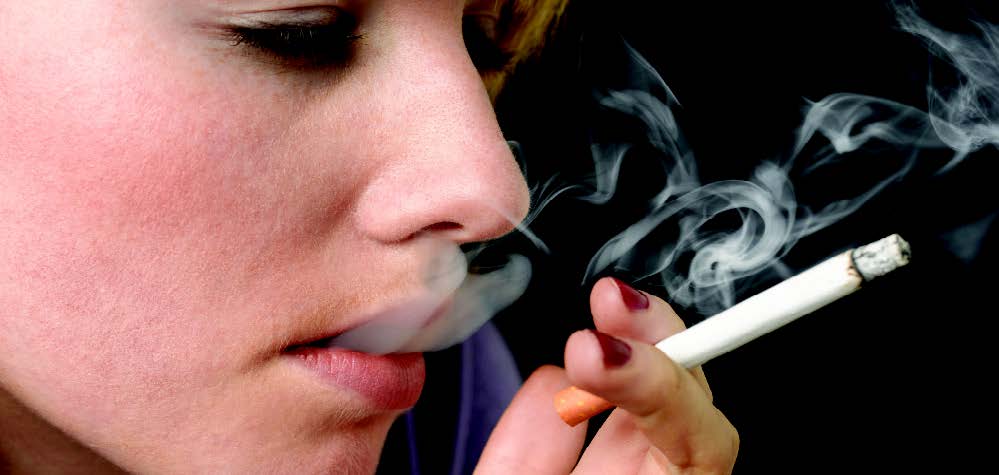
    Smoking is associated with thicker heart walls and reduction in the heart’s pumping ability — two factors linked to increased risk of heart failure, a new study warns.

    That smoking is bad for heart has been known for long but the new study, in the American Heart Association’s journal Circulation: Cardiovascular Imagin, reveals a clear mechanism by which tobacco may increase the risk of heart failure.

    “These data suggest that smoking can independently lead to thickening of the heart and worsening of heart function, which may lead to a higher risk for heart failure, even in people who don’t have heart attacks,” said lead author of the study Wilson Nadruz Jr from Brigham and Women’s Hospital in Boston, Massachusetts.

    The study, conducted in participants of average age 75.7 and no obvious signs of cardiovascular disease, also found that higher rates of cumulative cigarette exposure — measure of how much and how long people have smoked during their lifetime — were associated with greater heart damage.

    “The more people smoke, the greater the damage to the heart’s structure and function, which reinforces the recommendations stating that smoking is dangerous and should be stopped,” Nadruz Jr said.

    The study examined data from 4,580 participants in the Atherosclerosis Risk in Communities (ARIC) Study who underwent an echocardiogram.

    Even after accounting for factors such as age, race, body mass index, blood pressure, diabetes and alcohol consumption, current smokers had thicker heart walls and reduced pumping function, compared with nonsmokers and former smokers.

    “The good news is that former smokers had similar heart structure and function compared with never smokers,” senior study author said Scott Solomon, Professor at Harvard Medical School and Brigham and Women’s Hospital, said.

    “This suggests that the potential effects of tobacco on the myocardium might be reversible after smoking cessation,” Solomon noted.

    SMOKING  ATTACKS HEART EVEN

    AFTER ANGIOPLASTY

    Smoking, both active and second-hand

    (“passive”), is estimated to be involved in causing almost one-tenth of cardiovascular disease worldwide. With India at the cusp of a cardiovascular “epidemic”, smoking can however be an avoidable risk factor for heart attacks. Heart attacks result from blockage of coronary arteries which supply the heart muscle. Smoking directly damages the coronary arteries causing “plaques” that block arteries. Significant plaque obstruction of arteries causes anginal chest pain on stress and exertion. Further damage to plaque in arteries lead to sudden clot formation in the small vessels life-threatening heart attacks. Cleaning the clots and fixing the plaques urgently by coronary angioplasty is now the recommended first-line life saving procedure for treating heart attacks.

  • PANCHAKARMA FOR A WEEK MAY REDUCE HEART DISEASE RISK

    PANCHAKARMA FOR A WEEK MAY REDUCE HEART DISEASE RISK

    One week of Panchakarma programme — an Ayurvedic-based well being programme that features a vegetarian diet, meditation, yoga and massages — can lead to measurable decreases in a set of blood-based metabolites associated with inflammation, cholesterol regulation and cardiovascular disease risk, the results of a clinical trial have shown.

    “It appears that a one-week Panchakarma programme can significantly alter the metabolic profile of the person undergoing it,” said senior author Deepak Chopra, Professor at the University of California San Diego School of Medicine and a noted proponent of integrative medicine.

    The findings, published in the journal Scientific Reports, represent an attempt to use metabolic biomarkers to assess the reported health benefits of integrative medicine and holistic practices.

    “As part of our strategy to create a framework for whole systems biology research, our next step will be to correlate these changes with both gene expression and psychological health,” Chopra said.

    The research team from the University of California San Diego School of Medicine noted that alternative and integrative medicine practices, such as meditation and Ayurveda, are extremely popular, but their effects on the human microbiome, genome and physiology are not fully understood.

    “Our programme of research is dedicated to addressing these gaps in the literature,” first author Christine Tara Peterson said.

    “Panchakarma refers to a detoxification and rejuvenation protocol involving massage, herbal therapy and other procedures to help strengthen and rejuvenate the body,” Peterson pointed out.

    The study involved 119 healthy male and female participants between 30 and 80 years of age who stayed at the Chopra Center for Wellbeing in Carlsbad, California.

    Slightly more than half were assigned to the Panchakarma intervention and the remainder to a control group.

    Blood plasma analyses, using liquid chromatography and mass spectrometry, were taken before and after the six-day testing period.

    he researchers found that in the Panchakarma group there was a measurable decrease in 12 specific cell-membrane chemicals (phosphatidylcholines) correlating with serum cholesterol and inversely related to Type-2 diabetes risk.

    “These phospholipids exert broad effects on pathways related to inflammation and cholesterol metabolism,” Peterson explained.

    “Plasma and serum levels of the metabolites of phosphatidylcholine are highly predictive of cardiovascular disease risk,” Peterson noted.

  • Tumour hardness may develop cancer cells

    Tumour hardness and hypoxia — lack of oxygen at the tumour’s core — trigger a biological switch that causes cancer stem cells to develop, a recent study has found. This biological switch is critical to a tumour’s ability to invade other tissue — a process called metastasis.

    “Our study suggests that to combat cancer, we should be developing treatments that target the stiff, hypoxic regions of tumours. We were surprised to see just how important these two properties in the tumour micro-environment — stiffness and hypoxia — were for regulating cancer stem cells,” said Celeste Nelson, Professor at the Princeton University, in the US. The cancer stem cells that specialise in generating new malignant cells represent only a small proportion of the total cells in a tumour, but researchers believe they play a key role in spreading the disease.

    Using cultures of human breast-cancer cells and mouse mammary-cancer cells, Nelson and her colleagues discovered an association between a protein called integrin-linked kinase and the creation of cancer stem cells. The researchers created a range of human and mouse breast-cancer cultures reflecting different tissue conditions and showed that stiff hypoxic cultures did indeed promote cancer stem cells. But when they eliminated the integrin-linked kinase from those samples, they found that the cancer stem cells stopped forming. Conversely, when they forced abnormal levels of integrin-linked kinase in samples containing softer or less hypoxic tissue, cancer stem cells formed. They also confirmed a significant association between tumour stiffness, integrin-linked kinase and cancer stem cell presence in samples from human breast-cancer patients.

    “We could see tumour cells expressing cancer stem-cell markers and integrin-linked kinase located at regions with high collagen, which is used to estimate stiffness in a tumour,” said Mei-Fong Pang, Researcher at the Princeton University.

    The findings, published in the journal Cancer Research, suggested that stiffness and hypoxia cause integrin-linked kinase to behave abnormally, which in turn triggers cancer stem-cell formation. There are likely other features in tumours that cause cancer stem cells to form, but the findings indicate that stiff, hypoxic conditions and their effects on integrin-linked kinase are two of the most prominent ones.

  • World’s oldest man turns 113, readies for Bar Mitzvah

    World’s oldest man turns 113, readies for Bar Mitzvah

    JERUSALEM (TIP): The world’s oldest man turned 113 on sept 15 and the Holocaust survivor living in Israel readied for the Bar Mitzvah he was denied a century ago, his family said.

    Yisrael Kristal, an observant Jew from Zarnow in what is now Poland and currently living in the port city of Haifa, was born on September 15, 1903, three months before the Wright brothers’ first successful powered airplane flight.

    Guinness World Records in March recognized him as the world’s oldest man.

    While he turned 113 on Thursday under the Gregorian calendar, his family will celebrate the birthday at the end of September according to the Hebrew calendar, his daughter Shula Koperstoch told AFP.

    The festivities will include a Bar Mitzvah that will come 100 years late.

    The Bar Mitzvah is one of the most important ceremonies in the life of a Jew.

    Usually marked at 13 for boys and 12 or 13 for girls – a Bat Mitzvah in that case – it marks the transition into someone responsible for their actions.

    Kristal was unable to celebrate his Bar Mitzvah in 1916 because his mother had died three months earlier and his father was a soldier in the Russian army at the time of World War I.

    “My father is religious and has prayed every morning for 100 years, but he has never had his Bar Mitzvah,” his daughter said.

    Around 100 family members will attend, with the date and location being kept secret to avoid Kristal having to contend with a crush of journalists, she said.

    Asked about his health, Koperstoch said only: “He is ageing.” After World War I, Kristal moved to Lodz where he worked in the family confectionery factory, married and had two children.

    But his life was disrupted when the Jewish quarter of the city became a ghetto under Nazi occupation during World War II and Kristal was sent to the infamous Nazi death camp Auschwitz-Birkenau.

  • Indian American Gary Singh talks about homelessness in Manteca City, California

    Indian American Gary Singh talks about homelessness in Manteca City, California

    One of the fundamental causes of homelessness is the widening housing affordability gap says Manteca City Council hopeful Gary Singh in his response to the question “Any thoughts on how the City of Manteca can improve the homeless situation in Manteca?”

    The question was posed to all candidates  for the city council job. Singh’s response appears below in its entirety.

    Going through a recession has caused the gap to widen significantly over the past decade. Homelessness is not just our city’s issue but a nationwide issue. The City of Manteca cannot does not have the means to solve this problem on our own. We need to use our surrounding cities and county resources and also create a coalition of non-profits and churches that want to help these individuals so we can work together as a unit utilizing a holistic approach to solving this difficult problem.

    Homeless individuals are not all the same. Some, unfortunately, were hit with hard times and others are taking advantage of the system — panhandling to get money and exploiting the system. We need to help the individuals that truly want to turn their lives around and guide them to community resources that will help them get there. Research on modern homelessness has taught us that investment in permanent housing is extraordinarily effective in reducing homelessness as well as being a cost-effective measure. Numerous research studies have consistently confirmed that long-term housing assistance not only successfully reduces homelessness, it is also less expensive than temporary shelter.

    We can leverage additional financial resources by accessing federal housing assistance. These programs are one of the most successful housing-based solutions to reduce homelessness. The two largest programs are public housing and Section 8 vouchers. Housing vouchers allow low-income households to rent modest market-rate housing of their choice and provides a flexible subsidy that adjusts with the family’s income over time.

    Another way to address homelessness involves moving the long-term street homeless population – the majority of whom are living with mental illness, substance abuse and other serious health problems – directly into subsidized housing or a faith-based shelter. This would link them to support services, either on-site or in the community. From there, the ultimate goal would be to help teach these individuals the life skills that can offer the opportunity to get a job that would allow them to become self-reliant.

    Building a traditional shelter in Manteca is not the solution to our chronic homeless problem. When I recently visited the St Mary’s shelter in Stockton, it is clear that many do not want to use these facilities because of the rules prohibiting drug and alcohol use or the prohibition on pets. Before I even got to the shelter what I saw was a veritable “tent city”.

    These are individuals that do not want to follow the rules and choose to live outside the shelter and only go inside to get meals. Being homeless is not a crime and shelter staff cannot force them into one of the available programs. They have to make the decision to improve their lives on their own.

    For those with a criminal history that makes it difficult to find employment, the Sheriff has a great plan that would address their underlying issues. He proposes a special homeless court and a helpful “program center” as a way to channel homeless lawbreakers into programs that treat their problems and provide needed services and where they can be guided to housing and future independence.

    The vision is to transform several empty Honor Farm barracks into transitional housing and a service center staffed by county agencies and community non-profits. Currently, several Honor Farm barracks stand empty at the jail compound and more will become vacant in coming years as a new facility is built. The proposal would allow a homeless person convicted of a misdemeanor to choose the “program center” instead of jail. This would allow individuals to be screened, identifying causes of the person’s homelessness. The court would then order appropriate programs such as alcohol, drug or mental health treatment. At the same time, staff could help with things like obtaining a driver’s license, settling unpaid fines and untangling other barriers to self-sufficiency. This plan would not only free up jail space, but tackle the barriers to overcoming homelessness.

    In order to make any of this possible, we need to build a local and countywide consensus and the unified political will to address his growing problem. We also need an ongoing commitment by all the municipalities and the community-based organizations to provide funding and the appropriate services to address the many faces of homelessness. This is not just a Manteca problem and it needs to be tackled in a collaborative way.

    For further questions or thoughts, I can be reached at SinghForCouncil@gmail.com, Website: SinghForManteca.Com, 209-612-6161.

  • Long daytime naps linked to increased diabetes risk

    Long daytime naps linked to increased diabetes risk

    Napping for more than an hour during the day could be linked to 45 per cent increased risk of type 2 diabetes, a new study has warned.

    Researchers at the University of Tokyo used data from 21 studies involving more than 300,000 people.

    They found that after 60 minutes napping becomes harmful, with risk increasing the more time a person is asleep. However, there was no link with naps of less than 40 minutes.

    They said long naps could be a result of disturbed sleep at night, potentially caused by sleep apnoea.

    This sleeping disorder could increase the risk of heart attacks, stroke, cardiovascular problems and other metabolic disorders, including type-2 diabetes.

    Sleep deprivation, caused by work or social life patterns, could also lead to increased appetite, which could increase the risk of type-2 diabetes, researchers said.

    It was also possible that people who were less healthy or in the early stages of diabetes were more likely to nap for longer during the day, BBC News reported.

    “Several studies have demonstrated beneficial effects of taking short naps less than 30 minutes in duration, which help to increase alertness and motor skills,” said lead author Yamada Tomahide.

    A short nap finishes before the onset of deep slow-wave sleep. Entering deep slow-wave sleep and then failing to complete the normal sleep cycle can result in a person feeling disoriented, and even sleepier than before napping, he said.

    “Although the mechanisms by which a short nap might decrease the risk of diabetes are still unclear, such duration-dependent differences in the effects of sleep might partly explain our finding,” Tomahide said.

    “Its likely that risk factors which lead to diabetes also cause napping. This could include slightly high sugar levels, meaning napping may be an early warning sign of diabetes,” said Naveed Sattar, professor at the University of Glasgow in the UK.

  • Neuronal switch that turns off compulsive drinking urge

    Neuronal switch that turns off compulsive drinking urge

    Researchers have found that inactivating a network of alcohol-linked neurons can switch off the urge for compulsive drinking.

    There may be a way to switch off the urge for compulsive drinking, according to a new study in animal models led by scientists at The Scripps Research Institute (TSRI).

    “We can completely reverse alcohol dependence by targeting a network of neurons,” said lead researcher Olivier George, Assistant Professor at The Scripps Research Institute (TSRI) in San Diego, California.

    The findings, published in the The Journal of Neuroscience, built on previous studies showing that frequent alcohol use can activate specific groups of neurons.

    The more a person drinks, the more they reinforce activation in the neuronal

    “circuit,” which then drives further alcohol use and addiction.

    For the new study, the researchers investigated whether there was a way to influence only the select neurons that form these circuits.

    In both humans and rats, these neurons make up only about five percent of the neurons in the brain’s central amygdala.

    For the current experiment, researchers designed rat models of alcohol dependence that expressed a special protein to distinguish only the neurons activated by alcohol.

    The rats gave the researchers a potential new window into how these circuits form in human brains, where alcohol-linked neurons are harder to identify without the use of protein labels.

    The rats were then injected with a compound that could specifically inactivate only alcohol-linked neurons.

    George said he was surprised to see these rats completely cease their compulsive alcohol drinking, a change that lasted for as long as the rats were monitored.

    “We’ve never seen an effect that strong that has lasted for several weeks,” George said.

    The researchers went on run the experiment a second and then a third time. Each time, the rats ceased drinking compulsively.

    “It’s like they forgot they were dependent,” George noted.

    Interestingly, these rats were still motivated to drink sugar water, indicating that the researchers had successfully targeted only alcohol-activated neurons, not the brain’s overall reward system.

    The rats also appeared to be protected from the negative physical symptoms of alcohol withdrawal, such as shaking.

  • RULES TO EAT HEALTHY FOR A LIFETIME

    RULES TO EAT HEALTHY FOR A LIFETIME

    If there is one thing that is a part of everyone’s resolutions, New Year or otherwise, it is to be getting healthier and fitter. Regrettably, there is no miracle cure for this. The silver lining here is that a lifelong commitment to simple things will keep you in fairly good stead. Here are six simple rules to eat healthy for a lifetime…

    EAT WHEN HUNGRY

    This sounds like a no-brainer right? Well, it is a no-brainer. Unfortunately, in our fast-paced, always-facing-a-screen kind of lifestyle, eating has become something we do on the side, like a background activity. Munching snacks while watching the telly and lunches spilling over the laptop keyboard sound familiar, right? So much so, that we have forgotten what it is to really experience hunger. This was the main reason people often like to fast — because it makes us conscious of our hunger.When you’re really hungry, you can actually smell the food cooking two houses away from yours. That is the true power of hunger. It enables your senses to naturally gravitate towards food. The message here is to be mindful of your hunger and to feed the hunger consciously. No more mindless munching.

    CHOOSE WATER OVER ANY OTHER BEVERAGE

    Unless we’re talking about babies, for whom the best beverage is their mum’s breast milk, water is the best beverage there is. It has no calories, more importantly, no sugar, and does its job. The ever-expanding market for commercial beverages presents a tremendous attraction to children and youngsters, who want to pick these coloured/aerated/ sweetened-to-death drinks over oh-so-boring water. It is a mindset we need to help change. Just cutting down on sweetened beverages can help people lose lots of excess weight and cut down the dangers of too much sugar consumption, insulin resistance and type 2 diabetes, to name a few.

    LET VEGETABLES PLAY THE LEAD ROLE

    In most meat-centric diets, vegetables are often given the step-motherly treatment. Who on earth would want to eat boiled Brussel sprouts, broccoli or cabbage? Explore the various exciting cuisines in the world, create beautiful salads and vegetable dishes, mix and match various colours and textures and embrace the world of vegetables. There’s fibre, antioxidants, minerals and so much nutrient density in veggies, that it’s criminal to lose out on their goodness by not consuming enough of them. Eat your meat if that is your preference, but don’t neglect the vegetables.

    CHOOSE FOODS CLOSEST TO THEIR NATURAL FORM

    Each morning, tons of urban people reach out for the box of cereal and milk for a quick breakfast. Ever wondered how far that cereal in the box has come from the real cereal grown in the fields? Look at the list of ingredients in most cornflakes brands and you’ll see at least five ingredients, including a preservative called BHT. Don’t eat anything your great-great-great grandmother wouldn’t recognise as food. The next time you pick up a packet of bread from a supermarket shelf, you’ll realise that even your grandmother won’t recognise half of the ingredients as food, let alone your great-great-great grandmother. To put it simply, choose a whole grain over processed cereal. Choose real fruit plus plain yogurt over processed fruit yogurt. Choose real chicken over commercially sold chicken sausage and so on.

    PORTION CONTROL

    By labelling foods as fat-free, sugar-free, low-cal etc. the food industry has lured us into believing that if it is labelled healthy, it can be eaten with gay abandon. Extra virgin olive oil is great for health, but if you have a ladle full of dressing on your salad, it will add up eventually. There’s a simple guide to estimating portion control with your hands. Protein or meat should not be larger than the size of your palm. Eat only as much carbs as will fit in your fist. The size of your thumb (knuckle to tip) is a good way to measure oil or fat. Open your palms and join them together, and you have a measure for vegetables. And dessert should be roughly a finger length. If your body has gradually gotten accustomed to the supersize culture, train it to accept normal quantities of food using these tricks.