Tag: Health

Read the latest health news, diet, fitness, medical news and healthcare tips on theindianpanorama.news/health. Get all the healthcare news, including wellness, fitness, diet and weight loss & more.

  • Indian American Aam Aadmi Party Activist, Pran Kurup, dies of Cardiac Arrest

    Indian American Aam Aadmi Party Activist, Pran Kurup, dies of Cardiac Arrest

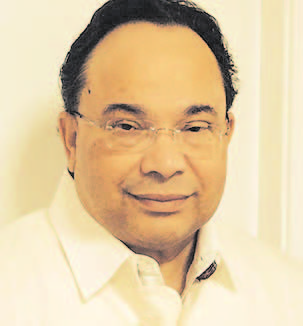
    SACRAMENTO (TIP): Indian American entrepreneur and social activist Pran Kurup, nicknamed the “unsung hero” behind the nascent Aam Aadmi party movement in Northern California, died Sept. 3 in Thiruvananthapuram, India, of cardiac arrest.

    Kurup was 49 at the time of his death. The Silicon Valley, Calif., resident leaves behind

    his wife, Lachmi Khemlani, and two children.

    In July, Kurup released his third book, “Arvind Kejriwal and The Aam Aadmi Party: An Inside Look.” Kurup and Delhi Chief Minister Kejriwal were batch-mates at IIT Kharagpur, and the book chronicles the deep friendship the two shared, as well as Kejriwal’s influence on Kurup’s philosophy.

    “Pran, IIT batch mate and a very dear friend, passed away due to cardiac arrest. May his soul rest in peace. Heartfelt condolences to his family,” tweeted Kejriwal Sept. 3.

    As the Aam Aadmi Party began its growth in the U.S., in 2012, Kurup is credited with increasing the movement’s visibility through social media and his popular column in The Economic Times. At a Sept. 21, 2013 panel discussion at UC Berkeley that explored India’s changing political landscape, Kurup remarked: “Although the last thing India needs is a new party, it is unfortunately the only alternative for a young, aspiring secular India in the 21st century.”

    He then discussed the AAP’s transparent funding process, the open candidate selection process, the push to political decentralization, and the focus on education and healthcare for the masses, emphasizing the message: “Vote even if you don’t vote for AAP.”

    University of California San Francisco cancer researcher Maya Vishwakarma – who in 2014 ran for a Lok Sabha seat from Hoshangabad district in Madhya Pradesh on the Aam Aadmi ticket – credited Kurup with being a mentor, teacher and beloved friend.

    The Chennai-born Kurup founded Vitalect, an e-learning company based in California, in 1997. He also served as the president of the Silicon Valley Indian Professionals Association.


  • Zika virus can live in tears: Study

    Zika virus can live in tears: Study

    A team of researchers, including one of Indian orgin, has found that Zika virus can live in the eyes and have identified genetic material from the virus in tears of mice.

    Zika virus, which is spread through mosquito bite, leads to brain damage and death in foetuses.

    Nearly a third of all babies infected in utero with Zika also showed eye disease such as inflammation of the optic nerve, retinal damage or blindness after birth.

    In most adults, Zika causes mild disease including conjunctivitis — redness and itchiness of the eyes. However, in rare cases, it develops uveitis — a condition that can lead to permanent vision loss, the study said.

    To determine the effects of Zika on the eye, the team infected adult mice with mosquitoes under the skin — similar to the way humans are infected by mosquitoes.

    The researchers found live virus in the eyes of the mice, even after seven days of being infected with mosquitoes.

    “Our study suggests that the eye could be a reservoir for Zika virus,” said Michael S. Diamond, Professor at the Washington University.

    The findings confirm that Zika is able to travel to the eye.

    However, it is not yet known whether the virus typically makes that trip by crossing the blood-retina barrier that separates the eye from the bloodstream, travelling along the optic nerve that connects the brain and the eye, or some other route, the researchers stated.

    Further, the infection in the eyes also raises the possibility that people could acquire Zika infection through contact with tears from infected people.

    The tears of the infected mice showed Zika’s RNA — the genetic material from the virus. But, it did not show any traces of the infectious virus, when tested 28 days after infection, the authors said.

    “Even though we didn’t find live virus in mouse tears, that doesn’t mean that it couldn’t be infectious in humans,” added Jonathan J. Miner, doctoral student at the Washington University.

    “There could be a window of time when tears are highly infectious and people are coming in contact with it and able to spread it,” Miner noted.

    The eye is an immune privileged site, meaning the immune system is less active there, to avoid accidentally damaging sensitive tissues responsible for vision in the process of fighting infection. Consequently, infections sometimes persist in the eye after they have been cleared from the rest of the body, the study said.

    The researchers now are planning complementary studies in human patients infected with the virus.

    “We are planning studies in people to find out whether infectious virus persists in the cornea or other compartments of the eye, because that would have implications for corneal transplantation,” explained Rajendra S. Apte, Professor at the Washington University.

  • CSIR DEVELOPS OMEGA-3 AND VITAMIN-E ENRICHED FROZEN NUTRITIONAL DESSERT

    CSIR DEVELOPS OMEGA-3 AND VITAMIN-E ENRICHED FROZEN NUTRITIONAL DESSERT

    NEW DELHI: India’s premier scientific research body, the Council of Scientific and Industrial Research’s (CSIR) Mysuru-based constituent laboratory, CSIR-Central Food Technological Research Institute (CSIR-CFTRI), has developed an Omega-3 and Vitamin-E enriched frozen nutritional dessert – called Nutrice – from vegetarian sources.

    “This product will provide the recommended dietary allowance (RDA) of omega-3 for children in one serving”, said the ministry of science and technology while announcing the properties of Nutrice cream, developed by the CSIR-CFTRI in association with the Oleome Biosolutions, Bengaluru and the Dairy Classic Ice Creams Pvt Ltd.

    It said, “Using the knowledge of traditional Indian food habits, the CSIR-CFTRI has developed a diverse array of food products such as nutri-chikki incorporated with spirulina, rice mix, high protein rusk, energy food, nutri sprinkle, sesame paste and fortified mango bar so as to address the varying nutritional requirements of people.

    “The products are analyzed for their nutritional composition and other parameters such as sensory, shelf-life, packaging and microbial safety”.

    Dietary supplementation of Omega-3 fats, which are the poly unsaturated fatty acids, are beneficial for brain development in children and good health in elderly population.

  • PROTEIN SHOWS PROMISE FOR EFFECTIVE ALZHEIMER’S TREATMENT

    PROTEIN SHOWS PROMISE FOR EFFECTIVE ALZHEIMER’S TREATMENT

    Researchers have found that a protein may help reverse the effects of damaging plaques in the brain associated with Alzheimer’s disease.

    The findings may offer clues leading to successful treatment of the disease.

    The accumulation in the brain of plaques formed from deposits of a critical protein, known as amyloid beta, is a hallmark of Alzheimer’s disease, the most common form of dementia.

    This study demonstrated that a multipurpose protein, known as p62, regulates the degradation or turnover of amyloid beta in living systems, which may help reverse the effects of damaging plaques in the brain.

    “These exciting finding suggest that compounds aimed at increasing p62 may have beneficial effects for Alzheimer’s disease,” said one of the researchers Salvatore Oddo from Arizona State University in the US.

    Currently, there is no effective therapy for Alzheimer’s that disease causes nerve cell death and tissue loss throughout the brain. During the course of the disease, the brain shrinks dramatically, affecting nearly all its functions.

    Shrinkage of the brain is acute in the cortex, damaging areas critical for thinking, planning and remembering.

    Atrophy is particularly severe in the hippocampus, an area of the cortex that plays a crucial role in formation of new memories.

    The protein p62 is known to perform an array of vital functions in cells. Of particular interest is p62’s role in the aggregation and degradation of a pair of proteins long recognized as hallmarks of Alzheimer’s disease – tau and amyloid beta.

    The authors demonstrated, for the first time, that a modified strain of mice generated to display human-like symptoms of Alzheimer’s show significant cognitive improvements, including a reversal of spatial memory deficit, when the brain’s expression of p62 is restored.

    The study, published in the journal Molecular Psychiatry, further showed that the improvement is associated with reduced levels of amyloid beta and associated plaques in the brain.

    The new research also described the mechanism by which p62 activity improves Alzheimer’s disease symptoms in mice– by a process known as autophagy.

    The term refers to the degradation or disassembly of unnecessary or dysfunctional components of cells – a form of biological recycling essential for cellular health.

  • Ebola virus lasts in semen for up to 565 days: Study

    Ebola virus lasts in semen for up to 565 days: Study

    The largest analysis yet has found Ebola virus particles present in semen as long as 565 days after recovery from an infection, highlighting the potential role of sex in sparking another outbreak, researchers reported on Tuesday.

    The study, published in the Lancet Global Affairs, involved 429 men seen between July 2015 and May 2016 who were part of the Liberian government’s Men’s Health Screening Program (MHSP), the first national semen testing program for Ebola virus.

    Of the participants, 38 men tested positive during the study period. Within this group, 24 men, or nearly two thirds, had semen samples that tested positive for Ebola fragments a year after recovering from disease. Ebola tended to linger longer in men over age 40, the researchers said.

    In one case, Ebola was detected at least 565 days after a man recovered from his illness.

    “Before this outbreak, scientists believed that Ebola virus could be found in semen for three months after recovery. With this study, we now know that virus may persist for a year or longer,” said Dr. Moses Soka, coordinator of the Ebola Virus Disease Survivor Clinical Care at the Liberian Ministry of Health, who worked on the study.

    As part of Liberia’s monitoring program, male survivors aged 15 and older can enroll for monthly tests of their semen. Participants also get counseling on safe sex and condoms at each visit.

    “This program provides important insights into how long Ebola remains in semen, a key component to preventing flare-ups of the disease and protecting survivors and their loved ones,” Dr. Thomas Frieden, director of the U.S. Centers for Disease Control and Prevention, which is collaborating with the ministry. Other partners include the World Health Organization, and the Academic Consortium Combating Ebola in Liberia.

    Semen samples in the study were tested for genetic fragments known as the viral RNA, but the tests could not tell if the virus was capable of spreading disease.

    Sexual contact with an Ebola survivor in March 2015 resulted in the infection and eventual death of a woman from Monrovia, even after Liberia had been declared free of Ebola. Tests of the man’s semen showed the presence of Ebola virus 199 days after he first became ill.

    The World Health Organization advises that all male Ebola survivors should be tested three months after the onset of symptoms and then monthly until they know they have no risk of passing on the virus.

  • MEDITATION OR VACATION? WHAT IS BETTER?

    MEDITATION OR VACATION? WHAT IS BETTER?

    Researchers have been using a rigorous study design to assess the biological impact of meditation as compared to going on a vacation.

    Examining the effect of meditation on gene expression patterns in both novice and regular meditators, they found that a resort vacation provides a strong and immediate impact on molecular networks associated with stress and immune pathways, in addition to short- term improvements in well-being, as measured by feelings of vitality and distress.

    A meditation retreat for those, who already used meditation regularly, was associated with molecular networks characterized by antiviral activity.

    The molecular signature of long-term meditators was distinct from the non-meditating vacationers.

    The study involved 94 healthy women, aged 30-60. Sixty-four women were recruited who were not regular meditators.

    Participants stayed at the same resort in California for six days, and randomized so that half were simply on vacation while the other half joined a meditation training program for Well Being.

    The meditation program included training in mantra meditation, yoga, and self reflection exercises.

    For greater insight into the long-term effects of what scientists dubbed the

    “meditation effect” compared to the

    “vacation effect,” the team also studied a group of 30 experienced meditators who were already enrolled in the retreat that week.

    Researchers collected blood samples, and surveys, from all participants immediately before and after their stay, as well as surveys one month and ten months later.

    Eric Schadt, the senior author said, “In the spirit of other research efforts we have pioneered with other groups, this work underscores the importance of studies focused on healthy people. By combining an interrogation of gene networks with advanced data analysis and statistics, we have generated clinically meaningful information about stress and aging that is relevant to the broader population.”

    The research team examined the changes in 20,000 genes to determine which types of genes were changing before and after the resort experience.

    Scientists performed an integrative transcriptomic analysis, comparing gene expression networks across all three groups of participants and finding unique molecular profiles and pathway enrichment patterns.

    Study results show that all groups, novice meditators, experienced meditators, and vacationers had significant changes in molecular network patterns after the week at the resort, with a clear signature distinguishing baseline from post-vacation biology.

    The most notable changes in gene activity were related to stress response and immune function.

    Researchers also assessed self-reported measures of well being.

    While all groups showed improvements up to one month later, the novice meditators had fewer symptoms of depression and less stress much longer than the non-meditating vacationers.

    The psychological effects appear to be enduring and it is unknown how much of this longer lasting benefit may be due to continued practice or lasting changes in how people view events in their lives.

    Professor Elissa S. Epel, the first author of the study explained, “It’s intuitive that taking a vacation reduces biological processes related to stress, but it was still impressive to see the large changes in gene expression from being away from the busy pace of life, in a relaxing environment, in such a short period of time. These findings will have to be replicated to see if the changes are reliably invoked under the same circumstances, in future studies, and compared to an at-home control group.”

    “Based on our results, the benefit we experience from meditation isn’t strictly psychological; there is a clear and quantifiable change in how our bodies function. Meditation is one of the ways to engage in restorative activities that may provide relief for our immune systems, easing the day-to-day stress of a body constantly trying to protect itself. The prediction is that this would then lead to healthier aging,” she said.


  • TAX DODGERS MUST COME CLEAN OR FACE ACTION,  SAYS ARUN JAITLEY

    TAX DODGERS MUST COME CLEAN OR FACE ACTION, SAYS ARUN JAITLEY

    MUMBAI: The Income Declaration Scheme (IDS), 2016, which closes on September 30, offers a chance to come clean, or else one must be ready to face consequences, indicated Union finance minister Arun Jaitley on Thursday. IDS provides an opportunity to persons who have not paid full taxes in the past to declare their undisclosed domestic income and assets, against a payment of tax, surcharge and a penalty aggregating to 45%.

    There will also not be a second window for disclosure of foreign black money, he said, referring to the declaration scheme which was available in 2015.

    Detection of tax evasion is easier with improvement in technology, and implementation of GST will also help.

    “Thus, as we advance over the years, not only is it morally and ethically correct to pay taxes, but it is also safer,” said Jaitley.

    Speaking at a seminar organised jointly by Ficci and the Institute of Chartered Accountants of India (ICAI) he said, “I am quite conscious of the fact that India is still a society where paying tax is not exactly an exciting or popular proposition.”

    Even as rates have been rationalised and the path towards a more liberal tax regime continues, tax evasion exists.

    Pointing to the gap between the tax collections (both direct and indirect) of roughly Rs 16 lakh crore and government expenditure of Rs 19 lakh crore, he asked the audience to think what would the figure of collection be if there was no evasion.

    After having cautioned about the consequences of not coming clean under IDS, the FM appealed to people’s conscience. “A country like India needs to spend to bridge the inequality between rural and urban areas, we need to spend on human resources, on infrastructure as a whole, on healthcare and education and on various social expenditure.

    We borrow, leaving the next generation in debt,” he said. “If many did not indulge in evasion, would India have the resources to spend where we are not spending? The obvious answer is yes,” he emphasised.

  • Doctors stop baby’s heart for 15 hours to do life-saving surgery

    Doctors stop baby’s heart for 15 hours to do life-saving surgery

    LONDON (TIP): A nine-month-old baby in the UK, born with a large hole in his heart and faced certain death has survived a marathon surgery when doctors stopped his tiny heart for 15 hours for a life-saving procedure.

    Nathan Byrne is now the smiling picture of health, British media reported on August 29.

    Without complex surgery, which saw his thumb-nail sized heart stopped for 15 hours, he would not have lived beyond six months, Scottish newspaper ‘Daily Record’ reported.

    Surgeons told parents, Lesley Condie and David Byrne, Nathan would be in surgery for seven hours, but complications saw the procedure take more than double that time.

    A remarkable fight for life followed countless complications but the youngster, who spent time on a life support machine, has amazed medics and his family.

    Mum Lesley, 28, said: “To look at him, you would never know what he’s been through. He has so much energy and never stops smiling. It is amazing he still does that, considering all that he has been through.”

    Nathan had a rare condition called tetralogy of fallot – which also causes a narrowing of the the pulmonary artery. Every time doctors tried to take the tot, then three-and-a- half-months-old, off the machine that kept him alive during surgery his heart and lungs stopped working.

    To give his organs a chance to recover Nathan was attached to a machine that circulated his blood outside of his body.

    The baby also had to be starved for 10 days after an infection left his bowel on the verge of busting.

    Nathan alsp had to contend with blood clots on his brain, which caused countless seizures lasting between four and 45- minutes.

    When Nathan went into surgery he was so ill that his parents were told not to leave.

    It was 11 days later, on Mother’s Day, that Lesley was finally able to hold her baby again.

    His chest had been left open for seven days as his heart was so swollen.

    It was three months before the tot was eventually allowed to return home with his family.

    Lesley, from Lanarkshire, Scotland, said: “For six or seven weeks, we couldn’t see an end to it. Then one morning we came in and he just looked different. He still had the ventilator taped to his mouth but he tried to smile and I knew he was going to come off it.” (PTI)

  • Indian Americans Raj and Bharti Shah in collaboration with the Johns Hopkins Center Debut Mobile Clinic in Maharashtra

    Indian Americans Raj and Bharti Shah in collaboration with the Johns Hopkins Center Debut Mobile Clinic in Maharashtra

    MARYLAND (TIP): Indian American owned health care informatics company CTIS led by its founders Raj and Bharti Shah, have collaborated with the Johns Hopkins Center for Clinical Global Health Education and Byramjee Jeejeebhoy Government Medical College to equip and dispatch a custom-designed mobile health care services van to Maharashtra, India.

    Raj (above) and Bharti Shah (in post below) facilitated dispatch of a custom-designed mobile health care services van to Maharashtra, India.
    Raj (above) and Bharti Shah facilitated dispatch of a custom-designed mobile health care services van to Maharashtra, India.
    Raj (left) and Bharti Shah (right) facilitated dispatch of a custom-designed mobile health care services van to Maharashtra, India.
    Bharti Shah

    The mobile clinic, the parties say, is designed to address the fact that India assumes a large burden of chronic and infectious diseases, leading the world in deaths related to tuberculosis, cervical cancer and diabetes, and ranking third in the number of people with HIV.

    Equipped with a $100,000 donation from CTIS and the Shahs, the mobile clinic features advanced laboratory equipment for disease diagnoses, including a GeneXpert rapid TB diagnostic system. The van includes other modern care and treatment capabilities, including mobile radiology equipment.

    While mobile clinics sponsored by corporate hospitals and charity organizations have been deployed in Maharashtra primarily to provide health care in rural areas, the group behind this effort say it is novel, in that it will strategically enhance community outreach for tuberculosis screening, research and care, and provide wellness services.

    Johns Hopkins Center for Clinical Global Health Education Director Robert Bollinger, M.D., M.P.H., says the support from the Shahs will lead to improvements in health and wellness in Maharashtra, as well as provide a model for innovative health research, care and wellness for the rest of India.

  • Indian American doctor in California arrested for providing opioids in exchange for sex acts

    Indian American doctor in California arrested for providing opioids in exchange for sex acts

    SAN DIEGO, CA (TIP): Physician Naga Raja Thota, 62, a pain specialist with an office in El Cajon, was arrested Wednesday, August 31, morning and charged with distributing oxycodone and other highly addictive drugs without any legitimate medical purpose in exchange for sex acts, as reported by voiceonline.

    The doctor was taken into custody by San Diego Drug Enforcement Administration agents at his practice. The complaint said at least two young women received prescriptions for opioids without a legitimate medical purpose on numerous occasions in exchange for sex acts. The complaint also shows a pattern in which sexually-explicit texts are exchanged by the doctor and the women, followed by prescriptions written for them by Thota.

    According to the complaint, one victim said she met Thota when she was hospitalized for withdrawal symptoms for Hydrocodone and Alprazolam. Thota agreed to treat her but documented that his treatment was for pain even though this victim did not suffer from any medical condition that caused chronic or ongoing pain. This victim also stated that Thota kept increasing the dosage. This victim, who was 20 years old when she met Thota, said she felt that if she did not submit to sexual acts with Thota he would not have provided her with additional opioid prescriptions. After being exposed to greater dosage levels of opioids by Thota, the young woman started using an even stronger opioid – heroin.

    “Prescription drug abuse and overdoses have reached alarming levels,” said U.S. Attorney Laura Duffy. “We are going after doctors who abuse their power to prescribe and exploit the desperation of addicts for their own gratification.” “Doctors who exploit patients are the worst kind of predators.” said DEA San Diego Special Agent in Charge William Sherman. “DEA recognizes the trust the citizens of San Diego place in their doctors. We will continue to ensure that physicians who are abusing that trust by bartering sex for prescriptions will be arrested and prosecuted.”

    If anyone has information regarding other victims or if you believe you were victimized by Dr. Thota, contact DEA at (858) 616-4100 and ask for the Diversion Duty Agent.

  • CRY invites people to join the 2016 Walk to take a step forward and help fulfill children’s dreams

    CRY invites people to join the 2016 Walk to take a step forward and help fulfill children’s dreams

    NEW YORK (TIP):  CRY, Child Rights and You America Inc. (CRY America), a 501(c)(3) non- profit that works towards ensuring children their basic rights to live, learn, grow and play will host the 13th CRY Walk for Child Rights across 16 cities. The annual walk brings together people from varied walks of life, who feel passionately for children’s cause. The event provides them a platform to help children secure a better future and reinforces the belief that the ability to change lives lies within each one of us.

    Walkers and runners alike, across New York, San Diego, New Jersey, Boston, Philadelphia, Orange County, Bay Area, Atlanta, Pheonix and Raleigh are invited to participate in 5k walks and runs along with 1k kids dash. Events across cities will include fun activities for both adults and children like yoga, Bollywood dancing, jugglers, music, food stalls and face painting. The participants will also be able to buy funky CRY merchandise like T shirts to support the cause for child rights.  The annual event is not just a space for families to have an outing but also to support and ensure opportunities are provided to all children and bring lasting change in their lives. The CRY Walk series commences on September 11 at Irvine, Orange County and concludes on November 13 at Bay Area.

    The national sponsors of the Walk 2016 are Star TV, TV Asia, Air India, Stratus, Shani International, Mera Sangeet and India Abroad. We appreciate the generous support of our event sponsors, media sponsors and donors in enabling this event.  The volunteers, fundraisers and team leaders across 16 cities who have relentlessly worked to organize this event in aid of underprivileged children, deserve a special mention.

    Speaking about the event, Shefali Sunderlal, President, CRY America said, “Only when children are given the right opportunities, do they realize their full potential, aim for their dreams and achieve them. Raising awareness and fund support by participating in CRY Walk is a step forward in ensuring that children get these opportunities and a chance at a healthy, successful life.”

    CRY America has thus far ensured that 618,915 children living across 3,084 villages and slums have access to education, healthcare and are protected from violations through support to 70 Projects in India and the USA.

    “The continued support of our donors and volunteers has helped us uphold children’s rights. It is this support and belief in our work which propels us and will allow us to ensure many more children get access to quality education, health services, essential nutrition and are protected from child labor, child marriage, abuse, and discrimination”, Sunderlal concluded.

    About CRY America:

    CRY, Child Rights and You America Inc. (CRY America) is a 501c3 non profit that is driven by its vision of a just world in which all children have equal opportunities to develop to their full potential and realize their dreams. With the support of over 25,153 donors and 2,000 volunteers, CRY America has impacted the lives of 618,915 children living across 3,084 villages and slums through support to 70 Projects in India and USA.

    For more information about CRY America or CRY Walk 2016, visit www.america.cry.org, email support@cryamerica.org or call 6179591273.


  • Indian-Origin Boy Devises Breast Cancer Treatment

    Indian-Origin Boy Devises Breast Cancer Treatment

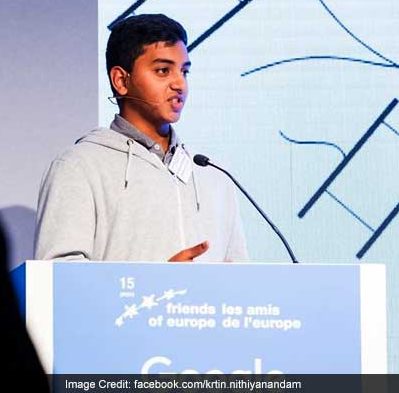
    London:  A 16-year-old Indian-origin boy in the UK has claimed to have found a treatment for the most deadly form of breast cancer which is unresponsive to drugs.

    Krtin Nithiyanandam, who moved to the UK from India with his parents, hopes he has found a way to turn so-called triple negative breast cancer into a kind which responds to drugs.

    Many breast cancers are driven by oestrogen, progesterone or growth chemicals so drugs that can block those fuels, such as tamoxifen, make effective treatments.

    However, triple negative breast cancer does not have receptors and it can only be treated with a combination of surgery, radiation and chemotherapy which lowers the chance of survival. “I’ve been basically trying to work out a way to change difficult-to-treat cancers into something that responds well to treatment. Most cancers have receptors on their surface which bind to drugs like Tamoxifen but triple negative don’t have receptors so the drugs don’t work,” Krtin was quoted as saying by The Sunday Telegraph.

    “The prognosis for women with undifferentiated cancer isn’t very good so the goal is to turn the cancer back to a state where it can be treated. The ID4 protein actually stops undifferentiated stem cell cancers from differentiating so you have to block ID4 to allow the cancer to differentiate.”

    “I have found a way to silence the genes that produce ID4 which turns cancer back into a less dangerous state,” Krtin added.

    Some women with triple negative cancer respond very well to treatment while others quickly decline.

    The problem lies in whether the cancer cells are “differentiated” or not.

    Differentiated means they look more like healthy cells and they tend to grow and multiply quite slowly, and are less aggressive.

    However, when cancer cells are “undifferentiated” they get stuck in a dangerous primitive form, never turning into recognisable breast tissue, and spreading quickly, leading to high grade tumours.

    He has also discovered that upping the activity of a tumour suppressor gene called PTEN allows chemotherapy to work more effectively, so the dual treatment could prove far more effective than traditional drugs.

    The therapy idea saw him shortlisted for the final of the UK-based young scientists programme titled The Big Bang Fair.

    His efforts had hit the headlines last year when he won the Google Science Fair for creating a test which helps pick up the early signs of Alzheimer’s disease and potentially stop it spreading further.

  • AFTER SUDHA SINGH, OP JAISHA HAS SWINE FLU TOO

    AFTER SUDHA SINGH, OP JAISHA HAS SWINE FLU TOO

    BENGALURU (TIP): The Sports Authority of India’s fears came true when marathon runner OP Jaisha, who left the campus as soon as she landed from Rio last week, tested positive for H1N1on August 25.

    Jaisha, who fainted after the women’s marathon at the Olympics owing to dehydration, submitted her blood samples on Wednesday, four days after she returned to the city along with middle distance runner Sudha Singh last Saturday. Test results confirmed that she was also suffering from the flu.

    “OP Jaisha has tested positive for H1N1 and has been admitted to Fortis Hospital, Bannerghatta road, following a recommendation made by Dr Sunanda (district surveillance officer of the state health and family welfare department). Her reports came from NIMHANS today and she has already been put on antiviral drugs. She will be provided all support from our side till she gets completely well,” Dr Harshvardhan, Karnataka surveillance officer, told media.

    While Sudha, who complained of fever and bodyache, was the first to test positive for H1N1 after she was admitted to a hospital hours after she had landed in the city, Jaisha was keen on going back to her home town in Kerala for Ayurvedic treatment. She left SAI soon after but did not return to Kerala. She was staying at her friend’s house close to the campus, it is learnt.

    On Wednesday, doctors from the state health department and surveillance as well SAI officials tracked her down and convinced her to submit her blood samples. A day later, they admitted her to hospital. The athlete, who has been ill and racked by cough ever since she landed in the city, has not fully recovered from dehydration, it is learnt. Doctors at the hospital have been told that she needs to be treated for electrolyte imbalance too, sources told media.

  • AmeriCares Responding to India Floods

    AmeriCares Responding to India Floods

    STAMFORD, CT (TIP): AmeriCares is deploying medical teams to Assam and Bihar, where relentless flooding has killed more than 90 people and forced nearly 1 million into relief camps. The first teams, organized by the AmeriCares India office in Mumbai, are already on the ground in some of the worst-affected areas, delivering medicines and treating survivors.

    AmeriCares is focused on ensuring families affected by the floods have access to critical primary care services, including medication, as well as health and hygiene products that will help prevent the spread of communicable diseases. The emergency response and global health nonprofit is also delivering water purification supplies in areas without access to clean water.

    “Waterborne diseases are always a major concern after severe flooding,” said Shripad Desai, managing director of AmeriCares India. “We are working to ensure survivors have access to essential medicine and safe drinking water to help prevent the spread of infectious disease.”

    After two straight years of drought, heavy monsoon rains uprooted trees, damaged swaths of land and snapped telephone lines. Landslides and heavy rains have blocked highways and submerged homes in several feet of water.

    AmeriCares has been aiding survivors of natural disasters, political conflict and extreme poverty around the world for nearly 40 years, saving lives and building healthier futures for people in crisis. AmeriCares India provides emergency medical and humanitarian aid in response to floods, cyclones, earthquakes and other disasters. Most recently, the AmeriCares India team responded to the Nepal Earthquake, the 2015 flooding in Tamil Nadu and the 2014 flooding in Jammu and Kashmir. AmeriCares India also provides health education, supports health workforce safety programs and operates seven mobile medical clinics that provide free primary care services at 130 locations throughout the slums of Mumbai.

    To make a donation to AmeriCares India Disaster Relief Fund, please go to americares.org/IndiaRelief

  • Women are also from Mars like men: UK research

    Women are also from Mars like men: UK research

    LONDON (TIP): New research in Britain has claimed there is very little difference in the way male and female brains function, overturning the notion of ‘Men are from Mars, Women are from Venus’ as propagated by the 1990’s psychology bestseller.

    Professor Gina Rippon, a cognitive neuroscientist at Aston University in Birmingham, has found no real evidence to show that women’s and men’s brains are wired differently.

    “The latest evidence shows that we are all part of a spectrum, so dividing us into binary categories gives misleading results. I will be discussing new evidence that our brains and behaviour are mosaics of different characteristics and there is no such thing as a male or female brain,” she told ‘The Sunday Times’ in reference to her findings, which she will be presenting at the British Science Festival in Swansea next month.

    ‘Men are from Mars, Women are from Venus’ by American writer John Gray had popularized the idea that each gender’s supposedly different behaviour was linked to physical and hormonal differences in their brains.

    The book, which is due to be made into a film starring Hollywood star Reese Witherspoon, even argued that housework benefitted women by boosting their hormones.

    “Men and women not only communicate differently, they think, feel, perceive, react, respond, love, need, and appreciate differently,” the book claimed.

    But Rippon argues such studies are “neurotrash” riddled with flaws and reflecting the bias of researchers.

    “Sex differences in the brain have been extensively researched, widely reported and enthusiastically believed but modern brain-scanning techniques show there are few real differences — and the interpretations are borne more from prejudice than science,” she said.

    But Rippon believes that any differences found by researchers could equally be caused by the different expectations imposed on men and women. (PTI)

  • Turkey to release 38000 prisoners ‘to make room for coup plotters’

    Turkey to release 38000 prisoners ‘to make room for coup plotters’

    ANKARA (TIP): Turkey issued a decree on August 17 paving the way for the conditional release of 38,000 prisoners, the justice minister said, an apparent move to reduce its prison population to make space for thousands of people who have been arrested as part of an investigation into last month’s failed coup.

    The decree allows the release of inmates who have two years or less to serve of their prison terms and makes convicts who have served half of their prison term eligible for parole. Some prisoners are excluded from the measures: people convicted of murder, domestic violence, sexual abuse or terrorism and other crimes against the state.

    The measures would not apply for crimes committed after July 1, excluding any people later convicted of coup involvement.

    Justice Minister Bekir Bozdag said on his Twitter account the measure would lead to the release of some 38,000 people. He insisted it was not a pardon or an amnesty but a conditional release of prisoners.

    The government says the July 15 coup, which led to at least 270 deaths, was carried out by followers of the movement led by US-based Muslim cleric Fethullah Gulen who have infiltrated the military and other state institutions. Gulen has denied any prior knowledge or involvement in the coup but Turkey is demanding that the United States extradite him.

    The Turkish government declared a state of emergency and launched a massive crackdown on Gulen’s supporters in the aftermath of the coup. Some 35,000 people have been detained for questioning and more than 17,000 of them have been formally arrested to face trial, including soldiers, police, judges and journalists.

    Tens of thousands more people with suspected links to Gulen have been suspended or dismissed from their jobs in the judiciary, media, education, health care, military and local government.

    The government crackdown has raised concerns among European nations and human rights organizations, who have urged the Turkish government to show restraint. (AP)

  • URINE THERAPY GAINING POPULARITY IN CHINA DESPITE BAN

    URINE THERAPY GAINING POPULARITY IN CHINA DESPITE BAN

    BEIJING (TIP) : The Chinese government banned urine therapy last March, but there are signs that the number of its practitioners are growing, state media said.

    The concept of drinking one’s own urine as a medical treatment is being popularised through the Internet by Hong Kong registered China Urine Therapy Association (CUTA). It was declared illegal by the Chinese government in March of this year, but curiosity about the treatment seems to be growing. The government has also closed down CUTA’s website to curb the spread of its messages regarding the health benefits of urine therapy.

    “Legal or illegal is acknowledged by the country but it depends on whether people trust you or not. This is a non-governmental organization,” state media quoted the head of CUTA giving only his surname as Xue, as saying. CUTA is affiliated to the China Public Welfare Association, which has also been declared as illegal by China’s ministry of civil affairs.

    State run People’s Daily estimated that curiousity value about urine therapy has expanded CUTA’s membership to 4,000 despite the government ban. It is using social media including QQ group chats, blogs and Internet videos besides holding worships to expound on the efficacy of drinking urine.

    There are signs that the therapy is drawing widespread interest although it has become difficult for people to become its member after the official ban.

    One believer in urine therapy, Liu Zhaoxiang, claims that he lives only on one glass of mangosteen fruit juice at dusk besides drinking his own urine.

    Urine therapy is not thought to have any scientific value in either traditional Chinese medicine or Western medicine, State media said. (TNN)

  • GET MARRIED IF  YOU WANT TO QUIT DRINKING

    GET MARRIED IF YOU WANT TO QUIT DRINKING

    People who are married, or cohabitating, generally tend to drink less both in amount and frequency, a new University of Virginia study indicates.

    The findings also show that singles are more inclined to drink more often, and in larger quantities.

    “Intimate relationships cause a decline in alcohol consumption” is the gist of the finding, according to lead study author Diana Dinescu.

    Her study compared the reported drinking patterns of twins in and out of relationships.

    Previous studies have shown that married adults drink less than single or divorced people, and Dinescu and her colleagues examined the behaviors of 2,425 same-sex twin pairs to see if these findings held up among people who share genetic and familial backgrounds. Previous studies used more random sample pools that might include unidentifiable variables that could skew results.

    “It is impossible to tell from co-relational research whether marital status has a protective effect, or whether people who naturally drink less simply are more likely to get married,” Dinescu said.

    “By using twins, our study allows us to eliminate entire classes of alternative explanations, such as genetic predispositions and upbringing influences, and brings us a step closer to understanding the true impact of relationships on drinking behaviour,” he added.

    The researchers culled their data from the Washington State Twin Registry, a database of twins who participate in health and behavior research. Their sample included 1,618 female pairs and 807 male pairs.

    Registered participants stated on forms whether they were married, divorced, widowed, separated, never married or living with a partner. They also included information about their level of alcohol consumption -how much they drank when drinking, and how frequently they drank.

    Dinescu’s team compared married twins with their single, divorced and cohabitating co-twins on drinking frequency and quantity. The married co-twins, they found, consumed less alcohol than their single or divorced co-twins and also drank less frequently. Cohabitating twins, like their married cohorts, consumed less alcohol than single or divorced twins.

    Interestingly, the researchers found that cohabitating participants generally drank more frequently than married men and women participants, but less than their single, widowed and divorced counterparts. Cohabitating men, however, drink fewer alcoholic beverages per occasion than married men, while – quantity-wise -cohabitating women drink about the same in one sitting as their married counterparts.

    The study concluded that once a relationship is over, people may be more inclined to drink more heavily in a session, but not necessarily more frequently.

    “It is useful to look at drinking frequency and quantity separately, as we believe they are fundamentally different behaviors in both intention and venue,” Dinescu said. “Our data revealed an interesting pattern where, once you’re in a committed relationship, your drinking frequency declines permanently, whereas quantity goes back up if you exit that relationship.”

    “It seems that intimate relationships may provide a real benefit in terms of drinking behavior, maybe through mechanisms such as a monitoring effect that partners have on each other,” she added.

  • TIPS TO MANAGE HIGH BP WITHOUT PILLS

    TIPS TO MANAGE HIGH BP WITHOUT PILLS

    Hypertension on the high? Here are top 10 tips to get it down and keep it down.

    Seven in 10 adults are at a greater risk of stroke or heart attack because their blood pressure is too high. Desk jobs, lack of exercise and eating salty fast foods have contributed to the problem, even among the young.

    If your level is consistently at or above 140mmHg/ 90mmHg (referred to as 140 over 90). The 140 figure is the systolic pressure —the pressure reached when the heart forces the blood around the body — and 90 is the diastolic pressure — the lowest pressure that occurs between heartbeats when the heart relaxes.

    In India, experts say, the prevalence of hypertension ranges from 20-40 per cent in urban adults and 12-17 per cent among rural adults.

    But there’s no reason to worry. Simple measures will help to cut your risk.

    Go for a weekly jog

    Jogging for just an hour a week can increase your life expectancy by six years, according to a Copenhagen City Heart cardiovascular study of around 20,000 men and women aged from 20 to 93.

    Researchers believe jogging delivers multiple health benefits, improving oxygen uptake and lowering blood pressure, as well as many more benefits. However, any physical activity can help lower blood pressure by strengthening the heart so it can pump more blood with less effort, thereby decreasing the force on the arteries. Power walking can be just as effective as jogging.

    Enjoy yoghurt

    Just one small pot a day can reduce your chances of developing high blood pressure by a third, according to a study presented at the University of Minnesota in the US. Scientists think naturally occurring calcium can make blood vessels more supple, enabling them to expand slightly and keep pressure low.

    They found those who ate a 120g pot daily were 31 per cent less likely to develop high blood pressure over a 15-year period than those who did not.

    Go bananas

    Eating potassium-rich foods, such as bananas, and reducing salt intake could save thousands of lives every year, according to a new study published in the British Medical Journal online. Potassium is an important mineral that controls the balance of fluids in the body and helps to lower blood pressure.

  • NATURAL INGREDIENTS THAT HELP YOU GET RID OF CELLULITE

    NATURAL INGREDIENTS THAT HELP YOU GET RID OF CELLULITE

    Cellulite affects more than 85 per cent of women, representing all shapes and sizes. It is made up of free-floating fat cells that are deposited just beneath the skin. It has a distinct appearance, like the dimpled surface of an orange peel or cottage cheese. It is most common in the thighs, but it can also be present on the legs, buttocks or stomach.

    Having cellulite doesn’t mean you are overweight. Even thin people can have it. If you are overweight, however, losing weight may reduce cellulite. Cellulite is more common among women than men. If other women in your family have cellulite, there’s a good chance you will too. Other factors that influence how much cellulite you have and how visible it is includes poor diet, fad dieting, slow metabolism, hormone changes, dehydration, total body fat and lack of physical activity.

    Most women would highly value anything that works against the challenge of cellulite, and the good news is that we have the remedy for this dimpling of skin in our nature itself. Here is the list of natural herbs that will help to get rid of those stubborn Cellulite. So when you are buying an anti-cellulite cream, look for these ingredients in them.

    Coleus forskohlii

    Coleus forskohlii herb extract is derived from the roots of Coleus Forskohlii. This “power” herb has an active ingredient in it called forskolin which acts as a skin conditioning agent. It dislodges localized fat deposits under the skin and improve the skin elasticity and firmness.

    Caffeine

    Caffeine is obtained from coffee beans and it is clinically evaluated for anti-cellulite activity. It reduces fat and improves the skin texture. It also protects skin from damage caused by radiation, especially wrinkle formation.

    Boswellia

    Boswellia extract enriched with boswellic acid is clinically evaluated for skin firming benefit. It improves skin elasticity and provide anti-inflammatory benefits to the skin.

    Horse Chestnut

    Extract from Horse chestnut is clinically evaluated to strengthen blood vessels. Research has shown that it improves blood circulation and has anti-swelling and anti-inflammatory properties, which can help reduce fluid “spillover” in areas affected by cellulite, and thus reduce its visibility.

    Amarantus

    Amaranthus extract is a rich source of squalene and vitamins. It helps the skin to maintain moisture content and make skin supple and firm.

  • WEARABLE DEVICE MAY IMPROVE SLEEP, REDUCE PTSD RISK

    WEARABLE DEVICE MAY IMPROVE SLEEP, REDUCE PTSD RISK

    A wearable device developed by Arizona-based research firm Brain State Technologies could help improve sleep and thereby lower the risk of developing post traumatic stress disorder (PTSD), suggests new research.

    Recent studies show that sleep disturbance is not only a negative outcome from PTSD, it may also contribute to its onset.

    Collaborating with researchers from Wake Forest School of Medicine in North Carolina, the Brain State team produced an analysis showing that sleep improvement may be a strategic approach to reducing the number of new-onset cases of PTSD in service members who will be deployed to combat zones.

    Neither counseling nor medication treatments tend to be highly effective for helping people overcome PTSD-related sleep problems.

    So the company developed a wearable technology intended for exactly this purpose, partially supported by an award from the US Army Research Office.

    The technology improves sleep by helping the brain relax and rebalance itself.

    “We think that focus on sleep quality could reduce PTSD not only in the military, but also in police, medical first-responders, and others who have high exposure to trauma,” Brain State Technologies’ Founder and CEO, Lee Gerdes said in a company statement.

    By combining estimates of the risk for PTSD conferred by insomnia, with estimates for how much insomnia might be reduced through use of a wearable device for sleep quality enhancement, the Brain State-Wake Forest team produced quantitative estimates for reductions in new cases of PTSD, for a scenario where a large group of service members is sent into a combat zone.

    The analysis was presented at the ongoing Military Health System Research Symposium (MHSRS), being held in Kissimmee, Florida.

  • Indian American Professor at Wake Forest Baptist Medical Center Recognized for his Contributions

    Indian American Professor at Wake Forest Baptist Medical Center Recognized for his Contributions

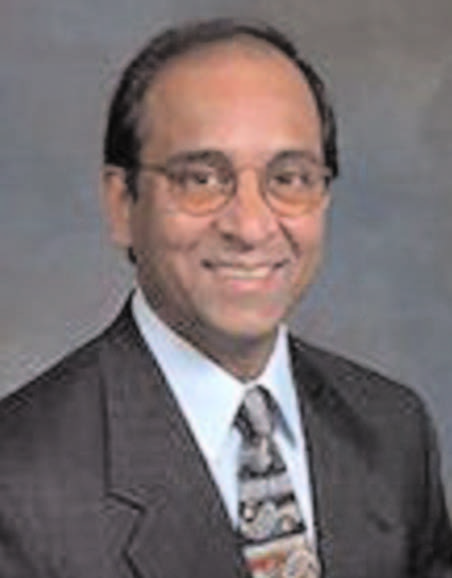
    WINSTON-SALEM, N.C. (TIP) Ashok Hemal, M.D., professor of urology at Wake Forest Baptist Medical Center, has received the Sushruta Award from the Indian American Urological Association (IAUA).

    This annual award is given to a physician who has contributed to the field of medicine or performed noteworthy charitable work.

    IAUA, an affiliate organization of the American Urological Association, promotes interaction among practicing urologists and affiliated scientists of Indian origin in the United States.

    Dr. Ashok K. Hemal is currently working as a Professor, at Department of Urology, Comprehensive Cancer Center, & Institute for Regenerative Medicine at Wake Forest Medical School and Baptist Medical center, USA

    He is also the Director of Robotics and Minimally Invasive Surgery at Wake Forest Medical School University Health Sciences and Baptist Medical center, USA.

    A well renowned urologist Internationally for developing and conducting pioneering work in the field of Laparoscopic and Robotic urologic surgery, besides his unique contribution with live demonstration of endourological, laparoscopic and Robotic Urologic Surgical procedures in over 250 conferences all across the world for disseminating the knowledge.

    He has contributed several first series in the field with research focus on uro-oncology. He has been visiting professor to various top academic programs and invited to deliver over 250 guest lectures all across the world.

    Dr. Hemal has 7 books and over 400 scientific papers and book chapters to his credit, published in international peer reviewed journals of high quality. He has been the recipient of many academic distinctions and awards to name a few prestigious Dr. B.C. Roy Award, UGC Hari Om Ashram award and “Padma-Shree” by the president of India.

    He is also recipient of several other prestigious award such as Urologist of the Decade award, Guest Scholar of the American College of Surgeons, SIU- scholar, Fulbright scholar, and Health Hero award given by Buisness Journal USA.

    He has been nominated as Best Doctor of America and Top Doctor of America and Top Prostate Cancer doctor since 2008 every year till the date. He was also featured as Top Prostate Cancer doctor of USA.

  • North Carolina Physician, Dr Gopal H. Badlani, Receives India’s Highest Award in Medicine

    North Carolina Physician, Dr Gopal H. Badlani, Receives India’s Highest Award in Medicine

    Gopal H. Badlani, M.D., professor and vice chair of clinical affairs in the Department of Urology at Wake Forest Baptist Medical Center, has received India’s most prestigious award in medicine.

    The Medical Council of India named Badlani the winner of the annual Dr. B.C. Roy National Award in the field of socio-medical relief.and the establishment of medical organizations and institutions. Badlani was presented the award by Indian President Pranab Mukherjee at the Presidential Palace in New Delhi on July 1, National Doctors’ Day in India.

    Badlani also received the Most Distinguished Physician Award from the American Association of Physicians of Indian Origin (AAPI) as reported on June 30, 2016.

    About: AAPI – The AAPI is dedicated to promoting professional solidarity among Indian-American physicians in the pursuit of excellence in patient care, teaching and research.

    The award recognizes Badlani’s contributions to clinical care, research, education and public service.

    Badlani, an internationally recognized expert in the field of urinary incontinence, has long been involved in volunteer work in developing countries. In India, he was instrumental in establishing a project that has provided urologic care to more than 6,000 underprivileged people over the past 15 years.

    A native of India, Badlani received his medical degree from Topiwala National Medical College in Mumbai. He completed his urology training at Long Island Jewish Hospital in New Hyde Park, New York, and was a neurourology fellow at Baylor College of Medicine in Houston. He joined the Wake Forest Baptist faculty in 2007.

    Badlani has edited several textbooks and authored more than 200 papers and book chapters. He has served in leadership positions in a number of professional organizations, including the American Urological Association, the Endourological Society and the Indian American Urological Association.

    The B.C. Roy National Award program was established in 1976 to recognize outstanding accomplishments in a number of fields. The Medical Council of India is the entity responsible for establishing and maintaining the standards of medical education and recognition of medical qualifications in India.

  • Indian-American Couple Jailed For Medical Fraud In US

    Indian-American Couple Jailed For Medical Fraud In US

    An Indian-American couple has been sentenced up to eight years in the US for receiving more than 4.8 million US dollars from Medicare and private insurance companies for knowingly producing thousands of fraudulent medical test reports.

    Kirtish N Patel, 54, and Nita K Patel, 53, from New Jersey pleaded guilty in November to health care fraud related to their Biosound Medical Services and Heart Solution PC.

    Federal prosecutors say Nita Patel received a six-and-a half years sentence yesterday, while Kirtish Patel was sentenced to more than eight years. They must pay more than USD 4.8 million in restitution.

    According to court papers, Kirtish Patel admitted to, from October 2008 through June 2014, fraudulently interpreting and writing diagnostic reports produced by Biosound despite having no medical license and knowing that the reports would be used by the referring physicians to make important patient treatment decisions.

    Nita Patel admitted assisting her husband in forging physician signatures on the fraudulently produced reports to make them appear legitimate.

    Kirtish and Nita Patel also admitted falsely representing to Medicare that the neurological testing performed by Biosound was being supervised by a licensed neurologist.

    Federal prosecutors alleged that more than 10,000 diagnostic reports generated by Biosound between October 2008 and June 2014 were never actually reviewed or interpreted by a physician.

    The couple were paid more than USD 4.8 million by Medicare and private insurance companies for the fraudulent reports, which they used for personal expenses, including multiple residences and luxury vehicles. The judge also ordered Kirtish and Nita Patel to serve three years of supervised release.

  • Indian Jewish American Kesha Ram Falls Short in Vermont Lt. Gov. Primary Election

    Indian Jewish American Kesha Ram Falls Short in Vermont Lt. Gov. Primary Election

    NEW YORK(TIP): Kesha Ram, D-Vt., the great great granddaughter of  Ganga Ram, an Indian civil engineer known for building a network of health infrastructures in both India and Pakistan before partition, lost the race for the elected position of Lt Governor of Vermont.

    At just 30, Ram had served four two-year terms as a state representative before deciding to make the shift to run for lieutenant governor as the first woman of color to run for State-wide office in Vermont.

    But, following the Aug. 9 primary election, Kesha lost the three-way Democratic primary race which was won by David Zuckerman, who nabbed 29,957 votes, or 44.53 percent, according to the Vermont Secretary of State. Shap Smith, who with 25,594 or 38.05 percent, came second.

    Ram finished third in the election with 11,720 supporters and 17.42 percent of the vote.

    Randy Brock, on the Republican side of the primary, and Boots Wardinski, of the Progressive party, both advanced as they were unopposed.

    About Kesha Ram: Her father was born in Lahore but after partition the family moved to India and grew in Punjab. He came to Los Angeles for studies as a student where he met her mother, a Jewish American.

    For her studies, Ms Kesha Ram moved to the University of Vermont.

    She was elected to the state House of Representatives at age 22 to represent the University District and Hill Section of Burlington.