Tag: Health

Read the latest health news, diet, fitness, medical news and healthcare tips on theindianpanorama.news/health. Get all the healthcare news, including wellness, fitness, diet and weight loss & more.
  • Type 2 Diabetes – How to Watch it, Control it, Live with it

    Type 2 Diabetes – How to Watch it, Control it, Live with it

    A diagnosis of type 2 diabetes can bring with it feelings of guilt, regret and fear. While many have a genetic predisposition to the disease, it’s also tied to diet and weight problems. Its effects can be devastating–among them, blindness, heart disease and debilitating nerve damage.

    The truth is that because of its association with a less than healthy lifestyle, diabetes often doesn’t elicit the same level of sympathy as many other chronic conditions. Yet it is a disease without a cure, one that can only be managed–and that requires a deep personal commitment.

    Diabetes is a problem with your body that causes blood glucose (sugar) levels to rise higher than normal. This is also called hyperglycemia. Type 2 diabetes is the most common form of diabetes.

    If you have type 2 diabetes your body does not use insulin properly. This is called insulin resistance. At first, your pancreas makes extra insulin to make up for it. But, over time it isn’t able to keep up and can’t make enough insulin to keep your blood glucose at normal levels.

    Learn more on how to mange and control at http://www.diabetes.org/diabetes-basics/type-2/


  • GOVT TO COME UP WITH LAW TO KEEP PUBLIC PLACES CLEAN

    GOVT TO COME UP WITH LAW TO KEEP PUBLIC PLACES CLEAN

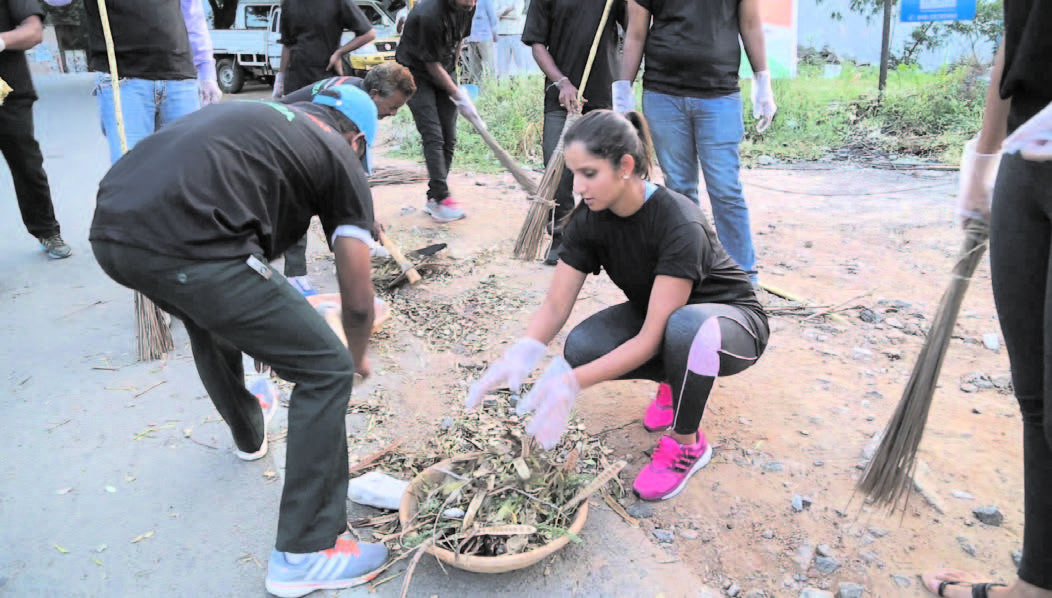
    NEW DELHI (TIP): Spitting or urinating in open public places will now invite a fine with the Centre working on a new law to maintain cleanliness across the country.

    The move will legally empower Prime Minister Narendra Modi’s pet initiative of Swatch Bharat Abhiyan.

    The Prime Minister’s Office (PMO) has asked the Law Ministry to prepare a central legislation to prevent people from making public places dirty. The law, which is being drafted, is part of the government’s initiative to maintain hygiene in the country.

    The law will include a fine for urinating, spitting, throwing garbage in public places, making graffiti on public walls without permission, polluting water bodies, including rivers or lakes by dumping wastes.

    The quantum punishment including amount of fine will be decided at the time of finalising the law. To avoid overlapping, the new law will be interlinked with existing rules in related sectors to make judicial approach to check bad practices comprehensive and effective, a senior official in the Urban Development Ministry told Deccan Herald.

    At present in urban local bodies, cleanliness is part of the Municipal Act and even in some states there are provisions for imposing fine for dumping garbage in public places. However, these existing laws are not applicable to non-municipal areas or gram panchayat levels. The new law will be applicable for both, within limits of municipal areas as well as panchayat levels. The urban local bodies and panchayats will be empowered to impose fine against those guilty, said the official. As per the proposal, apart from imposing fine for each offences committed either by individuals or institutions or any establishments, the local government bodies have to take up frequent cleanliness drive in their respective jurisdictions and create awareness.

    To monitor the implementation of the law, a national level committee will be headed by Union Urban Development Minister and state level committees headed by state urban development ministers. Secretaries of health, urban development, rural and sanitation departments will be its members.

    At the district level, Zilla Panchayat President will be its chairman for the committee while at taluk level, taluk panchayat president will be its chairman. At gram panchayat level, the panchayat president will be head of the panel.

  • UN appeals for $497 million of humanitarian aid for Iraq

    BRUSSELS (TIP): The United Nations launched an appeal on Thursday for half a billion dollars in international aid to help tackle a worsening humanitarian crisis in Iraq triggered by the conflict with Islamic State militants.

    Lise Grande, the UN humanitarian coordinator for Iraq, launched the appeal in Brussels, and said the United Nations would be forced to slash or shut down more than half its aid operations in Iraq without an immediate injection of new funds.

    The world body said it was asking donors for $497 million to pay for shelter, food and water over the next six months for 5.6 million people displaced or affected by violence between Iraqi government forces and Islamic State.

    “The crisis in Iraq is one of the most complex and volatile anywhere in the world,” Grande said in a statement.

    A sharp cutback in the humanitarian aid effort due to lack of funding would have catastrophic implications, she said.

    Three million people have been displaced within Iraq since the beginning of last year.

    A renewed Islamic State offensive in western Iraq has displaced tens of thousands of people over the past month.

    In an interview with Reuters in Erbil on Monday, Grande forecast a “summer of discontent”.

    “We know that in the next couple of months the humanitarian situation is only going to get worse. Right now our biggest problem is financing. We’re running out of money,” she said. Emergency kits provided to people fleeing violence are running low, food rations have been reduced, and 77 health clinics are at risk of closing by the end of June if no funding comes through, Grande said.

  • Pakistan sees major drop in polio cases

    Pakistan sees major drop in polio cases

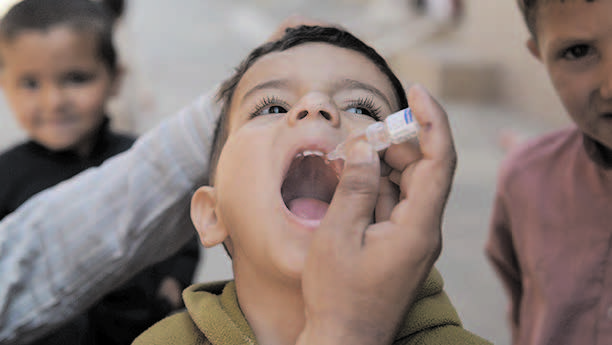
    ISLAMABAD (TIP): Pakistan has seen a major fall in polio cases this year, officials said June 5, as a military operation has allowed vaccinators to reach areas previously off-limits because of militant attacks.

    The World Health Organization (WHO) said there had been 24 cases since January 1, a decline of over 70 percent from the same period last year, when there were 84 cases.

    Pakistan is one of only three countries where polio remains endemic and last year saw 306 cases of the highly infectious, crippling disease — a 14-year record.

    Attempts to eradicate polio have been badly hit by opposition from militants, who say the programme is cover to spy on their operations. Their attacks on immunisation teams have claimed 78 lives since December 2012.

    Elias Durry, WHO’s senior coordinator for polio eradication in Pakistan, confirmed the drop in cases, saying intensive vaccination efforts were paying off. “Compared to last year, this year polio cases in Pakistan have been 70 percent decreased,” Durry told AFP. “In 2013 and 2014 the programme was under pressure, but in 2015 the virus is under pressure.”

    Rana Muhammad Safdar, a senior official at the Pakistan National Institute of Health, confirmed the WHO data.

    The government “declared war” on polio in November after the 14-year record was breached and in the wake of a damning international report that slammed the country’s campaign to tackle the virus as a “disaster”.

    Durry said the main reason for the fall in cases was better access to families in previously unvaccinated areas, where troops have been advancing. “The accessibility of children in places that were not being access before… is the number one reason, including proper implementation of the plan,” he said.

    Pakistan’s military in June last year launched a ground and air blitz against militant groups in the North Waziristan tribal area, forcing millions of civilians to leave their homes and settle in other districts.

    All those fleeing North Waziristan were given polio drops as they entered neighbouring Khyber-Pakhtunkhwa province, allowing health workers a chance to reach families who had not been vaccinated for years.

    The Taliban had imposed a blanket ban on polio vaccination in the areas it controlled in North Waziristan, saying the health initiative was cover for spying.

    Durry said health workers had also vaccinated children in Pakistan’s largest city, Karachi.

    “The thing is not only accessing Waziristan but also accessing children in places like Karachi and other places…..(and it is) because of working with the community,” Durry said.

  • Study: Microendoscope could eliminate unneeded biopsies

    Study: Microendoscope could eliminate unneeded biopsies

    By providing real-time histological data to endoscopists, Rice’s microendoscope can help rule out malignancy in cases that would otherwise require a biopsy.

    “While traditional endoscopy can rule out malignancy and eliminate the need for biopsies for some patients, in a significant number of cases the difference between malignant and benign lesions only becomes apparent through a histological analysis,” said study co-author Indian American Dr. Sharmila Anandasabapathy, professor of medicine and gastroenterology at Baylor College of Medicine and director of Baylor Global Initiatives and the Baylor Global Innovation Center.

    In a clinical study of patients in the United States and China, researchers found that a low-cost, portable, battery-powered microendoscope developed by Rice University bioengineers could eventually eliminate the need for costly biopsies for many patients undergoing standard endoscopic screening for esophageal cancer.

    Rebecca Richards-Kortum with microendoscope for cancer screening

    The research is available online in the journal Gastroenterology and was co-authored by researchers from nearly a dozen institutions that include Rice, Baylor College of Medicine, the Chinese Academy of Medical Sciences and the National Cancer Institute.

    The clinical study, which involved 147 U.S. and Chinese patients undergoing examination for potentially malignant squamous cell tumors, explored whether Rice’s low-cost, high-resolution fiber-optic imaging system could reduce the need for unnecessary biopsies when used in combination with a conventional endoscope — the worldwide standard of care for esophageal cancer diagnoses.

    Clinical studies of Rice’s microendoscope are either planned or underway for a dozen types of cancer including cervical, bladder, oral and colon cancers.

    “More than half of cancer deaths today occur in the developing world, often in low-resource areas,” Anandasabapathy said. “The World Health Organization and other important international bodies have called for increased global focus on noncommunicable diseases like cancer, and Rice’s microendoscope is a great example of what the right kind of technology can do to change health care in low-resource countries.”

    Additional study co-authors include Timothy Quang, Dongsuk Shin and Richard Schwarz, all of Rice; James Godbold, Marion-Anna Protano, Michelle Lee, Josephine Mitcham, Erin Moshier, Alexandros Polydorides and Courtney Hudson, all of Mount Sinai Medical Center; Junsheng Cui, Hong Xu, Fan Zhang and Weiran Xum, all of the First Hospital of Jilin University; Guiqi Wang and Liyan Xue of the Cancer Institute and Hospital, Chinese Academy of Medical Sciences; Sanford Dawsey of the National Cancer Institute; Mark Pierce of Rutgers University; Manoop Bhutani of the University of Texas MD Anderson Cancer Center; Neil Parikh of Yale University; and Chin Hur of Massachusetts General Hospital.

    The research was supported by the National Cancer Institute.

    Dr. Sharmila Anandasabapathy, M.D. is a Professor of Medicine in Gastroenterology and Director of Baylor Global Initiatives and the Baylor Global Innovation Center at Baylor College of Medicine, Houston, Texas. In her current role, she oversees Baylor’s global programs and affiliations. The Baylor Global Innovation Center seeks to develop novel, environmentally appropriate technologies and approaches to addressing global disease burden. This includes the development and validation of innovative mobile-applications for clinical care, point-of care diagnostic technologies, and portable, low-cost devices for the diagnosis and management of chronic, non-communicable diseases worldwide.

  • Indian American Team at Rice Univ. Creates Imaging System to Monitor Vital Signs

    Indian American Team at Rice Univ. Creates Imaging System to Monitor Vital Signs

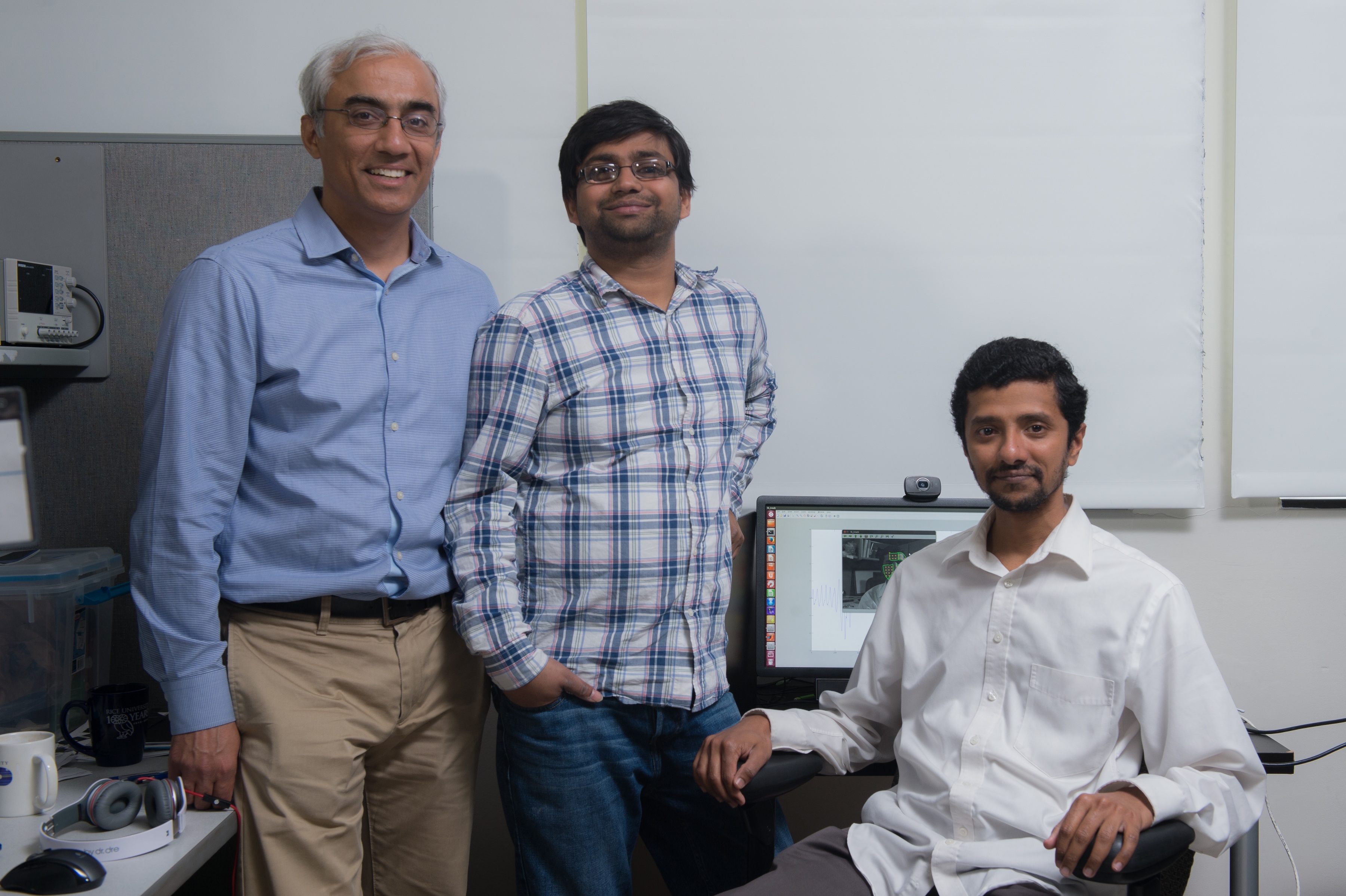
    The Indian American team of Rice graduate student Mayank Kumar and professors Ashok Veeraraghavan and Ashutosh Sabharwal created the touch free video imaging system that will let doctors diagnose patients from a distance with special attention paid to those in low-resource settings.

    The System uses a video camera to monitor the vital signs of patients just by looking at their faces – Innovating system isn’t it.

    The DistancePPG was the result of research from Rice University’s Scalable Health Initiative. It is designed to measure a patient’s pulse and breathing by analysing the changes in skin colour over time.

    Kumar, the project’s lead graduate researcher, said DistancePPG will be particularly helpful to monitor premature infants for whom blood pressure cuffs or wired probes can pose a threat. ‘This story began in 2013 when we visited Texas Children’s Hospital to talk to doctors and get ideas,’ Kumar said.

    ‘Our key finding was that the strength of the skin-colour change signal is different in different regions of the face, so we developed a weighted-averaging algorithm,’ Kumar said. ‘It improved the accuracy of derived vital signs, rapidly expanding the scope, viability, reach and utility of camera-based vital-sign monitoring.’

  • Indian American Scientist Finds New Way for Kidney Diagnosis

    Indian American Scientist Finds New Way for Kidney Diagnosis

    WASHINGTON, UNITED STATES:  In a major success, an Indian-American scientist and his colleague have identified a new, less-invasive method to provide diagnostic information on kidney disease and its severity.

    They used an optical probe and Raman spectroscopy to differentiate between healthy and diseased kidneys.

    “There are some molecules that must be responsible for these different Raman signals, but we don’t need to know what those molecules may be,” said Chandra Mohan, professor at University of Houston in the US.
    “As long as there’s a difference in the signal, that’s good enough — you can easily differentiate between a diseased kidney’s Raman signal and a healthy kidney’s Raman signal,” Mr Mohan said.

    Apart from the potential side effects, the number of renal biopsies a patient can undergo is limited because of damage to the kidney tissue.

    For the study, Mr Mohan and his colleague Wei-Chuan Shih, assistant professor of electrical and computer engineering, relied upon the fact that a healthy kidney and a diseased kidney produce different Raman signals.

    “Raman spectroscopy provides molecular fingerprints that enable non-invasive or minimal invasive and label-free detection for the quantification of subtle molecular changes,” Mohan and Shih said.

    “By adapting multivariate analysis to Raman spectroscopy, we have successfully differentiated between the diseased and the non-diseased with up to 100 percent accuracy, and among the severely diseased, the mildly diseased and the healthy with up to 98 percent accuracy,” concluded Mohan and Shih.

    The study was outlined in the Journal of Biophotonics.

  • Bobby Jindal slams Republican presidential opponent

    Bobby Jindal slams Republican presidential opponent

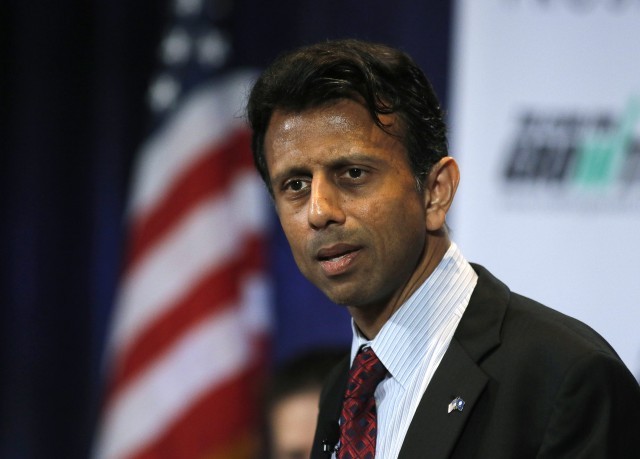
    WASHINGTON (TIP): Moving closer to a formal announcement of his US presidential bid, Indian-American Bobby Jindal has slammed his fellow Republican and presidential aspirant Rand Paul for being “unsuited to be the commander in chief.”

    In an unusually harsh language, the 43-year-old Louisiana Governor slammed Senator Paul as being
    “unsuited to be the commander in chief” after Paul in a TV interview said that “ISIS grew stronger because of the hawks” in the Republican party.

    “This is a perfect example of why Senator Paul is unsuited to be Commander-in-Chief,” said Jindal, who earlier this month formed an exploratory committee for his presidential bid.

    “We have men and women in the military who are in the field trying to fight ISIS right now, and Senator Paul is taking the weakest, most liberal Democrat position,” he said.

    Jindal, who is expected to join the GOP fray next month, said: “It’s one thing for Senator Paul to take an outlandish position as a Senator at Washington cocktail parties, but being Commander-in-Chief is an entirely different job.”

    “We should all be clear that evil and Radical Islam are at fault for the rise of ISIS, and people like President Obama and Hillary Clinton exacerbate it,” he said.

    “American weakness, not American strength, emboldens our enemies. Senator Paul’s illogical argument clouds a situation that should provide pure moral clarity. Islam has a problem. ISIS is its current manifestation,” he said.

    Jindal said that the next US President’s job is to have the “discipline and strength” to wipe out ISIS. “It has become impossible to imagine a President Paul defeating radical Islam and it’s time for the rest of us to say it.”

    Paul’s campaign fought back immediately, with Paul’s senior adviser Doug Stafford calling Jindal’s attack
    “ironic.”

    “It’s ironic Governor Jindal would level such a charge when he flip-flops on crucial issues like common core and national security, and he has cratered his own state’s economy and budget,” said Stafford.

    Jindal previously supported the federal Common Core educational standards, but has since become the anti-Common Core movement’s most vocal advocate.

    Jindal is a former congressman who started his career in public service as Louisiana’s health secretary. The war of words between Jindal and Paul has been widely reported in the US media on Wednesday.

  • More taxes for UK businesses with foreign labour: Queen

    LONDON (TIP): The British Queen on May 27 announced at the opening of the UK parliament session that businesses that employ foreign labour will have to pay a new visa levy which will be used to fund apprenticeship schemes for British workers.

    The scheme will not be rolled out right away.

    The Queen said that a consultation will be carried out first on the possibility of funding apprenticeship schemes for British and EU workers using the funds raised through the new visa levy.

    The Queen also announced plans to set up a new enforcement agency that would crack down on businesses employing illegal immigrants or smuggling people into Britain with the promise of work.

    She said, “It is not right that unscrupulous employers can exploit workers, luring them here with the promise of a better life.”

    A new single agency will have the scale and powers to stop this, she said.

    Britain has already started charging Indians for health care which was free till now. Indian students coming into UK now to study are paying an additional “health surcharge” over their visa fees.

    According to the new rule, from April 6, nationals from outside of the European Economic Area (EEA) coming to live in the UK for longer than six months will be required to pay the ‘health surcharge’ in order to gain access to the UK’s National Health Service (NHS).

    Indians have to pa an additional £200 per year (Rs 19,000) as health surcharge. But students have to pay £150 per at the time of applying for their visa. Visa applicants will need to pay up-front for the total period of their UK visa.

    Till April 6, non-EEA nationals coming to work, study or join family members received free medical treatment under NHS in the same way as a permanent resident.

    The Queen said the new immigration bill will also require all foreign offenders released on bail to be tagged, “So we always know exactly where they are. This will prevent absconding and increase the number of criminals deported”.

    British Prime Minister David Cameron recently made it mandatory for all banks in Britain to check their bank accounts against databases to confirm that their clients are not n UK illegally. This was reiterated by the Queen on Wednesday.

    It is also being made mandatory for landlords to check whether their tenants are here legally.

    Earlier, the UK had floated the idea of controversial plan to impose a £3,000 immigration bond on visitors from “high-risk” countries like India. The fee would have been over and above the existing visa costs. The bond was a part of the government’s intention to reduce the number of immigrants to less than 100,000 per year. An applicant would have to forfeit the amount unless they left when required.

    Outrage from India – the third largest investor in the UK-made Britain drop the idea.

  • Coalition strikes, fighting kill 40 rebels in Yemen’s Aden

    ADEN (TIP): Saudi-led coalition strikes against Iran-backed Shiite rebels in Yemen’s second city Aden today and ground clashes killed at least 40 Huthis and their allies, the city’s deputy governor said.

    Residents reported non-stop air raids on rebel positions across the city amid heavy fighting.

    The coalition air campaign against the rebels and allied forces loyal to former leader Ali Abdullah Saleh began on March 26 in an effort to restore UN-backed President Abedrabbo Mansour Hadi to power.

    “Coalition forces carried out qualitative and successful operations against the rebels after coordination between the coalition leadership and the Popular Resistance Council leadership” on the ground in Aden, the southern city’s deputy governor Naef al-Bakri told AFP.

    Anti-rebel forces — pro-government fighters, Sunni tribes, and southern separatists — are referred to as Popular Resistance Committees.

    Bakri did not give details on the operations but said warplanes destroyed a number of rebel vehicles and hit checkpoints in Aden’s north and northeast, adding that Popular Resistance fighters were also “provided with qualitative weapons”.

    “At least 40 rebels were killed and dozens were wounded” in air strikes and fighting, he said.

    A military source close to the Huthis confirmed to AFP that they had sustained “heavy losses”.

    Aden health chief Al-Kheder Lassouar said at least 19 civilians and anti-rebel fighters have been killed in two days of fighting there.

    Meanwhile in the capital, coalition jets hit a rebel-held air base and an arms depot on the Fajj Attan hill overlooking Sanaa. Similar strikes on Fajj Attan last month set off a chain of explosions that killed 38 civilians.

    Amnesty International warned today that “scores of casualties in Sanaa have been caused by anti-aircraft munitions shot by the Huthi armed group which detonated after landing in populated areas, killing and maiming civilians”.

    The London-based rights group’s senior crisis adviser Lama Fakih said both the coalition and the rebels “have failed to take the necessary precautions to protect civilian lives in violation of the laws of war. Instead they have carried out attacks that have had devastating consequences for the civilian population.”

    Amnesty urged the Arab coalition states “to take all feasible precautions to minimise the risks posed to civilians, as required by international humanitarian law.

    “The Huthi armed group should also move its military positions away from populated civilian areas where feasible,” the watchdog said.

  • DESIGNING HOME THE FENG SHUI WAY

    DESIGNING HOME THE FENG SHUI WAY

    When it comes to locating plots, buildings, orienting homes, placing decor and even planning gardens the first thing which would come to our mind is unhindered flow of energy and a feel good factor.

    This is quite possible when we plan our home keeping in mind some important tenets of Feng Shui in terms of decor, alignment and design. The adaptation could extend beyond the framework of building design as it can be used to enhance the interiors, furnishing , decor and other aspects of the deisgn elements in a space.

    A simple approach to Feng Shui would be in terms of providing the right plot levels, set backs, proper layout and allocation of rooms. How do we go about this? The basic understanding to allocate rooms in the right sectors is a step after getting to know the interpretation of the magnetic fields and compass directions. Presuming that one has got to know the axis of the plot and located the cardinal magnetic directions, it becomes a lot easier to design a home as per Feng Shui tenets.

    Some of the very generic rules in Feng Shui home design are:-

    Main door

    The main door should be the largest door in the home and the door should not open into a kitchen area. Moreover the position of the main door is critical and would vary depending upon the direction and axis of the plot, however doors right on the cardinal directions are considered bad positioning.

    Kitchen

    What we eat, where we eat and how we eat are all part of the science of health and vitality; hence kitchen location is vital to the overall harmony of the home. Kitchen as many elements which operate in tandem or could be conflicting like water, fire (stove /electricity), metal (utensils) etc. In addition locating the stove and sink is of great importance so having the water body away from the fire is quite important.

    Master bedroom

    This is one of the most important rooms in a home. It is said that deep sleep is when we reunite with the source, hence if we sleep deeply we awaken refreshed ready for the new day. Quality of sleep is far more important than the length of time. Certain locations are more conducive to peaceful sleep than others. Using wooden bed/cot is preferred as wood is benign and warm as against metal beds, which are cold and oppressive, and metal is said to be associated with the planet Saturn.

    DESIGNING HOME THE FENG SHUI imageLiving room

    This room is the sanctuary for relaxation. Feng Shui treatises says that the centre portion or the ‘tai chi’ of the house is not conducive for major activities as it receives least amount of cosmic energy, hence it is beneficial if a major portion of the living room occupies the central zone of the building. Remember to orient your sofas and heavy furniture’s such that they occupy the south and west sectors of the room and avoid furniture or blockages at the northeast sector of the room which is the knowledge sector.

    Toilets

    In the earlier days the toilets were away from the main house and later they were made ‘en-suite’ or attached. Toilets should not be too close to kitchen as the food energy and toilet energies are incompatible.

    Feng Shui reminds us of the basic relationship between earth, man and cosmos. By adapting these principles our lives, we can create a healthy environment with harmonious living and working environment.

  • HEALTH RISKS OF SLEEPING TOO MUCH

    HEALTH RISKS OF SLEEPING TOO MUCH

    it’s a little hard to believe there’s such a thing as sleeping too much, since so many of us feel like it’s a struggle to get barely enough. But it’s true – you can sleep too much.

    While it’s tough to pinpoint the
    ‘just right’ amount, most adults need between seven and nine hours a night. Regularly logging more than nine hours of sleep a night may be a sign of an underlying medical condition, but it also puts you at risk for a whole host of health concerns. Here are some of the biggest risks of too much sleep.

    Raise depression risk

    In a 2014 study of adult twins, researchers found that long sleep duration increased a person’s risk of depression symptoms. The study participants, who slept between seven and nine hours a night, had a 27%heritability of depressive symptoms, while those who slept nine hours or more had a 49% heritability. It could impair the brain A 2012 study found that among elderly women, sleeping too much (or too little) worsened the brain’s functioning over a six-year period. Women who slept more than nine hours each night (or fewer than five) displayed changes in their brains on par with aging two years, it was reported at the time.

    Might make it harder to get pregnant

    In 2013, a Korea research team analysed the sleep habits of more than 650 women undergoing in vitro fertilisation. They found that pregnancy rates were highest among the women who got seven to eight hours of sleep a night and lowest in women who got nine to 11 hours. The findings, however, did not establish a clear causal relationship. “We know that sleep habits can certainly alter circadian rhythms, hormone secretions and menstrual cycles,” said Dr Evan Rosenbluth, a reproductive endocrinologist, adding, “But the effect on infertility is a little harder to tease out, because there are so many details that are hard to control.” Sleeping too much can substantially increase diabetes risk In a study, researchers found that people who slept more than eight hours a night were twice as likely to develop type 2 diabetes or impaired glucose tolerance over a six-year period, than people who slept between seven or eight hours a night, even after controlling for differences in body mass.

    It can lead to weight gain

    The same researchers also looked at body weight gain among adults over a six-year period. They found that short and long sleepers gained more weight over the six years than people who slept seven to eight hours a night. People who slept nine to 10 hours each night were 25% more likely to have gained five kilos over the study period, even after controlling for food intake and physical activity. “Hence, these results emphasise the need to add sleep duration to the panel of determinants that contribute to weight gain and obesity,” the authors wrote in the study.

    Can hurt your heart

    In research presented at a 2012 American College of Cardiology meeting, sleeping eight or more hours a night was linked to an increased risk of heart problems. The researchers analysed data from over 3,000 people and found that long sleepers had two times the risk of angina and 1.1-times the risk of coronary artery disease.

    May lead to an earlier death

    In a 2010 review of 16 different studies, researchers found an increased risk of dying – of any cause – among both short and long sleepers. Sleeping more than eight hours a night was associated with a 1.3-times greater risk of death among the 1,382,999 various study participants.

  • New contraceptive pills may increase clot risks

    New contraceptive pills may increase clot risks

    Scientists have found new evidence to prove that contraceptive pills these days could increase risk of clot formation in women.

    The results show that pills containing one of the newer types of progestogen hormone (drospirenone, desogestrel, gestodene, and cyproterone) are associated with an increased risk of VTE than pills containing older progestogens (levonorgestrel and norethisterone). The University of Nottingham researchers said that this was “an important clarifying study” that “has sufficient power to provide reliable comparative findings for different formulations of combined oral contraceptives.”

    The researchers, led by research fellow Yana Vinogradova, used prescription data from two large UK general practice databases to measure the associations between use of combined oral contraceptives and risk of VTE in women aged 15-49 years, adjusting for other known risk factors.

    Compared with women not using oral contraceptives, women using older pills, containing levonorgestrel, norethisterone, and norgestimate, had about two and a half times increased risk of VTE. Women using newer pills, containing drospirenone, desogestrel, gestodene, and cyproterone, had around a four times increased risk of VTE. Risks for women using newer pills were around 1.5-1.8 times higher than for women using older pills.

    The authors stressed that oral contraceptives have been remarkably safe, and point out that the reported three times increased risk of VTE in women using oral contraceptives in their study was still lower than the up to 10-fold increased risk of VTE in pregnant women. They say women on combined contraceptive drugs “should not stop using them, but should consult their doctor and review their current type of pill at their next appointment if there are any concerns.”

    This is an observational study, and therefore, no definitive conclusions can be drawn about cause and effect.

  • SIGNS OF HEART ATTACK WOMEN SHOULD KNOW

    Studies show heart attacks and heart disease are under-diagnosed in women, as their symptoms do not match that of men. To prevent a heart attack from sneaking up on you, watch for these seven little-known signs of heart attack:

    Fatigue

    More than 70 per cent of women reported extreme fatigue in the months prior to their heart attacks. This was an overwhelming fatigue that sidelined them from their usual schedules for a few days at a time.

    Insomnia

    Despite their fatigue, women who’ve had heart attacks remember experiencing unexplained inability to fall asleep during the month before their heart attacks.

    Anxiety and stress

    Stress has long been known to up the risk of heart attack. But what women report is the emotional experience; before their heart attacks they felt anxious and stressed, more than usual.

    Indigestion or nausea

    Stomach pain, intestinal cramps, nausea, and digestive disruptions are other signs reported by women heart attack patients.

    Shortness of breath

    Women couldn’t catch their breath while walking up the stairs or doing other daily tasks.

    Flu-like symptoms

    Clammy, sweaty skin, along with feeling light-headed and weak, can lead women to wonder if they have flu when, in fact, they’re having a heart attack.

    Jaw, ear, neck, or shoulder pain

    Many women say they felt pain and a sensation of tightness running along their jaw and down the neck, and sometimes up to the ear, as well. The pain may extend down to the shoulder and arm–particularly on the left side–or it may feel like a backache or pulled muscle in the neck and back.

  • The Disconnect Must End

    The Disconnect Must End

    cwtype-EditorialThere are around 350 ethnic and community newspapers in scores of languages which reach out to millions of immigrants living in New York City. The City school system claims that 182 languages are spoken in the City schools. The ethnic and community media reaches out to 37% population of New York which has an immigrant population of 1.4 to 1.8 million. They have little or no English. The only source of information for them is their language newspaper. They depend on ethnic and community newspapers to get to know of what is happening here and “back home”. It is these newspapers which carry to these millions the policies and programs of New York City and the multiple administration agencies and keep them informed on various political, social, economic and cultural issues. Exercising great influence over the minds of their readers, they help them form healthy opinions. Thus, the City administration and its numerous agencies are greatly benefited from ethnic and community newspapers which have a wide reach among populations to whom the mainstream newspapers mean nothing, as they do not understand the language.

    The ethnic newspapers are happy to play the role of bridge builders between the mainstream and the diverse communities. With meager resources, out of a passionate desire and commitment for the welfare of the communities and the administration, publishers of these newspapers strive to reach out to the ethnic stock, on the one hand, and the mainstream, on the other, serving as a bridge between the two. Establishing this linkage is absolutely necessary for the health and strength of a society.

    The ethnic and community papers have been playing their part, in all fairness. But has the City administration ever tried to give them back for their work and services? One would say, without hesitation, “NO”. The City spent in 2013, $18 million on advertisements and 82% of it went to mainstream media, numbering just a few. Imagine, 350 small ethnic and community publications got a meager 18%. Here is the disconnect. It must end.

    We only want the City administration to understand that there has to be a fair distribution of the available resources with it. The ethnic publications should not be deprived of a fair share just because they are small or because they are not organized as a trade group. Each of these small papers is making a singular contribution to the growth and strength of the City. Let the City under a fair minded and liberal Mayor end this discrimination and the disconnect. The sooner, the better.

  • Dark Money in Politics

    Dark Money in Politics

    [quote_box_center] “I’ve covered corrupt regimes all over the world, and I find it ineffably sad to come home and behold institutionalized sleaze in the United States”, says the author.[/quote_box_center]

    I’ve admired the Clintons’ foundation for years for its fine work on AIDS and global poverty, and I’ve moderated many panels at the annual Clinton Global Initiative. Yet with each revelation of failed disclosures or the appearance of a conflict of interest from speaking fees of $500,000 for the former president, I have wondered: What were they thinking?


    But the problem is not precisely the Clintons. It’s our entire disgraceful money-based political system. Look around:


    • Gov. Chris Christie of New Jersey accepted flights and playoff tickets from the Dallas Cowboys owner, Jerry Jones, who has business interests Christie can affect.


    • Senator Marco Rubio of Florida has received financial assistance from a billionaire, Norman Braman, and has channeled public money to Braman’s causes.


    • Jeb Bush likely has delayed his formal candidacy because then he would have to stop coordinating with his “super PAC” and raising money for it. He is breaching at least the spirit of the law.


    “For meaningful change to arrive, ‘voters need to reach a point of revulsion.’ Hey, folks, that time has come.”


    When problems are this widespread, the problem is not crooked individuals but perverse incentives from a rotten structure.


    “There is a systemic corruption here,” says Sheila Krumholz of the Center for Responsive Politics, which tracks campaign money. “It’s kind of baked in.”


    Most politicians are good people. Then they discover that money is the only fuel that makes the system work and sometimes step into the bog themselves.


    Money isn’t a new problem, of course. John F. Kennedy was accused of using his father’s wealth to buy elections. In response, he joked that he had received the following telegram from his dad: “Don’t buy another vote. I won’t pay for a landslide!”


    Yet Robert Reich, Bill Clinton’s labor secretary and now chairman of the national governing board of Common Cause, a nonpartisan watchdog group, notes that inequality has hugely exacerbated the problem. Billionaires adopt presidential candidates as if they were prize racehorses. Yet for them, it’s only a hobby expense.


    For example, Sheldon and Miriam Adelson donated $92 million to super PACs in the 2012 election cycle; as a share of their net worth, that was equivalent to $300 from the median American family. So a multibillionaire can influence a national election for the same sacrifice an average family bears in, say, a weekend driving getaway.


    Money doesn’t always succeed, of course, and billionaires often end up wasting money on campaigns. According to The San Jose Mercury News, Meg Whitman spent $43 per vote in her failed campaign for governor of California in 2010, mostly from her own pocket. But Michael Bloomberg won his 2009 re-election campaign for mayor of New York City after, according to the New York Daily News, spending $185 of his own money per vote.


    The real bargain is lobbying — and that’s why corporations spend 13 times as much lobbying as they do contributing to campaigns, by the calculations of Lee Drutman, author of a recent book on lobbying.


    The health care industry hires about five times as many lobbyists as there are members of Congress. That’s a shrewd investment. Drug company lobbyists have prevented Medicare from getting bulk discounts, amounting to perhaps $50 billion a year in extra profits for the sector.


    Likewise, lobbying has carved out the egregious carried interest tax loophole, allowing many financiers to pay vastly reduced tax rates. In that respect, money in politics both reflects inequality and amplifies it.


    Lobbyists exert influence because they bring a potent combination of expertise and money to the game. They gain access, offer a well-informed take on obscure issues — and, for a member of Congress, you think twice before biting the hand that feeds you.


    The Supreme Court is partly to blame for the present money game, for its misguided rulings that struck down limits in campaign spending by corporations and unions and the overall political donation cap for individuals.


    Still, President Obama could take one step that would help: an executive order requiring federal contractors to disclose all political contributions.


    “President Obama could bring the dark money into the sunlight in time for the 2016 election,” notes Michael Waldman of the Brennan Center for Justice at the New York University School of Law. “It’s the single most tangible thing anyone could do to expose the dark money that is now polluting politics.”


    I’ve covered corrupt regimes all over the world, and I find it ineffably sad to come home and behold institutionalized sleaze in the United States.


    Reich told me that for meaningful change to arrive, “voters need to reach a point of revulsion.” Hey, folks, that time has come.

    (NY Times May 28, 2015)

  • The text and context of yoga

    The text and context of yoga

    [quote_box_center]“It will be worthwhile putting asanas in the context of the complete discipline of yoga – Patanjali’s ashtanga yoga or eight-limbed system as expounded in only 196 pithy sutras in his treatise titled Yoga Darshan. The eight parts are: Yama, Niyama, Asana, Pranayama, Pratyhara, Dharana, Dhyan and Samadhi. Yama (like nonviolence and truthfulness) and Niyama (like purity and contentment) are don’ts and do’s which are commandments universal in nature and common with ethical practices of world religions”.[/quote_box_center]

    YogaThe practice of yoga – even if it is only asanas or postures as is ubiquitous today – can serve as a window to the holistic and perennial philosophy of India. Frankly, the term ‘Indian philosophy’ is a misnomer. The Sanskrit equivalent is ‘Darshan’, which denotes seeing, witnessing, experiential learning. The font of Indian philosophy are, of course, the Vedas, which are considered ‘apaurashya’, meaning they are not what somebody wrote down, but a record of what our rishis (literally, seers) experienced in their consciousness. The truths and knowledge dawned in their consciousness after preparatory practices and tapas.

    Yoga is one of the six systems of Indian philosophy (Shat Darshan) that take their authority from the Vedas. These are Nyaya, Vaisheshik, Samkhya, Yoga, Purva Mimansa and Uttar Mimansa (Vedanta). There is enough play given to logic (as in Nyaya), or theoretical exposition of consciousness (as in Samkhya). But in time, Yoga and Vedanta have emerged as the cornerstone of Vedic religion, full flowering of the long-standing Indian tradition: Vedanta reaching the highest and noblest understanding of the ultimate reality as pure consciousness that underlies all creation animate and inanimate; and yoga offering practical and time-tested ways and means – asanas, pranayama and meditation – to experience that pure consciousness first hand. This is also considered the royal spiritual path- Raja Yoga.

    True, most of us, caught up in our mundane lives and struggles, are not worried overmuch about esoteric subjects like the ultimate reality, or pure consciousness. Yet we all wish for health and happiness. That is where yoga appeals. Once you attend a yoga class, you notice right away how it goes beyond mere physical exercise. The structured set of asanas also relaxes the body and mind, creating equanimity. The health and other benefits of yoga are well-known (we will review them in another article in this series) and the reason the western world has cottoned on to this Indian import.

    But, it will be worthwhile putting asanas in the context of the complete discipline of yoga – Patanjali’s ashtanga yoga or eight-limbed system as expounded in only 196 pithy sutras in his treatise titled Yoga Darshan. The eight parts are: Yama, Niyama, Asana, Pranayama, Pratyhara, Dharana, Dhyan and Samadhi. Yama (like nonviolence and truthfulness) and Niyama (like purity and contentment) are don’ts and do’s which are commandments universal in nature and common with ethical practices of world religions. They are suggested but not a pre-requisite to starting the practice of asanas and meditation. In fact, the system of yoga is as secular as you can get. You are not asked to worship any Hindu deity or sacred book, or have belief in God or a supreme power. Yoga can even claim to be scientific. As in any science experiment, if you practise yogic techniques properly and regularly, results are bound to accrue precisely like in H2+O making water. Asanas are physical postures. Pranayama is breathing practices. Pratyhara is withdrawal of the senses from sense objects. Dharana is concentration and cultivating inner perceptual awareness.

    Besides devising the elaborate sets of asanas and breathing techniques, what tells Vedic religion and yoga apart from Occidental religions is in the enormous R&D in meditation or Dhyan, the seventh limb of yoga. Numerous practices, varying in complexity and degree of difficulty, have come down to us, thanks mainly to the guru-shishya parampara and the oral tradition. They are better learnt from a teacher; some are easily accessible like Transcendental Meditation or TM as taught by Maharishi Mahesh Yogi of the Beatles fame. Buddhism too digged deep into states of mind and developed meditation practices such as Vipassana as popularized by S.N. Goenka from Igatpuri in Maharashtra, and mindfulness, which has caught on lately in certain medical and corporate circles in America. Jains rediscovered Preksha Dhyan a couple of decades ago at the behest of Acharya Tulsi.

    Samadhi is the meditative absorption attained by the practice of dhyāna. The mind becomes still. There are no thoughts; only consciousness, not of anything outside but of itself. That is why it is called pure or transcendental consciousness. Regular experience of this mystical state leads to it stabilizing outside the meditation sitting too. As Guru Nanak said in Japji sahib, ‘Naam khumari Nanka charhi rahe din raat’ – a permanent state of bliss and beatitude. Patanjali Yoga aims for Kaivalya or liberation. Buddhism targets Nirvana. Enlightenment and cosmic consciousness are terms used by others for the final fruit of a spiritual life.

    So, let a thousand yoga studios and classes bloom. Nobody can take away from the fact that yoga originated in India. At the same time, no faith or system can claim a copyright over the mystical states which are potentially accessible to and a birthright of every human on this earth.

  • How to keep your Liver Healthy

    The liver is the biggest organ in the human body and has a host of functions. Not only does it play a big role in the digestion process and maintains blood sugar levels but also helps fight against infection. Needless to say, it is imperative to ensure that your liver stays healthy . Here’s what you need to do… Your liver is in charge of removing toxins. So when you subject your body to excess alcohol or substance abuse, you liver has to work much harder to flush them out of your system.

    Cut back on your consumption of harmful products if you want your liver to stay healthy. If you binge drink, let your liver recover naturally by abstaining from alcohol for at least two days. Strange as it may sound, exercising also helps keep the liver healthy. A certain type of liver disease known as Non- Alcoholic Fatty Liver Disease (NAFLD) occurs when there is fat build up in the liver. This can cause serious damage to your liver. And experts suggest exercising as one of the most effective ways of avoiding this disease.

    DETOX FOODS FOR A HEALTHY LIVER 

    Be generous with your garlic when you’re cooking. Studies say that garlic helps your liver mobilise enzymes that remove toxins from your body. It also has a high amount of natural compounds like seleni um and allicin, which clean the liver. Flush out toxins by having green tea, which contains antioxidants called catechins, known to improve liver functioning. Lettuce and spinach nullify the effect of chemicals and pesticides that make their way in what we eat and protect the liver.

    Beetroot is an excellent way to detoxify your liver. When you eat avocados, your body produces an antioxidant known as glutathione, which keeps out harmful substances. Walnuts contain glu tathione and omega-3 fatty acids, which sup port the liver in removing toxins.

  • SKIPPING MEALS CAN INCREASE BELLY FAT

    SKIPPING MEALS CAN INCREASE BELLY FAT

    If you are dieting with a size zero figure in mind, think again!Researchers have found that skipping meals can ultimately result in abdominal weight gain.

    “This does support the notion that small meals throughout the day can be helpful for weight loss, though that may not be practical for many people,” said senior author of the study Martha Belury, professor of human nutrition at The Ohio State University in the US.

    “But you definitely do not want to skip meals to save calories because it sets your body up for larger fluctuations in insulin and glucose and could be setting you up for more fat gain instead of fat loss,” Belury explained.

    In the study, mice that ate all of their food as a single meal and fasted the rest of the day developed insulin resistance in their livers.

    When the liver does not respond to insulin signals telling it to stop producing glucose, that extra sugar in the blood is stored as fat.

    These mice initially were put on a restricted diet and lost weight compared to controls that had unlimited access to food.

    The restricted-diet mice regained weight as calories were added back into their diets and nearly caught up to controls by the study’s end.

    But fat around their middles – the equivalent to human belly fat – weighed more in the restricted-diet mice than in mice that were free to nibble all day long.

    An excess of that kind of fat is associated with insulin resistance and risk for Type-2 diabetes and heart disease

  • DAIRY DIET BEFORE EXERCISE REDUCES RISK OF BONE BREAKS: STUDY

    DAIRY DIET BEFORE EXERCISE REDUCES RISK OF BONE BREAKS: STUDY

    A pre-exercise dairy diet may reduce the risk of bone breaks, according to the Australian Institute of Sport (AIS).

    The Australian Broadcasting Corporation (ABC) reported on Tuesday the AIS had found a dairy-rich meal around two hours before exercise could counter calcium lost during exercise.

    Athletes in low-impact sports, such as cycling, rowing and swimming, lose calcium through sweating which can weaken the bones and lead to osteoporosis later in life.

    Head of sports nutrition at the AIS, Louise Burke, said the research backed by Dairy Australia showed the body, when seeking calcium for blood sweat, used the digesting food rather than bones, Xinhua news agency reported.

    “It stops your bones from having to dissolve a little bit, to put the calcium back into the blood stream, as to being lost from the blood sweat,” said Burke.

    “Your body is doing that to keep blood calcium levels stable.”

    “So any time it feels that a little bit is going down, it has to rush to the nearest available calcium source to get it back into the blood stream.”

    High-impact exercise like running stimulates bone growth and the opposite is true for low-impact exercise, where the lack of weight bearing activity leads to low bone mineral density.

    The AIS suggested athletes consume three standard dairy serves before exercise.

    “In one case, we have had the team chef create some breakfast recipes including cheese omelettes, bircher muesli and smoothies with milk and yoghurt to help athletes meet this target,” Burke said.

    Burke said weekend cyclists could benefit by considering what to drink after their morning rides.

    “All cyclists could think about their choice of pre-ride breakfast or, when they stop at a cafe on a weekend ride, consider ordering a latte or hot chocolate rather than a short black.”

  • EYECARE with Dr. Raju

    EYECARE with Dr. Raju

    As our humble effort at providing our readers tips on healthcare, we are starting a new series-HEALTHCARE- with one of the most vital organs of human body-the EYE.

    Internationally known eye surgeon Dr. V. K. Raju who is based in West Virginia, USA, has very kindly agreed to contribute to the column.

    Dr. Raju is passionately committed to help world keep vision and has been holding eye camps in India to provide the much needed eye care. He has made a valuable contribution to preventing blindness and restoring vision among children in India.

    Readers may send in questions for Dr. Raju to editor@theindianpanorama.news and both the questions and Dr. Raju’s answers will be published in The Indian Panorama.

    We begin the series with one of the leading causes of blindness- GLAUCOMA.

    Glaucoma

    Glaucoma is one of the leading causes of blindness in the United States and in the World. It is a disease of the optic nerve, which is the part of the eye that carries the images we see from the eye to the brain. Glaucoma can damage nerve fibers, causing blind spots in our vision.

    Glaucoma affects the pressure inside the eye, or intraocular pressure (IOP). Aqueous humor is a clear liquid that normally flows in and out of the eye. When this liquid cannot drain properly, pressure builds up in the eye. The resulting increase in IOP can damage the optic nerve.

    The most important risk factors for glaucoma include:


    Age; Family History of glaucoma; Diabetes; Past eye injuries.

    The only sure way to detect glaucoma is with a complete eye examination. Symptoms of glaucoma are not noticeable until much damage has already occurred. Early diagnosis and treatment is the key to preventing blindness.

    Your ophthalmologist can determine if you have glaucoma after examining the pressure in your eye, your optic nerve, and your peripheral (side) vision.

    Early diagnosis and treatment can prevent blindness.

    (Adopted from American Academy of Ophthalmology -Eye MD Association.)

  • WHAT YOUR BODY DOES WHEN YOU ARE ASLEEP?

    Not many of us are aware of how our body functions in sleep mode. We suggest a few interesting facts.

    Your body temperature goes down 

    Since you are active all through the day, your body burns calories. So, when you are sleeping, your body goes into a hibernation mode, wherein the temperature of your body goes down.

    Your body releases toxins 

    Well, one of the most interesting facts is that your body releases toxins while you are sleeping as well. This happens because your mind and body is at rest and thus gets rejuvenated at this time.

    Body’s immune system is at a high 

    Even when you are sleeping, your body’s immune system is functioning. It protects you against cold and flu or fever. It is said that only when you are chronically sleep deprived, you are susceptible to getting infected.

  • THE BEST OIL FOR YOUR BODY

    THE BEST OIL FOR YOUR BODY

    Arelaxing massage also gives body’s immune system a boost, say experts.

    Our ancient medicine and sciences hold the most spellbinding rejuvenation therapies. The magical healing properties of herbs and oils in Ayurveda, in fact, always told what research worth millions now only confirms – the oh-so-heavenly massage actually boosts your immune system.

    Researchers in Cedars-Sinai’s Department of Psychiatry and Behavioural Neurosciences have found that people who go for massage experience measureable changes in their body’s immune and endocrine response.

    Yes, this research indicates that massage doesn’t only feel good, it also may be good for your overall well-being. The study found that people who got a massage experienced significant changes in lymphocyte numbers and percentages white blood cells that play a large role in defending the body from disease.

    It also caused a large decrease in Arginine Vasopressin (AVP) a hormone believed to play a role in aggressive behavior. It also indicated a decrease in levels of the stress hormone cortisol.

    Though preliminary, so encouraging are the results that researchers suggest that a single massage may deliver a measurable benefit.Dr Meghna Dixit, who practices Ayurvedic medicine explains the basis of these conclusions, “A massage helps in the lymphatic drainage. It leads the toxins and the waste products from the blood and the serum from the lumph nodes to the kidney and through it throws it out of the body. Thus the blood and the body overall is purified.”

    She says it also increases the basic metabolism rate, and activates the cells to perform the best, and thus give a boost to one’s immunity.

    Physiotherapist Dr Aijaz Ashai, who specializes in sports physiotherapy, says a massage has a two-fold benefit, “It relives both mental and physical stress.” He explains how muscular tension is relieved. “A nice rub facilitates the release of lactic acid accumulation, but,” he cautions, “It’s very important to differentiate between stiffness from lactic acid accumulation and spasmodic condition.” In the later, rest is need, he says.

    According to Dr Dixit, when a complete body massage isn’t possible, one should at least massage the feet, leg and the back. “Chandan bala lakshadi tel can do wonders for cough, cold and asthma attacks and boost one’s immunity,” she says. And for those who are regular with massages, sesame oil is good, she says. However, it may be interesting to note that city neurologists do not endorse a similar opinion on the benefits of a massage. Though Dr Mayank Pandya says that a massage raises the level of endomorphin, it can’t be attributed to healing. “Each case is different, and most of the times, the local relief is due to what we call ‘counter irritation’. For instance when you apply a balm, the relief is due to the burning sensation that takes over and last only that long.”

    More on oil therapy

    To be able to enjoy a massage and reap maximum benefits, the choice of the oil is very important. While at a spa, you are more likely to be treated to a blend of aromatic oils, if you are planning to get yourself the soothing treatment at home, here’s are the options you can pick from:

    Sweet almond oil

    It’s one of the most popular massage oils even among massage therapists. Pale yellow in color, it’s absorbed fairly quickly, thus not making you feel greasy.

    Apricot kernel oil

    Rich in Vitamin E, it is a good alternative to sweet almond oil for people with nut allergies. However, it’s slightly costlier than almond oil.

    Jojoba oil

    Jojoba is actually a wax extracted from the seed of the jojoba plant. It’s a good option for most people prone to back acne because it is thought to have antibacterial properties and contains long chain wax esters that closely resembles skin sebum. One drawback: jojoba oil is so silky and quickly absorbed, you may need to reapply it often or mix it with other oils.

    Fractionated coconut oil

    Although you may think of coconut oil as being a thick, white solid oil, but fractionated coconut oil is actually a light, non-greasy, liquid oil, and completely affordable. But perhaps the top feature of fractionated coconut oil is that it tends not to stain sheets, a problem with most massage oils.

    Sunflower Oil

    The oil, extracted from sunflower seeds, is rich in the essential fatty acid linoleic acid, as well as palmitic acid and stearic acid, all components required for a healthy skin. But sunflower oil can go rancid quickly, so it should be purchased in small quantities and stored in a dark cool area. Squeezing one or two capsules of pure vitamin E oil into the bottle may help to extend the shelf life.

  • CANCER-FIGHTER RICE, GROWN IN BENGAL

    KOLKATA (TIP): Cancer patients may soon have an organic way to fight the dreaded disease. Black rice, a heritage variety of Bengal rice, is known for its high amount of antioxidants that prevent cancer.

    Anupam Paul, Assistant Director of Agriculture, Agriculture Training Centre, Fulia said, “Black rice has a high amount of antioxidants that help in fighting diseases like cancer. It is still in the process of experimentation. Once it is completely proven, we might grow more of this.”

    The source of these antioxidants are yellow pigments, which contain anthocyanins in the hull of the rice. Black rice is different from other organic rice as it has the highest amount of iron and zinc.

    Paul mentioned that most doctors treating cancer patients are not aware of the fact that black rice has minerals that are anti-cancerous. “The lack of marketing has led to this. Had people known about the positive effects, they would have opted for this. We are trying our best to reach out to doctors,” said Paul.

    Nirupam Das, an ex-government employee, said, “I buy only organic rice. I am a diabetic patient and my doctor has recommended organic rice and vegetables to avoid falling prey to kidney malfunction.”

    This is the only form of Japonica rice served in Bengal and it is not just used as a medicine. Black rice also helps diabetics.

    The seeds of black rice are mainly sourced from Manipur and Thailand. Das said he has been harvesting black rice since 2008. The ‘folk rice and seeds festival’, which hosted the organic food forum at Seva Kendra recently, had around 1,000 varieties of rice on display. More than 150 farmers and seed savers from Bengal, Assam, Odisha, UP, Bihar, Chhattisgarh and Jharkhand were part of this festival.

    Permanent counters will soon be set up in Baghbajar Ramakrishna Mission and Ballygunge Bharat Sevashram Sangha, where non-perishable organic items like rice, pulses and their products will be available directly from the farmers.

  • House Democrats to Call for End to Family Detention Program

    House Democrats to Call for End to Family Detention Program

    Washington, DC – Congresswoman Lucille Roybal-Allard and a growing number of other House Democrats, alongside former detainees and legal advocates, will call on the Department of Homeland Security to end its immigrant family detention program in a press conference Thursday, May 21, at 10:00 AM ET.

    The lawmakers, led by Congresswoman Roybal-Allard, Congresswoman Zoe Lofgren  and Congressman Luis V. Gutiérrez, will voice concerns over inhumane conditions and the harmful effects of incarceration on the psychological health and well-being of children and families as they await the adjudication of their cases in immigration court.

    The family detention program, administered by U.S. Immigration and Customs Enforcement, has come under increasing criticism following the recent and rapid increase in detention – particularly for the purpose of detaining vulnerable asylum seekers, families and children.  The U.S. Conference of Catholic Bishops, the New York Times Editorial Board, and Members of Congress have called on the Administration to end its policy of incarcerating children and women, and instead discharge detainees on supervised or monitored release pending the disposition of their case.