Read the latest health news, diet, fitness, medical news and healthcare tips on theindianpanorama.news/health. Get all the healthcare news, including wellness, fitness, diet and weight loss & more.
Why waste money and time on expensive skin care products when you can achieve the same benefits by applying ice on your face?
And the best part is, no matter what the season is, you can always try this facial therapy – even during the rains. It helps minimise open pores, refreshes your skin and makes it glow.
Applying ice is an instant way to give your face a fresh and dewy look without wearing makeup. It improves blood circulation and gives your face a healthy glow. Ice also prevents premature ageing and wrinkles. Ice reduces large pores and minimises the production of excess oil. Tie two cubes of ice in a cloth and massage it on your face every night before you go off to bed. Also, to make your makeup last longer, try rubbing an ice cube on your face before you begin applying your makeup. Place an ice cube on acne and you’ll find a considerable reduction in redness and swelling.
Note: Do not use ice cubes directly. They can cause the delicate capillary under your skin to break. Wrap them in a clean cloth before you use them.
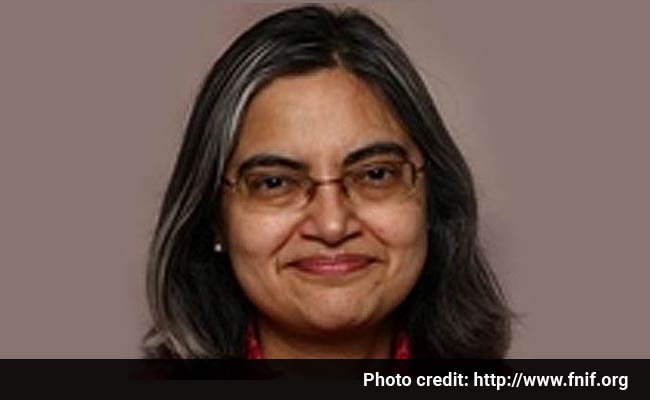
KINGSTON, ON, CANADA (TIP): Biomarkers are an indicator of a biological state or condition, and the discovery could lead to better treatment options in the fight against ovarian cancer, according to a press release from the university.
“Recent successes in harnessing the “Recent successes in harnessing the immune system to combat cancer are evidence for the significant roles of a cancer patient’s immune responses in fighting cancer,” explains Indian American professor Dr. Koti.
“Many of these successes are based on boosting anti-cancer immunity via different therapies. Such therapies would prove to be most effective when coupled with markers predicting a patient’s eventual response to a specific therapy”.
Dr. Koti’s study, conducted on over 200 ovarian cancer patients, utilised a combination of cutting-edge detection technologies for identifying such markers.
A major impact of this discovery is that these novel markers, when used at the time of treatment initiation in the specific type of ovarian cancer patient, will help oncologists make decisions on additional treatment needed in these patients, thus increasing their potential for survival.
Ovarian cancer leads to approximately 152,000 deaths among women worldwide each year, making it a leading cause of gynaecological cancer related deaths in women.
There are a few habits that we sub-consciously indulge in that could badly harm our relationships.
Here’s a rundown…
Nagging
Nobody likes a nagger. In fact it could potentially be toxic for a lot of your relationships. It’s important to let your partner be and not interfere as much. There’s a thin line between being cute and being annoying, know when to draw that line or it can be destructive for your relationship.
Comparing
Learn to appreciate your partner and love him or her for what they are instead of constantly comparing them to every Tom, Dick and Harry. Even if you’re doing it subconsciously in your head- stop. And mentioning it to them is an absolute no-no. Your partner deserves better than that.
Talking about your ex
Nobody would like to feel like they’re constantly being held up for comparison with your previous lovers. A sure way of ruining your own relationship is by continually bringing up your past liaisons. Till your both reach a stage of security, steer clear of this topic.
Bad communication
Only half-listening to your partner and nodding your head for everything without really paying much attention can be detrimental for your relationship in the long run.
Work on your communication and try to really listen and grasp what your partner is talking about to you.
Bringing up the past
Avoid discussing the past. Its important to realize that no matter how much you discuss it or bring it up, it cannot be erased. If you truly want to be with your partner, then make a concerted effort to forget his/her past and move on to newer beginnings.
If you don’t have kids at home or a study table where you can place a pen stand, you can use tin cans as a stand for either some of your toiletries, spoons, forks or ladles in the kitchen. Just cut the top off and wrap the can in a jute cloth or a coloured paper of your choice. Then, write what the can holds on the cloth or paper in order to make it appear customized and valuable.
Dessert container
If you love whipping up mouth-watering cold desserts like chocolate mousse and have guests over often, you could use tin cans as containers for your preparations. If the average tin can is too tall to hold your dessert, just cut each of the cans into half and paint or wrap them with a fabric of your choice. So, when you serve your refrigerator-cold desserts, your guests needn’t struggle to hold the container as the fabric will keep their hands warm while they dig into the dessert.
Speaker set
If you have two tin cans of the same shape and size, turn them into speakers, stands or holders for your portable mini speakers. While turning them into speakers is a laborious process, using them as stands is a lot easier. Just cut the lid of your tin can, paint it in the pattern of your choice and then fit your speakers in. You could even paint them both with a base colour and draw out notes or sound waves to make the speakers look interesting.
Candle mould/stand
If you’re into candle-making, just use old tin cans as both moulds and containers. If you wish to place your candle as is, just line the tin can with a generous amount of oil before you pour the melted wax in. Once the candle is set, flip the can and a smooth or ridged candle will slide out, depending on the pattern inside the can. However, if you wish to gift the candle, you could paint the can in a colour of your choice and tie a satin ribbon around it. Let your candle set.
Walking/Running: They help to relieve stress, improve your heart health, reduce the risk of depression, burn mega calories and improve your overall health. They also help build strong, toned legs. For weight loss, a brisk walk for more than 20 mins has been proven beneficial.
Squats
Squats are a compound, full-body exercise that work more than one muscle group. This powerful exercise helps tone your butt, strengthen your body and burn a lot of calories. To boost your calorie expenditure, you can try to do jump squats. If you’re still a beginner try to hold isometric squats against the wall for some time.
Pushups
Pushups can works wonders for your body. They work muscles in the shoulders, arms and also engage the core. Start with baby push ups with your knees on the floor and once you gain strength you can chose difficult variations.
Lunges
Lunges give amazing results because they isolate every leg individually, helping transform your body. Walking lunges are a great way to shape legs and lose extra flab around the butt and thighs. Later you can start doing it with weights or by alternating it with jumps.
Cycling
Cycling it is a foolproof way to work your legs. It strengthens your legs, arms and back, encourages your heart to work more efficiently and aids in weight loss. Always wear a helmet on the road to ensure safety though. So now you can do these workouts at home and start losing weight.
People who adapt their daily diet can reduce their risk of a heart attack or a stroke by up to a third, shows a new study by King’s College London.
For the study, healthy middle-aged and older men and women were engaged to compare the effects on risk factors for cardiovascular disease (CVD) of following a healthy diet compared to a traditional diet.
The risk of CVD over the next 10 years for the participants was estimated to be about 8 percent in the men and 4 percent in the women.
“We show that adherence to current dietary guidelines which advocate a change in dietary pattern from the traditional British diet (high in saturated fat, salt and sugar, low in fibre, oily fish and fruit and vegetables) would substantially lower that risk,” said Tom Sanders from King’s College London.
In the study that appeared in American Journal of Clinical Nutrition, researchers measured the blood pressure, vascular function and CVD risk factors in 162 healthy non-smoking men and women in a control group.
Those on the modified diet ate oily fish once a week, more fruit and vegetables, replaced refined with wholegrain cereals.
The average body weight in the group who followed the modified diet fell by 1.3 kg while that in the control group rose by 0.6 kg after 12 weeks.
Significant falls in systolic blood pressure/diastolic blood pressure of 4.2/2.5 mm Hg for daytime and 2.9/1.9 mm Hg for night time were measured in the dietary group compared with the control group.
The cholesterol levels also fell by 8 percent.
“Overall, healthy men and women aged 40 and over who adapt their daily diet reduce their risk of heart disease by up to a third,” concluded the study.
Very often, after a heavy meal, we usually pop an antacid to curb that burning sensation in our chest. After a few hours it disappears and we completely forget about it.
But, if these symptoms occur time and again, then you definitely have something to worry about. Commonly called Gastroesophageal Reflux, the condition is characterized by passage of digestive foods and stomach acids up into the esophagus due to a weakened esophageal sphincter. However, there are certain misconceptions and half-truths that act as barriers for the proper cure of this condition.
Here they are…
Milk eases acid reflux
FACT: Although, many people recommend milk for soothing the pain of heartburn, the results are actually quite the opposite. It is true that drinking a glass of milk can temporarily ease a troubled stomach by neutralizing the acids. But, the calcium in milk later triggers the production of more stomach acids thereby adding to the original problem. Furthermore, milk is known to be very difficult to digest and to get rid of it, the stomach has to produce extra acids eventually causing more reflux.
Acid reflux medications should be taken for life
FACT: Contrary to what most medicine manufacturers would like you to believe, it is best to steer clear of acid reflux medications as much as possible. This is because the effects of taking such drugs last only for a short while and the symptoms usually return. Moreover, such continuous usage of pills makes a person more prone to developing certain long term side effects. This includes pneumonia and certain bone-related conditions. Hence, try to find some alternative treatment mode with your physician for curing this condition.
Avoid coffee and acidic beverages
FACT: Avoiding the use of caffeine products like coffee or tea should not be imposed on all reflux patients. Although, coffee may trigger the condition in some, there is absolutely no requirement for all patients to stop drinking it. If such products affect your stomach health, then you should surely discontinue their consumption, but if it doesn’t, moderation in use should be practiced. Likewise, you should refrain from using acidic beverages like orange juice and alcohol only if they trigger the condition in you. Otherwise, you may continue in moderation.
Avoiding spicy food is a must
FACT: Probably, one of the most common myths associated with acid reflux is that once you are diagnosed with the condition, you have to live your entire life on non-spicy bland food. As with caffeine and acidic products or beverages, moderation in use is the best option. Unless the specific product triggers acid reflux in you, there is no point in giving up and eating a bland limited diet. Instead of giving up on your favorite comfort foods, try to find a balance in your diet habits, avoiding only those that affect your stomach health.
Only people with poor diets have the condition
FACT: Although, the incidence of acid reflux is quite common, researchers are yet to completely understand the mechanism of occurrence. Certain triggering agents may initiate reflux in some people which may not cause the condition in other individuals. You may eat the right foods and lead a healthy lifestyle but still you might end up with acid reflux.
LOS ANGELES (TIP): The National Federation of Indian American Associations (NFIA), which is the largest umbrella organization in the US, representing over 3.5 million Americans who trace their roots to India, held its 18th biennial convention, March 6-8, 2015, at the Sheraton Cerritos Hotel in Cerritos, California,
The three day event was replete with intellectually stimulating seminars, graced by three members of the US Congress, Mayor of the city, Consul General of India San Francisco, Minister from Indian Embassy and other political leaders. On the nights of both Friday and Saturday were filled with excellent entertainment by local talent.
The convention started with a welcome reception/dinner and inauguration by Indian Consul General Venkatesan Ashok and California State Treasurer John Chiang on Friday, March 6th, followed by a full day of conference on Saturday.
The convention theme was “Indian Americans Making an Impact in America”. After an opening session on the theme chaired by NFIA Founder President Dr. Thomas Abraham, three more sessions followed: Indian Americans Contributing to India, chaired: Inder Singh, Past NFIA Chairman; Indian American Impact in The Area of Technology & Medicine, chaired by Boeing Company Technical Fellow Paul Sikand and Impact in US-India Trade & Business, chaired by Amritt Inc. Managing Director Gunjan Bagla. Various eminent speakers included: Long Beach Vice Mayor Suja Lowenthal, former Anaheim Councilman Harry Sidhu, Stem cell therapy practitioner Dr. Gaurav Goswami, and Attorney Sunny Kalara.
Newly elected Board
In the election for the new NFIA Board, many of the positions were unopposed. However, the elections were conducted for the other positions, in a very fair and transparent manner by the Election Committee chaired by Dr. Thomas Abraham of Connecticut (Founder of NFIA), Pramod Kamdar of San Diego and Inder Singh of Los Angeles.
At the General Body Meeting (GBM) chaired by President Sohan Joshi of Chicago, various reports were presented including reports from President and Secretary (Satheesan Nair of Chicago). Secretary Nair also presented treasurer’s report. Selfless and lifelong service of the Executive Director, Dr. Joydeb Roy, was acknowledged and applauded.
Coming off from a successful Convention the night before, the mood was upbeat and reinvigorating. A general discussion ensued on the progress and future of NFIA with many former NFIA Presidents making enlightening and spirited statements. Three (Dr. Thomas Abraham, Subash Razdan and Dr. Parthasarthy Pillai) of the former NFIA presidents are also accomplished global NRI leaders and recipients of the Pravasi Samman Award from the Government of India.
As part of the unfinished businesses from the past GBM, the subject of change of the 2 year term of office to a 1 year term was discussed and voted on after former President Subash Razdan (of Georgia) made the motion to change the 2 year term to a 1 year term with some qualifiers. This was seconded by Om Sharma (of Washington DC) and was approved by a voice vote, with a near unanimity.
At the conclusion of the GBM the general elections were declared open along with a sumptuous luncheon. The delegates from across the USA made a beeline for electing the remaining officers of NFIA for the term of 2014-2016 and as follows:
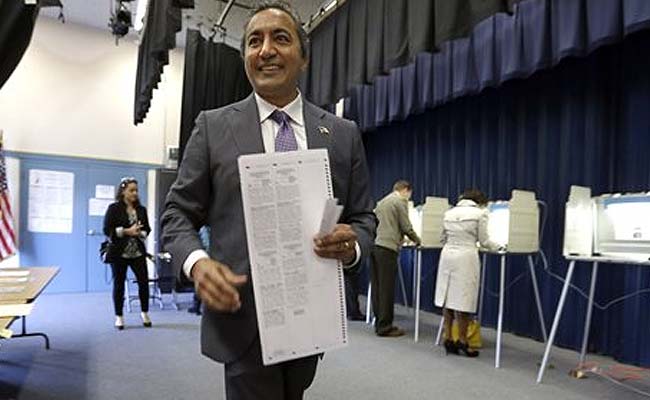
In the election of NFIA officers, Ashok Madan from Southern California was elected as President without opposition. Sudip Gorakshakar from Washington State was elected as Executive Vice President. The three vice presidents elected without opposition were Ajoy Dube from California, Babu K. Patel from Illinois, and Satheesan Nair also from Illinois.
The position of the NFIA secretary went to Dr. Yogendra Gupta from Maryland, VA, and Joint Secretary to Vasu Pawar from Southern California. Makam Subbarao from Southern California was elected as the Treasurer.
The seven Directors-at-Large were Rachel Verghese (Texas), Anjali Sachdev (Washington State), Dr. Satish Misra (Maryland), Madhavan Nair (Illinois), Ramesh Ramnani (Southern California)., Sachin Amin and Ashok Patnaik from California.
The six Regional Vice Presidents (RVP) elected unopposed were: Dr. Om Sharma (National Capital Region), Vandana Jhingan (Illinois), Mihir Patel (New York), Raj Razdan (Georgia), Lavanya Reddy (Washington State), and Kewal Kanda (California)
In closing and customarily, NFIA veteran Dr. Rajen Anand administered the Oath of Allegiance to the NFIA for the newly elected officers, with assurance of contribution of the newly elected leaders of their personal time, money, communication and talent.
The new Board under the presiding officer, Ashok Madan met after the elections and appointed:
Chandu Patel from Southern California as Chairman of the NFIA Foundation,
Dr. Hari Har Singh from NCR as Executive Director (Administration)
Dr. Joydeb Roy from NCR as Executive Director
Angela Anand was appointed by the President to chair the taskforce on Women’s Affairs.
The remaining 6 vacant RVPs positions are yet to be filled, for which the NFIA leadership under the newly elected Board will seek qualified and well-known community leaders from the following regions: Great Lakes (IN, MI, OH); Mid Atlantic (DE, PA, NJ); New England (CT, ME, MA, NH, RI, VT); Mountain (ID, CO, KS, MT, NE, ND, SD, UT, WY); South (AK, AL, KY, MS, LA, TN); South-West (AZ, OK, TX, NM).
After review of their resumes, their commitment of time, talent, money and connections, the NFIA Board will appoint them in the next Board meeting. NFIA has urged its media partners to help promote and help find qualified candidates for the above vacant positions. The main qualifier being the interested RVP has to belong to that region and commit to do a major activity in the region in compliance with NFIA goals, objectives and Bylaws.
The event on Saturday night was very successful with a packed hall for the Gala Awards Banquet. Indian Embassy was represented by Counsel General of India San Francisco, Mr. Venkatesan Ashok and Minister of Personnel and Community Affairs, Mr. N.K. Mishra from Washington DC.
Congresswomen, Judy Chu, Loretta Sanchez, Linda Sanchez, and Mayor of Cerritos, Mark Pulido graced the banquet and enlightened the audience with their thoughts on India and the Indian American community in the USA.
NFIA, with Lal K. Motwani as the chair of awards committee, honored high achiever Indian Americans including, physician Bharat Barai and Aparna Hande for community service, TV Asia chairman H.R. Shah for mass media, musician Rita Sahai and Kathak dancer Amrapali Ambegaokar for performing arts, psych-pharmacologist Rangaesh Gadasalli for medicine and health sciences, and management consultant K.V. Kumar and attorney Navneet S. Chugh in business and finance. The late New York cardiologist B.N. Viswanath was honored posthumously for his lifetime contribution to NRIs through broadcasting and philanthropy. In addition, Heart and Hand for Handicapped, a New York-based organization, received an award for its outstanding services to the handicapped in the U.S. and India.
WASHINGTON (TIP): An Indian-American doctor in the US has been arrested on charges of receiving kickbacks for referring patients for medical treatment, a March 14 PTI report says.
Neil Sharma, who was arrested on Friday, March 13, faces a maximum potential penalty of up to five years in prison, a fine of up to $25,000, and full restitution, prosecutors said.
According to federal charges, Sharma, 34, of Lemont, Illinois, a licensed Illinois physician and the medical director of an Illinois healthcare company, received a kickback of $2,500 in cash, from an individual in return for his referring Medicaid and Medicare patients to the individual’s company for medical treatment.
In February 2015, Sharma offered an individual who owns Company B an additional 500 patients at an increased rate. He also offered to refer to Company B Medicaid and Medicare patients in two new programs Company A planned to implement.
In exchange, Sharma wanted a cash payment immediately and additional cash payments every month after for an unidentified length of time.
He planned to conceal the payments received from the individual by being named the medical director for the individual’s other health care companies not contracted with Company A,
That individual went to the FBI before meeting with Sharma in Rockford on Feb. 27 and giving him $2,500 in cash, according to court documents. The meeting was monitored by federal agents, who witnessed Sharma leaving with the money.
KATHMANDU (TIP): At least 18 people, including a three-month-old baby, were killed and 11 others injured today when a bus skidded off from a rain-drenched mountain road in northwestern Nepal.
The bus was heading for Nagam in Kalikot district from Jumla district, carrying 29 passengers.
Thirteen people died on the spot, two others on their way to hospital and another two succumbed to their injuries upon reaching a hospital.
Three of the injured passengers are said to be in critical condition. One of the passengers escaped unhurt. A three-month-old boy also succumbed to injuries during treatment bringing the death toll to 18, Himalayan Times reported.
Police Inspector Indra Bahadur Raut said three seriously injured persons were airlifted to Kohalpur Medical College, Banke for treatment.
Others are being treated at Jumla-based Karnali Institute of Health Sciences. Meanwhile, police have identified all of the victims.
The incidents of road mishaps have increased in the recent past across the country which are attributed to poor road conditions, old vehicles and negligence of drivers.
On December 8 last year, at least 18 people were killed and 49 others injured when an overcrowded bus fell off a mountain road and rolled 600 meters down a slope in western Nepal.
The Asian American Coalition of Chicago honored Indian Americans Dr. Amarjit Singh, and Anukool Vasudevan, at their 32nd Conference on Business And Networking and Annual Lunar New Year Celebration on Saturday, February 28, 2015, at the Hyatt Regency O’Hare Hotel in Rosemont Illinois. This year’s gala event themed “Unity in Diversity” was hosted by the Indonesian American community of Chicago, with Martino Tangkar serving as the event chairperson. More than 1300 attended the black-tie event.
Amarjit Singh M.D, past president of Indian American medical Association of Illinois and also Past Chairman of Punjabi Cultural Society of Chicago, with a stellar record of community service won the Indian American Exemplary Community Service Award.
Mr. Anukool Vasudevan a senior at Loyola University won the Indian American Youth Who Excel Award.
The awards were distributed by the Ambassador of Republic of Indonesia to U.S.A. Honorable Budi Bowoleksono assisted by Martino Tangkar and George Mui.
Mrs. Aurora Abella Austriaco a distinguished attorney, the first ever Asian American president of Chicago Bar Association, was honored with the Pan Asian American Award. Lisa Madigan, Attorney General State of Illinois received the Coalition’s GRAND ASIAN AWARD. This award is periodically presented to someone of non-Asian descent, who has made significant contributions to the Asian Pacific American community.
U.S. Congresswoman IL-8 Tammy Duckworth was the keynote speaker. More than 1300 people attended this extravaganza evening dinner banquet. More than 500 attended the day time events health fair, business seminars and networking opportunities.
The dignitaries who spoke included Jesse White Secretary of State of Illinois, Illinois Attorney General Lisa Madigan, State Treasurer Michael Frerichs, State Comptroller Leslie Munger, US Congressman Robert Dold, Cook County Board President Toni Preckwinkle, and Cook County State’s Attorney Anita Alvarez. Many other government officers, media outlets, local dignitaries, business and community leaders, and the counsel generals of many Asian countries were in the audience. Mr. O.P. Meena consul H.O.C. represented the India’s Consulate General in Chicago.
The evening program was presented by Asian American celebrities, Joanie Lum, Billy Dec, Eric S. Horng, Judy Hsu, Nesita Kwan, Nancy Loo, Mai Martinez, Susanna Song, and Katie Kim. Linda Yu .
During the pre-event cocktail hour reception a Fashion Show was presented by Akira and Lady Quaint.
The entertainment program featured colorful costumes, Javanese and Balinese gamelan music performances, Holy Balinese “Barong” Lion Dance, Indonesian Cultural dance “Reog Ponorogo Singo Lodoyo” by a group of 40 Indonesian dancers from Wasington DC, performances from the 25 member Indonesian Consulate General in Chicago Dance Troupe; “Puspanjali” by the Indonesian Performing Arts of Chicago; and members of the Indonesian Dance of Illinois. “Journey to Harmony,” a Unity Dance choreographed by Liah Tehan, brought another interpretation of this year’s theme, and musical performance “Together, The World Can Count On Us,” by Keith, Betty & Kelly Uchima.
The evening show was produced and directed by Irene Cualoping.
“The purpose of this celebration is to showcase the culture, and contributions, of Asian Americans of Chicago on its road to empowerment,” said Rajinder Singh Mago Executive Secretary of Asian American Coalition of Chicago.
An event held on this grand of a scale only once a year, Lunar New Year is traditionally the single largest organized annual event in Chicago’s Asian American community which takes turns to host the event.
There were exhibition booths for businesses and community organizations in the foyer area during the whole day. The next year’s hosts are Chinese American community chaired by Dr. Karen Eng.
Swanky furniture alone won’t add style and vibrancy to your living room. Here are four simple ways to add colour and style to your living room
Colorful cushions
Cushions in different bright colors add much life to your living room. And add comfort factor to it. The most comfortable sofas and chairs also need cushions. So, have them generously in your living room. You can also have some floor cushions so that on a lazy Sunday afternoon you can just take a nap and chill. Cushions in varying sizes, textures, patterns and colors make your living room attractive. And there are not expensive too.
Rug it
Rugs are wonderful ways to bring color to your floor. Imagine having an ikkat or kalamkari rug in your living room and bringing in a slice of our very own textile heritage into the living room. You need not follow the rule of putting a rug only in the middle of the room. Make your cosy corner with a rug and couple of cushions. What a comfortable space will it be to curl up with a book and a cup of tea/coffee.
Bring in nature
There’s no substitute to having a bit of greenery in your living room. Put some potted plants in your living room and see what difference it brings to your decor. Add more to the magic by putting fresh flowers in the room. Have a sense of variation by putting flowers in a terracotta/ceramic/glass bowl. Put them in different corners of the room and revel in the beauty.
Your signature style
Your home is a reflection of your personality. So, from art, books, handicrafts, photographs to your specialized collections (it could be anything), you can display it all and bring in a bit of your personality. Make the room look unique and let your guests have a dekko at you from a different perspective.
Waking up with puffy eyes every morning? Here are some homemade cures for irritable eyes.
Potato
Potato is extremely beneficial for puffy eyes. It has anti-inflammatory properties and helps cure irritation around the eyes. Grate a potato, place the pulp into a poultice. Keep this on your eyelids for about 15 minutes. This must be done almost every day without fail.
Cucumbers
Cucumbers are cooling agents and their astringent properties are meant to cure puffy eyes. Rest a slice of cucumber on each eye and relax for 5- 10 minutes.
Green tea
Green tea is known to be a soothing agent for puffy eyes. It reduces swelling of the eyes. Dip 2 bags of your choice of tea in hot water for 3-5 minutes. Let it cool until the bags are comfortably warm. Close your eyes and place a tea bag over each eyes.
A prolonged stay in a nursing home can be detrimental for your lungs’ health, apart from your pocket’s health, says a new study.
The indoor air quality in nursing homes has a serious effect on the lung health of elderly residents, according to the study findings.
Researchers from the EU-funded GERIE research project collected data on five indoor air pollutants: PM10, PM0.1, formaldehyde, NO2 and O3.
These pollutants come from a range of sources including heaters, building materials, furniture, cleaning products, disinfectants and cooling systems.
“Our findings have shown an independent effect of several indoor air pollutants on the lung health of the elderly living in nursing homes,” said lead study author Isabella Annesi-Maesano.
The researchers objectively assessed levels of the pollutants in 50 different nursing homes in seven countries – Belgium, Denmark, France, Greece, Italy, Poland and Sweden. A total of 600 residents aged over 65 years were used in the study. Each participant underwent a number of clinical tests including lung function testing and a health questionnaire. The results showed that exposure to high levels of PM10 and NO2 was significantly associated with breathlessness and cough.
High levels of PM0.1 were associated with wheeze during the last year and high concentrations of formaldehyde were linked with chronic obstructive pulmonary disease (COPD).
The associations were even seen with moderate concentrations of indoor air pollutants that did not exceed the existing international guidelines. With life expectancy increasing, more people are staying in nursing homes. “This is a worrying problem since the body’s ability to cope with harmful air pollutants decreases as we age. “Nursing homes should do more to prevent indoor air pollution by limiting its sources and by improving ventilation in their buildings. The respiratory health of residents should also be checked on a regular basis,” Annesi-Maesano added.
“These findings add to a body of evidence confirming that indoor air pollution is one of these risk factors. We must raise awareness of this,” said Dan Smyth, chair of the European Lung Foundation.
Although bad breath happens to the best of us, it’s an embarrassing topic for many. No one enjoys being told their breath stinks, and it’s equally (if not more) difficult to tell someone else that they need a mint.
Drink plenty of water
A moist mouth is inhospitable to the bacteria responsible for bad breath. Water also dilutes the concentration of VSCs, making them weaker and less pungent.
Brush and floss regularly
Brush and floss as soon as possible after meals to minimize the amount of bacteria in your mouth. Buy a tongue scraper to reduce the amount of bacteria even more.
Treat any existing oral diseases
See your dentist regularly, especially if you suspect any type of oral disease, periodontal problem or infection.
Eat crunchy fruits and vegetables
Chewing apples, celery and cucumber helps keep your mouth naturally clean by removing food particles and plaque while you eat. They also increase saliva flow to keep your mouth moist.
Cut out coffee
Coffee leaves a film on your tongue that blocks oxygen, creating the perfect environment for bacteria growth. Switch to tea if you need a caffeine fix.
Chew sugarless gum
Chewing gum will help keep your mouth moist and increase saliva flow. Because the bacteria in your mouth easily break down most sugars into VSCs, choose sugarless gum and say no to mints that contain sugar.
Eat yogurt
Some research shows that eating one serving of yogurt daily can reduce the amount of odor-causing particles, including bacteria, in the mouth.
Get your vitamins
Vitamin D creates an inhospitable environment for bacteria. Enjoy plenty of vitamin D-fortified foods (such as milk and other dairy products). Vitamin C (found in berries melons and citrus fruit) also makes your mouth inhospitable to bacteria, but can also help prevent two other causes of bad breath—gum disease and gingivitis.
MUMBAI (TIP): The Insurance Laws (Amendment) Bill has been hanging fire since 2008. Several global insurers have since gone bust and many have shrunk their empires. Companies such as UK’s Standard Life and Aviva are a pale shadow of what they were at the turn of the century when they entered into joint venture partnerships even as the Indian ventures have grown.
While almost all insurers initially offered their Indian partner the right of first refusal, the larger companies such as ICICI, HDFC, SBI and the Birlas have made it clear that any stake sale will take place at market value. In several cases, the foreign partners are in a capital conservation mode and domestic partners are likely to turn to private equity investors to get a better price. Also, a small stake sale to a private equity investor helps the joint venture partner in price discovery. Industry officials say that up to Rs 62,000 crore of fresh capital will flow in by way of equity investment in life, health, non-life companies and other intermediaries in the insurance sector.
For the non-life industry, the immediate impact would be creation of additional underwriting capacity with more capital coming in and reinsurers opening branches.
“Within the next one month, we will be coming out with norms on registration of companies with 49% stake. Norms for registration of reinsurance branches is also something that we will come out soon as there are a number of companies that want to open a branch. Lloyds of London also wants to open a branch. We are coming out with norms on nomination and flexibility in assignment. Some of the other issues we will keep them for discussion before coming out with the regulations or guidelines,” said IRDA chairman T S Vijayan.
Smaller private companies with stronger foreign partners might now try and acquire companies to build scale. This bill holds more potential to jumpstart the sector on a long sustainable basis. There would be all-round impact across new players, deeper capital, top-line growth and focus on technicals. Value unfolding may also take place through IPOs, consolidation and other possible routes,” said Anuraag Sunder, managing consultant, Financial Services, PwC India.
MOSCOW (TIP): Russian President Vladimir Putin is in good health, the Kremlin said on March 12, dismissing rumours that the leader was suffering from an illness after a foreign trip was cancelled. A Kazakh governmental source said Putin’s trip to Astana scheduled for this week was cancelled because Putin had fallen ill, stirring speculation on social media that something had happened to the 62-year-old leader.
Putin spokesman Dmitry Peskov, asked by Reuters if the president was in good health, replied “yes”. “He has meetings all the time,” Peskov said by telephone. “He has meetings today, tomorrow. I don’t know which ones we will make public.” The daily RBK said Putin had not been seen live on television since a March 5 meeting with Italian Prime Minister Matteo Renzi. Photographs on the Kremlin website showed him at meetings dated March 10 and March 11.
Markets shrug off reports
Markets had shrugged off the rumours about Putin, and the rouble was trading slightly stronger on Thursday. The last time Putin’s health was in the spotlight was in 2012. Three sources told Reuters that Putin, who was seen limping in public, was suffering from back pain. The Kremlin denied that Putin had back problems. Putin was not the only subject of rumour. The editor in chief of Nezavisimaya newspaper tweeted late on Wednesday that he had been told that Putin’s ally Igor Sechin, the chief executive officer of Rosneft Russia’s largest oil producer, would be fired on March 12. A Rosneft spokesman described the remark as wrong.
Russian politics, through the Soviet era and beyond, has traditionally been fertile ground for rumour because of the secrecy surrounding leaders. Peskov, asked by Ekho Moskvy if the president’s handshake remained firm, answered:”handbreakingly so.”
NEW DELHI (TIP): Telecom Minister Ravi Shankar Prasad said on March 13 that fears of mobile towers being hazardous to health are not true, adding that reports from the World Health Organisation do not substantiate the claim.
Replying to supplementaries in the Rajya Sabha, Prasad said government is talking to private telecom companies for reinforcing infrastructure.
“For infrastructure, we need towers, if we don’t have permission to install towers, then infrastructure will not improve,” Prasad said responding to a query on call dropping and other problems.
“Right now, there is a campaign going on in the country that it (mobile towers) emits health hazard. I have myself examined it at some point of time, I will come with further details to this house. This entire campaign is not very substantial,” Prasad informed Rajya Sabha.
“There have been proper studies of WHO… there are 30 reports. I got my committee established, and I want to assure the house proper infrastructure for towers ought to be allowed,” the minister said.
Prasad also said that the government is working to enhance the infrastructure for MTNL and BSNL and several new towers will be erected.
“The health of BSNL and MTNL is not good. As long as public sector is not strong competition will not be healthy,” the minister said.
“25,000 new towers will be erected by BSNL, MTNL is also building 800 to 900 more towers in Delhi and Mumbai,” he said.
The minister also said that there were some “powers” that kept MTNL and BSNL unhealthy.
“BSNL till 2004 was in Rs.10,000 crore profit. Why is it in loss now, the question must be raised. MTNL was in Rs.800- 900 crore profit, why did it go in loss? They were not allowed to expand,” Prasad said.
“There were powers which wanted BSNL and MTNL to stay unhealthy so that the competition is not there,” he added.
NEW DELHI (TIP): India’s swine flu outbreak appears to be waning, with the week ending March 8 recording a sharp fall in weekly deaths, which had plateaued at around 270 since February 8, shows surveillance data from states.
India reported 199 deaths last week, which is down by almost 25% over the numbers recorded over the past three weeks.
Till March 11, 27,888 cases and 1,587 deaths have been reported from all 36 states and UTs except five, shows data from the Union Ministry of Health. Over the past 24 hours, 20 deaths were reported from across India.
“Swine flu cases have registered a downward trend over the past 10 days, with deaths also declining during this period. The Union Ministry is in constant touch with states and is providing them the necessary support,” Union Minister of Health and Family Welfare Jagat Prakash Nadda.
The only states/UTs untouched by swine flu with no cases or deaths are Arunachal, Meghalaya, Sikkim, Tripura and Lakshwadeep.
People between the ages of 31 and 60 years accounted for two in three deaths, shows an analysis of 832 deaths for which data is available. Children under 12 years were the least affected in the current outbreak, accounting for 4% of overall swine flu deaths.
The swine flu outbreak devastated five states, with Rajasthan, Gujarat, Maharashtra, Madhya Pradesh and Telangana accounting for 78% of the total deaths till March 8.
Again, more than three in four infections (76%) were reported from five states: Rajasthan, Gujarat, Delhi, Maharashtra and Telangana.
Delhi has emerged as the best-performing state in controlling infection – while the state 3,658 cases, only 10 deaths have been reported from Delhi and the NCR.
Surveillance data shows that virus shows no gender bias and has affected an almost equal number of men and women: of the 832 deaths studied, 425 were men (51%) men and 407 (49%) women.
Swine flu spreads through droplets expelled when an infected person coughs or sneezes or by touching surfaces contaminated by the droplets. You can protect yourself by staying away from infected persons, frequently washing hands with soap, and cleaning surfaces with disinfectant or warm water regularly.
Symptoms include high fever, extreme breathlessness, lethargy, pain in the chest, loss of appetite and nausea or vomiting.
Three pharma companies in India – Hetero, Natco and Strides Acrolab – are manufacturing oseltamivir, the drug used to treat swine flu. Having the anti-viral prescription drug oseltamivir (better known by one of its brand names, Tamiflu) shortens the duration and severity of illness if the taken within 48 hours of the symptoms appearing. It also makes people less contagious and prevents them from infecting others. Oseltamivir also protects against other strains of influenza, such as influenza A (H3N2) virus, which accounted for 87.5% influenza A cases in the northern hemisphere.
While cinnamon is a spice that lends great flavour to your food, it can also be used in your make-up and skincare routine! We tell you how.
Use it like a bronzer. Combine cinnamon, nutmeg, corn starch and cocoa powder and mix them together. Check the colour; if you want a darker shade, add a little more cinnamon, or if you want a lighter shade, add some corn starch.
If you have dyed your hair in a reddish hue, you can use cinnamon to keep the colour flaming and bright!Add cinnamon to your conditioner and once you have applied it to your hair, wrap them up in a shower cap. Leave your hair for six to eight hour. Wash your hair and you will notice the difference. You can use it to make a delicious lip balm. Add a tablespoon of powdered cinnamon to hot coconut oil. Once this mixture sets, it will turn into a balm.
To lead a quality life you need to be energetic and happy. There are magic foods that can help you when clubbed in a trio
FOODS TO BOOST ENERGY
Whether you are heading out for an exercise session or suffering from a mid-afternoon slump, there are times when we all need energy boost. Here are three instant pick-me-up foods.
Oats
If you’re feeling worn out, weak or unable to concentrate, you could be deficient in certain B vitamins. These vitamins not only help to keep the brain functioning properly, they also help the body to break down carbohydrates into glucose to fuel the body. For a good source of B vitamins, try incorporating oats into your diet; a morning bowl of porridge should do the trick.
Chocolate
Amongst the many reported health benefits of dark chocolate (including its ability to lower heart disease risk, prevent wrinkles and boost the mood), the popular treat is also a great pick-me-up snack, which is great news for chocoholics. Chocolate is high in energy-boosting chemicals including theobromine (a stimulant found in many popular energy drinks) and caffeine.
Beetroot
Beetroot not only provides a multitude of health benefits, the vibrant vegetable is also a great source of longlasting energy. First of all, beetroot has a high sugar content which helps to provide an instant energy boost. It is also high in many energy-boosting nutrients including magnesium, iron, vitamin C and nitrate.
FOODS TO BEAT THE BLUES
We all go through periods of feeling anxious, irritable or depressed. The foods you eat can directly influence the way you feel, so check out these top three foods to cheer you up.
Marmite
If you’re feeling anxious, stressed or depressed, a dose of Marmite, rich in B vitamins, could help to lift your mood. B vitamins are important for normal brain function and producing moodboosting serotonin, with vitamins B12 and B6 being particularly beneficial for regulating your mood.
Oily fish
Omega-3 fatty acids found in oily fish are well known for being good for the heart. However, they are equally beneficial for our brain health and mood. A recent study found that participants who had lower levels of omega-3 fatty acids in their blood were more likely to be moderately depressed and have a negative outlook.
Bananas
Bananas are high in natural sugars, making them a great remedy for low energy levels which can leave you feeling down. On top of this they are a great source of tryptophan, an essential amino acid which boosts serotonin levels, helping to regulate your mood.
FOODS TO HELP YOU SLEEP
Whether it’s a one-off occurrence before a big event or a nightly struggle, most of us suffer from insomnia at one time or another. Fortunately, there are foods that can help you sleep a little easier.
Dairy products
If you’re struggling to get a good night’s sleep, foods containing tryptophan should be a first port of call. Tryptophan, an essential amino acid, helps to raise serotonin and melatonin levels in the body, both of which can help induce sleep. Bedtime-friendly sources include dairy products such as yoghurt and milk.
Oats Again
While many of us associate oats with breakfast time, they are also the perfect evening snack. Oats are a good natural source of melatonin, which is often taken as a sleep aid due to its ability to help regulate the body’s internal clock. They are also another good source of tryptophan, especially when combined with milk.
Flax seeds
Flax seeds are great for increasing levels of sleepregulating substance serotonin in the body due to their high levels of both tryptophan and omega-3 fatty acids. Furthermore, the omega-3 fatty acids they contain have been proven to help reduce the anxiety, depression and stress which are leading causes of insomnia.
Sore gums can be the result of bad eating habits and unhygienic mouth conditions. But they can be extremely painful and can render you food-less for a long time, if they grow too big. Here’s how you can heal them at home.
Baking soda
Baking soda has acidic properties that can heal sores. Just make a thick paste my mixing it with a little water and apply directly on the sores. Leave it on for 20 minutes after which you can wash mouth with some regular water. Repeat this process several times a day.
Onions
Onions have enzymes present in them that prevent the bacteria from spreading further and also work at killing them. They also have cooling properties that internally cool the body. You can heal sores by either eating a raw onion or applying onion juice over them.
Teabags
Teas have tannins that are effective in healing all kinds of inflammations. All you have to do is wash used tea bags and put them in the refrigerator for two-three hours to chill. Use these over your mouth sores. Since there is no direct application involved you can use them as many times as you wish.
People consuming three to five cups of coffee a day have the lowest risk of clogged arteries and heart attacks, says new research.
An international team of researchers led by the Kangbuk Samsung Hospital, Seoul, South Korea, set out to examine the association between coffee consumption and the presence of coronary artery calcium (CAC) which is an early indicator of coronary atherosclerosis (when arteries become clogged).
It can cause the arteries to harden and narrow, leading to blood clots which can trigger a heart attack or a stroke.
They studied a group of 25,138 men and women -average age 41 – who had no signs of heart disease.
The researchers estimated the CAC score ratios associated with different levels of coffee consumption compared with no coffee consumption.
They categorised coffee consumption as none, less than one cup a day, one to three cups a day, three to five per day and at least five or more per day.
The calcium ratios were 0.77 for people who had less than one cup per day, 0.66 for those having one to three cups every day, 0.59 for those consuming three to five cups per day, and 0.81 for people having at least five cups or more every day compared with non-coffee drinkers.
The researchers found the prevalence of detectable CAC was 13.4 percent among the whole group of people and the average consumption of coffee was 1.8 cups per day.
Possible explanations for the findings, said the researchers, were that chronic coffee consumption had a possible link to reduced risk of Type 2 diabetes, a strong risk factor for atherosclerosis.
“Coffee consumption might be inversely associated with CVD (cardiovascular disease) risk. Further research is warranted to confirm our findings and establish the biological basis of coffee’s potential preventive effects on coronary artery disease,” the authors concluded.
TOKYO (TIP): The world’s oldest person says 117 years doesn’t seem like such a long time.
Misao Okawa, the daughter of a kimono maker, made the comment on Wednesday, at a celebration a day before her 117th birthday. Appropriately, she was wearing a pink kimono decorated with cherry blossom prints.
Okawa, born in Osaka on March 5, 1898, was recognized as the world’s oldest person by Guinness World Records in 2013.
“It seemed rather short,” she said after Osaka government official Takehiro Ogura, who brought her a big bouquet, asked how she felt about living for 117 years.
Okawa, her hair decorated with a pink daisy pin, looked up from her wheelchair and said she was “very happy” to be that age.
Asked for the secret of her longevity, she responded nonchalantly, “I wonder about that too.”
Japan has the most centenarians in the world, with more than 58,000, according to the government. About 87 per cent of them are women.
Okawa has slowed down in recent months and is having trouble hearing, but she still eats well and is in good health, according to her Osaka nursing home, where Wednesday’s televised celebration was held.
Okawa married her husband, Yukio, in 1919, and they had three children —two daughters and a son. She now has four grandchildren and six great-grandchildren. Her husband died in 1931.
Do you feel anxious, uncertain vis-a-vis certain relationships? Do you feel that you are saying ‘Yes’ too many times when deep within all you want to say is ‘No’? Learn to reset your personal boundaries in relationships
Cheryl Richardson’s said correctly, “When your soul says no, say no. Say it gracefully. Say it lovingly. Say it with confidence. And don’t defend your position, over explain, or welcome debate.”
Saying ‘No’ means setting clear personal boundaries. This is essential to have a mutually respectful, supportive and caring relationship. If you feel stressed/uncomfortable by others’ demands / expectations from you, then the time has come for outlining the boundaries. This will free you from any unwanted feeling of being used. Weak boundaries leave you vulnerable and likely to be taken for granted.
Yes, the truth is that initially people around you (for whom you outline the boundary) will not take it kindly. This is solely for their own selfish purpose. They have been used to their own convenience with very little respect for your well-being. So, in simple terms, they are not your well-wishers. So, when you set your boundaries, you might lose some of your so-called friends. But let them go. They are not worth your time or energy.
Say no, reset your boundaries
Do you feel anxious, uncertain vis-a-vis certain relationships? Do you feel that you are saying ‘Yes’ too many times when deep within all you want to say is ‘No’? Set aside some time to write down the ways people around you make you feel. Be honest while writing it down in clear terms. And then decide what exactly you want to do to not face such unpleasant and unhealthy feelings.
Remember this
As they say, ‘No’ is a complete sentence. Be consistent with your new boundaries.
Be very clear in your thought process. You want to say ‘No’ cause you feel so from deep within.
Stay calm at all times. Be firm. Be rooted.
Be responsible for your own emotional wellness.
Don’t feel guilty in saying ‘No’.
Remember there’s no point in carrying forward toxic relationships. By saying No, you are committing a crime.
Invest your time and energy in doing things that matter to you.
And remember less is more. So having two happy, positive, joyful friends is far better than having 10 toxic relationships.
Once you have established strong, clear boundaries, people will give you more respect. You will reclaim your own self and you will feel less stressed. Emotional manipulators will be relegated to the background and you will embrace happy, loving relationships.
Signup to our Newsletter!
Don’t miss out on all the happenings around the world