Tag: Health

Read the latest health news, diet, fitness, medical news and healthcare tips on theindianpanorama.news/health. Get all the healthcare news, including wellness, fitness, diet and weight loss & more.

  • University of Dallas Breaks Ground on New Home for the Satish & Yasmin Gupta College of Business

    University of Dallas Breaks Ground on New Home for the Satish & Yasmin Gupta College of Business

    SB Hall to be a state-of-the-art centerpiece of UD’s business school, ‘global meeting ground’ for students, faculty, staff

    IRVING, Texas (TIP): A benign Sun shone on the venue of groundbreaking celebration on Friday, Oct. 17, to officially mark the start of construction on SB Hall, the new state-of-the-art home of the Satish & Yasmin Gupta College of Businessin the University of Dallas. When completed in early 2016, the $12 million, 45,000-square-foot academic building will be the centerpiece of UD’s acclaimed Satish & Yasmin Gupta College of Business, which grants master of business administration (MBA), Master of Science, doctor of business administration and bachelor’s degrees.

    The college is accredited by AACSB International – a distinction earned by fewer than five percent of business schools worldwide – and was renamed in 2013 after Dallas-based global steel entrepreneurs Satish and Yasmin Gupta, whose gift will fund the building. The Guptas are graduates of the university’s MBA program. “We are thrilled to break ground on a wonderful new facility that will advance students to the cutting edge of technology and business,” said Satish Gupta.

    “The University of Dallas was like a new home for us when we first came to the United States from India, and we hope this new home for the college of business will play an equally important role in the lives of University of Dallas students, faculty and staff.” “It is a privilege for to us to be able to give back to the university and help empowertomorrow’s leaders,” said Yasmin Gupta. “We hope SB Hall and the college of business will become a global meeting ground for students of all cultures who will go forth into the world and have a positive impact on their communities.”

    She noted that 20 percent of the university’s business students are international, representing 40 different countries. The Guptas’ $12 million gift to build SB Hall is the single largest donation in the University of Dallas’ 58-year history. The new academic facility is designed by Perkins+Will, a national leader in higher education architecture, and is being constructed by The Beck Group, a thirdgeneration, family-owned Dallas firm. Additional funding is necessary for the purchase and installation of fixtures, furniture and computer hardware, as well as for the completion of landscaping and parking facilities.

    In total, the project will exceed $16 million, giving Dallas/Fort Worth another premier, elite higher education facility. Situated amid the rolling hills of the 222-acre University of Dallas campus in Irving, SB Hall will stand at one of the highest points in the area. When completed, the facility will support the university’s commitment to energy efficiency and green architecture. The building will incorporate classrooms on every floor, community gathering places and study lounges, and numerous meeting spaces for student groups. SB Hall will boast an abundance of natural light and interactive classrooms and is designed to evolve through the decades, allowing reconfiguration of spaces as the campus population and its needs change.

    “It’s going to be a jewel for the entire campus,” said Robert Scherer, dean of the Satish & Yasmin Gupta College of Business. “We’re so thankful to Satish and Yasmin Gupta for helping us build a facility that will have a transformative effect – not only on the college of business but on the entire University of Dallas community.” The groundbreaking of SB Hall is the latest milestone in the half-century evolution of the University of Dallas’ business program. Since the university opened in 1956, offerings in business and economics have been an important component of the curriculum. In 1966, the Braniff Graduate School was established and began offering an MBA program.

    UD later launched the Graduate School of Management. Today, the Satish & Yasmin Gupta College of Business enrolls 1,400 graduate and undergraduate students. “The groundbreaking of SB Hall marks an important new chapter in our university’s history,” said University of Dallas President Thomas W. Keefe. “I’d like to thank Satish and Yasmin Gupta for their extraordinary generosity and their steadfast commitment to the university and the entire community.” In 1981, while a business graduate student at the University of Dallas, Satish Gupta founded SB International, Inc., a privately held global steel company headquartered in Dallas.

    SB International is one of the largest suppliers of oil country tubular goods (OCTG) to the North American oil and gas industry. The company and its affiliates and subsidiaries manufacture, supply and distribute high-quality steel products, as well as invest in the global supply chain of natural resources for the energy sector. Yasmin Gupta is the company’s executive vice president. The Guptas serve Dallas/Fort Worth through various organizations related to cultural education and outreach, including the Gupta Agarwal Charitable Foundation, which Satish Gupta founded. They also support the Primary Care Clinic of North Texas and the Greater Dallas Arya Samaj Cancer Clinic, a system of non-profit health care facilities providing medical care to local uninsured adults. SB International, Inc. was founded in 1981 and is a privately held steel manufacturing and distribution company headquartered in Dallas, Texas.

    The company is primarily focused on the energy sector and is one of the largest suppliers of high-quality oil country tubular goods and line pipe to the oil and gas industry in North America, as well as an importer and exporter of specialized steel products. The company began as an exporter of metals and secondary steel, subsequently expanding into importing and exporting stainless steel products, becoming a global trader of prime products in the domestic and international markets. Today, SB International’s reach within the energy sector spans servicing the drilling industry to investing in the global supply chain of natural gas and other resources to emerging markets.

    For more information, visitwww.SBISteel.com. The University of Dallas is a leading Catholic university widely recognized for academic excellence by well-known publications, organizations and accrediting bodies. It offers distinctive individual undergraduate, graduate and doctoral programs in the liberal arts, business and ministry that are characterized by an exceptional, engaged faculty, a commitment to shaping principled, well-skilled leaders and academic rigor in the Catholic intellectual tradition. For more information, visit www.udallas.edu.

  • Pakistan second-worst country in gender equality

    Pakistan second-worst country in gender equality

    ISLAMABAD (TIP): Pakistan has emerged as the world’s second-worst country in terms of gender equality, according to the annual Global Gender Gap Report published by the World Economic Forum. The report, published on Tuesday, measures the size of gender inequality in 142 countries in areas of economic participation and opportunity (salaries, participation and highly-skilled employment), educational attainment (access to basic and higher levels of education), political empowerment (representation in decision-making structures), health and survival (life expectancy and sex ratio).

    In terms of equal economic participation and opportunity for women, Pakistan is ranked 141, followed by Yemen, 132 in empowerment terms of education attainment, 119 for health and survival and 85 for political empowerment. Since 2006, when the WEF first began issuing its annual Global Gender Gap Reports, women in Pakistan have seen their access to economic participation and opportunity gone down to 141 from 112. It maintains the position of second to last ranking for the third year. India’s ranking fell from 101 out of 136 countries last year to 114 out of 142 countries this year.

    According to the report, Iceland tops the list with the most equitable sharing of resources among men and women, followed by Finland, Norway, Sweden and Denmark in the top five spots. The other countries in the top 10 are Nicaragua, Rwanda, Ireland, the Philippines and Belgium.The United States climbed three spots from last year to 20th, after narrowing its wage gap and hiking the number of women in parliamentary and ministerial level positions.WEF said that the worldwide gender gap in the workplace had barely narrowed in the past nine years. While women are rapidly closing the gender gap with men in areas like health and education, inequality at work is not expected to be erased until 2095, the report added.

    “Based on this trajectory, with all else remaining equal, it will take 81 years for the world to close this gap completely,” the WEF said in a statement.

  • US to check troops for chemical exposure in Iraq

    US to check troops for chemical exposure in Iraq

    WASHINGTON (TIP): The Pentagon will offer medical examinations and long-term health monitoring to service members and veterans who were exposed to chemical warfare agents in Iraq, the army and navy said in separate statements this week, as part of a review of how the military handled encounters with thousands of abandoned chemical munitions during the American occupation. The review was ordered by defense secretary Chuck Hagel in response to an investigation by The New York Times of how troops who were exposed to nerve and mustard agents were treated by the military’s medical and awards systems.

    The report found that while the United States had gone to war looking for an active weapons of mass destruction program, troops instead quietly found and suffered from the remnants of the long abandoned arsenal built by Saddam Hussein with help from the West. Since that article was published on Oct. 15, detailing several instances of exposure that the military kept secret in some cases for nearly a decade, more veterans and active-duty service members have come forward with their own accounts of exposure and inadequate treatment. To date, neither the Pentagon nor any of the services have released a full list of chemical weapons recoveries and exposures. The investigation by The Times found that the military did not follow its own health care guidelines in the initial care of many patients, and did not establish a means for following their health over time, as the guidelines also required.

    It also found that the services applied different standards for awarding Purple Hearts, a medal that recognizes wounds received in action, engendering bitterness and feelings of betrayal among troops and veterans who were exposed. In response, two senior Army doctors said in interviews this week that new medical examinations for troops and veterans who were exposed to chemical munitions would begin in early 2015. Maj. Gen. Gary Cheek, deputy commanding general for army operations, said the veterans’ accounts of poor medical care and follow-up were disturbing. “I am not going to try to excuse it,” he said. “The No. 1 thing for us is to make sure we are taking care of soldiers” and veterans, he said, and added that the military planned to work with the department of veterans affairs to ensure exposures were documented and treated if necessary.

    But he defended the continued secret classification of chemical-weapons incidents, saying that the military did not want to provide information to insurgents that Iraq’s old chemical munitions “could be effective.” “These are some of the rationales for keeping this stuff within secret channels,” he said. Rear Adm. John Kirby, Mr. Hagel’s spokesman, suggested that position was now under review. “The secretary obviously remains committed to preserving operational security but also recognizes the value in making available as much information as possible to veterans preparing — or continuing to file — VA claims,” he said.

    The new accounts increase to at least 25 the total number of American troops exposed to chemical agents from some of the thousands of aged and corroding munitions that the troops found in abandoned stockpiles or came across in roadside bombs made from those old munitions. The latest accounts mostly fit a pattern that is now familiar. They include two army bomb disposal technicians who picked up a mustard shell at a roadside bombing in 2004; two navy disposal technicians who handled mustard shells in separate incidents in 2006 and 2007; and members of an army infantry platoon who said they were denied decontamination and swift medical evaluation after inhaling mustard vapors in 2008, when soldiers were destroying a buried chemicalmunitions stockpile.

    “It was a failure of leadership,” said Reid Wilbraham, a former sergeant and squad leader in B Company, First Battalion, 14th Regiment, who said that his platoon leader had pressed more senior officers to allow soldiers to be examined but was rebuffed for days. Wilbraham said that while the two soldiers with chemical burns had been evacuated to a military hospital and then to Germany, those with inhalation complaints were told to remain at their posts. “They told us to burn our uniforms and take showers,” Wilbraham said. The soldiers may have contaminated each other in the close quarters they shared, he said.

  • In tight electoral race, Bill Clinton bats for Ami Bera

    In tight electoral race, Bill Clinton bats for Ami Bera

    WASHINGTON (TIP): Congressman Ami Bera’s reelection bid has got a major boost with former US President Bill Clinton campaigning for him in the California seat where the Indian-American is locked in a tight contest. With Clinton, the star campaigner for the Democratic Party, personally seeking votes for Bera, the only Indian- American in the current Congress and only the third ever Indian-American to be elected to the US House of Representatives, his electoral chances brightened on Wednesday. Clinton described Bera as the embodiment of the American dream. 49-year-old Bera is facing tough competition from Republican Doug Ose, a businessman who served three terms in Congress through 2005. Appreciating Bera, Clinton described him as a “local remedy” for the intransigence gripping Washington. He cited Bera’s support for the federal health care overhaul, equal pay for women and increasing the minimum wage.

  • Haryana Cabinet announced, CM keeps Home and Power

    Haryana Cabinet announced, CM keeps Home and Power

    CHANDIGARH (TIP): Two days after being sworn in, Haryana Chief Minister Manohar Lal Khattar on October 28 allocated departments to his nine Cabinet colleagues, while retaining key departments, including Home, Power and Town and Country Planning, for himself. Khattar returned from Delhi this afternoon with the “final approval” of the BJP high command over work distribution. Third in the chain of command, Captain Abhimanyu, a firsttimer, has emerged as a “big gainer” with the Finance, Revenue and Excise and Taxation departments among others.

    Placed ahead of Abhimanyu in the Khattar Cabinet, Ram Bilas Sharma, an Education Minister in the Bansi Lal government in 1996, has been allocated the same portfolio yet again in addition to the Transport, Tourism and Food and Supplies. Despite being a chief ministerial aspirant and the state unit chief of the party, Sharma, eyeing Town and Country Planning, is likely to be disappointed with his “share of work” especially since Abhimanyu has clearly scored over him despite being a “junior minister”.

    Rao Narbir, another minister of the Bansi Lal Cabinet, has been pleased with the PW (B and R) and Public Health Departments he will head, while farmer leader Om Prakash Dhankar will be the state’s new Agriculture and Irrigation Minister while also getting Development and Panchayat. This allocation is on expected lines. The BJP’s face in the Haryana Vidhan Sabha till the recent elections, Anil Vij has got the “ailing” Health Department and the Sports portfolio.

    Having “waged war” against the Congress government in the House, Vij “deserved a better deal” since he is the only other five-time MLA after Sharma. Also, he seems twice unlucky since he has been placed fourth, after Abhimanyu and Dhankar, both first-timers. The only woman in the Khattar Cabinet, Kavita Jain, has been given Social Justice and Empowerment besides Women and Child Development Department.

    Minister of State (independent charge) Vikram Singh Thekedar has been allocated Cooperation (Independent charge) and Development and Panchayats, for which he will be attached with the minister. MoS Krishan Kumar has been allocated Social Justice and Empowerment, Women and Child Development for which he will be attached to Kavita Jain, while Karan Dev Kamboj got Food and Supplies. They are all first-timers.

    WHO’S GOT WHAT

    Manohar Lal Khattar

    Home, Power, Town & Country Planning and Urban Estates, Mines & Geology, General Administration, Science & Technology, Urban Local Bodies, Administration of Justice, Archives, Architecture, Electronics & Information Technology, Housing, Jails, Information, Public Relations & Cultural Affairs, Personnel & Training, Raj Bhawan Affairs, Renewable Energy & any department not specifically allotted to any minister

    CABINET MINISTERS

    Ram Bilas Sharma

    Education & Languages, Transport, Technical Education, Food & Supplies, Tourism, Civil Aviation, Parliamentary Affairs, Archaeology & Museums, Hospitality

    Capt Abhimanyu

    Finance, Revenue & Disaster Management, Excise & Taxation, Planning, Forests, Environment, Industries & Commerce, Labour & Employment, Law & Legislative, Institutional Finance & Credit Control, Consolidation, Rehabilitation, Industrial Training

    OP Dhankar

    Agriculture, Development & Panchayats, Irrigation, Animal Husbandry & Dairying, Fisheries

    Anil Vij

    Health & Medical Education, AYUSH, ESI, Election, Sports & Youth Affairs

    Rao Narbir

    Public Works (B&R), Public Health Engineering

    Kavita Jain

    Social Justice & Empowerment, Women & Child Development, Welfare of Scheduled Castes & Backward Classes

    MoS

    Vikram Singh Thekedar Cooperation (Independent Charge), Printing & Stationery (Independent Charge), Development & Panchayats

    Krishan Kumar

    Social Justice & Empowerment, Women & Child Development, Welfare of Scheduled Castes & Backward Classes

    Karan Dev Kamboj

    Food & Supplies, Transport, Tourism, Hospitality

  • WAYS TO MAKE YOUR ROOM LOOK BIGGER

    WAYS TO MAKE YOUR ROOM LOOK BIGGER

    From optical illusion to colour schemes and fine art, there are plenty of ideas to dig into for a more spacious-looking living space

    Don’t clutter with furniture

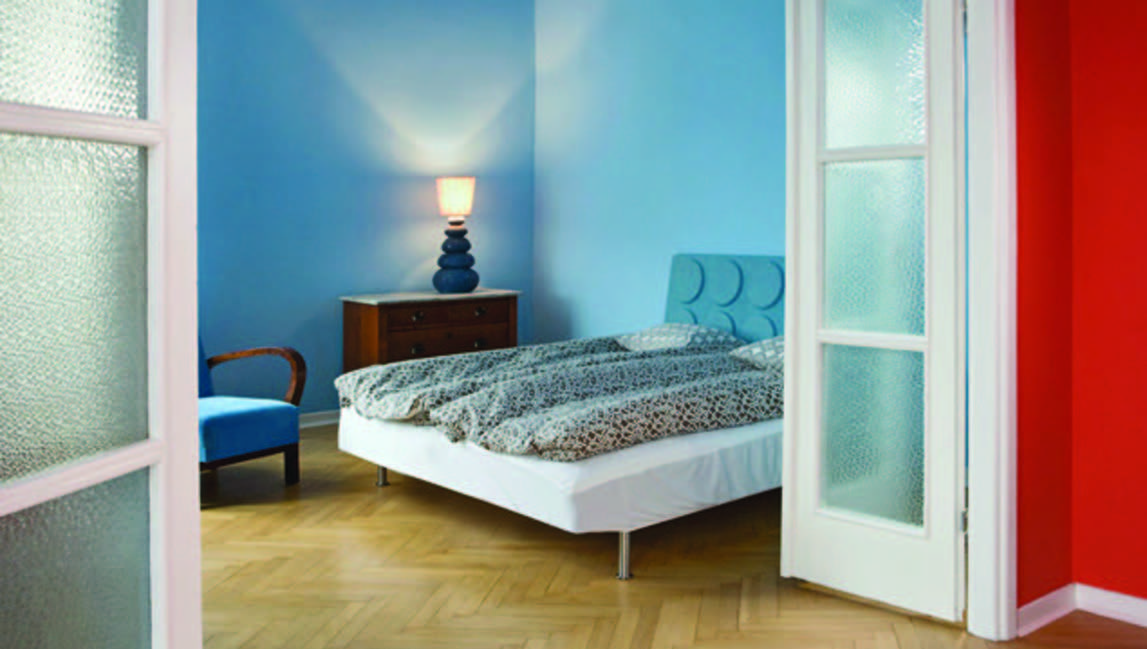
    “People tend to have too much furniture in their house in a bid to show off their taste. This doesn’t give a feeling of lightness, but only creates clutter and makes your room look smaller than it already is,” says interior designer Shehzad Khan. Conversely, spacing your furniture out and resting it flat against the wall is a fool’s errand. It doesn’t ensure a bigger room, instead your room ends up looking sparse. The trick is to angle it right. For instance, you can place a small console behind the sofa to create a sense of space. You can do the same thing with your bed and a side table in the bedroom.

    Don’t use too many small paintings

    Fine art lends aesthetics and a sense of timelessness to your home. However, scattering small paintings or prints all over the walls will make a shoebox-sized home look smaller and more congested than it already is. Instead, invest in one life-size threedimensional scenic painting on canvas, the keywords here being lifesize and scenic. “Use wall cladding on the chosen surface and install the 3D canvas on it,” says Gogia. Scenery gives a lot of depth to the wall. A DIY option is to paint the wall yourself. This way, you get to express and show off your creativity too. The market is also flooded with readymade wallpapers of scenic pictures that can be directly purchased and applied to one wall.

    Do install French windows

    Floor-to-ceiling glass windows is how the French won the West over, at least when it comes to decor. French windows automatically give spaciousness to the room. There are two reasons for this. They provide more natural light to stream into your room. Also, instead of an opaque wall, you have glass and openness extending beyond it.

    Do have a white floor or ceiling

    This may sound too stark for us Indians, since we love colour and all things vibrant. Having a stark white ceiling or floor is an international trend that is catching on in India. The easiest option for a white floor is marble. There is a variety available out there, so feel free to experiment. For a bit of warmth, lay out a soft rug. As for the ceiling, white is usually right. Says Girish Gogia, former interior decorator, “A milk white ceiling doesn’t feel heavy on the head.” Pure and pristine, white is the best colour to instill a sense of airiness. Choose from ghost white, eggshell, pearl, cream or the popular ‘off white’.

    Do invest in multi-functional decor

    Streamline your room with multifunctional pieces. For instance, a dining table that folds into a coffee table or seater. A trunk or an ottoman with built-in storage to keep your reading material in. In the mood to splurge? A number of decor labels are now available in India. For a DIY approach, look up the internet to design your own functional pieces.

  • Survival guide for introverts

    Survival guide for introverts

    If you’re introspective by nature and have been called shy, reserved or withdrawn at various points in life, you belong to the quiet tribe of introverts. They are people-loving folk who also like their solitude. They recharge their batteries with quality alone-time and usually keep their opinions to themselves. Life can be tough for an introvert, since emotional sensitivity is part of the territory and a heightened perception for the feelings of others comes naturally. Here’s how to cope when people and situations threaten to cramp your wellbeing.

    Schedule some cave time

    Set aside at least three to four hours a week, either on a single day or over a span of a few days to ‘hang out’ by yourself. When parties beckon, it will be tough to explain cave time to your friends. Do this for a few weeks, however, and you’ll realise its importance in recharging your batteries and peace of mind.

    Avoid FOMO

    Decide on the precious activities for cave time. It’s easy to get wrapped up in FOMO (fear of missing out) if all you do in cave time is go through the wall posts and travel pictures of your social media friends. If you’re planning on cooking, decide exactly what will be on the menu. Ditto for watching movies and discovering new music. Pin it down to make it stick! Introverts with a creative streak would do well to paint, sketch, write, even knit.

    Make people time count

    Do you feel tired after attending a gathering? Introverts are attuned to the emotions of people around them, the ones they have a close relationship with. This level of passive attentiveness can get emotionally draining. So, be selective about the people you spend time with, ensure they are positive, happy people.

    Avoid social burnout

    Being introverted doesn’t have to mean being afraid of people. Take Hollywood actress Helen Hunt, for instance. “I’m a weird combination of deeply introverted and very daring,” she says. So socialising is great as long as you don’t overdo it. Social burnout is a top motivation killer for introverts. So, design your social life in such a way that you enjoy it and look forward to meeting people.

  • MINERALS THAT KEEP YOU GOING

    MINERALS THAT KEEP YOU GOING

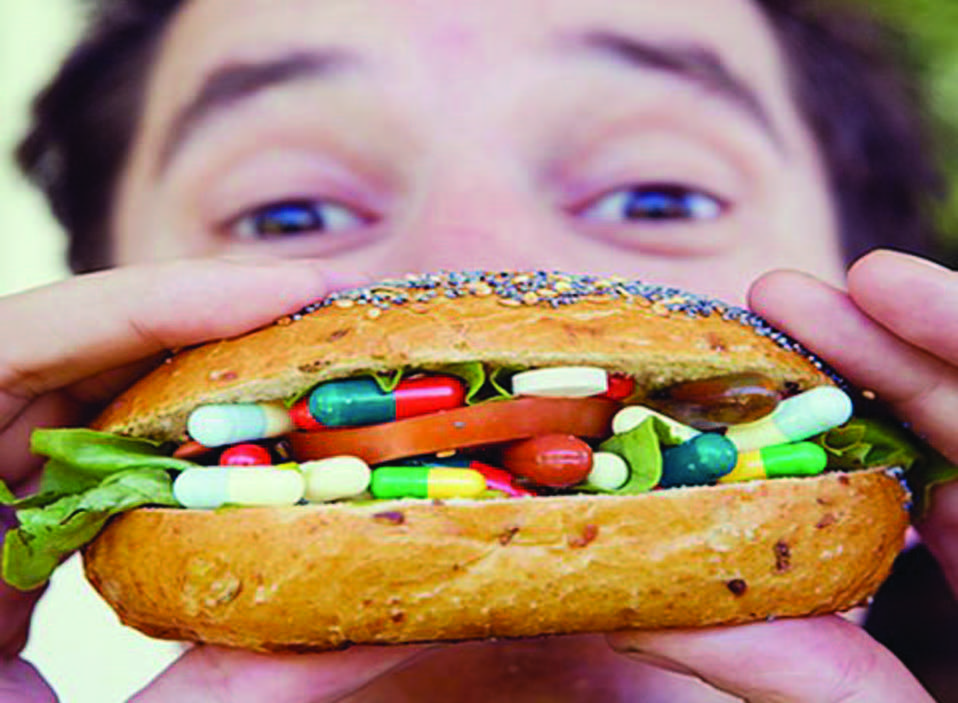
    Together, minerals make up a mere four per cent of your body, but their role in its effective functioning is crucial. Girgaum based family physician, Dr Krishnakant Dhebri sees five patients with mineral deficiency every day (vegetarians are worse hit) defines essential minerals as “keystones to our health”. It’s a fitting label considering they help carry out crucial functions, and a deficiency leads to worrying symptoms. “A poor diet is often the key reason for mineral deficiency,” says Dhebri, adding, “Commonly, patients are found deficient in iron, iodine and

    calcium

    The right diet plays a key role here since the body doesn’t produce minerals naturally, which means we must rely on what we eat to acquire them in the right quantity. A diet rich in fresh fruits, vegetables, fish, eggs, and seven hours of sleep are a must if your body is to be replenished adequately. Calcium Recommended daily allowance: 1,000 mg/day (women), 1,200 mg/day (men) Function: Builds and maintains strong bones and teeth; helps with muscle function; controls cell function, communication and signalling. Cause and effect: Low levels make you prone to osteoporosis and easy fracture. More of it leads to uneasiness, high BP, kidney and gall bladder stone. Sources: Almonds, figs, carrots, raisins, brown rice, garlic, dates, spinach, sesame, cashew, papaya, celery.

    Potassium

    Recommended dietary allowance: 2,000 mg/day (men and women) Function: Essential for nerve function, muscle contraction, maintaining BP and a healthy balance of water in blood and body tissues. Cause and effect: Deficiency can cause anxiety, fatigue and decreased heart rate. Excess of potassium causes hypertension. Sources: Oranges, bananas, peanuts, beans, coconut water, spinach.

    Selenium

    Recommended dietary allowance: 70 mcg (men), 55 mcg (women) Function: Helps in sperm formation, protects cells from damage and regulates thyroid function. Cuts risk of prostate, lung and colorectal cancer. Cause and effect: A deficiency can cause muscle weakness, cardiomyopathy (enlarged heart) and immune dysfunction. Sources: Organ meats, tuna, crabs, grains, spices.

    Sodium

    Recommended dietary allowance: 1,500 mg (men), 1,300 mg (women). Function: Helps regulate water in blood and tissue. Cause and effect: Low levels lead to fatigue, a feeling of indifference, mental confusion, nausea and muscle cramps. Sources: Table salt, papad, lime juice and dairy products.

    Zinc

    Recommended dietary allowance: 15 mg (men), 12 mg (women) Function: Boosts immunity (especially against lower respiratory tract infection, cold and cough), reproduction and the nervous system. Useful in blood clotting. Cause and effect: Deficiency leads to dermatitis, abnormal pregnancy and poor eyesight, abnormal sense of taste and smell. Sources: Red meat, almonds, peanuts, chickpeas, soy foods, dairy products, mushrooms, liver and sunflower seeds.

  • HAIR DISORDER COULD SIGNAL DENTAL DECAY

    HAIR DISORDER COULD SIGNAL DENTAL DECAY

    If you are experiencing hair fall problems, your teeth may require extra care as researchers have found that hair disorder could increase risk of dental decay. Keratins, proteins associated with strong hair, are important for tooth enamel, the findings showed.

    Individuals with mutations in hair keratin genes are prone to cavities, the findings showed. The researchers found that tooth enamel from individuals with keratin mutations had abnormal structure that resulted in weakness. “Our results identify a genetic locus that influences enamel structure and establishes a connection between hair disorders and susceptibility to dental caries,” said Maria Morasso from National Institutes of Health in the US. Tooth enamel is the hardest substance in the human body and has a unique combination of hardness and fracture toughness that protects teeth from dental caries, the most common chronic disease worldwide.

    “Epithelial hair keratins, which are crucial for maintaining the integrity of the sheaths that support the hair shaft, are expressed in the enamel organ and are essential organic components of mature enamel,” the researchers said. The study involved genetic and intraoral examination data from 386 children and 706 adults. The researchers found that individuals harbouring known hair disorder-associated polymorphisms in the gene encoding keratin 75 (KRT75), KRT75A161T and KRT75E337K, are prone to increased dental caries. A functional keratin network is required for the mechanical stability of tooth enamel, the findings showed.

  • BENEFITS OF SURYA NAMASKARA

    BENEFITS OF SURYA NAMASKARA

    Suryanamaskar or the Indian ritual of saluting the sun comprises a rhythmic combination of yogic postures and breathing exercises. The complete series includes 12 basic postures performed in cyclical pattern to benefit all three levels of human consciousness: Physical, mental and spiritual. However, for beginners to understand the true significance and impact of each position, the entire series should be broken down and practiced one posture at a time. We list out health benefits of this whole body workout aasan. Pranam Asana: This pose induces a state of concentration and calmness.

    This is a pose where one meditates to the Sun God. Hastautthan Asana: It helps in stretching the whole body. It helps correct the spinal arch and also improves the integrity of the spine. Try and reach as high as you can to get a better stretch. Padahasta Asana: This asana helps in reducing excess weight in the abdominal region. Helps in eliminating bloating, improves digestion and helps to remove constipation. Practicing this asana improves blood circulation, makes spine supple and tones spiral nerves. This asana helps inculcate the bhava (attitude) of humility.

    Ashwa-sanchalan Asana: This asana improves the overall health of the body and strengthens the back, abdomen and thigh muscles. Promotes mobility of the knee joints, strengthens the body to maintain good posture and prevent back problems. As there is a stretch on the neck , it is also beneficial to the functioning of the thyroid gland. Adho Mukha Svanasana: This asana helps in boosting one’s self confidence. Because of the increased blood flow to the upper body and the shoulder stand it helps in improving brain function and reduce anxiety and depression. Strengthens and tones the arms and legs.

    Also helps in lengthening the spine. Ashtang Namaskar: This pose besides strengthening the leg and arm muscles develops the chest and gives flexibility to the region of spine between the shoulder blades. Urdhva Mukha Svanasana: This pose keeps the spine supple, improving circulation in the back region and toning the spinal nerves. It tones and stimulates the abdominal muscles and organs. Stretches muscles of the chest and shoulder. Also increases lung capacity and relieves asthma.

  • AVOID SITTING FOR LONG HOURS, IT’S NOT HEALTHY

    AVOID SITTING FOR LONG HOURS, IT’S NOT HEALTHY

    Watch out! Sitting has been regarded akin to something as harmful as smoking and having hardly any physical activity is said to be a health hazard. It can lead to painful neck and back aches, decreased insulin sensitivity and increase the risk of stroke and heart attack. What the study said: As per reports, a study revealed that lessening the sitting hours could can help people in protecting the aging of DNA and even possibly extend their lifespan.

    It was found that reducing sedentary activity appeared to lengthen telomeres, which sit on the end of chromosomes, the DNA storage units in each cell and longevity and a healthy lifestyle have been linked to telomere length. What can help: Lunch hour workouts are in big demand abroad where employees squeeze in some time in their lunch break to do light exercises. From office yoga, do doing half an hour on a cross trainer and balancing on an exercise ball, there’s a lot you can do. If nothing else, take a walk around the block or try the Stairwell Climb, where ascend and descend the stairs a few times (if you have knee troubles, avoid this).

  • INDIA’S UNIVERSAL HEALTHCARE ROLLOUT TO COST $26 BILLION

    INDIA’S UNIVERSAL HEALTHCARE ROLLOUT TO COST $26 BILLION

    NEW DELHI (TIP): India’s universal health plan that aims to offer guaranteed benefits to a sixth of the world’s population will cost an estimated 1.6 trillion rupees ($26 billion) over the next four years, a senior health ministry official said. Under the National Health Assurance Mission, Prime Minister Narendra Modi’s government would provide all citizens with free drugs and diagnostic treatment, as well as insurance cover to treat serious ailments.

    The proposed plan would be rolled out in phases from April 2015 and will cover the entire population by March 2019, CK Mishra, an additional secretary at the health ministry, told Reuters. When the entire population is covered, it would cost an estimated $11.4 billion annually. “If you want to deliver the service, that is what it will take,” Mishra said, disclosing for the first time an expert group’s cost estimates that will be considered by the finance ministry for inclusion in the government’s spending plans. Healthcare experts caution that it could take decades before India’s 1.2 billion people are adequately covered and that the costs of provision could face significant upward pressure.

    If approved, India would need to drastically raise its healthcare spending. In the current financial year, the federal budget allocated about $5 billion to healthcare. “We are not in a position to implement it across the regions, states (right now). It’s impossible. So we are choosing number of districts each year,” said Mishra. Despite rapid economic growth in the last 20 years, the Indian government spends only about 1 percent of gross domestic product on healthcare.

    That compares to 3 percent in China and 8.3 percent in the United States. More newborns die in India than in poorer neighbours such as Bangladesh, and preventable illnesses such as diarrhoea kill more than a million children every year. Government hospitals are overcrowded and lack resources to meet the growing demand, while access to basic health services in rural areas and smaller towns remains poor. “I can say that you are covered, but your closest facilities are 100 kilometres away. You are limited by that fact,” said Rana Mehta, leader of healthcare at consultants PwC India. “To build infrastructure and then provide care over a period of time would obviously take decades.” A 2012 study by Indian business lobby FICCI and consultants EY estimated that universal health cover in India was feasible in a decade and would require government health spending to rise to 3.7-4.5 percent of GDP.

    PLAN STRUCTURE

    The new plan will focus on improving preventive healthcare services by ensuring adequate availability of medical practitioners in rural areas, while new infrastructure will be created under existing welfare programmes, Mishra said. Tertiary care services would be provided through an insurance-based model and the government will offer more than 50 drugs free to all its citizens. Along with the drugs, about 12-15 diagnostic treatments will be offered in the package. Mishra said states will be encouraged to enter into outsourcing agreements for the provision of treatment.

    In recent years, thousands of small private hospitals and test centres have flourished, betting on high demand created by lack of adequate public facilities. Such providers opened 80 percent of India’s new hospital beds during 2002-2012, according to a PwCNatHealth report. While private players will be involved in the ambitious programme, the government will need to ensure speedy payments for the partnership to work, said Harish Pillai, chief operating officer at private healthcare group Indus Health.

  • OFFICIAL CITES ‘EPIDEMIC OF FEAR’ IN US

    OFFICIAL CITES ‘EPIDEMIC OF FEAR’ IN US

    WASHINGTON (TIP): The likelihood of a significant outbreak of Ebola in the US is remote, in the view of a top Health and Human Services official who is assuring lawmakers that government agencies are preparing for any contingency. The comments on Ebola from Dr. Nicole Lurie, assistant HHS secretary for preparedness and response, came in prepared testimony for a hearing Friday by the House Oversight and Government Reform Committee. Lurie’s statement was written before news broke late Thursday of a fourth Ebola case diagnosed in the US — a doctor in New York City who had treated patients in Guinea. That was certain to prompt renewed fears over Ebola and more questions from lawmakers.

    Republicans in particular have questioned the Obama administration’s response to Ebola, and the hearing, taking place less than two weeks before the midterm elections, was likely to feature more criticism. Republicans have called for a travel ban and quarantines of travelers arriving here from Guinea, Liberia and Sierra Leone, the hot spots for the epidemic that has killed thousands in Africa. The Obama administration has resisted such steps even while increasing screening of travelers arriving here and ensuring that they are monitored for 21 days, the incubation period for the deadly disease. “Ebola is a dangerous disease, but there is hardly a reason for panic,” Lurie said. “There is an epidemic of fear, but not of Ebola, in the United States.”

  • DOCTOR IN NEW YORK CITY TESTS POSITIVE FOR EBOLA

    DOCTOR IN NEW YORK CITY TESTS POSITIVE FOR EBOLA

    NEW YORK (TIP): A doctor in New York City who recently returned from treating Ebola patients in Guinea tested positive for the Ebola virus on October 23, becoming the city’s first diagnosed case. The doctor, Craig Spencer, was rushed to Bellevue Hospital Center on Thursday and placed in isolation while health care workers spread out across the city to trace anyone he might have come into contact with in recent days.

    A further test will be conducted by the federal Centers for Disease Control and Prevention to confirm the initial test. While officials have said they expected isolated cases of the disease to arrive in New York eventually, and had been preparing for this moment for months, the first case highlighted the challenges surrounding containment of the virus, especially in a crowded metropolis. Even as the authorities worked to confirm that Spencer was infected with Ebola, it emerged that he traveled from Manhattan to Brooklyn on the subway on Wednesday night, when he went to a bowling alley, and then took a taxi home.

    The next morning, he reported having a temperature of 103 degrees, raising questions about his health while he was out in public. People infected with Ebola cannot spread the disease until they begin to display symptoms, and it cannot be spread through the air. As people become sicker, the viral load in the body builds, and they become more and more contagious. Dr Spencer’s travel history and the timing of the onset of his symptoms led health officials to dispatch disease detectives, who “immediately began to actively trace all of the patient’s contacts to identify anyone who may be at potential risk,” according to a statement released by the department.

    It was unclear if the city was trying to find people who might have come into contact with Dr Spencer on the subway. The Metropolitan Transportation Authority directed all questions to the health department, which did not immediately respond to requests for comment on the issue. At Dr Spencer’s apartment in Harlem, his home was sealed off and workers distributed informational fliers about the disease. It was not clear if anyone was being quarantined. Health authorities declined to say how many people in total might have come into contact with Dr Spencer while he was symptomatic.

    Mayor Bill de Blasio, speaking at a news conference Thursday evening before the diagnosis, said Dr Spencer has given health workers a detailed accounting of his activities over the last few days. “Our understanding is that very few people were in direct contact with him,” de Blasio said. Dr Spencer had been working with Doctors Without Borders in Guinea, treating Ebola patients, before returning to New York City on Oct. 14, according to a city official.

    He told the authorities that he did not believe the protective gear he wore while working with Ebola patients had been breached but had been monitoring his own health.Doctors Without Borders, in a statement, said it provides guidelines for its staff members on their return from Ebola assignments, but did not elaborate on those protocols.”The individual engaged in regular health monitoring and reported this development immediately,” the group said in a statement.

    Dr Spencer began to feel sluggish on Tuesday but did not develop a fever until Thursday morning, he told the authorities. At 11am, the doctor found that he had a 103- degree temperature and alerted the staff of Doctors Without Borders, according to the official. The staff of Doctors Without Borders called the city’s health department, which in turn called the fire department. Emergency medical workers, wearing full personal protective gear, rushed to Dr Spencer’s apartment, on West 147th Street. He was transported to Bellevue and arrived shortly after 1pm.

    He was placed in a special isolation unit and is being seen by the pre-designated medical critical care team. They are in personal protective equipment with undergarment air ventilation systems. Bellevue doctors have prepared for an Ebola patient with numerous drills and tests using “test patients” as well as actual treatment of suspected cases that turned out to be false alarms. A health care worker at the hospital said that Dr Spencer seemed very sick, and it was unclear to the medical staff why he had not gone to the hospital earlier, since his fever was high.

    Dr Spencer is a fellow of international emergency medicine at NewYork- Presbyterian Hospital/Columbia University Medical Center, and an instructor in clinical medicine at Columbia University. “He is a committed and responsible physician who always puts his patients first,” the hospital said in a statement. “He has not been to work at our hospital and has not seen any patients at our hospital since his return from overseas.”Even before the diagnosis, the Centers for Disease Control dispatched a team of experts to assist in the case, before the test results were even known. More than 30 people have gone to city hospitals and raised suspicions of Ebola, but in all those cases, health workers were able to rule it out without a blood test.

  • Britain warns citizens against proverbial Delhi belly this Diwali

    Britain warns citizens against proverbial Delhi belly this Diwali

    LONDON: Britain has warned its citizens against the proverbial Delhi belly this Diwali. In an advice issued for travellers going to India to stay healthy during Diwali, Public Health England (PHE) and the National Travel Health Network and Centre (NaTHNaC) said, “we would like to remind travellers from the UK visiting friends and relatives in the Indian subcontinent during the festivities of Diwali (23 October), to practice good food and water hygiene and to avoid insect bites.” PHE said visiting friends and relatives is still the most common reason for travel after taking holidays.


    People who travel for this reason often travel for longer periods of time and usually stay within the family or friend’s home. They effectively become members of the local population while they are there and are consequently exposed to similar infectious risks. Dr Jane Jones, an expert in travel health at PHE, said, “We strongly advise all travellers to seek health advice before you travel, even if the country you are visiting is familiar to you or your family.


    People who visit friends and family abroad are disproportionately affected by some preventable infectious disease such as enteric fever, hepatitis A and travellers’ diarrhoea.” The directions given to British cirizens are, “You should make sure you get the appropriate immunisations for your visit and you can reduce the risk of diarrhoea by following some basic food and water hygiene advice. Maintain good hand hygiene by washing hands after visiting the toilet, and always before preparing or eating food.


    Use alcohol gel when handwashing facilities are not available avoid potentially risky foods such as salads, peeled fruit and vegetables, cold meats, ice cream, eggs and shellfish, avoid drinking tap water, including in ice.” Dr Dipti Patel, joint director at NaTHNaC, said, “Diseases spread by mosquitoes such as dengue fever and malaria may also be a risk. To reduce the risk of being bitten use recommended insect repellents and wear appropriate clothing – such as long sleeve tops and trousers to reduce the amount of skin being exposed. You should also check whether you need anti malarial tablets with your general practice, travel health clinic, or pharmacy.”

  • DEEPAVALI, THE ‘FESTIVAL OF LIGHTS’

    DEEPAVALI, THE ‘FESTIVAL OF LIGHTS’

    Deepavali or Diwali period is celebrated universally by Indians residing globally. It has significance to all major religions of India.

    Lord Rama’s return to Ayodhya from 14 years exile along with wife Sita, brother Lakshman, and devout Hanuman brought immense joy to the people who lighted lamps to illuminate the entire city

    Lord Vishnu as Vaman avatar, rescued Lakshmi from the prison of King Bali who was banished to the underworld on this day

    The Pandavas returned to Hastinapur after 12 years of banishment. Happy citizens lit earthen lamps in celebration

    Bandi Chorr Devas, festival of Sikhs celebrates the release of their sixth guru – Guru Hargobind Singh from the Gwalior Fort along with 52 other Hindu princes in 1619

    Foundation stone of Golden Temple was laid on the day of Diwali in 1577

    Ashok Vijaydashmi celebrates the conversion of emperor Ashoka to Buddhism on this day with prayers and decoration of the monasteries

    Diwali in Nepal is known as Tihar and celebrated with splendor

    Lord Mahavira, the last of the Jain Tirthankar of the era, attained eternal bliss or release of the soul viz. Nirvana or Moksha on this day at Pavapuri on lunar Chaturdashi of Kartika on 15 October 527 BC.

    According to the Kalpasutra by Archarya Bhadrabahu, 3rd century BC, many Gods were present there, illuminating the darkness with their divine light

    Diwali marks the end of harvest season in most of India. Farmers pray for a good harvest for the year to come

    Hindus pray to Lord Ganesha and Goddess Lakshmi to remove all the darkness and poverty from everyone’s lives, and to fill all our hearts with the sparkling golden light of peace, love, truth, and spiritual joy.

    The illumination of homes with lights and the skies with firecrackers is an expression of obeisance to the heavens for the attainment of health, wealth, knowledge, peace and prosperity.

    Deepavali delivers us from Darkness unto Light to commit ourselves to good deeds and thus approach divinity.

    FIVE DAYS OF DEEPAV


    29


    DAY 1: Dhanteras/Dhanvantari Trayodashi Goddess Lakshmi is worshiped to provide prosperity and well being. Dhanvantri, physician of the Gods is remembered for health and hygiene.

    DAY 2: Choti Deepawali / Narak Chaturdashi Naraka Chaturdasi marks the vanquishing of the demon Narakasur by Lord Krishna and his wife Satyabhama. Narakasur and his mother Bhudevi or Mother Earth wished his death to be occasion for rejoicing, rather than mourning.

    DAY 3: Main Deepawali / Lakshmi Puja Amavasya or new moon night marks the worship of Lakshmi, the goddess of wealth in her most benevolent mood, fulfilling the wishes of her devotees. Lord Vishnu, in his dwarf’s incarnation, vanquished the tyrant Bali to rescue her. Bali was allowed to return to earth once a year, on this day to light millions of lamps to dispel darkness and ignorance, and spread the radiance of love and wisdom.

    DAY 4: Pratipat / Padwa Puja / Govardhan Puja / Annakoot Mount Govardhan lifted by Lord Krishna on one finger formed an umbrella to protect people of Gokul from a deluge sent by Lord Indra. Annakoot means mountain of food. Prayers for plentiful are offered with obeisance to Lord Krishna on this day.

    Day 5: Yama Dvitiya / Bhai Dooj Yamraj, the Lord of death visited and gave his sister Yamuna a boon that whosoever visits her on this day shall be liberated from all sins. Traditionally, brothers visit their sisters. Lord Mahavir, the founder of Jainism had attained nirvana, or heaven. His brother King Nandivardhan was very distressed, and was comforted by their sister Sudarshana. Sisters have been revered since, symbolized by Bhai Dooj. In India, respect for women is seen in every aspect of festivals and celebrations. The creator is shown as sublime, divine, feminine force of Shakti, venerated in several Goddess forms like Durga on a lioness, or Kali, the fiery dark Goddess of strength. The myriad Gods and Goddesses depict the undefinable and limitless dimensions and facets of eternal divinity

  • DIWALI DECOR FOR YOUR HOME

    DIWALI DECOR FOR YOUR HOME

    Decorate your home with diyas, torans and kandeels. Diwali is synonymous with diyas, kandeels and torans. The sheer variety of these items available in the markets these days is inspiring, for you can do a lot with them when it comes to decorating your home for the festive season.

    Makeovers are not tough; you just need to open up your mind and let your creative self take wings… A little splash of colour here and some intelligent shuffling of furniture can sometimes lend a dazzling new look to your room. You can begin by asking yourself what exactly you want to change in your home decor and then list out the areas where you want the rangolis, the diyas, the kandeels and the torans. Decorate the entrance of your house with contemporary rangolis: The entrance of your home can be decorated with beautiful contemporary rangolis. There are ready-made rangolis and floating rangolis made with crystals, kundan and mirrors available in the market.

    They look very festive and rich. With tealights or diyas on them, they can make your home look warm and welcoming, and lend an unmistakable touch of elegance. You could also opt for traditional rangolis of rice powder, floral rangolis or hire professionals to do portrait rangolis. Light up the corners with diyas: We all know that by simply changing the lighting, one can make a huge difference to how a room looks. So, diyas play a big role here.

    Nooks, niches, corners in your rooms can be lit up beautifully. Hang tealights in transparent coloured glass holders: You could hang some diyas or tealights in small coloured glass containers that are a rage in the market this year. They could be suspended from the ceiling over your dining table. That way, the light falls on your table and there is no chance of anyone bumping into them accidentally as well. Use rangoli as a centerpiece in your living room: Using a big rangoli as the main attraction in you living room.

    You could add fresh flowers, diyas and tealights to brighten it up. Bring in prosperity with torans and kandeels: Torans and kandeels are a traditional way of decorating your home for Diwali. They add an ethnic touch to your home decor.

  • Making the Diwali hamper

    Making the Diwali hamper

    Diwali is the time when gifts are exchanged. While there are a lot of options easily available in the market for gifts, it’s always nice when someone gives something handmade -and it is cost effective as well. Here are a few ways in which you can put together a basic hamper at home to gift your friends:

    SWEETS There are different kinds of sweets that you can put into your hamper, but the most common are Motichur Laddus and Kaju Katlis. While you can always buy them in bulk from sweet shops, you can also make them at home.

    DIYAS Mud diyas are available in stores, and, in abundance, from roadside vendors as well. You can hand paint them with oil paints. Get a little creative and stick small mirrors and glitter powder on them with a little glue. Get medium-sized diyas and paint one for each hamper.

    CHOCOLATES While it might look that you are giving an overdose of sweets during Diwali, tradition calls for it. You need to distribute sweets during the festive season and, of late, people have also started including chocolates and cupcakes in their hampers.

    DRY FRUITS To bring a little balance to the overdose of sweet, you could add salted dry fruits or some sort of namkeen in your hamper.

    BASKET You can reuse fruit baskets that you might have got at some point of time or you can buy such baskets at a store. Try getting one from a wholesale store as you might be able to get it for a reasonable price, depending on the quantity you buy .

    CANDLES There are many different candle designs available in the market during Diwali.You can include a candle to add a bit of colour to the hamper

  • WEIGHT LOSS RACE NOT FOR SLOW AND STEADY

    WEIGHT LOSS RACE NOT FOR SLOW AND STEADY

    Gradual weight loss does not reduce the amount or rate of weight regain compared with losing weight quickly, a study says. Substantial weight loss is more likely to be achieved if undertaken rapidly, it pointed out. “Our results show that an obese person is more likely to achieve a weight loss target of 12.5 percent weight loss, and less likely to drop out of their weight loss program, if losing weight is done quickly,” said Katrina Purcell from the University of Melbourne who is also a dietitian.

    The trial included 200 obese adults who were randomly assigned to either a 12-week rapid weight loss program on a very-low-calorie diet or a 36-week gradual weight-loss program based on current dietary recommendations. The initial rate of weight loss did not affect the amount or rate of weight regain: with similar amounts of weight regained by three years by participants on both diet programs who completed both phases of the study (around 71 percent in both groups), the team found.

    This may impact the worldwide treatment of obesity, as global guidelines recommended gradual weight loss for the treatment of obesity, reflecting the widely-held belief that fast weight loss is more quickly regained, the study said. A number of possible explanations have been put forward for their findings, including that the limited carbohydrate intake of very-lowcalorie diets promotes greater satiety, and less food intake by inducing the production of hunger suppressants called ketones. Losing weight quickly may also motivate participants to stick to the diet, the authors said.

    The study highlights the urgent need for committees that develop clinical guidelines for the management of obesity to change their advice, concluded Joseph Proietto, professor of medicine in University of Melbourne.

  • Foods that flush out toxins from your body

    Foods that flush out toxins from your body

    In olden days, fresh fruits and vegetables used to be part of one’s daily diet, and food was less processed. It’s hardly surprising that people lived longer and had healthy bodies. Nowadays, one needs to take extra precautions and adopt measures to lead a healthy life and have a fit body. Diet and exercise are very important to stay healthy. Here is a list of some food items that you can include in your daily diet to flush out toxins:

    LEMONS: Lemons release enzymes that help excrete toxins from the body. Health experts usually advise people to drink a glass of warm water with lemon and honey in the morning as it helps cleanse the body of toxins. It also supplies vitamin C to the body and balances the acidity in food consumed.

    CURD: It’s a good idea to have a cup of curd every day after a meal. Curd is an antioxidant and cleanses the body, and in the process, boosts metabolism. It also contains calcium and vitamins

    GREEN TEA: It is a great antioxidant and can easily be incorporated in your daily diet. You can have a cup in the morning and one in the afternoon.The one in the afternoon generally acts as a stimulant and helps lower blood sugar.

    FLAXSEEDS: Ground flaxseeds flushes toxins out of your body The fibre from this keeps the intestinal tract clean and contains omega 3 oils. But, men should be careful while consuming as the lignans in it are similar to the female hormone estrogen.

    WHEATGRASS: It contains a lot of alkaline, which helps curb acidity, detoxifies the body and protects the liver. It also lowers blood pressure, increases metabolism and even stimulates the enzymes in the body by purifying the blood.

    GINGER: This is considered one of the most potent disease-fighting spices, along with turmeric. It helps the metabolism, flushes out toxins and boosts liver function. You can chew on a small piece of ginger or even include it in your cooked food every day.

    PARSLEY: While parsley is mostly used as a garnish, it has more medicinal values than you know. It keeps the kidney healthy and free of infection, and reduces bloating during menstruation in women.

  • SOFT DRINKS MAY AGE YOU AS FAST AS SMOKING

    SOFT DRINKS MAY AGE YOU AS FAST AS SMOKING

    Daily consumption of half-a-liter of sugared soda is linked with 4.6 years of additional biological aging, effects comparable to that of smoking, finds a new study. The study found that drinking sugary drinks is associated with cell aging, suggesting sugar-sweetened soda consumption might promote disease independently from its role in obesity.

    The study revealed that telomeres – the protective units of DNA that cap the ends of chromosomes in cells – were shorter in the white blood cells of people who reported drinking more soda. “Regular consumption of sugar-sweetened sodas might influence disease development, not only by straining the body’s metabolic control of sugars, but also through accelerated cellular aging of tissues,” said senior study author Elissa Epel, professor of psychiatry at University of California, San Francisco (UCSF). The length of telomeres within white blood cells has previously been associated with human lifespan.

    “This is the first demonstration that soda is associated with telomere shortness,” Epel added. This effect on telomere length is comparable to the effect of smoking, or to the effect of regular exercise in the opposite, anti-aging direction, according to lead author of the study Cindy Leung, postdoctoral fellow at UCSF. Short telomeres also have been associated with the development of chronic diseases of aging, including heart disease, diabetes, and some types of cancer. The researchers measured telomeres after obtaining stored DNA from 5,309 participants, ages 20 to 65, with no history of diabetes or cardiovascular disease, who had participated in a health survey during the years 1999 through 2002.Weight loss race not for the slow and steady

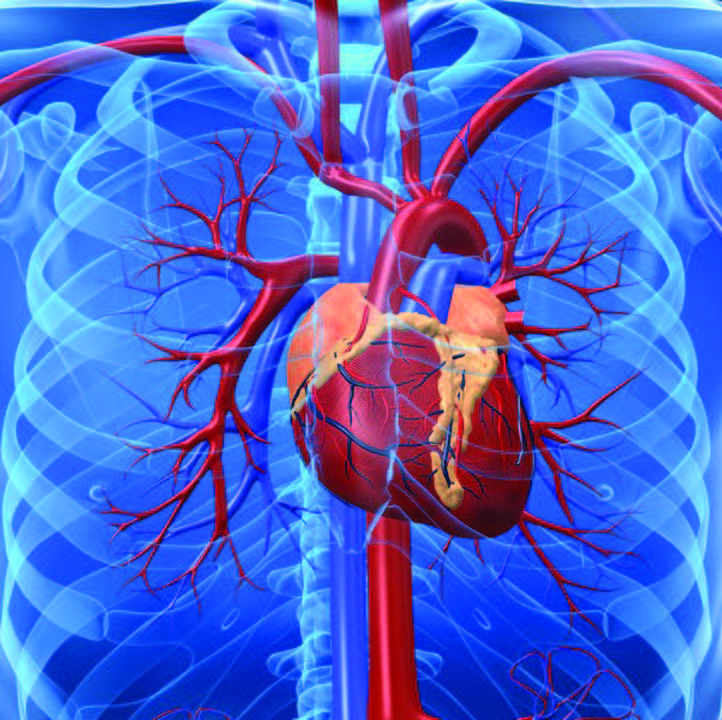
  • A new drug soon to treat heart attack

    A new drug soon to treat heart attack

    Some scar-forming cells in the heart have the ability to turn into cells that form blood vessels, which are required to boosts the heart’s ability to heal after an injury, an Indian-origin researcher has found, suggesting a new approach to treat heart attack. The team of researchers he led also found that a drug could enhance this phenomenon – turning the scarforming cells in the heart, known as fibroblasts to endothelial cells that form blood vessels – and improve the repair process after a heart attack.

    “Our findings suggest the possibility of coaxing scarforming cells in the heart to change their identity into blood vessel-forming cells, which could potentially be a useful approach for better heart repair,” said the study’s senior author Arjun Deb, associate professor of medicine at the University of California-Los Angeles in the US. “It is well known that increasing the number of blood vessels in the injured heart following a heart attack improves its ability to heal,” Deb added.

    Through experiments on mice in which scar-forming cells in the heart were genetically labeled, the researchers discovered that many of the fibroblasts in the heart’s injured region changed into endothelial cells. This process contributed directly to blood vessel formation – a phenomenon they called mesenchymalendothelial transition or MEndoT. The researchers also identified a molecular mechanism that regulated MEndoT and found that administering a small molecule to augment MEndoT led to less scarring and allowed the heart to heal more completely.

  • EBOLA IN NEW YORK CITY

    EBOLA IN NEW YORK CITY

    NEW YORK (TIP): Craig Spencer, a 33-year-old Doctors Without Borders physician who recently returned from Guinea, became the fourth person ever diagnosed with Ebola on U.S. soil on Thursday, October 23 night. He was rushed to Bellevue Hospital Center by paramedics in hazmat suits and placed in the site’s isolation ward. But New York officials quickly insisted that the city’s first Ebola case will be handled completely differently than Liberian Thomas Eric Duncan’s in Texas.

    Read Related news

    A doctor in New York City who recently returned from treating Ebola patients in Guinea tested positive for the Ebola virus on October 23, becoming the city’s first diagnosed case. The doctor, Craig Spencer, was rushed to Bellevue Hospital Center on Thursday and placed in isolation while health care workers spread out across the city to trace anyone he might have come into contact with in recent days.

    A further test will be conducted by the federal Centers for Disease Control and Prevention to confirm the initial test. While officials have said they expected isolated cases of the disease to arrive in New York eventually, and had been preparing for this moment for months, the first case highlighted the challenges surrounding containment of the virus, especially in a crowded metropolis. Even as the authorities worked to confirm that Spencer was infected with Ebola, it emerged that he traveled from Manhattan to Brooklyn on the subway on Wednesday night, when he went to a bowling alley, and then took a taxi home.


    4


    The next morning, he reported having a temperature of 103 degrees, raising questions about his health while he was out in public. People infected with Ebola cannot spread the disease until they begin to display symptoms, and it cannot be spread through the air. As people become sicker, the viral load in the body builds, and they become more and more contagious. Dr Spencer’s travel history and the timing of the onset of his symptoms led health officials to dispatch disease detectives, who “immediately began to actively trace all of the patient’s contacts to identify anyone who may be at potential risk,” according to a statement released by the department.

    It was unclear if the city was trying to find people who might have come into contact with Dr Spencer on the subway. The Metropolitan Transportation Authority directed all questions to the health department, which did not immediately respond to requests for comment on the issue. At Dr Spencer’s apartment in Harlem, his home was sealed off and workers distributed informational fliers about the disease. It was not clear if anyone was being quarantined.

    Health authorities declined to say how many people in total might have come into contact with Dr Spencer while he was symptomatic. Mayor Bill de Blasio, speaking at a news conference Thursday evening before the diagnosis, said Dr Spencer has given health workers a detailed accounting of his activities over the last few days. “Our understanding is that very few people were in direct contact with him,” de Blasio said. Dr Spencer had been working with Doctors Without Borders in Guinea, treating Ebola patients, before returning to New York City on Oct. 14, according to a city official.

    He told the authorities that he did not believe the protective gear he wore while working with Ebola patients had been breached but had been monitoring his own health.Doctors Without Borders, in a statement, said it provides guidelines for its staff members on their return from Ebola assignments, but did not elaborate on those protocols.”The individual engaged in regular health monitoring and reported this development immediately,” the group said in a statement.

    Dr Spencer began to feel sluggish on Tuesday but did not develop a fever until Thursday morning, he told the authorities. At 11am, the doctor found that he had a 103- degree temperature and alerted the staff of Doctors Without Borders, according to the official. The staff of Doctors Without Borders called the city’s health department, which in turn called the fire department. Emergency medical workers, wearing full personal protective gear, rushed to Dr Spencer’s apartment, on West 147th Street. He was transported to Bellevue and arrived shortly after 1pm.

    He was placed in a special isolation unit and is being seen by the pre-designated medical critical care team. They are in personal protective equipment with undergarment air ventilation systems. Bellevue doctors have prepared for an Ebola patient with numerous drills and tests using “test patients” as well as actual treatment of suspected cases that turned out to be false alarms. A health care worker at the hospital said that Dr Spencer seemed very sick, and it was unclear to the medical staff why he had not gone to the hospital earlier, since his fever was high.

    Dr Spencer is a fellow of international emergency medicine at NewYork- Presbyterian Hospital/Columbia University Medical Center, and an instructor in clinical medicine at Columbia University. “He is a committed and responsible physician who always puts his patients first,” the hospital said in a statement. “He has not been to work at our hospital and has not seen any patients at our hospital since his return from overseas.”Even before the diagnosis, the Centers for Disease Control dispatched a team of experts to assist in the case, before the test results were even known. More than 30 people have gone to city hospitals and raised suspicions of Ebola, but in all those cases, health workers were able to rule it out without a blood test.

  • Fund to fight Ebola has $100,000 in bank: UN chief

    Fund to fight Ebola has $100,000 in bank: UN chief

    UNITED NATIONS (TIP): Secretary general Ban Kimoon said that a trust fund he launched to provide fast and flexible funding for the fight against Ebola has only $100,000 in the bank. UN spokesman Stephane Dujarric said the trust fund is part of a nearly $1 billion U.N. appeal for humanitarian needs in Liberia, Sierra Leone and Guinea, the three countries hardest-hit by the deadly virus.

    Secretary-General Ban urged the international community to respond to the appeal immediately, which he said will enable the United Nations “to get ahead of the curve and meet our target of reducing the rate of transmission by Dec. 1.” The World Health Organization said Thursday that the Ebola death toll will reach more than 4,500 this week, from among 9,000 people infected by the deadly disease. It has projected that there could be between 5,000 and 10,000 new cases a week in early December without urgent action.

    Dujarric said donors may choose to give directly to a UN agency or a specific country, or they may channel their contribution through the trust fund which will allow the UN to allocate the funds where they are most urgently required at the time. The secretary-general said the trust fund had received about $20 million, but the United Nations later clarified that the $20 million has been pledged, and only $100,000 has actually been received. As of Thursday, Dujarric said the wider $1 billion UN appeal had received $376 million in pledges, about 38% of the amount sought. “Ebola is a huge and urgent global problem that demands a huge and urgent global response,” Ban told reporters.

    He said dozens of countries “are showing their solidarity,” singling out the US, Britain, France, Canada, Germany, Poland, Japan, South Korea, Cuba and China. But he said it’s time that countries that have “the capacity” — which he didn’t identify — provide support. The secretary general said he liked the idea of greater public support for the fight against Ebola, including the possibility of a fundraising concert promoted by someone like U2 singer Bono.

  • Facebook’s Mark Zuckerberg donates $25 million to fight Ebola

    Facebook’s Mark Zuckerberg donates $25 million to fight Ebola

    WASHINGTON (TIP): Facebook co-founder Mark Zuckerberg said on Tuesday he and his wife were donating $25 million to help US efforts to contain the deadly Ebola epidemic. “The Ebola epidemic is at a critical turning point. It has infected 8,400 people so far, but it is spreading very quickly and projections suggest it could infect one million people or more over the next several months if not addressed,” Zuckerberg said on his Facebook page. “We need to get Ebola under control in the near term so that it doesn’t spread further and become a long term global health crisis that we end up fighting for decades at large scale, like HIV or polio.” He said he and his wife Priscilla were donating the funds to the US Centers for Disease Control (CDC) Foundation. “We believe our grant is the quickest way to empower the CDC and the experts in this field to prevent this outcome,” Zuckerberg said.