Tag: Health

Read the latest health news, diet, fitness, medical news and healthcare tips on theindianpanorama.news/health. Get all the healthcare news, including wellness, fitness, diet and weight loss & more.

  • FIGHTING EXODUS OF DOCTORS FROM ARMED FORCES, GOVT HIKES BOND MONEY

    FIGHTING EXODUS OF DOCTORS FROM ARMED FORCES, GOVT HIKES BOND MONEY

    NEW DELHI (TIP): With 85 doctors pre-maturely leaving military service for the much greener pastures in the civilian world since 2011, the government has hiked the bond money to Rs 25-30 lakh in a bid to stem the exodus from the Armed Forces Medical Services (AFMS). Defence minister Arun Jaitley told Lok Sabha on Friday that the amount of the “bond” — which candidates taking admission in the Armed Forces Medical College for MBBS have to execute and pay if they leave service before 20 years — has been raised from the current academic year.

    While the pre-revised bond money was Rs 15 lakh for the MMBS course in AFMS colleges, it is now pegged at Rs 25 lakh. Similarly, it has been hiked from Rs 5 lakh for civilian candidates and Rs 15 lakh for AFMS doctors to Rs 25 lakh for those undertaking post-graduate MD/MS courses. The bond for post-doctoral super-speciality courses is now Rs 30 lakh from the earlier Rs 5 lakh. “It has also been decided that the above bond money will be enhanced by Rs 1 lakh per year for the next five years,” said Jaitley.

    The number of doctors who opted out of military service by paying the bond money stood at 26 in 2011, 19 each in 2012 and 2013, and 21 till now this year. The AFMS, which looks after the health services in the 13 lakh strong armed forces, has around 5,800 doctors and 620 dentists at present. There were 205 new doctors commissioned in the AFMS in 2011, 234 in 2012, 307 in 2013 and 93 till now this year.

  • KITCHEN MUST-HAVES FOR YOUR HOME

    KITCHEN MUST-HAVES FOR YOUR HOME

    If you have money to spare and want to invest in your kitchen, there are a number of ways you can upgrade your kitchen. Here’s how:

    A modular kitchen cabinet
    The kitchen space looks neater and cool with a modular kitchen cabinet. It not only makes the kitchen look clutter free, but also helps one organize things better with many compartments and shelves.

    Convection microwave
    This saves lot of time and removes the hassle of heating food. And whenever your mood permits, you can freak out with some baking sessions too. Lots of Indian recipes can be cooked in microwave nowadays. And there are a number of recipes for microwave cooking too. You can prepare food with minimum oil too.

    Double door refrigerator
    This is a must in every household. The more the storage space in a refrigerator, the more stuff can be put in it, thus saving your frequency to going to the market for shopping of essential perishable stuff.

    The kitchen wok
    This wonderful utensil is a good pick. It would be fun to cook stuff in a wok, plus you can flaunt it when there are guests around. It is definitely a pride possession for anyone who’s cooking and loves cooking.

    A knife set
    The better the knife set, the wonderful is the cutting experience. Taking from the paring knife to the boning knife, there is a right knife for every cutting need. Spending more on buying a very good quality chef’s knife is always a good idea because it will last longer too.

    Cutting board
    Avoid going for a plastic cutting board, if you want to enjoy the cooking process. Cutting veggies is always a pleasure when done on a wooden cutting/chopping board.

    Wine glass set
    Your candlelit dinners ought to be accompanied with a fine serve of wines. So, pick those fine wine glasses of your choice and keep them at a special place. Even if you don’t have a small bar at home, do keep the wine glasses. They add glam to your kitchen

    Fine crockery (Bone china)
    You have got all the things in the right place. Now, you need an apt crockery to set the mood of dining at your home.

    Food processor
    A food processor really gives a high to the cooking process. Bring it home once, and you are bound to unleash the master chef within. It also takes away the burden of chopping and cutting when you really don’t have the energy or much time.

    Fine cutlery
    This is an accessory that you don’t want to go wrong with. The market has a lot of high end cutlery available where you can pick your favourite shape and size. In the end, how you love to have your food matters a lot.

  • HOW TO KEEP YOUR WASHROOM CLEAN

    HOW TO KEEP YOUR WASHROOM CLEAN

    There clever pointers will help you keep your bathroom sparkling and fragrant:
    -Avoid cluttering your bathroom, since it’s usually the smallest room in the house. If you have many sanitary and beauty products, try to store them inside cabinets below the sink or on the wall. Don’t leave them out.
    -Scrubbing the counter of the sink and the toilet daily is a must, as these are used regularly and should be clean. If you do it every day, your weekly cleaning routine will be less tedious.
    -If you have shower curtains, make sure you change them regularly. Plastic ones can we washed. Do the same with the hand towel above the sink. Put a clean one every morning.
    -Never leave dirty laundry or wet towels inside the bathroom, especially on the floor. Once you’re done using them, take them straight to the laundry or put them in a bathroom hamper.

  • UTILISE CITRUS FRUIT PEELS

    UTILISE CITRUS FRUIT PEELS

    Citrus peels can be used in various ways at home. It not only saves you money, it also brings wonderful results.

    – Use lemon peel to bathe. It leaves your body and hair smelling fresh and clean.
    -Add any citrus peel to a pitcher of water and put in the refrigerator. It gives a soothing fragrance and mild flavour to water.
    -Add a slice of citrus peel to brown sugar to prevent it from going hard.
    -Use dried citrus peel to freshen up that smelly sock or underwear drawer. Place the peels inside a sachet first and it will create a beautiful scent. Place dried citron peel into closets and wardrobes to ward off the moths.
    -You can use orange or lemon peels to make your breath smell great. Chew the peel and you’ll find it’s a good substitute for mints and gum.

  • WAYS TO PREVENT OBESITY

    WAYS TO PREVENT OBESITY

    You don’t need fancy exercise equipment or an expensive gym membership for losing weight. Walking, jogging, running, cycling and swimming are great for weight loss Regardless of whether one is just a little overweight, fat, or morbidly obese – losing weight is the one thing that really tops the list of priorities for most people.

    Every second person you know is on some kind of a ‘losing weight’ programme – either with the help of a control diet or with a combination of diets and exercise. Though most do not need to obsess about their weight, it is the obese who really need to do something about it. Dr Muffazal Lakdawala, bariatric surgeon, recommends some practical tips on how to prevent obesity…

    -Recognise that obesity is a disease. In fact, in the US obesity has reached epidemic proportions; while most epidemics can be defeated with a pill or vaccine, obesity requires people to change the way they eat and live, making it harder to defeat. Obesity is a major risk factor for serious chronic diseases and conditions including Type 2 diabetes, hypertension, sleep apnea, gallstones, infertility, varicose veins, gout, osteoarthritis and Deep Vein Thrombosis (DVT).

    -If you are overweight, take action right now to prevent crossing over into obesity. The first step is to make healthier lifestyle choices in your diet and exercise.

    -Eat healthy. Include fruits, green vegetables, cereals and whole grain foods in your daily diet. Avoid sweets, fried, junk, packaged and refined foods. Eat small meals and chew your food slowly.

    -Set aside at least 30 minutes every day for cardiovascular exercise. You don’t need fancy exercise equipment or an expensive gym membership for this purpose. Walking, jogging, running, cycling and swimming are great for weight loss. It is essential to exercise at least thrice a week.

    -Ignore popular quick-fix weight loss methods unless they are medically supervised. This category includes fad diets, weight loss pills and powders and fat burning machines. Not only do these techniques have serious side effects, some of them have a yo-yo cycle wherein you will regain excess weight just as quickly as you lost it.

    -If you are overweight, don’t socially ostracise yourself even though it may appear that society is pushing you to it. Weight gain has a deep psychosocial impact in these condemnable “size zero figure” times. Depression and stress further aggravate the condition.

    -Become a non-smoker. It’s a myth that smoking induces weight loss. Nicotine suppresses the appetite but its side effects are enormous.

    -Avoid drinking. Most forms of alcohol contain a high percentage of fat. The fat content shoots up thanks to sweetened aerated drinks and greasy, fried foods that alcohol is usually paired with.

    -If diet and exercise fail in obesity prevention, don’t shy away from bariatric surgery. It’s the only medically proven method for sustained weight loss. Unlike liposuction or the tummy tuck, it’s not a cosmetic option either.

    -Reverse the clock. Discouraging as this state of health might be, please remember that you are not a lost cause. Give life a second chance. Depending on which spectrum of weight gain you belong to, there are effective solutions – from lifestyle modifications, diet and exercises to surgery.

  • BLAME SEDENTARY LIFESTYLE FOR OBESITY

    BLAME SEDENTARY LIFESTYLE FOR OBESITY

    Cutting down on calories alone may not help you trim your bulging waistline as researchers have found that lack of leisure-time physical activity is linked to increased obesity, particularly in young women. Researchers analysing data from the National Health and Nutrition Examination Survey (NHANES) in the US found that in the past 20 years there has been a sharp decrease in physical exercise and an increase in average body mass index (BMI), while caloric intake has remained steady.

    “At the population level, we found a significant association between the level of leisure-time physical activity, but not daily caloric intake, and the increases in both BMI and waist circumference,” said Uri Ladabaum, associate professor at Stanford University School of Medicine in the US. The number of US adult women who reported no physical activity jumped from 19.1 percent in 1994 to 51.7 percent in 2010.

    For men, the number increased from 11.4 percent in 1994 to 43.5 percent in 2010. During the period, average BMI has increased across the board, with the most dramatic rise found among young women ages between 18 and 39 years. The study looked at the escalation of obesity in terms of both exercise and caloric intake.

  • DETOX FOR OVERALL HEALTH

    DETOX FOR OVERALL HEALTH

    Detoxing the right way can help optimise body’s functions. It not only boosts energy levels and stamina, but also improves your skin and hair… Though detox literally means getting rid of toxins from your body, it is equally important for your skin and hair. There are too many environmental pollutants and chemicals around and most of the time, your body cannot handle them. You begin feeling listless and restless – and that is the time you need to go on a detox for a day or two.

    There are many ways to do it – fasting, being on a juice diet, or going off sweets/salt for a day are a few examples. If you stop overloading the body with food, the system gets some time to rejuvenate. Detoxing does lead to a little weight-loss, but a detox should never be done with that in mind. If one wants to lose weight, the best option is to exercise and follow a regular balanced diet. Detoxing once a week or month helps your system to flush out toxins and here are some simple tips to detox the healthy way…

    Minimise all toxin load
    Stay away from refined sugar, saturated fats, alcohol, coffee and smoking. Also, avoid using too many chemical products on your face and body for a day.

    Have fruits and veggies
    When on a detox, include many fruits and vegetables in your diet. Take ones that are different in colour, because each colour family usually has a particular vitamin in it. You could have fresh juices – the canned and packaged ones have too much sugar and preservatives that may be harmful. If you are only on fruits and vegetables, you should aim for at least five-six portions a day. They usually have a wide range of essential vitamins and minerals and are also rich in antioxidants and fibre.

    Stay well hydrated
    Water is definitely the best option and so are all kinds of fruits and vegetable juices. Have green tea, camomile or rose tea. Avoiding caffeine, alcoholic and nonalcoholic fizzy drinks and aerated beverages are ideal.

    Eat less salt
    Avoiding salt for a day is a great idea. In your general meals also, you should not have excess salt.

    Have fibre-rich food
    This is important because the fibre helps cleanse your system thoroughly. It will prevent constipation and also keep your digestive system healthy.

    What does detoxing do for you…

      -Your organs get a rest because you are not overloading it with all kinds of food.
      -Stimulates your internal organs to remove toxins from the body and eliminate them.
      -Toxins and free radicals affect mental functions also so, a detox programme can help you deal with fatigue, sleep problems, memory etc.
      – Detoxing refuels the body.
  • REASONS TO VISIT KERALA IN MONSOON

    REASONS TO VISIT KERALA IN MONSOON

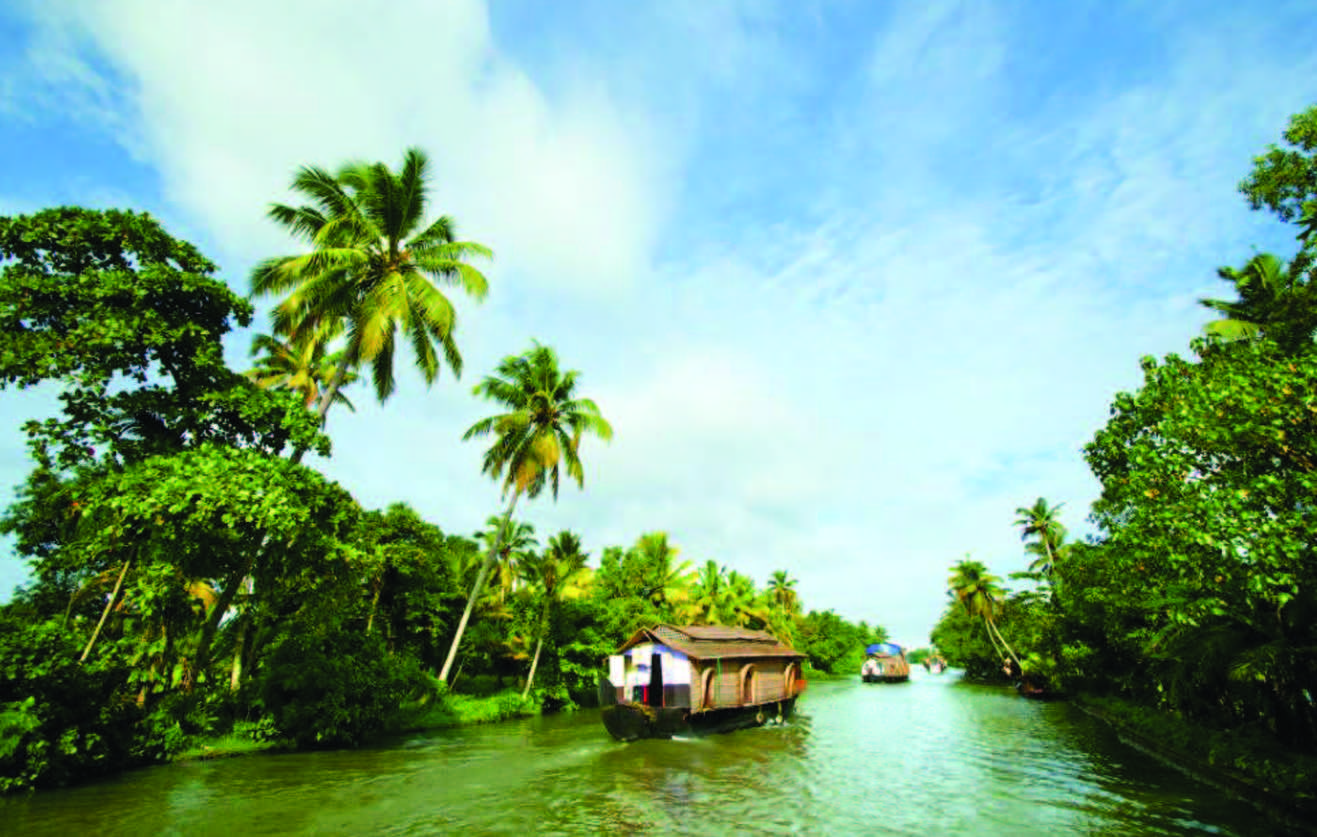
    During the rains, god’s own country transforms into a veritable paradise with lush greenery gracing its backwaters and hills, cloudy sunsets, cool breeze and the cheerful fervour of an array of festivals. Intermittent showers heighten the romance of the season. It might not be the best time to hit the beaches, but here are five reasons why Kerala in the monsoon will leave you singin’ in the rain.

    Snake boat races
    The months between July and September are water sports season, with the backwaters around Alappuzha playing host to a series of snake boat races. The most famous of the lot is the Nehru Trophy Boat Race, generally held on the second Saturday of August every year. The regatta takes place on the Punnamada Lake, and features ceremonial processions and magnificent floats. Its star attraction is the synchronised rowing of traditional 30-metre-long snake-boats or chudan valloms, which have a raised prow resembling a snake.


    10

    The Onam sadya feast
    This ten-day harvest festival celebrates the homecoming of the mythical king Mahabali, but it’s also a good excuse to feast on some of Kerala’s most lip-smacking vegetarian fare. Traditionally served on palm leaves, the ninecourse banquet is held on the last or tenth day. It’s best savoured at a local home, but you don’t manage to get an invite then most local restaurants also offer these meals. The preceding days are filled with costume parades, boat races and shopping discounts.

    Great hotel deals
    Sandwiched between Kerala’s sweltering summers and its peak tourist season (November to March), the monsoon is a great time to snag deals at otherwise expensive hotels and resorts. If you’ve ever fantasised about an indulgent houseboat trawl through the backwaters, then this is the time to get the best bargains. To avail the best discounts, make sure you plan your visit before the end of September, after which tariffs being climbing up again.


    11

    Ayurvedic therapies
    Kerala is home to several excellent spas and wellness resorts, and there’s no better time to pamper yourself than the monsoon season. According to Ayurveda, the cool, pleasant weather is ideal for rejuvenation. Sign up for a week-long retreat at top-notch stays such as the Kairali Ayurvedic Healing Village Health Resort in Palakkad or Somatheeram Ayurvedic Health Resort in Kovalam with relaxing oil-based therapies, massages, yoga and a balanced diet that’ll cleanse your mind, body and soul.

    Wayanad’s natural splendour
    With virescent hills carpeted with plantations, rainforests and tumbling waterfalls, Wayanad is a photographer’s delight. After you’ve had your fill of its misty coffee, tea and spice plantations, head to the Wayanad Wildlife Sanctuary that hosts numerous migrating birds in this period. Wayanad’s tourism department also holds an annual monsoon carnival in July with village excursions, rain treks as well as local sports such as mud football and archery.

  • Mango ban: EU team to visit India in September

    Mango ban: EU team to visit India in September

    NEW DELHI (TIP): Amid a temporary import ban on mangoes, a team of experts from European Union will visit India in September to check the measures put in place by the country with regard to fruits and vegetables. “In the light of concerted efforts on India’s part, food and veterinary office of European Commission has agreed to send an audit team in September to verify improvement in plant health controls and certification system with regard to fruits and vegetables,” Commerce and industry minister Nirmala Sitharaman said in a written reply to the Lok Sabha.

    The EU has prohibited import from India of five fruits and vegetables, which include mangoes, on account of interceptions of export consignments not compliant with EU phytosanitary (relating to plant life) regulations. India has taken several measures, including enhancement of capacity and numbers of inspecting staff and improvement in infrastructure, implementation of a standard operating procedure to guarantee safe exports and routing of all export consignments of perishables to EU through approved pack houses from April 1 to enable better inspection and certification. “India has not only informed the EU regarding implementation of these control systems but have also formally conveyed our disagreement on the temporary restriction imposed by the EU,” she said. In 2013-14, India has exported mangoes worth Rs 5,022 lakh (3,933 tonnes) as against Rs 3,559 lakh in 2012-13 (3,890 tonnes).

  • US economy adds 2,88,000 jobs in June, unemployment rate falls to 6.1%

    US economy adds 2,88,000 jobs in June, unemployment rate falls to 6.1%

    New York (TIP): The US economy accelerated in June, with employers adding 2, 88,000 jobs, well above the rate of hiring recorded in the first five months of 2014 and another sign that growth is finally rebounding. The labour department also said on Thursday that the unemployment rate fell 0.2 percentage point to 6.1 per cent, the lowest since September 2008, when the economy’s fortunes turned sharply lower as Lehman Brothers collapsed and the financial crisis ensued. Nearly six years later, some of the scars remain — like a historically low rate of Americans in the work force.

    But the job market has been showing signs of health, even as the overall economic growth rate has been anemic. Unemployment has come down from 7.9 per cent at the start of 2013, and the average monthly gain in payrolls has been above 2, 00,000 for the last five months in a row. The pace of hiring in recent months has been stronger despite a very weak first quarter, when the economy shrank at an annual rate of 2.9 per cent.

    Although the weakness was initially blamed on weather, as well as more technical factors like inventory swings, the depth of the contraction caught some economists off guard, especially those who began the year with a more positive outlook for 2014. Economic growth is thought to have picked up in the second quarter, which ended Monday, with experts estimating a growth rate of just over 3 per cent in the period.

    The June jobs data suggests their optimism is finally at least somewhat justified. In fact, the total number of people employers are estimated to have hired in May was revised upward by 7,000 to 2,24,000. On Wednesday, a private survey of payrolls by ADP showed a gain of 2,81,000 jobs, well above the 2,05,000 increase economists had been expecting for June.

    The labour department report on Thursday was well above expectations, which had been moving higher in recent days. The average gain anticipated by Wall Street economists surveyed by Bloomberg before the release stood at 215,000, with unemployment remaining flat at 6.3 per cent. The monthly jobs report typically comes on the first Friday of each month but was moved up a day because the federal government is closed on Friday for the holiday.

  • Foreign funding and the Maharajas among NGOs

    Foreign funding and the Maharajas among NGOs

    It is speculated that a big portion of foreign funding goes to politicians and bureaucracy as a large number of institutes are owned, controlled and managed by politicians and business houses.

    India is a fascinating country. The number of stock exchanges we have, as per official records is 20, but the number of functioning exchanges is only two. The number of scrips listed on the Bombay Stock Exchanges [BSE] is nearly 9,000, only 3500 of these are traded at least once a year, and the top 50 securities constitute nearly two-third of the turnover. Actually only 250 to 300 are “active” traded scrips. Interestingly, the latest Handbook of Statistics on Indian Securities Market published by the Securities Exchange Board of India (SEBI) has dropped the column for number of scrips listed on the BSE! It is one way to solve the issue of numbers.

    In a similar fashion, we decided to probe the number of not-for-profit or nongovernmental organisations (NGO) in India. Being in the teaching line, we have the habit of probing issues that are otherwise not to be probed at all! Let sleeping dogs lie is the national dictum in such matters. NGOs are also known as Voluntary Organizations (VOs) or Voluntary Agencies (VAs) and more recently as Voluntary Development Organizations (VDOs), Non- Governmental Development Organizations (NGDOs) or Non-Profit Institutions (NPIs).

    There are equivalent names for NGOs available in different Indian languages. In Hindi NGOs are called Swayamsevi Sansthayen or Swayamsevi Sangathan. Prior to the enactment of the Societies Registration Act of 1860, voluntary action was guided mainly by religious and cultural ethos. Subsequently, a series of legislations addressing the non-profit sector were promulgated. The starting point in this respect was Article 19 of the Indian Constitution which recognized a number of civic rights including the right “….to form associations or unions”. It constitutes the legal basis of relevant legal provisions applicable to the non-profit sector.

    There are also non mandatory provisions that allow any group with the intention of starting a non-profit, voluntary or charitable work to organize itself into a legally registered entity. However, given the optional nature of these provisions, there is a large group of voluntary bodies that are not registered. The United Nations Development Programme (UNDP) India and the UN Volunteers(UNV) programme had organized a Forum in January 2006 at UNDP’s Delhi office to discuss the issues relating to implementation of the UN Handbook on Nonprofit Institutions (NPIs) in the System of National Accounts in India.

    The meeting was attended by representatives of the Planning Commission, Ministry of Statistics and Programme Implementation (MoSPI), NGOs, UNV Headquarters, and the Centre for Civil Society Studies of Johns Hopkins University, which is leading the effort to implement the UN NPI Handbook throughout the World. At this Forum, the UN Resident Coordinator and UNDP India Resident Representative stressed the need to implement the UN Handbook in order to capture the contribution of NPIs to the national economy. It was mentioned that the voluntary sector played a significant role in the economic and social change of the country and contributed significantly to the development in both rural and urban areas.

    The Forum therefore urged that India should take suitable steps to implement the UN Handbook on NPIs and compile accounts of NPIs functioning in the country. The National Policy on the Voluntary Sector, adopted in May 2007, presumably under the guidance of the National Advisory Council, pledges to encourage, enable and empower an independent, creative and effective voluntary sector, with diversity in form and function, so that it can contribute to the social, cultural and economic advancement of the people of India.

    It constitutes the beginning of a process to evolve a new working relationship between the government and the voluntary sector, without affecting the autonomy and identity of voluntary organizations (GoI/Planning Commission, 2007). Accordingly, it is expected that the enabling environment will be further enhanced to encourage the development and active engagement of the non-profit sector, including volunteerism, in the community’s affairs and developmental efforts. So we can conclude that at the beginning of the United Progressive Alliance (UPA)’s second term, the so called voluntary or NGO sector was fully ensconced in decision making and fund collecting activities. NGOs can be registered under several regulations or none-the latter is more common.

    The main statutory laws governing the various types of registered non-profit organizations are: The Societies Registration Act, 1860; The Indian Trusts Act, 1882; Public Trust Act, 1950; The Indian Companies Act (Section 25), 1956 Religious non-profit organizations can be registered under: the Religious Endowments Act, 1863; The Charitable and Religious Trust Act, 1920; Mussalman Wakf Act, 1923; Wakf Act, 1954 and the Public Wakfs (Extension of Limitation) Act, 1959 By 2009, a total of 33 lakh societies reported as “Societies registered under the Societies Registration Act/ Mumbai Public Trust Act”.

    Of these, the State Directorates of Economics and Statistics [DESs] were able to collect information for about 22.58 lakh units and computerize the information relating to about 21 lakh units. But when the Central Statistics Office (CSO) sent people searching for these NGOs in the states, it could not trace lakhs of them. Of the roughly 22 lakh NGOs it tried to verify, only 6.95 lakh could be traced. These figures did not include non-profit organizations registered under the Charitable and Religious Trust Act, 1920, which, if counted, would add a few thousands to the number. Then there are non-profit companies under the Indian Companies Act, 1956, and other laws that also help set up trusts.

    The numbers also did not include many groups and associations, which, in common parlance are referred to as mass-based groups, usually operating at block and village levels, at times federating into larger organizations for specific purposes or campaigns. A study by PRIA and Johns Hopkins University suggested, nearly 50% of the total voluntary organizations in India were not registered under any law. The antiquated societies registration law is blind when it comes to classifying these registered groups.

    It treats all registered societies the same way. These numbers include societies that run hugely profitable schools, colleges, hospitals and sports bodies in the country. Remember, the Board of Control for Cricket in India (BCCI) is also an NGO, registered under the Tamil Nadu Societies Registration Act. The Confederation of Indian Industries (CII) too is an NGO, under the law.

    The Major Findings from the CSO Survey are as follows:

    The CSO’s study covered only the societies registered under the Societies Registration Act 1860/Bombay Public Trusts Act, 1950 and companies Registered under section 25 of Indian Companies Act, 1956. Data available from the first phase shows that there are about 31.7 lakh NPIs registered in India and that 58.7% of these are located in rural areas. A majority of NPIs are involved in community, social and personal services, cultural services, education, and health services. The number of NPIs formed after 1990 has increased manifold. This is the post economic reform period when global powers began to show interest in India.

    There were only 1.44 lakh societies registered till the year 1970, followed by 1.79 lakh registrations in the period from 1971 to 1980, 5.52 lakh registrations in the period from 1981 to 1990, 11.22 lakh registrations in the period from 1991 to 2000, and as many as 11.35 lakh societies were registered after 2000. Since there is no clause in the Act for the de-registration of defunct societies, the first phase of the survey results give number of societies and their distribution on the basis of records available with the registering authorities. About 18 lakh societies have been visited during the second phase, i.e. 57.6% of the registered societies.

    Out of these, results are available for 4.65 lakh. The top three sectors where these societies were engaged is as follows: engaged in Social Services (35%), followed by Education Research (21%), and Culture Recreation (15%). The top three activities account for 71% of the registered societies. The data on total work force includes volunteers and paid workers. Out of the 144 lakh work force, only 11 lakh are paid workers. The CSO used the sum of their operational expenditures to come to a value of their economic output at a whopping Rs41,292 crore! Non Profit Institutions are also registered under the Indian Companies Act (Section 25), 1956.

    The financial data in respect of 2,595 companies listed with Ministry of Corporate Affairs has been obtained and analyzed. However, no information could be obtained in respect of the workforce of these companies and activities/purposes in which they are involved. CSO decided to limit the coverage to the Societies registered under Societies Registration Act 1860, Mumbai Trust Act and the Indian Companies Act (Section 25), 1956. This is because a majority of the NPIs are registered under Societies Registration Act 1860. This also means that NGOs under various religious non-profit organisations were excluded and they constitute a large number. The study found that in most States, the provision of submitting financial statements is not strictly enforced. Even if societies file financial statements with the registrar’s office, there is no mechanism to maintain this database.

    Maharajas among NGO’s:

    Maharajas among NGO’s: A category of NGOs are registered with Ministry of Home Affairs -under Foreign contributions regulations Act [ FCRA] -These can be called Euro or Dollar NGOs who get funds from private charities as well as Government organizations abroad. The salient features for 2011-2012 are as follows: I. A total of 43,527 Associations have been registered under the FCRA until 31 March 2012. During 2011-12, as many as 2001 associations were granted registration and 304 associations were given prior permission to receive foreign contributions. II. 22,702 Associations reported a total receipt of Rs11,546.29 crore as foreign contributions. [Under or non-reporting is common]

    TRENDS OVER LAST 10 YEARS

    Year No. of Registered Associations No.of Reporting Associations

    Amount of Foreign Contributions
    [Rs Crore]
    2002-2003
    26404
    165905046.51
    2003-2004
    2835117145
    5105.46
    2004-2005
    3032118540
    6256.68
    2005-2006
    3214418570
    7877.57
    2006-2007
    3393718996
    11007.43
    2007-2008
    3480318796
    9663.46
    2008-2009
    3641420088
    10802.67
    2009-2010
    38,43621,508
    10,337.59
    2010-201140,575
    22,735
    10,334.122011-2012
    43,527
    22,70211,546.29
    Total from 2002-2012
    97383.531. Source: Ministry of Home Affairs

    Foreigners Division, FCRA wing
    III. Delhi reported the highest receipt of foreign donations at Rs2,285.75 crore, followed by Tamil Nadu (Rs1,704.76 crore) and Andhra Pradesh (Rs1,258.52 crore).
    IV. Among districts, Chennai reported the highest foreign donations (Rs889.99 crore), followed by Mumbai (Rs825.40 crore) and Bangalore (Rs812.48 crore).
    V. The list of donor countries is headed by the US (Rs3,838.23crore), followed by UK (Rs1,219.02 crore), and Germany (Rs1,096.01 crore).
    VI. The list of foreign donors is topped by the Compassion International, US (Rs183.83 crore), followed by the Church of Jesus Christ of Latter day Saints, US (Rs130.77 crore), and the Kinder Not Hilfe (KNH), Germany (Rs51.76 crore).
    VII. World Vision of India, Chennai, Tamil Nadu (Rs233.38 crore) received the highest foreign donations among NGOs, followed by the Believers Church India Pathanamthitta, Kerala (Rs190.05 crore) and Rural Development Trust, Ananthapur, AP (Rs144.39 crore)
    VIII. The highest foreign contribution was received and utilized for–Rural Development (Rs945.77 crore), Welfare of Children (Rs929.22 crore), Construction and Maintenance of school/colleges (Rs824.11 crore) and Research (Rs539.14 crore). Activities other than those mentioned above received Rs2,253.61 crore. Interestingly establishment expenses [Building/ cars/ Jeeps/ Computers/Cameras etc.] constituted the bulk of expenditure in most of the NGOs.

    Need of the Hour:
    In the context of the Intelligence Bureau’s (IB) report on antidevelopment activities of many foreign funded NGOs, it may be time to constitute a commission of experts including those from the IB to comprehensively study this sector. Also, to use experiences of other countries like Russia, China and the US in dealing with NGOs and formulating regulation to govern them. Perhaps, it is also time to re-look the foreign funding of NGOs in the context of compulsory CSR contributions introduced in the Companies Act 2013-since we are no more the white man’s burden!

    (The author is Professor of Finance at IIM-Bangalore. He sits on the advisory boards of SEBI and the RBI.)

  • Dnyaneshwar M. Mulay CONSUL GENERAL OF INDIA NEW YORK

    Dnyaneshwar M. Mulay CONSUL GENERAL OF INDIA NEW YORK

    I am delighted to learn that The Indian Panorama is bringing out a special issue to mark America’s Independence Day on 4th July 2014. On this happy occasion, I would like to extend my warm greetings to all US Citizens. India-U.S. bilateral relations have developed into a global strategic partnership, based on increasing convergence of interests on bilateral, regional and global issues. Regular exchange of high level political visits coupled with wide ranging dialogue architecture has enabled sustained momentum to bilateral cooperation and helped establish a long-term framework for India-U.S. strategic partnership.

    The bilateral cooperation is now broad-based and multi-sectoral, covering trade and investment, defence and security, education, science and technology, cyber security, high-technology, civil nuclear energy, space technology and applications, clean energy, environment, agriculture and health. People to people interaction provide further vitality and strength to bilateral relationship. Bilateral partnership enjoys bipartisan support in both our countries.

    I want to congratulate the Indian American community for the role that they are playing in advancing and strengthening the USA as also for their contribution in developing and promoting the India-US relationship. The Indian American community epitomize strong family values, educational excellence, creativity, innovation, high standards of professionalism, and dedication to the core democratic principles and traditions. I hope that the Indian American community will continue to play its vital role in making India and USA relationship stronger for mutual benefits of both the countries. I once again convey my greetings and best wishes to the readers of The Indian Panorama on this auspicious and happy occasion.

  • Overpass collapse kills two in Brazil World Cup city

    Overpass collapse kills two in Brazil World Cup city

    BELO HORIZONTE, BRAZIL (TIP): An unfinished overpass being built for the World Cup crashed down on several vehicles in Brazil’s southeastern city of Belo Horizonte on July 3, killing at least two people and injuring 19. Globo television images showed the front of a yellow bus crushed under a large stretch of the fallen highway, which is about five kilometers (three miles) from the city’s World Cup stadium and was being built as part of delayed infrastructure improvements for the tournament.

    “The overpass was in the final stages of construction and they were taking down the scaffolding when the accident happened,” a fire brigade spokesman told AFP. Two people were killed and 19 injured, the health agency of the state of Minas Gerais said, up from an earlier toll of one dead and 10 hurt. A firefighters’ spokesman said 13 people were rescued from the bus unscathed but the woman driver was killed. car was also crushed but it was not immediately known how many people were inside and what their condition was, firefighter spokesman Edgard Estevo da Silva told reporters. “The vehicle is completely under the overpass,” he said. Two trucks belonging to the construction company were also hit but the firm said nobody was inside them at the time, Silva said. A total of 14 firefighting teams were at the scene.

    The structure, which was begun last year, is in the Sao Joao Batista district of the city. A public works spokesman for the city hall told AFP that the overpass had been due to carry an express bus service through the city. “All mayoralty staff have been mobilized — the priority is to attend to the victims,” said the spokesman. Belo Horizonte’s Mineirao Stadium has hosted five World Cup matches and is due to stage a semi-final next Tuesday. The Brazil World Cup has been dogged by delays to stadiums and infrastructure, and there were several accidents during construction of the stadiums. Just three days before the World Cup began on June 12, another accident in Brazil’s business hub Sao Paulo killed one worker and injured two when an unfinished monorail collapsed.

  • BOLIVIA CONGRESS ALLOWS CHILD LABOUR FROM AGE 10

    BOLIVIA CONGRESS ALLOWS CHILD LABOUR FROM AGE 10

    LA PAZ (TIP): Bolivian lawmakers have approved child workers as young as 10 years old, under a new law that lays out specific conditions for employing children. Congress passed the measure by consensus on July 2, requiring employers to follow certain criteria to ensure the physical and mental health of employed children, and to prevent child exploitation.

    “The age limit, as defined formally by the Code for Children and Adolescents, is 14 years old,” Senator Adolfo Mendoza said after the enactment of the bill, which he co-sponsored. But the new code allows exceptions, when specific legal criteria have been met, so that children may begin “working for others from age 12, which is allowed by international conventions, and self-employment from age 10.”

    The senator stressed that required factors include a voluntary decision from the child to work, consent from the parent or guardian and permission from the public ombudsman. “The request is then filed with the Labor Ministry,” Mendoza said. The previous code, which allowed no exceptions to the 14-year-old minimum, had prompted protests from critics who stressed that, in Bolivia, children must work from an early age out of necessity.

  • Aspirin, smoking affect cancer

    Aspirin, smoking affect cancer

    New study shows that while regular use of aspirin reduces ageing of cancer genes, smoking can accelerate them. Scientists had discovered in the 1990s that regular use of aspirin over long periods of time decreases the risk of developing colorectal cancer by an average of 40 percent, but it is unknown how exactly the drug influences the cancer risk.

    According to a research led by Prof. Primo Schar, from the University of Basel and PD Dr. Kaspar Truninger, aspirin decreased the risk of cancer by slowing down certain aging processes of the genome, namely modifications that also play an important role in the development of tumors. In order to analyze the relationships between lifestyle and genome aging, the researchers examined intestinal tissue samples of 546 healthy women over 50 years of age.

    They compared agespecific changes of gene markers, so-called DNA methylations, with their lifestyle factors regarding aspirin use, smoking, body mass index and hormonal replacement therapy. The most significant effects were measured for aspirin use and smoking.

    Schar said that each cell’s genome was like a library full of bookmarks, and the cells know which genes to read with help of these bookmarks, so that they can fulfill their specialized tasks as skin, muscle or intestinal cells. First author of the study Dr. Faiza Noreen, added

  • China bans Ramzan fasting in Xinjiang

    China bans Ramzan fasting in Xinjiang

    BEIJING (TIP): China has ordered schools and government offices in the northwest Xinjiang region to ban fasting during the ongoing holy month of Ramzan. The ban orders are being issued through websites of schools and government agencies in the region as well. “Civil servants and students cannot take part in fasting and other religious activities,” said Turfan city’s commercial affairs bureau on its website.The local government in Xinjiang had earlier asked its employees to refrain from observing Ramzan saying fasting can hurt their health.”We remind everyone that they are not permitted to observe Ramadan fast,” the state-run Bozhou Radio and TV University said on its website. “We would enforce the ban on party members, teachers, and young people from taking part in Ramzan activities.

    ” The Chinese Communist Party and the local government in Xinjiang discourage large prayer meetings and gatherings due to fears of separatism. The fasting ban orders are believed to have come from Beijing’s Public Security Bureau. A weather bureau in Qaraqash County in western Xinjiang cited “instructions from higher authorities” while asking “all current and retired staff not to fast during Ramzan”.

    “China taking these kinds of coercive measures, restricting the faith of Uighurs, will create more conflict,” exiled World Uyghur Congress spokesman Dilxat Raxit said in a statement. “We call on China to ensure religious freedom for Uighurs and stop political repression of Ramzan.

  • POPPING DIETARY PILLS CAN HARM THE LIVER

    POPPING DIETARY PILLS CAN HARM THE LIVER

    Next time you gulp down your favourite dietary supplement, or even take that concentrated green tea pill to burn fat, think twice. New data suggests that the unregulated dietary supplements industry accounts for nearly 20 per cent of drug-related liver injuries, up from 7 per cent a decade ago.

    According to a new study, reported by New York Times, teenagers are not the only consumers at risk, many are middle-aged women who turn to dietary supplements that promise to burn fat or speed up weight loss. “When people buy these dietary supplements, it’s anybody’s guess as to what they’re getting,” Herbert L. Bonkovsky, director of the liver, digestive and metabolic disorders laboratory at Carolinas HealthCare System in Charlotte, NC, was quoted as saying. The supplement business is largely unregulated.

    In recent years, said NYT, critics of the industry have called for measures that would force companies to prove that their products are safe and made in accordance with strict manufacturing standards before they reach the market.

    The study found that many of the products implicated in liver injuries were bodybuilding supplements carrying unlisted steroids, and herbal pills and powders promising to increase energy and help consumers lose weight. The investigators looked at 845 patients with severe, drug-induced liver damage who were treated at hospitals from 2004 to 2012.

    It focused only on cases where the investigators ruled out other causes and blamed a drug or a supplement with a high degree of certainty. One product that patients used frequently was green tea extract, which contains catechins, a group of potent antioxidants that reputedly increase metabolism. “Most green tea pills are highly concentrated, containing many times the amount of catechins found in a single cup of green tea, which can be toxic to the liver,” said Bonkovsky.

    But liver injuries attributed to herbal supplements are more likely to be severe and result in liver transplants as these typically carry no information about side effects, said the report, quoting Victor Navarro, chairman of the Hepatology Division at Einstein Healthcare Network in Philadelphia. However, supplements like vitamins, minerals, probiotics and fish oil had not been linked to any adverse effect, the report added.

  • GO FROM FAT TO FIT WITH UNDERWATER WORKOUTS

    GO FROM FAT TO FIT WITH UNDERWATER WORKOUTS

    Fitness enthusiasts are always on the lookout for innovative and simple workout techniques and are open to trying out new workouts. An underwater workout is one of the simplest and fastest ways to sculpt your body.

    This emerging trend has let pools and gyms offer an increasing number of classes such as Water Boxing, Aqua Step, using specialised equipment to extend the normal range of exercises.

    As a result, it has appealed to a wider range of people. It is a popular workout, because one can exercise underwater even while recovering from an injury or even if one suffers from health problems. It allows you to continue exercising without putting any stress on your injury, It’s the buoyancy of the water that reduces your weight, therefore putting significantly less stress on your joints, bones and muscles.

    Also, because your body is supported by water your heart rate is slightly lower, meaning aquatic therapy is relatively safe for obese individuals, pregnant women and those suffering from hypertension and heart disease.

    When under water, you can perform basically any type of exercises that you normally perform outside the water. Listed below are some easy underwater exercises that can be performed at the pool’s shallow end:

    Tread water

    Start your workout with treading water. This may seem like a simple workout, but it will actually involve all your muscle groups, as you try to float. Try floating for at least 3 minutes, if you are a beginner and move your way up to 5 or 10 minutes as you get more advanced. While performing this exercise, try to keep your back straight, as this will make sure that you work your abs as well.

    Knee-to-chest exercise

    This movement is performed while standing on one leg, which is slightly bent, and one leg outstretched in front while one hand holds onto the side of the pool. It strengthens and stretches the muscles in the leg, hip and lower back.

    Arm exercises

    Start with simple arm lifts (with or without weights). Being under water, your arms may feel lighter, but you will still work on your muscles. After lifting, you can rotate them clockwise and then in an anticlockwise direction.

    Lower body exercises

    This movement is performed with one leg outstretched and the supporting leg slightly bent while one hand holds onto the side of the pool. It strengthens and stretches the muscles in the leg, hip and lower back.

    Abs exercises

    The abdominal muscles can be included in the water workout. Walking under water, maintaining your abs tight can be a starting point to work on your abs. Then lift one of your legs as high as you can. Find a wall grip and with your back to the wall, grab on to it, keeping your arms straight. Tighten your abs and try to lift both your legs as high as you can. Lift the legs to one side to work on your oblique muscles as well.You can even perform crunches in the water, but you can perform these only if you feel comfortable with floating on the water while you do these exercises.

    Stretching exercises

    After a session of aqua aerobics or water workouts, you will have to stretch. Position yourself in front of one side of the pool, facing the wall. Hold on to the edge of the pool (or a wall grip if there is one). Try to place your feet on the side of the pool while grabbing on to the wall grip as well. Inhale and exhale, trying to move your hips back. You can perform the stretches even before you start the workout, so that you won’t get any injuries. Exercising in water is much safer than working out at the gym and there are lower chances of strains or pulled muscles.

  • Southern US evacuations as Hurricane Arthur strengthens

    Southern US evacuations as Hurricane Arthur strengthens

    MIAMI (TIP): Residents of the US East Coast battened down ahead of the arrival of Hurricane Arthur, which forecasters said is on track to become a potentially destructive category-two storm. Forecasters from the National Hurricane Centre warned of “large and damaging waves” from the storm, which is expected to make landfall in coastal North Carolina’s popular Outer Banks area by yesterday afternoon.

    At 1500 GMT, Arthur was 110 miles (175 kilometres) southwest of Cape Fear, North Carolina, moving toward the northeast at 14 miles (22 kilometres) per hour. Governor Pat McCrory said emergency preparation efforts have been made more complicated by the arrival of thousands of tourists, who have flocked to North Carolina’s beaches for the annual summer holiday pilgrimage.

    “Our main issue is the health and safety of our citizens and those people who are visiting North Carolina,” McCrory said at a news conference. Emergency declarations were issued by several counties in the southern state, which opened emergency shelters and ordered evacuations in low-lying areas.

    “As the hurricane moves north, more counties are likely to declare a state of emergency,” McCrory said. The Miami-based NHC said Arthur could cause ocean surges of more than five feet (1.5 metres) in some areas of North Carolina. McCrory urged residents and tourists to use common sense, to stay out of the water and out of harm’s way.

    “Don’t put your ‘stupid hat’ on,” McCrory said. “Let’s hope for the best, pray for the best, that Arthur clears out quickly so we can all get back to celebrating our country’s independence, with our families and friends on North Carolina’s beautiful beaches.” Through today, rainfall of up to six inches (15 centimetres) is expected in coastal areas of North Carolina. News reports said that as many as half a million visitors had been expected in the coastal Carolinas for the national holiday, the region’s biggest tourist weekend.

  • Sunanda Pushkar death case

    Sunanda Pushkar death case

    AIIMS FORENSIC HEAD STICKS TO STAND

    NEW DELHI (TIP): The head of the AIIMS’ forensic department on Thursday stuck to his controversial claim that pressure was brought on him to manipulate the post mortem report on Shashi Tharoor’s wife Sunanda Pushkar A day after the premier health institute denied his claim, Dr Sudhir Gupta said, “I stand by what I said”.

    “How do they know there is no pressure on me? Who were they to clarify that there is no pressure on me? What was the hurry to call a press conference?,” he said. He was asked about AIIMS rejecting allegations levelled by him. “Not only the post mortem of Sunanda Pushkar but in a number of cases, post mortem reports were finalised by me as per the principle and practise of medicine and as per its ethical and legal norm.

    I have never succumbed to any pressure in my life,” Gupta said. He said all his reports are bonafide. Rejecting the charge of Gupta, who headed a three- member team that did the post morten on the body of Pushkar, who died in mysterious circumstances in a hotel in January this year, AIIMS had said there was no evidence that any pressure from outside was put on him (Sudhir Gupta) to alter the autopsy report.

    Sunanda (52) was found dead in a 5- star hotel in South Delhi on the night of January 17, a day after her twitter spat with Pakistani journalist Mehr Tarar over an alleged affair with Tharoor. The autopsy report had mentioned more than a dozen injury marks on Sunanda’s both hands and an abrasion on her cheek which suggests a “use of blunt force”, besides a “deep teeth bite” on the edge of her left palm.

    Viscera samples were preserved after the autopsy at AIIMS and were sent to CFSL for further tests. The CFSL report hinted at drug poisoning but its findings were not conclusive enough to file an FIR in the case, according to police.

  • DECLUTTER YOUR REFRIGERATOR

    DECLUTTER YOUR REFRIGERATOR

    Organise your refrigerator to ensure that you know what’s in your fridge, what’s in date and what you need to get rid of.

    Keep the items you use most at the front of the fridge

    Having a streamlined fridge can make a positive difference to someone on a busy day, given the number of times we go in there – for that morning cup of tea, when making breakfast, lunch and dinner and everything in between. Having the items you use most to hand as soon as you open the fridge door can make a lot of difference.

    Make the food items more visible

    With such busy lives how could we be expected to remember every single item we own or have bought. The easier the contents of your fridge are to see, the less likely you are to be saddled with out-of-date products.

    Keep what you want to eat most in front

    If you’re trying to eat more healthily, then make sure your fresh fruit and vegetables are the first thing you see when you open the fridge and hide the chocolate as much as possible.

    Store childrens’ items at the lowest possible height

    It might involve creating their own area so that items they are allowed to help themselves to are within easy reach and then placing the ‘treats’ higher up or hidden away so they can’t just help themselves.

    Make the most of flexible storage

    You can often move your refrigerator shelves up and down. So, adjust to suit what you are storing to ensure you don’t have any dead space

  • AROMATHERAPY AT HOME CAN BE EASY

    AROMATHERAPY AT HOME CAN BE EASY

    A diffuser is great, but there are other ways in which you can use your essential oils at home

    For linens

    Add a few drops of eucalyptus or lavender oil to your laundry detergent for a fresh fragrance. You can also use an aromatherapy fragrance spray for a lingering scent on your clean linens or even while ironing clothes. Essential oils also assist in killing bacteria, so if you have a pet at home it is the best way to rid the linen of bacteria.

    While cleaning

    Using harsh chemicals to clean the refrigerator or tables can have it’s drawbacks. Instead put a few drops of orange essential oil on your cleaning cloth to wipe surfaces. You can also mix essential oil with water in a spray bottle and use it as a cleanser. Just spray it on the table and wipe off with a cloth, you will have a scent of orange left behind. Essential oils also retain the cleansing properties of their botanical origin.

    For relaxation

    For those who have trouble sleeping at night, essential oils can do wonders. A few drops of lavender oil or sandalwood oil on your pillow or your bedsheet will relax you. You can also add the oil to your bath or rub a few drops on to your temples. It helps in relaxation and gives an instant relief.

  • RANA International Convention to focus on healthy and literate Rajasthan- Hadpawat

    RANA International Convention to focus on healthy and literate Rajasthan- Hadpawat

    The entire Indian American community is talking about the Rajasthan Association of North America (RANA) International Convention being held from July 3rd to 6th at the upscale Hotel Islandia Marriott on Long Island, New York. There is a lot of excitement about the event, particularly among the Rajasthani community. The Indian Panorama spoke with Rajasthan Association of North America (RANA) President Narendra Hadpawat to know details about the organization and the convention. Speaking with The Indian Panorama, RANA President Mr. Narendra Hadpawat , disclosed that the convention, being held at Islandia Marirott from July 3rd to 6th was likely to be attended by about 800 to 1000 delegates .

    Asked about the prominent persons attending, Mr. Hadpawat said that the Chief Minister of Rajasthan, Mrs. Vasundhara Raje has been invited to inaugurate the convention as Chief Guest. Other prominent people include Padma Shri D. R. Mehta, Chairman of Jaipur Foot. Mr. Hadpawat said RANA has always had the best among the Rajasthanis from across the world attending the convention. In the past, the Steel King of the world, Mr. Lakshami Mittal amd Mr. Anil Aggarwal, Chairman of Vedanta group attended the RANA convention. Mr. Hadpawat was at pains to emphasize that Rajasthan government has always been supportive and has participated in each of the RANA Conventions.

    Speaking about the theme of the Convention, Mr. Hadpawat said it was to make a “healthy and literate Rajasthan”. About the purpose of the convention as such, Mr. Hadpawat said it was to raise funds for charitable activities in Rajasthan. He said, normally 10 to per cent of the money collected is donated for charitable purposes in Rajasthan. RANA, in fact, is a conduit to funding charitable projects in the state of Rajasthan. He said, in 2006, an amount of 2 crore was collected for Akshay Patra. Mr. Hadpawat said honoring excellence and recognizing service to community was one of the regular activities of RANA.

    He said RANA will be honoring four eminent persons for excellence in their respective fields. They are Prof. Arvind Panagariya for excellence in the field of global economics; Mr. Prem Jain for entrepreneurial excellence in the field of information technology; Dr. Radhesham Agrawal for excellence in the field of Medicine; and Mr. Sampat Poddar for excellence in the field of gems, stones and jewelry. It will be interesting to know about the genesis of Rajasthan Association of North America.

    Rajasthan Association of North America (RANA) came into existence in 1999. A group of six Rajasthanis living in New York decided to form an association with a view to promote Rajastani language and culture. They were Mr. Arvind Bhandari, Mr. Kamlesh Mehta, Mr. K. K. Mehta, Mr. Naveen C. Shah, Mr. Rajesh Shah and Mr. Sunil Shah. RANA which started with six, to begin with, in 1999, today has Chief Minister of Rajasthan along with many Maharaja’s and honorable businessmen as patron members .

    Asked as to what was the objective behind the formation of the association, RANA President Mr. Narendra Hadpawat, in his interview with The Indian Panorama said, “The association twas formed for the purpose of bringing all Rajasthanis on a single platform, to preserve the Rajasthani Culture and Heritage and instilling Rajasthani values amongst the younger generation. Giving details of the objectives, Mr. Hadpawat said, “RANA’s objectives include performing charitable activities in the areas of education, healthcare and social welfare; contributing to the home state by promoting economic and industrial development; creating a bond between Rajasthan and Rajasthanis living in North America. In a short span, RANA membership has increased multifold.

    Today, around 1000 families are a part of the bigger RANA family. The association has been greatly instrumental in uniting the community in North America. Every year RANA organizes many cultural and social events like Holi, Deepawali and Summer Picnic. These functions are attended by hundreds of Rajasthanis. Apart from organizing the above events, RANA is greatly dedicated toward the various philanthropic causes. It has donated generously toward earthquake relief in India and also in the wake of the recent drought in Rajasthan.

    It has set up an education fund that gives out scholarships to the deserving students. It has set up free health clinics where people can consult the physicians free of cost throughout the New York metropolitan area. It has also set up free consultations in areas of tax, accounting, immigration and other legal matters. RANA’s future goals include making it a nationwide organization with Chapters or Regional offices in every state where Rajasthanis reside. RANA also wants to build a Rajasthani Community Center – a place which the Rajasthanis can call it their own and together celebrate the various festival and cultural activities.

    Asked about his association with RANA, Mr. Hadpawat said he has been a member since its inception in 1999. Over the years, he has held responsible position in the organization, having been its Vice President in 2011-12. He has been on the Board of Directors . In 2010 he was Chairman of Convention Committee. Asked about what he thought should be the major agenda for RANA, he said RANA needs to focus on various facets of Rajasthan, including Healthcare and education. Mr. Hadpawat has been associated with quite a few organizations.

    He has been President of India Association of Long Island from 1993 to 1994. He is the founder President of AAPI-Q-LI and remained its president from 1995 to 1997. He was President of American Heart Association of Long Island in 1998 and 1999. A man of charitable disposition, Mr. Hadpawat made initial contribution for a hospital building in his native village of Pratapgarh in Rajasthan. He support a number of healthcare and educational projects in Rajastthan. Organizing free healthcare camps on a regular basis is one of them .

    He says his vision is to work for development of Rajasthan, particularly in the field of healthcare and education. For his noble work and tremendous contribution to community, he has ben profusely awarded and honored. He was honored for excellence healthcare in 2000. In 2006, he was honored by RANA for community service. Mr. Narendra Hadpawat has been practicing Medicine and Cardiology in New York for the past 40 years. He is married to Hansa and the couple have three children,, a daughter, Anita who is a doctor, and two sons- Neil who is a doctor and Deepak who is in to Real Estate business. They live on Long Island.

  • Dr. Radheshyam Agrawal

    Dr. Radheshyam Agrawal

    Excellence in the field of Medicine.

    Radheshyam M. Agrawal, MD, FACP, FACG, AGAF, FASGE, FFSMB is a Senior Attending Physician in the Division of Gastroenterology, Hepatology, and Nutrition at Allegheny General Hospital in Pittsburgh, Pennsylvania, having served the hospital for over 40 years. He is also Associate Clinical Chief, Research and Education, Division of Gastroenterology, Hepatology, and Nutrition for the West Penn Allegheny Health System, and Associate Professor of Medicine, Drexel University College of Medicine as well as Clinical Professor of Medicine at Lake Erie College of Osteopathic Medicine.

    Dr. Agrawal has been the recipient of many awards – the Glory of India Award, International Friendship Society of India bestowed by the Ambassador of India, Hind Ratan (Jewel of India), International NR Society by the Finance Minister of India, the prestigious Ralph C. Wilde Award given by the Allegheny County Medical Society and in 2011 he was awarded the Most Distinguished Residency/Fellowship Program Director by the American Association of Physicians from India. Dr. Agrawal has served his community and local and state government well.

    He has held many positions within the Indian community, serving as Regional Director, Chairman of the Board, and President of the Hindu-Jain Temple Society. He has been the Chairman of the Board of Trustees of AAPI (American Association of Physicians of Indian Origin) as well as Chairman of AAPI Charitable Committee.

  • Mr. Sampat Poddar

    Mr. Sampat Poddar

    Excellence in the field of Gems Stones & Jewelry

    Mr. Sampat Poddar is the founding president and CEO of Byrex Gems Inc. He built the company from its inception to a major supplier of precious stones and jewelry to the jewelry industry in Canada. Its current office locations include Montreal, New York, Hong Kong, Bangkok and Jaipur (India) with over 50 employees. He was also a Senior Tax Advisor, Tax Policy, Government of Alberta, Edmonton and developed various tax and royalty incentive programs to promote Oil and Gas Exploration and Development activities in Alberta.

    He is the Treasurer of the Diamond Bourse of Canada and a Board Member of the IDCA Board of Directors. For his untiring efforts and for his philanthropic investments in social innovations, Mr. Poddar was awarded the Queen Elizabeth Diamond Jubilee Medal in 2012. Mr. Poddar graduated from the University of Rajasthan in 1974 with a Master’s Degree in Economics and also holds an MBA in Business Finance from McMaster University. He has dedicated the better part of his life to spiritual advancement, philanthropy and increasing the prominence of the Indian business community in Canada. Through his charitable trust, Mr.Poddar has made the commitment and is in the process of improving access to health care, education and spirituality with focus on initiatives in Rajasthan and Canada.