Tag: Health

Read the latest health news, diet, fitness, medical news and healthcare tips on theindianpanorama.news/health. Get all the healthcare news, including wellness, fitness, diet and weight loss & more.

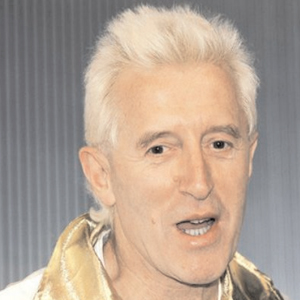
  • Former BBC presenter Savile ‘interfered with dead bodies’

    Former BBC presenter Savile ‘interfered with dead bodies’

    LONDON (TIP): Late BBC presenter Jimmy Savile sexually abused vulnerable patients in scores of British hospitals over decades and claimed to have performed sex acts on dead bodies, investigators said on June 26. Savile, one of the biggest TV stars in Britain in the 1970s and 1980s, abused girls, boys, men and women aged from five to 75 as he enjoyed unrestricted access throughout state-run National Health Service (NHS) institutions, they found. In one particularly distressing case at a hospital in Leeds, central England, he fondled the breasts of a teenage girl through her hospital gown as she lay prostrate on a trolley following a lengthy medical procedure.

    Witnesses told investigators that Savile also claimed to have performed sex acts on bodies at the same hospital’s mortuary, and even bragged about having jewellery that he had had made from glass eyes taken from the deceased. Investigators said they could not confirm his claims but concluded that his interest in the mortuary was “not within accepted boundaries”. Health Secretary Jeremy Hunt apologised to victims on behalf of the government for not protecting them from a man once held up as an “eccentric national treasure” who turned out to be a “sickening and prolific sexual abuser”.

    “We let them down badly and however long ago it may have been, many of them are still reliving the pain they went through,” Hunt said in a statement to parliament. Savile was a hugely popular figure during his career on radio and TV and was knighted in 1990 for his extensive fundraising for charity, but after his death in 2011 at the age of 84, his dark side was exposed.

    A police investigation last year concluded that he was a prolific paedophile and sex offender who used his celebrity status to attacks victims on BBC premises, schools and hospitals. The health ministry ordered investigations into Savile’s behaviour in 28 NHS hospitals, including the high-security mental health hospital Broadmoor. The conclusions published on Thursday revealed how Savile took advantage of the extraordinary access his fame and charitable works game him to prey on patients and staff.

    The worst offences occurred at Leeds General Infirmary, one of the largest teaching hospitals in Europe with 15,000 staff and almost 1.5 million patients, where Savile worked for four decades as a volunteer porter and fundraiser. Investigators were contacted by 60 people who claim they were abused by Savile, who was born in Leeds, in incidents ranging from inappropriate touching to rape and involving victims from children to pensioners.

    Another investigation into Broadmoor found Savile likely abused six people and made countless advances towards others, many of whom did not speak out because they thought it was part of his public persona — “just Jimmy”. He watched female patients as they stripped naked for bathing, and would also look through doorways at female patients bathing and make inappropriate remarks.

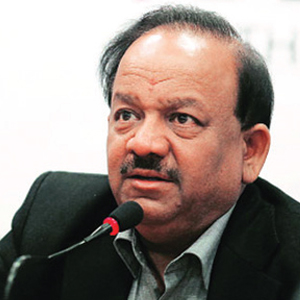
  • SEX EDUCATION IN SCHOOLS SHOULD BE BANNED: HEALTH MINISTER

    SEX EDUCATION IN SCHOOLS SHOULD BE BANNED: HEALTH MINISTER

    NEW DELHI (TIP): After suggesting that to prevent AIDS fidelity in marriage was better than use of condoms, health minister Harsh Vardhan has generated another controversy – this time by stating in his website that sexeducation in schools should be banned. In his “vision” document for Delhi schools, Vardhan, himself a doctor, has said, “So-called ‘sex education’ (should) to be banned.” His website – drharshvardhan.com – also states the need to integrate value education with course content and put strong emphasis on exposing students to India’s cultural relations.

    Vardhan couldn’t be contacted for his comments as he’s in the US. His office said this was the minister’s personal views. When contacted, Delhi BJP spokesperson Sanjay Kaul said, “The issue of banning sex education in schools has not been discussed on the party forum. We have no comment to offer.” Earlier, the health minister had created a stir by claiming the supremacy of fidelity as an AIDS prevention measure.

    “Condoms promise safe sex, but the safest sex is through faithfulness to one’s partner. Prevention is always better than cure,” he was quoted as saying. Public health activists are angry with the “vision” of the doctor-turned politician. Some public health activists said that the health minister appeared to be pushing the RSS agenda.

  • Savile sexually abused hospital patients for 4 decades

    Savile sexually abused hospital patients for 4 decades

    LONDON (TIP): Investigation reports unveiled to the public for the first time on June 16 confirming that renowned DJ and presenter Jimmy Savile sexually abuse patients in National Health Service hospitals across the UK for more than four decades.

    The victims ranged from five-year-old children to 75-yearold pensioners and included men, women, boys and girls who were patients, visitors and staff. Savile, a Radio 1 DJ who also presented the BBC’s Top Of The Pops died aged 84 in October 2011, a year before allegations that he had sexually abused children came out. A series of reports have revealed that he “wore huge rings that he said were made from the glass eyes of dead bodies” held in the mortuary of these hospitals.

    The entertainer is also believed to have “interfered with the bodies of deceased patients”. Investigators confirmed of accounts where Savile “acted unacceptably” with dead bodies in the mortuary at Leeds General Infirmary. Claims of abuse at 28 NHS hospitals were confirmed through the investigations. Permanent secretary of the department of health Una O’Brien said, “Today’s reports detail the depraved activities of Jimmy Savile and make for shocking reading.

    On behalf of the previous department of health and social security we are deeply sorry that inadequate processes in 1988 enabled Jimmy Savile to occupy a position of authority that he used to abuse his victims at Broadmoor Hospital.” A joint statement by NHS England said, “The abusive behaviour of Jimmy Savile on NHS premises described in today’s reports is truly awful. Our sympathy is with all the victims and we acknowledge their bravery in coming forward to talk to the investigations.”

  • National imperatives in a complex world

    National imperatives in a complex world

    A well-thought-through response combining intelligence, the internal security apparatus and mature political initiatives are called for. The design and execution of a response that is successful will need to ensure that the response itself does not exacerbate the problem, as would appear to be the case so far. Use of a sledge hammer either leaves a crater or results in diffusion and dispersion even more difficult to address”, says the author.

    Adecisive electoral mandate provides just the opportunity required for a comprehensive review of the national security architecture long overdue. It gives the Prime Minister the freedom and authority to evaluate existing systems. Considered judgment will be needed on the efficacy of existing systems and structures, particularly of their cohesiveness and efficient functioning. Should the “review” so warrant, new systems capable of assessing threats and delivering appropriate responses to challenges to the nation’s security will need to be put in place early before existing systems are tested.

    New threats

    The nature of threats to national security is fast altering. These emerge inter alia from the changing nature of violence in troubled hotspots like Afghanistan, Yemen, from Syria and Iraq where there are deepening and exploding sectarian fault lines, from transnational organized crime like piracy and terrorism, weapons of mass destruction, cyber security and from instability in fragile states and cities. The BJP’s election manifesto acknowledges the comprehensive canvas of national security to include military security, economic security, cyber security, energy, food, water and health security and social cohesion and harmony.

    In the BJP’s view, the lack of strong and visionary leadership over the past decade, coupled with multiple power centers, has led to a chaotic situation. Clarity is required on the factors that have led to this. Revisiting the genesis of the national security architecture as it has evolved, including prior to 1998 when the first National Security Advisor (NSA), Brajesh Mishra assumed office is instructive. It was clear all along that crafting a national security architecture on a Cabinet Parliamentary model would pose difficulties.

    Members of the Cabinet, entrusted with responsibility for defense, external affairs, home and finance invariably are senior political figures. As members of the Cabinet Committee on Security (CCS), given their seniority and influence, there was anticipation they could operate as independent silos. Experience has shown there are in-built institutional constraints to correctly assess emerging threats in an evolving and fastchanging strategic landscape by functionaries within a silo. The institution of a National Security Adviser (NSA) has worked best in a Presidential system, such as in the United States, where the NSA draws authority from the President as the chief executive.

    This apprehension has been validated over the past decade and a half, variations in the personality of individuals notwithstanding. The strategic community, both within the country and outside has looked to the NSA to obtain the government’s line on issues central to the nation’s security. The ability to respond quickly, appropriately and, if necessary, decisively to threats to national security, imminent and real is of vital essence. This has, however, not always been the case.

    The “review” being proposed could catalogue the challenges to national security over the past decade and a half and critically examine them as case studies to evaluate the efficacy of our response. Caution needs to be exercised. Not always is the failure to respond appropriately due to institutional constraints. Weak political leadership in the past has also been an important factor.

    The attack by the Haqqani network on our Embassy in Kabul was anticipated by the CIA but could not be prevented. By the time its deputy director reached Islamabad, the terror machine had struck. No self-respecting nation can allow itself to be repeatedly wounded. Unless retribution is demonstrated, further attacks will follow.

    Bifurcation of two jobs

    The first NSA’s success was partly due to the fact that he doubled up as the Principal Secretary and was known to enjoy the full confidence of the Prime Minister. Healthy disagreements between the first NSA and the then External Affairs Minister, in spite of both being familiar with issues relating to defense, intelligence and diplomacy, the three components of national security, viewed holistically, was, however, an early pointer of the shape of things to come. The decision to bifurcate the two jobs for a short period under UPA-I is well documented for its shortcomings. Even Mani Dixit, the tallest professional of his generation, could not manage the pressures from the EAM and turf battles within the PMO.

    The performance of successors largely content “to push files”, succeeded or failed depending on how weak or strong the silos were in defense, external affairs and home. The NSA’s influence fluctuated particularly in relation to the incumbent in the Home Ministry. In the absence of full play in the areas of defense and home, even a talented professional ended up as no more than a foreign policy advisor. The portfolios of home, defense, finance and external affairs now have incumbents who, in terms of seniority within the BJP, have the benefit of several decades of association with the Prime Minister.

    This gives them clout which no civil servant can ever hope to acquire. Battles for turf are central to the functioning of any democracy. Weak political leadership in the Ministry of External Affairs (MEA) over the last decade, in spite of a first-rate Foreign Service has led to the relative weakening of the MEA. This weakness has been most manifest in relation to the conduct of our bilateral relationships in our immediate neighborhood which are in varying degrees of disrepair, as are our relations with China and the United States.

    The policy of acquiescence with China will need to be shed at the earliest and more clinical and realistic assessments put in place. Deep incursions into our territory cannot continue to be explained away in terms of an un-demarcated border. With the United States, the transactional nature of the relationship resulting from absence or insufficient attention in Washington has been more than matched by our own shortsightedness. It will be easier to deal with China, if our relations with the United States are perceived to be on the upswing.

    Focusing on Japan alone will place us in an untenable situation. The game changer will be the twin focus on US and China. In terms of military strength, there has been lack of clarity in what capability we are seeking. Most war games and doctrines are still addressing either 1971- type scenarios or a tactical nuclear weapons exchange. It is a sad reflection on the state of play that we are the biggest importers of conventional armaments, even after acquiring strategic capability.

    Rationalization of armed forces

    Every other country, including China and now the United States have “rationalized” their Armed Forces, a euphemism for reducing. On the other hand, we are seeking creation of three more Commands – Special Forces, Aerospace and Cyberspace. The Central Army and Southern Air force Commands have limited roles yet, we keep increasing our “tails and turf”. There is an urgent need to rationalize our defense thinking and structures as part of an overall national security review.

    In 1965, the Government of India had commissioned Arthur D. Little, an American consultancy firm to make recommendations on defense production in India. Many of their recommendations, including on the involvement of the Indian private sector, are still valid. It should not be difficult given the visible and available political will to break through the dependence on imports to modernize our own defense production structures using FDI and an infusion of technology. The present system is unsustainable.

    Resources are not only limited but the evolving situation in Iraq could place us in dire straits. Every dollar increase in the benchmark price of brent crude results in an additional liability of Rs 3,000 to 5,000 crore. The producers of oil are salivating at the prospect of oil prices touching new highs. This could spell gloom and even doom for importing countries, particularly those heavily dependent on imports, the price having gone up from $106 to $115 in just five days.

    Shoring up security
    ● In 1965, the Government of India had commissioned Arthur D. Little, an American consultancy firm to make recommendations on defense production in India. Many of their recommendations, including on the involvement of the Indian private sector, are still valid.
    ● Given the political will, it will be easy to break through the dependence on imports to modernize our own defense production structures using FDI and an infusion of technology.
    ● Along with an evaluation of existing systems, a comprehensive review of all security challenges emanating from developments outside our borders is imperative.
    ● We are the biggest importers of conventional armaments, even after acquiring strategic capability. Every other country, including China and now the United States have “rationalized” their Armed Forces The attack by the Haqqani network on our Embassy in Kabul was anticipated by the CIA but could not be prevented. Along with an evaluation of existing systems, a comprehensive review of all security challenges emanating from developments outside our borders is imperative.

    Entities known to be inimical to India’s interests, particularly those enjoying some form of support from agencies of the state, if not outright patronage, in a few countries in our immediate neighborhood would readily suggest themselves and constitute the relatively easier part of this exercise. The ability of these entities to make common cause with sections of our own population whose alienation quotient has been enhanced by internal mismanagement is easy to identify if not easy to counter.

    A well-thought-through response combining intelligence, the internal security apparatus and mature political initiatives are called for. The design and execution of a response that is successful will need to ensure that the response itself does not exacerbate the problem, as would appear to be the case so far. Use of a sledge hammer either leaves a crater or results in diffusion and dispersion even more difficult to address. The BJP’s election manifesto separately calls for a study of India’s nuclear doctrine and its updating to make it relevant to current challenges.

    (The author, a retired diplomat, was till early 2013 India’s Ambassador and Permanent Representative to the United Nations in New York. He is presently Non- Resident Senior Adviser, International Peace Institute, New York. He has recently joined the BJP).

  • DISINFECT YOUR WARDROBE

    DISINFECT YOUR WARDROBE

    All sorts of insects may want to set up residence in your wardrobe, find out ways to annihilate them Your favourite clothes can meet an untimely destruction no thanks to creepy crawlies or insects who like the wooden wardrobe too much. But there are way to ward off insects with easy tips that can be followed:

    You need to give special attention to your clothes to prevent them from being insect ridden. Put some camphor in a bowl of coconut oil and apply this to the wardrobe walls and corners. Let this mix dry a bit before you keep your clothes back.

    Keep all your clothes in the sun at least once a month. Keep your wardrobe doors open for an hour and then wipe it with clean cloth.

    Spray disinfectant in your wardrobe once a week (but remember to take your clothes out before that and let the disinfectant settle for an hour before your pack your wardrobe again).

    Make small cotton bags with naphthalene, dried red chilli and dried neem and store them in various corners and portions of the wardrobe.

  • ADD MAGIC TO YOUR HOME DECOR

    ADD MAGIC TO YOUR HOME DECOR

    Proper lighting: Lighting can make or break a room: Mood lighting is very essential part of decor. Invest in a nice table lamp. Even hanging lamps will add much magic to your room. A little bit of greenery: The sure shot way to add life to your room is to have an element of greenery in the room.

    Having plants in a room also has a soothing effect on one’s mind. You can also have fresh flowers in the vase. The fragrance of jasmine in a room really uplifts the soul. In your kitchen, add a small herb garden to your windowsill to add life to the room. Plus, they taste great! Framed memories: Photographs are wonderful ways to add warmth and a sense of vibrancy to your home decor.

    Photographs that recall fond memories also can give a personal touch to your home. It brings in loads of happy memories. If you have old family photographs, then have these framed and hang them on the wall. Choose your frames carefully. A frame adds much life to photographs. Fabric magic: Fabric is an easy and inexpensive way to combine all the elements of your room. Break in the monotony and play with your imagination. Think beyond only the ready-made fabric. Have fun by combining patterns, styles and different textures of fabric in accessories and furniture.

  • FOODS TO REDUCE CHOLESTEROL

    FOODS TO REDUCE CHOLESTEROL

    Have a salmon fish dinner. Snack on a handful of nuts. Pour a dash of olive oil in your salad. And bite into that sinister chocolate.

    Now you can do all this guilt-free! All these foods help in fighting bad cholesterol. According to the American Heart Association, ‘You can reduce cholesterol in your blood by eating healthy foods’.

    So, here we are today with our list of top 10 cholesterol fighting foods.

    Oats: If you change your morning meal to oats then you can do your cholesterol level a whole lot of good. Do note that two servings of oats can lower LDL cholesterol by 5.3% in only 6 weeks. Essentially, oats contain a substance called beta-glucan which absorbs bad cholesterol.

    Red Wine: Here’s yet another reason to toast to your health. The red grapes used in the manufacturing of red wine have an important effect on cholesterol levels. Two glasses of red wine in a week can do you a whole lot of good.

    Salmon and fatty Fish: Full of Omega-3 fatty acids, salmon is a natural health wonder, which helps in keeping heart conditions such as heart attacks, stroke and high cholesterol levels at bay. Fishes such as salmon, sardines and herring help in raising good cholesterol levels by 4%.

    Nuts: Mono-unsaturated fats (found in nuts, seeds etc.) have the lowest fatty acid molecules and are the best of the three fats, namely poly-saturated fats, saturated fats and monounsaturated fats. Nuts are the best way to get those required healthy fats into your body without feeling guilty. Since the fats that come from nuts are natural and are not chemically processed, this makes them heart healthy, filling, and nutritious options.

    Beans: Excellent for the heart, ½ a cup of beans added in our diet (in the form of any dish or soup), helps in lowering cholesterol levels by 8%. You should try black, kidney, or pinto beans; each one of them supplies about one-third of your day’s fiber needs.

    Tea: Tea has antioxidants and less amounts of caffeine than coffee. An eight-ounce cup of coffee contains around 135 mg caffeine; tea contains only 30 to 40 mg per cup. Tea helps in protecting your bones because of the presence of phytochemicals in them. It is also a great defense against LDL cholesterol levels.

    Chocolate: Chocoholics can celebrate with a healthy dose of dark chocolate as it is full of antioxidants and cholesterolreducing properties. According to a Spanish study published in 2010 in the “Journal of Hepatology,”, “the antioxidants in dark chocolate reduce the damage that can occur to blood vessels, which can further threaten the health of people with cirrhosis.

    The dark chocolate can help prevent the blood vessels in the liver from rupturing”. Medical experts suggest that munching on 100 grams of chocolate every day helps in reducing the occurrence of cardiovascular mishaps by 21 percent.

    Spinach. Popeye the sailor was quite right when crediting his muscle power to this green leafy vegetable. It is believed that spinach contains around 13 flavonoid compounds which keep us away from cancer, heart diseases and osteoporosis. 1/2 a cup of this lutein-rich food, daily, guards us against heart attacks.

    Olive oil: This oil has many health benefits. It contains mono-unsaturated fatty acids which lower bad cholesterol and triglycerides, without lowering good cholesterol levels. Different stages of pressing and processing yield different varieties of olive oil.

  • 10 GLASSES OF WATER A DAY TO CUT FAT

    10 GLASSES OF WATER A DAY TO CUT FAT

    We have all heard this advice innumerable times. Drink eight to 10 glass of water a day. Experts say that if you are overweight or tend to get most of your calories from processed and salty food, eight to 10 glass of water could actually help you reduce your weight. Water could lower your BMI.

    If you drink eight to 10 glass of water everyday you will end up eating less and also drink fewer calorie-laden beverages. Drinking about 500 ml of water before meal can cut the calories and help in losing weight and as a result lower body mass index (BMI). Water helps in burning fat. You can burn about 50 per cent more fat after drinking water compared with a higher calorie beverage.

    Water helps you play your sports better. Sweating away just two per cent of your body’s water content affects the performance of a sportsperson to a great extent. Drinking enough water can improve your game and save you from the risk of dehydration. Water can fight hangovers. Being adequately hydrated is the best way not to feel lousy and grouchy after a late night party. Drink a couple of glasses of water hours before the event. Even when you are flying a long distance flight, staying hydrated helps you fight hangover.

  • WAYS TO BOOST YOUR MEMORY

    WAYS TO BOOST YOUR MEMORY

    Not many of us can boast of a sharp memory, and those who do, certainly seem to have an edge professionally and personally as well. We’re not recommending any magic pill to boost your memory but rather some tips that will help you do so:

    Clench your fist

    This may sound weird but research suggests that balling up your right hand and squeezing it tightly actually makes it easier to memorise phone numbers or shopping lists. Later, when you want to retrieve the information, clench the left fist. Researchers think the movements activate brain regions key to the storing and recall of memories.

    Alphabets to the rescue

    When you’re trying to recall a piece of information such as the name of an actor in a film but just can’t seem to do so, use the alphabet search method. Basically, go through the alphabet to find the first letter of the word or name you are trying to remember in order to jog your memory. This trick really works.

    Exercise more frequently

    This is no rocket science because many studies have shown that aerobic exercise improves cognitive function and is particularly good at enhancing memory. Also, exercise is believed to encourage the growth of new brain cells in the hippocampus – an area of the brain important in memory and learning.

    Ditch drinking at night

    Alcohol may help you fall asleep but it leads to a disrupted night’s rest. Moreover, it has a harmful effect on concentration and memory, opine researchers. Not to forget the more you drink, the less deep – or REM – sleep you get.

    Say the words out loud

    Perhaps, the easiest of all methods for remembering anything is to say the words out loud, be it remembering where you put your car keys or what you need from the shop or revising for a test, say memory experts. Studies found that saying what you want to remember out loud to yourself – or even mouthing it – will help with recall.

  • GOPIO-CT HONORS FIVE INDIAN AMERICAN ACHIEVERS AND CONGRESSMAN JIM HIMES AS FRIEND OF INDIA

    GOPIO-CT HONORS FIVE INDIAN AMERICAN ACHIEVERS AND CONGRESSMAN JIM HIMES AS FRIEND OF INDIA

    GOPIO-CT honors 5 Indian American achievers

    Congressman Jim Himes is honored as Friend of India

    STAMFORD (TIP): The Connecticut Chapter of the Global Organization of People of Indian Origin (GOPIO) honored five Indian American achievers and those who provide service to the community or the society at large. Several dignitaries attended the event including India’s Consul General in New York Dnyaneshwar Mulay, Rep Jim Himes (D, CT 4th District), Stamford Mayor David Martin, Norwalk Mayor Harry Rilling, New Jersey State Assembly Speaker Upendra Chivukula and Connecticut Assemblyman Dr. Prasad Srinivasan.

    The program started with a welcome by GOPIO-CT President Shelly Nichani who said the chapter initiated several new programs including a cancer walk fundraiser, participation in the Thanksgiving Day Parade in Stamford, interactive session with elected officials in addition to the regular program such as sponsoring and volunteering in soup kitchens, India Independence Day flag hoisting and Diwali. Stamford Mayor David Martin extended a warm welcome to everyone and complimented GOPIO-CT for its outstanding community work.

    This year, GOPIO-CT had selected U.S. Representative from Connecticut 4th District Congressman Jim Himes as Friend of India. A member of India Caucus, Jim has been a supporter of Indian American community. Congressman Himes had traveled several times to India while he was working for Goldman Sachs. As a Congressman Himes is committed to provide all children in America, access to a first-rate public school, affordable and effective health care, a decent and safe home, and a supportive community. An undergraduate from Harvard, Jim earned a Rhodes Scholarship, and attended Oxford University in England.

    There Indian Americans are honored for their achievements in business and profession. Dr. Subbarao Bollepalli, MD FAPA, is honored for his achievement in medicine. Dr. Bollepalli is a leading psychiatrist in the State of Connecticut. He retired as a Colonel from United States Army Reserve, which was activated during the Iraqi War. He is a member of the Governing Council of Connecticut Medical Society(CSMS). He is currently the President of Connecticut Association of Physicians of Indian Origin (CAPI). His interests include philanthropy, social service, spiritual reading and playing tennis.

    A husband and wife team in business, Ashok and Meera Vasudevan, have been selected to receive entrepreneurship award. Ashok is ‘corporateur’ turned entrepreneur who has co-founded with his wife Meera, Preferred Brands International, which makes Tasty Bite, a leader in the specialty food industry. He is the CEO of Tasty Bite and serves also on the Board of several NGOs both in India and the US. He is the Adjunct Professor of International Entrepreneurship of Great Lakes Institute of Management in Chennai, India.

    Ashok attended the University of Agricultural Sciences, Bangalore, Bajaj Institute Bombay and the Harvard Business School. Meera Vasudevan is a co-founder and Principal of ASG-Omni, a strategy-consulting firm that designs and develops entry strategies for large US corporations looking to do business in India. She has also worked closely on social research projects with the Indian government and UNICEF. She has a Bachelor in English with post-graduate qualifications in Marketing from the University of Madras and INSEAD, France.

    Arati Sureddi received an award for young achievers. Arati is the Founder of Lotus Alliance, a social enterprise addressing human trafficking and forced labor through the responsible tourism industry. She has also helped in launching the Not My Life Awareness Initiative, whose goal is to increase awareness of human trafficking among individuals who are in a position to influence policy and advocate for change. She is a graduate of Boston University’s School of Management.

    Prasad Chirnomula, an avid restaurateur, received a special award for promoting India cuisine to American society by helping community groups through media. Chirnomula creates delectable and imaginative food in each of his four Thali restaurants and Mexican in his latest venture – Oaxaca Kitchen. In addition to running his five restaurants, Chef Prasad leads tasting tours of India, hosts private tasting dinners, teaches cooking classes and offers his services at multiple charity events for such groups as the American Liver Foundation, Varli, James Beard House, the American Red Cross, Share Our Strength, the Connecticut Food Bank and the Food Bank for New York City.

    He has studied at the Food Craft Institute of Poona, including culinary arts and hotel management. Connecticut Senator Blumenthal in a message complimented GOPIO-CT for its outstanding community service and advocacy work and presented certificate of appreciation to all award recipients. The program ended with an entertainment by Bollywood dancers and a dinner.

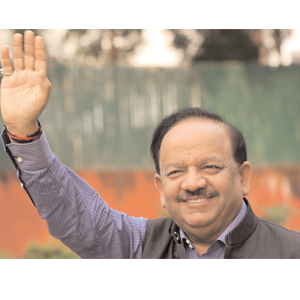
  • Indian Health minister to meet US counterpart on first tour abroad

    Indian Health minister to meet US counterpart on first tour abroad

    His visit aims to evaluate the progress of the US-India Health Initiative which was launched in 2010

    DALLAS (TIP): India’s Health Minister, Dr. Harsh Vardhan began a five-day US visit on Tuesday, June 24. He will meet his counterpart and explore scope for cooperation and collaboration. Vardhan, on his first official tour abroad since he assumed office, will meet the new US Secretary of Health and Human Services, Sylvia Mathews Burwell, to evaluate the progress of the US-India Health Initiative, launched in 2010. He will attend meetings to discuss steps to consolidate the collaboration between the Indian government, United States Agency for International Development, United Nations Children’s Fund and others in ensuring an Acquired Immune Deficiency Syndrome (AIDS)-free generation.

    Vardhan said, “We are on the cusp of exciting possibilities. I am looking to talks seeking collaboration on global health security, telehealth and preventive health care.” Vardhan had on Monday called on Prime Minister Narendra Modi to tell him on the agenda of his meetings. He will also attend the annual India-USEthiopia initiative against child mortality, Call to action: A promise renewed. Health ministers from 25 countries are set to attend the meeting. Vardhan will deliver the keynote address.

    He will deliver a keynote address at the 32nd annual convention of the American Association of Physicians of Indian Origin (AAPI) in San Antonio, Texas, on Saturday. AAPI is the largest forum of ethnic medical professionals in the US with 138 local chapters. Website Swastha India, a joint initiative of AAPI and the Indian government, will also be launched. Vardhan said, “We are exploring more avenues for engaging AAPI in research, skill development and strengthening health care.” “The prime minister is engaged with AAPI and this association will be pursued to achieve health outcomes on the ground.”

  • US ECONOMY SHRINKS AT ANNUAL RATE OF 2.9%, MOST IN FIVE YEARS

    US ECONOMY SHRINKS AT ANNUAL RATE OF 2.9%, MOST IN FIVE YEARS

    WASHINGTON (TIP): The American economy contracted at an annual rate of 2.9 per cent in the first quarter of this year, the sharpest drop experienced by the US in the last five years.

    This drop follows an increase of 3.4 per cent at an annual rate in the second half of 2013. The entire decline in overall GDP in the first quarter can be accounted for by a decline in exports and a slowdown in inventory investment, two particularly volatile components of GDP. Jason Furman, chairman of the Council of Economic Advisers, said the first-quarter GDP was revised down, largely reflecting a re-estimation of consumer spending on health care, which was substantially lower than originally reported, as well as exports, which were below the initial estimates.

    “The GDP data can be volatile from quarter to quarter; a range of other data show a more positive picture for the first quarter, and more up-to-date indicators from April and May suggest that the economy is on track for a rebound in the second quarter,” he said.

    “The recovery from the Great Recession, however, remains incomplete, and the president will continue to do everything he can to support the recovery, either by acting through executive action or by working with Congress on steps that would boost growth and speed job creation,” Furman said. According to the report released by Bureau of Economic Analysis, the downward revision to first-quarter GDP growth was concentrated in two areas: consumer spending on health care services and net exports.

    The performance of the economy in the first quarter as measured by GDP was significantly below other independently calculated measures. For instance, aggregate hours worked by private-sector production and non-supervisory workers as measured by the Bureau of Labor Statistics grew 1.4 per cent at an annual rate in the first quarter, while industrial output in the manufacturing sector as measured by the Federal Reserve increased 2.1 per cent at an annual rate, Furman said. ‘The Wall Street Journal’ said in the US economy contracted at a worse pace than previously estimated in the first quarter, marking its sharpest pullback since the recession ended five years ago.

  • Pitfalls on growth path

    Pitfalls on growth path

    India losing out to China in competitiveness

    Mr. Modi is dealing now with a hugely diverse country in which too much centralisation of power may not work. To achieve higher growth and employment, the entire nation has to cooperate so that the most important problems of slippage on the human development and infrastructural fronts are addressed first. The Prime Minister will, however, have to show leadership within the given parameters”, says the author.

    The World Bank has revised its forecast about India’s GDP growth rate for 2014-15 and pegged it at a realistic level of 5.5 per cent. Recently there has been some good news that may go to indicate that 5.5 per cent is indeed achievable.

    Industrial revival is on the cards because after declining for two consecutive months, industrial growth was at 3.4 per cent in May. Whether it is a real reversal of the sluggish trend of 2013-14 (IIP grew at 0.4 per) or just a temporary blip is hard to say. Maybe industrial growth has risen due to the huge amount of election expenditure in April, 2014. Some of it went towards buying electricity generation equipment used in electioneering. Manufacturing growth is important for job creation.

    The young job-seekers (around 10 million a year) expect jobs from the Modi government. Mr. Modi has already promised that there will be labour-intensive manufacturing growth. But we have to wait and see what policy changes are introduced to promote it and how much impetus is given to the SME sector.

    The capital goods sector shrank by 14 per cent in 2013-14 which means that increasing domestic investment will be imperative for raising manufacturing growth. For rapid industrial growth, the productivity growth (total factor productivity) of industries has to rise. Unfortunately, the productivity growth has been declining in the last few years (since 2007) and that is why India is losing out to China in competitiveness.

    It is measured by the incremental capital output ratio which shows the amount of extra capital that is needed to produce one extra unit of output. Productivity growth depends on many things and if any of these is missing, it declines. Productivity growth depends not only on capital but also on human capital like the level of education/ skills and health of the labour force, work culture, technology, infrastructure, specially transportation, property rights and legal framework.

    If any of these is not growing in a steady manner, productivity growth can reach its limit and start to decline. Thus while factor inputs like labour, land and capital are important for productivity growth, it also depends on management and good governance. Productivity increases at the firm level reflect better management and organisation of people.

    Thus for higher GDP growth, not only is it important to spur domestic and foreign investment but also promote health, education and skills of the labour force and have efficient infrastructure. Less administrative hassles, quick policy decision-making and corruption-free governance are also equally important. Thus when the government makes big promises, it has to keep in mind what it has to do to increase productivity growth. To be able to achieve it in a short time is a formidable task for the Prime Minister.

    Another good sign for better GDP prospects is that export growth increased to double digits (12 per cent) in May 2014. It indicates better prospects for industrial revival through export growth. For export growth, a rise in demand coming from the Western countries is important, though India has now diversified its exports widely and the number one destination of India’s exports is the Middle East.

    Greater trade among SAARC countries will also open up new vistas for our export growth. Even with high export growth, trade deficit is likely to widen in the near future because of the uncertainty in the political scene in Iraq and the possible adverse impact on oil prices. If there is a spurt in oil prices, then the import bill would be much higher for India than before. There may be a widening of the current account deficit on account of problems in Iraq and there is already a visible weakening of the rupee.

    The biggest dampener of GDP growth will be the possibility of a weak monsoon and the drought effect of El Nino on agricultural production. Agricultural growth though it contributes only 17 per cent of the GDP will be the affected and deficient monsoons may result in higher rate of unemployment in the countryside because 52 per cent of the population is dependent on agriculture.

    An increase in non-farm jobs will be most important. The rise in the price of food grains may be cushioned by the enormous stocks held by the government’s FCI godowns. But higher vegetable, fruits, eggs, fish and meat prices will contribute to food inflation as they have done in the past. It may not be easy to control inflation (CPI) which has already shown resilience and has refused to climb down steeply.

    In May the WPI rose to 6.01 per cent and the CPI, though it has come down a bit, is still at 8.3 per cent. Inflation control has been the aim of the Reserve Bank of India for a long time now, yet it has not been able to tame it completely. To garner money for funding the budget deficit, which is bound to increase with the various big-ticket expenditures planned, some subsidies will no doubt be reduced.

    The Modi government may turn out to be more ruthless in cutting subsidies than the UPA government because it will be armed with the excuse that these did not reach the real poor in the past. Unless all states are taken on board and each state collaborates in the effort of increasing growth, slow progress may be expected. Even for cleaning up the Ganga, the various states through which the Ganga flows will have to join the effort. Similarly, in controlling crimes against women, the states will have to cooperate in punishing severely the guilty.

    Mr. Modi is dealing now with a hugely diverse country in which too much centralisation of power may not work. To achieve higher growth and employment, the entire nation has to cooperate so that the most important problems of slippage on the human development and infrastructural fronts are addressed first. The Prime Minister will, however, have to show leadership within the given parameters.

  • Pak needs a long-term vision for Waziristan

    Pak needs a long-term vision for Waziristan

    ISLAMABAD (TIP): The long-awaited Pakistani military assault has been launched in North Waziristan. For over a decade, the region harboured local and foreign militants including Arabs, Chechens, Uzbeks, Turkmen, Tajiks and Uighurs.

    Some militant groups holding sway in the region were considered by Pakistan as pro-state while others antistate. Prominent among the militant groups of good guys were ones led by Hafiz Gul Bahadur and slain Mullah Nazir while the Haqqani network of Afghan militants was the only foreign militant outfit given open space to operate from the region.

    Last month, a major faction of Tehreek-i-Taliban Pakistan, which walked out of the umbrella organization, was willing to enter into the list of friendly groups, but Islamabad did not agree. Now, as the military has launched a “comprehensive” offensive in the region of battle-hardened fighters, the government needs to reveal whether the operation will take on all militant groups without discrimination or whether it is just aimed at eliminating the bad guys. One way or the other, all these groups of so-called good and bad elements have an understanding not to interfere in each other’s spheres of influence.

    They have carved out their own territories in tribal badlands where they call all the shots – administrative, social, religious, legal, political and military. Their inspiration is the same. They have a history of being good at one time, and bad at another.

    The question is after the military operation ends successfully, and the displaced families return to their abandoned homes, will they find themselves in midst of guntoting good militants or with the Sharifled government focused on its mega projects like highways and motorways? They have already suffered immensely due to the war on terror. They are, no doubt, simple people and their minds can be easily moulded the way one wants.

    A chat with a senior intelligence official revealed that the kidnapped vice chancellor of Peshawar’s Islamia College University, Dr Ajmal Khan, reformed several militants by educating them in Shawal Valley of North Waziristan. The state brainwashed them when it wanted the die-hard religious tribesmen to take up guns in the name of religion.

    Has it now decided to reverse the trend? If that is so, as some argue, the government needs to come up with a clear policy and vision at strategic, ideological, political and foreign policy levels while the military should keep cleansing the dens of militancy there. The operation in North Waziristan won’t end the scourge of terrorism in Pakistan unless a clear policy is adopted to address militancy in all shapes and shades.

    Also, the government must stop calling people along Af-Pak border tribals, which makes them sound like a bunch of uncivilized people. They should be mainstreamed like the rest of Pakistanis. The people of tribal regions deserve the same rights, freedom, protection and economic opportunities available to Pakistanis elsewhere. For sustainable peace and development, the government needs to introduce political, economic, social and administrative reforms in tribal areas.

    Their fundamental rights cannot be guaranteed unless the government decides to amend the constitution and transfer the legislative and administrative powers of tribal areas from the president to parliament. A comprehensive package should be announced for people of tribal areas, with focus on health, education and employment. Gains of military offensive can only be retained if these are coupled with a radical new development agenda for the deprived people.

  • US cuts aid to Uganda, cancels military exercise over anti-gay law

    US cuts aid to Uganda, cancels military exercise over anti-gay law

    WASHINGTON (TIP): The United States on June 19 cut aid to Uganda, imposed visa restrictions and canceled a regional military exercise in response to a Ugandan law that imposes harsh penalties on homosexuality.

    The White House said in a statement the measures were intended to “reinforce our support for human rights of all Ugandans regardless of sexual orientation or gender identity.” Homosexuality is taboo in most African countries and illegal in 37, including in Uganda where it has been a crime since British rule.

    Uganda’s new law, signed by President Yoweri Museveni in February, imposes jail terms of up to life for “aggravated homosexuality” which includes homosexual sex with a minor or while HIVpositive. Widely condemned by donor countries, the law also criminalizes lesbianism for the first time and makes it a crime to help individuals engage in homosexual acts. Western donors, including the United States, had halted or re-directed about $118 million in aid to the east African nation’s economy before Thursday’s announcement.

    The White House said on Thursday the United States would impose visa restrictions on Ugandans it believes have been involved in human rights violations, including gay rights. The United States will halt $2.4 million in funding for a Ugandan community policing program in light of a police raid on a US-funded health program at Makerere University and reports of people detained and abused while in police custody.

    In addition, Washington will shift some funding for salaries and travel expenses of Ugandan health ministry employees to non-governmental agencies involved in health programs. It will also reallocate $3 million in funding for a planned national public health institute in Uganda to another African country, which it did not name.

    A National Institutes of Health genomics meeting would be moved from Uganda to South Africa, the White House said. It also canceled plans for a US-sponsored military exercise in Uganda that was meant to include other East African countries. A date had not yet been set for the exercise.

    Uganda is a key Western ally in the fight against Islamic extremism in Somalia, where Ugandan troops for the backbone of the African Union force battling al Qaeda-aligned militants. US special forces have also been involved in the hunt for Joseph Kony, the elusive rebel commander seeking to topple the Ugandan government. Kony is believed to be hiding in the jungles of central Africa.

    In Kampala, a government official asked about the US measures said that Uganda would not alter its decision to toughen laws against homosexuals. “Uganda is a sovereign country and can never bow to anybody or be blackmailed by anybody on a decision it took in its interests, even if it involves threats to cut off all financial assistance,” government spokesman Ofwono Opondo said. US President Barack Obama previously told Museveni the law would complicate relations between the two countries. Since then Washington has been reviewing its funding to Uganda, while privately pressing Museveni’s government to repeal the law.

  • US says 75 government scientists possibly exposed to anthrax

    US says 75 government scientists possibly exposed to anthrax

    WASHINGTON (TIP): As many as 75 scientists working in US federal government laboratories in Atlanta may have been exposed to live anthrax bacteria and are being offered treatment to prevent infection from the deadly toxin, the US Centers for Disease Control and Prevention said on June 19.

    The potential exposure occurred after researchers working in a high-level biosecurity laboratory at the agency’s Atlanta campus failed to follow proper procedures to inactivate the bacteria. They then transferred the samples, which may have contained live bacteria, to lowersecurity CDC labs not equipped to handle live anthrax.

    Dr Paul Meechan, director of the environmental health and safety compliance office at the CDC, said the agency discovered the potential exposure on the evening of Friday, June 13, and immediately began contacting individuals working in the labs who may have unknowingly handled live anthrax bacteria. “No employee has shown any symptoms of anthrax illness,” Meechan said.

    Meechan said the normal incubation period can take up to five to seven days, though there are documented cases of the illness occurring some 60 days after exposure. Meechan said as many as seven researchers may have come into direct contact with the live anthrax. But the agency is casting as wide a net as possible to make sure all employees at the agency who may have walked into any of the labs at risk are being offered treatment.

    Around 75 individuals are being offered a 60-day course of treatment with the antibiotic ciprofloxacin as well as an injection with an anthrax vaccine. Meechan said it is too early to determine whether the transfer was accidental or intentional. He said that all employees who were doing procedures to inactivate the bacteria were working in a biosecurity laboratory and were “tier one select agent approved,” meaning they had undergone a security reliability review and deemed to be “stable, trustworthy individuals.” Meechan said the CDC is conducting an internal investigation to discover how the exposure occurred and said disciplinary measures would be taken if warranted.

    “This should not have happened,” he said. For those exposed, he said, “We’re taking care of it. We will not let our people be at risk.” The CDC said in a statement is has reported the labsafety incident to the Federal Select Agent Program, which oversees the use and transfer of biological agents and toxins that pose a severe threat to the public.

    CDC spokesman Tom Skinner said appropriate background checks were done on all employees handling the anthrax, but would not say whether the Federal Bureau of Investigation has been called in to investigate, deferring that question to the FBI. Anthrax is a potentially deadly infectious disease caused by exposure to the bacterium Bacillus anthracis.

    The bacteria most commonly affects hoofed animals such as goats, but people who come in contact with the spores can also become infected. Infection can occur through a cut in the skin, breathing in anthrax spores or eating tainted meat. Meechan said CDC workers in the lower-security labs were likely not wearing masks, which would have prevented inhalation of the spores. In inhalation anthrax, bacterial spores enter the lungs where they germinate before actually causing disease, a process that can take one to six days.

    Once they germinate, they release toxins that can cause internal bleeding, swelling and tissue death. Inhalation anthrax occurs in two stages. In the first stage, symptoms resemble a cold or the flu. In the second stage, anthrax causes fever, severe shortness of breath and shock. About 90 percent of people with second stage inhalation anthrax die, even after antibiotic treatment.

  • ADD YELLOW TO YOUR HOME DECOR

    ADD YELLOW TO YOUR HOME DECOR

    Make your home a happier place with the help of this colour palette When you want to jazz up your home, the easiest way to do it, is to introduce some colour into your decor scheme. Yellow and its family of bright colours, is just right to liven up your home in a jiffy. This seems like a happy and sunny hue that can give your room an image makeover in an instant. Yellow is a very cheerful colour that can instantly lift your mood and the mood at home. This colour defines happy, and you can use it in a setting associated with work — like in your study area, a balcony, kitchen and even your children’s room.

    It is the hardest colour to miss and will not just grab eyeballs and attention, but will also make a perfect accent for your neutrals. Yellow is said to bring out the warmth of the grays and browns and that is how it perks up the dark schemes. It also brightens up colours — right from pastel shades to other deeper hues. However, refrain from getting an overdose of it. Too much of a deep or neon yellow won’t work at home and will have a very overwhelming effect. Use it in small doses and make your home a happier place.

  • BEAUTY BENEFITS OF ROSE PETALS

    BEAUTY BENEFITS OF ROSE PETALS

    Who said a rose can only be used to woo your beloved? Women have been using rose petals since centuries to soothe their mind and body. In fact, it is said that ancient Greeks and Romans used rose petals to perfume their baths. Here’s looking at the beauty benefits of this fragrant flower and how you can include rose water, rose oil and rose petals in your skin and hair care routine. Skin toner: Rose water is considered to be a natural toner for your skin. Once you return home from work, take a swab of cotton dipped in rose water and gently wipe your face in a circular motion. This will help get rid of the dirt as well as makeup.

    Soothes skin: The natural oils found in roses help retain moisture in the skin. This results in your skin feeling smooth and soft. The sugars in rose petals especially benefit those with sensitive skin. Acts as sunscreen: A rich source of vitamin C, rose petals act as an excellent sunblock. Make a lotion by mixing cucumber juice, glycerin and rose water and apply it on your skin before heading out in the sun. Helps fight acne: The anti-bacterial properties found in rose makes it amazing for fighting acne and breakouts. Rose water can also help soothe irritated skin and reduce its redness.

    It is also known to heal skin ailments like eczema and psoriasis. Prevent dark circles: Soak thin swabs of cotton in rose water and put them on your eyes to prevent dark circles. Moodlifting properties: In a bad mood or feel the stress? Known as a powerful mood enhancer, add rose petals to a warm bath will help you get rid of feelings of anxiety. Apart from being a detox for your body, it will also help you sleep better. Nourishes scalp: Rose water is great for your hair as heals the itchy and flaky areas of your scalp. Moreover, it helps increase blood flow to the hair follicles, promoting hair growth.

  • SLEEP LIKE A BABY

    SLEEP LIKE A BABY

    In today’s world, when there is so much stress and people are hardpressed for time, there isn’t enough time to relax. Hence, sleeping disorders are commonplace. Like a balanced diet and exercise are important to stay healthy, sleep ensures that your body gets proper rest and is rejuvenated. Here are some ways to get a good night’s sleep…

    Sleep at a fixed time

    It is important to go to sleep at a fixed time. This doesn’t mean just going to bed at the same time every day, but actually falling asleep at that time.Ensure that you follow this strictly

    Don’t go to bed right after dinner

    Apart from keep your dinner light, make sure that you give a gap of at least two hours between dinner and bedtime. Chances are that you will keep tossing and turning if your stomach is full before going to bed.

    Wash your face and feet

    Taking a shower is a good idea before going to bed, since it helps you relax, but if this is too much of a hassle, then make sure that you wash your face and feet before hitting the sack. This way, the day’s stress will literally get washed away.

    Wake up at the same time

    Just like you sleep at a fixed time, you must wake up at the same time each day as well. If you sleep well, then you don’t need an alarm to get up at the same time every day . Try to maintain this over the weekend as well.

    Workout in the evenings

    While it is advisable to start your day with a workout, it also makes sense to work out in the evening. This way, you can shake the stress of the day away and burn a good number of calories. This is bound to tire you out, thereby ensuring that you sleep well.

    Don’t carry a book to bed

    Many people are of the habit of reading before going to sleep, but this can keep you up longer than you would want. Finish reading on the couch or chair and don’t take your book to bed.

    Sleep in a dark room

    If you are someone who needs to have a light on at night, break this habit. You can instead switch on a night bulb in another room. Your bedroom should be devoid of any light as this helps you sleep better.

    Keep noise at bay

    Just like you should keep books away from your bed, ensure that your iPod isn’t with you in bed. Apart from tampering with your sleep, listening to music while in bed is also an unhealthy practice.

    De-clutter your bed

    The number of items on your bed are also responsible for the quality of your sleep. Make sure that your bed is comfortable and only has the things that are required, such as pillows, sheets and blankets.

  • WALK 6,000 STEPS A DAY TO KEEP OSTEOARTHRITIS AT BAY

    WALK 6,000 STEPS A DAY TO KEEP OSTEOARTHRITIS AT BAY

    Researchers have found that walking 6,000 or more steps per day helps in minimizing the risk of knee osteoarthritis (OA). While walking is a common daily physical activity for older adults, medical evidence reports that two-thirds of US adults with arthritis walk less than 90 minutes each week. Daniel White, PT, ScD, from Sargent College at Boston University in Massachusetts said that the study examines if more walking equates with better functioning, and if so, how much daily walking is needed to minimize risk of developing problems with mobility in people with knee OA. The researchers measured daily steps taken by 1788 people with or at risk for knee OA, who were part of the Multicenter Osteoarthritis Study.

    Walking was measured with a monitor over seven days and functional limitation evaluated two years later, defined as a slow walking speed and a Western Ontario and McMaster Universities Arthritis Index (WOMAC) physical function score greater than 28 out of 68. Walking an additional 1,000 steps each was associated with between a 16 percent to 18 percent reduction in incident functional limitation two years later, while walking less than 6,000 steps daily was the best threshold for identifying those who developed functional limitation. Dr. White concluded that people who have or are at risk of knee OA, should walk at least 3,000 or more steps each day, and ultimately progress to 6,000 steps daily to minimize the risk of developing difficulty with mobility.

  • FAT-LOSS SUPERFOODS THAT REALLY WORK

    FAT-LOSS SUPERFOODS THAT REALLY WORK

    Every day, we come across people discussing the health benefits of colourful vegetables and fruits, but not all are backed by strong research. Green tea, raspberries and coconut milk are some of the time-tested and research-proven food items that can be trusted. Here’s a list of nutrient-rich food items that are beneficial to the body Coconut milk: The healthy saturated fat in coconut comes from medium-chain triglycerides, a fatty acid your body prefers to burn rather than store.

    Raspberries

    Blueberries hog the spotlight, but raspberries are actually higher in fibre. One cup provides a whopping 8 grams. Experts say you probably get about half the fibre you should, and on a lower-carbohydrate diet, even less. Benefits include balanced blood sugar levels and reduced cravings.

    Green tea

    The popular beverage’s fat-burning benefits are well known. But balance it with a healthy diet and exercise for better results. It also helps reduce stress.

    Avocado

    It is high in healthy mono-unsaturated fat and fibre and improves overall diet quality, nutrient intake, and reduced risk of metabolic syndrome. One cup contains 10 grams of appetite-curbing fibre — the perfect food to top salads and burgers as a snack.

  • AVOCADO DIET CUTS HEART RISK IN OBESE

    AVOCADO DIET CUTS HEART RISK IN OBESE

    Researchers are exploring the potential effects of Hass avocado consumption on emerging cardiovascular disease (CVD) risk factors. The research was based on a clinical study that investigated whether eating one Hass avocado every day as part of a moderate fat diet (34 percent fat) had a beneficial effect on risk factors for CVD among healthy overweight and obese subjects, compared to a similar moderate fat diet without avocados, and a lower fat diet.

    The researchers, Li Wang, PhD Candidate, Pennsylvania State University, and primary investigator, Penny Kris Etherton, PhD, RD, found that relative to baseline, although all three diets lowered LDL cholesterol (LDL-C), only the avocado diet significantly decreased low density lipoprotein particle number (LDL-P); there was no significant change in LDL-P with the moderate fat diet without avocado or the low fat diet. Researchers also observed that the avocado diet significantly lowered small, dense LDL cholesterol (a more atherogenic subclass of LDL) and oxidized LDL (atherogenic modified LDL particle).

    The study was supported by the Hass Avocado Board (HAB) and was also nominated as one of five finalists for the Clinical Emerging Leader Award Competition. “As new research is published on CVD risk factors, we’re learning that it may not simply be the level of LDL cholesterol that matters, but rather the particle number, size, density and especially oxidative modification of the LDL particles,” said Penny Kris- Etherton, Distinguished Professor of Nutrition at the Pennsylvania State University.

    “Research is beginning to show that small, dense LDL particles, in particular, may be more likely to be oxidized and form plaques in the arteries compared to large, buoyant LDL particles.” Wang said that their findings show that there is something unique about the avocado beyond its MUFA content that helped to specifically decrease small, dense LDL in healthy overweight and obese adults.

  • New York State all set to allow medical marijuana

    New York State all set to allow medical marijuana

    ALBANY, NY (TIP): New York State will soon be the 23rd US State to allow medical marijuana. Governor Andrew Cuomo and state lawmakers announced a deal on June 19, that would allow limited access to medical marijuana in New York. The proposed medical cannabis program, one of the nation’s most restrictive, would permit the active ingredients of pot to be inhaled as a vapor or ingested, but prohibit the smoking of marijuana itself.

    Exactly how medical marijuana products will be formulated in New York will be left up to the state’s Health Department under the program, which the governor would have discretion to halt at any time, and which will expire after seven years, unless lawmaker reauthorize it. The state Senate had been expected to give final legislative approval to the deal in a vote originally set for late Thursday night.

    But Senate leaders agreed to Republican demands to delay it until Friday morning to give lawmakers more time for review. Democrats control the state Assembly, but Republicans share control of the Senate with a breakaway group of Democrats. “I always supported the concept of ‘If you can get the medical benefits of medical marijuana to a suffering patient, clearly you would want to do that,’” Cuomo, a Democrat, told a news conference in Albany, the state capital. “My trepidation has always been the risk.

    This bill virtually eliminates the risk.” Under the plan, the Health Department would license five private companies in the state to produce and distribute medical marijuana products through dispensaries. Patients aged at least 21, who suffer from any one of a list of specified ailments – epilepsy, multiple sclerosis, Lou Gehrig’s disease, Parkinson’s disease, Huntington’s disease, neuropathies, spinal chord injuries, cancer and HIV/AIDS – would be eligible to use cannabis as treatment. The measure further allows the Health Department to approve other “serious conditions” for use of the drug as needed.

    Patients will get a registration card allowing purchase of the drug from a licensed dispensary; only doctors involved in their direct care will be allowed to certify need for the drug. The bill makes it a felony for any doctor to falsely certify a patient’s eligibility, or for a patient to defraud the program with false certification. It makes it a misdemeanor for patients to traffic in the prescribed drug.

    The legislation has been the subject of heated last-minute negotiations as New York’s current lawmaking session drew to a close. Versions of the bill have been approved by the liberal state Assembly several times since the 1990s. In May, Minnesota became the 22nd of the 50 states, in addition to the District of Columbia, to allow some sort of access to medical marijuana, advocacy group the Marijuana Policy Project says.

  • GOPIO’s 25th Anniversary Jubilee Convention a historic success

    GOPIO’s 25th Anniversary Jubilee Convention a historic success

    PORT OF SPAIN (TIP): The Global Organization of People of Indian Origin (GOPIO International) concluded its 25th Anniversary (Jubilee) Convention 2014 in Port of Spain in Trinidad & Tobago, with a memorable and highly successful celebration from 27th May through 30th May, 2014 coinciding with the 169th anniversary of Indian Arrival Day commemoration in Trinidad & Tobago.

    The convention was a historic event in the Indian Diaspora attended by delegates from several countries where GOPIO is prominent and where persons of Indian origin reside in substantial numbers and even small numbers. Countries include: Australia, New Zealand, Fiji, Malaysia, Mauritius, Sri Lanka, India, South Africa, Netherlands and other countries of the European Union (EU), UK, Canada, USA, and the Caribbean region: Guyana, Trinidad & Tobago, Suriname, Belize, St. Vincent, Guadeloupe, Martinique, Grenada and St Lucia.

    Among the many events of the convention, some of the notable highlights include: Welcome reception at the Diplomatic Centre residence of Hon. Kamla Persad-Bissessar, Prime Minister of Trinidad & Tobago, GOPIO’s elections for new officers, all-day academic conference, special guests at cultural performances held at National Cultural of Indian Culture (NCIC), and unveiling of arrival monument marking the first arrivals of indentured Indian laborers in Trinidad.

    A significant highlight of GOPIO’s 25th Anniversary Jubilee Convention was the special welcome reception of GOPIO delegates at the Diplomatic Centre residence of the Hon Prime Minister Kamla Persad Bissessar on 28th May. The reception was hosted by Ministry of National Diversity and Social Integration with Minister Dr Roger Samuel making the initial remarks, followed by GOPIO International president Ashook Ramsaran and presentation of gifts.


    9
    GOPIO Jubilee Recognition Recipients with GOPIO officials, Indian High Commissioner G. Gupta,Trinidad & Tobago’s Minister Dr. Vasant Bharath MP and Minister Ramona Ramdial MP.

    Hon Prime Minister Kamla Persad Bissessar formally welcomed GOPIO’s delegates, recounted GOPIO’s special reception/dinner during the visit to the Kolkata Memorial on 12th January, 2012 and thanked GOPIO for holding its 25th Anniversary Jubilee Convention in Trinidad & Tobago. In attendance were several ministers and members of parliament of the Government of Trinidad & Tobago as well as the Indian High Commissioner HE Gauri Gupta. The evening included a special celebratory treat of Caribbean and Indian music with delegates joining in dancing. On 28th May, a Business-to-Business seminar featuring prominent scholars and business leaders was held at the Radisson Hotel.


    10
    Some of the Legacy Generation Residents of Trinidad & Tobago with GOPIO officials, Indian High Commissioner HE Gauri Gupta, With Trinidad & Tobago’s Min. Dr. Suruj Rambachan, Min. Ramona Ramdial, Counselors Abdool & Seepersad, Couva Regional Chairman Henry Awong. Unveiling of Indian Arrival Monument at Waterloo-by-the-Sea

    It was sponsored by Trinidad & Tobago’s Ministry of Trade & Investment. Sessions include: Investment & Trade Opportunities in Trinidad & Tobago; Investment & Trade Opportunities in St Vincent & Grenadines; Investment & Trade Opportunities in Guyana; Success Stories of Doing Business in the Caribbean; Free Enterprise, Market Economy and Business Successes; The Growth of Education and Medical Services for Bi-Lateral Trade; Media as Marketing Tool in Emerging Economies The Academic Conference segment of the convention was a full 1-day event held on 29th May at the Radisson Hotel.

    There were several sessions designed round the convention theme of “Indian Diaspora Today & Tomorrow” The chief guest at the Inaugural Session was Indian High Commissioner HE Gauri Gupta and the keynote speaker Dr Mahin Gosine, Professor of Sociology and Anthropology at SUNY, New York, USA. Prof Kumar Mahabir, Assistant Professor at University of Trinidad and Tobago, concluded the session. Other sessions with prominent and suitably qualified speakers from several countries were: Global & Regional Diaspora Investments & Economic Opportunities; The Indian Diaspora: Issues, Challenges & Opportunities; Diaspora’s Youth, Children, Gender & Inter-Generational Issues; Multi- Cultural Diversity & Inter-Ethnic Cooperation in the Indian Diaspora; Education, Science & Technology as Significant Assets in the Indian Diaspora; Health, Wellness, Lifestyle & Nutritional Factors in the Indian Diaspora; GOPIO’s 25th Anniversary Resolutions; Wrap-up & Conclusion. Elections were held by GOPIO International Council for several positions in GOPIO at the international level.

    The following officials were elected by unanimous vote: President – Ashook Ramsaran; Executive Vice President – Sunny Kulathakal; Senior Vice President – Dr. Piyush Agrawal; International Coordinator North America – Dr. Renuka Misra; and International Coordinator Caribbean, Dr. Arnold Thomas. Chairman Inder Singh was elected for another term. The Jubilee Recognition Gala was another highlight of GOPIO’s 25th Anniversary (Jubilee) Convention 201, held on 29th May, 2014 in the Grand Ballroom at the Radisson Hotel in Port of Spain. In attendance was Indian High Commissioner HE Gauri Gupta, Trinidad & Tobago’s Minister of Trade & Investment, Dr. Vasant Bharath; and Min. Ramona Ramdial, Minister in the Ministry of Environment & Water Resources. The event was emceed by prominent radio and television host Zelisa Boodoosingh.

    GOPIO’s Jubilee Recognition for outstanding achievements in selected categories were awarded to several persons “who contributed to the betterment of people of the Indian Diaspora. The Jubilee Recognition recipients achieved significant and prominent levels of stature and recognition in their respective fields of endeavor and have served interests of people in their respective countries of domicile and others as well, in addition to generating pride and respect among the Indian Diaspora and others in country of birth or domicile”. Posthumous: Henri Sidambaron (Guadeloupe); Dr. Najma Sultana (USA); Baleshwar Agrawal (India); Lall Paladee (Trinidad & Tobago). Friend of GOPIO: HE Dr. Ralph Gonsalves, Prime Minister of St. Vincent & Grenadines.

    Professional, Civic, Culture, Entrepreneurship, Media, Philanthropy: National Indian Cultural Centre (Trinidad & Tobago); John Barath (Trinidad & Tobago); Brenda Gopeesingh (Trinidad & Tobago); Dr. Hans Hanoomansingh (Trinidad & Tobago); Sattaur Gafoor (Guyana); Dr Yesu Persaud (Guyana); Chief Justice Carl Singh (Guyana); Dr. C. Baidjnath Misier (Netherlands); Dr. Lakshmi Persaud (United Kingdom); Ishwar Ramlutchman (South Africa); Nicole Vaitylingon (Guadeloupe); Dr. Vivian Rambihar (Canada); Dr. Parmatma Saran (USA); Dr. Sudhir Parikh (USA); TV Asia H R Shah (USA); India Abroad (USA); Kedar N. Gupta (India); Israel Khan (Trinidad & Tobago); Ashok Motwani (India). In addition to recognition of those who contributed to GOPIO’s formation in 1989 as well as all previous life members, GOPIO recognized the newest life members since 6th January, 2014 in attendance: Yamonee Barbaro (USA); Balkrishna Naipaul (Canada); Deo Gosine (Trinidad & Tobago); Sasenarine Sankar (Guyana); Claude Sheikboudhou (Guadeloupe); Elie Shitalou (Guadeloupe); Shaji SM Alex (India); Shaji Baby John (India). The National Council of Indian Culture (NCIC) hosted GOPIO delegates at its major events held at its Diwali Nagar in Chaguanas.

    NCIC president Dr. Deokinanan Sharma and Mr Surujdeo Mangaroo graciously welcomed GOPIO delegates as special guests. Special events were: 27th May: Concert — famous Bhojpuri singer, Kalpana Patowary from Assam, India; 29th May – Indian Arrival Day commemoration with a special treat of music, songs, dances, recitals and authentic Caribbean and Indian foods. GOPIO 25th Anniversary Jubilee souvenir brochure is 112-page bound, elaborate keep sake publication distributed at no cost to all convention delegates and visitors, as well as mailed subsequently to worldwide officials, businesses, organizations.

    The brochure messages of congratulations and well wishes, articles, program details, convention and international team, facts about GOPIO, its formation and history, as well as an extensive photo gallery. The convention team organized around the GOPIO chapter in Trinidad & Tobago, working diligently with dedicated and focused efforts to plan, coordinate and hold a magnificent GOPIO milestone convention in a country distant from the other regular venues which GOPIO has used over the years for its major events. Convention Convener: Ena Maraj, president of GOPIO International chapter of Trinidad & Tobago; General Convener: Dr. Arnold Thomas, GOPIO International Coordinator Caribbean; several chapter members serving in various capacities. The convention was endorsed and supported by a wide cross section of public and private sectors as well as civic and cultural organizations, academicians and academic institutions, media and others.

    In addition, prominent persons of Indian origin and several Pravasi Samman Awardees also participated in the convention. HE Shri Gauri Gupta, Indian High Commissioner to Trinidad and Tobago, provided unwavering support and participated as chief guest in several major events of the convention. The National Council of Indian Culture (NCIC) provided meeting facilities during the planning stages. Special support by various ministries of the Government of Trinidad & Tobago, as well as National Council of Indian Culture (NCIC). Grand patrons: Deo Gosine (Labidco Port Services Ltd, Trinidad & Tobago); Dr. Chandrikaersad Baijnath Misier (Surichange NV, Netherlands). Indian Arrival Monument at Waterloo-by-the- Sea The Indian Arrival Monument at Waterloo-bythe- Sea was unveiled on 30th May 2014, the 169th anniversary of Indian Arrival Day in Trinidad & Tobago, another significant and historic marker of the journey of Indian migration to other lands for better livelihood.

    The monument is another commemorative milestone marker in honored tribute and well deserved recognition of the first arrivals of indentured Indian laborers in Trinidad & Tobago. This unveiling was attended by Trinidad & Tobago’s Ministers Dr. Suruj Rambachan MP, supporter Mininister Ramona Ramdial, Counselors Abdool and Seepersad, Couva Regional Chairman Henry Awong, among many others officials. GOPIO International President Ashook Ramsaran and Indian High Commissioner HE Gauri Gupta unveiled the monument in the presence of hundreds of people including several “legacy generation” persons, a few over 100 years old.

    This was followed by an authentic Indian lunch served Caribbean style. The inscription, patterned after the Kolkata Memorial in India and Indian Arrival Monument at Highbury in Guyana, read as follows: In honour of Indian indentured labourers whose arrival in Trinidad and Tobago began on 30th May 1845. In recognition of their pioneering spirit, sacrifices, endurance and determination to seek better livelihoods for themselves and their descendants.

    In gratitude for their invaluable contribution to the social, spiritual, cultural, economic and political development of Trinidad and Tobago”. Remarked GOPIO International Chairman Inder Singh, “this is the best GOPIO convention since its formation in 1989”. GOPIO International President Ashook Ramsaran added that, “this silver jubilee convention is unparalleled in historical significance, with the special welcome, warmth and hospitality of the people of Trinidad & Tobago”. For more information, please contact GOPIO International at +1-718-969-8206, Email: ramsaran@aol.com. (Based on a press release).

  • GUJARATI SAMAJ of New York to hold CULTURAL FESTIVAL of Gujarat on August 8, 9, 10

    GUJARATI SAMAJ of New York to hold CULTURAL FESTIVAL of Gujarat on August 8, 9, 10

    NEW YORK (TIP): Gujarati Samaj of New York announced a CULTURAL FESTIVAL OF GUJARAT to mark the celebration of its 40th Anniversary. The festival will be held on August 8,9 & 10, 2014. Consul General Dyaneshwar Mulay inaugurated the kick off with traditional lighting of the lamp. Chamunda Swami chanted Shlokas from Hindu scripture to seek divine blessings for the success of the undertaking. Ambassador Mulay expressed the need to market India to the mainstream. He asked every member to invite friends from mainstream to events and educate them about richness of India and Indian culture. He wondered why India still does not have a permanent seat at the Security Council.

    He spoke of the Consulate’s initiative in hosting a series of events on India’s rich culture, lofty thought and diversity. He shared his conviction that India and USA are best partners to build the global economy. And every NRI should help make that happen. A spokesman for the Samaj said that Gujarati Samaj of New York was established in 1974, and has now a membership of more than 2400 families representing some of the most successful and affluent Gujarati Americans of Tri-state area. On the occasion of 40th Anniversary, Gujarati Samaj of New York is organizing a mega event for 3 days called “CULTURAL FESTIVAL OF GUJARAT” (CFG) showcasing the rich history, culture and heritage of State of Gujarat in India, the birth state of Global icon Mahatma Gandhi, Iron man Sardar Patel, religious Gurus including Pramukh Swami, business leaders Ratan Tata and Dhirubhai Ambani and the recently elected Prime Minister of India, Narendrabhai Modi among others. CULTURAL FESTIVAL OF GUJARAT (CFG) is to be held over three days in August on 8th, 9th and 10th in St. Anthony’s Conference Center in Melville, New York.

    The 3-day mega event will include programs such as Garbo from Gujarati Samaj, Bhavai by Shakuntal Arts, Kamlesh Patel Dance, Dayro by Sairam Dave & Group, Women Seminar by Kajal Oza, Group Bhajans by Hari Bharwad, comedy by Jagdish Trivedi, concert by Mauli Dave, Fashion Show by Sringar group, Archan Trivedi for drama, Bhanubhai Vora of Swarkinnary group from Bombay, Sanjay Oza and Party, Sahitya lecture, Auction of Arts and Award ceremony. R. D. Patel, Chairman of Board of Trustees said, “We are excited to present this mega event to the community to thank our predecessors who brought the Samaj reach this far. This institution has been the cornerstone for our community to continue to share our culture with generations over last 40 years and I promise to continue to build with help from each Trustee of the Board in coming years”.

    Harshad Patel, President of Gujarati Samaj of New York said, “I am fortunate to be the President in this historic year, and look forward to host an event of international standards with help from Dilip Chauhan, Minesh Patel and Bhupendra Patel, along with day to day contribution from my able committee members, Jatin Upadhyay, Chandrakant patel, Chimanbhai Patel, Anil Patel, Kiritbhai Patel and Divyesh Tripathi, to make this dream come true. I urge each of the community person of Indian origin to join us, and business community to help with support to make it a grand success”. Bharti Desai, Program manager and host of Gujarati Samaj of New York and launch event, said, “It has been a pleasant experience for me to host and organize multiple events at the Samaj in last few decades. It has helped me creatively to contribute in making each program a success. After having worked with several Presidents at the Samaj, now I look forward to handling this mega event and take the events presented by the Samaj to the next level in organizational excellence”. Samaj showcased “Garavi Gujarat” film on Gujarat’s riches and unfolded the video on CFG. The web site was inaugurated by Consul General. Attendees will enjoy traditional Gujarati food, enjoy very famous Gujarati movies like Jigaraneami, Akhand Saubhagyavati and Mahendi Rang Lagyo. Various booths will decorate the exhibition at the event with book stalls and handicrafts.

    Top Government officials, public persons, Business and community leaders, young professionals, achievers and VVIPs are expected to attend the mega event over 3-days to be attended by 5,000 on a day. Dr. Navin Mehta, Trustee and major supporter of Samaj thanked the attendees and community in helping Samaj in last 39 years. He was proud to see Narendrabhai Modi, a Gujarati lead the nation as PM. He saw a growing and prosperous India in the making. He fondly related his own association with Samaj since he was doing his residency in New York.

    Gujarati Samaj of New York which was established as non-profit organization by about one hundred first generation Gujarati families, today, has a life membership of over 2400. Over last 39 years the Samaj has conducted several activities to promote Gujarati and Indian religious and culture in New York area to community persons from all generations. In 1985, the Samaj acquired its own 12,000 sqft center located in Fresh Meadows, Queens, New York. The Center can accommodate up to 700 people.

    The center is used mainly for Samaj activities. In 2009-2010, the Center was refurbished. Several thousand members of the Tri-state area are now using the Center for family events. In addition several other ethnic organizations are taking benefit of the central location to conduct their events at the center. Today, Gujarati Samaj of New Yorkis one of the oldest and vibrant organization in the tri-state area serving the Gujarati and other communities with educational, religious, and social activities such as FOGANA, Health Awareness Expo, Medical and Yoga Camp, Holi Celebration, Navaratri Celebration, Diwali Celebration, Gujarati Dayro and Drama, Appreciation Dinner, Cultural Tours, Gujarat Day Celebration, Independence Day Celebration, Republican Day Celebration among others. Samaj of New York is planning to have blood bank and Matrimony section for community benefit. Samaj held 10th anniversary at Madison square Garden and 20th Anniversary at Jacob Javits Center.

    Gujarati Samaj of New York announced a raffle draw for a BMW car for the attendees. Earlier, before the formal program began, a minute’s silence was observed to pay homage to BJP leader Gopinath Munde who lost his life in an accident.

    9

    10