Tag: Health

Read the latest health news, diet, fitness, medical news and healthcare tips on theindianpanorama.news/health. Get all the healthcare news, including wellness, fitness, diet and weight loss & more.

  • HOME REMEDIES TO LIGHTEN DARK LIPS

    HOME REMEDIES TO LIGHTEN DARK LIPS

    Healthy pink lips add extra charm to a person’s face. These naturally appealing lips don’t need regular application of lips balms or lipsticks to look luscious and healthy. But several factors like the suns UV rays, smoking, caffeine and age can affect our lips and darken them. Luckily, there are several natural solutions to lighten darker lips. Here is a list of natural home remedies that can lighten dark lips.’

    Honey
    Honey is an amazing natural ingredient, which can be used to treat dark lips. It not only lightens your lips but also makes them soft. Apply honey on your lips and leave it on overnight, everyday. Continue this practice for a couple of weeks and you will notice a change in your lip colour.

    Lemon juice
    Lemon is known to be a bleaching agent and it acts as an effective remedy to treat dark lips. Apply freshly squeezed lemon juice to your lips and massage them gently. Follow this ritual every night before bed. Sugar scrub: Sugar works as an excellent scrub to exfoliate lips and also helps get rid of unwanted dead skin. Take three spoons of sugar and mix it with two spoons of butter to make a thick paste. Use this mixture on your lips to exfoliate them. The added butter moisturises your lips. Like your skin, your lips also need to be exfoliated regularly. Try this scrub two or three times a week for lighter lips.

    Beetroot
    This deep purple ingredient helps cleanse and lighten lips. Beetroot juice has natural agents, which lighten lips. Use its juice on your lips for effective results.

    Ice cubes
    This simple method of rubbing ice cubes over your lips will help them remain moisturised and fresh as ice cubes not only hydrate your lips but also make them plump.

    Milk cream
    Try milk cream (malai) with a bit of saffron and apply this mixture to your lips. This is an age old remedy for treating dark lips. Continue this ritual several times a day and at night for effective results.

  • Accessorise your room

    Accessorise your room

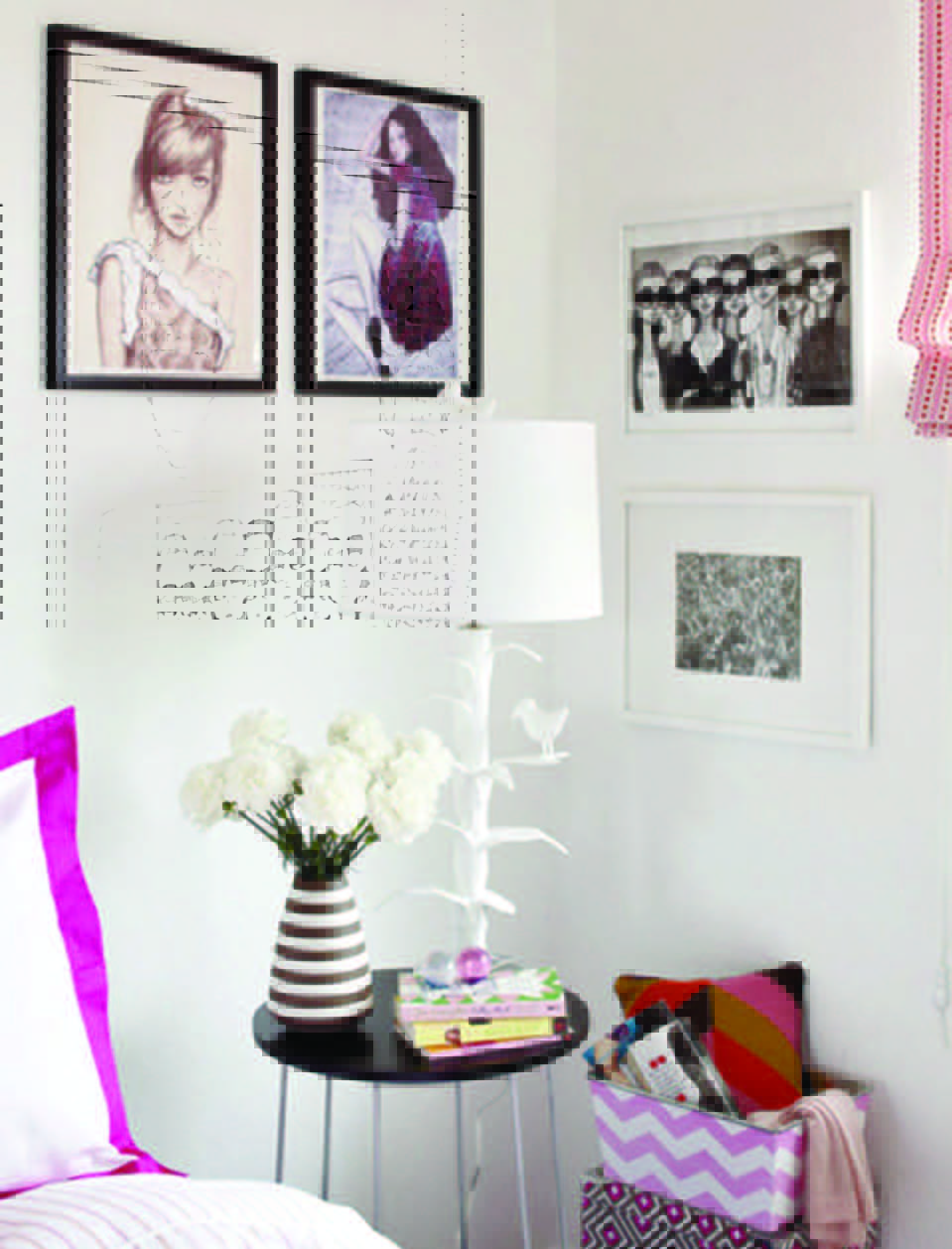
    Do your accessories make you happy or are they there because you have had them forever? Go through every single thing you consider an accessory and decide why you have it. If it accents the colours in the room, if it has fond memories connected with it, if it works with your room, then keep it.

    If it does nothing for the room and is not an emotional attachment, get rid of it! There are so many new things out there which will add punch to your rooms, that changing accessories may be all you need to update your look. New, updated picture frames for your favourite photos, fresh flowers for those tired arrangements, new lampshades, new candles; chenille throws to replace old worn ones, even new slipcovers! For those who are really tired of the look as they scan their homes, try replacing small furniture pieces like coffee tables, end tables, and some lamps.

    It is amazing how much these touches can update and refresh a look. You don’t have to spend a fortune either. Buy used pieces and repaint them “your way”. Buy unfinished pieces and stain them or dye them! And the colour choices are endless. Now look at your linens. Do they look tired and boring? I can fall in love with a great comforter and a few years later, I am totally bored with it.

    Tastes change. You change. So change things around you to reflect the changes. Find a new comforter that makes your heart sing. And your bedroom! A single comforter goes a long way. And while you are at it, treat yourself to some luxury linens. Nothing feels better than high thread count sheets. Yummy! Without breaking the bank, you can add and subtract some accessories to give your home a new fresh look.

  • Govt offers to bring Musharraf’s ailing mother to Pakistan

    Govt offers to bring Musharraf’s ailing mother to Pakistan

    ISLAMABAD (TIP):
    The Pakistan government on Friday offered to bring former military ruler Pervez Musharraf’s ailing mother from Dubai in a special aircraft as a humanitarian gesture so that the two could be reunited. The government would “provide all available medical facilities for the treatment” of Musharraf’s 95-year-old mother, said a statement from the Prime Minister’s Office. The government is ready to send a special plane or air ambulance to bring Musharraf’s mother to “Pakistan on humanitarian grounds so that she can get treatment in Pakistan and live with her son”, the statement said. Musharraf, who has a plethora of cases against him, is currently barred from travelling out of the country as he has been included in the interior ministry’s Exit Control List (ECL).

    His petition to remove his name from the ECL, so that he could travel to Dubai to visit his mother, has already been rejected by the Sindh High Court. Information Minister Pervaiz Rashid said the independent judiciary will decide Musharraf’s fate. The former army chief is set to appear in a special court on January 1 to face charges of high treason for imposing emergency in 2007. Reacting to the government’s offer, Musharraf’s spokesperson Aasia Ishaque said it was a good gesture but was done because the government realised that he is not going to run away. “My first reaction is the government has finally understood that Musharraf is not going to run away and that is why this good gesture.

    But (the mother’s) coming to Pakistan would depend on her health,” she said. “Even Musharraf wanted her to come to Pakistan but her health didn’t permit it.” Though Musharraf has been given bail in all the major cases against him, his name has not been removed from the ECL. He is the first general to face trial for treason. If convicted, he could get life imprisonment or the death penalty.

  • A Pakistani Siren in Bollywood

    A Pakistani Siren in Bollywood

    NEW YORK (TIP):
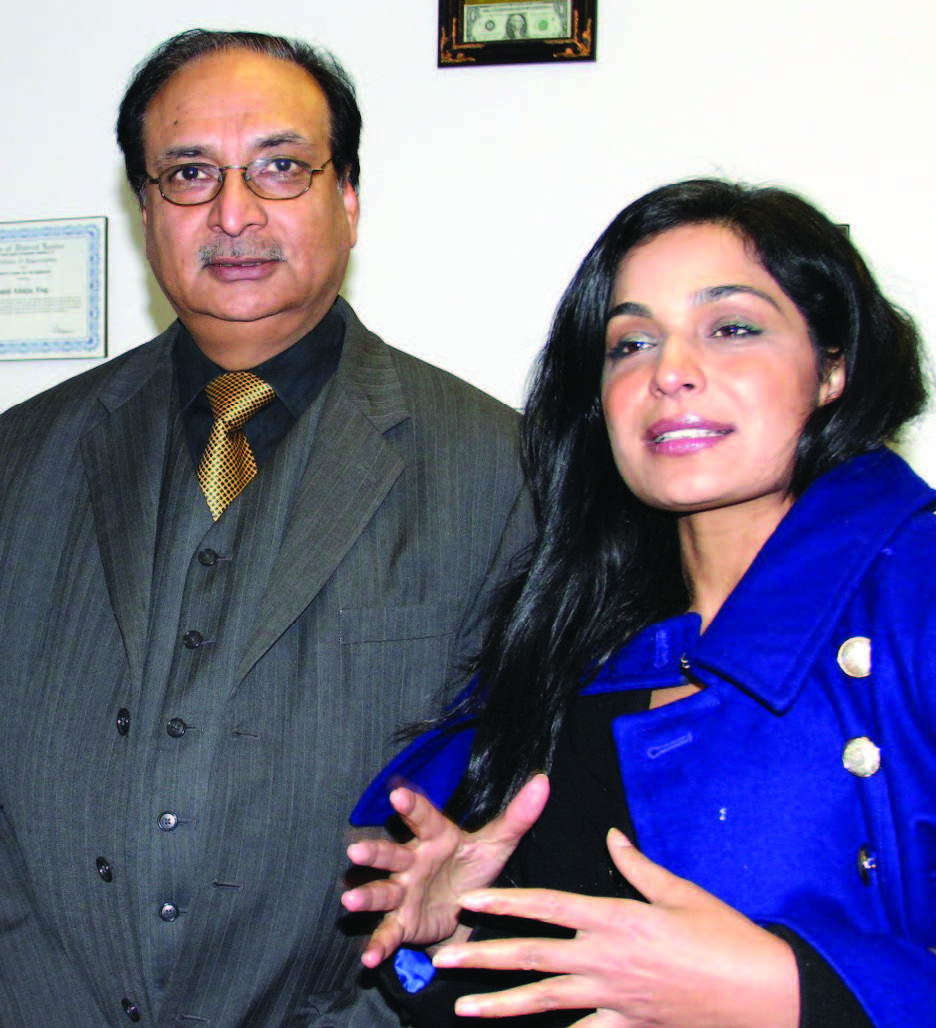
    Meera, a brilliant Pakistani film actress associated with Bollywood for sometimes now, was on short visit in New York in connection with a charitable hospital that she is setting up in Pakistan. In New York, accompanied by her United States’ Attorney, Anand Ahuja, she attended some press conferences and community events. At the blood donation and bone marrow donation camp organized by the INOC (I) Tamil Nadu Chapter, on Saturday, December 07, 2017 in Hicksville, NY, Meera stopped by as a guest of Attorney Anand Ahuja. Addressing the gathering in Hicksville, Meera emphasized on the community service and importance of camps such as blood donation and bone marrow. She also spoke about her own charitable works in Pakistan.

    Later in the evening, while addressing at a press conference in Jackson Heights, she reiterated the importance of charitable works particularly in the field of health care. On Tuesday, December 10, 2013, Meera addressed Desi media at Attorney Anand Abuja’s office. In response to a TV’s reporter’s question, she gave some details about her upcoming Bollywood movie “Bhaddas” which is releasing in the 3rd week of December 10, 2013. “Bhaddas is a Bollywood’s murder mystery movie inspired by Hollywood flick Basic Instincts”, said Meera while addressing media at Attorney Ahuja’s office.

    Further responding to media, she said, “Of course there are some bold scenes in Bhadaas. It’s inspired by Hollywood, does not have songs like other Bollywood movies, out and out on Hollywood pattern, and naturally with some bold scenes”. She was excited to inform the media that next Bollywood movie signed by her is with Akshay Kumar. Meera, as the first Pakistani actress to be seen in India after a very long gap, did her first movie in India, named Nazar about 8 years back. Nazar was a film directed by Soni Razdan and it was the first Indo-Pakistani joint movie venture in 50 years.

    The film introduced Pakistani actress Meera to Bollywood and it also featured a kissing scene. She became the target of many conservatives for doing a kissing scene with her Indian co-star. Her second movie was Kasak starring Lucky Ali. Her third film Paanch Ghantey Mien Paanch Crore managed a decent opening with its limited cinema release. However, The Times of India listed the film in Bollywood’s Top 10 Bold Film category of 2012. Born and raised in Lahore, Punjab, she studied at the Kinnaird College and started her modeling career in television in 1995. She briefly modeled for various multi-international companies, including Pepsi and LUX which helped her to come to national prominence.

    She made her first motion picture debut in 1995, but she earned nationwide critical in 1999 for her leading performance in Khilona, which was released in 1999. Khilona earned her first Nigar Award and earned critical acclaim for her work. With the release of Inteha, another critical and commercial success, Meera won the second consecutive Nigar Award for Best Actress of the year for her breakout performance. In 2004, she played a prominent role in Salakhain which lifted her image internationally.

  • NY Mayor elect’s daughter speaks of her struggle with substance abuse

    NY Mayor elect’s daughter speaks of her struggle with substance abuse

    I.S. Saluja:
    NEW YORK (TIP): Coming on Christmas eve, Chiara de Blasio’s statement about her battle with substance abuse must inspire those, particularly the young, suffering from the scourge. The 19-year-old daughter of New York City Mayor-elect Bill de Blasio is reported to have spoken about her personal struggles, saying she spent years battling substance abuse and depression, in a four minute video released Tuesday, December 24, on the eve of Christmas by the incoming mayor’s transition team. She said she drank alcohol and smoked marijuana to deal with clinical depression and anxiety.

    “It made it easier, the more I drank and did drugs, to share some common ground with people,” she said, speaking under soft lights with piano music tinkling in the background. “It didn’t start out as, like, a huge thing for me, but then it became a really huge thing for me.” She said she thought she could escape the problem by leaving for college in California, but her sense of “physical insecurity” only grew worse. “My mom was trying really hard to help me and my dad was doing the same, but obviously he was really busy,” she said.

    “They were both very emotionally committed to trying to find out some way to get me better.” De Blasio said she eventually found success in group therapy at a treatment center in New York. “Removing substances from my life opened so many doors for me. I was actually able to participate in my dad’s campaign,” she said in the video. “Getting sober is always a positive thing, and by no means is it easy – it’s the hardest thing I’ve ever done – but it’s so worth it.”In a statement accompanying the video, Bill de Blasio and his wife, Chirlane McCray, said they were “so proud of Chiara and love her deeply.”

    “As parents, our instinct has been to protect our daughter and privately help her through a deeply personal struggle,” they said in the statement. “But not only has Chiara committed to her own health, she is also committed to helping young people everywhere who face similar challenges.” The campaign did not say what prompted it to release the video on Christmas Eve, a day when many news consumers are more concerned with travel or shopping than current events. The announcement was framed as a way to help others struggling with depression and substance abuse during the holiday season. Rumors swirled during the mayoral primary campaign that Chiara had battled drug issues.

    But the de Blasio campaign fiercely beat back reporters who pursued the topic, saying that his two children were off limits from the press. No media outlet published a story. Yet even as the campaign pleaded for privacy, de Blasio’s family played a key role in his campaign. De Blasio was frequently joined at campaign events by his wife, and McCray is considered his top adviser who will wield considerable influence at City Hall. Both Chiara and her brother stumped for their father and appeared in television ads. Dante appeared first, and the teen’s soaring Afro and heartfelt descriptions of his father was the most effective ad of the campaign, helping de Blasio surge in the polls.

    Chiara de Blasio’s ad appeared closer to Election Day and she gave a sunny description of her dad’s vision “that leaves no one behind.” She also introduced her father at his raucous primary night party. She gave one hint about some of her struggles after being spotted in tears at a parade in September. She told reporters that she sometimes suffered from anxiety. In the hours after the video was released, de Blasio briefly appeared outside his Brooklyn home and, flanked by the other three members of his family, repeated how proud he was of his daughter. The mayor-elect did not take questions.

    During the campaign, de Blasio spoke about his father’s substance abuse, particularly with alcohol. His father later committed suicide.White House Drug Policy Director Gil Kerlikowske released a statement late Tuesday praising Chiara de Blasio’s decision “to give voice to the millions who suffer from substance abuse disorders.”

  • BIT OF BOOZE A DAY DOES KEEP DOCTOR AT BAY

    BIT OF BOOZE A DAY DOES KEEP DOCTOR AT BAY

    Researchers have suggested that moderate drinking of alcohol may actually bolster one’s immune system and help it fight off infection. To conduct the study, the researchers trained a group of 12 rhesus macaques to consume alcohol — a 4 percent ethanol mixture — of their own accord. Researchers vaccinated the monkeys against small pox as part of the study. They then separated the animals into two groups — those with access to the 4 percent ethanol and those with access to sugar water.

    All of the animals had regular access to pure water, and to food. The researchers then monitored the animals’ daily ethanol consumption for 14 months. And the animals were vaccinated again, seven months after the experiment began. The monkeys’ voluntary ethanol consumption segregated them into two groups. One group was made up of heavy drinkers, those that had an average blood ethanol concentration greater than 0.08 percent — the legal limit for humans to be able to drive a vehicle.

    The other group was made up of moderate drinkers, with an average blood ethanol concentration of 0.02 to 0.04 percent. Prior to consuming the alcohol, all of the animals showed comparable responses to the vaccination. But after exposure to the alcohol, the two groups of monkeys responded in very different ways to the vaccination. The heavy drinkers showed greatly diminished vaccine responses compared with the control group of monkeys who drank the sugar water. But the more surprising finding: the moderate-drinking monkeys displayed enhanced responses to the vaccine compared to the control group. Moderate drinking bolstered their bodies’ immune systems.

  • Alternative treatments for diabetes

    Alternative treatments for diabetes

    It’s no news that Chennai is considered the diabetes capital of India.With the number of diabetics increasing every year, this condition has started affecting children as well. Diabetes mellitus is a metabolic disorder in the endocrine system. This dreadful disease is found in all parts of the world and is becoming a serious threat to mankind. There are lots of chemical agents available to control and to treat diabetic patients, but total recovery from diabetes has not been reported till now. In addition to adverse effects, drug treatments are not always satisfactory in maintaining euglycemia and avoiding late stage diabetic complications. That is why, this World Diabetes Day, Chennai Times brings you a few alternative treatments for this disease…

    Natural remedies
    “Several medicinal plants have been investigated for their beneficial effect in different type of diabetes,” says Dr Rajat K, who is currently studying different ways of treating the condition. Bitter gourd juice, fenugreek seeds, etc. have been knows to us for a long time. He adds, “As per ancient literature, more than 800 plants are reported to have antidiabetic properties.” The indigenous diet may not be useful in lowering the blood sugar to the same extent as insulin and other hypoglycemic agent do, but it has some other influences, which may be useful for the management of the disease and its complications.

    Dietary supplements
    Vitamins and minerals are micronutrients that our body requires in small quantities for specific function. According to Dr Rajat, “They most commonly function as essential coenzyme and co-factor for metabolic reaction and thus help support basic cellular reactions. Micronutrients have been investigated as potential preventive and treatment agents for both type 1 and type 2 diabetes and for common complication of diabetes.” Minerals like chromium, vanadium, magnesium, nicotinamide and vitamin E are essential for optimum health and low levels of these minerals and vitamins are associated with higher incidence of diabetes. Consulting a specialist about which minerals and vitamins to take, and its quantities, can help a diabetic patient.

    Hydrotherapy
    Hydrotherapy is the treatment of illness and injury through the use of water, both hot and cold. Hydrotherapy helps the body to get rid of toxins and relax muscle. It also relaxes body, both mentally and physically. Since hot-tub therapy can increase blood flow to skeletal muscle, it has been recommended for patients with type 2 diabetes who are unable to exercise. According to Dr Kanika Selva, a hydrotherapist, “It has been proven through various studies and experiments that in hot water, a patient’s weight, mean plasma glucose level and his mean Glycosylated hemoglobin decreases.” She stresses, “Hot-tub therapy should be further evaluated as a therapy for patients with type 2 diabetes mellitus. The benefit could result from increased blood flow to skeletal muscle.

    Yoga
    Yoga is an old, traditional, Indian psychological, physical and spiritual exercise regimen that has been studied for several decades for its role in the management of several chronic disease, including hypertension, asthma, obesity, and psychiatric illness.Additionally, yoga has been studied for controlling both the symptom and complication associated with type 2 diabetes mellitus. Shanthi M, a yoga instructor says, “The results from these studies suggest a statistically significant role of yoga in diabetes. Yoga practice showed a significant improvement for those diabetic patients with pre-existing complication.”

  • BEER FOR A LONG LIFE, COFFEE FOR A SHORT ONE

    BEER FOR A LONG LIFE, COFFEE FOR A SHORT ONE

    Researchers have claimed that caffeine shortens and alcohol lengthens telomeres — the end points of chromosomal DNA, implicated in ageing and cancer. Now Prof. Martin Kupiec said that for the first time they’ve identified a few environmental factors that alter telomere length, and they’ve shown how they do it. Telomeres, made of DNA and proteins, mark the ends of the strands of DNA in our chromosomes.

    They are essential to ensuring that the DNA strands are repaired and copied correctly. Every time a cell duplicates, the chromosomes are copied into the new cell with slightly shorter telomeres. Eventually, the telomeres become too short, and the cell dies. Only fetal and cancer cells have mechanisms to avoid this fate; they go on reproducing forever. An earlier study had revealed that the longer your telomeres are, the longer you will live – dependent, of course, on not dying accidentally, from disease or from lifestyle factors. The researchers set out to expand on a 2004 study by Nobel Prize-winning molecular biologist Prof.

    Elizabeth Blackburn, which suggested that emotional stress causes the shortening of the telomeres characteristic of aging, presumably by generating free radicals in the cells. The researchers grew yeast cells in conditions that generate free radicals to test the effect on telomere length. They were surprised to find that the length did not change. They went on to expose the yeast cells to 12 other environmental stressors. Most of the stressors — from temperature and pH changes to various drugs and chemicals — had no effect on telomere length. But a low concentration of caffeine, similar to the amount found in a shot of espresso, shortened telomeres, and exposure to a 5-to-7 per cent ethanol solution lengthened telomeres.

  • Viagra helps women curb menstrual cramping

    Viagra helps women curb menstrual cramping

    Ateam of researchers have claimed that women suffering from moderate to severe menstrual cramps may find relief in a class of erectile dysfunction drugs. Primary dysmenorrhea, also called PD, is the most common cause of pelvic pain in women. Sildenafil citrate, sold under the brand name Viagra, may help with pelvic pain because it can lead to dilation of the blood vessels. The researchers looked at administering sildenafil citrate vaginally, which had not yet been tried, to treat PD.

    They compared pain relief from use of sildenafil vaginally with that of a placebo. Penn State College of Medicine researchers worked with researchers at Nova Gradiska General Hospital in Croatia. They recruited women 18 to 35 years old who suffered from moderate to severe PD. Of the 29 women screened for the study, 25 were randomized to receive either sildenafil or a placebo drug. Patients rated their pain over four consecutive hours.

    Sildenafil citrate administered vaginally alleviates acute menstrual pain with no reported side effects. Researchers hypothesized that the drug would alleviate pain, which it does, but also that is does so by increasing blood flow. However, because uterine blood flow increased from both sildenafil and the placebo, the reason it alleviates pain is not yet known.

  • NATURAL WAYS FOR GREAT HAIR

    NATURAL WAYS FOR GREAT HAIR

    Spending too much on expensive shampoos, but not getting the desired results that you see in TV ads? It is mostly possible and very common, because we see overly exaggerated results on TV, since these ads are designed to attract customers. But, reality speaks a different story. Instead of spending on those branded shampoos and conditioners, Dr. Sandeep Suttar – Hair Restoration and Skin Rejuvenation surgeon at Hairrevive, Mumbai, shares some natural ways to get great hair. Follow these easy and simple steps to give that luster and shine to your hair, and flaunt your hair like the models do…

    Egg treatment
    Use the entire egg to condition your hair. If you have dry or brittle hair, use egg whites to moisturize your hair. Use ½ cup of any egg mixture (egg white, entire egg) and apply to clean, damp hair. Leave it for 20 minutes and rinse with cool water.

    Cleanliness is important
    The most important reason for hair fall is dandruff and itchy scalp. Therefore, maintain good cleanliness for beautiful and healthy hair.

    Avoid hot water
    Skip hot water showers, because hot water will make your hair dry and brittle as it strips protective oils from your hair – says Dr. Suttar. Thus, prefer a temperature which is just a bit warmer than your body temperature.

    Bottle gourd treatment
    Extract some bottle gourd juice and apply it into your hair. Keep this solution for half an hour and wash it off thoroughly.

    For that shiny soft hair
    Prepare a mixture of 1 cup of your daily conditioner and 2-3 tablespoons of honey. Apply this mixture evenly on your wet hair. Leave it for 30 minutes and wash it off thoroughly. This mixture will close down your hair’s cuticle and give your hair that amazing shine.

    Baking soda therapy
    Make a mixture of 3 tbsp. of baking soda and some water. Rinse your hair with this solution after shampooing. Let it set in for at least 5 minutes before the final rinse. This therapy will help to remove the excess shampoo and styling product from your hair.

    For bouncy hair
    Apply a one to one mixture of warm water and apple cider vinegar to your hair. Rinse it thoroughly after 5 minutes to get rid of the apple cider smell.

    Don’t wash your hair frequently
    Wash your hair every 2-3 days, for proper regulation of natural hair oils. Washing your hair less often will also help regain your hair’s natural body and luster.

    Make your conditioner
    For a protein packed conditioner, mix eggs and yogurt and rub it into your scalp. Leave on for five or 10 minutes, and then wash it off completely.

    For strong hair
    Use almond oil to treat dry and damaged hair. It is a very simple procedure, pour some almond oil in a bowl and heat it for 40 seconds. Then evenly distribute on your hair. Leave it for 30 minutes and then rinse normally with shampoo and conditioner using cold water.

    Say bye-bye to dull hair with lemon juice
    After the final rinse, apply 1 tsbp lemon juice to your hair. Simply towel dry your hair and style as normal to get rid of dry hair.

    Use protection before you jump into the pool
    Pools can do great damage to your hair as it contains harsh chemicals – says Dr Suttar. He says; prevent your hair from the pool damage by simply applying a little conditioner to your hair before you swim. This will protect your hair before it comes in contact with the pool water.

    Treat sun damaged hair
    Make a mixture of ½ cup honey, 1-2 tbsp olive oil and 1-2 tbsp of egg yolk. Apply this mixture on your hair for 20 minutes and then rinse with warm water. This treatment will help to replenish keratin protein bonds – says Dr. Suttar.

    Tight is NO-NO
    To prevent breakage due to brittle hair avoid using bands and do not tie your hair too tightly.

    The proper brushing technique
    Avoid using a comb with plastic bristles to prevent hair breakage from static electricity. The best way to brush your hair is by first brushing the ends to remove tangles and then take the long stokes from the roots of the hair to the ends. This technique will help proper spreading of natural hair oil and thus prevent breakage.

    Moisturize your hair
    Pour a little beer in your wet hair. Distribute evenly and massage your scalp with your fingers for 20 minutes. Then rinse it thoroughly to get rid of the beer smell. Do this procedure once a week for salon smooth hair. Dr. Suttar says- it is recommended that people with sinus and cold should avoid using this treatment.

    Trim your hair regularly
    Get your hair trimmed at least every six weeks to eliminate dry, split ends.

    Do not brush wet hair
    Wet hair is three times weaker and thus more likely to break – says Dr. Suttar. He recommends, towel dry your hair first and then gently detangle your hair using a wide tooth comb

    Let your hair air-dry
    Allow your hair to dry by itself instead of using a blow-dryer or hot rollers. Using this artificial mode of drying technique will make your hair more brittle and dry. If you have no time to let your hair air dry, then use blow-dryer sparingly and make sure you use a warm setting instead of a hot setting.

  • NY Mayor elect’s daughter speaks of her struggle with substance abuse

    NY Mayor elect’s daughter speaks of her struggle with substance abuse

    NEW YORK (TIP): Coming on Christmas eve, Chiara de Blasio’s statement about her battle with substance abuse must inspire those, particularly the young, suffering from the scourge. The 19-year-old daughter of New York City Mayor-elect Bill de Blasio is reported to have spoken about her personal struggles, saying she spent years battling substance abuse and depression, in a four minute video released Tuesday, December 24, on the eve of Christmas by the incoming mayor’s transition team. She said she drank alcohol and smoked marijuana to deal with clinical depression and anxiety.

    “It made it easier, the more I drank and did drugs, to share some common ground with people,” she said, speaking under soft lights with piano music tinkling in the background. “It didn’t start out as, like, a huge thing for me, but then it became a really huge thing for me.” She said she thought she could escape the problem by leaving for college in California, but her sense of “physical insecurity” only grew worse. “My mom was trying really hard to help me and my dad was doing the same, but obviously he was really busy,” she said. “They were both very emotionally committed to trying to find out some way to get me better.” De Blasio said she eventually found success in group therapy at a treatment center in New York. “Removing substances from my life opened so many doors for me. I was actually able to participate in my dad’s campaign,” she said in the video. “Getting sober is always a positive thing, and by no means is it easy – it’s the hardest thing I’ve ever done – but it’s so worth it.

    “In a statement accompanying the video, Bill de Blasio and his wife, Chirlane McCray, said they were “so proud of Chiara and love her deeply.” “As parents, our instinct has been to protect our daughter and privately help her through a deeply personal struggle,” they said in the statement. “But not only has Chiara committed to her own health, she is also committed to helping young people everywhere who face similar challenges.” The campaign did not say what prompted it to release the video on Christmas Eve, a day when many news consumers are more concerned with travel or shopping than current events. The announcement was framed as a way to help others struggling with depression and substance abuse during the holiday season. Rumors swirled during the mayoral primary campaign that Chiara had battled drug issues. But the de Blasio campaign fiercely beat back reporters who pursued the topic, saying that his two children were off limits from the press. No media outlet published a story.

    Yet even as the campaign pleaded for privacy, de Blasio’s family played a key role in his campaign. De Blasio was frequently joined at campaign events by his wife, and McCray is considered his top adviser who will wield considerable influence at City Hall. Both Chiara and her brother stumped for their father and appeared in television ads. Dante appeared first, and the teen’s soaring Afro and heartfelt descriptions of his father was the most effective ad of the campaign, helping de Blasio surge in the polls. Chiara de Blasio’s ad appeared closer to Election Day and she gave a sunny description of her dad’s vision “that leaves no one behind.” She also introduced her father at his raucous primary night party. She gave one hint about some of her struggles after being spotted in tears at a parade in September. She told reporters that she sometimes suffered from anxiety.

    In the hours after the video was released, de Blasio briefly appeared outside his Brooklyn home and, flanked by the other three members of his family, repeated how proud he was of his daughter. The mayor-elect did not take questions.During the campaign, de Blasio spoke about his father’s substance abuse, particularly with alcohol. His father later committed suicide.White House Drug Policy Director Gil Kerlikowske released a statement late Tuesday praising Chiara de Blasio’s decision “to give voice to the millions who suffer from substance abuse disorders.”

  • HeartGift-a nonprofit in Dallas to restore health of children’s heart

    HeartGift-a nonprofit in Dallas to restore health of children’s heart

    DALLAS (TIP): Haven’t heard of HeartGift Foundation? You must know then. Since 2000, more than 200 children from 28 countries have received lifesaving heart surgery, courtesy HeartGift Foundation. The relatively new do-gooder HeartGift Foundation, a nonprofit agency based in Austin with five chapters, is now in Dallas. HeartGift’s mission is to provide heart surgery to disadvantaged children living in developing countries where specialized medical treatment is scarce or nonexistent. The Dallas chapter handled four patients in 2013 and will be able to handle 12 per year.

    All medical work here is done at Children’s Medical Center, and HeartGift Dallas’ patients benefit from the generosity of the medical staff, such as pediatric cardiothoracic surgeons Dr. Joseph Forbess, Dr.Kristine Guleserian and Dr. Vinod Sebastian, who donate their skills to repair all HeartGift children’s hearts during their stays in Dallas. In Dallas, HeartGift Dallas works on a contract with Children’s and UT Southwestern that allows HeartGift to save the lives of 12 children a year at a low, flat cost. The HeartGift chapters bring children in for about one month. The child and a family member, typically the mother, stay with a volunteer host family. The child spends about one week in the hospital receiving heart surgery. The agency raises money to pay the partnering children’s hospitals $15,000 to help offset costs of surgery.

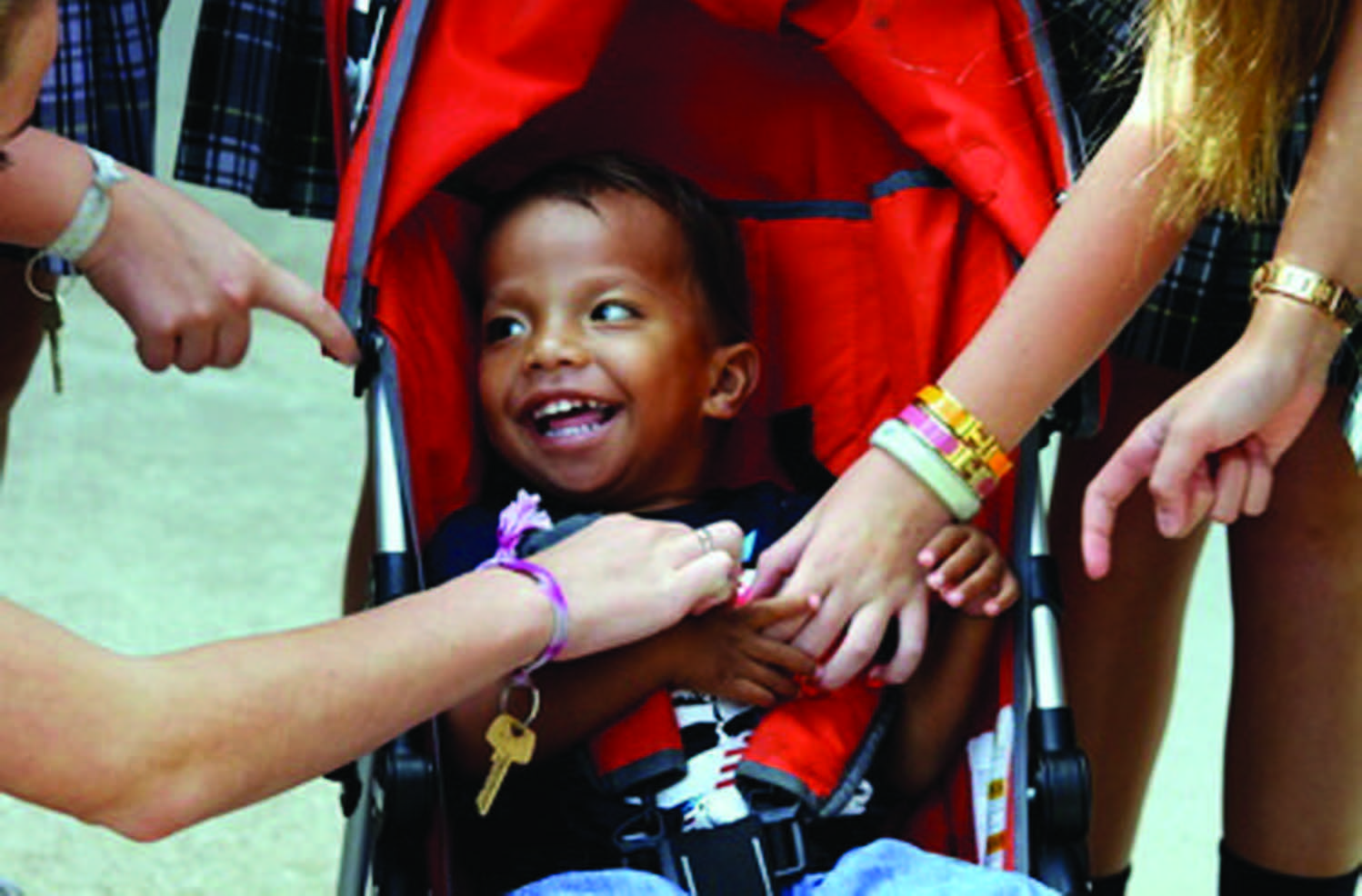
    Professional medical services are donated. Through reduced hospital charges and donated medical services, every donated dollar provides $13 of value. The mortality rate for the surgeries is 2 percent. Each HeartGift chapter has a local board of directors, and each hospital appoints a HeartGift Medical Selection Committee to review all cases referred to the program. The local HeartGift staff also recruits and trains a host community for the child. Some host families are drawn to the role because they share the same cultural background as HeartGift patients or because their own children have been through open-heart surgery. A host community is also recruited to help make the job of the host family easier. The Episcopal School of Dallas was the host community for a young patient named Marvin from Christmas Island.

    Community service director Christi Morrow got her students excited about giving back. They treated Marvin to lunches at the school, football games, pep rallies, meals delivered to the host home and lots of love. The First United Methodist Church in Frisco was the host community of Tabiria, also from Christmas Island. They hosted her and her mother in a congregation member’s home and showered them with love, meals, outings, transportation and visits at the hospital. To donate to HeartGift Dallas, make checks payable to HeartGift and specify “Dallas Chapter” in the memo line. Mail to HeartGift Dallas, 11700 Preston Road, Suite 660 #394, Dallas, TX 75230. You can donate online at heartgift.org. To get involved or learn more about the agency, call executive director Barbara Johnson at 817-773-7662 or email her at bjohnson@heartgift.org.

  • American Association of Cardiologists of Indian Origin Honors 4 at 2013 Fall Meeting

    American Association of Cardiologists of Indian Origin Honors 4 at 2013 Fall Meeting

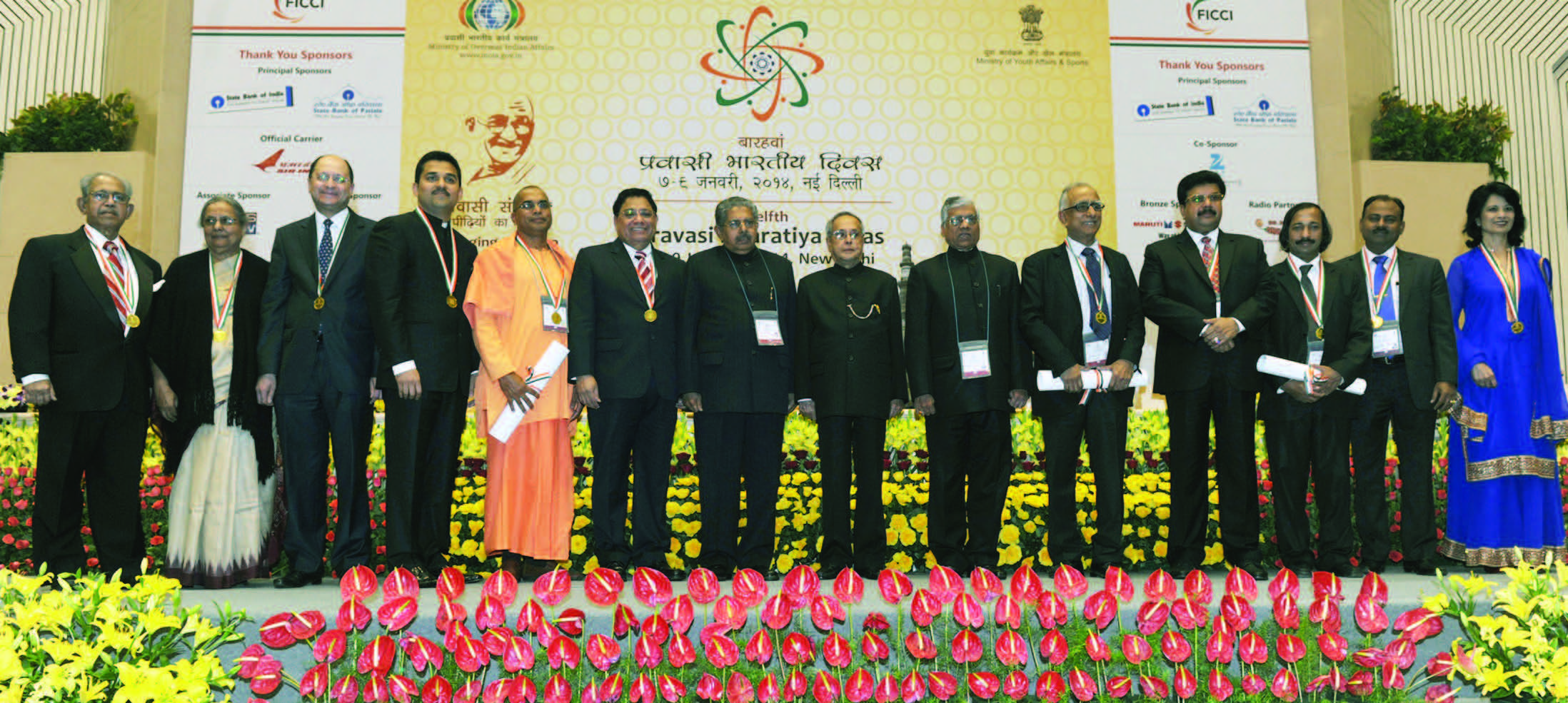
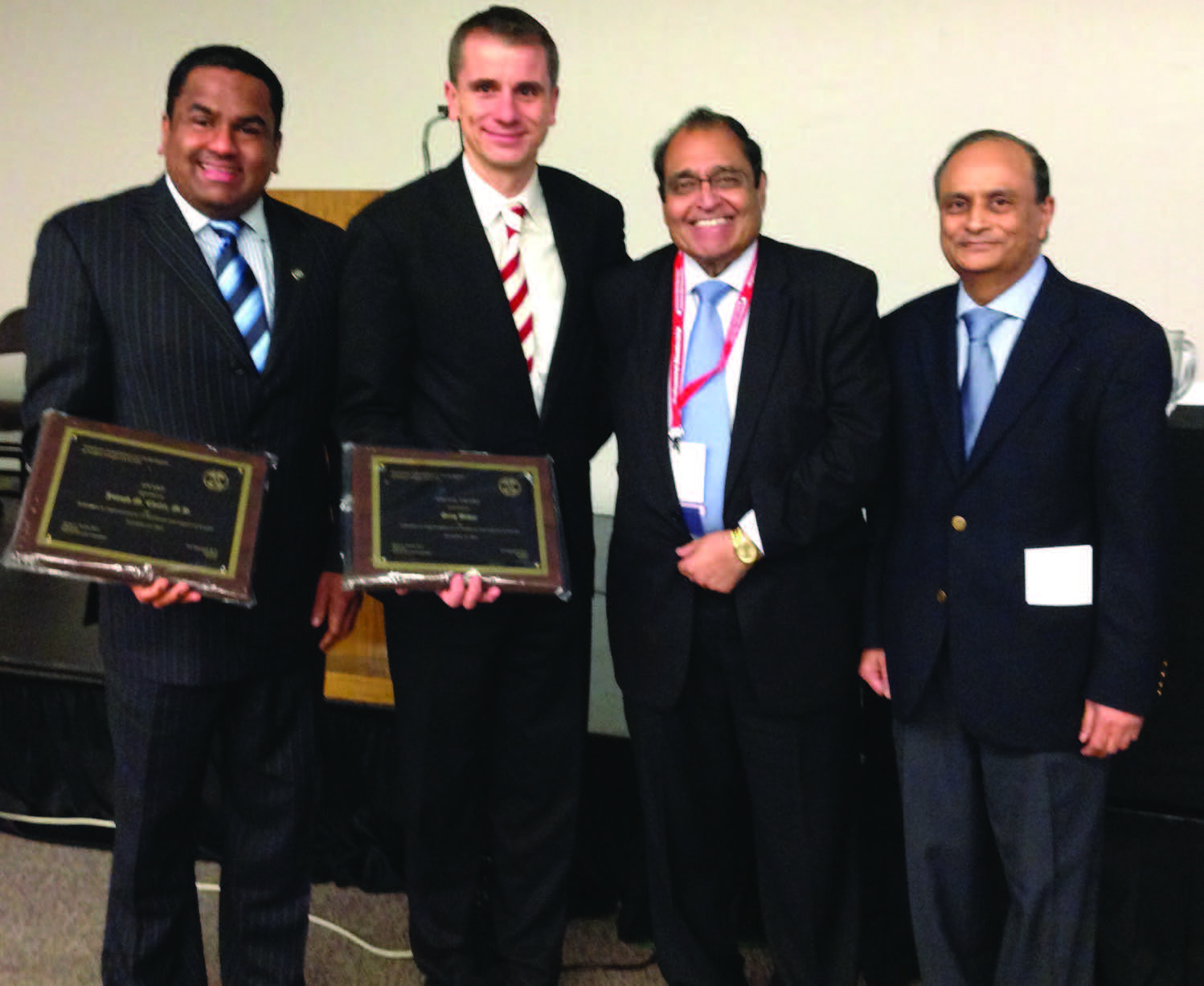
    DALLAS (TIP): American Association of Cardiologists of Indian Origin (AACIO), at its Fall meeting December 4, honored Greg Behar, President and CEO of Boehringer lngelheim Pharmaceuticals, Inc., Dr. Joseph M. Chalil, Associate Director, Health Science Executives, Boehringer Ingelheim USA, and Dr. Dinender K. Singla, a graduate of Post Graduate Institute of Medical Education and Research, Chandigarh, India for their achievements in the field of Cardiology.

    In addition, AACIO Young Investors Award was given to Dr. Ganesh Athappan and the Dr. Madhukar Deshmukh awards were given to Dr. Forum Kamdar and Dr. Manavjot Siddhu. AACIO awards the Dr. Krishna Ramaswamy and two Dr. Madhukar Deshmukh Young Investigator Awards at the AACIO dinner meetings held each year during the American College of Cardiology and the American Heart Association annual convention in March and November. The finalists presented their abstract at the meeting and each received $1000.00 award and a plaque The Fall 2013 annual event, organized by AACIO in coordination with Texas Indo- American Physicians Society (TIPS), North East Chapter and American Association of Physicians of Indian Origin was held at the Dallas Convention Center Theater Complex in Dallas, TX on November 17th, and was attended by over 200 physicians from around the nation.

    Dr. Navin Nanda, the Founding President and Chairman of the AACIO Board of Directors, while lauding honorees for their contributions and achievements, said, “AACIO is proud to honor some of the stalwarts of the pharmaceutical industry like Greg Behar and Chris Kaplan as well as some of the upcoming personalities like Jo Chalil. They have made significant contributions to medical therapeutics in the area of cardiology.” Dr. Nanda is a Distinguished Professor of Medicine and Cardiovascular Disease, Senior Scientist, Minority Health and Research Center and UAB Center for Aging, and UAB Comprehensive Cardiovascular Center, University of Alabama at Birmingham, Alabama. Dr. Ravi Jahagirdar, President Elect, who had represented AAPI at the event, congratulated AACIO for its consistent good work, both in the academic and the applied fields, and reaching out successfully to American Heart Association, and working in tandem with them in many spheres.

    He had special praise for the three Scholarship Awards that are given out each year to young aspiring medical students for poster sessions and in investigative sectors. “We at the national AAPI are proud of these activities,” he said. Dr. Jahagirdar, who will assume charge as the president of the national AAPI in June next year, pledged AAPI’s continued support in the future. In his inaugural address, Dr. Kul Aggarwal, president of AACIO, and Professor of Clinical Medicine, University of Missouri and Chief, Cardiology Section, Harry S. Truman Veterans Hospital, Columbia, Missouri, stated that AACIO provides a central forum for physicians and scientists of Indian origin, living in the United States, who have interest in Cardiovascular Medicine. “Indian Cardiologists are playing an increasingly important role in the provision of Cardiovascular services and also as academic thought leaders in the United States. We are proud of our colleagues.

    AACIO is your organization and joining it adds strength to all of us,” he said. The American Association of Cardiologists of Indian Origin (aacio.org) was formed in 1986 and after crossing puberty, the organization has reached the excited stage of youth after nineteen years. A Symposium, which was part of the meeting was organized by Drs. Navin C. Nanda and Kul Aggarwal. In his insightful presentation on “Newer anticoagulants in the management of a trial fibrillation and stroke prevention” Dr. Sanjeev Saksena, Clinical Professor of Medicine, Rutgers-RWJ Medical School Medical Director, Piscataway, New Jersey, Electrophysiology Research Foundation, Warren, New Jersey & Editor-in- Chief, Journal of Interventional Cardiac Electrophysiology, provided an overview of modern trends. Dr. Amit Khera, Associate Professor, Director, Preventive Cardiology Program, Program Director, Cardiology Fellowship and Dallas Heart Ball Chair in Hypertension and Heart Disease, UT Southwestern Medical Center, Dallas Texas, addressed the audience on “Emerging therapies in dyslipidemia management, beyond statins.” Dr. Nanda educated the audience on “Choice of anti-platelet therapy in acute coronary syndromes.”

    With more than 15 years in the pharmaceutical industry, Greg’s experience includes leadership roles in marketing, sales, business operations and general management. Greg joined Boehringer lngelheim in 2009 as Corporate Vice President of the Cardiovascular and Metabolic Franchise. That same year he became Vice President, Corporate Division Prescription Medicine, leading 14 countries including Northern Europe, Canada and Australia. Prior to Boehringer lngelheim, Greg worked at Novartis Pharma AG in roles of increasing responsibility in Spain and at global headquarters in Switzerland. Another honoree, Dr. Singla has received numerous honors and awards, and has been invited to give talks throughout the world. He also served as a chair/co-chair for scientific meetings, and well published in various peer reviewed journals. He is funded by the National Institute of Health and the American Heart Association grant awards since 2004.

    He has served as an editorial board member for different journals, and is the current Academic Editor for Plos one and Associate Editor for Canadian Journal of Physiology and Pharmacology. Srinivas Reddy Gunukula serves on the Board of Directors of The Heart Hospital Baylor Plano and Director of Center for Advanced Cardiovascular Care at the Heart Hospital McKinnney Campus. He is well known among the Cardiology community in Dallas. Dr. Joseph M. Chalil is a Fellow of American College of Healthcare Executives and is Board Certified in Healthcare Management. He serves as Co-Chair, AAPI Industry Physician Committee and Scientific Advisor, AAPI Cardiovascular, Diabetes and Stroke Network. Dr. Chalil holds three US Patents involving usage of sensors inside Human Body in addition to other applications. His research background includes Clinical Trial Management in Cystic Fibrosis, Multiple Myeloma, and publications in American Journal of Respiratory and Critical Care Medicine. The Asian American Business Development Center, NY has awarded Dr. Chalil the 2013 Outstanding 50 Asian Americans in Business Award. He is a Visiting Professor at various Universities and serves on various company Boards. He is an expert in US Healthcare policy and a strong advocate for patient centered care.

  • Israel calls off resettlement plan for Bedouins

    Israel calls off resettlement plan for Bedouins

    RAHAT, ISRAEL (TIP): Israel on December 12 suspended a contentious bill aimed at resettling nomadic Bedouin Arabs into government-recognized villages after a series of objections rendered the plan politically untenable. The man behind the ambitious program, former Cabinet minister Benny Begin, called the Bedouin in Israel’s southern Negev desert the country’s most discriminated minority and bemoaned that political forces had derailed a plan he said aimed to help the community.

    “Right and left, Arabs and Jews joined forces — while exploiting the plight of many Bedouin — to heat things up for political gain,” he said in a hastily arranged press conference. Begin said that given the current reality he was forced to recommend that the proposed bill be shelved, a suggestion immediately approved by Prime Minister Benjamin Netanyahu. Liberal opponents said the plan would confiscate Bedouin land and affect their nomadic way of life while hardliners thought it was too generous. Others said the Bedouin were not consulted and the plan, which called for uprooting thousands and relocating them into new towns, was being forced upon them. “The government now has an opportunity to conduct real and honest dialogue with the Negev Bedouin community and its representatives,” the Association for Civil Rights in Israel said after Thursday’s announcement.

    “The Negev Bedouin seek a solution to the problem of the unrecognized villages, and a future in Israel as citizens with equal rights.” A pair of Bedouin representatives reached by telephone had no immediate comment. The government insisted its moves were necessary to provide basic services that many Bedouins lack and would benefit their community while preserving their traditions. The government body dealing with the plan said it calls for the vast majority of Bedouin to live where they are. It said it is investing hundreds of millions of dollars in housing, health, public services and education for the Bedouin in an effort to lift them out of poverty. The proposed law had sought to resolve decades-old land claims by the Bedouin community to pave the way for a large-scale development plan in the southern desert area, one of the few remaining open spaces in this densely populated country. Bedouins are a small group within the Arab minority.

    Traditionally, they have identified more closely with Israel than their Arab brethren, but their complaints against the resettlement program echoed broader sentiments among other Arab Israelis. Some opponents have held violent demonstrations in recent weeks. In a dusty, unrecognized village in the Negev, with no connection to electricity lines or water mains, Zanoun Odeh said he did not know what the future would hold for him and his children. Prior to Thursday’s announcement, Odeh said the plan did not clearly lay out the fate of each village. In his home in Rahme, 1,200 people live in dilapidated shacks with corrugated tin roofs and electricity provided by generators. He said the village doesn’t have a single computer, highlighting the gap with Israel’s otherwise modern society. “Not a single Bedouin opposes having electricity and water, but he also wants his rights to be preserved,” said Odeh, 58, wearing a traditional robe and headscarf. The plan was to see the arrival of two huge army bases, expanded roads and rail networks and the creation of new Jewish and Bedouin communities.

    The relocation plan is a key part of the law known as Prawer-Begin, named after the officials who drew it up, and roused fierce opposition from Arab-Israeli legislators and human rights activists, who called it a thinly veiled land grab tinged with anti-Arab racism.While Arab leaders have lambasted the plan, the sentiments of the Bedouin themselves appeared to be mixed. Embittered by years of poverty and discrimination, some viewed any Israeli offer with suspicion. Others said it was imperfect but offered an alternative to the current living situation. Under the $2 billion plan, Israel was to grant 12,000 Bedouin land claimants 50 percent of their territory, while seizing the remaining half in exchange for compensation. More than $300 million was to be spent on improving infrastructure, building schools and fostering employment. The law intended to legalize some 10 Bedouin villages but some 40,000 Bedouin were to be uprooted from their homes and resettled into new government-built towns over the next 10 years. As an incentive to move, Israel was offering young bachelors and married couples a free plot of land in the new towns and about $28,000.

  • WHEELING YOUR WAY TO GOOD HEALTH

    WHEELING YOUR WAY TO GOOD HEALTH

    Regarded as a great form of aerobic exercise, cycling is an activity any one can take up. It’s also the best way to take in the countryside… When it comes to your fitness, it’s time to reinvent the wheel, pun intended! More people are finding cycling a way to boost stamina levels, with some even cycling to work every day. Today, more folks are pedal pushing their way on offbeat tracks and scenic routes around the city. Here’s more on the sport…

    It can save the environment
    For cycling enthusiasts in the country, the going isn’t easy because of chaotic streets, the poor condition of roads and a lack of dedicated cycling tracks. They hope cycling will become a dedicated sport so that things change. “So often we see a hike in petrol levels, so a cycle is a transport option. We have a lovely sea coast and if they can make a track right from Nariman Point to Borivali, about 100 kms up and down, it might save the environment.

    We are actually breathing poison today, owing to the crazy carbon levels and we can reduce the carbon footprint this way,” says Vishal Sharma, of a cycling club in Mumbai. Adds cyclist Dhawal Shah, “Being on wheels is also a nice way to take in the sights. I think more people are opening up to cycling and we must move toward it in an effort for a clean and green environment.”

    Warm up before starting
    Always do an initial bike check for brakes and check for tire air pressure. Also, clean the reflectors.

    Always ride on the correct side of the road
    Make sure you always ride on the correct side (left for India/UK and right for US) of the road. Also, do not listen to music while cycling. Do not overtake other cyclists unnecessarily.

    Health benefits of cycling
    A fun exercise, cycling is said to improves cardiovascular fitness, so there is a lower risk of heart attack and stroke. Since pedalling is a lowimpact activity, you can improve muscle tone without stressing your knee and ankle joints. Says orthopaedic surgeon, Dr Vivek Shetty, “Cycling helps build cardiac stamina and strengthens lower limbs.

    However, someone with an osteoarthritis knee should get an evaluation done by a doctor before starting to cycle. Also, someone with an injured tissue should not cycle for more than half an hour a day,” he says. Adds orthopaedic specialist and joint replacement surgeon, Dr Nilen Shah, “One can strengthen the muscles of legs through it, tackle osteoarthritis of the knees in the early sages as well as fight obesity.”

    Diet dos and don’ts

  • Ways to drink more water

    Ways to drink more water

    While we all know water is essential to our basic wellbeing, not many of us can manage to gulp down more than a daily dose of one or two litres. Water, after all, is plain and can tend to get boring beyond a point. But with a little imagination and initiative, you can easily increase your daily water consumption. Here are some tips…

    1. First things first. So, as soon you wake up in the morning, down a glass of water. Coffee, tea, milk — whichever you prefer — can follow a little later. Apart from making you feel good about sticking to your resolution, it also kickstarts your metabolism.

    2. Make that water bottle your constant companion. No matter where you are — at home or office — keep taking small sips. Go for a water bottle in your favourite colour. That will make the idea of drinking from it more appealing. Fancy glasses will also do the trick.

    3. Water can be made interesting and healthier. Add a flavour of your choice and relish the taste. Squeeze half a lemon, crush some berries, add a few mint leaves or fruit slices — the options are many.

    4. Try to have some fun while drinking water. For example, lay a bet with a colleague, friend or spouse on who will drink more. You can also compete with yourself, increasing the quantity each day. Also, keep taking small water breaks with friends and colleagues while at work. It’s called ‘healthy’ bonding.

  • FOODS TO AVOID IF YOU WANT SIX PACK ABS

    FOODS TO AVOID IF YOU WANT SIX PACK ABS

    There are some foods that you must avoid if you want six pack abs. Generally, we tend to consume these foods out of laziness and availability, but you can’t be careless when you’re working on your six pack. We have listed the foods that you should avoid if you want a toned defined midsection.

    Whole milk:
    To build abs you need to cut down on calories. So consume low fat milk and avoid whole milk due to its high calories.

    Commercial peanut butter:
    Peanut butter is one of the best foods you can consume if you want to build muscle, due to its high protein content. Peanut butter is also a great post workout snack. But try and avoid consuming commercial peanut butter. The packaged and ready-to-eat peanut butter is rich in fats, calories and additives.

    Diet foods:
    In order to build muscle, it is important to have a balanced diet which includes carbohydrates, proteins and fats. Diet foods and diet meal plans prevent you from consuming a balanced diet. Plus there is an urge to consume far more calories when you are on a diet.

    Crackers:
    Crackers are recommended for good digestion, but they are prepared with refined flour and sugar, both of which are not good for building muscle.

    High fructose corn syrup:
    This is the main ingredient in several processed foods, but this sugar has a different method of processing in the body compared to regular sugar. It doesn’t have nutritional benefits and does nothing for building muscle.

    Processed cheese:
    There is a different between fresh organic cheese and processed cheese. The worst enemy for building abs is processed cheese – it lacks nutritional value, contains fats, salts and excess calories.

    Processed starch food:
    Potatoes are rich in starch, which is healthy. But processed starch has no nutritional value and loads of calories. Avoid processed starchy food to build abs without gaining weight.

    Sausage:
    This again is a processed food and rich in calories and fats. Stay away from processed meats like bacon, sausages and salami if you want toned and defined abs.

    Artificial sweetener:
    Artificial sweeteners have no nutritional value and get you addicted to sugar and junk food. These sweeteners make you gain weight and prevent you from developing abs.

    High sugar breakfast cereals:
    Breakfast cereals that have additional flavours and artificial sweeteners only increase weight. Instead, buy wholegrain healthy cereals.

    Ice cream:
    It may be a tempting way to cool off, but it can prevent you from building abs. Ice cream is rich in calories, artificial sweeteners and flavours.

    Refined flour:
    Unlike flour sourced from wholegrain, refined flour lacks nutritional value. Refined flour increases your sugar levels and increases the storage of fat in the body.

  • MAKE YOUR HOME LOOK COSIER IN WINTER

    MAKE YOUR HOME LOOK COSIER IN WINTER

    Give a warm new look to your home. If the lingering nip in the air isn’t reason enough, what is? There is a lingering nip in the air and it is the right time to give your home a warm look. Architect Ekansh Bansal of Ekansh Bansal Design gives us some tips to do up our homes this season. Winter is as good a time as any to redecorate your home, and the right visual elements will have your interiors looking chic, warm, inviting and cosy; even in the coldest months.

    Keep colours simple
    Paint is perhaps the best starting point for redecorating your home, and you should begin with a neutral and earthy colours like white, beige or very light blue. Keeping the colours simple gives you a lot of freedom to play with the rest of the elements.

    Bring in some warmth
    Decorating for winter is all about giving extra comfort and warmth to your interiors, especially since it’s so cold and harsh outside. Stock up on items like plush throws and rich quilts and place them on your couches and sofas.Decorating for winter is all about giving extra comfort and warmth to your interiors, especially since it’s so cold and harsh outside. Stock up on items like plush throws and rich quilts and place them on your couches and sofas.

    Use traditional furniture for glamour
    Add warmth to your interiors by breaking the straight lines of contemporary furniture with some more traditional pieces. The curves of the traditional pieces add a ‘glam’ factor to a space when used as a focal point.

    Use furniture with raw unfinished looks
    Use pieces which reflect the outside on the inside. By using accessories and furniture with raw and unfinished looks, we bring a bit of the nature and greenery outside, into our houses; especially a good idea for those who live in apartments and don’t have access to private gardens. Area rugs and reversible curtains Curtains, like area rugs, offer you a very simple way to add dramatic changes to any room. Because you’ll probably want to change the design every so often, you may want to get reversible curtains so that you just need to flip the curtain to get an entirely new look. But make sure to remember to get these in nice colours, to add to the cosiness.

    Opt for low height furniture
    Open spaces are interactive and cosier. Restrict using large and heavy space dividers; instead opt for low height furniture, like bookshelves or consoles to dictate your space divisions. This not only makes the overall space seem larger, but also the interaction between the spaces makes it nice and warm. Use more candles Accessories add the final but allimportant touches to your interiors for winter. Candles, for example, are particularly dramatic pieces in winter because they suggest light and warmth – two things that Mother Nature doesn’t provide that time of year.

  • NELSON MANDELA, FROM APARTHEID FIGHTER TO PRESIDENT AND UNIFIER

    NELSON MANDELA, FROM APARTHEID FIGHTER TO PRESIDENT AND UNIFIER

    Nelson Mandela guided South Africa from the shackles of apartheid to multi-racial democracy, as an icon of peace and reconciliation who came to embody the struggle for justice around the world. Imprisoned for nearly three decades for his fight against white minority rule, Mandela emerged determined to use his prestige and charisma to bring down apartheid while avoiding a civil war. “The time for the healing of the wounds has come. The moment to bridge the chasms that divide us has come,” Mandela said in his acceptance speech on becoming South Africa’s first black president in 1994. “We have, at last, achieved our political emancipation.” In 1993, Mandela was awarded the Nobel Peace Prize, an honour he shared with F.W. de Klerk, the white Afrikaner leader who freed him from prison three years earlier and negotiated the end of apartheid. Mandela went on to play a prominent role on the world stage as an advocate of human dignity in the face of challenges ranging from political repression to AIDS. He formally left public life in June 2004 before his 86th birthday, telling his adoring countrymen: “Don’t call me.

    I’ll call you”. But he remained one of the world’s most revered public figures, combining celebrity sparkle with an unwavering message of freedom, respect and human rights. Whether defending himself at his own treason trial in 1963 or addressing world leaders years later as a greying elder statesman, he radiated an image of moral rectitude expressed in measured tones, often leavened by a mischievous humour. “He is at the epicentre of our time, ours in South Africa, and yours, wherever you are,” Nadine Gordimer, the South African writer and Nobel Laureate for Literature, once remarked. Mandela’s years behind bars made him the world’s most celebrated political prisoner and a leader of mythic stature for millions of black South Africans and other oppressed people far beyond his country’s borders. Charged with capital offences in the 1963 Rivonia Trial, his statement from the dock was his political testimony. “During my lifetime I have dedicated myself to this struggle of the African people. I have fought against white domination, and I have fought against black domination. “I have cherished the ideal of a democratic and free society in which all persons live together in harmony and with equal opportunities,” he told the court. “It is an ideal I hope to live for and to achieve. But if needs be, it is an ideal for which I am prepared to die.”

    DESTINED TO LEAD
    Nelson Rolihlahla Mandela was born on July 18, 1918, destined to lead as the son of the chief councillor to the paramount chief of the Thembu people in Transkei. He chose to devote his life to the fight against white domination. He studied at Fort Hare University, an elite black college, but left in 1940 short of completing his studies and became involved with the African National Congress (ANC), founding its Youth League in 1944 with Oliver Tambo and Walter Sisulu. Mandela worked as a law clerk then became a lawyer who ran one of the few practices that served blacks. In 1952 he and others were charged for violating the Suppression of Communism Act but their nine-month sentence was suspended for two years. Mandela was among the first to advocate armed resistance to apartheid, going underground in 1961 to form the ANC’s armed wing, Umkhonto weSizwe, or ‘Spear of the Nation’ in Zulu. He left South Africa and travelled the continent and Europe, studying guerrilla warfare and building support for the ANC. After his return in 1962, Mandela was arrested and sentenced to five years for incitement and illegally leaving the country. \

    While serving that sentence, he was charged with sabotage and plotting to overthrow the government along with other anti-apartheid leaders in the Rivonia Trial. Branded a terrorist by his enemies, Mandela was sentenced to life imprisonment in 1964, isolated from millions of his countrymen as they suffered oppression, violence and forced resettlement under the apartheid regime of racial segregation. He was incarcerated on Robben Island, a penal colony off Cape Town, where he would spend the next 18 years before being moved to mainland prisons. He was behind bars when an uprising broke out in the huge township of Soweto in 1976 and when others erupted in violence in the 1980s. But when the regime realised it was time to negotiate, it was Mandela to whom it turned. In his later years in prison, he met President P.W. Botha and his successor de Klerk. When he was released on February 11, 1990, walking away from the Victor Verster prison hand-in-hand with his wife Winnie, the event was watched live by television viewers across the world. “As I finally walked through those gates … I felt even at the age of 71 that my life was beginning anew. My 10,000 days of imprisonment were at last over,” Mandela wrote of that day.

    ELECTIONS AND RECONCILATION
    In the next four years, thousands of people died in political violence. Most were blacks killed in fighting between ANC supporters and Zulus loyal to Mangosuthu Buthelezi’s Inkatha Freedom Party, although right-wing whites also staged violent actions to upset the moves towards democracy. Mandela prevented a racial explosion after the murder of popular Communist Party leader Chris Hani by a white assassin in 1993, appealing for calm in a national television address. That same year, he and de Klerk were jointly awarded the Nobel Peace Prize. Talks between the ANC and the government began in 1991, leading to South Africa’s first all-race elections on April 27, 1994. The run-up to the vote was marred by fighting, including gun battles in Johannesburg townships and virtual war in the Zulu stronghold of KwaZulu Natal.

    But Mandela campaigned across the country, enthralling adoring crowds of blacks and wooing whites with assurances that there was a place for them in the new South Africa. The election result was never in doubt and his inauguration in Pretoria on May 10, 1994, was a celebration of a peoples’ freedom. Mandela made reconciliation the theme of his presidency. He took tea with his former jailers and won over many whites when he donned the jersey of South Africa’s national rugby team – once a symbol of white supremacy – at the final of the World Cup in 1995 at Johannesburg’s Ellis Park stadium. The hallmark of Mandela’s mission was the Truth and Reconciliation Commission which investigated apartheid crimes on both sides and tried to heal the wounds. It also provided a model for other countries torn by civil strife. In 1999, Mandela, often criticised for having a woolly grasp of economics, handed over to younger leaders – a voluntary departure from power cited as an example to long-ruling African leaders. A restful retirement was not on the cards as Mandela shifted his energies to fighting South Africa’s AIDS crisis.

    He spoke against the stigma surrounding the infection, while successor Thabo Mbeki was accused of failing to comprehend the extent of the crisis. The fight became personal in early 2005 when Mandela lost his only surviving son to the disease. But the stress of his long struggle contributed to the breakup of his marriage to equally fierce anti-apartheid campaigner Winnie. The country shared the pain of their divorce in 1996 before watching his courtship of Graca Machel, widow of Mozambican President Samora Machel, whom he married on his 80th birthday in 1998. Friends adored “Madiba”, the clan name by which he is known. People lauded his humanity, kindness, attention and dignity. Unable to shake the habits of prison, Mandela rose daily between 4 a.m. and 5 a.m. to exercise and read. He drank little and was a fervent anti-smoker. An amateur boxer in his younger days, Mandela often said the discipline and tactics drawn from training helped him to endure prison and the political battles after his release.

    RAINBOW NATION
    But prison and old age took their toll on his health. Mandela was treated in the 1980s for tuberculosis and later required an operation to repair damage to his eyes as well as treatment for prostate cancer in 2001. His spirit, however, remained strong. “If cancer wins I will still be the better winner,” he told reporters in September of that year. “When I go to the next world, the first thing I will do is look for an ANC office to renew my membership.” Most South Africans are proud of their post-apartheid multi-racial ‘Rainbow Nation’. But Mandela’s legacy of tolerance and reconciliation has been threatened in recent years by squabbling between factions in the ANC and social tensions in a country that, despite its political liberation, still suffers great inequalities. Mandela’s last major appearance on the global stage came in 2010 when he donned a fur cap in the South African winter and rode on a golf cart, waving to an exuberant crowd of 90,000 at the soccer World Cup final, one of the biggest events in the country’s post-apartheid history. “I leave it to the public to decide how they should remember me,” he said on South African television before his retirement. “But I should like to be remembered as an ordinary South African who together with others has made his humble contribution.”

  • Nelson Mandela dies at 95

    Nelson Mandela dies at 95

    World Leaders pay Tribute to the Anti-apartheid Icon and Father of Modern South Africa

    JOHANNESBURG (TIP): Nelson Mandela, the revered South African anti-apartheid icon who spent 27 years in prison, led his country to democracy and became its first black president, died Thursday at home. He was 95. “He is now resting,” said South African President Jacob Zuma. “He is now at peace.” “Our nation has lost its greatest son,” he continued. “Our people have lost their father.” A state funeral will be held, and Zuma called for mourners to conduct themselves with “the dignity and respect” that Mandela personified. “Wherever we are in the country, wherever we are in the world, let us reaffirm his vision of a society… in which none is exploited, oppressed or dispossessed by another,” he said as tributes began pouring in from across the world. President Obama said his first political action was an anti-apartheid protest inspired by Mandela, who “achieved more than could be expected of any man.”

    “I cannot fully imagine my own life without the example Nelson Mandela set,” he said. Though he was in power for only five years, Mandela was a figure of enormous moral influence the world over – a symbol of revolution, resistance and triumph over racial segregation. He inspired a generation of activists, left celebrities and world leaders star-struck, won the Nobel Peace Prize and raised millions for humanitarian causes. British Prime Minister David Cameron said of Mandela, ‘A great light has gone out’. British flag at 10 Downing has been lowered in honor of the departed leader Mandela, a former president, battled health issues in recent months, including a recurring lung infection that led to numerous hospitalizations. With advancing age and bouts of illness, Mandela retreated to a quiet life at his boyhood home in the nation’s Eastern Cape Province, where he said he was most at peace. He was later moved to his home in the Johannesburg suburb of Houghton, where he died. Despite rare public appearances, he held a special place in the consciousness of the nation and the world.

  • FENG SHUI FOR YOUR LIVING ROOM

    FENG SHUI FOR YOUR LIVING ROOM

    If you’ve been wondering how to Feng Shui your living room. Here are some ways. The living room of any house is where all the occupants of the home gather, thus the atmosphere of the living room should be peaceful and calm. Follow these points to maximise the positive influences in your home.

    Paintings for your living room:
    Landscapes depicting sunrise, water or mountains signify hope. Portraits of people with serene and smiling faces encourage positive feelings. Cascading water symbolises good luck. Paintings based on geometric shapes increases destructive feelings. Keep them at bay. Paintings depicting wild and vicious animals induce poor health. Do not put up such paintings. Refrain from painting your living room with the colour red. It invokes irritability. Lambs are symbolic of luck. Images of swimming fish signify longevity.

    Plants for your living room:
    Most plants are said to have a positive influence as long as they are not wilting. Cacti and plants with sharp and spiky leaves are best kept out of your house. Plastic or artificial plants are neutral and do not affect Feng Shui.

    Carpets for your living room:
    Choose carpets and rugs in colours that correspond to the direction you place them in. Carpets that cover your whole room should suit the direction of the room itself.

    Pets for your house:
    Cats are said to be the element wood, so the colours for their bedding should be black, blue or green. Red is a bad choice for a cat’s bedding. If you have front doors opening to the northeast, south or northwest will make your cat strong and healthy. While the southwest and north are bad considered to be bad openings for cats. Dogs are said to belong to the element earth. Choose a brown or a yellow basket for them. White baskets are said to make them fall ill. Main doors which face the southwest, northeast or south makes a dog healthy and stronger while those facing east or southeast can make them fall ill.

  • INCLUDE PETROLEUM JELLY IN YOUR BEAUTY ROUTINE

    INCLUDE PETROLEUM JELLY IN YOUR BEAUTY ROUTINE

    Petroleum jelly has been around for years and most of us have used petroleum jelly at some point to moisturise our skin. But it is not just an ordinary skin cream, there are several other interesting ways you can use petroleum jelly in your beauty routine. We have listed down a few. Lengthens eyelashes: Have you ever wished your eyelashes were longer? Try coating them with petroleum jelly and leave it overnight. Many people have found that doing this makes eyelashes longer and thicker over time. Taming the frizz: Sometimes unwanted and frizzy strands can ruin your super straight hairdo.

    So, apply a little petroleum jelly on the frizz to tame it. Don’t go overboard or you will end up with greasy hair. Makes fragrance last longer: Apply a little petroleum jelly on your wrist and neck before your spray it with perfume. This is a proven trick to make the fragrance last longer. Chafed nose healer: Due to cold and flu, the area around your nose tends to get chafed and it could get very uncomfortable. Dab a little petroleum jelly around that area and it will do the trick. Protects skin from hair dye: When you apply hair dye at home, it sometimes lands up on your skin and stains it.

    This can be very annoying as these stains don’t vanish soon. Use petroleum jelly along your hairline and neck line before you apply the dye. This protects your skin from getting stained. Highlighter: Petroleum jelly can be applied on the top of your cheekbone to give you that highlighter effect. It makes your cheekbones appear radiant and shiny. You can also use it on your eyelids before you put on your eye shadow to give you that wet eye make up look.

  • SIGNS OF EXCESSIVE SLEEPING AND ITS SIDE EFFECTS

    SIGNS OF EXCESSIVE SLEEPING AND ITS SIDE EFFECTS

    Insomnia and lack of sleep are the biggest factors for developing different health problems. But excessive sleeping can also pose a problem to health. Dr. Ravindra Gupta of Internal Medicine from Columbia Asia Hospital at Gurgaon, explains the signs and negative health effects of oversleeping.

    What is Excessive Sleeping?
    According to Dr. Ravindra Gupta, “It is a state is which one feels dozing off in the waking hours and lethargic during the day even after having a sufficient amount of sleep. And feel fatigued all the time. Unpredictable mood swings.”

    Signs of Excessive Sleeping:
    Fatigue and irritability
    Dozing off in office or while driving
    Inability to concentrate.
    Seen in those who are obese
    Those who have obstructive sleep apnoea.

    Negative health effects of Excessive Sleeping:
    Gaining weight
    Irritability
    Hypertension
    Increase risk of accidents.
    Excessive sleeping is also called hypersomina and is caused by medication, inadequate sleep, working in shifts, sleep disorders, and psychological problems.

  • BENEFITS OF ALMONDS FOR SKIN, HAIR AND HEALTH

    BENEFITS OF ALMONDS FOR SKIN, HAIR AND HEALTH

    Almonds are a superfood, which are high in vitamin E and good fats, which are beneficial for the hair, skin and the body. Nutritionist, Suman Agarwal who is also a fitness consultant and founder of Selfcare in Mumbai lists the health benefits of almonds for the skin, hair and body.

    Great for hair
    Almonds are a rich source of vitamin D and magnesium and it are used in a variety of cosmetics and creams. Deficiency of magnesium in the body can lead to hair fall. Almond oil applied once in a week can help to moisturise the scalp, improve the hair quality and reduce hair fall.

    Superb for skin
    Almonds can benefit the complexion as they contains a good amount of vitamin E. Vitamin E is an antioxidant, which helps in preventing cell damage and also helps in preventing the damage caused by the sun’s rays. Almond milk is also rich in proteins and vitamins and helps hydrate and soften the skin.

    Marvelous for memory
    Almonds are a rich source of B vitamins and minerals and may help to improve memory. B vitamins also help in improving the communication between the brain cells.

    Good for hangovers
    Almonds are high in fat and will slowdown the absorption of alcohol in the blood and are a good cure for hangovers.

    Fit for weight Loss
    Almonds contain phytosterol and mono unsaturated fatty acids which help in reducing cholesterol and LDL. Raw almonds are a good source of proteins and fibre, which will help curb your appetite, as they make you feel full. What is the best way to eat almonds? Raw, roasted or soaked? Soaked almonds have a lesser amount of phytates and help in promoting good digestion. Whereas, bitter almonds cannot be eaten raw as they contain toxic substances called prussic acid.

  • OLD SMOKERS WHO QUIT REAP HEART BENEFITS FASTER

    OLD SMOKERS WHO QUIT REAP HEART BENEFITS FASTER

    Anew study led by Indian origin researcher has suggested that cigarette smokers who are over 65 years of age may be able to lower their risk of cardiovascular disease-related deaths to the level of never-smokers when they quit faster than previously reported. A study by Ali Ahmed, M.D., M.P.H., senior researcher and professor of cardiovascular disease at the University of Alabama at Birmingham’s School of Medicine, showed that older people who smoked less than 32 “pack years”- 3.2 packs (20 cigarettes per pack) a day for no more than 10 years or less than one pack a day for 30 years – and gave up smoking 15 or fewer years ago lowered their risks of developing heart failure or dying from heart failure, heart attacks and strokes to the same level as those who had never smoked. Previous research showed it may take up to 15 years or more of abstinence for smokers to reach similar cardiovascular death risks as people who never smoke. But many of the people in the study were able to reduce their risk in less than 15 years.