Tag: Health

Read the latest health news, diet, fitness, medical news and healthcare tips on theindianpanorama.news/health. Get all the healthcare news, including wellness, fitness, diet and weight loss & more.

  • TIPS FOR A PERFECT SMILE

    TIPS FOR A PERFECT SMILE

    Everyone wants a perfect smile especially when you see celebrities like Julia Roberts, Angelina Jolie or John Abraham smile confidently. We tend to believe that to get that picture perfect smile we have to opt for corrective dental procedures and go for teeth whitening sessions. Here are 20 ways to get that perfect smile and maintain it, without burning a hole in your pocket. *Inputs by Dr.Karishma Jaradi, Aesthetic Dentist, Dentzz Dental Care Centers.

    Lighten up

    Lighten up Brushing daily with toothpaste that contains baking soda helps in maintaining the whiteness. It will always build up your confidence in maintaining the perfect smile.

    Get gorgeous gums
    Your gums are at focus every time you smile and so to keep them pink you should use whitening floss, following up with a quick gargle of brightening.

    Eat fibrous foods
    Fibrous foods like apples and carrots have an exfoliating effect and help remove surface stains which help in maintaining the whiteness of your teeth and in turn enhances your smile.

    Check your cracks
    Grinding teeth can also be a major cause of cracked teeth. Consult your dentist to determine if you are clenching or grinding your teeth, and if you could benefit from a protective thin night guard.

    Fill the spaces
    Spaces between the edges of the teeth are unattractive and might ruin the smile. People view your smile and dark spaces can be disturbing to the eye. Therefore consider cosmetic dental bonding to close spaces and enhance your Smile.

    Protect your teeth and gums
    Getting your teeth and gums camera-ready requires a bit of behind-the-scenes preparation. Correct cracked, broken, or missing teeth by visiting a dentist on regular intervals.

    Replace missing teeth
    Missing Teeth limits you from Smiling whole heartedly. The most obvious form of dental neglect is a missing tooth, as it instantly draws somebody’s attention to the mouth. So it is advisable to replace the missing teeth and smile the way you want.

    Whiten your teeth
    Teeth get stained by either chewing tobacco or due to old age or hereditary. Discoloration is expected for most of us who smoke, drink lots of tea and coffee leading to a dull smile that’s lost its radiance. Whitening strips or laser treatment aids in whitening your teeth. This encourages you to smile brighter and bigger.

    Eat fruits & vegetables

    Fruits and vegetables, along with a balanced diet, have been noted for decreasing tooth decay and promoting oral health. A number of fruits and vegetables are good sources for vitamin C, some contain iron and calcium, and they don’t contain added sugars. Fruits and vegetables are also composed mostly of water, and it provides a moist environment that is not conducive to bacterial growth.

    Safeguard your mouth
    Do not neglect dental check-ups, loose tooth, sensitivity or pain in your gums. It is very important to keep a check on all of them. Brushing can also help prevent decay.

  • Cosmos Health : A new step towards Women Healthcare

    Cosmos Health : A new step towards Women Healthcare

    COSMOS Health India is likely to invest around Rs 40 crore in the next 6 months to set up 4 premium birthing centres across the country under ‘COSMOS’ brand, said the media report.

    The fund will be raised through a combination of internal accruals, funding from the parent company and external funding which could be taken as and when required.

    Moreover, the company has planned to build a presence in Bangalore as it believes there is a huge potential for quality healthcare in Bangalore and other metros, said the Group Director Dr. Sunil Eshwar.

    For More info visit www.cosmoshealth.in

  • FOOD COMBOS TO MAKE YOU LEAN

    FOOD COMBOS TO MAKE YOU LEAN

    Combination: Eggs and Mango
    Gives you: Firm skin
    There’s no need to apply several products to get good, firm skin. Just eat some eggs and mango, especially now that the fruit is in season. Eggs are naturally rich in amino acids that are essential for formation of skin-plumping collagen. And mango, which is rich in Vitamin C, works with these acids to boost collagen production. This helps build back lost stores in the body, which can significantly improve the appearance of skin. Do it right: To give a boost to your next breakfast, pair an omelette with a cup of fresh mango chunks, which supply nearly an entire day’s supply of Vitamin C.

    Combination: Red Bell Peppers and Black Beans
    Gives you: Better Immunity
    They look good at the veggie market and are expensive. But here’s a good reason to buy them. You’ll absorb more immune-boosting plant iron by adding in some red bell peppers on your plate. Iron in black beans is hard for the body to absorb, however, adding a dose of Vitamin C-rich produce like red peppers converts the iron into a type that’s easier for the body to use. Do it right: There are great recipes online that show you how to mix your beans with red bell peppers and make the meal a tasty one too.

    Combination: Extra- Virgin Olive Oil and Tomatoes
    Gives you: Better protection from diseases
    Tomatoes boast of four major carotenoids (alpha-carotene, betacarotene, lutein, and lycopene) besides three potent antioxidants (betacarotene, Vitamin E, and Vitamin C) which may help fight cancer and heart disease. These protective chemicals are better absorbed with extra-virgin olive oil, which is high in healthy monounsaturated fats. Do it right: Leave the tomato skin on, since it is packed with phytochemicals. Extra-virgin olive oil is the least processed form, so it contains the most beneficial compounds. Store it away from heat and light to prevent it from going rancid.

    Combination: Broccoli and Tomatoes
    Gives you: Protection against cancer
    Both are individually known to have cancer-fighting properties, but research has shown that together they are the Hulk of cancerfighting foods. Scientists found consuming tomato and broccoli at the same time was more effective at slowing the growth of cancerous prostate tumours than eating either vegetable alone. Do it right: Have one-and-a-half cups of broccoli along with twoanda- half cups of fresh tomato, with pizza or spaghetti.

    Combination: Oatmeal and Strawberries
    Gives you: A healthier heart
    Oats contain two important phytochemicals called avenanthramides and phenolic acids, which are known to work with Vitamin C to reduce harmful effects of bad cholesterol and help prevent plaque build-up that lead to heart attacks. Do it right: Enjoy a half cup of sliced strawberries with your morning bowl of oatmeal.

    Combination: Green Tea and Lemon
    Gives you: A healthier heart
    Green tea, a rich source of powerful antioxidants called catechins, is known to help improve the heart’s health. However, according to studies only about 20 per cent of these compounds are absorbed by the human body. Adding lemon juice to green tea has been shown to increase the catechins level to 80 per cent. Do it right: After brewing yourself a cup of green tea, squeeze in the juice of one whole lemon.

    Combination: Cinnamon and Whole Grain Toast
    Gives you: Extra energy and quicker weight loss
    Sprinkling cinnamon on your toast may help keep your blood sugar at a healthier level, which prevents dips in your energy and spikes in your hunger level. In a study published in the American Journal of Clinical Nutrition, cinnamon was found to slow the rate of stomach emptying after meals and reduce the rise in blood sugar after meals to negate more bingeing later. Do it right: Use whole grain bread, trans-free margarine and a teaspoon of cinnamon.

    Combination: Garlic and Onions
    Gives you: Full-body protection
    Both these veggies contain a number of organosulfur compounds and heart-healthy plant chemicals that help keep arteries free of plaque. Some of these compounds have even been studied for their power to detoxify carcinogens in the body. Do it right: Most Indian cooking combines the two, however if you are in the mood for something else, the combination even works for soups and sauces.

    Combination: Green Tea and Black Pepper
    Gives you: A slimmer waistline
    Forget crash dieting. After your next meal sip a cup of green tea with a little black pepper thrown in. The combination boosts the absorption of EGCG, a key antioxidant in tea tied to calorie burning, by 130 per cent. Experts say the compounds in green tea can affect the hormones that regulate hunger and fullness. Do it right: Studies say as little as a half-teaspoon of black pepper can increase the absorption of tea’s beneficial compounds.

  • IRREGULAR PERIODS, A HEALTH ALERT FOR TEENS

    IRREGULAR PERIODS, A HEALTH ALERT FOR TEENS

    While irregular periods are common among teenage girls, researchers have warned that if erratic menstrual cycles persist later into the teen years, girls should see a specialist to determine if they are suffering from Polycystic Ovarian Syndrome (PCOS). PCOS is an endocrine disorder that is characterized by an excess of androgens or male hormones in the body. The imbalance of hormones interferes with the growth and release of eggs from the ovaries, which can prevent ovulation and menstruation. Apart from irregular periods, symptoms associated with PCOS can include weight gain, hair growth on the body and face, thinning of the hair on the head, acne and infertility. Women with PCOS are at risk for high blood pressure, high cholesterol and endometrial cancer. People with PCOS also tend to become resistant to insulin, which can lead to diabetes.

    Suzanne Kavic, MD, division director, Reproductive Endocrinology, Loyola University Health System, said that symptoms associated with this syndrome can be concerning to young girls particularly during the teen years, which is already a stressful time. However, Kavic said that PCOS can be identified at an early age and begin managing symptoms to alleviate some of the anxiety for these girls. Treatments for PCOS can include a combination of exercise, diet modifications and medication. Weight loss helps to regulate male hormones and blood sugar levels, which can restore ovulation and menstruation. Birth control pills also may be prescribed to control the menstrual cycle while other hormone therapies can decrease androgen levels and curb symptoms.

  • Craving pizza? Poor sleep to blame for it

    Craving pizza? Poor sleep to blame for it

    Not enough shuteye is linked with several health disadvantages. The latest among them, is the craving for junk food. That’s right, a study has recently revealed that sleep deprivation can make us desire junk food more than healthy food. Researchers at UC Berkeley scanned the brains of 23 healthy young adults, first after a normal night’s sleep and next, after a sleepless night by using Functional Magnetic Resonance Imaging (fMRI). The researchers measured brain activity as participants viewed a series of 80 food images and rated their desire for each of the items. Matthew Walker, the senior author of the study, found that highcalorie foods became significantly more desirable when participants were sleep-deprived.

  • YOUR NEW HOME YOUR HAVEN

    YOUR NEW HOME YOUR HAVEN

    Moving into a new house is never an easy experience. It takes sometime to truly start loving the place and convert it into a home which has your personal touch. And at times, it is possible we feel out of place. Here are some ways to make your new place seem your own at the earliest.

    Colour
    Fresh coats of paint are the easiest way of adding that personal touch to your home. If you do not like the builder’s choice of colours or want to brighten up a room, choose your favourite shades and change the appearance with immediate effect. Soft, mossy green in the living room, warm cornmeal yellow in the kitchen and dining room and bright, rich tones in the bedroom is what we recommend. The new and clean walls help in creating positivity and gives a base to the other interior decoration plans. All this need not cost a bomb and can easily fit into a smaller budget.

    Pictures
    This is another inexpensive way of personalising your home. Mount photographs cut out of old coffee table books in inexpensive heavy black frames rather than buying pre-framed prints. Or use cheap outdoor wicker furniture inside.

    Bring in the greens
    Tropical plants add colour and life to every room. But make sure you place them at locations which receive ample sunlight.

    Shop smart
    Keep things manageable by making a list of everything you need to buy for each room. Start by discarding hand-me-down items you really don’t need. Plan the budget required to complete the work in one room at a time to make it easy on the pocket. Important tip: Avoid inviting friends and family as far as possible within the first six months as premature entertaining just leads to feelings of inadequacy and anxiety.

  • BEAUTY BENEFITS OF TEA

    BEAUTY BENEFITS OF TEA

    From calming tired eyes to adding bounce to your hair, tea can help you look your best If you have always loved sipping on that cup of chai, here’s more reason to love tea, which is rich in antioxidants – it can help you get gorgeous. Here are some of the ways tea benefits you… Is a great moisturiser: Dry skin? Just spray cold, green tea on the face. This is a great refresher and removes impurities. It also gives a nice glow to the skin. Busts under eye puffiness: Don’t throw out the used teabag. A quick and easy home remedy is to put the used bag in the fridge to cool it and then place it under the eyes. Tea has caffeine, which aids in shrinking blood vessels under the eyes and thus reduces puffiness and dark circles. Gives a sheen and bounce to hair: Want a great mane? Rinse out your hair using black tea or green tea. While black tea can reduce breakage, green tea is said to stimulate hair growth. Just pour the cooled tea on hair and leave it on for ten minutes. Shampoo and condition your hair after that. Eliminates foot odour: Suffering from smelly feet? Don’t just use a deo on them; instead soak your feet in a solution that made of boiled black tea. Tea is antibacterial and stops the ‘foot sweat’ thus reducing the smell. It also closes the pores of the feet. Soothes the skin post shaving: Do your legs turn red and itchy after a shave? Press a cool, black tea bag on the affected area, it calms the skin.

  • Indian touch breathes life into moribund Miss America pageant

    Indian touch breathes life into moribund Miss America pageant

    WASHINGTON (TIP): How much the nearly century-old Miss America pageant has declined in salience is best illustrated by this joke on Jay Leno’s late night show following the crowning of Indian-American Nina Davuluri last weekend: Apparently, he cracked, Davuluri won the title by answering a question that no one else could possibly answer: ”What is the name of last year’s Miss America?” Indeed, few if any remember the winners in previous pageants going back many years. After nearly half-century of live and televised dominance (at its peak in the 1960s it was the highest rated TV program in America), the Miss America competition steadily declined in popularity till it was turfed out of its stomping grounds — or catwalk — in Atlantic City and on ABC television. Exiled to Las Vegas and sundry TV channels in 2004, when its audience dwindled to fewer than 10 million (down from 33 million just six years before), the pageant was all but written off. Until now.

    Crowning a dusky Indian-American beauty on its return to Atlantic City and ABC seems just the tonic — or wellengineered coincidence — that the flagging pageant needed. The Miss America organization said this week this year’s competition raked in the best ratings in nine years, and the winner, Nina Davuluri, has generated more interest and requests for appearances than any previous Miss America — especially from India, her country of origin. “There’s been a lot of buzz about Nina, but I think a lot has to do with her being the first Indian American to become Miss America. We’re very happy about it, but it’s just hard to keep up,” Erica Fiocco, marketing coordinator for Miss America, was quoted as telling the Syracuse Post- Standard, Davuluri’s home town newspaper, citing the flood of interview requests from US and around the world, particularly India. In fact, demand is so strong that organizers say they will probably send Davuluri to India sometime in the coming months. It’s a giant leap for the pageant that has long been inward looking — and for the longest time, restricted to whites.

    In fact, non-white women were barred from competing till the 1970s, a restriction that was said to be codified in the pageant’s “rule number seven,” which stated that “contestants must be of good health and of the white race.” Although African- Americans appeared in musical numbers and the margins as far back as 1923 (when they were cast as slaves), it wasn’t until 1974 that the first black winner – Rebecca Ann King – emerged. Since then, there have been more than half dozen colored winners, but it was only at the turn of the century that the first Asian-American won the title. Of course, it is unlikely the pageant will ever regain the oomph of its yesteryears (100,000 people turned up to watch the contest in 1921). The rise of feminism and the civil liberties movement changed America, which is why there is speculation that the organization may be looking abroad to revive its fortunes. And crowning an Indian-American appears to be a happy augury, even though it has generated a new debate about ethnicity and color.

    There has been copious commentary on how the dusky beauty went on to become Miss America but would never make the grade in colorconscious India with its fetish for fair skin. Not that color discrimination is a “pigment of the imagination” in US going by a few racist comments on Twitter. But commodification of beauty has increasingly come under attack from liberal quarters. ”A lot of people say having an Indian- American as Miss America is a sign of progress. I think it is. We should pat ourselves on the back for objectifying women without regard to ethnicity,” gibed comedian Craig Ferguson. Indeed, but a few initial flames on Twitter, an Indian-American conquering one of the last frontiers in America has attracted quite a bit of attention to an ethnic group that is already celebrated as America’s most accomplished and successful — even if it perpetuates some stereotypes. In an undisguised aside on Indian computer savvy, Conan O’Brien joked about the three questions the judges asked Davuluri: Why do you want to be Miss America?, What will you do with the prize?, and How do I get my laptop to reboot?’

  • ‘Strong Fundamentals’

    ‘Strong Fundamentals’

    The truth about the economy is different
    The middle class today is feeling insecure because the public services are poor and most people are saving 30 per cent to 40 per cent of their incomes to face problems in the future. Many fear job losses, inflation and others feel worried about healthcare expenditure in case a family member falls sick. Then there is insecurity about the future of their children. Only expensive English medium schools can give a child a good future. Few will know or care about the strong fundamentals that the leaders talk about. Most only know about their daily problems of survival”, says the author.
    In India economic problems seem to sort themselves out on their own over time. Now the rupee is slowly climbing up and the stock market is also showing signs of rebound. At least temporarily – and the economic leaders of the country are once again harping on the ‘sound and strong fundamentals’ of the economy. One may not understand what these are. If it is GDP growth, 4.4 per cent per annum in the first quarter of the current fiscal is hardly indicative of ‘strong’ fundamentals. India needs at least 6 per cent growth in order to absorb the 12 million people who enter the job market every year. The recent data on employment show that only seven million jobs a year were created between 2009-10 and 2011-12. The developed countries can afford to grow at 1 or 2 per cent because they have their ‘fundamentals’ in place – high human development, efficient infrastructure, reliable institutional framework, round-theclock availability of power and clean drinking water from taps and a good quality of life.

    If the economic gurus are talking of the current account deficit, again 4.2 per cent of the GDP is high and now the government is talking of controlling the non-essential imports to reduce it. The rupee has depreciated 20 per cent in the last four months and imports have become expensive. Export growth has picked up no doubt but many exports contain imported parts and components and to the extent they use such parts, their costs will go up and they may suffer. Even in gems and jewelry exports for which India is known internationally, India has to import raw precious and semiprecious stones and pearls from abroad. These are cut or processed and made into jewelry. Gold too is imported. Thus there is some doubt whether export growth will pick up exponentially with the depreciation of the rupee. Some exports like software and business processing services will, however, become competitive. Another fundamental of the economy is industrial growth which unfortunately has been plunging and the latest data show a negative manufacturing growth (-1.2) and low mining sector growth. If manufacturing growth is shrinking, fewer jobs will be created and there will be a higher rate of unemployment.

    It is the only sector which absorbs semi-skilled labor. The service sector growth too has slowed down. The service sector contributes around 60 per cent of the GDP and its high growth had been the key driver of India’s GDP growth in the past. But the service sector does not create as many jobs as the manufacturing sector and it has few highly paid jobs and the rest are low-paid informal jobs. The high-end jobs comprise only 2 per cent of the entire service sector jobs like IT, business and financial services, insurance and real estate. Agricultural growth too has not been up to the mark of 4 per cent. There is widespread inequality in the agricultural sector because 80 per cent of the farmers are small and marginal. Unless agricultural growth rate picks up, farmers and farm labor would not be fully employed and there will be a pressure to migrate to towns and cities. Low agricultural productivity is keeping the incomes of small farmers low. Migration has its dark side as it leads to the growth of slums and 18 million people in India are living in slums in different metro cities. Mumbai has the biggest slum population in India. Another fundamental is the fiscal deficit of the country. Indeed to the credit of the Finance Minister, Mr. P. Chidambaram, the fiscal deficit has been contained at 4.8 per cent of the GDP. But how this has been achieved has not been spelt out. If it means the compression of important government expenditures, then the long-term impact may be disastrous.

    As compared to China, India’s foreign exchange reserves are small at $275 billion or equal to seven months’ imports. But recent reports suggest that India is in a vulnerable situation because the total external debt is $390 billion. Around $85 billion will be needed to cover the current account deficit and the corporate sector debt is around $172 billion. Inflation is another fundamental which is not totally in control especially if you take the food inflation or the Consumer Price Index into account. The Wholesale Price Index too is likely to go up further because of yet another diesel price hike soon which will have a cascading effect on all prices. Thus one wonders how the leaders are bandying about the strong fundamentals of the economy. In a recent book by Jean Dreze and Amartya Sen “India and its Contradictions: an Uncertain Glory” many serious problems of the economy have been discussed. Most importantly, the authors have pointed out the low achievements on the human development front, especially in gender, health and education in which inequalities in India seem to be more glaring than in Bangladesh and Nepal. In public healthcare especially there has been little progress so far. Even as private clinics and hospitals are sprouting all over metro cities, one is scared of entering them because no one knows how much they would charge.

    Exorbitant charges and unnecessary tests are the bane of private healthcare and patients remain helpless. No wonder India has one of the highest out-of-pocket expenditures on healthcare in the world. Public healthcare expenditure is still less than 3 per cent of the GDP. Another fundamental is infrastructure – roads, the Railways, the iron and steel sector, coal and power which can hardly be termed as world class. There is a huge power deficit and 80,000 villages remain without electricity. The delivery of public services remains dismal at most places – be it sanitation, sewage or availability of safe drinking water. If you ask an average person whether he or she feels secure in the present situation, the answer is likely to be ‘no’. Insecurity is also reflected in the behavior of the people who have been buying gold like never before. Why are people hoarding gold? Part of it is tradition but a lot of it is due to insecurity. The middle class today is feeling insecure because the public services are poor and most people are saving 30 per cent to 40 per cent of their incomes to face problems in the future. Many fear job losses, inflation and others feel worried about healthcare expenditure in case a family member falls sick. Then there is insecurity about the future of their children. Only expensive English medium schools can give a child a good future. Few will know or care about the strong fundamentals that the leaders talk about. Most only know about their daily problems of survival.

  • CASTE OUT BY THE LAW

    CASTE OUT BY THE LAW

    The British government’s attempts to dilute legislation that recognizes caste-based discrimination render it insensitive to the treatment of Dalits in the U.K.

    In a truly historic move, on June 25 the British parliament, the United Kingdom’s sovereign body, activated Clause 9(5)(a) of the Equality Act 2010 to outlaw discrimination on the grounds of caste. Yet the current British government ceased to resist the relevant measure only after the upper chamber, the House of Lords, had for a second time defeated the executive by insisting that another bill, the Enterprise and Regulatory Reform bill, include caste discrimination as a form of racial discrimination under the Equality Act. Furthermore, the government has even intensified its attempts to frustrate parliament’s clear will over this. On May 9, Helen Grant, a junior minister in the Ministry of Justice, wrote to the lobbying group the Alliance of Hindu Organisations (AHO) expressing “disappointment” that, rather than face the failure of the Enterprise bill in parliament, the government had had to “concede” the inclusion of caste within the Equality Act’s definition of race. In the same letter,Ms. Grant also contends that there is “insufficient evidence” of caste-based discrimination in the U.K., and that including caste in anti-discrimination law could signal that caste is becoming a “permanent feature” of British society.

    Secondly, the implementation timetable for the caste related amendment has been published, but the public consultation process will not start until February 2014, and the consequent draft order is likely to be issued only in June 2015 – which is after the final date for the next general election; in any case a British parliament cannot bind its successors. Quite apart from stalling to subvert the legislation, Ms. Grant has simply ignored much of the evidence. Caste has long been a feature of life among Britons of South Asian descent, and in its report No Escape: Caste Discrimination in the UK (2006), the Dalit Solidarity Network UK (DSN UK) identifies persistent caste divisions in Britain; these derive from the strong religious and family affiliations of the great majority of South Asian Britons; one resident of the London suburb of Southall even says locals give directions to others’ houses according to people’s caste and not their names.

    The report also provides several examples of systematic and long-term caste-based harassment, including case-studies from the National Health Service and private-sector employment respectively, and cites a former mayor of Coventry as saying temples are segregated along caste lines – something which also occurs in purportedly caste-free British faiths such as Sikhism. Needless to say, caste is a particularly strong factor when families arrange marriages, and very ugly tensions can arise when young people form their own relationships across caste lines. On the evidence, those of higher castes are overwhelmingly the perpetrators of discrimination or – among schoolchildren and university students – bullying. Almost inevitably too, Dalits, conservatively thought to number 400,000 among the U.K.’s South Asian population of about 3 million, form the majority of victims and suffer the worst discrimination. A 2010 report by the National Institute for Economic and Social Research provides detailed casestudies, some of which include refusals by public employees such as home carers and even a physiotherapist to touch people of lower castes whom they were supposed to bath, dress, or treat.

    Of course many organizations in the U.K., including temples and gurdwaras, and individuals explicitly reject caste distinctions, but the bitterness of victims is often intensified by official failures to understand the nature of the caste system or to act on complaints; some victims have cited caste prejudice even among those who are supposed to investigate complaints. Ms. Grant, nevertheless, has written to the AHO, which claims to represent between 800,000 and 1 million British Hindus, confirming that the new law allows the casterelated provisions to be reviewed after five years – but the review applies only to caste and to no other form of discrimination. In addition, the AHO was formed to provide “one Hindu voice” in response to the House of Lords’ March 2013 vote to outlaw caste discrimination, and part of its website carries a possibly defamatory allegation of racism against unspecified members of the House of Lords for that vote. Furthermore, the Alliance contends that the new law amounts to racial discrimination against Hindus, but it provides no further argument for that assertion, and it seems not to have responded to a public request from the NGO CasteWatchUK to collaborate with other groups in ending caste discrimination.

    The AHO may also be exploiting the Conservative Party’s long-standing hostility to anti-discrimination legislation. In general, the Tories’ junior coalition partners, the Liberal Democrats, support anti-discrimination law, including the caste-related provision, and Lord Avebury says it is “entirely improper” that the sponsoring minister herself opposed that provision. The Conservatives, however, strongly resisted several Labour governments’ measures against racial and gender discrimination respectively, and now the women’s rights group the Fawcett Society has severely criticized the government’s proposals to review the Public Sector Equality Duty. That duty was introduced under the Equality Act as recently as 2011 and requires that all government policies be assessed for their impact on women, minorities, and disadvantaged groups, but the government is reviewing the requirement under cover of a purported plan to reduce red tape. As for the law outlawing caste discrimination, Britons who happen to be of Dalit descent face a continuing struggle against their own government and against various groups of British Hindus. It is a struggle against being treated as Dalits first and British second.

  • About Dr. Vaijnath M. Chakote,

    About Dr. Vaijnath M. Chakote,

    EDUCATION: Karnataka Medical College Hospital,Hubuli India
    MEMBERSHIP: Karnataka Medical & Dental Alumni Association of America American Association Physicians from India
    CHARITABLE & SOCIAL ACTIVITY: Conducting Continuing Medical Education in India & US; Charitable Activities in Karnataka – India
    PROJECTS: Funding and supporting Kolar District Rural Clinic As President of KSMD Ghattahalli Village Kolar
    Karnataka India – 12 Kilometer from Kolar
    PURPOSE: Render free medical care the poor and underprivileged
    PLAN: Clinic Services 500- 600 patients per week
    NEXT PROJECT: Provide dental care in Kolar Clinics
    IN USA: Servicing medical care in poor communities in all boroughs of NYC

  • ABOUT DR. VIJAYPAL ARYA

    ABOUT DR. VIJAYPAL ARYA

    Dr. Vijaypal Arya, born in 1962 in Rajasthan, comes from a very academic oriented family; his mother Mrs. Sheelvati Devi, starting and serving at a Girls’ school for 55 years with active support of his father, Mr. Shanti Gupta. His grandfather Swami Satyanand founded Arya Mahila Vidyapeeth for girls’ education in Bharatpur district that is now a University. His parents, despite economic hardships, gave education top priority and excellence in education was the hallmark of the family. After completing his primary education, Dr. Arya commenced studies at Ravindranath Tagore Medical College of Rajasthan University. Dr. Arya came to the US in 1986 and joined as an intern at Wyckoff Heights Medical Center. He completed his internal medicine residency in 1991.

    To further pursue his interests, he joined the Gastroenterology fellowship program at Allegheny General Hospital and became a board certified gastroenterologist in 1993. He joined the Gastroenterology division of Wyckoff Heights Hospital as the Assistant director in 1994; became a fellow of American College of Physicians (1996), American College of Gastroenterology (1999) and American Gastroenterology association (2007). At Wyckoff Heights Medical Center, he is serving as the Chairman of Continuing Medical Education Committee and is the President of Medical Staff Society. In the past he served as President of Alumni Association. Teaching is his passion, which he believes he inherited from his mother. He has been honored by the Department of Medicine residents at Wyckoff Heights Medical Center for his teaching and guidance by various awards. Dr Arya has been serving as Clinical Assistant Professor at Weill – Cornell Medical College, Director of Endoscopy at Wyckoff, Attending Physician at North Shore LIJ Health System . Dr Arya is well recognized by his peers and was listed as America’s Top Physician in 2004 by Consumers Research Council of America for three consecutive years.

    In 2004, he started working to provide scientific evidence for the ancient Yoga method (Shankh Prakshalana) for Colon cleansing. This work received the Presidential Poster Award in 2009, American College of Gastroenterology, Annual Meeting. The research has been published in peer reviewed journals. He has given extensive lectures at various educational meetings. Dr Arya is an active member of various academic and honorary societies and organizations. He is also known for his generosity and humbleness by his selfless contributions to the people who are in need, for which he has established Vikalp Foundation. He lives in Old Brookeville, Long Island with his wife Dr Kalpana Arya-Gupta and four kids -Swarn, Simran, Sajel and Krishna.

  • GORY MUZAFFARNAGAR KILLINGS SHAKE DOCTORS

    GORY MUZAFFARNAGAR KILLINGS SHAKE DOCTORS

    LUCKNOW (TIP): The brutality with which people were massacred in west UP clashes has shaken even the doctors at Muzaffarnagar district hospital who performed the postmortem of victims. The tales told by the doctors are horrific: a woman dismembered into two parts, charred bodies whose sex could not be ascertained and a ten-year-old kid whose head was smashed. A 12-member team of doctors has been working round the clock since September 7, conducting autopsy of victims of the state’s deadliest communal clashes. So far, doctors have conducted postmortem of 53 victims. While 40 bodies were identified, 13 were beyond recognition. The team is doing autopsy of three to four corpses daily. The official toll climbed to 45 on September 13. On Septrmbrt 13, two highly decomposed bodies of men were brought to the hospital from Bhopa and Sikhera police stations.

    Both the victims could not be identified. Doctors said most of the riot victims were either stabbed or attacked with sharp-edged weapons. Recounting the horror, a senior doctor posted at the hospital said, “A family of four was killed brutally in Phugana town of Shamli. A woman was cut into two pieces. Cops brought her torso and abdomen separately to the hospital. It seemed the rioters had axed her and damaged her face with multiple blows of the weapon.” The doctors said in Phugana, victims were targeted by rioters with wreaking vengeance. “Two severely charred bodies, including that of an eight-year-old kid, were brought to the hospital on September 10. Their sex could not be determined but we have preserved DNA samples for further examination,” said a doctor. DNA samples of 11 more riot victims have been preserved. Several houses in the village were torched in the communal violence. Maximum charred bodies came from Phugana. At least 16 people from Phugana are feared dead. Another pocket targeted by rioters was Kutba, a village in Shahpur area of Muzaffarnagar.

    The victims in this village were attacked with firearms, sharp-edged weapons and wooden sticks. The administration has told doctors to speed up the autopsy process. So postmortems are being conducted in the night as well. But doctors complain the government is not sending additional teams of doctors from Shamli. “Health department despite reminders did not ensure that some doctors from Shamli help us in taking care of patients. Serious cases from the neighbouring district are referred to Muzaffarnagar district hospital and we remain extremely overburdened,” said a doctor. “Dissecting body of the charred kid left me in shock and I could not have proper meal for the next 24 hours. I had never seen brutality of such magnitude before,” said a doctor. Twenty one critical cases were brought to the hospital, out of whom 20 survived.

  • YOGA FOR WEIGHT LOSS

    YOGA FOR WEIGHT LOSS

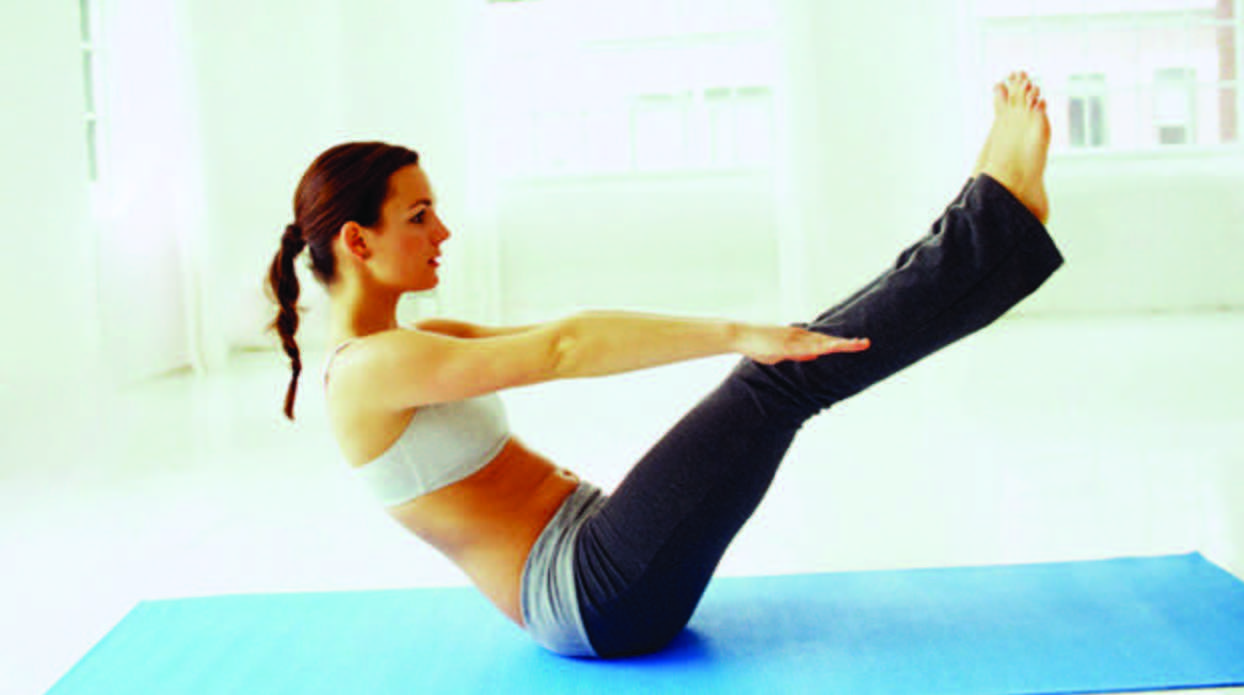
    Sun Salutation is considered a complete body workout. Yoga experts say that doing 12 sets of Surya Namaskar translates into doing 288 powerful yoga poses in a span of 12 to 15 minutes.

    A workout for ‘busy bees’
    Facing a time crunch? Want to feel fit but don’t know how? Welcome to the world of Surya Namaskar. Literally translated as sun salutation, Surya Namaskar comprises a sequence of 12 yoga postures. The best part about Sun Salutation is that it works well for those ‘super busy’ people who often complain about not being able to do yoga because of a time crunch. Doing at least 12 sets of Sun Salutation, preferably at sunrise, at a fast pace provides a good cardiovascular workout. If done at a slower pace, these postures help tone the muscles and can be relaxing and meditative. Moreover, it allows you to enjoy the stretch and makes the body more flexible. Though pretty much an exercise in itself, Sun Salutation forms an excellent link between warm-ups and intense yoga postures. Start your early morning yoga routine with some warm-up stretches to ease out body stiffness. You can then do a few rounds of Sun Salutation to help increase body flexibility and also prepare the body to stretch more during the intense yoga posture sequence. Sun Salutation is considered a complete body workout. Yoga experts say that doing 12 sets of Surya Namaskar translates into doing 288 powerful yoga poses in a span of 12 to 15 minutes.

    Why Sun Salutation is good for you?
    But that’s not all. Regular practice of Sun Salutation offers a lot of interesting benefits for every part of the body. These powerful yoga poses have a great impact on the heart, liver, intestine, stomach, chest, throat, and legs – the whole body from top to bottom. It purifies the blood and improves blood circulation throughout the body and ensures proper functioning of the stomach, bowel, and nerve centres. Practicing Sun Salutation daily helps balance the three constitutions – Vata, Pitta and Kapha – that the body is made up of.

    Your guide to Sun Salutation
    Stand at the edge of your mat, keep your feet together and balance your weight equally on both the feet. Expand your chest and relax your shoulders. As you breathe in, lift both your arms up from the sides and as you exhale, bring your palms together in front of the chest in a prayer position. Step #2: Hastauttanasana (Raised arms pose) Breathing in, lift the arms up and back, keeping the biceps close to the ears. In this pose, the effort is to stretch the whole body up from the heels to the tips of the fingers.

    How to deepen this yoga stretch?
    You may push the pelvis forward a little bit. Ensure you’re reaching up with the fingers rather than trying to bend backwards. Step #3: Hasta Padasana (Hand to foot pose) Breathing out, bend forward from the waist, keeping the spine erect. As you exhale completely, bring the hands down to the floor, beside the feet.

    How to deepen this yoga stretch?
    You may bend the knees, if necessary, to bring the palms down to the floor. Now make a gentle effort to straighten the knees. It’s a good idea to keep the hands fixed in this position and not move them until you finish the sequence. Step #4: Ashwa Sanchalanasana (Equestrian pose) Breathing in, push your right leg back, as far back as possible. Bring the right knee to the floor and look up.

    How to deepen this yoga stretch?
    Ensure that the left foot is exactly in between the palms. Step #5: Dandasana (Stick pose) As you breathe in, take the left leg back and bring the whole body in a straight line. How to deepen this yoga stretch? Keep your arms perpendicular to the floor. Step #6: Ashtanga Namaskara (Salute with eight parts or points) Gently bring your knees down to the floor and exhale. Take the hips back slightly, slide forward, rest your chest and chin on the floor. Raise your posterior a little bit. The two hands, two feet, two knees, chest and chin (eight parts of the body touch the floor). Step #7: Bhujangasana (Cobra pose) Slide forward and raise the chest up into the Cobra posture.You may keep your elbows bent in this pose, the shoulders away from the ears. Look up.

    How to deepen this yoga stretch?
    As you inhale, make a gentle effort to push the chest forward; as you exhale, make a gentle effort to push the navel down. Tuck the toes under. Ensure you’re stretching just as much as you can; do not force your body. Step #8: Parvatasana (Mountain pose) Breathing out, lift the hips and the tail bone up, chest downwards in an ‘inverted V’ (/) posture.

  • STRETCH MARKS: CAUSES, TREATMENT AND PREVENTION

    STRETCH MARKS: CAUSES, TREATMENT AND PREVENTION

    It can caused either due to pregnancy or due to extreme weight loss. Stretch marks generally occur on our tummies, arms, thighs and chests. These stretch marks act as permanent reminder with their horizontal thread like marks all along our skin. But did you know there are ways to minimise these permanent marks? Dr Rickson Pereira, Consulting Dermatologist, Dr Minal’s Dermatherapie Centre, M.D. (Dermatology, Venereology & Leprosy) tell us how.

    The reasons and causes of stretch marks
    Stretch marks are healed scars in the skin which are caused due to overstretching of the skin. They often appear on the abdomen, breasts, upper arms, buttocks and thighs. They may be pink or red to begin with, but eventually fade to white or grey. Stretch Marks: Causes, Treatment and Prevention The tendency to develop stretch marks is genetic, because it depends on the amount and arrangement of the protein elastin in the skin. Once a stretch mark has developed, it cannot be reversed. Stretch marks can develop in the following circumstances: Pregnancy – Most pregnant women develop stretch marks towards the end of their pregnancy.

    If your mother had them, you are probably going to have them. Excessive weight gain during pregnancy, twin or multiple pregnancy can increase the chances of getting stretch marks.Weight gain and growth during adolescence and in weight-lifters. Medication use – prolonged use of corticosteroid creams, lotions and pills. Corticosteroids reduce the production of collagen and elastin in the skin making it prone to stretch marks. Hence, these medications should not be used without a physician’s supervision. Diseases such as Cushing’s syndrome (excessive cortisol secretion by a tumor) can cause sudden onset of wide stretch marks on the arms, thighs and abdomen. Genetic conditions including Marfan’s syndrome and Ehlers- Danlos syndrome can cause stretch marks due to abnormalities in collagen and elastin

    Precaution to avoid stretch marks
    If you have developed stretch marks you have a tendency for it. If weight gain is the cause, weight loss through appropriate diet and exercise helps prevent formation of new stretch marks and prevents widening of the existing stretch marks. Avoid self-medicating with oral corticosteroids or steroid creams and lotions. Stretch Marks: Causes, Treatment and Prevention Work with your gynecologist to avoid excessive weight gain during pregnancy. Following a good diet and exercise, will provide good health to you and your baby with the added advantage of minimizing stretch marks.

    Treatments for stretch marks
    Alpha-hydroxy acids such as glycolic acids in the form of peels or creams work similar to retinoids. Microdermabrasion or skin polishing removes the topmost layer of the skin stimulating the growth of new skin and collagen. Lasers such as Nd-Yag lasers and fractional lasers can improve the appearance of stretch marks but multiple sessions are required (5-8). Nd-Yag lasers are effective in pink to red stretch marks, and fractional lasers in white stretch marks. Hyaluronic acid fillers can be injected into stretch marks by microinjections to improve hydration and reduce the papery texture. Venus freeze is a device used for skin tightening which combines radiofrequency and magnetic pulse technology. Within 8-10 sessions it tightens up loose skin and stimulates collagen and elastin production which also improves stretch marks. The treatment is safe, and with no downtime or discomfort.

  • About Chintu Patel

    About Chintu Patel

    Chintu Patel, Chief Executive Officer and Co- Chairman of Amneal Pharmaceuticals, LLC, has over 18 years of experience in the pharmaceutical industry. With a vision of building an innovative pharmaceutical company based on quality and integrity, he co-founded Amneal in 2002. The firm is currently the 7th largest U.S. generic drug supplier in number of prescriptions dispensed, according to March 2013 IMS Health market data, and offers a diversified portfolio of 65 FDA-approved products. Amneal currently employs 1,200 people and operates manufacturing plants in New York and New Jersey. Within the next two years, the company will be supplying generic pharmaceuticals worldwide. Chintu is passionate about the pursuit of excellence in research, development and quality. He and his brother Chirag Patel, Amneal President and Co-Founder, were honored with the Ernst & Young National Entrepreneur of the Year® 2011 Life Sciences Award for their business achievements. Previously Chintu was a pharmacist and seniorlevel manager with Eckerd Pharmacy, where he won numerous awards, from 1994 to 2002. He received a bachelor’s degree in pharmacy from Rutgers College of Pharmacy.

  • PRIYA DUTT, MEMBER OF PARLIAMENT PATRON OF NARGIS DUTT MEMORIAL FOUNDATION

    PRIYA DUTT, MEMBER OF PARLIAMENT PATRON OF NARGIS DUTT MEMORIAL FOUNDATION

    My Vision
    YOUTH AFFAIRS: India is one of the youngest countries in the world, with a population of over 50 crore in the youth category. This youth power is one of our country’s greatest resources if canalized correctly. Great impetus must be put into youth development, and I intend to initiate programs centered on youth development, self-empowerment and education. INFRASTRUCTURE DEVELOPMENT: For bettering the lives of the people of my constituency my major concern is refining infrastructure within our area. I set up elaborate plans with serious deadlines and priorities. My priorities are roads, water supply drainage, sanitation, health care and transport. WOMEN’S WELFARE: Being a woman, it is my moral responsibility to address this issue.Women form the backbone of our social structure, and I will do everything in my power to strengthen this backbone. SPORT & RECREATION: Ironically, a fun thing like sports needs to be taken more seriously. I will initiate measures to improve sporting facilities, and make them more accessible to every strata of society. PEACE & COMMUNAL HARMONY: The fundamentals of my philosophy, efforts to propagate peace and communal harmony will continue not only in my constituency, but the country and world at large.

    Social Activities
    PEACE MARCH (1987): It was a time when the country was under a cloud of violence and communal discord; when words like terrorism and racism were becoming a major share of everyday discussion. Punjab was going through a terrible turmoil. A gesture of peace, brotherhood and a healing touch was most needed. Putting our life in danger, I accompanied my father on a 78 days peace march from Mumbai to Amritsar, covering a distance of over 2700 kms with a message “Give Peace a Chance”. This walkathon gave me unforgettable insights into the real India. These were the learning years and issues as these touched me deeply. NUCLEAR DISARMAMENT: My father was a stalwart of the doctrine of Peace and strongly pursued the philosophies of the great Mahatma Gandhi. He taught us the values of brotherhood, understanding and non-violence. In 1988,my father along with like-minded people and myself went to Japan to spread the message of Gandhiji. On 6th March 1988, we marched from Nagasaki to Hiroshima, Japan for World Peace and Nuclear Disarmament.

    Many may question the results of our efforts, and to them I say “I tried, did you?” NARGIS DUTT MOBILE HOSPITAL: Equipped with a minor operation theatre, X-ray machine, ECG, pathology setup, ENT specialist and doctor’s cabins, designed to specially benefit the poor. GANDHIGIRI MARCH: Peace march on Oct.2, to bring about awareness and spread the message of Peace and Ahimsa. MUMBAI BLAST 2006: Easy admission of injured to hospitals, arranging for medical supplies, help line to assist relatives, quick release of funds to deceased and injured. RAJIV GANDHI COMPUTER EDUCATION PROJECT: Every year during summer and Diwali vacation free computer education classes are conducted. Over 3000 are trained in this project. This course includes various job oriented computer courses meant for educated unemployed and economically underprivileged. This computer education is imparted not only to students but also to housewives and senior citizens.

    ANTI-DRUG CAMPAIGN: Campaigns in Mumbai especially slum areas, focused on issues like early detection, treatment, counseling and gearing up families as a support system for addicts. AIDS: awareness campaign focused on the Red Light area and other sections of society. SPASTIC SOCIETY OF INDIA: Rehabilitation and inclusive education and improving their chances for employment in the real world. Presently, one of the Trustees of the Spastic Society. Also, I chair the Fundraising and Networking Committee, which deals with community participation and corporate involvement. And Priya Dutt is ably assisted by a team of men and women dedicated to realizing the vision of Nargis Dutt and Sunil Dutt. They are the Board members who, under the guidance of Priya Dutt manage the affairs of the Foundation.

  • Indian-American Manju Goel to run for US Congress

    Indian-American Manju Goel to run for US Congress

    CHICAGO (TIP): Taking aim at “Obamacare” and national debt, India-born Manju Goel is seeking Republican nomination for a Congressional run to challenge incumbent Democrat Tammy Duckworth. Goel, an Aurora resident and conservative is backed by a national group of Republicans, including Texas congressman Pete Sessions, in her run for 8th Congressional District of Illinois state, according to Chicago Daily Herald. In her campaign literature, Goel said she grew up in a middle-class family in northern India and came to the United States at the age of 21. She has degrees in applied computer science and health care management and served as a process improvement specialist for Advocate Healthcare. Today, she works as a self-employed consultant specializing in process control improvemen.

  • Indian American Cardiologist named White House Fellow

    Indian American Cardiologist named White House Fellow

    WASHINGTON (TIP): The White House announced the 2013-1014 class of White House Fellows August 27, a group of professionals, academics and entrepreneurs who will now use their considerable skills to help shape policy on the national level. Among them is a prominent young Indian American cardiologist who works on the cutting edge of technology and medicine. Kapil Parakh, a cardiologist at Johns Hopkins in Washington, D.C., has done extensive research on the way depression can affect patients after a heart attack. He is also the cofounder of Health for America, a nonprofit that offers fellowships to young leaders dedicated to improving the health of their communities.

    According to a press release from the White House announcing this year’s 12 Fellows, Parakh is the director of Heart Failure at the Johns Hopkins Bayview Medical Center and assistant professor in the departments of Medicine, Epidemiology, and Health Behavior & Society. Parakh also leads heart failure quality improvements in collaboration with the Joint Commission’s Center for Transforming Healthcare, using entrepreneurial techniques to cost-effectively improve outcomes, said a spokesperson. Parakh earned his first degree, a bachelor of science in human biology, and later an MD, at the University of Zambia; and immigrated to the United States to attend Johns Hopkins University, where he earned a Master of Public Health and a Ph.D. in epidemiology. His studies have appeared in the Journal of the American Medical Association, the British Cardiac Society’s publication Heart, and many others.

    The White House Fellows Program was created in 1964 by President Lyndon B. Johnson to give promising American leaders “first hand, highlevel experience with the workings of the federal government, and to increase their sense of participation in national affairs,” said a spokesperson. Selection is highly competitive and based on a record of professional achievement, evidence of leadership potential, and a proven commitment to public service.

  • US private sector adds 176,000 jobs, jobless claims fall

    US private sector adds 176,000 jobs, jobless claims fall

    NEW YORK/WASHINGTON (TIP): US private employers added 176,000 jobs in August and new claims for jobless benefits fell last week, which could bolster expectations the US Federal Reserve will begin winding down a bondbuying stimulus program this month. Payrolls processor Automatic Data Processing (ADP) said on September 5 private sector employment expanded less than in July, but analysts said the data still backed the consensus view that a more comprehensive employment report, due on September 6, will show improvement. “(It’s) enough to reinforce expectations that the Fed will begin to taper its asset purchases,” said Paul Ashworth, an economist at Capital Economics in Toronto. US treasury debt prices fell to session lows after the data, with the yield on the two-year note rising above 0.5% for the first time since June 2011 on bets the Fed would start to reduce bond purchases soon.

    Stock futures were little changed while the dollar gained against the euro. Economists surveyed by Reuters had forecast the ADP National Employment Report would show a gain of 180,000 jobs. July’s private payrolls gains were revised to 198,000 from the previously reported 200,000. The report is jointly developed with Moody’s Analytics. The ADP data comes one day before the US government’s report on August non-farm payrolls, which investors will scour in hopes of divining the future direction of the Fed’s massive asset-buying program. The Fed is now weighing when to pull back on its purchases of $85 billion per month in treasuries and mortgage-backed securities. Views that the Fed could slow its buying pace as soon as its September 17-18 meeting sent treasuries yields to twoyear highs recently. But policymakers say their decisions will depend on data showing the health of the world’s biggest economy. Policymakers want to see the unemployment rate closer to 6.5% from its current 7.4%.

  • INDIAN AUTHOR EXECUTED IN AFGHANISTAN BY TALIBAN

    INDIAN AUTHOR EXECUTED IN AFGHANISTAN BY TALIBAN

    KOLKATA/KABUL (TIP): Indian author Sushmita Banerjee was executed by the Taliban late on September 4. While the reason for the barbaric act was not given, Banerjee had possibly attracted the ire of the fundamentalist outfit for her ceaseless social work, especially for women’s healthcare and upliftment. Forty-nine-year-old Banerjee, according to reports, was dragged out of her house in Kharana in Paktita province before being shot dead by the turbaned militants. The execution signals the portent of things to come before the impending withdrawal of American forces from Afghanistan where deadly attacks and other forms of atrocities against women have spiralled in the past few months. Banerjee, who had converted to Islam and rechristened herself asSayeda Kamala, retained her Indian citizenship. Earlier too she had attracted the anger of the regressive Taliban. Her memoir about her dramatic escape from the clutches of the fundamentalist outfit inspired a movie in 2003, Escape from Taliban, starring Monisha Koirala.

    Last month, a female Afghan MP was abducted by suspected Taliban militants while she was travelling with her children. Another woman MP recently sought asylum in Britain after being abandoned by her relatives for seeking divorce from an abusive husband. In July, gunmen assassinated a high profile female police officer. These instances have occurred in the backdrop of orthodox Muslim groups renewing their call against women stepping out of their homes to work or seek independent careers. Indian officials in Kabul confirmed that Banerjee was shot around 11pm Wednesday and that her last rites were performed by her family Thursday morning. She had just returned to Afghanistan after celebrating Eid in West Bengal. Married to an Afghan businessman, Jaanbaz Khan, Banerjee had recently moved back to Afghanistan after spending a few years in India, especially Kolkata and Mumbai.

    Her best-selling book, Kababuliwalar Bangali Bou (A Kabuliwala’s Bengali Wife), was written in 1995 after she escaped from the clutches of the Taliban in the wake of the fall of Afghanistan to the marauding hordes. Although a report claimed the Taliban denied any involvement in the killing, Afghan police said militants belonging to the extreme Islamist outfit descended on her Kharana house, tied up her husband and other family members before dragging Sushmita out and pumping several bullets into her from close range. After the cold-blooded execution, the Talibs dumped her body near an Islamic seminary, the police added. Since returning to Afghanistan, Banerjee worked as a health worker in Paktita, recording on celluloid the lives of local women as part of her work. After her July 1988 marriage to Khan, who she had earlier met in Kolkata, Banerjee moved to Afghanistan when her parents tried to get her divorced. All of 27 at that time, Banerjee was shocked to learn that Khan was already married to another woman.

    She took pity on Khan’s first wife, Gulguti, and even reared her children besides adopting Tinni, daughter of her brother-in-law. “Her publisher Swapan Biswas said Banerjee had informed him about the plan to return to Afghanistan in February to start work on another book. “She was determined to go back for the book which she wanted me to publish,” Biswas said. Besides the first book, Banerjee has recounted her remarkable escape story in an article for an Indian news magazine in 1998. She wrote that “life was tolerable until the Taliban crackdown in 1993” when militants ordered her to shut down the dispensary she ran from her house and “branded” her as a woman of “poor morals.” In Banerjee’s words, she made an abortive bid to escape first in early 1994, but her brothers-in-law tracked her down to the Pakistani capital, Islamabad, where she had reached to seek assistance from the Indian embassy.

    They took her back to Afghanistan only to be confined by the Taliban in house arrest. The Taliban promised to send her back to India, which never happened. Instead, they heaped insults on her and threatened her daily. That is when she made up her mind to escape. The daring move bore fruit in 1995 when she was able to hoodwink her captors, fleeing her husband’s house which is three hours from Kabul. Banerjee’s execution does not bode well for Afghanistan’s women, especially when their empowerment under the Hamid Karzai regime was held up as one of the greatest successes of the Nato coalition forces. Human rights groups operating in Afghanistan and abroad say that a string of laws passed by the parliament will expose women to extreme forms of abuse. The Islamists have been demanding shutting down of women’s shelters which they describe as “dens of immorality”.

  • HOMEMADE FACEPACK FOR YOU

    HOMEMADE FACEPACK FOR YOU

    Vinegar
    It’s not just a cooking ingredient, vinegar’s use as a skin toner probably dates back to the time of Helen of Troy! For a glowing and gorgeous complexion, follow this small tip before you go off to bed: wash your face with one tablespoon of apple cider vinegar combined with two cups of water. It will cleanse and tighten your skin.

    Lemon
    Lemon is a natural exfoliator and cleanser. For fresh-looking skin, try this: Mix some lemon juice with olive oil or sweet almond oil and apply it on your face every alternate day.

    Egg
    Eggs make for great face packs. So, if you have dry skin, use an egg paste to moisturise. Separate the egg from the yolk and add a little lemon juice or honey to it. If you have oily skin, use only egg whites. If you are blessed with normal skin, use the entire egg. Keep the paste for 30 minutes and rinse it off. Note: Do not use a face wash after rinsing it off.

    Milk
    Want to look fresh without spending too much effort and money? Try this: Make a paste of milk and honey and apply it on your face. Make sure that the paste is thick. Let it dry completely and then rinse with warm water. It will make your face fresh and rejuvenated.

    Yoghurt
    One of the best ways to brighten your skin — and also remove tan — is by using a face pack that contains yoghurt. If you are looking for a quick fix to tighten the pores, apply plain yoghurt on your face. Keep it on for 20 minutes and wash it off. For a revitalizing mask, mix yoghurt with some orange juice and aloe vera. Leave the mixture on your face for five minutes before washing it off.

    Bananas
    Who needs Botox when bananas can do the trick? Bananas moisturise your skin and leave it feeling and looking softer. Mash up a mediumsized ripe banana and smoothen it into a paste. Apply this gently on your face and neck. Keep it on for 10-20 minutes before you wash it off with cold water. If you want, add some honey and rose water to the mixture

    Mayonnaise
    Why waste money on expensive serums when you can get the same results using mayonnaise? Gently apply a teaspoon of eggless mayonnaise on your face and keep it on for 20 minutes. Let it dry; then wipe it off and rinse with cool water. This will keep your skin clean and smooth.

  • ICE CUBES FOR A GLOWING FACE

    ICE CUBES FOR A GLOWING FACE

    Why waste money and time on expensive skin care products when you can achieve the same benefits by applying ice on your face? And the best part is, no matter what the season is, you can always try this facial therapy – even during the rains. It helps minimise open pores, refreshes your skin and makes it glow. Applying ice is an instant way to give your face a fresh and dewy look without wearing makeup. It improves blood circulation and gives your face a healthy glow. Ice also prevents premature ageing and wrinkles. Ice reduces large pores and minimises the production of excess oil. Tie two cubes of ice in a cloth and massage it on your face every night before you go off to bed. Also, to make your makeup last longer, try rubbing an ice cube on your face before you begin applying your makeup. Place an ice cube on acne and you’ll find a considerable reduction in redness and swelling. Note: Do not use ice cubes directly. They can cause the delicate capillary under your skin to break. Wrap them in a clean cloth before you use them.

  • LEMON AND BROCCOLI SOUP

    LEMON AND BROCCOLI SOUP

    Ingredient
    50gms butter
    1 leek, rinsed and sliced
    2 cloves of garlic, crushed
    1 head broccoli, chopped
    500ml vegetable stock
    100g baby spinach leaves
    100ml single (pouring) cream
    15 ml lemon juice
    Sea salt and cracked black pepper
    80gms fresh ricotta

    Method
    Heat a deep, medium saucepan over high heat. Add the butter, leek and garlic and cook, stirring, for 5 minutes or until the leek is tender. Add the broccoli and stock, bring to a boil and cook for 8-10 minutes or until the broccoli is tender. Add the spinach and cook for another 1-2 minutes. Use a hand-held blender to blend the soup until smooth. Stir in the cream, lemon juice, salt and pepper. Ladle into bowls and top with ricotta to serve.

  • ALTERNATIVE SOURCES OF VITAMIN D

    ALTERNATIVE SOURCES OF VITAMIN D

    Milk and sunshine are not the only resources for Vitamin D. Deficiency of Vitamin D is the most common finding these days. “It’s not that earlier it wasn’t prevalent, but these days people are more aware about it and doctors too ask patients to include that in their routine checkups,” says dietician Sai Gaokar. In school we learnt that deficiency of this vitamin could cause rickets and the best way to get this was sunshine and milk. But what if you get sun burnt or are lactose intolerant? Does that mean that the only option is to take vitamin supplements? Fortunately, the answer is ‘no’. We do have some other foods that can prove to be decent resources for vitamin D.

    Fish
    Fresh and canned fish have considerable amounts of Vitamin D. Especially fatty fish like Salmon, Sardines, Mackerel, Tuna. You can have more than 50 percent of the daily recommended dose of the vitamin in one helping…eg. A tuna sandwich or a grilled salmon weighing about three ounces.

    Mushrooms
    Mushrooms absorb vitamin D when exposed to sunlight. Portobello mushrooms, which are grown in the sun, are rich in vitamin D.

    Fortified orange juice
    Some brands of tetra-packed orange juice of vitamin D added to it. Though other juices too have the same, orange juice helps retain the ingredient and fortifies it supplying you one-sixth of your daily dose.

    Egg
    Eggs have a decent amount of vitamin D. However, one has to be careful in eating egg yolk if you have a blood pressure issue or high cholesterol.

    Organ meat
    Organ meats, for example, beef liver, have a substantial amount of vitamin D. Though most don’t prefer to eat organ meat, people who love it can substitute it easily for milk for vitamin D and proteins.