

New Delhi (TIP)- The Unique Identification Authority of India (UIDAI) has issued new regulations to introduce an Aadhaar Verifiable Credential (AVC), a digitally signed document containing limited user demographic data for offline identity verification, as well as update regulations for entities that conduct offline Aadhaar verification (not in real time using UIDAI servers).
The amendments to the Aadhaar (Authentication and Offline Verification) Regulations, 2021, were notified on December 9, and uploaded on the UIDAI website on Friday, Dec 12.
AVC, which has now been added by the authority to its list of offline Aadhaar verification methods, can be used for identity verification without revealing the full Aadhaar number.
According to the regulations, AVC was “a digitally signed document issued by the Authority to the Aadhaar number holder which may contain the last 4 digits of Aadhaar number, demographic data, like name, address, gender, date of birth, and photograph of Aadhaar number holder… which may be shared by Aadhaar number holder in full or part with an OVSE… (Offline Verification Seeking Entity)for verifying the demographic information or photograph of the Aadhaar number holder.”
But how does a user decide what information to include in an AVC when sharing it with a business or OVSE? A UIDAI official told HT that the new Aadhaar app, still in testing and yet to be officially launched, will let users pick exactly which details they want to share with an OVSE.
The amendment also provided for the introduction of ‘Offline Face Verification,’ which would allow an entity to verify someone’s identity by matching a live face image with the photograph stored in the Aadhaar application.
The amendments also introduce an official definition of ‘Aadhaar Application’ to cover UIDAI’s apps and portals. At the same time, older references that specifically mention ‘mAadhaar’ in other sections have been removed.
This comes as UIDAI is preparing to officially launch a new Aadhaar mobile application that will enable paperless electronic ID sharing, as part of the authority’s efforts to curb misuse of physical Aadhaar cards and strengthen the offline verification ecosystem.
UIDAI chief executive officer Bhuvnesh Kumar previously said the new app was intended to shift Aadhaar usage away from physical cards, which are frequently photocopied and, in many cases, improperly stored or misused by OVSE.
NY/NJ/CT
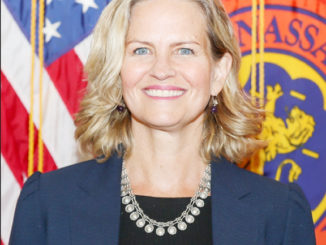
Positivity Rate in Nassau County Tops 10 Percent
It’s the first time since reopening there have been so many cases in one day. More than 25,000 have been confirmed in December alone MINEOLA , NY (TIP): Nassau County’s daily positivity rate of the […]

Featured
2025 Supreme Court Review: Key judgments on women’s reservation, presidential reference, constitutional rights
The year 2025 proved to be a landmark one for the Supreme Court of India. As the nation grappled with social change, governance debates, and questions of constitutional authority, the apex court delivered a series […]

Opinions
HOLIDAY CHEER (By Mabel Pais)
PATTERN OF LOVE By Jack Smith I didn’t question Timmy, age nine, or his seven-year-old brother Billy, about the brown wrapping paper they passed back and forth between them as we visited each store. Every […]
Be the first to comment