
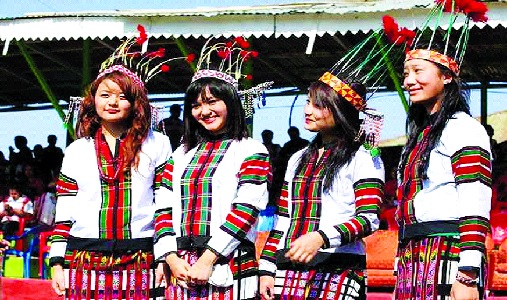

belong to another world. Draped in lush greenery, wrapped in drifting clouds and blessed with rolling hills that stretch as far as the eye can see, this beautiful state offers a refreshing escape from the noise and rush of modern life. Known for its rich cultural heritage, colourful festivals and the melodious traditions of the Mizo people, Mizoram invites travellers to slow down, breathe deeply and reconnect with nature.
With its pleasant climate, winding mountain roads, charming hill towns and remarkable biodiversity, Mizoram is a paradise for those who seek tranquility, adventure and authentic cultural experiences. Here, every hillside has a story, every village offers a glimpse into a vibrant way of life, and every journey unfolds against a backdrop of breathtaking natural beauty.
Aizawl: The Charming Capital in the Clouds
Perched approximately 1,132 meters above sea level, Aizawl, the capital of Mizoram, is a captivating hill city where tradition and modern life blend effortlessly. Its houses climb the slopes, its winding roads reveal spectacular views, and the surrounding hills are often veiled in a delicate layer of mist.
A visit to the Mizoram State Museum offers an introduction to the state’s history, traditional attire, handicrafts and cultural heritage. Travellers can also explore local markets, discover beautifully woven Mizo shawls and sample regional delicacies that reflect the distinctive flavors of Northeast India.
For those eager to venture beyond the city, the surrounding countryside offers peaceful escapes. The scenic hills of Hmuifang and the tranquil waters of Tamdil Lake are ideal for enjoying nature, photography and leisurely exploration. Whether wandering through local neighbourhoods or admiring the panoramic mountain scenery, Aizawl provides a wonderful introduction to Mizoram’s understated charm.
Lunglei: An Offbeat Haven
of Natural Beauty
Located about 170 kilometers south of Aizawl, Lunglei is a destination for travelers who prefer quiet landscapes and adventures away from crowded tourist trails. Its name, commonly translated as “bridge of rock,” comes from a distinctive rock formation near the Nghasih stream.
Lunglei’s appeal lies in its dramatic hills, forested surroundings and rich biodiversity. The region is well suited to trekking, birdwatching, camping and exploring the outdoors. Nature enthusiasts can venture towards Thorangtlang Wildlife Sanctuary and Saza Wildlife Sanctuary, both associated with the area’s remarkable wildlife and birdlife.
Another highlight is the famous Lunglei Rock Bridge, while Saikuti Hall offers an opportunity to learn more about local culture and traditions. With its unhurried atmosphere and scenic surroundings, Lunglei is a rewarding destination for anyone looking to experience Mizoram beyond its capital.
Champhai: The Rice Bowl of Mizoram
Set near the Indo-Myanmar border, Champhai is celebrated for its expansive rice fields, rolling valleys and striking mountain views. Often called the “Rice Bowl of Mizoram,” this picturesque town showcases a different side of the state, where fertile agricultural landscapes meet the rugged beauty of the eastern hills. The countryside becomes particularly enchanting when seasonal flowers and orchids add splashes of colour to the landscape. Visitors can explore attractions such as Kungawrhi Puk cave, Tiau Lui river and Lianchhiari Lunglen Tlang, each offering a distinct glimpse of the region’s natural character.
Adventure seekers can also explore trekking opportunities around Thasiama Seno Neihna. Nearby Rih Dil, a lake across the Myanmar border, holds special cultural significance for the Mizo people and is closely associated with traditional beliefs about the afterlife. Travellers planning to visit border areas should check current access requirements and local travel regulations in advance.
Champhai is a destination where the pleasures of rural scenery, cultural discovery and quiet exploration come together beautifully.
Mamit: Into the Wild Heart of Mizoram
Situated west of Aizawl, Mamit district is a compelling destination for wildlife lovers and adventure enthusiasts. Its green hills, forested landscapes and rich agricultural heritage make it an appealing addition to a Mizoram itinerary.
One of its most notable attractions is Dampa Tiger Reserve, an important protected area known for its forests and diverse wildlife. The reserve offers a glimpse into the ecological richness of the region, although wildlife sightings are never guaranteed.
Mamit is also known for its orange cultivation, which has earned the district the affectionate nickname “Orange Garden of Mizoram.” During the appropriate season, the countryside offers a delightful picture of agricultural life amid the hills. Those with an interest in underground landscapes may also explore information about Pukzing Cave, subject to local access and safety conditions.
For travellers seeking a combination of nature, wildlife and rural charm, Mamit promises a memorable detour from the more familiar tourist routes.
Saiha: A Quiet Escape for
Angling Enthusiasts
In southern Mizoram, Saiha offers a peaceful atmosphere surrounded by hills and the natural beauty of the state’s less-explored landscapes. Located at an elevation of approximately 729 metres, this small town is particularly known among angling enthusiasts.
Saiha is also a gateway to exploring the wider region around the scenic Palak Dil, one of Mizoram’s best-known lakes, located in the surrounding southern landscape. The lake and its environs offer opportunities for appreciating nature, enjoying photography and experiencing the tranquillity of rural Mizoram.
The town’s original name, Siaha, is traditionally explained through the Mizo words sia, meaning elephant, and ha, meaning tooth, referring to an elephant tusk. Over time, the name became commonly known as Saiha.
For travellers willing to venture farther from the main tourist circuit, Saiha rewards the journey with a slower pace of life, striking scenery and a glimpse of the distinctive character of southern Mizoram.


Be the first to comment