
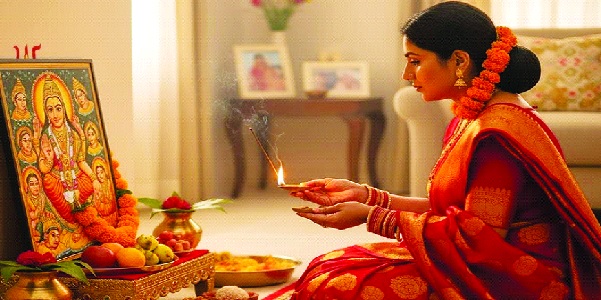

From the sacred glow of the evening diya to the heartfelt prayers offered beneath the stars, Ahoi Ashtami celebrates the timeless bond between a mother and her children. Rooted in faith, compassion and the blessings of Ahoi Mata, this traditional Hindu vrat is a beautiful reminder of the power of a mother’s love.
As the festive season gathers momentum and homes begin to prepare for Diwali, another deeply cherished occasion brings mothers together in prayer. Ahoi Ashtami, also known as Ahoi Aathe, is observed predominantly in North India by women who pray for the health, happiness, prosperity and long life of their children.
Celebrated on the eighth day, or Ashtami Tithi, of Krishna Paksha in the Hindu month of Kartik, the festival traditionally falls four days after Karwa Chauth and approximately eight days before Diwali. The day is dedicated to Ahoi Mata, revered as the divine protector of children.
More than a ritual of fasting, Ahoi Ashtami is an expression of maternal devotion-a day when faith becomes a prayer for the well-being of the next generation.
The Origin: A Tradition Passed
Down Through Generations
Ahoi Ashtami is rooted in North Indian folk traditions and household worship. Unlike festivals with a clearly established textual origin, its history is primarily preserved through oral narratives and the recitation of the Ahoi Mata Vrat Katha.
Over generations, mothers have passed down the rituals, prayers and stories associated with this vrat, keeping alive a tradition that blends spirituality, family values and faith in divine protection.
The Legend of Ahoi Mata: A Story of Repentance and Divine Grace
At the heart of Ahoi Ashtami lies a poignant tale of a mother, an unintended mistake and the power of sincere devotion.
According to a popular version of the vrat katha, a woman with seven sons once went to the forest to collect soil for renovating her home before Diwali. While digging, she accidentally killed the young of a wild animal, commonly identified in the story as a syahu, or porcupine.
The woman was deeply distressed by the incident. In the traditional tale, misfortune subsequently struck her family, and she lost her seven sons. Overwhelmed by grief and remorse, she confided in the village elders, who advised her to worship Ahoi Mata and observe the sacred fast.
With a repentant heart, the woman observed Ahoi Ashtami, drew the image of the animal’s young and prayed with unwavering faith. Moved by her devotion, Ahoi Mata blessed her, and her sons were restored to her.
The story has variations across regions and households, but its central message remains consistent: acknowledge your mistakes, practise compassion towards all living beings, and approach the divine with humility and sincerity.
The Spiritual Significance:
More Than a Mother’s Fast
Traditionally, Ahoi Ashtami is observed for the long life, health, happiness and prosperity of children. Today, many women pray for all their children, daughters and sons alike, seeking divine guidance for their future.
The vrat also carries a deeper spiritual message. It encourages patience, self-discipline, gratitude and compassion. The image of Ahoi Mata with her young ones symbolises motherhood, nurturing and the protective power of divine feminine energy.
The festival is also a reminder that devotion is not merely about rituals. It is about cultivating kindness, accepting responsibility and wishing well for others.
Ahoi Ashtami Rituals: How the Sacred Day Unfolds
The observance begins in the morning and culminates in the evening with prayers to Ahoi Mata.
n Morning preparations: Women bathe, clean the prayer area and take a sankalp, or sacred resolve, to observe the vrat.
n Observing the fast: Traditionally, many women fast throughout the day, sometimes without food or water. Customs vary, and the fast may be adapted according to health and family tradition.
n Preparing the puja space: An image of Ahoi Mata is drawn on a wall or placed on a clean surface. Traditional images often depict the goddess alongside her young ones. A printed picture may also be used.
n Offering prayers: Roli, rice, flowers, incense, a lit diya and water are arranged for worship. Some families also worship a silver representation of the syahu.
n Reciting the vrat katha: In the evening, women gather to listen to or recite the story of Ahoi Mata, followed by prayers and aarti.
n Offering prayers to the stars: In many households, women offer water to the stars after they appear in the evening and then break their fast. Some families follow the custom of waiting for moonrise instead.
Since customs and auspicious timings differ by region, families generally follow their local panchang and established traditions.
Celebrations: Faith, Family and Festive Warmth
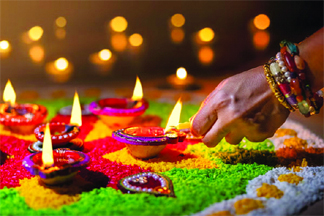
Ahoi Ashtami brings a special warmth to homes during the build-up to Diwali. Prayer corners are decorated, diyas illuminate the evening, and traditional offerings such as halwa, puri, kheer and other sweets are prepared according to family custom.
In many households, women come together to perform the puja, exchange greetings and listen to the vrat katha. Grandmothers and mothers pass on the story to younger generations, ensuring that the festival remains a living tradition rather than merely a date on the calendar.
In Mathura, Radha Kund holds particular religious significance on this occasion. Some devotees visit the sacred water body and perform ritual bathing, associating the observance with prayers for children and family blessings.
A Prayer That Transcends Ritual
Ahoi Ashtami is ultimately a celebration of the enduring bond between a mother and her children. Its rituals may differ from one household to another, but its emotional essence remains unchanged: a heartfelt wish for the well-being of those we love.
As the evening sky fills with stars and the glow of diyas lights up homes, the prayers offered on Ahoi Ashtami carry a timeless message of hope, humility and compassion. For every mother observing this sacred vrat, Ahoi Ashtami is not just a day of fasting-it is a day of faith, a celebration of motherhood and a prayer for a future filled with health, happiness and divine grace.


Be the first to comment