

Perched at about 2,100 metres in West Sikkim, Pelling is one of the state’s most popular destinations, and its greatest attraction is visible from the surrounding hills: the magnificent panorama of Kanchenjunga.
The town itself has grown considerably around tourism, but step away from the main roads and the character changes quickly. Forest paths, monasteries and mountain viewpoints open up a quieter side of Pelling.
Early morning is the moment to look towards the mountains. As the first rays of sunlight reach the snowy peaks, Kanchenjunga gradually changes colour, creating one of the most memorable spectacles in the eastern Himalayas.
Pelling is also an excellent base for exploring the historical heritage of West Sikkim. Pemayangtse Monastery, one of the state’s oldest and most important monasteries, stands amid greenery and offers an introduction to Sikkim’s Buddhist traditions. Its religious festivals, including traditional masked Cham dances, bring the monastery alive with colour, music and ritual.
A short distance away lies Rabdentse, the ruins of Sikkim’s second capital. The remains are reached by a forest trail, making the journey almost as atmospheric as the destination. Once the political heart of the kingdom, Rabdentse now stands quietly on a ridge, surrounded by trees and mountains.
For those who enjoy walking, the trail to Sangachoeling Monastery is another rewarding excursion. The uphill route winds through the forest before opening onto expansive views of the surrounding landscape.Yuksom: Where a Kingdom Was Born
If Pelling is about mountains, Yuksom is about memory. Hidden in a peaceful valley, Yuksom was the first capital of Sikkim. It was here in the 17th century that three Buddhist lamas came together and crowned Phuntsog Namgyal as the first Chogyal of Sikkim.
The historic coronation site at Norbugang is marked by a stone throne and other monuments. Surrounded by trees and prayer flags, it remains one of the most evocative places to understand Sikkim’s early history.
Yuksom feels less like a conventional tourist town and more like a Himalayan settlement. Its quiet lanes, forests, homestays and traditional atmosphere make it a place where travellers often find themselves lingering longer than planned.
The surrounding area adds to its appeal. Rimbi Waterfall is particularly impressive during the monsoon, while Kanchenjunga Waterfall plunges dramatically through the mountains.
A short forest walk leads to Dubdi Monastery, one of the oldest monasteries associated with Sikkim’s Buddhist heritage. Prayer flags line the trail, and the peaceful setting makes the monastery especially atmospheric.
But Yuksom’s biggest adventure begins where the roads start to disappear. It is the traditional gateway for treks towards Dzongri and Goecha La, routes that take travellers deep into the high Himalayas and towards spectacular views of Kanchenjunga.
Rumtek: Monastery on the Hill
A journey through Sikkim would be incomplete without experiencing its Buddhist heritage, and Rumtek Monastery is perhaps the most famous expression of it. Located around 24 km from Gangtok, Rumtek is associated with the Karma Kagyu school of Tibetan Buddhism. The monastery complex sits amid forested hills, overlooking the surrounding landscape.
The present monastery was built in the 20th century, while the original Rumtek monastery dates back to the 18th century. The complex combines traditional Himalayan architecture with richly decorated interiors, murals and religious artworks. One of its most significant features is the Golden Stupa, an ornate reliquary associated with the monastery’s religious heritage.
Other News
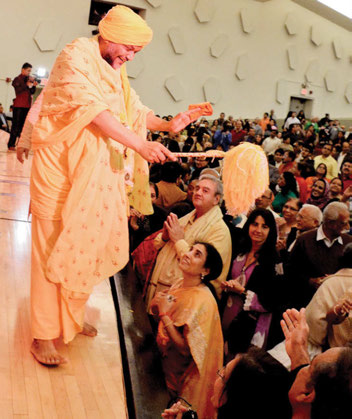
Sri Guruvanand Swami blesses 2,000 at NY event
NEW YORK (TIP): “In a sign of growing number of devotees of Brahmrishi Sri Guruvanand Swami, an estimated 2,000 people packed the Colden Auditorium in Queens College, Flushing on Oct 4 for the Divya Darshan […]
Other News
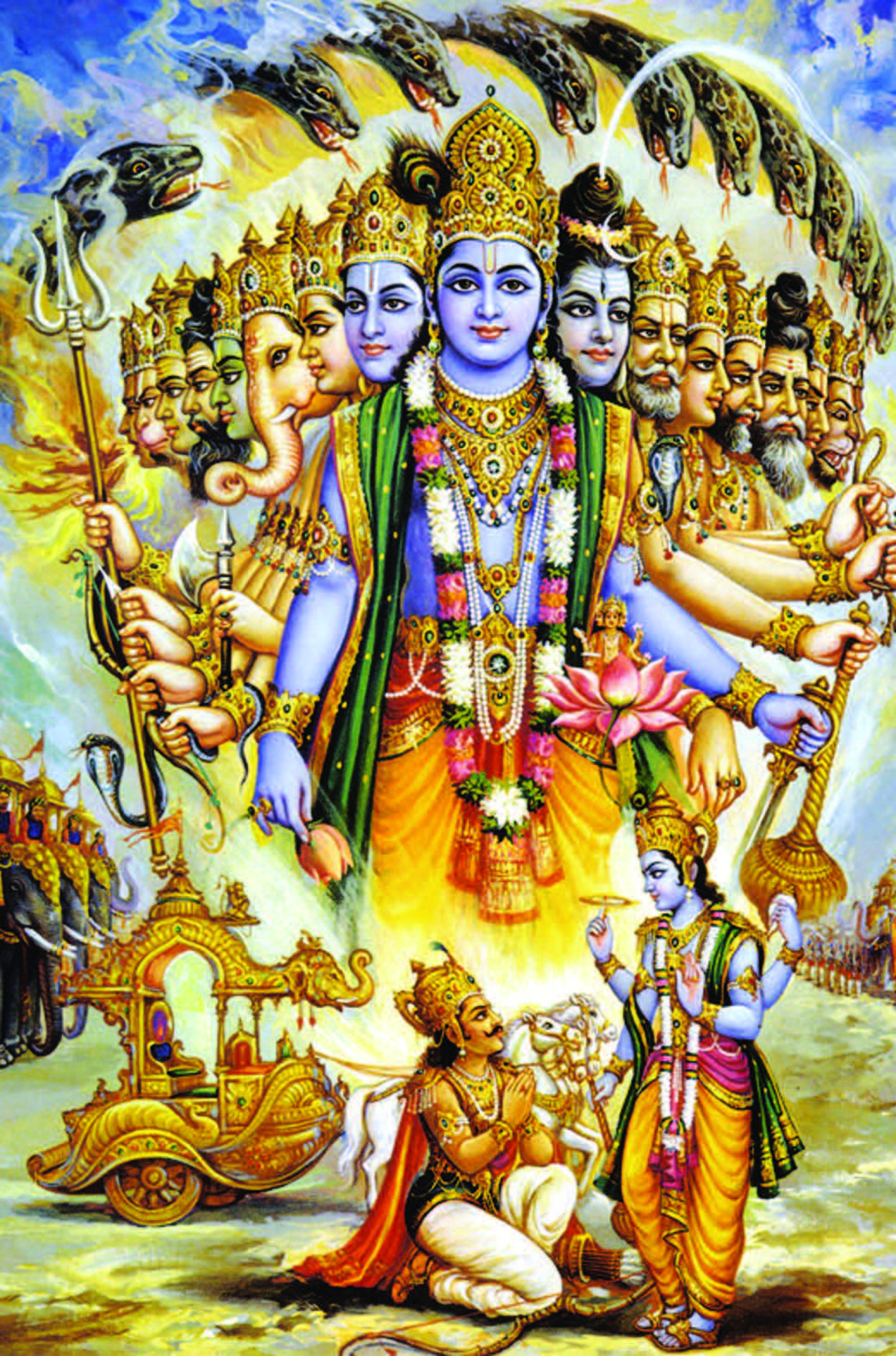
THE BHAGAVAD GITA
CONTINUED FROM Vol 2 ISSUE 8 How three modes of material nature bind the spirit soul to the body Sattv or goodness, Rajas or passion, activity; and Tamas or ignorance, inertia — these three modes […]
Other News
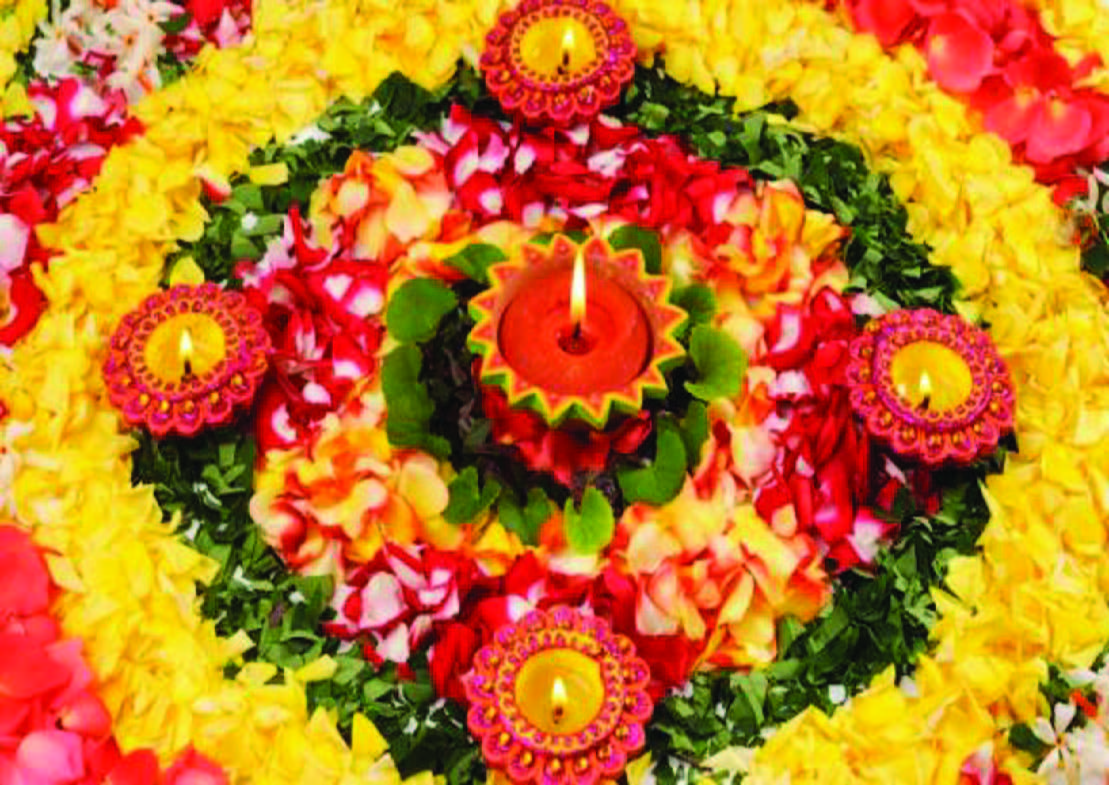
THE SPIRITUAL SIGNIFICANCE OF DIWALI
How to Illuminate Your Inner Self Deepavali or Diwali means “a row of lights”. It falls on the last two days of the dark half of the Hindu month of Kartik. Mythical Origins of Diwali […]
Be the first to comment