

Humans have been obsessed with self-driving cars since time immemorial. In films, the fascination dates to 1927. Metropolis, a silent feature deemed both silly and the first of its kind science fiction epic, imagined a futuristic city where sleek, automated vehicles traversed along elevated highways in a highly coordinated fashion. As they say, if you can imagine it then you can make it and so, humankind too, has been on a mission to make them ever since. It was not easy. It took a lot of time. But finally, we seem to be getting there.
Earlier in the year, when Alphabet and Google CEO Sundar Pichai took the stage of I/O, to give the developer community a sneak-peek into all the AI his company was preparing to unleash on the world, he left the keynote with one very personal anecdote. He told everybody about the time when his parents were visiting him in San Francisco. The first thing they wanted to do was to ride in a Waymo. Pichai had obviously used Waymo taxis before but watching his father, who is in his 80s, being totally amazed by self-driving technology made him see the progress in a whole new light, he admitted.
If you can read between the lines, this was all the assurance that anybody needed, that the “future” has officially moved from the laboratory to the curb. Not just in San Francisco, but even if you live in Beijing, Phoenix, or Abu Dhabi, the sight of a steering wheel spinning by itself is no longer a reason to be spooked and call the cops: it is just how people get to brunch today.
According to the RoboTaxi Global Market Report 2025, the global robotaxi market is growing exponentially, up from $1.19 billion in 2024 to a projected $2 billion-plus this year. The increasing penetration of autonomous technology and need for sustainable and eco-friendly travel is a big growth driver. With improvements, scale and affordability pitching in eventually, the market size is expected to grow further, reaching tens or even hundreds of billions of dollars by 2030. Waymo clocked over 20 million miles and 14 million paid rides in 2025 following concerted expansion across Phoenix, Los Angeles, and San Francisco.
Other News
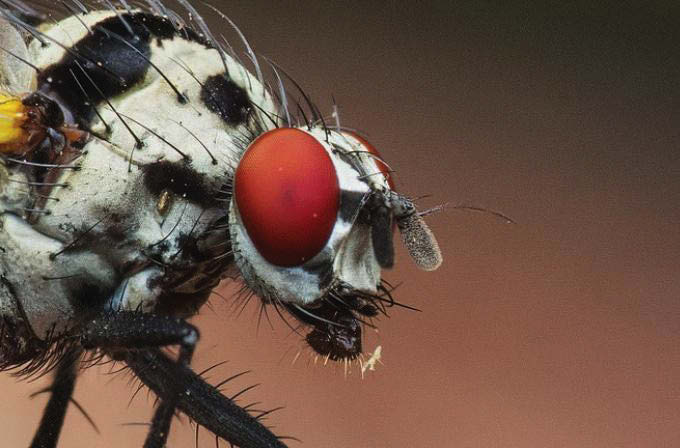
‘INSECT EYES’ MAY HELP DRONES TO FLY INDEPENDENTLY
LONDON (TIP): Scientists have developed a system, inspired by insect eyes, that may allow drones to adjust their speed to their surroundings and fly on their own – without human intervention and control. After studying […]
Other News
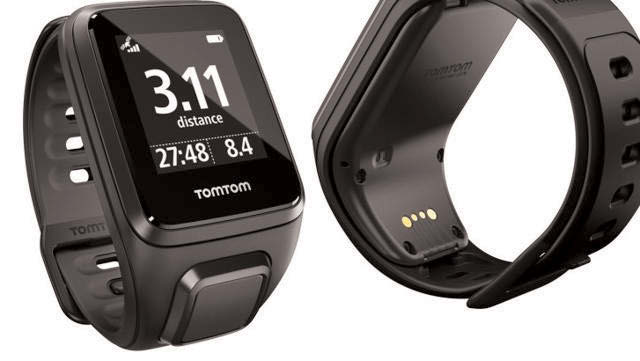
TomTom’s new Spark watches to playback music, have GPS
NEW DELHI (TIP): TomTom, the Amesterdam-based technology company, is all set to return to India with another set of its smartwatches after exactly a year. The company had launched its GPS fitness watches with heart-rate […]
Other News
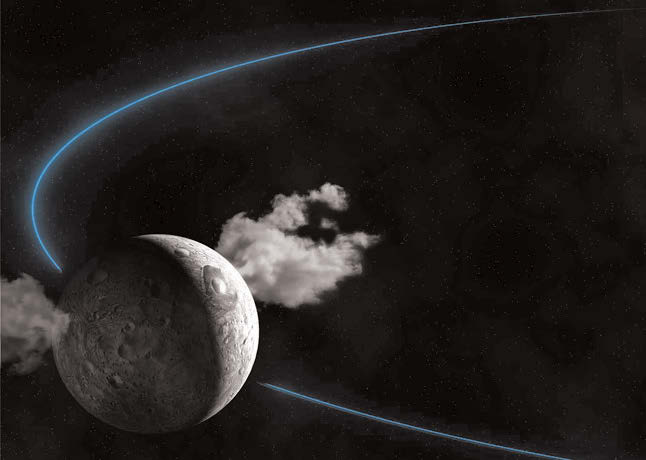
Nasa captures Pluto’s moon Charon in stunning detail
Nasa’s New Horizons spacecraft has returned the best colour and the highest resolution images yet of Pluto’s largest moon, Charon, which show a surprisingly complex and violent history. The image combines blue, red and infrared […]
Hey! This post could not be written any better! Reading through this post reminds me of my old room mate! He always kept talking about this. I will forward this post to him. Fairly certain he will have a good read. Thank you for sharing!