


The Brahma Gauri Punam Fast, observed on the Tritiya of Shukla Paksha in the Pausha month, is a revered women-centric vrat rooted in ancient Hindu belief systems, Puranic symbolism, and oral devotional traditions. Dedicated to Jagjanani Brahma Gauri, this fast is believed to ensure the long life of husband and sons, family prosperity, and spiritual merit that leads to heavenly attainment.
Scriptural and Puranic References
While Brahma Gauri Punam is not confined to a single canonical text, its philosophy and rituals draw inspiration from broader Puranic literature, particularly the Skanda Purana, Shiva Purana, and Markandeya Purana, which extensively describe Goddess Gauri as the embodiment of Shakti, fertility, purity, and family protection.
According to Puranic belief, Goddess Gauri is the sustaining power of creation, revered even by Brahma, the creator himself. Hence, the name Brahma Gauri symbolises the goddess who is worshipped by Brahma and who blesses lineage, continuity, and progeny. Scriptures repeatedly emphasise that worship of Gauri grants saubhagya (marital bliss), putra labh (sons), and ayushya vriddhi (longevity).
The concept of chiranjeevi-long, protected life-is central to this vrat and finds resonance in various Hindu texts where devotion to the Divine Mother safeguards devotees from untimely death.
The Sacred Vrat Katha
A poor husband and wife lived in the village. Woman who believed in God and recited worship. Her husband did not do any work and consumes alcohol. Women used to work in people’s homes and this used to run their household expenses. The husband used to snatch the money that the woman earned from her, if the woman did not give the money, her husband used to beat her. The man used to rob the entire rupee in liquor.
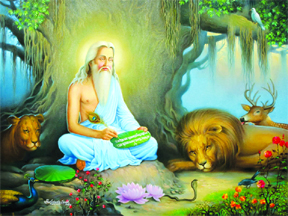
Once that woman was sitting at home with a sad heart. The woman had nothing, no money and no food. Then a monk came and asked for alms from that woman. The woman said with a very sad heart, Baba ji, I have nothing, what can I give you.
The monk said to the woman that daughter, you are looking very sad, I may talk to you, maybe I can relieve some of your sorrow. The woman told her whole story to the monk. The woman told the monk that she has been married for 10 years but she has neither got husband happiness nor child happiness.
The monk asked the woman to observe Brahmagauri fast. By observing this fast, you will also get child happiness and husband will also get happiness. The woman told the monk that when and how to do this fast, please kindly tell the law of this fast.
This fast is done on Tritiya of Shukla Paksha of Paush month. In this fast one fasts for the whole day and meal is taken at one time.
The woman performed Brahmagauri Vrat according to the fast and law prescribed by the monk, due to which her husband started working and also stopped drinking alcohol. The woman also got the happiness of children. Now the life of the woman started living happily and peacefully.
Ritual Observance and Spiritual Discipline
On Brahma Gauri Punam, women rise before sunrise, cleanse themselves, and observe a nirjal or phalahar fast, depending on family tradition. The idol or image of Goddess Gauri is installed and worshipped through Shodashopachar Puja, the sixteen sacred offerings symbolising complete surrender of body, mind, and soul.
White and yellow flowers, rice, sweets, fruits, and lamps are offered while chanting Gauri mantras or stotras. The fast is concluded after moonrise or the next morning, as per regional custom.
Why This Fast Is Important for Women
In Hindu tradition, women are regarded as the spiritual anchors of the family. The Brahma Gauri Punam Fast strengthens this role, empowering women through devotion and prayer. By observing this vrat, women seek divine protection for their husband’s longevity, sons’ well-being, and family lineage, while also earning spiritual merit for themselves.
Religious belief holds that women who observe this vrat with sincerity receive:
– Long life and protection for husband and sons
– Family harmony and prosperity
– Freedom from fear of untimely death
– Accumulation of punya leading to heavenly attainment
Faith, Discipline and Divine Reward
The vrat is not merely a ritualistic fast but a spiritual discipline that reinforces patience, devotion, and faith. Scriptures and folk traditions affirm that women who observe this fast with sincerity receive the divine blessings of Goddess Gauri, ensuring protection for their husbands and children from untimely death and misfortune.It is also believed that the merit gained from this fast helps the devotee and her family attain punya, which ultimately leads to moksha or heavenly attainment after death.
The Brahma Gauri Punam Fast is not merely a ritual but a profound spiritual vow rooted in maternal devotion and divine faith. Through the worship of Jagjanani Brahma Gauri, women reaffirm their role as nurturers and protectors of dharma within the household. Passed down through generations, this vrat continues to illuminate the path of devotion, protection, and spiritual fulfillment.
Brahma Gauri Punam Fast continues to be observed across various regions of India, especially in traditional households where rituals are passed down through generations. The vrat strengthens familial bonds, reinforces spiritual values, and highlights the revered role of women as carriers of faith and tradition.


Be the first to comment