
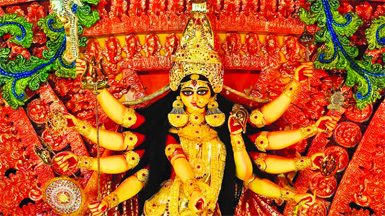

As winter fades and spring spreads new colours across nature, millions of devotees across India prepare to celebrate Chaitra Navratri, one of the most spiritually significant festivals in the Hindu calendar. Observed during the lunar month of Chaitra, the nine-day festival is dedicated to the worship of the Divine Mother and symbolizes the victory of good over evil.
Chaitra Navratri holds a special place in Hindu tradition because it coincides with the beginning of the Hindu New Year in many regions of India. The festival culminates with Ram Navami, commemorating the birth of Rama, one of the most revered deities in Hinduism. More than a religious celebration, the festival represents spiritual renewal, inner purification, and devotion to the eternal power of Shakti, the cosmic feminine energy.
The Meaning of Navratri
The word “Navratri” is derived from two Sanskrit words-Nav meaning nine and Ratri meaning night. The festival literally translates to “nine nights,” during which devotees worship the divine feminine energy represented by Durga and her nine manifestations known collectively as Navadurga.
In Hindu philosophy, Shakti represents the dynamic force that sustains the universe. Without this energy, even the divine trinity-Brahma, Vishnu, and Shiva-cannot function. Navratri therefore celebrates the creative and protective power of the goddess, acknowledging her as the ultimate source of strength, wisdom, and prosperity.
Why Two Navratris Are Widely Celebrated
Hindu scriptures mention four Navratri periods throughout the year. However, two of them are widely celebrated:
– Chaitra Navratri (March-April)
– Sharad Navratri (September-October)
These festivals occur during seasonal transitions-spring and autumn-when nature undergoes a significant change. According to traditional Indian knowledge systems, these periods influence the body’s internal balance and energy.
Spiritual practices such as fasting, meditation, and prayer during Navratri are believed to purify the body and mind, allowing devotees to align themselves with cosmic rhythms.
Mythological Legends Associated with Navratri The Victory of Durga Over Mahishasura
One of the most famous legends connected with Navratri comes from the sacred text Devi Mahatmya. According to the story, the powerful demon Mahishasura obtained a boon that made him nearly invincible. Drunk with power, he began tormenting the gods and spreading chaos across the universe.
To defeat him, the gods combined their divine energies to create the fierce goddess Durga. Riding a lion and wielding weapons gifted by the gods, Durga fought Mahishasura for nine days and nights before finally slaying him. The victory symbolizes the triumph of righteousness over arrogance and evil.
The Ramayana Connection
 Chaitra Navratri is also closely linked to the epic Ramayana. According to tradition, Rama prayed to Goddess Durga to seek divine strength before confronting Ravana.
The ninth day of the festival marks Ram Navami, celebrating the arrival of Rama, who represents truth, righteousness, and ideal kingship.
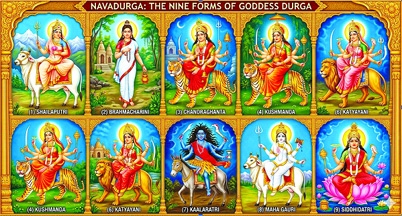
The Nine Forms of Goddess Durga
Each day of Navratri is dedicated to a specific manifestation of the goddess, symbolizing stages of spiritual awakening:
– Shailaputri – Symbol of purity and strength
– Brahmacharini – Represents devotion and penance
– Chandraghanta – Embodiment of courage and grace
– Kushmanda – Creator of the cosmic universe
– Skandamata – Symbol of motherhood and compassion
– Katyayani – Warrior goddess who destroys evil
– Kalaratri – Fierce destroyer of darkness
– Mahagauri – Symbol of peace and purity
– Siddhidatri – Bestower of spiritual powers
Together, these forms represent the spiritual journey from ignorance to enlightenment.
Rituals and Traditions During Chaitra Navratri Ghatasthapana (Kalash Sthapana)
The festival begins with Ghatasthapana, where a sacred pot filled with water and topped with a coconut and mango leaves is placed on an altar. Barley seeds are often sown around the pot, symbolizing prosperity and growth.
Fasting and Spiritual Discipline
Many devotees observe fasts throughout the nine days. The diet during fasting usually includes fruits, milk, and special foods made from buckwheat flour, water chestnut flour, and tapioca pearls.
Fasting is believed to purify the body, sharpen the mind, and strengthen spiritual discipline.
Chanting and Devotional Worship
Devotees chant sacred hymns such as the Durga Saptashati and perform daily prayers and aarti. Temples dedicated to the goddess witness large gatherings of devotees seeking divine blessings.
Kanya Puja
On the eighth or ninth day, devotees perform Kanya Puja, where young girls are worshipped as living embodiments of the goddess. They are offered traditional food such as puri, halwa, and chana along with gifts and blessings.
Regional Celebrations Across India
Chaitra Navratri is observed with unique traditions across different regions.
In northern India, temples dedicated to Durga witness heavy pilgrim footfall, especially at the sacred Vaishno Devi Temple, where thousands of devotees undertake a pilgrimage during Navratri.
In Maharashtra, the festival coincides with Gudi Padwa, while in southern states like Karnataka, Andhra Pradesh, and Telangana, the New Year is celebrated as Ugadi.
Thus, Chaitra Navratri marks both a spiritual festival and the beginning of a new cycle of time.
Spiritual Symbolism of the Festival
At its deepest level, Chaitra Navratri represents the eternal struggle between light and darkness within human consciousness. The worship of the goddess symbolizes awakening inner strength, wisdom, and compassion.
The nine days remind devotees that divine power resides within every individual. By practicing self-discipline, devotion, and righteous living, one can overcome negativity and achieve spiritual growth.
A Festival of Renewal and Divine Energy
As spring renews the earth with blossoms and fresh life, Chaitra Navratri inspires a similar renewal within the human spirit. Through prayer, fasting, and devotion to the Divine Mother, devotees seek strength, prosperity, and spiritual enlightenment.
Ultimately, the festival celebrates the eternal power of the feminine divine-reminding humanity that compassion, courage, and faith will always triumph over darkness.
9 days, 9 colors, 9 bhogs for each goddess form
In 2026, Chaitra Navratri will begin on 19 March and conclude on 27 March, with the last day celebrated as Ram Navami. Each day is dedicated to a different form of Durga, along with a specific colour and prasad offering.
DAY 1: WORSHIP OF MAA SHAILPUTRI
Date: 19 March 2026
Color: Yellow
Bhog: Desi ghee
The first day begins with Ghatasthapana (Kalash Sthapana), marking the start of Navratri rituals. Devotees worship Shailputri, the daughter of the mountains. Offering desi ghee is believed to bring strength and good health.
DAY 2: WORSHIP OF MAA BRAHMACHARINI
Date: 20 March 2026
Color: Green
Bhog: Sugar
The second day honours Brahmacharini, who represents devotion, wisdom and spiritual discipline. Devotees offer sugar or sweet prasad to seek blessings for a peaceful and successful life.
DAY 3: WORSHIP OF MAA CHANDRAGHANTA
Date: 21 March 2026
Color: Grey
Bhog: Milk and milk-based sweets
On the third day, devotees worship Chandraghanta, known for symbolising courage and protection. Milk or kheer is offered as bhog to seek strength and remove negativity.
DAY 4: WORSHIP OF MAA KUSHMANDA
Date: 22 March 2026
Color: Orange
Bhog: Malpua
The fourth day is dedicated to Kushmanda, believed to have created the universe with her divine smile. Devotees offer malpua or sweet dishes to seek happiness and prosperity.
DAY 5: WORSHIP OF MAA SKANDAMATA
Date: 23 March 2026
Color: White
Bhog: Bananas
On the fifth day, Skandamata, the mother of Lord Kartikeya, is worshipped. Bananas are offered as prasad, believed to bring wisdom and blessings for children.
DAY 6: WORSHIP OF MAA KATYAYANI
Date: 24 March 2026
Color: Red
Bhog: Honey
Devotees worship Katyayani on the sixth day. Honey is offered as bhog to attract positive energy and divine blessings.
DAY 7: WORSHIP OF MAA KALARATRI
Date: 25 March 2026
Color: Royal Blue
Bhog: Jaggery
The seventh day honours Kalaratri, the fiercest form of the goddess who removes fear and negativity. Jaggery or sweets made from jaggery are offered as prasad.
DAY 8: WORSHIP OF MAA MAHAGAURI
Date: 26 March 2026
Color: Pink
Bhog: Coconut
On the eighth day, devotees worship Mahagauri, symbolising purity and serenity. Coconut or coconut-based sweets are offered to seek peace and prosperity.
DAY 9: WORSHIP OF MAA SIDDHIDATRI
Date: 27 March 2026
Color: Purple
Bhog: Halwa, chana and puri
The final day is dedicated to Siddhidatri, who grants wisdom and spiritual powers. Many devotees also perform Kanya Puja, offering halwa, chana and puri to young girls as a symbol of divine feminine energy.



Be the first to comment