


As the monsoon clouds recede and the air grows crisp, India awakens to the luminous embrace of Diwali-the festival of lights. Streets glow with rows of diyas, homes are adorned with fresh paint and fragrant flowers, and hearts, too, prepare for renewal. While Diwali is often seen as a celebration of prosperity and joy, its deeper essence lies in the renewal of the human spirit-a sacred opportunity to cleanse the mind, forgive the past, and awaken the inner light of consciousness.
The Light Within: Beyond Lamps and Fireworks
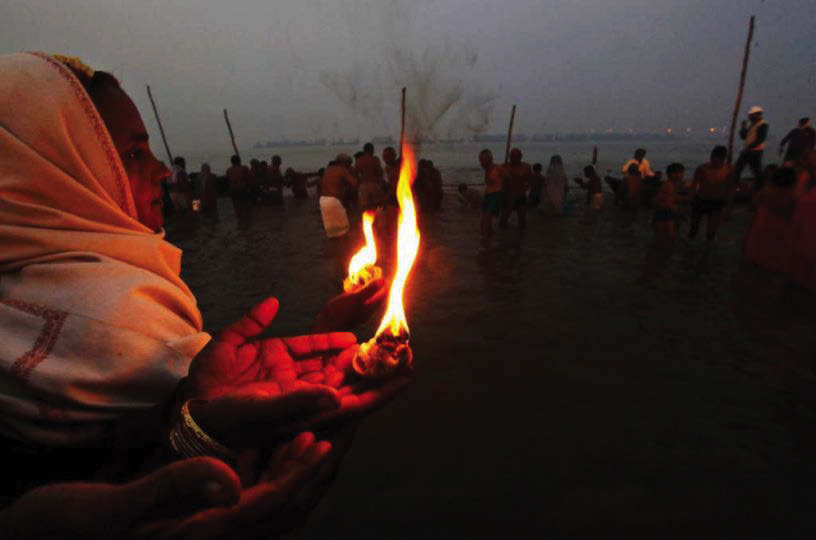
The outward spectacle of Diwali-its fireworks, sweets, and glittering lamps-symbolizes a greater inner illumination. According to ancient Hindu philosophy, the Deepa or lamp represents the Atman, the inner self. Lighting a diya is not merely a ritual but a meditation-a reminder that every human being carries a divine spark within, a flame that can dispel the darkness of ignorance and ego.
The Katha Upanishad declares, “The Self is smaller than the smallest and greater than the greatest, hidden in the hearts of all beings.” Diwali, then, becomes a sacred moment to rekindle that awareness-to let the light of understanding and compassion burn brightly against the shadows of anger, greed, and fear.
Cleansing the Home, Cleansing the Soul
Every year, as Diwali approaches, homes across India undergo a massive transformation. Dust is swept away, old clutter is discarded, and every corner is scrubbed until it shines. Traditionally, this act of physical cleaning was never just about beautification-it was symbolic of an inward purification.
To prepare for Diwali is to prepare for Lakshmi, the goddess of wealth and well-being. But Lakshmi’s blessings flow only to spaces-and hearts-that are pure. The cleaning of one’s home mirrors the cleansing of one’s thoughts, attitudes, and memories. It is an invitation to let go of emotional residues-the grudges, regrets, and resentments that dim our spiritual light.
Forgiveness, therefore, becomes a sacred act of Diwali. To forgive is to sweep the cobwebs from the soul, to make space for peace to dwell.
The Renewal of Relationships
In ancient times, Diwali was also the beginning of a new financial year for traders and artisans. Accounts were balanced, debts settled, and old transactions closed with blessings. This practical renewal carried a profound moral lesson: just as one clears financial accounts, one must also clear emotional accounts.
Diwali invites us to start anew-with our loved ones, friends, and even ourselves. Lighting a lamp together, exchanging sweets, or simply wishing peace upon someone you’ve wronged-all become acts of renewal. In the words of the poet Rabindranath Tagore, “Faith is the bird that feels the light and sings when the dawn is still dark.” Diwali encourages that faith-to rebuild bonds and trust even when life feels uncertain.
Silence Amidst the Celebration
While Diwali is marked by joyous noise-the crackle of fireworks, the laughter of families-its true spirit is found in silence. In many traditional households, the night of Amavasya (new moon) is spent in quiet meditation or Lakshmi Puja, invoking not only material wealth but inner prosperity.
In spiritual traditions, the dark night of Diwali represents the mind shrouded by ignorance. Lighting a lamp within signifies the awakening of wisdom. Saints and sages have long taught that the real Diwali happens when the soul kindles awareness, when compassion replaces judgment, and when humility illuminates pride.
The Five Lamps of Renewal
Diwali’s spiritual renewal can be understood through five metaphorical lamps that we light within ourselves:
– The Lamp of Gratitude – For all that life has given, and for the lessons hidden in what it has taken away.
– The Lamp of Forgiveness – To release the heavy burden of resentment and restore the heart’s peace.
– The Lamp of Faith – To trust in the divine order, even in times of darkness and change.
– The Lamp of Compassion – To extend kindness toward others, seeing the divine spark in every being.
– The Lamp of Self-Knowledge – To seek the truth of who we are, beyond titles, possessions, and fears.
When these five lamps are lit, Diwali’s radiance transcends the physical and becomes a living experience of awakening.
The Inner Lakshmi: Awakening Abundance
In Hindu philosophy, Goddess Lakshmi is not merely the goddess of material wealth but of Sri-the subtle beauty and grace of life itself. She represents abundance in thought, purity in action, and harmony in the environment. To invoke Lakshmi during Diwali, therefore, is to awaken these qualities within.
A mind that is generous, a heart that forgives, and a spirit that serves-all these are forms of Lakshmi. True wealth is not measured in gold or possessions but in the lightness of being that comes from a peaceful heart.
From Darkness to Light: The Eternal Message
The Upanishadic prayer-“Tamaso m? jyotir gamaya” (Lead me from darkness to light)-encapsulates the essence of Diwali. Darkness, in this context, is not merely the absence of light but the presence of ignorance, ego, and fear. Light is awareness, self-realization, and truth. Every diya we light is a promise-to walk the path of righteousness, to illuminate our surroundings with goodness, and to be bearers of peace in a fragmented world. The act of lighting lamps on the darkest night of the year reminds us that no darkness is ever too deep for light to overcome.
Diwali for the Modern Soul
In today’s fast-paced world, Diwali’s message of inner renewal is more relevant than ever. Amid consumerism and digital overload, it offers a pause-a moment to reflect on what truly matters. Whether one spends the evening meditating, volunteering, or simply sitting quietly with family, the essence remains the same: to reconnect with one’s higher self.
More than a festival, Diwali is a philosophy-a call to awaken, to forgive, to transform. It asks us to light a lamp not only on our doorstep but in our conscience.
The Light That Never Dies
When the last firecracker fades and the final lamp flickers out, what remains is the stillness of night-the silence in which the soul can finally listen. That is where Diwali’s true magic lies.
For the festival of lights is, ultimately, a festival of awakening. A reminder that renewal is not something we seek once a year-it is a continual process of cleansing, forgiving, and becoming. As the lamp burns steadily through the darkness, it whispers an eternal truth: the real Diwali happens not outside, but within.
Be the first to comment