

Diwali, often called the Festival of Lights, is not merely a single day of celebration but a grand five-day festival that encapsulates the essence of Indian culture-victory of light over darkness, knowledge over ignorance, and good over evil. Each day of Diwali has its unique significance, rituals, and stories, weaving together a magnificent tapestry of faith, tradition, and festivity. From the quiet preparation of Dhanteras to the jubilant Govardhan Puja and the tender bonds celebrated on Bhai Dooj, Diwali is a journey through gratitude, devotion, renewal, and love. Let’s explore the five auspicious days that make this festival so radiant and spiritually fulfilling.
Dhanteras – The Day of Prosperity and Preparation
As autumn’s golden dusk deepens and homes across India begin to gleam with the flicker of oil lamps, a special anticipation fills the air. The sound of new utensils being unwrapped, the sparkle of freshly purchased ornaments, and the fragrance of incense herald the arrival of Dhanteras-the first and perhaps most symbolic day of the five-day Diwali festival. Dhanteras, which literally translates to ‘wealth on the thirteenth day’ (Dhan meaning wealth and Teras referring to the thirteenth lunar day of Krishna Paksha in the month of Kartik), sets the tone for the grand festivities that follow. But beyond its association with gold and silver shopping, Dhanteras is deeply rooted in ancient mythology, spiritual symbolism, and timeless Indian customs that celebrate health, prosperity, and divine grace.
Mythological Origins: The Descent of Dhanvantari and the Ocean of Immortality
The origins of Dhanteras go back to one of the most magnificent legends in Hindu mythology-the Samudra Manthan, or the Churning of the Cosmic Ocean. According to the Puranas, the Devas (gods) and Asuras (demons) churned the ocean in search of Amrit, the nectar of immortality. During this celestial event, several divine treasures emerged from the ocean-among them was Lord Dhanvantari, the celestial physician and the incarnation of Lord Vishnu, holding in his hands a golden pot filled with the elixir of life.
His emergence symbolized the dawn of Ayurveda, the ancient science of holistic healing and longevity. Hence, Dhanteras became a day associated not only with material wealth but also with Arogya-good health and well-being. In many homes, prayers are offered to Lord Dhanvantari, seeking freedom from ailments and the blessings of vitality.
The day, therefore, beautifully unites two fundamental desires of human life-wealth and health, material prosperity and physical well-being-echoing the Vedic ideal that true prosperity is incomplete without wellness.
The Legend of King Hima and the Origin of the ‘Diya’ Ritual
Another popular legend associated with Dhanteras tells of Prince Hima, the sixteen-year-old son of King Hima, who was fated to die on the fourth day of his marriage due to a snake bite. However, his clever and devoted wife refused to surrender to destiny. On the night foretold for his death, she placed all her ornaments and heaps of gold and silver coins at the entrance of their chamber and lit countless lamps around the palace. When Yama, the god of death, arrived in the form of a serpent, his eyes were dazzled by the brilliance of the lights and the precious metals. The serpent, blinded and enchanted, could not enter the chamber and spent the night listening to the princess singing devotional songs. By dawn, the danger had passed, and the prince’s life was spared.
From this tale was born the custom of lighting earthen lamps (diyas) on Dhanteras night, not just as a gesture of welcome for prosperity but also as a symbolic act of warding off death and negativity. Even today, Hindus light a Yamadeep-a small diya placed outside the home, facing south (the direction associated with Yama)-as an offering for longevity and protection.
Rituals and Traditions: The Auspicious Call of Wealth
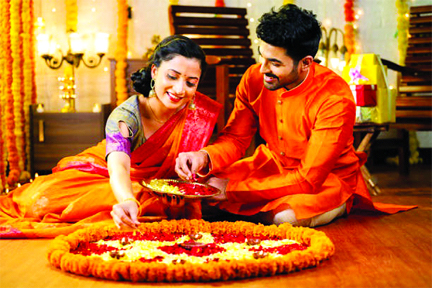
Dhanteras marks the beginning of Diwali preparations in earnest. In the days leading up to it, homes are cleaned, repainted, and decorated-symbolizing the removal of stagnation and negativity. On the evening of Dhanteras, people decorate their thresholds with colorful rangolis, adorn their entrances with marigold garlands and mango leaves, and place lamps in every corner to invite auspicious energies.
Buying Gold, Silver, and Utensils
The act of purchasing precious metals is not mere extravagance; it is deeply symbolic. Gold and silver are considered forms of Goddess Lakshmi herself, embodiments of abundance and purity. It is believed that whatever new possession one brings home on this day multiplies manifold.
Utensils, too, are favored purchases-representing nourishment, family togetherness, and the promise of good meals to come. In modern times, people also buy new clothes, appliances, vehicles, and even digital assets, adapting the spirit of Dhanteras to contemporary life while retaining its sacred essence.
The Dhanteras Puja
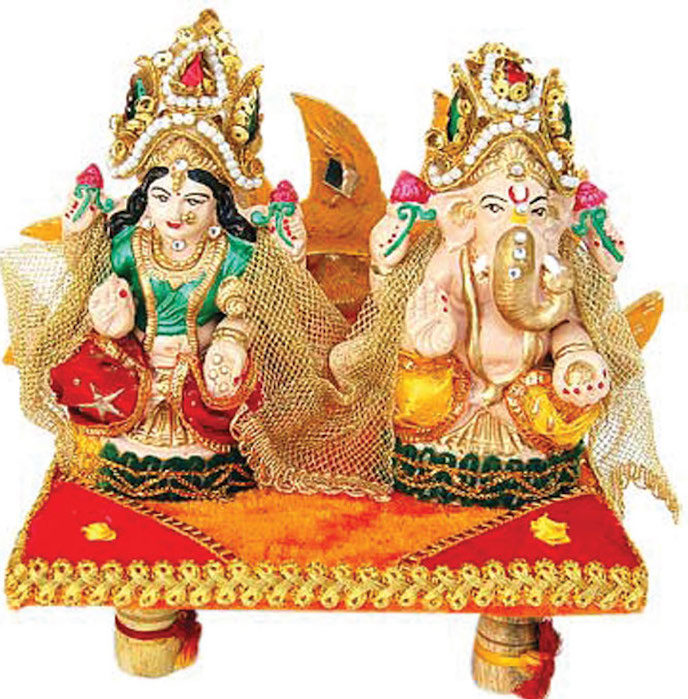
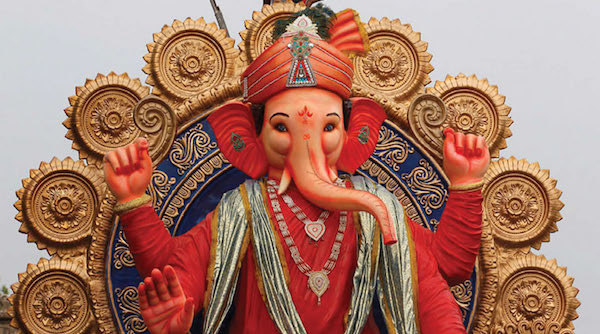
As dusk falls, families gather for Lakshmi and Dhanvantari Puja. Devotees light 13 diyas (symbolizing the date of Trayodashi) and place them at the entrance, windows, and sacred altars. Offerings include flowers, sweets, puffed rice, coriander seeds, and coins placed before idols of Goddess Lakshmi, Lord Ganesha, and Lord Kubera-the treasurer of the gods.
The mantra “Om Dhan Dhanvantaraye Namah” is chanted to invoke Lord Dhanvantari’s blessings, while Lakshmi Aarti fills the home with devotional fervor. In business communities, especially in Gujarat and Maharashtra, Chopda Pujan is performed-new account books are opened and sanctified, marking the beginning of a new financial year under divine auspices.
The Spiritual Essence: Cleansing, Renewal, and Abundance
At its heart, Dhanteras is about purification and preparation-the mental, spiritual, and physical readiness to welcome the goddess of fortune into one’s home. Just as we clean and beautify our surroundings, this day invites us to cleanse our inner world-our thoughts, intentions, and energies.
Lighting lamps is not only an act of devotion but a spiritual metaphor: it is the illumination of wisdom, the triumph of light over darkness, and hope over despair. Buying something new is a token gesture that honors life’s constant renewal and reminds us that prosperity, like light, must circulate freely.
Regional Variations and Local Customs
Across India, Dhanteras is celebrated with diverse hues and customs:
– In North India, especially in Uttar Pradesh, Bihar, and Delhi, people perform Yamadeepdaan and decorate their homes with marigolds and diyas. Markets brim with shoppers buying utensils and jewelry, and goldsmiths witness their busiest day of the year.
– In Gujarat, the day holds special importance for traders who conduct Chopda Pujan, offering prayers to Lord Ganesha and Goddess Lakshmi for success in the coming financial year.
– In Maharashtra, families decorate the floor with intricate rangolis, and women purchase new metal utensils, believing it attracts household prosperity.
– In South India, the day is linked more closely to Dhanvantari Puja, with devotees performing rituals to ensure good health and longevity.
– In rural India, farmers and craftsmen polish their tools and machinery, seeking blessings for productivity and protection in the coming season.

Be the first to comment