


As the new moon of Kartika approaches, India begins to shimmer. From the ghats of Varanasi to the temples of Madurai, from the palaces of Jaipur to the beaches of Goa, the subcontinent bursts into a symphony of light, color, and devotion. Diwali-known variously as Deepavali, Dipotsav, or the Festival of Lights-is perhaps the only festival that truly unites India’s vast cultural mosaic, even as every region celebrates it in its own distinctive way. Each lamp lit tells a local legend, each ritual reflects a unique ethos, yet the underlying message remains the same: light conquers darkness, good triumphs over evil, and hope renews the human spirit.
Northern India: The Return of Rama and the Kingdom of Light
In the northern plains, Diwali is inseparable from the epic tale of Lord Rama. After 14 years of exile and the defeat of Ravana, Rama returned to Ayodhya with Sita and Lakshmana. To welcome their king, the people illuminated the entire city with oil lamps, symbolizing the triumph of virtue.
Ayodhya’s Deepotsav today is a breathtaking reenactment of that ancient homecoming. Millions of earthen lamps-over 24 lakh in 2024-are lit along the Sarayu River and throughout the city, creating a sea of flickering gold visible from the skies. Temples resound with chants of “Jai Shri Ram,” while tableaux and processions recreate episodes from the Ramayana. The event has earned a Guinness World Record for the largest display of lamps, but beyond its scale, it remains a devotional spectacle of light reclaiming darkness.
In Varanasi, the spiritual capital of India, Diwali blends seamlessly into Ganga Mahotsav-a five-day cultural and devotional celebration on the ghats. Thousands of diyas are floated on the sacred Ganges, turning the river into a shimmering ribbon of light. The Ganga Aarti on this night is a sight to behold-priests in saffron robes performing synchronized rituals with giant brass lamps as conch shells echo across the twilight. Fireworks, classical music, and handicraft fairs add to the city’s festive pulse, where spirituality and artistry flow together like the river itself.
Further north in Punjab, Diwali coincides with Bandi Chhor Divas, marking Guru Hargobind Sahib’s release from Gwalior Fort. The Golden Temple in Amritsar glows with thousands of lamps reflected in its serene waters. Sikhs commemorate the day with kirtan, charity, and fireworks, symbolizing liberation from both physical and spiritual bondage.
In Delhi, Haryana, and Uttar Pradesh, families celebrate with traditional Lakshmi Puja, lighting rows of diyas at doorsteps, exchanging sweets, and bursting firecrackers. New clothes, rangolis, and community feasts complete the night of joy and togetherness.
Western India: Prosperity, Worship, and Community
In Gujarat, Diwali marks the end of the financial year for traders and business families. It is primarily a festival dedicated to Goddess Lakshmi, the divine mother of wealth and abundance. On Chopda Pujan day, new account books (bahi-khatas) are opened, and prayers are offered for prosperity and ethical success in the year ahead. Homes are decorated with torans of mango leaves, intricate rangolis, and lamps at every entrance to invite Lakshmi’s grace.
In Maharashtra, Diwali extends over five days, each with a distinct meaning. It begins with Vasu Baras-honoring cows for their nurturing role-followed by Dhanteras and Naraka Chaturdashi (Chhoti Diwali). On this day, people take oil baths before sunrise, a tradition symbolizing purification after Narakasura’s slaying by Krishna. The main Lakshmi Puja follows, and then Bali Pratipada or Padwa celebrates the bond between husbands and wives, recalling the victory of King Bali’s devotion over Indra’s pride. The festival concludes with Bhau Beej, a day of sibling affection.
Rajasthan’s cities, especially Jaipur and Udaipur, are transformed into wonderlands of illumination. Every market, haveli, and palace glows in colorful lights. The Johari Bazaar in Jaipur is famed for its dazzling decorations and vibrant trade, while Udaipur’s City Palace hosts grand fireworks over Lake Pichola, reflecting the opulent beauty of Rajputana tradition.
In Goa, Diwali takes on a unique and fiery character. Here, the night before the festival is marked by the burning of massive effigies of Narkasura, the demon slain by Krishna. These effigies, crafted weeks in advance and paraded through villages, represent the destruction of arrogance and evil. With shouts of “Narakasura Mardini ki Jai!” (Victory to the Destroyer of Narakasura), locals greet dawn with oil baths, sweets, and joy.
Eastern India: The Night of Kali
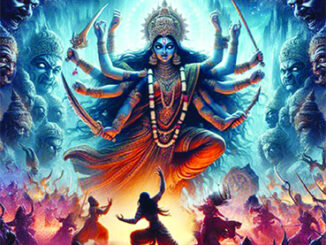
In West Bengal, Diwali is celebrated as Kali Puja, dedicated to the fierce and compassionate Goddess Kali. The night sky fills with incense and devotion as temples and homes are transformed into shrines of divine energy. Idols of Kali, adorned with hibiscus flowers and skull garlands, are worshipped with offerings of rice, sweets, and symbolic rituals that signify the destruction of ego and ignorance. The air vibrates with the rhythm of drums and chants of “Jai Maa Kali!” While northern India’s Diwali is about prosperity and Rama’s return, Bengal’s version is about inner liberation and the triumph of the divine feminine.
In Odisha, lamps are lit not only for Lakshmi but also to guide the souls of ancestors back to heaven-a tradition known as Badabadua Daka. People stand in front of their homes with torches made of jute sticks, chanting, “Badabadua ho andhaara e asa, alua e jaa”-a prayer inviting ancestral blessings.
Assam celebrates Diwali with Shakti Puja and lighting of earthen lamps in shrines dedicated to Kamakhya Devi. The festival also coincides with the harvest season, blending devotion with gratitude for nature’s bounty.
Southern India: Dawn of Light
In the south, Deepavali (as it is locally called) is a celebration that begins at dawn rather than dusk. It commemorates Lord Krishna’s victory over the demon Narakasura and the restoration of righteousness.
In Tamil Nadu, people wake before sunrise, anoint themselves with fragrant oil, and bathe before lighting lamps and bursting crackers-a ritual symbolizing the destruction of negativity. Elders bless the young with new clothes, sweets, and tokens of love. The day is marked by offerings of Deepavali marundhu-a special herbal concoction believed to cleanse the body and protect against seasonal ailments.
In Karnataka and Andhra Pradesh, Deepavali spans several days. The first day is Naraka Chaturdashi, followed by Amavasya Lakshmi Puja, and then Balipadyami, honoring King Bali’s devotion. In rural areas, cattle are washed, adorned with garlands, and worshipped, reflecting gratitude to animals that sustain livelihood.
In Kerala, Deepavali is a quieter affair compared to Onam, yet homes still sparkle with small lamps and sweets are shared. The emphasis is on family togetherness and purity of thought, echoing the festival’s pan-Indian message of inner light.
The Himalayan and Island Diwalis
Even in the mountains, Diwali finds its glow. In Himachal Pradesh, it marks not just the worship of Lakshmi but also the return of deities to their shrines after autumnal processions. Kullu Dussehra flows into Diwali celebrations, creating a seamless blend of devotion and festivity.
In Nepal, the festival is called Tihar and spans five days-each devoted to animals, wealth, and family. Crows, dogs, cows, and oxen are honored for their roles in human life.
Be the first to comment